降茶

Search documents
食品饮料行业周度市场观察:行业环境,头部品牌动态,投资运营,产品技术,营销活动-20251223
Ai Rui Zi Xun· 2025-12-23 07:46
Investment Rating - The report indicates a gradual recovery in the food and beverage sector, suggesting a positive outlook for investment opportunities in the industry [6]. Core Insights - The beverage market is experiencing a surge in demand for health-oriented products, particularly turmeric drinks and low-GI foods, driven by younger consumers' health consciousness [2][10]. - The approval of elderberry anthocyanins as a new food ingredient is expected to unlock a significant market potential, with a projected global market size of $960 million by 2027 [4]. - The report highlights the ongoing price wars in the beverage industry, with major brands signaling a trend towards price reductions, which may impact profit margins across the supply chain [9]. Industry Trends - The popularity of turmeric drinks among young consumers is attributed to their perceived health benefits, despite concerns over taste and sugar content [2]. - The rise of the health economy is evident, with a significant increase in sales of health-related products, such as herbal teas and functional foods, particularly among millennials and Gen Z [2]. - The elderberry anthocyanins market is anticipated to grow rapidly, with opportunities for product innovation in immune support and gut health [4]. - The low-GI food market is projected to reach ¥176.2 billion by 2024, driven by increasing health awareness and the prevalence of diabetes among younger populations [10]. - The beverage industry is facing a structural shift, with a focus on "precision" beverages that cater to specific consumer needs and preferences [14]. Brand Dynamics - Kunlun Mountain Mineral Water has entered a strategic partnership to expand its market presence in Hong Kong, leveraging local resources and distribution channels [16]. - Jiahe Foods is transitioning from a contract manufacturer to a consumer brand, facing challenges in profitability due to rising raw material costs and increased marketing expenses [19]. - Vitasoy International reported a decline in revenue, particularly in the mainland market, as competition in the plant-based milk sector intensifies [20]. - Tian Shili's "medical-grade" sugar-free tea has achieved a high repurchase rate by targeting pre-diabetic consumers, showcasing the potential for functional beverages in the health market [21]. - The new brand "Bie Xiang Bao Bao" has gained traction in the sugar-free tea market, achieving significant sales growth through innovative product offerings [22].
第113届全国糖酒商品交易会暨2025秋糖季圆满落幕
Qi Lu Wan Bao· 2025-10-21 08:31
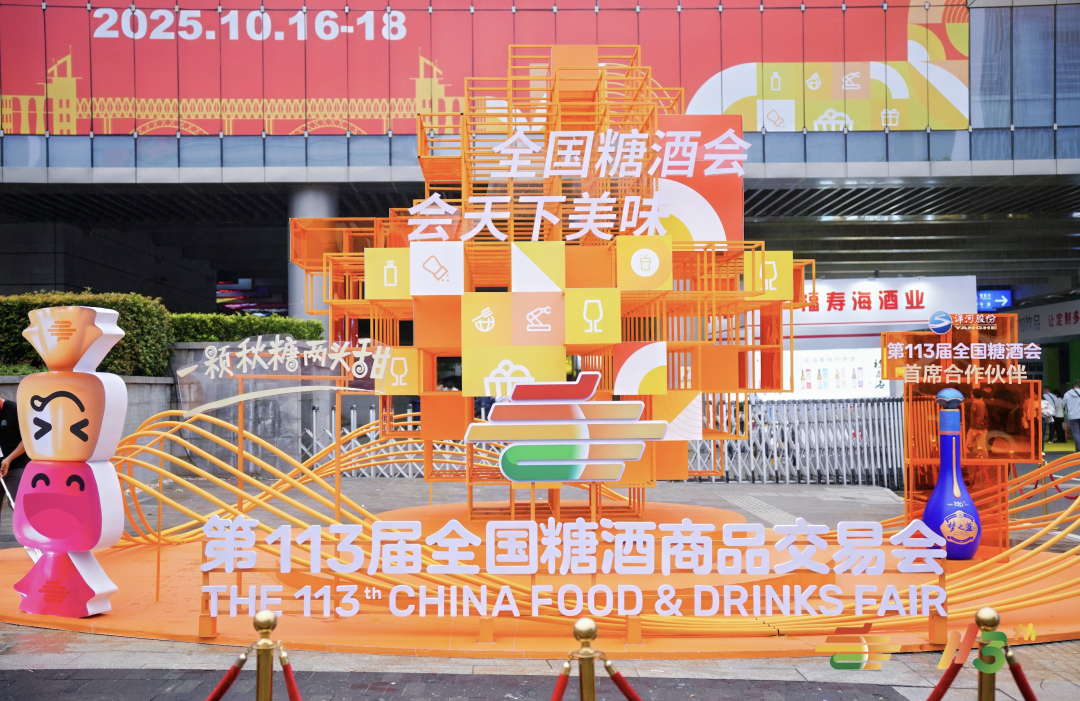
Core Insights - The 113th National Sugar and Wine Commodity Fair was successfully held in Nanjing from October 16 to 18, showcasing its role as an industry "barometer" and "accelerator" through innovative product launches, authoritative forums, and green practices [1][3][5] Exhibition Highlights - The exhibition covered an area of 200,000 square meters with 10 major themed exhibition areas and 13 specialty zones, attracting 4,027 enterprises from over 40 countries and regions, presenting more than 300,000 innovative products [3][5][6] - Over 400,000 professional visitors attended, demonstrating the fair's enduring appeal and effectiveness in facilitating trade connections [6][9] Innovative Consumption Promotion - The "Autumn Sugar Season" initiative integrated city-wide activities, engaging over 10 million participants and generating direct economic benefits of 10.6816 billion yuan [4][27] - Various cultural and entertainment events were organized, significantly boosting local consumption, with participating restaurants reporting an average revenue increase of 35% [25][26] Industry Forums and Discussions - More than 30 high-profile industry forums were held, addressing topics such as AI-driven manufacturing and digital transformation, providing authoritative insights for industry development [15][17] - The main forum featured experts discussing the transition from technological innovation to value creation in the food and beverage sector [15][17] Technological Empowerment - The fair utilized digital platforms to enhance participant experience, achieving over 279,100 visits to its digital services, which improved matching efficiency and negotiation quality [18] Sustainability Initiatives - The event emphasized green practices, implementing measures to reduce carbon emissions and promote sustainable development within the exhibition industry [19] Media Coverage and Publicity - The fair garnered extensive media attention, with over 700 journalists covering the event, resulting in a total online exposure of 420 million times [20] Future Outlook - The next National Sugar and Wine Commodity Fair is scheduled for March 26-28, 2026, in Chengdu, aiming to continue supporting national consumption strategies and industry development [28]

记者直击!多家龙头药企“意外”现身糖酒会,药食同源加速发展
Hua Xia Shi Bao· 2025-10-17 12:38
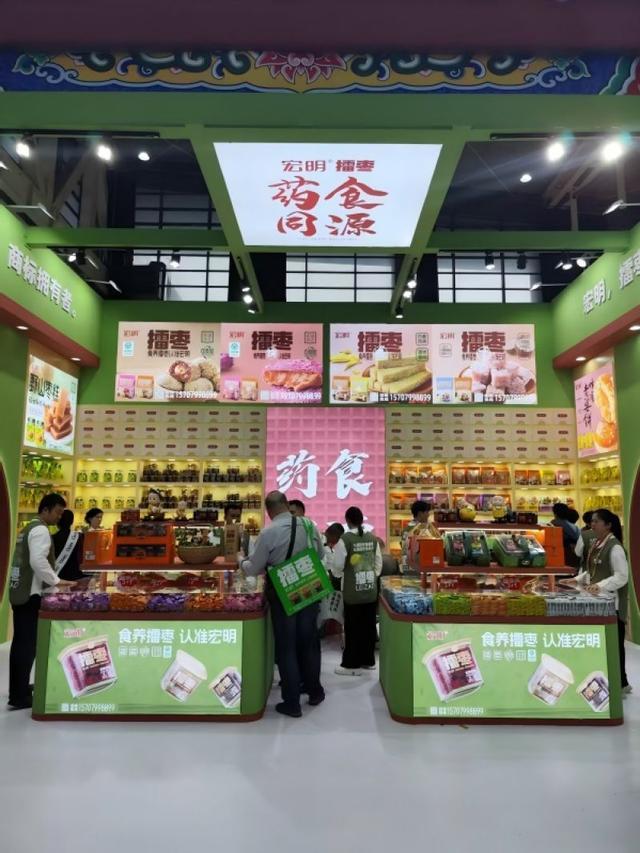
Core Viewpoint - The "food and medicine homology" market is rapidly growing, with various companies, including well-known pharmaceutical firms, participating in the 113th National Sugar and Wine Commodity Fair to promote products that align with this concept [2][6][7]. Group 1: Industry Participation - Notable pharmaceutical companies like Tian Shi Li and Tong Ren Tang are showcasing products at the fair, such as functional teas and herbal alcoholic beverages, emphasizing the integration of health and wellness into everyday consumption [3][5]. - Tian Shi Li's new product "Jiang Cha" targets health-conscious individuals aged 30-45, claiming to regulate post-meal blood sugar levels and improve sleep quality, with a monthly sales volume of 40,000 boxes [3][5]. Group 2: Market Growth - The "food and medicine homology" industry is experiencing accelerated growth, with the narrow market projected to reach 265 billion yuan in 2024, reflecting an 18% year-on-year increase [7][8]. - The broader market, including traditional supplements and functional foods, is expected to reach approximately 800 billion yuan by 2024 and 1.2 trillion yuan by 2030, with a compound annual growth rate of about 12% [7][8]. Group 3: Innovation and Consumer Trends - Innovative products like goji berry gummies and ginseng chocolates have seen a 300% compound growth rate among consumers under 35 over the past three years, indicating a strong demand for health-oriented snacks [8]. - The convenience of managing "food and medicine homology" products under regular food regulations, combined with the established efficacy of many traditional Chinese medicinal ingredients, is driving industry growth [8]. Group 4: Standardization Challenges - The current lack of a robust standardization system for "food and medicine homology" products poses risks, as only one local standard exists in Shandong, leading to potential consumer confusion [9][10]. - Experts at the fair discussed the need for nutritional labeling standards to enhance consumer understanding and ensure food safety, emphasizing the importance of integrating scientific research with public education [9][10].