
陶瓷基复合材料

Search documents
空天系列报告三:隔热材料:火箭热防护核心之盾,耗材属性打开长期需求
Guolian Minsheng Securities· 2026-02-11 13:47
Investment Rating - The report does not explicitly state an investment rating for the industry Core Insights - The thermal protection materials market is expected to have significant growth potential, particularly driven by the Starship program, with an estimated market space of $90 billion for thermal tiles and $1.17 billion for single launch losses if the production and launch targets are met [4][30][32] - The development of reusable rockets, particularly in China, is advancing rapidly, with ceramic-based materials likely to benefit first [4][60][66] Summary by Sections 1. Thermal Materials: The Core of Commercial Aerospace Thermal Protection - The development of aerospace vehicles increasingly focuses on thermal protection capabilities, which are critical for ensuring rocket recovery [12] - Thermal protection systems (TPS) must meet stringent requirements, including high-temperature resistance, oxidation resistance, lightweight design, and mechanical strength [12][18] - The market for thermal materials is expanding, with significant applications in various stages of rocket launch and recovery [18][19] 2. Overseas Secondary Rocket Reusability Accelerates Validation, Multi-layer Protection for Thermal Materials - NASA has laid the foundation for thermal tile technology, with various materials developed for different temperature tolerances [37] - The Starship's thermal protection structure combines adhesive and cover-type designs, indicating a shift towards more effective thermal protection solutions [42][46] 3. Domestic First-stage Rocket Reusability Progresses Faster, Ceramic-based Materials Benefit First - China's aerospace sector has developed a third-generation thermal material system, with significant applications in crewed spacecraft [58] - The demand for ceramic-based thermal materials is expected to grow as the country advances in reusable rocket technology [66] 4. Related Companies - Torch Electronics focuses on ceramic matrix composites, with significant revenue generation in aerospace applications [72] - Hua Qin Technology specializes in thermal resistance materials, enhancing performance in high-temperature components [73] - Zhonggang Lu Neng is a key supplier of high-end refractory materials, with strong production capabilities for ceramic-based products [74] - Beijing Lier is expanding into aerospace thermal materials, with a short investment recovery period indicating strong profitability potential [75]


猎鹰9号“急刹车”:火箭回收安全警钟敲响,新材料成破局关键(附企业清单)
材料汇· 2026-02-03 16:01
Core Viewpoint - The article discusses the safety challenges associated with the recovery of reusable rockets, particularly focusing on the recent anomaly experienced by SpaceX's Falcon 9 rocket, and emphasizes the critical role of advanced materials in addressing these safety issues [4][5][7]. Group 1: Safety Challenges in Rocket Recovery - The recovery process of reusable rockets is a comprehensive "extreme challenge" that involves various safety risks related to material performance during re-entry, propulsion, and landing phases [7]. - Key safety pain points are identified in three dimensions: re-entry phase, propulsion phase, and landing phase, each presenting unique material-related challenges [7]. Re-entry Phase - During re-entry, the rocket's surface can experience temperatures between 1500°C and 2000°C, necessitating heat protection materials that are not only heat-resistant but also lightweight and reusable [10]. - The Falcon 9 has faced issues with thermal protection coatings degrading after multiple uses, highlighting the inadequacy of traditional materials [10]. Propulsion Phase - The engine components must withstand extreme temperatures (1000°C to 3000°C) and pressures, leading to material fatigue and potential failures such as propellant leaks [12][13]. - The recent anomaly in the Falcon 9's second stage ignition is suspected to be linked to material fatigue, emphasizing the need for robust engine materials [13]. Landing Phase - The landing system must absorb impact forces, requiring materials that are strong, lightweight, and capable of withstanding repeated use [16]. - Previous incidents have shown that inadequate material strength in landing gear can lead to failures, underscoring the importance of material integrity [16]. Group 2: Role of New Materials in Enhancing Safety - New material technologies are crucial for addressing the safety challenges in rocket recovery, with ongoing research leading to the development of high-performance materials for various critical applications [18]. Heat Protection Materials - Advanced heat protection materials include ceramic matrix composites, which offer high-temperature resistance and reusability, significantly improving safety during re-entry [20]. - Carbon-carbon composites are also highlighted for their superior heat resistance, being used in critical areas like the rocket's nose cone [22]. Propulsion System Materials - Innovations in high-temperature alloys and nanocrystalline materials are being developed to enhance engine component durability and reliability under extreme conditions [25]. - New sealing materials, such as fluororubber and PTFE composites, are designed to maintain performance under varying temperatures and prevent leaks [28]. Structural and Buffering Materials - The use of composite materials in landing gear and rocket structures enhances strength and reduces weight, improving overall safety during landing [29]. - The integration of aluminum foam materials in landing gear systems is noted for its ability to absorb impact energy effectively [29]. Group 3: Comparative Analysis and Industry Insights - A comparison of domestic and international advancements in new materials reveals that while the U.S. has a head start in certain areas, China has made significant strides in developing cost-effective and innovative materials for rocket recovery [33]. - The recent SpaceX incident serves as a reminder that safety must remain a priority in the pursuit of cost efficiency in commercial spaceflight, with material innovation being a key factor in achieving this balance [34].


火箭隔热材料
2026-02-02 02:22
Summary of Key Points from the Conference Call on Rocket Thermal Insulation Materials Industry Overview - The thermal insulation materials for rockets are primarily categorized into resin-based composites, aerogel composites, functional coatings, ceramic matrix composites, multilayer insulation materials, and ceramic tiles. These materials are crucial for protecting spacecraft and rocket engines from extreme temperatures and radiation [2][3][5]. Core Insights and Arguments 1. **Resin-Based Composites**: These materials utilize high polymer resins that decompose and carbonize at high temperatures, forming a porous carbon layer that blocks heat transfer. Common types include glass fiber with phenolic resin and carbon fiber with phenolic resin. They are mainly used in the heat shield of spacecraft and solid rocket engines [3][4]. 2. **Aerogel Composites**: Aerogels, such as silica and alumina aerogels, are characterized by low thermal conductivity and ultra-light density. They are used as inner lining insulation materials in rocket segments to protect electronic components from radiation [5]. 3. **Functional Coatings**: These coatings are applied via spraying and can form a porous carbon layer that dissipates heat. They are cost-effective but require improvements in protective performance [2][5]. 4. **Ceramic Matrix Composites**: These materials, including carbon-silicon carbide, are used in next-generation aircraft but have longer manufacturing cycles and higher costs. They are essential for high-temperature applications [2][5]. 5. **Multilayer Insulation Materials**: Composed of high-reflectivity aluminum foil and low thermal conductivity layers, these materials are effective in blocking radiation and are commonly used on spacecraft surfaces and cryogenic storage [5]. 6. **Ceramic Tiles**: The ceramic tiles used in SpaceX's Starship are made from quartz fibers and feature a high-reflectivity coating. They are designed for reusability and have superior thermal resistance compared to NASA's earlier ablative systems [2][6]. Competitive Landscape - Numerous research institutions in China, such as Northwestern Polytechnical University and Central South University, are engaged in the development of thermal insulation materials. Key competitors for Hubei Hangju Technology Co., Ltd. include the 703 and 306 Institutes of the China Aerospace Science and Technology Corporation, which have significant advantages in carbon-carbon composites and thermal coatings [4][13]. Market Trends and Future Outlook 1. **Commercial Spaceflight Demand**: The development of reusable rocket technology is expected to significantly increase the demand for thermal insulation materials. Hubei Hangju has established partnerships with several domestic commercial space companies and is preparing for potential market needs [14][15]. 2. **Cost Control Innovations**: The introduction of flexible ablative coatings, which are cheaper and have shorter production cycles compared to traditional thermal tiles, is anticipated to reshape the market dynamics. These coatings can form in-situ ceramics at high temperatures, enhancing their protective capabilities [9][10]. 3. **Material Recovery and Maintenance**: Hubei Hangju is focusing on developing technologies for the recovery and maintenance of thermal materials post-launch. They are exploring rapid repair techniques to ensure materials can be reused effectively [17][18]. 4. **Industry Positioning**: Hubei Hangju positions itself as a full-chain solution provider, managing everything from raw material synthesis to post-launch maintenance. This comprehensive approach enhances their competitiveness in the market [19]. 5. **Industrial Capabilities**: The leading companies in the domestic market, such as the 703 Institute and Hubei Hangju, have the capacity for large-scale production and direct engagement with major manufacturers, giving them a competitive edge [20]. Additional Important Insights - The cost of ceramic-based thermal insulation materials is primarily driven by energy consumption during the high-temperature sintering process, with initial estimates indicating that these materials account for about 10% of the total product cost [8]. - The application of thermal protection materials varies significantly between solid and liquid propulsion systems, with solid rockets predominantly using resin-based materials and coatings for specific areas [12]. This comprehensive analysis highlights the evolving landscape of rocket thermal insulation materials, emphasizing the technological advancements, competitive dynamics, and market opportunities within the industry.
华秦科技20260127
2026-01-28 03:01
Summary of Huajin Technology Conference Call Company Overview - **Company**: Huajin Technology - **Industry**: Stealth Materials and Advanced Composite Materials for Aviation Key Points Industry and Market Dynamics - Huajin Technology is experiencing steady growth in the stealth materials sector, with temperature-resistant stealth material technology having surpassed overseas barriers, achieving international leading standards and full temperature range coverage, benefiting from mass production during the 14th Five-Year Plan period, leading to rapid revenue growth [2][4] - The demand for stealth materials in aviation engines is urgent, with Huajin providing structured stealth material solutions that effectively address weight increase and coating detachment issues by dispersing core components within composite materials [2][5] - The market for stealth materials is vast, with significant contributions from both new fighter jet markets and maintenance needs, as an engine undergoes multiple major repairs throughout its lifecycle, creating a substantial aftermarket scale [10][11] Product and Technology Insights - Huajin's main supporting product for domestic large aircraft is ceramic matrix composites, which are key materials for advanced aviation engines, offering high technical difficulty and added value, thus enhancing overall revenue and performance elasticity [3] - The company has developed a unique advantage in high-temperature stealth coatings, having researched temperature-resistant stealth materials since 1996, accumulating core technology advantages in formulation, structural design, and coating preparation [12] - The application prospects for stealth materials in aviation engines are broad, with increasing demand for stealth fighter jets, particularly in China, which has a significant gap compared to the U.S. in stealth fighter inventory [9] Competitive Positioning - To ensure the stability of its core technology team, Huajin's controlling shareholder has implemented stock incentives to bind the core team deeply, alleviating concerns about team stability [7] - Despite potential competition, Huajin is expected to maintain its leading position due to its long-term accumulation of technology and integration into a "core small collaboration system" to strengthen supplier relationships [13][14] Emerging Business Opportunities - Huajin is actively expanding into emerging businesses, including camouflage materials, protective coatings, and acoustic metamaterials, which have substantial potential in both military and civilian markets [19] - The company has established partnerships for the development of acoustic metamaterials and protective coatings, which are expected to contribute significantly to revenue growth in the upcoming 15th Five-Year Plan period [18][19] Future Growth Drivers - The demand for ceramic matrix composites is anticipated to increase significantly with the ramp-up of commercial aviation engines, driving Huajin's growth [6] - The company is also focusing on new business lines, including component processing and acoustic materials, which are expected to provide additional growth avenues [6] Additional Insights - The structured stealth materials developed by Huajin are seen as a more ideal solution compared to traditional stealth coatings, as they do not alter the structural integrity while providing both load-bearing and stealth capabilities [8] - The company has made significant advancements in the industrialization of its products, ensuring a stable supply and aligning R&D efforts with advanced model demands [14][15]
看好国产大飞机及军贸主线
2026-01-20 03:54
Summary of the Conference Call Industry Overview - The focus is on the military industry, particularly in the context of China's military modernization and export potential, with two key areas of interest: domestic large aircraft and high-end military trade [2][3][4] Key Points and Arguments Domestic Large Aircraft - The domestic large aircraft, specifically the C919, is highlighted as a significant player in the market, aiming to compete with Airbus and Boeing [5][6] - The C919 has completed the third phase of certification for the European market, with expectations to finalize all certifications by mid-2027 [6][7] - The aircraft has already achieved over 4 million safe flights domestically, indicating operational success [7][8] - Future production targets for the C919 are projected to reach 200 to 400 units by 2030 to 2035, supported by a robust supply chain [8][9] - The development of derivative models, such as high-altitude and extended-range versions, is underway to meet diverse customer needs [9][10] Military Trade - The export of advanced military aircraft, such as the FC-1 (also known as the JF-17 or Thunder), is seen as a catalyst for expanding China's military trade [13][19] - The demand for the FC-1 from countries like Pakistan is expected to enhance China's military supply chain and promote further exports of advanced military equipment [13][19] - Upcoming defense exhibitions in Saudi Arabia and Singapore are anticipated to serve as platforms for showcasing China's military capabilities and fostering international military trade relationships [20][21] Investment Strategy - The investment strategy emphasizes a focus on companies that can create long-term value, particularly those involved in the second growth curve, which includes new business areas like commercial aerospace and military exports [4][5] - The military industry is characterized by a shift towards bottom-up stock selection, with a focus on individual companies that demonstrate potential for growth and profitability [4][5] Additional Important Content - The military industry is experiencing structural changes, with three main segments identified: military trade, military-to-civilian transitions, and domestic military equipment construction [3][4] - The military trade sector is expected to benefit from increased global military spending, particularly as geopolitical tensions rise [16][17] - The U.S. defense budget is projected to increase significantly, which may further stimulate global military trade dynamics [16][17] - The conference also discussed the importance of technological advancements in military equipment and the need for a comprehensive military industrial base to support these developments [17][18] Company-Specific Insights - Torch Electronics is highlighted for its growth potential in specialized electronic components and new materials, with a focus on military applications [23][24] - The company is recognized as a leading supplier of multilayer ceramic capacitors (MLCC) in the military sector, with plans for expansion into new materials for aerospace and missile applications [25][26] - Torch Electronics has implemented multiple employee stock incentive plans to align the interests of management and employees, which is expected to support long-term growth [26][27] This summary encapsulates the key insights from the conference call, focusing on the military industry, investment strategies, and specific company developments.




商业航天为哪些化工材料带来新机遇?(附128种商业航天新材料)
材料汇· 2026-01-19 15:57
Group 1: Commercial Aerospace Industry Overview - The commercial aerospace industry is entering a period of explosive growth, driven by significant advancements in low Earth orbit satellite constellations and launch capabilities [1][2] - China plans to launch 12,992 commercial satellites to create a global internet satellite constellation, with ongoing development of high-capacity rockets and completion of launch facilities in Hainan [2][4] - By 2027, the commercial aerospace industry is expected to achieve high-quality development, with enhanced innovation and resource utilization, as outlined in the National Space Administration's action plan [4] Group 2: Demand for Commercial Satellites and Rocket Technology - The demand for commercial satellites is increasing, leading to rapid development in the liquid rocket engine sector, which is the mainstream technology for reusable rockets [6][7] - The global electronic specialty gas market is projected to reach $6.023 billion by 2025, with a CAGR of 6.39% from 2022 to 2025, while China's electronic specialty gas market is expected to reach 23 billion yuan by 2024, with a CAGR of 10.31% [8][10] Group 3: Advanced Materials in Aerospace - The carbon fiber industry is experiencing structural differentiation, with high-performance carbon fibers in demand for aerospace applications, although domestic supply capabilities for high-end products remain insufficient [13][14] - Advanced structural ceramics and composites are critical materials in aerospace, with ongoing improvements in technology and innovation needed to close the gap with developed countries [15][16] - The market for quartz glass fibers and composites is expanding, driven by their essential role in aerospace and semiconductor industries [19] Group 4: Key Functional Materials for Commercial Aerospace - PI films are crucial for aerospace applications due to their excellent thermal stability and radiation resistance, with products already supplied to China's rocket technology research institute [21][22] - LCP materials are gaining traction in high-frequency communication and signal transmission industries, with significant production capabilities established by companies like Prilite [23][24] - Specialty plastics and thermal protection materials are essential for ensuring the reliability and performance of aerospace components [25][26]




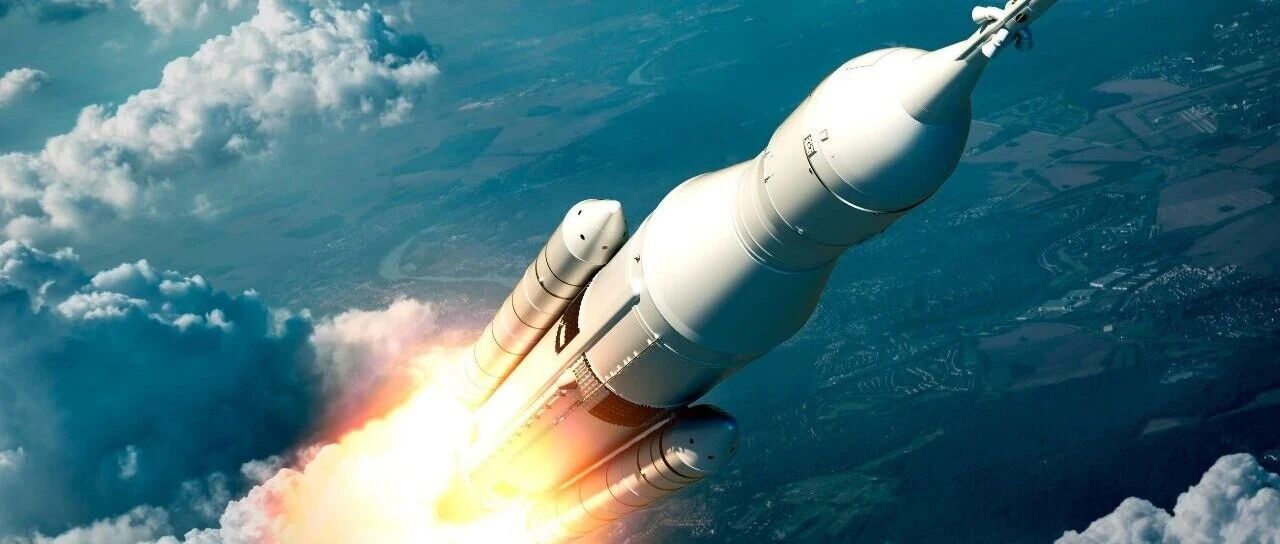
借力商业航天,材料迎来新机遇
Huajin Securities· 2026-01-14 08:03
Investment Rating - The industry investment rating is maintained as "Outperform the Market" [4] Core Insights - The commercial aerospace industry is entering a period of explosive growth, with significant improvements in low-orbit satellite constellation construction and launch capabilities. China plans to launch 12,992 commercial satellites to create a global internet satellite constellation [1] - The demand for liquid rocket engines is increasing due to the trend towards large-capacity and reusable rockets in commercial aerospace, leading to a substantial rise in the demand for liquid propellants [2] - The market for electronic specialty gases is projected to reach $6.023 billion globally by 2025, with a CAGR of 6.39% from 2022 to 2025 [2] - The carbon fiber industry is experiencing structural differentiation, with high-performance carbon fiber demand rising in aerospace, while the mid-to-low-end market faces oversupply and price wars [9] - Advanced structural ceramics and composite materials are critical for high-end equipment in aerospace and other key sectors, with ongoing technological advancements in China [9] Summary by Sections Commercial Aerospace Development - The commercial aerospace sector is witnessing rapid advancements, with the establishment of launch sites and the development of new rocket technologies [1] - The government is promoting the safe and healthy development of emerging industries, including commercial aerospace, through various action plans [1] Market Demand and Growth - The demand for liquid propellants and specialty gases is expected to grow significantly, driven by advancements in rocket technology and increased satellite production [2] - The electronic specialty gas market in China is projected to reach 23 billion yuan by 2024, with a CAGR of 10.31% from 2022 to 2024 [2] Material Applications - High-performance materials such as carbon fiber, advanced ceramics, and quartz glass fibers are increasingly used in commercial aerospace applications [9][11] - Companies like Jiufeng Energy and Guangwei Composites are leading in the domestic market for specialty gases and carbon fibers, respectively, with ongoing projects to meet the growing demand [2][9] Investment Recommendations - The report suggests focusing on companies involved in rocket fuel and satellite production, as well as those producing specialty fibers and advanced materials for aerospace applications [11]

华秦科技(688281.SH):公司主要从事特种功能材料研产销 并开拓航空航天零部件加工等业务或产品
智通财经网· 2026-01-12 10:04
Core Viewpoint - The company, Huajin Technology (688281.SH), has noted increased market attention on commercial aerospace and robotics, while its main business remains focused on the research, production, and sales of special functional materials [1] Group 1: Business Overview - The company is engaged in the aerospace industry chain and advanced new materials sector, expanding into aerospace component processing, ceramic matrix composites, acoustic metamaterials, and ultra-fine crystal component manufacturing [1] - The primary revenue source for the company is the aerospace engine industry, with products such as thermal barrier materials, thermal barrier coatings, and laser ultrasonic testing equipment applicable in the commercial aerospace sector [1] Group 2: Market Position and Future Prospects - The applications of the company's products in commercial aerospace and robotics are currently in the early exploration stage, indicating that these markets are still in their infancy [1] - There is significant uncertainty and unpredictability regarding the contribution of these emerging sectors to the company's revenue [1]
华秦科技:公司主要从事特种功能材料研产销 并开拓航空航天零部件加工等业务或产品
Mei Ri Jing Ji Xin Wen· 2026-01-12 08:52
Core Viewpoint - The company, Huajin Technology (688281.SH), is focusing on special functional materials and is exploring business opportunities in the aerospace and advanced materials sectors, despite the current uncertainty in revenue contributions from these new areas [1]. Group 1: Business Focus - The company is primarily engaged in the research, production, and sales of special functional materials, with a main revenue source from the aerospace engine industry [1]. - Recent market interest in commercial aerospace and robotics has prompted the company to consider expanding its business into these areas, including aerospace component processing and advanced materials [1]. Group 2: Product Applications - Products such as thermal barrier materials, thermal barrier coatings, and ceramic matrix composites are applicable in the commercial aerospace sector [1]. - Ultra-fine crystal materials are relevant to the robotics industry, but these applications represent only one aspect of the company's product offerings [1]. Group 3: Market Stage and Uncertainty - The company notes that the commercial aerospace and robotics industries are still in their early stages, leading to significant uncertainty and unpredictability regarding revenue contributions from these new business areas [1].
报告:全球材料科学高等教育呈“美中双极主导”格局
Xin Lang Cai Jing· 2025-12-19 11:15
Group 1 - The report titled "Engineering Science and Technology for Future Industries 2025 (New Materials)" highlights a "bipolar dominance" in global materials science higher education, with the US leading with 91 universities and China ranking second with 66 universities [1] - The report indicates that while China leads in the quantity of basic research, it is still catching up in the layout of core high-value patents [1] - The second tier of countries includes Germany (35 universities), the UK (29), France (27), and South Korea (24), while India (23), Japan (22), Australia (21), and Italy (20) show close competition in the number of universities [1] Group 2 - The report identifies a trend of "differentiated layout under converging competition" in global policies for new materials, with countries focusing on strategic areas like semiconductors, batteries, and key magnetic materials [2] - Specific countries are pursuing unique directions based on their industrial characteristics, such as France focusing on nuclear materials and the UK advancing graphene research [2] - A list of ten future new materials is provided, including carbon fiber composites, wide bandgap semiconductor materials, solid-state electrolyte materials, biodegradable polymers, flexible electronics, nanomedicine carriers, high-temperature superconductors, ceramic matrix composites, high-entropy alloys, and photonic crystal materials [2]