
新国潮

Search documents
“流动的中国”展现文旅市场蓬勃活力
Zheng Quan Ri Bao· 2026-02-23 16:28
Core Insights - The Chinese tourism market is experiencing a robust recovery during the 2026 Lunar New Year, with significant increases in travel demand and consumer spending [1][2][3] Group 1: Tourism Demand and Trends - Travel orders and passenger transport volume have seen substantial growth during the Spring Festival, reflecting a strong recovery in the cultural tourism market [1] - Domestic travel booking amounts have increased by approximately 10% compared to the previous year, with popular packages for accommodations and attractions seeing a 140% rise in order volume [2] - Major cities like Beijing, Chengdu, Guangzhou, Chongqing, and Shanghai are among the top travel destinations, while smaller cities like Kaifeng and Pu'er have also seen order volumes more than double [2][3] Group 2: Cultural and Traditional Experiences - Traditional cultural experiences are a major draw for tourists, with activities centered around local customs and heritage becoming mainstream during the holiday [3][4] - Various regions, such as Guangdong and Fujian, have launched cultural tourism initiatives that include non-heritage activities and modern experiences, contributing to increased tourism engagement [3][4] - The search volume for non-heritage experiences has surged by 180%, particularly among the younger demographic [3] Group 3: Innovation in Cultural Tourism - The tourism supply side is innovating by integrating non-heritage elements with modern consumer demands, making traditional culture more engaging and participatory [4] - The rise of short video platforms has further popularized traditional performances, encouraging more visitors to participate in cultural activities [4][5] - The trend of "Chinese style" aesthetics is particularly appealing to younger tourists, showcasing the cultural empowerment of economic and social development [5]
老字号玩转“新国潮”
Xin Lang Cai Jing· 2026-02-09 16:13
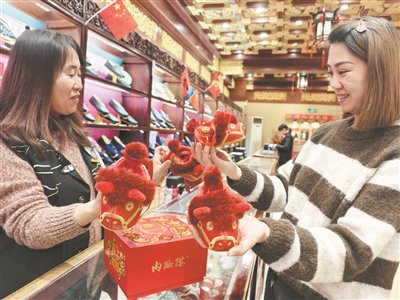
Group 1 - The core idea of the article highlights the transformation of traditional Beijing brands, which are innovating through cross-industry collaborations and scene innovations to attract younger consumers during the Spring Festival [4][5]. - Beijing Daoxiangcun has launched a new "Jingwei Western Pastry" series, including the "Little Horse Mousse," which has quickly become popular among consumers [4]. - The "Zao Hua Su" cultural creative products from Daoxiangcun, such as pillows and decorative items, are in high demand, drawing many consumers to visit [4][5]. Group 2 - The "Ma Year" themed shoes designed by the intangible cultural heritage master team at Neiliansheng are characterized by cute designs and fine craftsmanship, symbolizing good fortune for the New Year [5]. - Traditional brands in Beijing are increasingly adopting fashionable approaches, blending styles to create a "New National Trend," which resonates well with younger audiences [5]. - The Bai Ta Si pharmacy features a "Yao Coffee" shop offering unique health drinks and products that appeal to young consumers, showcasing the integration of traditional culture with modern lifestyle [5].


五粮液开展股东优惠购酒活动;金沙回沙酒官宣金沙为品牌挚友;茅台数科公司成立
Sou Hu Cai Jing· 2026-02-03 04:52
Group 1 - Wuliangye will launch a "Shareholder Discount Wine Purchase Activity" from February 2 to February 28, 2026, exclusively for shareholders registered by December 17, 2025 [1] - Jinsha Huashao has officially announced singer Jinsha as its brand ambassador and is promoting the new Jinsha Huashao Wine from the 1950s [2] - Guizhou Moutai Digital Technology Co., Ltd. was inaugurated, with a focus on enhancing platform operations and supporting the company's high-quality development [2] Group 2 - Li Qiangqing has been appointed as the General Manager of Guizhou Moutai Sales Co., Ltd., bringing extensive experience from various leadership roles within the Moutai Group [3] - Shanxi Fenjiu participated in the 2026 Shanxi Old Brand Carnival, showcasing its products and engaging consumers through interactive experiences [4] - Meituan Flash Purchase is collaborating with Shede Liquor for a comprehensive marketing campaign during the 2026 Spring Festival, emphasizing online and offline integration [5] Group 3 - The National Standardization Administration has released a new national standard for beer quality (GB/T4927-2025), set to be implemented on January 1, 2027, introducing significant changes in product classification [6][7] - Wan Guodong has resigned as General Manager of Qinghai Huzhu Tianyoude Qinkui Wine Co., Ltd., effective immediately, due to personal reasons [8]





老美华拥抱“新国潮”
Xin Lang Cai Jing· 2026-01-24 21:42
Core Viewpoint - The article highlights how traditional brands, specifically Lao Meihua, are revitalizing their image and product offerings to appeal to modern consumers, blending heritage craftsmanship with contemporary design and technology [3][4]. Group 1: Company Innovation - Lao Meihua has successfully integrated traditional craftsmanship with modern consumer demands, exemplified by their new Chinese-style brooches that resonate with younger audiences [4]. - The company utilizes big data and new materials to adapt their products, such as shoes, to better fit the changing physical characteristics of consumers, moving from traditional designs to modern, functional footwear [4]. Group 2: Market Strategy - Lao Meihua aims to attract younger consumers by innovating while maintaining the essence of their traditional techniques, thus transforming from an "old antique" to a "new national trend" [4]. - The company plans to continue its focus on innovation and quality as it approaches its 115th anniversary in 2026, emphasizing the importance of being relevant in the current market [4].
中国纺织稳步迈向全球产业中高端(向新向优的中国产业)
Ren Min Ri Bao· 2026-01-24 00:47
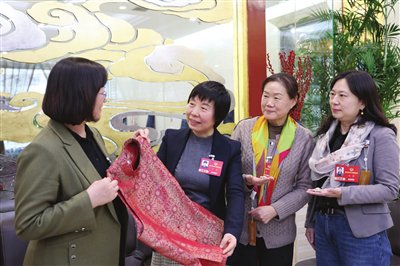
Core Viewpoint - The Chinese economy is set to focus on developing a modern industrial system by 2025, emphasizing the importance of the real economy, technological innovation, and the integration of traditional industries with new technologies [1]. Group 1: Industry Development - The modern industrial system is seen as the material and technical foundation for Chinese-style modernization, with a focus on advanced manufacturing as the backbone [1]. - The textile industry, a traditional sector, is experiencing revitalization through innovation and new applications, such as the use of ultra-high molecular weight polyethylene fibers in robotics [2][3]. - Despite external pressures and insufficient domestic demand, the textile industry is showing resilience, with significant production and export capabilities, including over 700 billion garments produced annually [3]. Group 2: Brand Strength - The textile sector is enhancing its competitiveness through strong branding, with companies like Zhejiang Yizhong Clothing achieving a 20% increase in revenue in 2025 [5]. - The establishment of a quality grading system in the local industry has improved product competitiveness, with sales in the local down jacket industry expected to exceed 50 billion yuan in 2025 [5]. - A report indicates that 60% of consumers prefer domestic brands in the apparel and footwear categories by 2025 [5]. Group 3: Innovation - The integration of AI technology in clothing customization is revolutionizing the industry, allowing for rapid and accurate size generation from photographs [6][7]. - The digitalization of textile enterprises has reached a tool adoption rate of 84.9% by September 2025, significantly improving production efficiency [7]. Group 4: Export Growth - The silk export sector is expanding, with a reported 20% increase in export volume for Jiangsu Huajia Silk Co. in 2025 [8]. - The overall export value from the Shengze Town, a key fabric export base, is projected to grow by 5.1% in 2025, reflecting a more diversified export structure [8]. - The Chinese textile industry is leveraging a global supply chain network to enhance market reach and frequency of transactions [8].
实力更强 技术更新 市场更多元 中国纺织稳步迈向全球产业中高端(向新向优的中国产业)
Ren Min Ri Bao· 2026-01-23 21:53
Core Viewpoint - The Chinese economy is set to focus on developing a modern industrial system by 2025, emphasizing the importance of the real economy, technological innovation, and the integration of traditional industries with new technologies [1]. Group 1: Industry Development - The textile industry is a vital pillar of China's economy, contributing significantly to employment, innovation, and consumption [3]. - China has the most complete textile industrial system globally, producing over 70 billion garments annually and accounting for over 30% of global textile and apparel trade [3]. - Despite external pressures and insufficient domestic demand, the textile industry continues to thrive, with new trends like "Guochao" (national trend) gaining international attention [3][4]. Group 2: Brand Strength - In Pinghu, Zhejiang, the local down jacket industry has shifted from OEM to building strong regional brands, with a projected sales scale exceeding 50 billion yuan by 2025 [5]. - The World Brand Lab's ranking shows that several textile companies, including Hengli and Weiqiao, have improved their positions, reflecting a growing preference for domestic brands among consumers [5]. Group 3: Innovation - Companies are leveraging AI technology for custom clothing, significantly improving production efficiency by over 70% through digital modeling [6][7]. - As of September 2025, the penetration rate of digital R&D design tools in the textile sector has reached 84.9%, indicating rapid growth in digital transformation [7]. Group 4: Resilience - Jiangsu Huajia Silk Co., Ltd. reported a more than 20% year-on-year increase in export volume, actively expanding into new markets like Australia and Turkey [8]. - The export volume from Shengze Town, a key fabric export base, increased by 5.1% year-on-year, showcasing the industry's ability to adapt and grow through a global supply chain network [8].
做投资,什么最重要?口才!
叫小宋 别叫总· 2026-01-12 03:47
Group 1 - The article discusses the importance of communication skills in investment banking, emphasizing that effective speaking is crucial for convincing investment committees and limited partners [1] - It highlights the trend of analysts and economists making bold predictions during significant market movements, often leading to market volatility [4] - The article mentions prominent analysts like Ren Zeping and Chen Hang, who have made notable predictions that did not always align with market performance, indicating the risks of relying on such forecasts [6][11] Group 2 - Chen Hang's career trajectory is examined, including his controversial predictions and the backlash he faced from investors due to his aggressive stock recommendations [11][13] - The article references a specific case where a research report from CITIC Securities predicted a 25% compound annual growth rate for a company, which was later criticized by the company's management as overly optimistic [15] - It concludes with a reflection on the challenges faced by investors in both primary and secondary markets, particularly regarding high valuations and the fear of missing out on emerging trends [16][17]

全国百强,郑州三大商圈入选,二七商圈创历史最佳战绩
Sou Hu Cai Jing· 2025-12-22 09:51
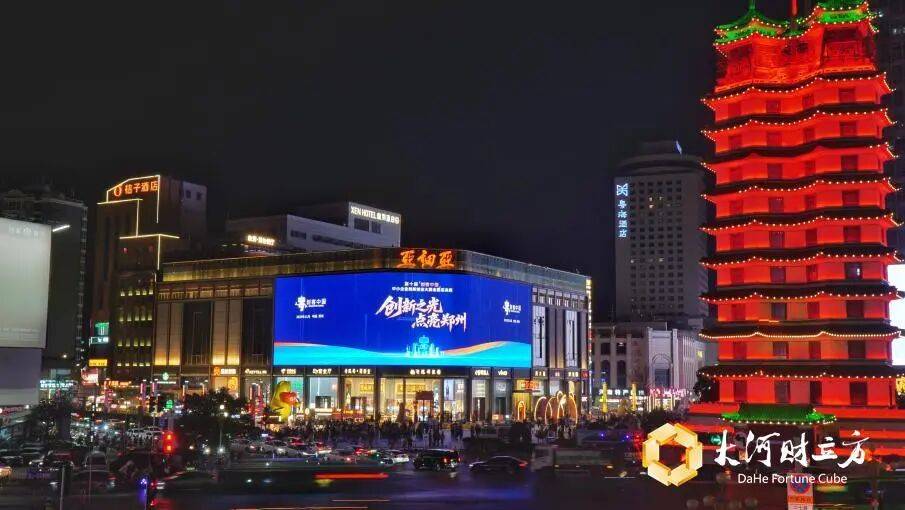
Core Insights - The article highlights the emergence of three commercial districts in Zhengzhou, Henan, as significant players in China's retail landscape, with the Erqi Square making its debut in the top 20 of the National Commercial Power Index [1][4][14] Group 1: Commercial District Rankings - The National Commercial Power Index ranks Erqi Square at 19th, Huayuan Road at 50th, and Zhengdong CBD at 86th among 100 top commercial districts in China [1][4] - The rankings reflect the competitive nature of commercial districts in major cities, with Erqi Square achieving the best performance for Henan [4][14] Group 2: Consumer Behavior and Economic Impact - During the New Year period, Erqi Square saw record visitor numbers and tourism revenue, indicating a robust consumer economy in the region [3][14] - The commercial districts are seen as vital indicators of urban economic vitality and consumer spending trends [10][11] Group 3: Development Strategies - The success of Zhengzhou's commercial districts is attributed to three key strategies: 1. Leading industry iteration through technological innovation and unique store experiences [11] 2. Leveraging IP cross-industry collaborations to create new consumer scenarios and engage fan economies [11][12] 3. Promoting the integration of diverse elements to enhance "New National Trend" consumption experiences [12][14] Group 4: Future Outlook - The Zhengzhou commercial matrix, centered around Erqi Square, Huayuan Road, and Zhengdong CBD, is expected to continue driving regional consumption upgrades through innovation and cultural empowerment [14]
【非凡2025·新国潮】中国文化“酷力量”圈粉全球
Huan Qiu Shi Bao· 2025-12-16 22:47
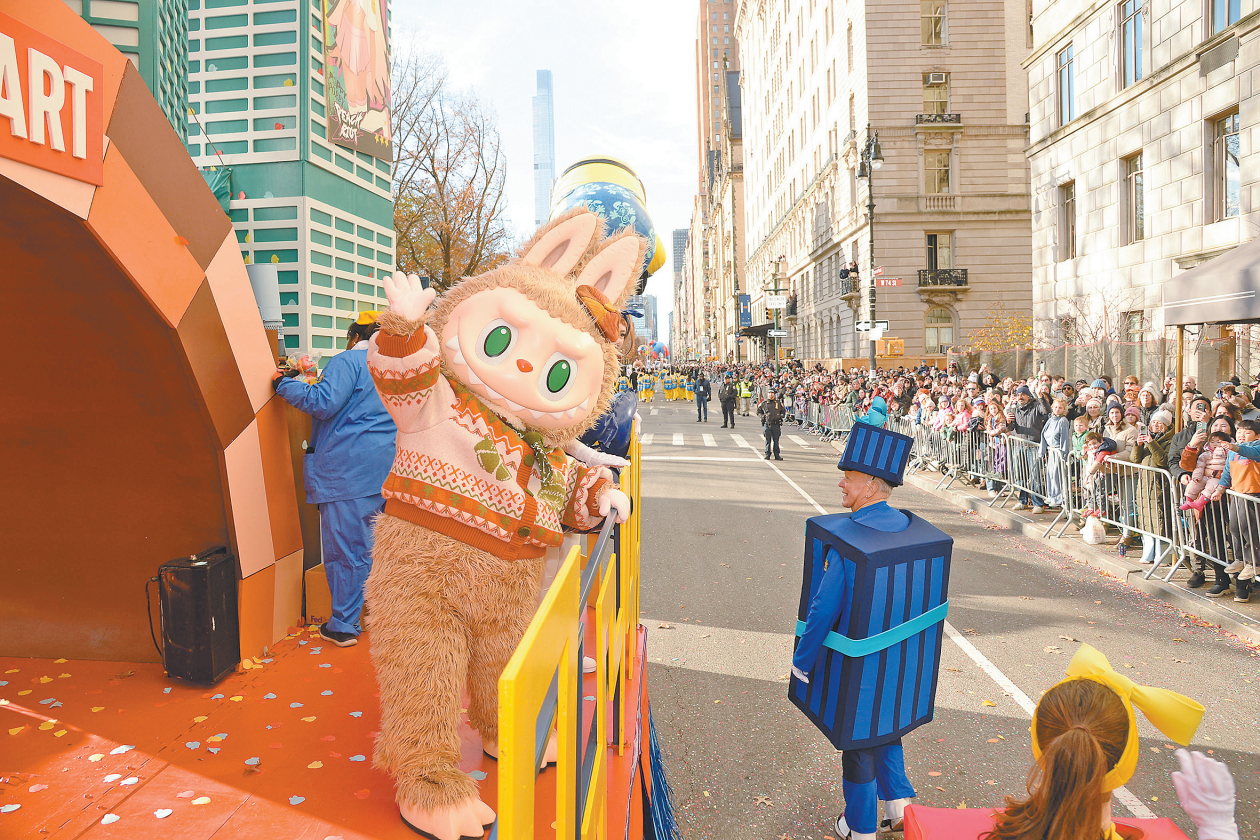
Core Viewpoint - The "New National Tide" phenomenon is gaining global traction, with Chinese cultural symbols like the animated film "Ne Zha" and trendy IPs like Labubu resonating with international youth, fostering emotional connections and cultural exchange [1][3]. Group 1: Cultural Products and Their Success - The animated film "Ne Zha" has become the highest-grossing domestic film overseas and ranks among the top five in global box office history, showcasing its role as a cultural ambassador [3]. - Chinese films such as "The Land of the Living" and "Wild Times" have won awards at major international film festivals, indicating a rise in the quality and global appeal of Chinese cultural products [3]. - The success of trendy IPs like Labubu and the popularity of blind box toys in overseas markets highlight the increasing acceptance of Chinese cultural products among global youth [3][4]. Group 2: Characteristics of "New National Tide" Products - "New National Tide" products share common traits: relatable stories centered on universal themes, memorable characters suitable for meme culture, and engaging formats that align with social media sharing [3][4]. - The quality of storytelling and character design in these cultural products has significantly improved, allowing them to resonate with diverse social groups, particularly the global youth [4]. Group 3: Cultural Exchange and Global Engagement - The rise of online games, web dramas, and web literature as new cultural exports has been notable, with mobile games like "Love and Deep Space" winning awards and achieving significant player numbers [4][5]. - The establishment of international platforms for Chinese web literature and short dramas has facilitated the global dissemination of Chinese narratives, making "global following" a reality [5]. Group 4: Impact of Policy Changes - The relaxation of visa policies, such as the 240-hour transit visa exemption, has lowered barriers for foreign visitors, contributing to a surge in cultural exchange and interest in Chinese culture [9][11]. - Data shows a 27.8% increase in foreign visitors to China in the first eight months of 2025, with a significant portion entering under visa-free policies, indicating a growing curiosity about Chinese culture [9]. Group 5: Foreign Engagement with Chinese Culture - Foreigners are increasingly becoming participants and re-creators of Chinese culture, as evidenced by events like the One Voice children's choir performing Chinese songs, reflecting a deeper engagement with Chinese cultural narratives [12]. - The blending of Chinese cultural elements into foreign narratives through platforms and productions is enhancing the acceptance of Chinese cultural "genes" among international audiences [13]. Group 6: The Concept of "Cool China" - The term "cool" has emerged as a descriptor for China in international media, symbolizing confidence, creativity, and empathy, indicating a shift in global perceptions of China [13]. - The success of cultural products and the engagement of foreign influencers in China contribute to a more favorable and nuanced understanding of contemporary Chinese culture on the global stage [13].
非遗遇上“00后”丨面塑也时尚
Xin Hua She· 2025-12-15 08:38
Core Viewpoint - The article highlights the innovative efforts of the "post-00s" generation in preserving and revitalizing intangible cultural heritage, specifically through the traditional craft of dough modeling, making it appealing to younger audiences [1][2]. Group 1: Cultural Heritage and Innovation - Intangible cultural heritage serves as a historical memory and cultural carrier for the Chinese nation, with the baton of inheritance now passed to the "post-00s" generation [1]. - The traditional craft of dough modeling, known for its historical significance dating back to the Han Dynasty, has evolved into a popular cultural product among young people, integrating modern elements into its design [1]. Group 2: Individual Contributions and Community Engagement - Chen Qiya, a 2000-born dough modeling inheritor, creatively transforms ordinary flour into iconic figures, drawing inspiration from popular games and contemporary aesthetics [1][2]. - Chen emphasizes a "slow is fast" creative philosophy, dedicating extensive time to her craft while also engaging the community through activities that allow children to experience dough modeling firsthand [2]. - Future plans include expanding community teaching initiatives and recreating classic images from the Yongle Palace murals, aiming to elevate traditional dough modeling and Shanxi culture to a broader stage [2].