雪王盲盒

Search documents
从始祖鸟到雪王,为什么都在开大店?
36氪· 2026-01-03 13:08
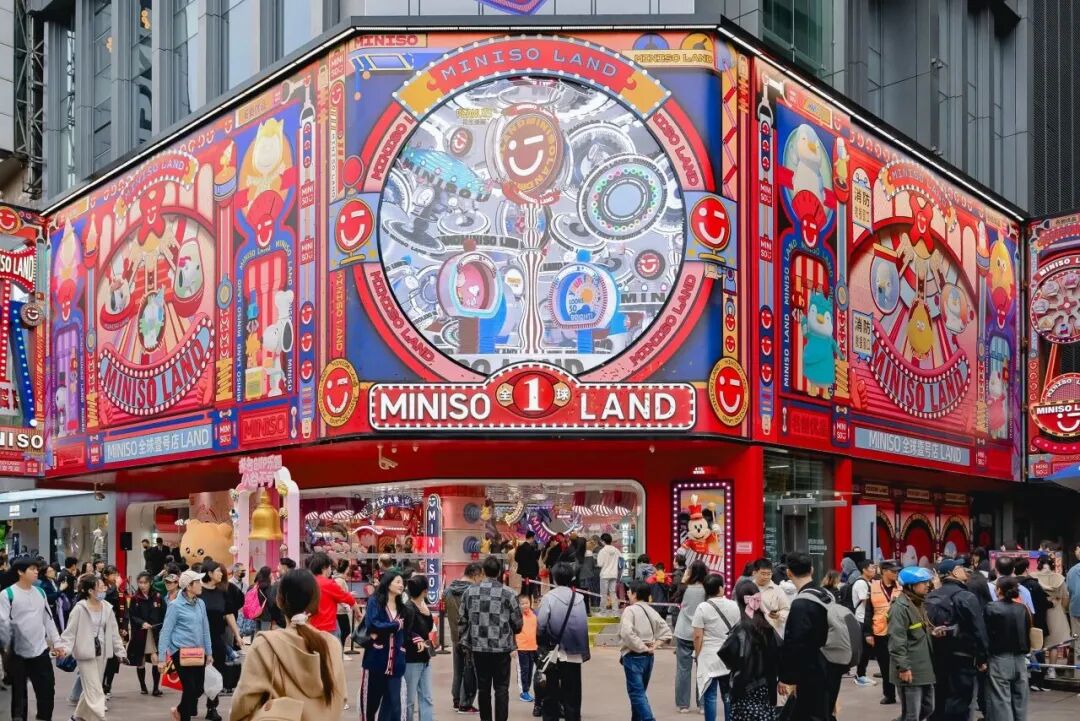
Core Viewpoint - The article discusses the trend of large retail stores emerging in various industries, emphasizing their role in enhancing brand experience and community engagement, while also addressing the shift from traditional retail models to more experiential and emotionally-driven shopping environments [5][10][25]. Group 1: Large Store Trends - Miniso has successfully implemented a new large store model, with Miniso Land generating 1.5 billion yuan in sales within its first year in Shanghai, primarily driven by IP products [8][7]. - The trend of opening large stores is not limited to Miniso; brands like Honey Snow Ice City and H&M are also expanding their flagship stores significantly, with sizes ranging from 600 to 2400 square meters [12][21][22]. - The shift towards larger stores is seen as a response to market saturation in smaller formats, with brands aiming to create high-value, differentiated experiences [13][18][30]. Group 2: Consumer Experience and Engagement - Large stores are designed to enhance consumer engagement by offering unique experiences, such as themed areas and exclusive products, which help build brand loyalty [25][35]. - The success of large stores is attributed to their ability to create immersive environments that cannot be easily replicated online, thus providing a compelling reason for consumers to visit [39][68]. - Brands are increasingly focusing on the emotional value of shopping experiences, moving away from purely functional offerings to those that resonate with consumers on a deeper level [7][10][37]. Group 3: Market Dynamics and Challenges - Despite the trend towards large stores, the retail environment is facing challenges, including rising vacancy rates in shopping centers, which have reached 28.7% [30]. - The article notes that while some large store initiatives have failed, successful examples demonstrate that well-executed large stores can outperform traditional formats in terms of sales per square meter [32][45]. - The current retail landscape requires brands to innovate and adapt their strategies to remain relevant, particularly in the face of economic pressures and changing consumer preferences [30][41].

从始祖鸟到雪王,为什么都在开大店?
3 6 Ke· 2025-12-26 10:55
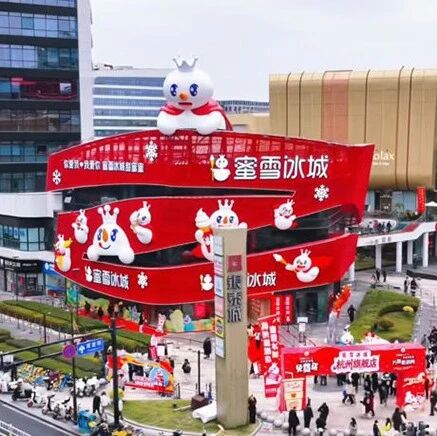
Core Insights - The article discusses the emerging trend of large retail stores that not only expand brand business boundaries but also enhance community engagement and lifestyle leadership. Group 1: Large Store Trends - The new wave of large stores is characterized by their ability to break traditional retail boundaries and expand brand business scope, leading to enhanced community engagement and lifestyle influence [17]. - Miniso has successfully implemented a new model with its large stores, where nearly 80% of sales come from IP products, shifting consumer focus from practical value to emotional value [5][7]. - The trend of opening large stores is not limited to Miniso; other brands like Mixue Ice City and H&M are also adopting this strategy to adapt to market saturation and consumer preferences [8][15]. Group 2: Performance Metrics - Miniso's flagship store in Shanghai achieved sales exceeding 150 million yuan within its first year, demonstrating the potential profitability of large stores [5]. - Mixue Ice City's flagship store in Zhengzhou reported that nearly 50% of its sales came from cultural products, with monthly revenues surpassing 15 million yuan [9]. - The performance of large stores often exceeds expectations, with flagship stores serving as significant traffic drivers and enhancing brand visibility [21][20]. Group 3: Market Context - The current retail environment is challenging, with a national average vacancy rate of 14.2% in shopping centers and a commercial real estate vacancy rate reaching 28.7%, the highest in a decade [19]. - Despite these challenges, certain brands are leveraging large stores to achieve differentiation and high-end positioning, indicating a strategic pivot in response to market conditions [19][18]. Group 4: Design and Experience - The design of contemporary retail spaces has evolved from mere product display to creating strategic experiences that attract and retain customers [25]. - Large stores are increasingly seen as content hubs, where the experience and engagement offered can surpass traditional retail formats, thus enhancing customer loyalty [27][40]. - Successful large stores incorporate unique design elements and exclusive products that create a compelling reason for customers to visit and stay longer [28][29]. Group 5: New Brand Opportunities - New brands are emerging that focus on aesthetic and experiential retail, such as Tagi., which emphasizes unique store designs and local cultural integration to attract consumers [35][37]. - The trend indicates a shift towards brands that can tell compelling stories and create memorable experiences, which are crucial for customer retention in the competitive retail landscape [39][40].


雪王“入冬”, 罪在“天宫”?
3 6 Ke· 2025-10-21 23:45
Core Viewpoint - The article discusses the contrasting performance of the tea beverage brand Mixue Ice City, highlighting its strong financial results amidst challenges posed by rising lemon prices and competitive pressures in the market [3][4][11]. Financial Performance - Mixue Ice City reported a revenue of 14.87 billion yuan and a net profit of 2.72 billion yuan for the first half of 2025, outperforming competitors like Bawang Tea and Guming [3]. - Forecasts suggest that Mixue's revenue could reach 29.7 billion yuan in 2025, reflecting a steady growth of 20% year-on-year [3]. Supply Chain and Raw Material Challenges - The brand's success is attributed to its robust supply chain and competitive pricing, particularly for its lemon-based products, which account for 15%-20% of its revenue [4][7]. - Extreme weather conditions have severely impacted lemon production, with some regions experiencing a yield reduction of 30%-60%, leading to a surge in wholesale lemon prices to 15 yuan per kilogram, nearly doubling year-on-year [7][9]. Competitive Landscape - Mixue Ice City faces significant pressure from competitors who primarily use a different variety of lemon (fragrant lemon), which has not seen the same price increases as the yellow lemon used by Mixue [9][10]. - The ongoing "takeout war" has eroded Mixue's price advantage, as competitors offer substantial discounts, making it challenging for Mixue to maintain its market position [12]. Strategic Responses - In response to the lemon crisis, Mixue has diversified its product offerings by incorporating fragrant lemons into new products, thereby alleviating some supply chain pressures [10][11]. - The brand is leveraging its IP, "Snow King," to enhance customer engagement and loyalty through innovative marketing strategies, including blind box promotions and emotional branding [13][15]. Expansion into New Markets - Mixue is expanding into new product categories, including coffee and fresh beer, to capture a broader consumer base and diversify its revenue streams [18][21]. - The launch of its coffee brand, "Lucky Coffee," has seen rapid expansion, with over 8,200 locations globally, and aims to penetrate first-tier cities [19][21]. Conclusion - The challenges posed by rising lemon prices and competitive dynamics have prompted Mixue Ice City to adapt its strategies, focusing on emotional branding, product diversification, and market expansion to sustain its growth trajectory [21].

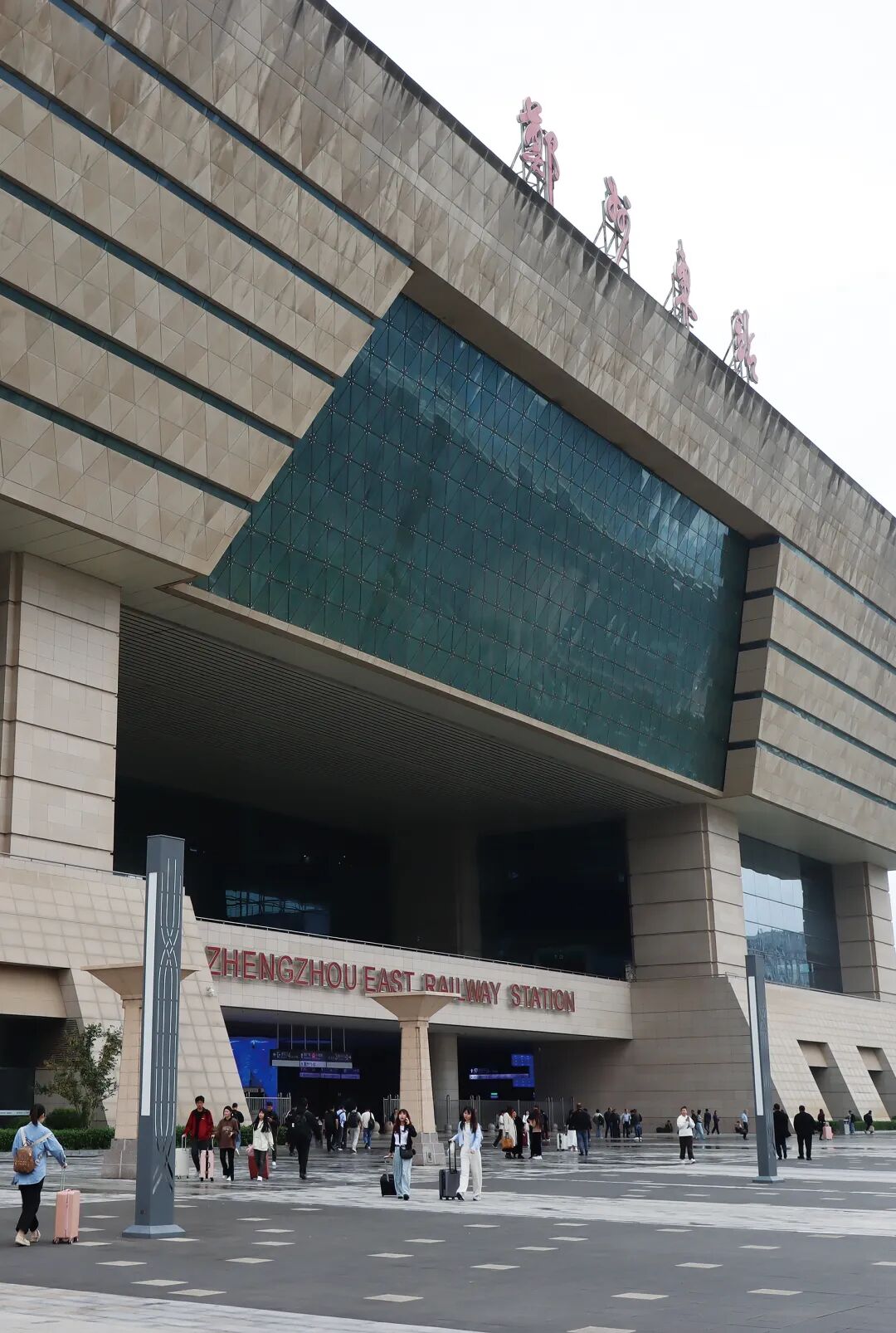
没来过郑州东站,别说自己到过郑州
3 6 Ke· 2025-10-16 03:57
Core Points - Zhengzhou East Station has evolved from a busy transportation hub to a significant commercial and cultural center, attracting a large number of travelers and visitors [1][4][12] - The station's connectivity has been enhanced with the opening of the Zhengji High-Speed Railway, allowing for rapid access to various regions within hours [1][12] - The popularity of local brands, such as Mixue Ice City, has turned the station area into a vibrant shopping destination for young travelers [6][9] Group 1: Transportation and Connectivity - Zhengzhou East Station is now the most connected high-speed railway station in China, with over 800 trains operating daily and a peak passenger flow of 235,000 people [1] - The station allows for travel to various provincial capitals and major cities within a few hours, significantly improving regional accessibility [1][12] Group 2: Commercial Development - The station has seen a surge in commercial activities, with Mixue Ice City establishing its global headquarters nearby, attracting many young customers [6][9] - Other notable brands, such as Fat East and Pop Mart, are also setting up shops in the vicinity, indicating a growing trend of commercial development around the station [9][10] Group 3: Cultural and Social Impact - The transformation of Zhengzhou East Station reflects a broader trend of urban revitalization, where transportation hubs become cultural and social hotspots [12] - The station's popularity on social media has contributed to its status as a new cultural landmark, encouraging visitors to explore the city beyond just transit [4][10]