
零跑 A10

Search documents
汽车周报:特斯拉OPTIMUS更新进展油价上涨新能源BETA继续放大-20260331
Shenwan Hongyuan Securities· 2026-03-31 07:01
Investment Rating - The report maintains a positive outlook on the automotive industry, particularly focusing on the potential growth driven by rising oil prices and advancements in electric vehicles and robotics [2][7]. Core Insights - The recent increase in oil prices is expected to enhance the penetration rate of new energy vehicles globally, with a recommendation for hybrid and fast-charging solutions, particularly favoring companies like Geely and BYD [2][7]. - Tesla's Optimus project is highlighted as a key area for growth in the robotics sector, with recommendations for companies such as Hengbo and Yinlun [2][3]. - The report emphasizes the importance of established companies with strong performance metrics, particularly those within major indices, such as Yutong Bus and Minth Group [2]. Industry Situation Update - According to the China Passenger Car Association, the average daily retail sales of passenger cars in the third week of March were 51,000 units, a year-on-year decrease of 7% but a month-on-month increase of 62% [2][53]. - The price indices for traditional and new energy vehicle materials have both risen recently, with traditional vehicle materials increasing by 0.5% week-on-week and 5.2% month-on-month, while new energy vehicle materials rose by 2.2% week-on-week but fell by 1.0% month-on-month [2][7]. - The total transaction value in the automotive industry for the week was 383.743 billion yuan, reflecting a week-on-week increase of 9.66% [2][9]. Market Situation Update - The automotive industry index closed at 7456.45 points, down 0.43% for the week, which is a smaller decline compared to the 1.41% drop in the CSI 300 index [2][9]. - A total of 117 stocks in the automotive sector rose, while 153 fell, with the largest gainers being Hunan Tianyan, Construction Industry, and Aima Technology, which saw increases of 23.6%, 19.9%, and 14.3% respectively [2][15]. Investment Analysis - The report suggests focusing on the intelligent and high-end direction of the automotive sector, particularly on new entrants like XPeng, NIO, and Li Auto, as well as established players with overseas business support like BYD and Geely [2][7]. - The report also highlights the potential for structural opportunities in the robotics sector, driven by long-term trends in automation and demographic changes [6][7]. Key Events - Tesla's Optimus project is set to begin production in 2026, with mass production expected in 2027, indicating a strategic shift towards robotics as a core product line [3][4]. - The high oil prices are driving demand for new energy vehicles, with significant increases in sales observed in regions sensitive to fuel costs, such as Australia and Southeast Asia [7][8].


国海证券晨会纪要-20260331
Guohai Securities· 2026-03-31 01:41
Group 1 - Huawei held a spring product launch event, officially launching the Leap A10, a pure electric small SUV priced between 65,800 to 86,800 yuan, aiming to penetrate the competitive market segment with advanced driving technology [5][4] - The automotive sector in A-shares outperformed the Shanghai Composite Index during the week of March 23-27, 2026, with the automotive index declining only 0.4% compared to the overall market [4] - The report indicates a positive outlook for the automotive industry in 2026, driven by the high-end upgrade of domestic brands and the acceleration of intelligent technology integration [6] Group 2 - Credit bond ETF size increased to 544.66 billion yuan as of March 27, 2026, marking a month-on-month increase of 21.97 billion yuan, with the Sci-Tech bond ETF ending a 10-week contraction [9][10] - The report highlights a shift in the credit bond ETF holdings structure, with a preference for mid to long-term securities during the recent expansion phase [10] - The report anticipates that the current low premium levels of Sci-Tech bond ETFs may rise if market preferences shift positively [11] Group 3 - Sanhuan Group reported a 22.1% year-on-year increase in revenue for 2025, reaching 9.007 billion yuan, and a 19.5% increase in net profit, amounting to 2.618 billion yuan [11][13] - The company’s electronic components business saw a significant revenue increase of 43.95% year-on-year, driven by strong demand in the MLCC product segment [13][14] - The report emphasizes the potential of the SOFC market, with the company positioned to benefit from the growing applications of solid oxide fuel cells [15][16] Group 4 - Siwei achieved a revenue of 9.031 billion yuan in 2025, reflecting a 51.32% year-on-year growth, with net profit soaring by 154.94% to 1.001 billion yuan [20][21] - The company’s revenue growth was driven by four key sectors, including smart security, smartphones, automotive electronics, and AI applications, with automotive electronics experiencing a remarkable 113.02% increase [21][23] - Siwei is focusing on building a comprehensive product matrix centered around AI, enhancing its competitive edge in the market [23] Group 5 - Great Wall Motors reported total revenue of 222.8 billion yuan in 2025, a 10.2% increase year-on-year, but net profit fell by 22.1% to 9.87 billion yuan [25][26] - The company is set to launch the V9X, a luxury six-seat SUV, in the second quarter of 2026, which features advanced technology and a competitive performance profile [27] - Great Wall Motors aims to achieve overseas sales of 600,000 vehicles in 2026, reflecting a 40.4% year-on-year increase in early 2026 sales [28][29] Group 6 - Huai Bei Mining reported a revenue of 41.1 billion yuan in 2025, a 37% decline year-on-year, with net profit dropping by 69% to 1.5 billion yuan [30][31] - The company’s coal production decreased by 15.4% year-on-year, while the average selling price of coal fell by 26.7% [32] - The report anticipates a potential recovery in 2026, with expectations of increased production and pricing in the coal sector [30] Group 7 - G-bits achieved a revenue of 6.205 billion yuan in 2025, a 67.89% increase year-on-year, with net profit rising by 89.82% to 1.794 billion yuan [37][38] - The company plans to distribute a cash dividend of 7 yuan per share, reflecting a strong commitment to shareholder returns [36] - G-bits' self-developed games launched in 2025 significantly contributed to revenue growth, indicating a robust pipeline for future releases [37][39] Group 8 - HuiLiang Technology, a leader in AI and programmatic advertising, processes over 300 billion ad requests daily and has a strong presence in over 250 countries [41][42] - The report forecasts a significant growth trajectory for the programmatic advertising market, with a projected CAGR of 20.5% from 2025 to 2030 [42] - HuiLiang's competitive advantages stem from its advanced bidding strategies and a robust operational model that enhances profitability [43][44]
汽车行业周报:销量下行出口高增,智驾科技业绩改善
Guoyuan Securities· 2026-03-30 13:30
Investment Rating - The report maintains a "Recommended" investment rating for the automotive industry [7] Core Insights - The automotive industry is experiencing a decline in domestic passenger car sales, with retail sales from March 1-22 reaching 920,000 units, a year-on-year decrease of 16% [2] - However, there is a significant increase in exports, with China's automotive export volume reaching 1.55 million units in January-February, a year-on-year growth of 61% [3] - Companies in the intelligent driving technology sector are showing improved financial performance, with Horizon achieving a revenue of 3.758 billion RMB, a 57.7% increase year-on-year [4] Summary by Sections Sales Performance - Passenger car retail sales from March 1-22 totaled 920,000 units, down 16% year-on-year but up 19% compared to the previous month [2][20] - Cumulative retail sales for the year reached 3.498 million units, a decline of 18% year-on-year [2] - New energy vehicle retail sales during the same period were 495,000 units, down 17% year-on-year but up 66% month-on-month [2] Export Growth - In January-February 2026, China's automotive exports reached 1.55 million units, marking a 61% increase compared to the same period last year [3][24] - The report highlights opportunities for electric vehicles in international markets, particularly in Europe and the Middle East [3] Intelligent Driving Technology - Horizon reported a revenue of 3.758 billion RMB for 2025, with a gross margin of 64.5%, maintaining a leading market share in the ADAS sector [4][29] - WeRide's revenue for 2025 reached 690 million RMB, a 90% increase year-on-year, with a significant reduction in net losses [4][34] - Xiaoma Zhixing achieved a revenue of 629 million RMB, marking a 20% increase year-on-year, and reported its first quarterly profit [4][43] Investment Opportunities - The report suggests focusing on leading companies in the export sector and those improving profitability in the intelligent driving technology space [5]
汽车行业周报:销量下行出口高增,智驾科技业绩改善-20260330
Guoyuan Securities· 2026-03-30 12:12
Investment Rating - The report maintains a "Recommended" investment rating for the automotive industry [7] Core Insights - The automotive industry is experiencing a decline in domestic passenger car sales, with retail sales from March 1-22 reaching 920,000 units, a year-on-year decrease of 16% [2] - However, there is a significant increase in exports, with China's automotive export volume reaching 1.55 million units in January-February, a year-on-year growth of 61% [3] - Companies in the intelligent driving technology sector are showing improved financial performance, with Horizon achieving a revenue of 3.758 billion RMB, a 57.7% increase year-on-year [4] Summary by Sections Sales Performance - Passenger car retail sales from March 1-22 totaled 920,000 units, down 16% year-on-year but up 19% compared to the previous month [2][20] - Cumulative retail sales for the year reached 3.498 million units, a decline of 18% year-on-year [2] - New energy vehicle retail sales during the same period were 495,000 units, down 17% year-on-year but up 66% month-on-month [2] Export Growth - In January-February 2026, China's automotive exports reached 1.55 million units, marking a 61% increase compared to the same period last year [3][24] - The report highlights opportunities for electric vehicles in international markets, particularly in Europe, where companies like Xiaomi and BYD are expanding their presence [3] Intelligent Driving Technology - Horizon reported a revenue of 3.758 billion RMB for 2025, with a gross margin of 64.5%, maintaining a leading market share in the ADAS sector [4][29] - WeRide's revenue for 2025 reached 690 million RMB, a 90% increase year-on-year, with a significant reduction in net losses [4][34] - Xiaoma Zhixing achieved a revenue of 629 million RMB, marking a 20% increase year-on-year, and reported its first quarterly profit [4][43] Investment Opportunities - The report suggests focusing on leading companies in the export market and those in the intelligent driving sector that are showing signs of profitability improvement [5]


汽车行业周报(2026/3/20-2026/3/27):零跑A10上市,中国新能源重卡出海取得进展
GUOTAI HAITONG SECURITIES· 2026-03-29 05:45
Investment Rating - The report maintains an "Overweight" rating for the automotive industry [4][17]. Core Insights - The automotive sector has shown mixed performance, with the automotive index remaining flat, while the commercial vehicle index increased by 1% [2][7]. - The launch of the Leap A10 marks the beginning of a new vehicle cycle, with strong market potential for the company [15]. - Progress in the export of Chinese new energy heavy trucks indicates a growing international presence and competitive advantage [16]. Summary by Sections 1. Industry Weekly Market Review - For the week of March 20-27, 2026, the automotive index was flat, the new energy vehicle index was flat, the automotive parts index fell by 1%, and the commercial vehicle index rose by 1% [2][7]. - Over the past month, the automotive index decreased by 10%, the new energy vehicle index fell by 6%, and the automotive parts index dropped by 14% [8]. 2. Leap A10 Launch - The Leap A10, a smart long-range SUV, was launched with two versions offering 403 km and 505 km ranges, priced between 65,800 to 86,800 CNY [15]. - The vehicle features advanced driving assistance systems and is expected to enhance the company's market position [15]. 3. Progress in New Energy Heavy Truck Exports - Chinese new energy heavy trucks have seen significant export growth, with Foton's overseas sales of new energy models increasing by over 60% year-on-year [16]. - Major companies like China National Heavy Duty Truck and SAIC Hongyan are expanding their international market presence with new product launches and significant orders [16]. 4. Investment Strategy and Recommendations - The report recommends several companies based on growth potential: Weichai Power for AIDC equipment, Silver Wheel for automotive parts, and XPeng Motors, SAIC Group, and Leap Automotive for passenger vehicles [17][18]. - The report highlights the potential for growth in the intelligent driving sector and humanoid robotics, recommending companies like Nexperia and Ningbo Huaxiang [18].
国海证券晨会纪要-20260305
Guohai Securities· 2026-03-05 01:16
Group 1: Berteli / Automotive Parts - The company plans to acquire 50.9727% of Yubei Steering, enhancing its steering business capabilities. The acquisition involves purchasing shares from multiple stakeholders, with a valuation not exceeding 2.2 billion yuan [3] - Yubei Steering's main business includes the production and sales of automotive steering systems and components, with projected revenues of 3.03 billion yuan and 3.18 billion yuan for 2024 and 2025, respectively [3] - The company has strong development capabilities in mechanical and electronic brake products, aiming to innovate continuously in vehicle brake systems and provide comprehensive solutions [4] Group 2: Geely Automobile - Geely's total sales in February 2026 reached 206,000 units, showing a slight year-on-year increase of 0.6%, while the cumulative sales for January-February were 476,000 units, up 1.0% year-on-year [6][7] - The company is focusing on high-end product launches, with several new models set to debut in the first half of 2026, including the flagship SUV 8X and the hybrid SUV M7 [7][8] - Geely's export performance is strong, with February exports reaching 61,000 units, a year-on-year increase of 138.3%, and cumulative exports for January-February at 121,000 units, up 129.4% [8] Group 3: Great Wall Motors - Great Wall Motors sold 73,000 vehicles in February 2026, with a cumulative sales increase of 2.6% year-on-year for January-February [10][11] - The company aims to achieve a total sales target of 1.8 million vehicles for 2026, with 600,000 units expected to come from overseas markets [11][12] - The upcoming V9X model, a luxury six-seat SUV, is set to launch in the second quarter of 2026, featuring advanced technology and performance specifications [12] Group 4: Leap Motor - Leap Motor delivered 28,000 vehicles in February 2026, marking an 11.0% year-on-year increase, with a cumulative delivery of 60,000 units for January-February, up 19.2% [14][15] - The company plans to launch several new models in 2026, including the A10, which emphasizes intelligent features and long-range capabilities [15] - Leap Motor is initiating a new retail strategy to enhance customer experience and diversify sales channels [15] Group 5: Swine Breeding Industry - The swine breeding industry is facing intensified losses, with a potential restart of capacity reduction measures. The national breeding sow inventory decreased by 2.9% year-on-year as of December 2025 [17][18] - The industry is seeing increased concentration, with the top 20 swine breeding companies accounting for 36% of the market share, up 5 percentage points year-on-year [17] - The report suggests a left-side layout for the swine breeding sector, recommending leading companies such as Muyuan Foods and Wens Foodstuffs [18] Group 6: BeiGene / Chemical Pharmaceuticals - BeiGene reported a total revenue of $5.34 billion in 2025, a 40% year-on-year increase, with product revenue also growing by 40% [25][26] - The company expects to achieve revenue guidance of $6.2 to $6.4 billion for 2026, with significant contributions from its key products [25] - The rapid growth of its drug Zebrutinib, particularly in the U.S. market, is a key driver of revenue, with a global sales figure of $3.9 billion in 2025 [26][27]





10 万级的小车,Model Y 的空间,零跑 A10 也玩起了「魔术座椅」
Xin Lang Cai Jing· 2026-02-27 04:23
Core Insights - Leapmotor has set an ambitious sales target of 1.05 million vehicles for 2026, a 5% increase from the previous target of 1 million, requiring significant growth from last year's delivery of 596,000 units, which was a 103% year-on-year increase [1][27] - The company aims to penetrate the competitive 100,000 yuan market segment, which is dominated by established players like BYD, Geely, and Wuling, making it essential for Leapmotor to differentiate itself beyond just price-performance ratio [3][4][21] Group 1: Product Strategy - The launch of the Leapmotor A10, a compact SUV, is critical for achieving the sales target, designed to be more than just a basic vehicle but a cornerstone of the company's sales strategy [6][27] - The A10 features a 14.6-inch 2.5K display powered by a Qualcomm 8295 chip, which is a significant upgrade compared to competitors that typically use lower-resolution displays [8][10] - The vehicle includes a high-quality audio system with 12 speakers and a 540W output, as well as advanced features like a laser radar for urban driving assistance, all while maintaining a price point below 100,000 yuan [10][19] Group 2: Cost Management - Leapmotor's strategy involves a high degree of self-manufacturing, with 65% of components produced in-house, allowing for greater pricing flexibility and cost control [17][19] - The company has invested in a robust supply chain with 17 component factories, which helps to eliminate middleman costs and enhance profit margins [19][21] - This approach creates a competitive advantage in a price-sensitive market, enabling Leapmotor to offer advanced technology at lower prices compared to competitors [21][27] Group 3: Market Positioning - Leapmotor aims to position itself as the "Toyota of the new energy sector," focusing on mass-market appeal through high value-for-money offerings rather than premium pricing [21][28] - The A10 is designed to meet stringent European safety and environmental standards, which not only enhances its marketability but also ensures quality and compliance for potential exports [23][27] - The company’s vision includes breaking down the barriers of high brand premiums, making advanced technology accessible to a broader consumer base [28][29]

11月新能源车销量跟踪:“翘尾”行情遇冷,全年格局基本落定
Haitong Securities International· 2025-12-02 01:40
Investment Rating - The report does not explicitly provide an investment rating for the automotive industry or specific companies within it [26]. Core Insights - The year-end sales data for major automakers indicates a significant divergence in performance, with the typical "year-end tailwind" being weaker than in previous years. The phase-out of the "two-new" subsidy policies is contributing to a trend of slowing or declining sales growth [8][9]. - BYD's November sales were 480,000 units, down 5% year-on-year but up 9% month-on-month, primarily due to weaker domestic demand. Domestic sales were 348,000 units, down 27% year-on-year. Cumulative sales from January to November reached 4.18 million units, an 11% increase year-on-year [9][10]. - Geely's November sales reached 310,000 units, a 24% year-on-year increase, with cumulative sales of 2.79 million units, up 42% year-on-year, putting its annual target of 3 million units within reach. NEV sales for Geely in November were 188,000 units, a 53% year-on-year increase [9][10]. - Leapmotor exceeded 70,000 units in November, marking a 75% year-on-year increase, with cumulative deliveries reaching 536,000 units, surpassing its annual target ahead of schedule [10][11]. - Xiaomi Auto delivered over 40,000 units in November, maintaining this level for three consecutive months, and raised its full-year delivery outlook to over 400,000 units [12]. - Li Auto's November deliveries were 33,000 units, down 32% year-on-year, with cumulative deliveries of 362,000 units, an 18% decrease year-on-year [13]. - NIO's November sales were 36,000 units, a 76% year-on-year increase, but cumulative deliveries totaled 278,000 units, indicating challenges in achieving profitability in Q4 [14][15]. Summary by Sections Sales Performance - BYD's November sales were 480,000 units, with domestic sales at 348,000 units, reflecting a significant year-on-year decline [9][10]. - Geely's sales performance showed strong growth, particularly in NEVs, with a notable increase in overseas exports [9][10]. - Leapmotor and Xiaomi Auto demonstrated robust sales growth, exceeding their targets [10][12]. Market Dynamics - The automotive market is experiencing a reshuffling of sales rankings, with leading new energy vehicle (NEV) players facing slowing growth [10][11]. - The competitive landscape is intensifying, with companies needing to balance volume and profitability as subsidies phase out [15].


雷军缺席的广州车展:新势力集体务实,“流量时代”终结
3 6 Ke· 2025-11-24 03:35
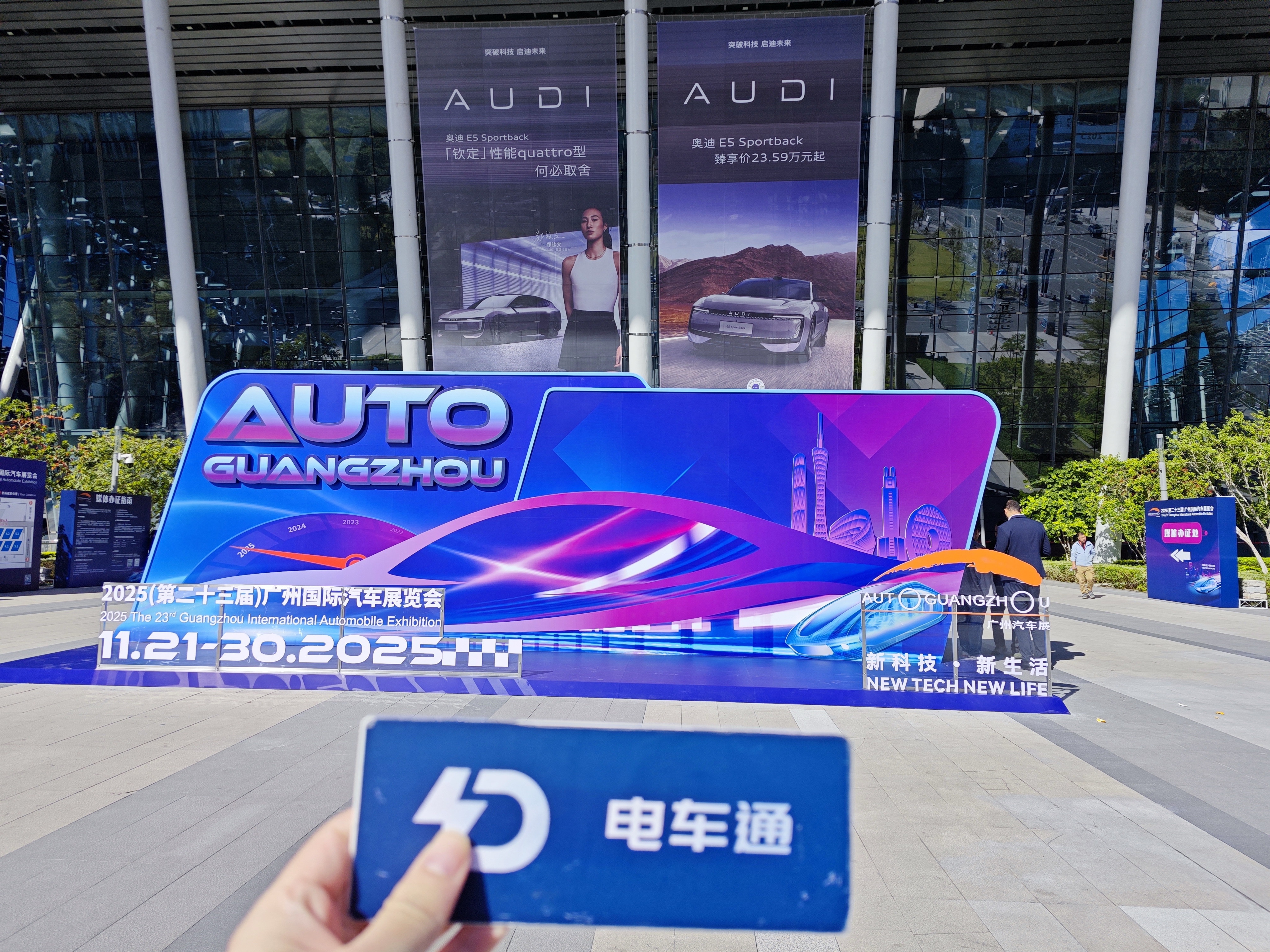
Core Insights - The 2025 Guangzhou Auto Show featured 93 global premieres, a significant increase from 78 last year, but the expected excitement was notably absent [1] - Despite the increase in new car launches, the event experienced lower attendance and engagement compared to previous years [1][4] Group 1: New Energy Brands - New energy brands like Xiaomi and Xpeng had less impactful presentations compared to previous events, with fewer high-profile product launches [4][9] - The absence of key executives like Lei Jun and Yu Chengdong at the event contributed to a lack of excitement, as their presence typically generates significant media attention [5][9] - The new energy brands focused more on technology explanations and market performance rather than launching groundbreaking new models, leading to a subdued atmosphere [9][18] Group 2: Traditional Automakers - Traditional automakers showcased a stronger lineup of new energy vehicles, with models like GAC Toyota's Platinum 7 and Audi's E SUV concept drawing more attention [13] - The traditional brands view the Guangzhou Auto Show as a critical platform for strategic positioning and sales momentum, contrasting with the new energy brands' more pragmatic approach [14][36] - High-end sub-brands from traditional manufacturers attracted significant media interest through celebrity appearances and engaging marketing strategies, enhancing their visibility [22][27] Group 3: Market Dynamics - The shift in focus from generating traffic to achieving actual sales reflects a broader industry trend where new energy brands prioritize efficiency and profitability over mere visibility [17][21] - The competitive landscape is evolving, with new energy brands increasingly relying on online channels for customer engagement and sales, reducing their dependence on physical auto shows [17][18] - Traditional brands, while leveraging their established market presence, may risk over-reliance on celebrity endorsements, potentially diverting resources from essential areas like technology development and customer service [31][36] Group 4: Industry Transformation - The contrasting experiences at the Guangzhou Auto Show highlight a fundamental shift in the automotive industry, moving from hype-driven strategies to more sustainable business practices [32][36] - Both new energy and traditional brands must prove their value through innovation, customer experience, and cost management as competition intensifies [36]
汽车周报:广州车展新车频发,智能车是明年高确定性主线-20251116
Shenwan Hongyuan Securities· 2025-11-16 14:42
Investment Rating - The report maintains a positive outlook on the automotive industry, particularly emphasizing the importance of smart vehicles as a key investment theme for 2026 [2]. Core Insights - The Guangzhou Auto Show highlights the democratization of intelligent driving and the deep integration of smart cockpits with large models, indicating that intelligence is no longer an added value but a necessity for market entry [2]. - The report suggests focusing on technology-leading companies such as Tesla and XPeng, as well as companies with strong performance and low valuations like Kobot, Xingyu, and Jifeng [2]. - The report also notes the impact of state-owned enterprise reforms, recommending continued attention to SAIC and Dongfeng [2]. Industry Update - According to the China Passenger Car Association, the average daily retail sales of passenger cars in the first week of November were 46,000 units, a year-on-year decrease of 19% [2]. - The traditional and new energy raw material price indices have increased recently, with traditional car raw material prices rising by 0.7% week-on-week and 1.8% month-on-month [2]. - The total transaction value of the automotive industry this week was 517.096 billion yuan, a week-on-week decrease of 13.15% [2]. Market Situation - The automotive industry index closed at 7684.80 points, down 2.11% for the week, which is a greater decline than the Shanghai and Shenzhen 300 index [2]. - A total of 112 stocks in the industry rose, while 156 fell, with the largest gainers being Langbo Technology, Yingli Automobile, and Xinpeng Co., which rose by 19.6%, 17.6%, and 14.4% respectively [2]. - Key events include the upcoming Guangzhou Auto Show, which will showcase the acceleration of electrification, intelligence, and product diversification in the automotive market [3]. Investment Analysis - The report recommends focusing on domestic leading manufacturers such as NIO, Xiaomi, XPeng, and Li Auto, as well as companies that exemplify the trend of intelligence, such as Jianghuai Automobile and Seres [2]. - It also highlights the importance of state-owned enterprise integration, suggesting attention to SAIC Group, Dongfeng Group, and Changan Automobile [2]. - Companies with strong performance growth and capabilities in robotics or overseas expansion, such as Xingyu, Fuyao Glass, and New Spring, are also recommended [2].

