驱逐舰05

Search documents
“网红”电动车,谁能跨过“斩杀线”
创业邦· 2026-02-02 03:36
Core Viewpoint - The article discusses the evolving landscape of the electric vehicle (EV) market, emphasizing the need for sustainable sales strategies beyond initial hype and the importance of establishing a strong value proposition for long-term success [6][54]. Group 1: Market Dynamics - The EV market has seen a surge in new models, but success is often measured by initial sales figures and year-end rankings, which can be misleading [6][7]. - Traditional "internet celebrity cars" tend to follow a parabolic sales curve, peaking shortly after launch and then declining, relying on short-term marketing and product appeal [11][12]. - The article identifies three new models that have successfully navigated the market, showcasing different strategies for sustained sales [12]. Group 2: Case Studies of Successful Models - **Xiaomi SU7**: Achieved peak sales of nearly 30,000 units in March 2025, supported by Xiaomi's extensive user base and effective marketing. However, it faces the challenge of maintaining interest beyond initial hype [15][16]. - **Xpeng MONA M03**: Launched in August 2024, it quickly reached over 10,000 units in sales within three months and maintained monthly sales between 10,000 and 16,000 units, capitalizing on a key price segment and offering advanced features [18][20]. - **AITO M8**: Experienced a "deep squat and jump" sales pattern, stabilizing at over 20,000 units monthly by summer 2025, benefiting from Huawei's technology integration and brand recognition [23][24]. Group 3: Challenges and Market Positioning - The article highlights the importance of establishing a "value anchor" in consumers' minds to ensure long-term sales, as seen with models like Li Auto L6, which despite a decline, remains a top seller due to its defined market position [28][29]. - Models in the competitive 200,000 to 300,000 yuan price range face significant challenges, with many struggling to differentiate themselves in a crowded market [31][32]. - The **智界 R7** and **享界 S9** illustrate the difficulties faced by models that fail to establish a unique market position, leading to declining sales despite technological backing [34]. Group 4: The Importance of Sustainable Sales - The article emphasizes the existence of "low-profile long runners" that, while not flashy, maintain steady sales through balanced product offerings and precise market positioning [36][38]. - Models like **零跑 C10** and **腾势 D9** demonstrate the effectiveness of a stable sales strategy, contributing significantly to their brands' overall performance [41][43]. - The need for a healthy product matrix is highlighted, as brands that rely solely on a single "hit" model face increased risks in a competitive environment [51]. Group 5: Emerging Market Rules - The article outlines new market rules where "smart equality" becomes a baseline requirement, and the importance of a comprehensive product matrix is emphasized for risk mitigation [51][52]. - The concept of "value for money" has evolved to include total ownership costs, making it a critical factor in consumer decision-making [51]. - The success of models like AITO is attributed to deep collaboration between technology providers and manufacturers, contrasting with less effective loose partnerships [52].








轩逸裸车价降至5.98万,汽车又现大降价意味着什么?
3 6 Ke· 2025-09-15 04:30
Group 1 - The recent price drop of the Nissan Sylphy to 59,800 yuan reflects a broader trend in the automotive market, where price wars have become commonplace among car manufacturers [3][6] - The Sylphy's price reduction is part of a competitive response to the introduction of lower-priced models from brands like BYD, which has led to significant price adjustments across the A-class sedan segment [3][4] - Other competitors, such as the Volkswagen Lavida and Toyota Corolla, have also seen substantial price cuts, indicating a market-wide trend towards aggressive pricing strategies [4][6] Group 2 - The decline in demand for entry-level A-class sedans is evident, with market share dropping from 28.5% in 2020 to just 15% in 2024, highlighting a significant shift in consumer preferences [7] - The rise of domestic electric vehicles (EVs) has disrupted the traditional fuel vehicle market, as these EVs offer superior features at competitive prices, further pressuring traditional manufacturers [8][9] - The ongoing price competition in the low-end market is likely to persist, as many manufacturers lack the innovation needed to differentiate their products, leading to a reliance on price reductions to attract consumers [11]
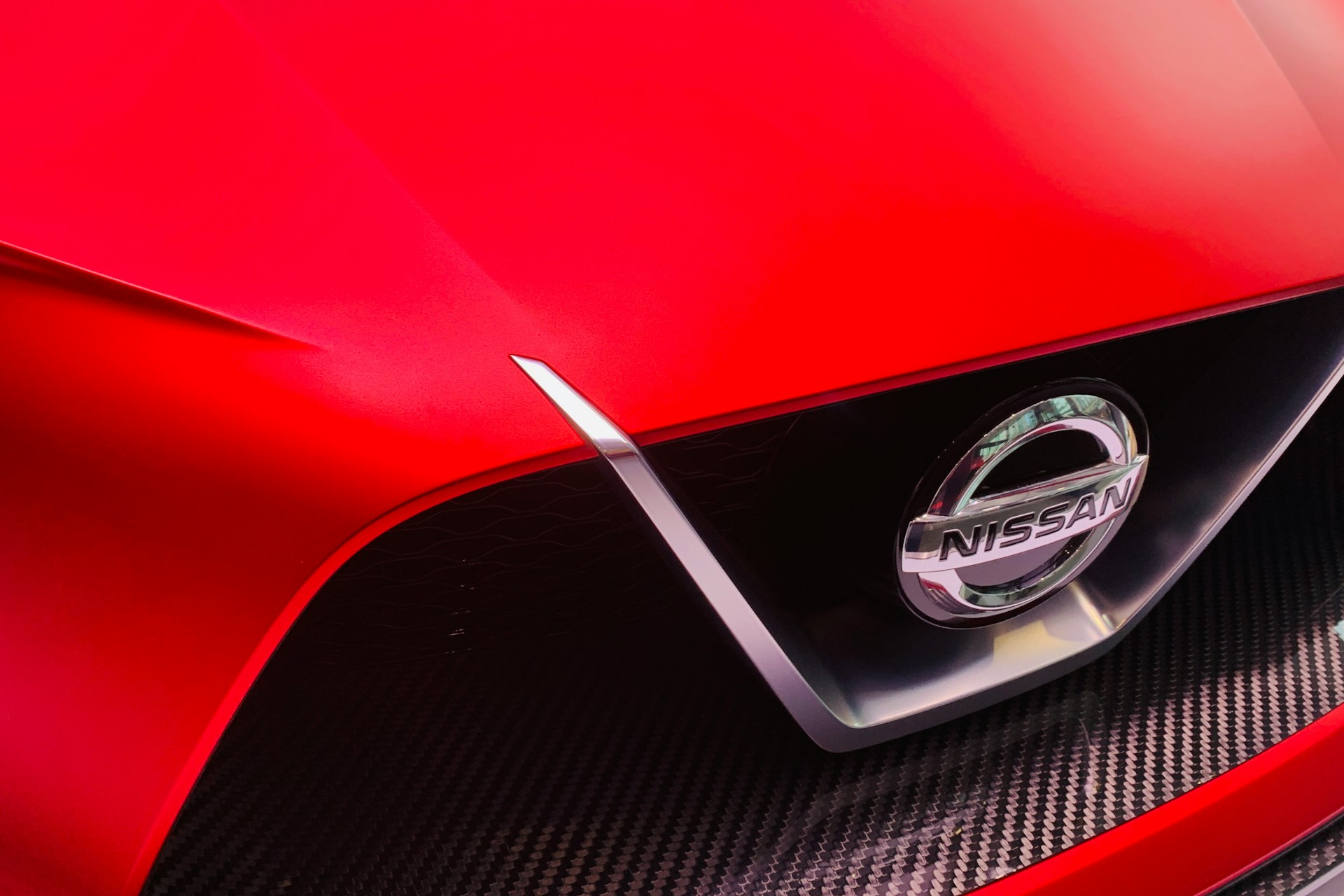
突然大降价!轩逸裸车价降至5.98万元,多车企跟进:朗逸新锐裸车7.3万元,雷凌全系优惠4万元,卡罗拉全系打折
Mei Ri Jing Ji Xin Wen· 2025-09-12 11:29
Core Insights - The price of the 2024 Nissan Sylphy has dropped to 59,800 yuan, significantly lower than its original guide price of 79,900 yuan, intensifying competition in the A-class sedan market [1][2] - Other competitors like the Volkswagen Lavida and Toyota Corolla have also reduced their prices, with the Lavida starting at 73,000 yuan after discounts and the Corolla seeing a price drop of 4,300 yuan to 79,800 yuan [2] - The A-class sedan market is experiencing fierce competition, with the Sylphy, Lavida, and Sagitar remaining among the top-selling models in the first eight months of the year [6] Price Reductions and Market Dynamics - The Sylphy's price reduction has prompted other A-class sedans to follow suit, with the Lavida and Corolla also offering significant discounts [2] - The market is seeing a shift where A+ class sedans are also reducing prices, such as the Honda Civic, which has a starting price of 89,900 yuan, dropping to 74,900 yuan with trade-in subsidies [2][4] Sales Performance - In the first eight months of the year, the Sylphy sold 199,400 units, the Lavida sold 184,400 units, and the Sagitar sold 155,900 units, indicating strong sales performance among these models [6] - The A-class sedan market has seen a decline in overall sales, with the total market size dropping from 5.5 million units in 2020 to 3.4 million units in 2024, a decrease of 2.06 million units [9] Market Share and Trends - The A-class sedan market's share has decreased from 28.5% in 2020 to 15% in 2024, reflecting a significant contraction in consumer demand, particularly for entry-level models [9] - Despite the decline, A-class sedans remain the best-selling category in the domestic sedan market, accounting for 36% of total sedan sales in the first seven months of the year [10] Competitive Landscape - The competitive landscape is shifting, with domestic brands like BYD's Qin PLUS gaining market share from traditional joint venture brands, indicating a growing preference for value and features among consumers [7][8] - The market is witnessing a notable increase in the share of new energy vehicles (NEVs) in the A-class segment, rising to 43% in August, while the share of traditional fuel vehicles has decreased significantly [8]

半年海外销量超去年全年,比亚迪全球化战略按下加速键
Bei Ke Cai Jing· 2025-07-15 11:39
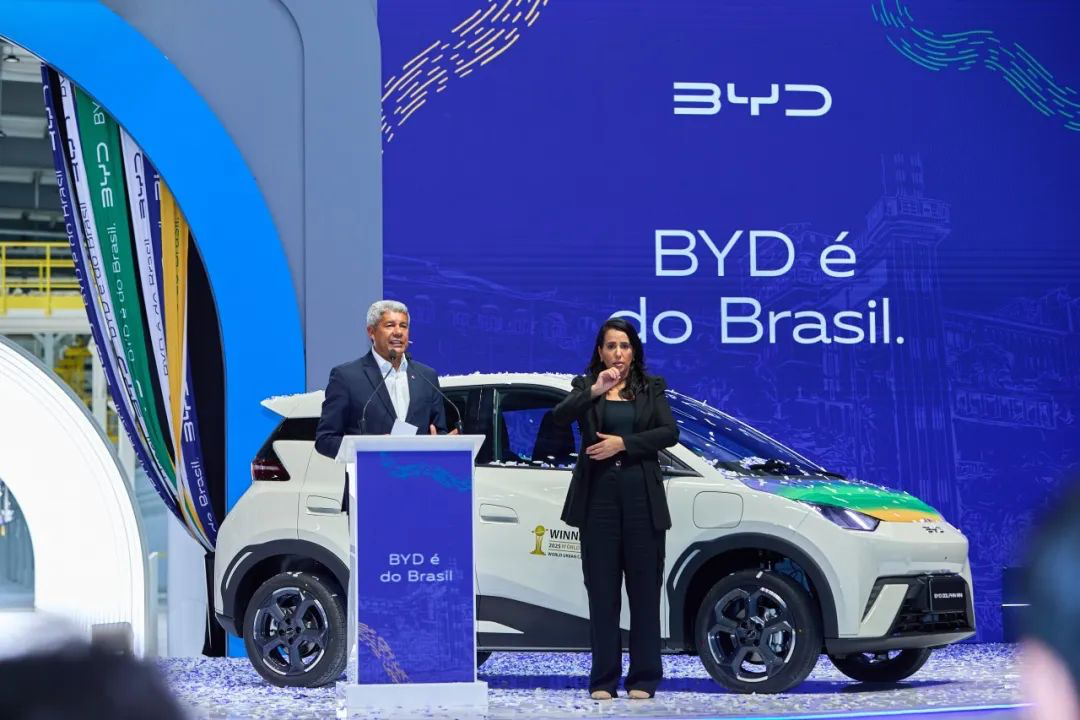
Core Insights - BYD is expected to become the top-selling automotive company in Brazil, as stated by the Mayor of Rio de Janeiro, Eduardo Paes, who has firsthand experience with the company [1] - The launch of BYD's first passenger car factory outside Asia marks a significant step in its localization strategy, with the first vehicle rolling off the production line just 15 months after construction began [3][6] - BYD's investment in Brazil includes a total of 5.5 billion Brazilian Reais (approximately 7.1 billion RMB) for a large manufacturing complex, which will create 20,000 jobs and produce 150,000 electric and hybrid vehicles annually [4][8] Localization and Global Strategy - The factory in Brazil is designed to produce electric and plug-in hybrid vehicles, with a production capacity of 150,000 units, positioning it as the largest electric and hybrid vehicle manufacturing complex in Latin America [4][6] - BYD's strategy emphasizes local production, with plans to limit imports to no more than 10% of the locally produced vehicles, focusing on models not manufactured in Brazil [6] - The company aims to establish a comprehensive local network, including 240 fully operational dealerships by the end of 2025 [6] Sales Performance and Market Position - Since entering the Brazilian market in 2014, BYD has rapidly become one of its most important overseas markets, with cumulative sales exceeding 130,000 units by May 2025 [8] - In the first half of 2023, BYD's overseas sales surged by 132% year-on-year, with total sales reaching 472,200 units, accounting for 21.63% of its overall sales [13][15] - The company’s global strategy has evolved from merely exporting vehicles to establishing local production and R&D capabilities, enhancing its competitive edge in the global market [12][17]
避开红海竞争:中企为何集体押注中亚“双斯坦”战略要地?
吴晓波频道· 2025-04-03 00:39
Core Viewpoint - The article highlights the emerging business opportunities in Central Asia, particularly in Uzbekistan and Kazakhstan, as Chinese companies expand their presence in these markets, driven by rapid urbanization, resource availability, and favorable trade conditions [1][2]. Group 1: Uzbekistan Market Insights - Uzbekistan's urbanization is accelerating, with an expected urbanization rate of nearly 40% by 2025, leading to increased demand in housing and consumer goods [5][6]. - The government plans to construct 135,000 apartments by 2025, presenting significant opportunities for the Chinese construction and home goods industries [5][6]. - The real estate market in Uzbekistan has seen substantial price increases, with property prices rising from approximately $500 to $1,500-$2,000 within a year [8]. - Uzbekistan's manufacturing sector is rapidly developing, with a labor cost that is 40%-50% lower than that of China, creating a large consumer market [10]. - The textile industry is particularly promising, with a cotton yarn factory exporting $600,000 worth of products to China, highlighting the potential for high-value-added processing [10][11]. Group 2: Kazakhstan Trade Opportunities - Kazakhstan serves as a crucial transit point for Chinese goods to Europe, with 85% of Chinese exports to Europe passing through Kazakhstan [14]. - The e-commerce sector in Kazakhstan is booming, with local company Kaspi raising over $1 billion in its NASDAQ listing and achieving a market valuation exceeding $100 billion [20][21]. - The e-commerce market in Kazakhstan is projected to grow from $2 billion to $8.5 billion by 2025, driven by a young, consumer-driven population [22][21]. - Chinese companies can leverage Kazakhstan's rich natural resources and low manufacturing costs to establish a strong foothold in the region [23][24]. - Collaborative projects in renewable energy, such as the partnership between China National Power Investment and local firms, are paving the way for sustainable energy solutions [24]. Group 3: Strategic Engagement and Exploration - The article invites entrepreneurs to explore Central Asia's business landscape through a planned trip, focusing on understanding local market dynamics and establishing connections with key stakeholders [2][26]. - Visits to significant industrial parks and discussions with local government bodies will provide insights into trade cooperation and investment opportunities [31][32]. - The exploration aims to equip businesses with the knowledge and resources needed to navigate the Central Asian market effectively [29][33].