鱼汤面

Search documents
存古韵开新境,让历史文脉与时代共振
Xin Lang Cai Jing· 2026-01-28 22:02
Group 1 - The article highlights the integration of traditional culture, intangible heritage, and natural ecology in Dongtai Xixi Ancient Town, aiming to create a comprehensive heritage base for research, experience, and cultural innovation [1] - The immersive performance "Seeking Immortals" at Dongyong Qixian Girl Cultural Park allows audiences to participate actively, blending ancient stories with modern technology to rejuvenate traditional narratives [1][2] - The collaboration among intangible cultural heritage workers from various regions aims to protect and transmit the "Dongyong Legend," fostering cultural dialogue and interaction with the public through various activities [2] Group 2 - The shift in tourist preferences towards cultural experiences over mere sightseeing is noted, with younger visitors seeking deeper engagement with local history and traditions [3] - Xixi is focused on uncovering historical resources and enhancing cultural interactions, exemplified by the successful operation of the Sanxiang Pavilion Art Museum, which promotes high-quality artistic exchanges [3] - Future plans include further exploration of the sea salt culture and the commercial history of tea, salt, and wine in Xixi, while innovatively activating the vitality of ancient culture in contemporary contexts [4]
泰州早茶的三种吃法
Xin Lang Cai Jing· 2026-01-01 23:52
Core Viewpoint - The article discusses the cultural significance and evolving consumption patterns of Taizhou breakfast tea, highlighting its popularity among Shanghai residents who enjoy it as a midday meal, thus transforming the traditional concept of breakfast tea into a new dining experience [5][6]. Group 1: Consumption Patterns - Taizhou breakfast tea has gained popularity in Shanghai, where it is now enjoyed as a midday meal, reflecting a shift in dining habits due to time constraints faced by urban dwellers [5][6]. - The leisurely consumption of Taizhou breakfast tea allows individuals to carve out personal time amidst their busy schedules, contrasting with the fast-paced lifestyle typical in Shanghai [6][7]. Group 2: Cultural Significance - The traditional Taizhou breakfast tea experience involves specific rituals, such as pairing tea with delicacies like "dry silk" and various dumplings, emphasizing the social and ceremonial aspects of dining [6][7]. - The article illustrates that breakfast tea in Taizhou is not merely about sustenance but represents a lifestyle and a form of social interaction, deeply rooted in local culture [7][8]. Group 3: Unique Dining Experiences - The article describes unique ways of enjoying Taizhou breakfast tea, including pairing it with local liquor, which adds a distinct flavor to the experience and reflects the region's culinary creativity [8][9]. - The author shares personal anecdotes of enjoying breakfast tea on a boat, showcasing the versatility and charm of Taizhou's dining culture [8][9].

偏爱鸭血粉丝蒯曼你是懂南京的 蒯曼说家乡鱼汤面是心头牵挂
Xin Lang Cai Jing· 2025-12-28 10:10
Group 1 - The core viewpoint of the article highlights the personal preferences of the athlete Kuai Man regarding her hometown food and her fondness for the local cuisine of Nanjing [1] Group 2 - Kuai Man expresses a strong attachment to her hometown dishes, specifically mentioning fish soup noodles and three types of meatballs as her favorites [1] - She notes that while similar dishes exist outside her hometown, the ingredients and cooking methods differ, making it hard to replicate the authentic taste [1] - Kuai Man shares her love for various Nanjing delicacies, including roasted duck, duck blood vermicelli, soup dumplings, and sticky rice cakes, reflecting her appreciation for the local food culture [1]
15000多家店生意火爆!国庆中秋假期江苏泰州早茶火出圈→
Sou Hu Cai Jing· 2025-10-06 15:02
Core Insights - The early tea business in Taizhou, Jiangsu, has seen a significant surge in popularity during the recent holiday, with over 15,000 tea shops experiencing high demand and long queues for seating [1][3]. Group 1: Business Performance - The customer flow in Taizhou's tea shops has increased by over 50% compared to regular weekends, with more than 60% of visitors coming from Changzhou [3]. - Tea shop operators have prepared ample supplies, extended operating hours, and increased staff to accommodate the influx of customers during the holiday [7]. Group 2: Culinary Highlights - The "early tea three treasures" including crab yellow soup dumplings, dry silk, and fish soup noodles have become popular among diners, providing a dual sensory experience of taste and visual appeal [5]. - The Jingjiang crab yellow soup dumpling is renowned nationwide for its unique flavor, with local shops experiencing full capacity every morning during the holiday [9]. Group 3: Cultural Significance - The crab yellow soup dumpling making technique is recognized as a provincial intangible cultural heritage, with the daily preparation of ingredients significantly increasing during the holiday period [11].
东台绘就“诗与远方”新画卷
Xin Hua Ri Bao· 2025-10-01 23:36
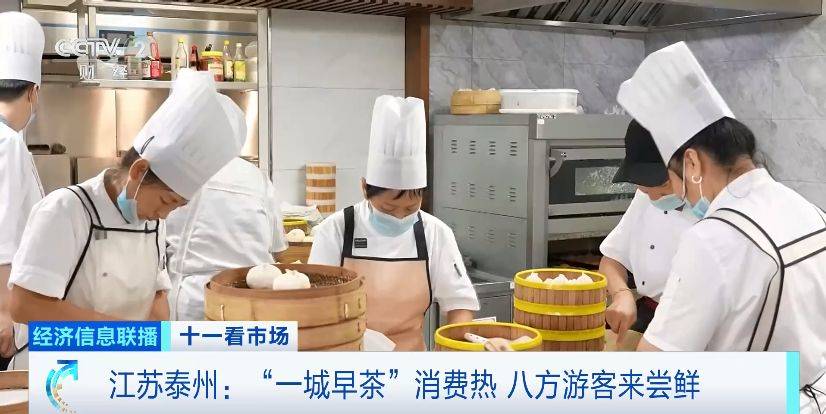
Core Insights - Dongtai City is attracting more tourists through immersive experiences that blend culture and nature, aligning with its goal of becoming a strong cultural and tourism city [1] - The city has been recognized as a demonstration zone for the integration of cultural and tourism industries in Jiangsu Province, being the only one in Yancheng [1] Group 1: Cultural and Tourism Development - Dongtai boasts rich cultural resources, including a million acres of world heritage wetlands and 68,000 acres of plain forests, with nearly 20,000 cultural and tourism enterprises [2] - The city has developed four key industries: cultural manufacturing, film and television creation, intangible cultural heritage crafts, and tourism resorts, creating a connected network of scenic spots and cultural sites [2] - Notable projects include the transformation of Huanghai Forest Park into a tourism resort and the recognition of Xixi Tianxianyuan Scenic Area as a national model for the integration of intangible cultural heritage and tourism [2] Group 2: Infrastructure and Experience Enhancement - Dongtai is enhancing its cultural tourism through spatial restructuring, including the conversion of industrial areas into leisure districts and the development of camping bases [2] - The city has established 300 kilometers of transportation routes connecting scenic spots and villages, and transformed five farmers' markets into food night markets [2] - The introduction of nine nationally recognized geographical indication products as cultural gifts has increased both economic and cultural value [2] Group 3: Cultural Empowerment and Innovation - Dongtai has identified three cultural themes: intangible cultural heritage, red culture, and agricultural culture, creating a comprehensive tourism system [3] - The city has developed over 10 cultural experience venues and six clusters of homestays, with the Gangan Old Home Scenic Area attracting over 300,000 visitors annually [3] - Innovative integration models have led to the creation of 10 health tourism routes and six health demonstration zones, enhancing the overall tourism experience [3] Group 4: Rural and Sports Tourism - The "Rural + Tourism" initiative has established 14 themed exhibition halls along key routes, promoting ecological tourism and the development of national-level homestay brands [4] - Sports events such as cycling and marathons have been introduced to enhance tourism appeal, alongside the creation of six distinctive street areas [4] - Dongtai has launched over 130 cultural tourism routes, achieving a visitor satisfaction rate of 93.6% [4] Group 5: Institutional Support and Recognition - The city has prioritized cultural tourism integration in its development strategy, reserving significant land for industry growth and optimizing collaborative efforts among various stakeholders [4] - Dongtai has consistently ranked among the top 100 counties in China for comprehensive tourism competitiveness for six consecutive years, receiving over 20 national and provincial honors for its projects [4]
老字号焕新,点亮多地消费市场
Sou Hu Cai Jing· 2025-09-20 15:54
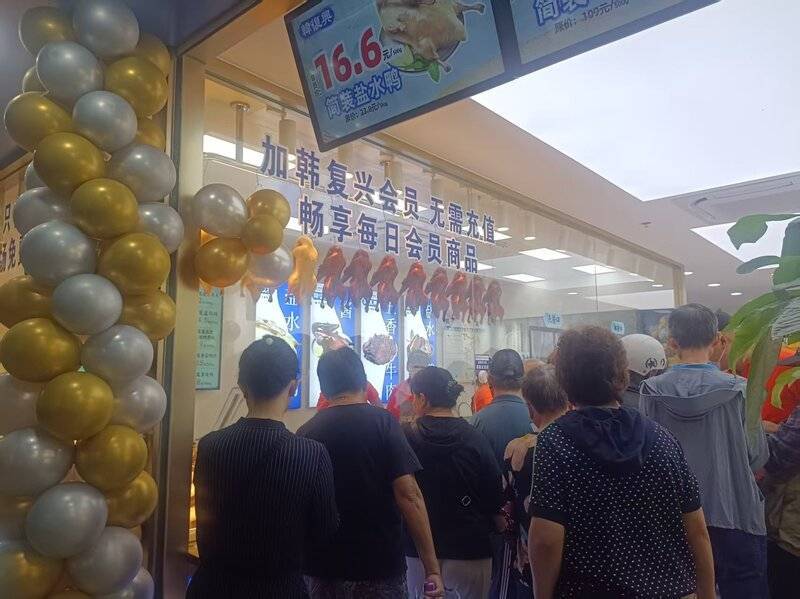
Core Insights - The article highlights the revitalization and expansion of traditional brands in Jiangsu, focusing on their efforts to modernize while maintaining quality and cultural heritage [1][3][4] Group 1: Brand Revitalization - The reopening of the Han Fuxing restaurant in Nanjing on September 20 attracted a large crowd, indicating strong local interest in traditional cuisine [1][3] - The restaurant's renovation included a modernized storefront and a more accessible layout for customers, aiming to blend traditional flavors with contemporary consumer preferences [3] - Other traditional brands in Jiangsu are also expanding their presence in new cities, bringing local flavors and cultural elements to a broader audience [3][4] Group 2: New Store Openings - The opening of the Taizhou Yan·Liufang Tea House in Suzhou features a 320 square meter space that combines dining with cultural experiences, targeting urban consumers [4] - The "Yancheng Eight Dishes" restaurant opened its first location in Shanghai, showcasing local culinary traditions and aiming to attract both locals and visitors [6] - The Aozhaoguan restaurant in Suzhou continues to blend traditional and modern culinary practices, with a focus on high-quality ingredients and local flavors [10] Group 3: Brand Heritage and Innovation - The revival of the "Yuezhonggui" beauty brand, originally established in 1851, reflects a trend of reintroducing historical brands with modern adaptations to attract contemporary consumers [11] - The new offerings from "Yuezhonggui" include skincare and fragrance products that leverage traditional techniques while incorporating modern technology for improved quality [11]