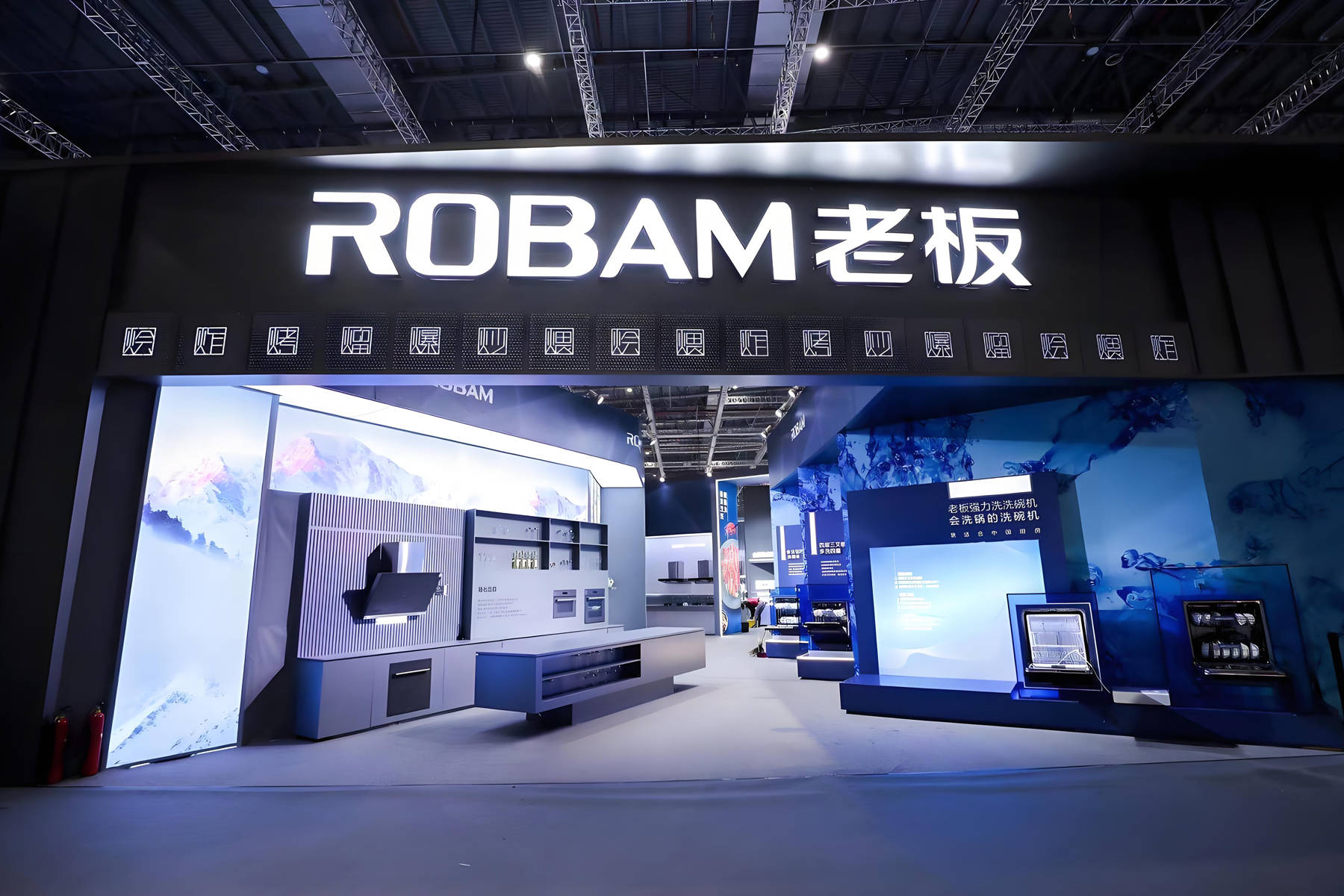
AI烹饪大模型'食神'

Search documents
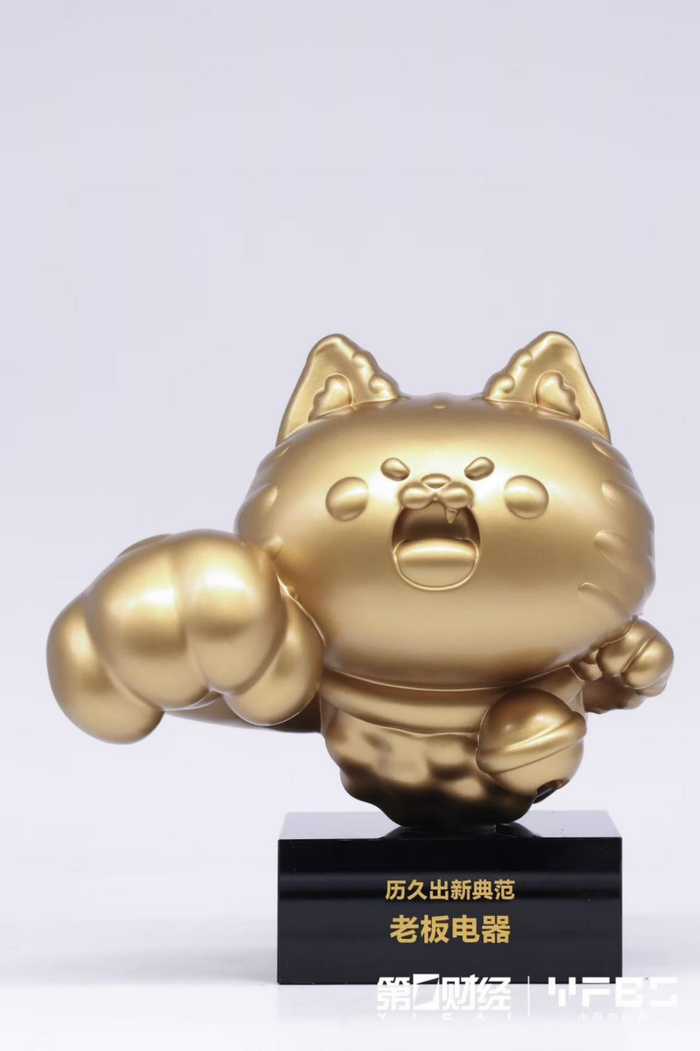
第一财经“历久出新典范”:探寻老板电器品牌的“长青之道”
Di Yi Cai Jing· 2025-11-06 14:39
Core Insights - The article emphasizes the shift from a singular focus on "growth speed" to "growth quality" and "brand sustainable value" in the business landscape of 2025, highlighting the importance of brands that can navigate market fluctuations and lead industry breakthroughs [1][3] Brand Recognition - The "2025 Annual Brand Power Case" evaluation recognized eight brands, including Boss Electric, for their ability to embody the concept of "lasting innovation," showcasing their resilience and adaptability in a changing market [1][3] - Boss Electric reported a revenue of 7.312 billion yuan and a net profit of 1.157 billion yuan in the first three quarters of 2025, demonstrating robust growth while launching a new brand positioning as "Your AI Cooking Partner" [1][3] Brand Evolution - The article discusses how brands like IKEA and Boss Electric have maintained their foundational values while continuously innovating, with Boss Electric's journey reflecting the evolution of China's economy and consumer behavior over the past four decades [3][4] - The concept of "lasting innovation" requires brands to actively engage in youth-oriented, localized, and digital transformations to stay relevant to new consumer segments [3][4] Market Dynamics - The competitive landscape in the cooking appliance sector has intensified over the past 40 years, with Boss Electric emerging as a leader by focusing on improving cooking environments and setting industry standards [5][6] - The transition from basic functionality to quality-driven consumer demands has characterized the Chinese home appliance market, with Boss Electric choosing to deepen its focus on the cooking sector rather than diversifying into unrelated areas [6][9] Technological Integration - The rise of artificial intelligence (AI) has expanded the boundaries of brand value, with Boss Electric leveraging AI to enhance user experience and create a more interactive kitchen environment [7][10] - Boss Electric's AI cooking model, "Shishen," integrates extensive culinary knowledge and user data to provide personalized dietary planning and facilitate seamless operation across kitchen devices [10][11] Cultural and Humanistic Approach - The brand's new positioning emphasizes the role of AI as a supportive tool in the cooking process, ensuring that the human element remains central to culinary creativity [11][12] - Boss Electric has invested in cultural initiatives, such as establishing a Culinary Humanities Research Institute and promoting culinary education, to deepen its connection with consumers and enhance brand warmth [12][14] Conclusion - Brands like Boss Electric exemplify the journey of local brands in China, demonstrating that maintaining core values while embracing innovation is crucial for sustained growth and relevance in a rapidly changing market [14]


开采矿石、游核电站……“逛工厂”缘何成为文旅“香饽饽”?
Bei Jing Ri Bao Ke Hu Duan· 2025-10-28 00:02
Core Insights - The trend of "factory tours" is evolving from a niche experience to a mainstream choice, driven by tourists' curiosity about industrial processes and brand culture, as well as the growing popularity of experiential tourism [6] Group 1: Industrial Tourism Development - The Cangnan Town Alunite Industrial Tourism Area in Zhejiang has been recognized as one of the "Top 10 Fun Factories in Zhejiang for 2024," showcasing a blend of industrial tourism with educational and cultural experiences [1][2] - The Alunite Industrial Tourism Area has generated over 40 million yuan in annual tourism revenue for the town, attracting approximately 1.67 million visitors in 2024 [3][2] - The area features over 300 mining heritage sites, including significant relics and intangible cultural heritage related to alunite mining, contributing to its reputation as the "World Alunite Capital" [2] Group 2: Innovative Factory Experiences - The Boss Electric Appliance Factory has integrated technology and AI to enhance visitor experiences, including the launch of an AI cooking model and themed tours that combine culinary culture with factory visits [4] - The Yiyue Brewing Company, a time-honored brand, has transformed its factory into a "transparent factory" where visitors can engage in traditional brewing techniques, further promoting the integration of industry and tourism [5] Group 3: Popularity of Factory Tours - The Sanmen Nuclear Power Station has become a popular destination for families, offering interactive experiences that allow visitors to learn about nuclear power operations while enjoying nearby recreational activities [6] - The industrial tourism sector in Zhejiang is characterized by three models: revitalizing industrial heritage, showcasing modern production processes, and demonstrating traditional craftsmanship and intangible cultural heritage [6] Group 4: Future Directions - Zhejiang is developing a grading standard for industrial tourism bases, categorizing them into levels based on core attractions, product systems, and tourism services, similar to tourism scenic area quality ratings [7] - Successful examples from other regions, such as the Qingdao Beer Museum and Beijing Shougang Park, illustrate that innovative and engaging factory experiences can attract more visitors [7]
财报苦涩、股价大跌,老板电器任富佳陷入自嗨与房产深坑
Sou Hu Cai Jing· 2025-04-29 16:26
Core Viewpoint - The Chinese home appliance market is facing significant growth challenges, with companies like Boss Electric experiencing declining performance despite previous expectations for growth [2][4]. Financial Performance - Boss Electric reported a slight increase in revenue for 2024 at 11.213 billion yuan, up 0.10% year-on-year, but net profit fell by 8.97% to 1.577 billion yuan [2][3]. - The Q1 2025 report showed a revenue decline of 7.2% to 2.08 billion yuan and a net profit drop of 14.7% to 340 million yuan [2][3][13]. - The stock price of Boss Electric dropped over 7% following the release of these disappointing financial results, indicating investor dissatisfaction [2][3]. Product Performance - The revenue from the two main product categories, range hoods and gas stoves, accounted for over 70% of total revenue, but their gross margins decreased by 2.14% and 4.86% respectively [6][10]. - Despite claims of innovation, the actual market performance of products like integrated stoves has been poor, with sales significantly declining [11][12]. Market Challenges - The home appliance industry is under pressure from external factors, including insufficient innovation and intense competition, leading to difficulties in customer acquisition and conversion [2][4]. - The real estate sector's downturn has severely impacted Boss Electric, which has heavily relied on partnerships with real estate developers for sales [21][22]. Strategic Issues - The company has been criticized for focusing on marketing and product promotion rather than substantial technological innovation, with R&D spending significantly lower than marketing expenses [18][19]. - Boss Electric's management has been accused of being overly optimistic about growth prospects, failing to adapt to the changing market conditions [21][27]. Industry Trends - The trend of AI integration in home appliances is prevalent, but many products are perceived as lacking real value, leading to consumer skepticism [14][15][18]. - The overall market for home appliances is expected to continue facing challenges, with a significant decline in new projects in the real estate sector impacting sales [25][26].