
Anthropic

Search documents
软件股大跌之际,黄仁勋驳斥“AI替代”论:这是世界上最不合逻辑的事
Hua Er Jie Jian Wen· 2026-02-04 11:47
Core Viewpoint - The CEO of Nvidia, Jensen Huang, refuted the notion that AI will replace software tools, calling it "extremely illogical" and emphasizing that both humans and AI will continue to use existing tools rather than reinvent them [1][2]. Group 1: Market Reaction - The launch of a new automation tool by AI startup Anthropic triggered widespread concerns about the software industry's future, leading to a global sell-off in software stocks [1][3]. - The iShares Expanded Tech-Software Sector ETF fell by 5.6%, marking a six-day losing streak with a cumulative drop of over 14% [3]. - The S&P North American Software Index experienced a 15% decline in January, the largest monthly drop since October 2008 [3]. Group 2: Corporate Performance - Microsoft, despite reporting solid quarterly earnings, faced scrutiny over slowing growth in its cloud business, resulting in a 10% drop in its stock price on a single day [4]. - Only 67% of S&P 500 software companies that reported earnings exceeded revenue expectations, significantly lower than the overall tech sector's 83% [4]. - Investment firm Piper Sandler downgraded several software companies, citing concerns over "seat compression" and the narrative of "ambient coding" potentially capping industry valuation multiples [4]. Group 3: Strategic Insights - Huang suggested that companies should focus on identifying their most impactful workflows and deploy AI there, advocating for a strategy of broad experimentation [2]. - He compared enterprise software to tools like screwdrivers and hammers, asserting that even advanced AI systems should focus on using tools rather than reinventing them [2].

Jim Cramer on Amazon: “Lost in the Shuffle Is the Greatness of the Company Itself”
Yahoo Finance· 2026-02-03 12:24
Core Viewpoint - Amazon.com, Inc. is viewed as a battleground stock, with mixed performance and significant potential for future growth, particularly in its web services and retail segments [1][3]. Group 1: Company Performance - Amazon's stock finished last year with a modest increase of just over 5%, indicating muted overall performance despite some positive developments [3]. - The latest quarterly report showed a major positive catalyst, with Amazon Web Services experiencing growth acceleration to over 20%, the highest since Q3 2022 [3]. - The retail business has demonstrated double-digit growth both domestically and internationally for the past two quarters [3]. Group 2: Investments and Future Outlook - Amazon has made a significant investment in Anthropic, which is expected to enhance its retail business through AI and robotics [3]. - The company is heavily investing in AI infrastructure, which is anticipated to yield direct financial benefits, making the spending more justifiable [3]. - There is an expectation for Amazon to achieve much larger gains by 2026, supported by recent stock performance, which soared nearly 5% over the past three sessions [3].

用好这个工具,让年薪百万麦肯锡顾问成为你的外包
Sou Hu Cai Jing· 2026-02-02 07:18
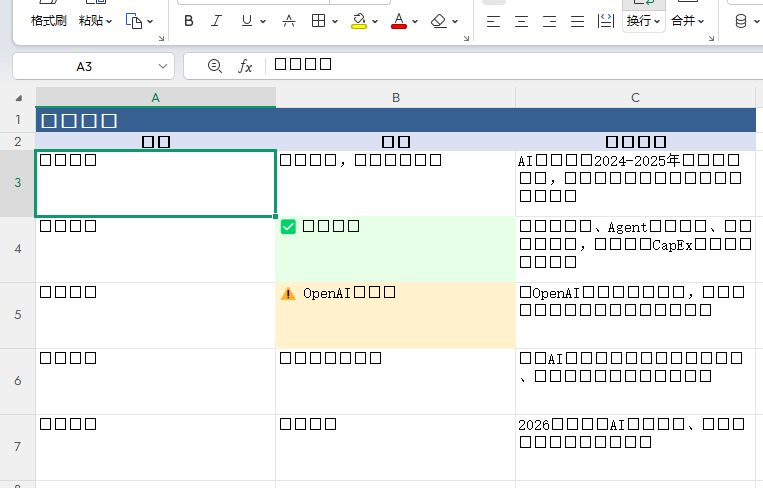
Core Viewpoint The article discusses the limitations of using foreign AI tools like Anthropic for generating business documents, highlighting the advantages of a domestic AI model, Kimi 2.5, which effectively addresses localization issues and enhances productivity in creating professional documents. Group 1: AI Tools Comparison - Foreign AI tools like Anthropic struggle with localization, resulting in unusable outputs such as "口口口" when processing Chinese financial reports [1][3][4] - Kimi 2.5, a domestic AI model, allows users to issue clear commands and receive well-structured, editable documents in a short time [5][7] Group 2: Practical Applications of Kimi 2.5 - Kimi 2.5 successfully creates a professional PowerPoint presentation from a complex industry report, demonstrating an understanding of workplace jargon and aesthetic preferences [9][13][14] - The AI tool generates a visually appealing PPT with a warm color palette, effectively organizing content without simply copying from the source [16][18] Group 3: Data Analysis Capabilities - Kimi 2.5 can process extensive datasets, such as a 20-year statistical report, to create insightful analyses like a heatmap of the tertiary industry share across provinces [19][23][24] - The AI produces a detailed report that includes a heatmap and a breakdown of performance by district, making complex data easily understandable [25][27]

你还在 draw.io 里拖拖拽拽?一句话让架构图自己长出来~
菜鸟教程· 2025-12-08 03:30
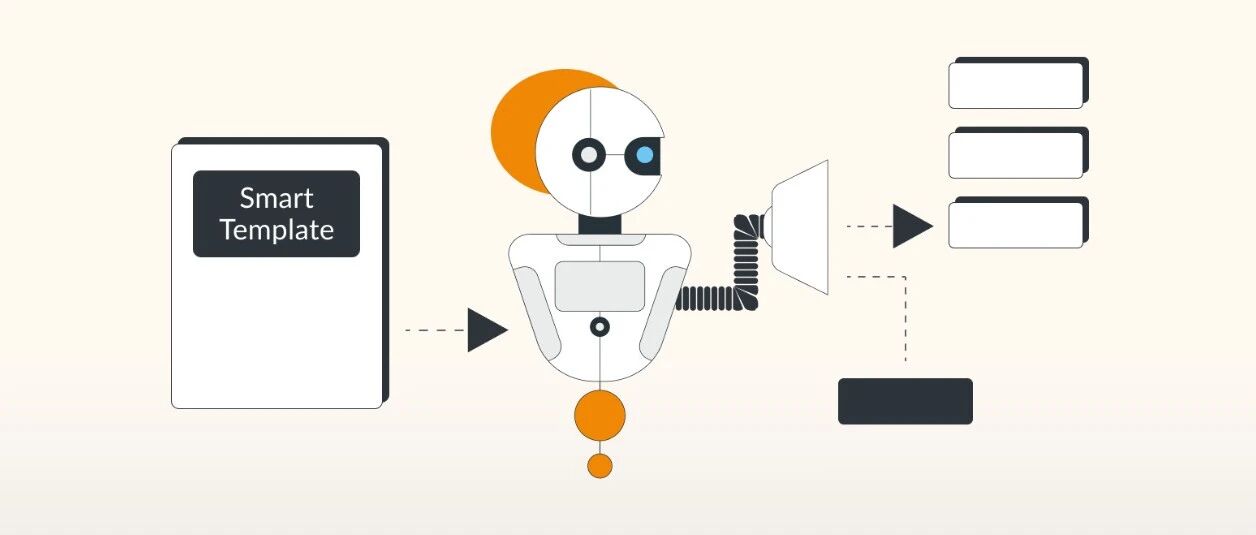
Core Viewpoint - The article introduces Next AI Draw.io, an AI-powered tool that automates the process of creating and modifying diagrams in draw.io, significantly enhancing efficiency and user experience [2][7]. Group 1: Product Overview - Next AI Draw.io allows users to generate diagrams by simply describing what they need, such as "draw a Transformer architecture diagram with animated connectors" [7]. - The tool can also reconstruct existing diagrams by uploading an image and requesting modifications, such as changing components or adding new elements [9]. - It features a history tracking system that allows users to revert to previous versions of their diagrams, providing a safety net for users [10]. Group 2: Key Features - The tool utilizes large language models (LLMs) to directly generate draw.io XML, enabling users to focus on verbal instructions while the AI handles the drawing [10]. - Users can upload images to automatically recreate editable diagrams, ensuring that lines and layouts are neat and organized [10]. - An interactive chat interface allows for real-time updates and modifications to diagrams, such as adding nodes or changing database types [10]. Group 3: Technical Details - Next AI Draw.io supports various LLMs, including AWS Bedrock, OpenAI, and Google AI, which can be configured through a local environment file [17]. - The application is built using Next.js for the frontend and integrates with Vercel AI SDK for streaming AI responses [19]. - Installation options include a one-click Docker setup or a manual installation process, providing flexibility for users [24][26].
Sam Bankman-Fried Claims FTX Was ‘Never Insolvent’ — Here’s What Happened In His View
Yahoo Finance· 2025-10-31 06:15
Core Viewpoint - Sam Bankman-Fried asserts that FTX had sufficient assets to repay customers, claiming the exchange experienced a liquidity crunch rather than a true insolvency, with recoveries supporting his argument [1][2]. Group 1: Financial Position and Customer Repayments - FTX owed $8 billion to customers at the time of its bankruptcy in November 2022, and Bankman-Fried claims that customers will receive between 119% and 143% of their owed amounts, with approximately 98% already repaid at 120% [1]. - The estate reportedly still holds around $8 billion after covering $8 billion in claims and $1 billion in legal fees, indicating that FTX was never insolvent [1][3]. Group 2: Nature of the Collapse - The collapse of FTX is characterized as a classic bank run, triggered by panic withdrawals that led to billions in withdrawals within days, while the company was seeking asset sales and financing [2]. - Bankman-Fried's team argues that FTX and Alameda's assets exceeded liabilities from 2021 through mid-2022, contradicting early statements from the bankruptcy team regarding shortfalls [3]. Group 3: Asset Valuation and Liquidation - Bankman-Fried's camp highlights that asset sales were poorly timed, with stakes in tokens and private companies like Solana, Sui, and Anthropic having significantly higher estimated values today [4]. - The criticism is directed towards the dollarized payouts to creditors, which are based on the US dollar value of crypto as of November 11, 2022, denying customers the benefits of subsequent market rallies [5]. Group 4: Historical Context - FTX was once valued at over $30 billion and had more than a million users before its rapid decline, which was precipitated by revelations of intertwined risks with Alameda, a surge in withdrawals, and a failed rescue attempt [6].
投资人查马斯:公司已在使用中国开源大模型
Huan Qiu Wang· 2025-10-11 11:12
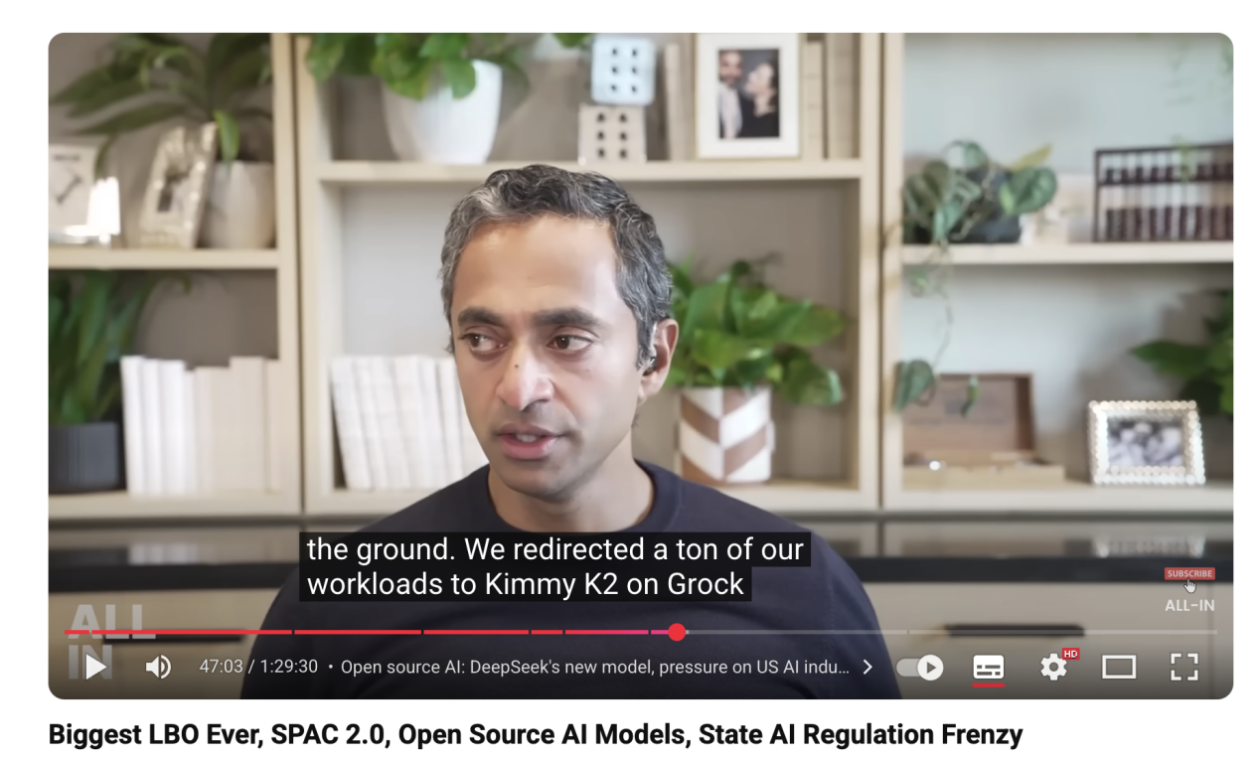
Core Insights - The podcast "All in" highlights the competition between Chinese open-source AI models and American closed-source models, emphasizing the shift in demand towards models like Kimi K2 from China due to their superior performance and lower costs compared to OpenAI and Anthropic [1][3] - Chamath, founder of Social Capital, points out that while Anthropic is impressive, it is financially burdensome, indicating a trend where Chinese models are challenging the dominance of American counterparts in the AI space [1] Company Insights - Social Capital, a prominent venture capital firm, is actively transitioning its workload to Chinese AI models, particularly Kimi K2, which is noted for its strong performance and cost-effectiveness [1] - The podcast "All in," founded by influential Silicon Valley figures, has become a significant platform for discussing technology and investment trends, reflecting the growing interest in the capabilities of Chinese AI models [3]
苹果(AAPL.O)高级副总裁Cue:相信Perplexity和Anthropic可能会是选择。
news flash· 2025-05-07 14:56
Core Insights - Apple's Senior Vice President Cue expressed confidence that Perplexity and Anthropic could be viable options for the company [1] Group 1 - The statement highlights Apple's interest in exploring partnerships or investments in AI technology firms [1]