ID.3

Search documents
一汽大众158万辆“销冠”背后,藏着多少焦虑?
Xin Lang Cai Jing· 2026-02-05 05:53
Core Insights - FAW-Volkswagen has faced significant challenges in the automotive market, particularly with the rise of BYD in the new energy vehicle sector, marking a shift in industry dynamics [1] - The company achieved a total vehicle sales of 1.5871 million units in 2025, with a notable performance from its Volkswagen brand, which sold 902,100 units, and Audi, which sold 567,000 units [3][4] - Despite being the only joint venture company to exceed 1.5 million annual sales, FAW-Volkswagen's total sales decreased by approximately 4.3% compared to 2024 [7] Sales Performance - In 2025, the penetration rate of new energy vehicles in China reached 47.9%, a 7 percentage point increase from the previous year, while traditional fuel vehicles still held a significant market share [3] - FAW-Volkswagen's fuel vehicle market share increased by 0.9 percentage points year-on-year, with all three major brands showing positive growth [5] - The company has been able to maintain its position in the fuel vehicle market, but faces increasing competition from new energy vehicles [10] Competitive Landscape - The automotive market is becoming increasingly polarized, with clear distinctions between leading, stable, struggling, and declining companies [5] - FAW-Volkswagen's sedan models, particularly the Sagitar and Magotan, are under pressure from competitors like BYD and Tesla, which are gaining market share in the compact and mid-size sedan segments [8][10] - The company has resorted to aggressive pricing strategies to maintain sales, with significant price reductions on models like the Sagitar and Audi A6L [10][12] Transition to New Energy - FAW-Volkswagen has recognized the need to pivot towards new energy vehicles, launching several plug-in hybrid models in response to market demands [15][21] - The company plans to introduce 13 new models in 2026, with a focus on new energy vehicles, aiming for 60% of sales to come from this segment by 2030 [19][21] - The shift towards hybrid and plug-in vehicles is part of a broader strategy to adapt to changing consumer preferences and market realities [22]

Volkswagen EV Growth Accelerates as Tesla Europe Sales Fall in 2025
ZACKS· 2026-01-27 13:56
Core Insights - Volkswagen (VWAGY) surpassed Tesla (TSLA) to become the best-selling electric vehicle (EV) brand in Europe in 2025, marking a significant shift in the European EV market [1][7] Group 1: Volkswagen's Success Factors - Volkswagen's success is attributed to its broad electric vehicle lineup, including models like ID.3, ID.4, and ID.7, which appealed to various customer segments [2] - The company sold 274,417 electric vehicles in Europe in 2025, representing a 56% year-over-year increase, driven by strong demand for its key models [3][10] - Volkswagen's strong presence in European markets, characterized by high brand recognition, extensive dealer networks, and local manufacturing capabilities, enabled it to respond effectively to rising EV demand [4] Group 2: Tesla's Performance - Tesla's EV sales in Europe declined by 27% year-over-year to 238,765 vehicles in 2025, resulting in the loss of its top position in the region [5][10] - Despite the decline, Tesla's Model Y remained one of the best-selling electric vehicles in Europe, indicating continued strong appeal for its products [6] Group 3: Market Dynamics - The shift in leadership from Tesla to Volkswagen highlights increased competition and a more diversified electric vehicle landscape in Europe [7]

大众裁员大刀,砍向董事会,一次撸掉10位
3 6 Ke· 2026-01-23 11:30
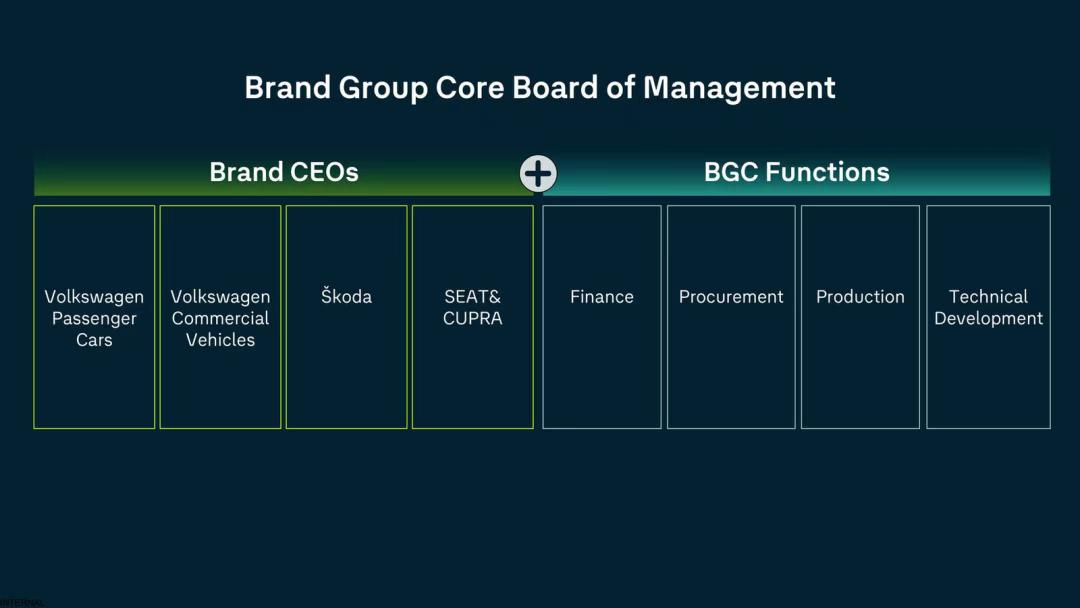
Group 1 - Volkswagen is undergoing a significant restructuring plan, aiming to reduce the number of board members from 29 to 19, effectively cutting one-third of the board [1][2] - The new organizational structure will centralize key functions such as R&D, procurement, and production at the headquarters in Wolfsburg, rather than delegating them to individual brands [2][4] - The restructuring is expected to save the company approximately €1 billion (around 8.1 billion yuan) by 2030, with €600 million in personnel costs and €400 million in manufacturing costs [9][12] Group 2 - The newly formed Brand Core Management Committee (BGC) will oversee the management of core brands, with a focus on improving efficiency and accelerating product development [4][11] - Volkswagen plans to consolidate its global factories into five regions, with China being managed separately due to its unique market conditions [9][12] - The company has announced plans to cut 35,000 jobs in Germany by 2030 and reduce production capacity, aiming for annual cost reductions of €15 billion (approximately 114.3 billion yuan) [12][16] Group 3 - Volkswagen's sales forecast for 2025 indicates a slight decline in global sales, with a drop of 0.5% compared to 2024, particularly in key markets like North America and China [14][16] - The company reported its first quarterly loss in five years, with a net loss of €1.072 billion, a significant decrease from a net profit of €1.558 billion in the previous year [14][15] - Volkswagen plans to launch over 20 new models in China by 2026, with a focus on electric and hybrid vehicles, aiming to increase its market presence [16]
大众裁员裁到董事会,踢出1/3高管,20款新车今年反攻中国
创业邦· 2026-01-23 10:15
Core Viewpoint - Volkswagen is undergoing significant restructuring, including a plan to lay off 35,000 employees and reduce its board by one-third, in response to substantial financial losses and the need to streamline operations [5][6][11]. Group 1: Restructuring and Cost-Cutting Measures - Volkswagen plans to reduce its board members from 29 to 19 by summer, focusing on retaining only one CEO per brand and centralizing management functions [6][7]. - The company aims to implement a new management model to enhance efficiency and competitiveness, which includes streamlining internal processes and reducing development costs [8]. - Volkswagen's restructuring is expected to save approximately €1 billion (about 8.1 billion yuan) by 2030 through improved production processes across its global facilities [8][10]. Group 2: Financial Performance and Challenges - In Q3 of the previous year, Volkswagen reported an operating loss of €1.3 billion (approximately 10.58 billion yuan), marking its first quarterly loss in five years [11]. - The company's investment budget has been reduced from €180 billion (about 1.46 trillion yuan) to €160 billion (about 1.3 trillion yuan) for the 2023-2027 period due to ongoing financial pressures [11]. - Volkswagen's global sales in 2025 were 8.984 million units, a slight decline of 0.5%, with significant drops in the North American and Chinese markets [13]. Group 3: Market Strategy and Electric Vehicle Development - Volkswagen plans to launch over 20 new energy vehicle models in China this year, with a goal of increasing this number to over 30 by 2027 and around 50 by 2030 [15]. - The company is collaborating with local firms like XPeng to develop electronic and electrical architectures, indicating a shift towards partnerships in the Chinese market [15][17]. - Germany has reintroduced electric vehicle subsidies, which will be available for both domestic and Chinese brands, potentially facilitating the entry of Chinese electric vehicles into the German market [19].
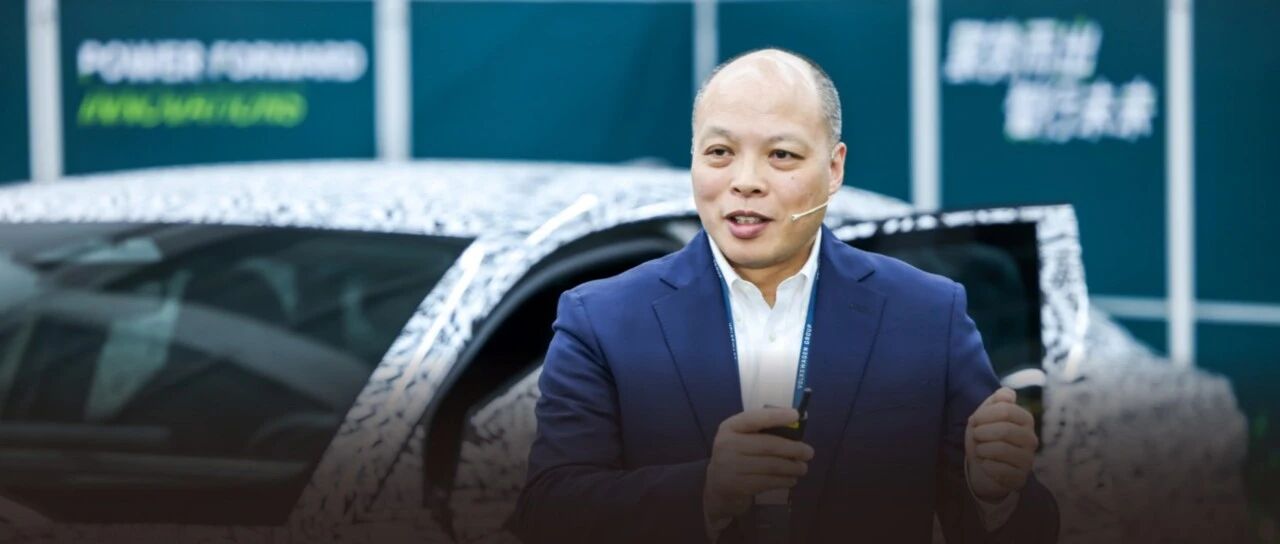
韩三楚:你答应的东西一定要想办法实现
汽车商业评论· 2026-01-20 23:15
Core Viewpoint - The article discusses the transformation of Volkswagen's software development strategy in China, emphasizing the importance of local adaptation and collaboration with Chinese technology firms to enhance their electronic and electrical architecture capabilities [4][21][40]. Group 1: Software Defined Architecture (SDA) - The Software Defined Architecture (SDA) was completed in 2023 by Changan Automobile, marking a significant advancement in China's automotive industry by enabling hardware and software decoupling, which is essential for achieving "software-defined vehicles" [6][9]. - Volkswagen recognized the need for self-developed software and electronic architecture as early as 2020, leading to the establishment of the CARIAD software division to create a unified software platform [9][11]. - CARIAD faced challenges such as delivery delays and continuous losses, which ultimately led to leadership changes within the organization [13][16]. Group 2: CARIAD China and Leadership Changes - CARIAD China was established in April 2022, and its leadership was crucial in addressing the competitive pressure from local Chinese automakers [11][21]. - The appointment of Han Sanchu, an expert in software and hardware integration, was seen as essential for revitalizing CARIAD China and adapting to local market needs [23][39]. - Han Sanchu's experience in developing the SDA at Changan provided him with the necessary expertise to lead CARIAD China effectively [35][39]. Group 3: Collaboration with Xiaopeng Motors - Volkswagen announced a collaboration with Xiaopeng Motors to leverage their electronic architecture technology, aiming to accelerate the development of a localized electronic architecture for the Chinese market [41][49]. - The collaboration involves knowledge transfer, where CARIAD's team will learn from Xiaopeng's source code and development practices [49][52]. - This partnership is designed to enhance CARIAD China's capabilities and align them with the standards of new Chinese automotive players [54]. Group 4: Development Timeline and Future Plans - The first version of the China Electrical Architecture (CEA1.0) is scheduled for delivery in December 2025, with plans for subsequent versions (CEA1.3 in September 2026 and CEA2.0 in June 2027) [56][61]. - The CEA architecture will support various vehicle types, including fuel, hybrid, and electric models, with the potential for Audi models to adopt this architecture in the future [62][65]. - Han Sanchu aims to establish a self-developed approach to intelligent driving, positioning Volkswagen among the top three in this domain [65].
大众集团首次关闭德国本土工厂
Cai Jing Wang· 2025-12-27 08:54
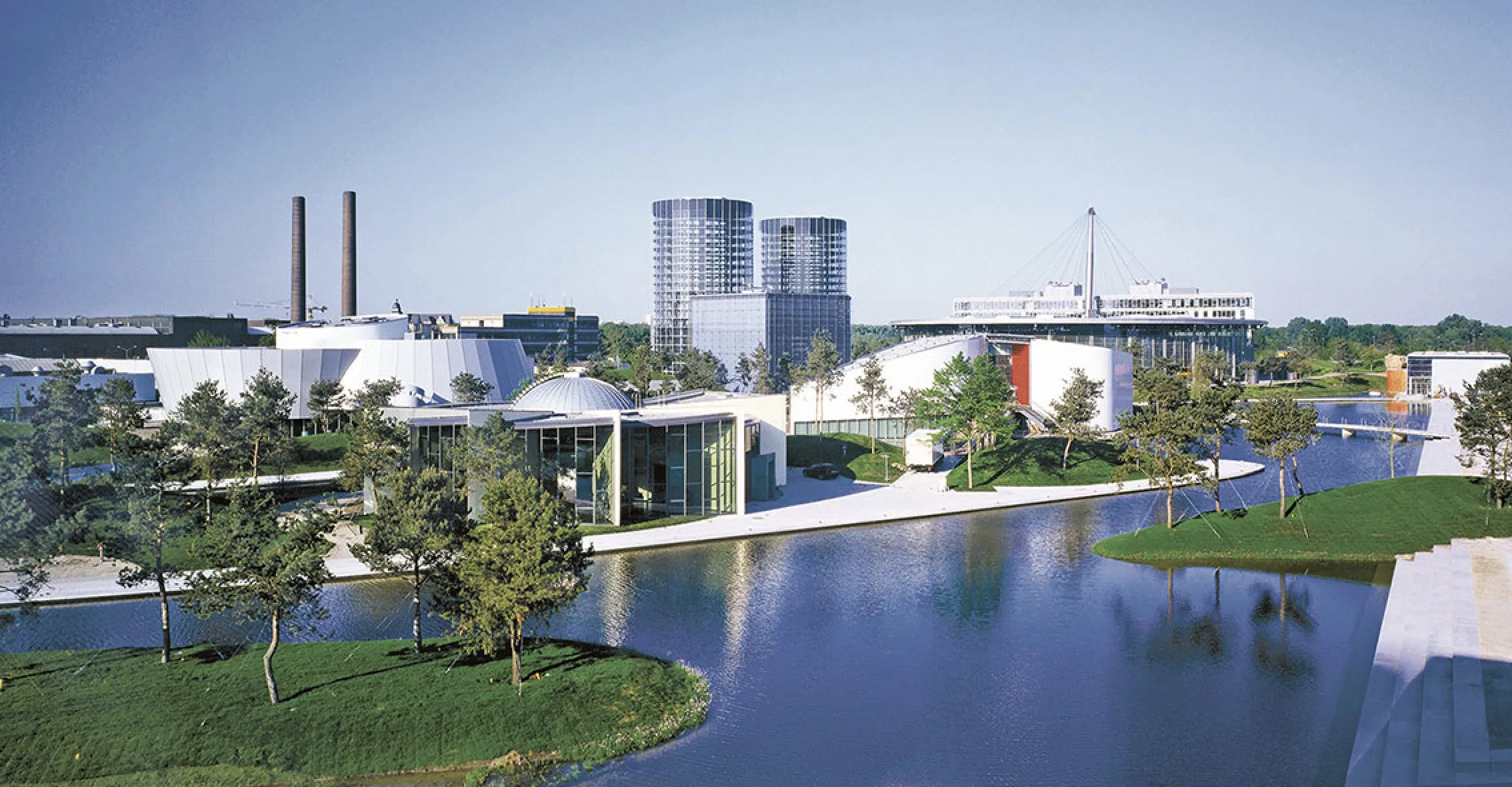
Core Viewpoint - Volkswagen is closing its factory in Dresden, Germany, marking the first closure of a domestic plant in its 88-year history, driven by economic pressures and a need for restructuring [1][3][5]. Group 1: Factory Closure Details - The last vehicle left the Dresden factory on December 16, 2025, and the site will be transformed into a research park focusing on AI, robotics, and chip development, while remaining open to the public as a tourist attraction [1][3]. - The Dresden factory, established in 2002, initially produced the luxury Phaeton but later shifted to electric vehicle assembly, including models like the e-Golf and ID.3 [4]. Group 2: Economic Context - The European automotive market is facing significant challenges, with increased competition and declining competitiveness of Germany as a manufacturing base, prompting Volkswagen to take decisive action [5]. - Volkswagen's management has decided to terminate its employment protection agreement, which has been in place since 1994, to facilitate necessary structural adjustments for improved competitiveness [9]. Group 3: Financial Performance - In Q3 2025, Volkswagen reported a revenue of €80.3 billion, a 2.3% increase year-on-year, but faced an operating loss of €1.3 billion compared to a profit of €2.8 billion in the same period last year [10][11]. - The company experienced a net loss of €1.07 billion in Q3 2025, a significant decline of 168.8% compared to a profit of €1.56 billion in the previous year [10][12]. - The decline in performance is attributed to increased production of low-margin electric vehicles and additional burdens totaling €7.5 billion, including U.S. import tariffs and strategic adjustments at Porsche [12][13]. Group 4: Porsche's Performance - Porsche also faced financial difficulties, reporting a 6% decline in revenue to €26.86 billion in the first three quarters of 2025, with a drastic drop in sales profit to €4 million, down 99% from €403.5 million year-on-year [13][15]. - The brand's sales in China fell by 26% in the first three quarters, impacted by competition from domestic electric vehicle brands and a lag in its own electrification efforts [15].
“最好的德国制造”大众汽车,扛不住了
阿尔法工场研究院· 2025-12-23 02:32
Core Viewpoint - Volkswagen has closed its first domestic factory in Germany, signaling a significant shift in its operational strategy amid declining sales and increasing competition, particularly in the electric vehicle market [4][6][10]. Financial Performance - In Q3, Volkswagen reported revenues of €80.305 billion, a 2.3% increase year-on-year, but faced an operating loss of €1.299 billion, a stark contrast to the operating profit of €2.833 billion in the same period last year, marking a decline of over €4.1 billion [7][8]. - The net loss for the quarter was €1.072 billion, compared to a net profit of €1.558 billion in the previous year, representing a year-on-year decline of approximately 168.8% [7][8]. - For the first three quarters of the year, net profit dropped by 61.5% to €3.4 billion compared to the same period last year [7]. Market Challenges - Volkswagen's sales in North America have been severely impacted by a 25% import tariff, leading to a 9.8% year-on-year decline in Q3 sales, totaling 246,900 vehicles [11][12]. - In Europe, Volkswagen's sales have decreased by 2 million vehicles over the past four years, exacerbated by high energy costs and labor disputes, which have driven up production costs [13]. - The company has set aside €600 million to address potential fines for failing to meet CO2 emissions regulations in Europe, further eroding profits [13]. Strategic Adjustments - Volkswagen has revised its investment plan, reducing the total investment from €180 billion to €160 billion over the next five years due to anticipated near-zero net cash flow in its automotive division by 2025 [10]. - The company plans to launch over 20 new electric vehicle models in China by 2027, aiming to offer around 30 electric models by 2030 [22]. Consumer Sentiment - Volkswagen's sales in China have dropped from a peak of 423,000 vehicles in 2019 to an estimated 290,000 in 2024, a decline of over 30% [15]. - The majority of Volkswagen's sales in China still rely on traditional fuel vehicles, with 95% of sales in the first nine months of the year being fuel cars [15]. - Consumer dissatisfaction with the ID.3 electric model has been noted, with complaints regarding performance and safety issues, indicating a disconnect with current consumer preferences for electric vehicles [16][20][22].
碳排放+补贴+产品三重共振,欧洲电动车开启短暂复兴还是长期繁荣?
Minmetals Securities· 2025-12-22 03:46
Investment Rating - The report rates the automotive industry as "Positive" [5] Core Insights - The development of new energy vehicles (NEVs) in Europe from 2020 to 2025 has experienced three phases: "explosion period ➡ stagnation period ➡ return to growth" [15] - The EU's carbon emission targets are driving the cyclical growth of electric vehicles (EVs) [15] - Government incentives and infrastructure development are directly related to EV penetration rates [2] - Automakers are transitioning to new electric platforms and expanding their product matrix to include entry-level models [3] - The long-term trend for European EVs suggests a potential for steady growth beyond cyclical fluctuations [4] Summary by Sections 1. EU's Top-Level Design - Carbon Emission Targets - The EU has implemented stringent carbon emission regulations, tightening targets every five years, which has led to a cyclical growth pattern in NEVs [16] - The average carbon emission target for 2025 is set at 93.6 g/km, with penalties for non-compliance [34] - The introduction of a "new energy vehicle coefficient" allows automakers to count EV sales more favorably towards their carbon targets [24][34] 2. Government Efforts - Incentives & Infrastructure - Various countries have introduced diverse and robust incentive measures, including purchase subsidies, which have significantly boosted EV sales [45] - The correlation between charging station density and EV penetration is strong, with a coefficient of approximately 0.64 [2] - By 2025, Europe will need around 7 million charging stations to meet carbon emission targets, with current numbers at approximately 1.218 million [2] 3. Automakers' Efforts - Electrification Transition - Major automakers are shifting from internal combustion engine platforms to dedicated electric platforms, enhancing product capabilities such as range and charging speed [3] - Companies like Volkswagen and Renault are focusing on reducing vehicle prices to make EVs more accessible, targeting price points around €20,000 [3] - The competitive landscape is evolving with increased offerings from Chinese automakers in the European market [3] 4. Long-Term Trends for European EVs - The average EV penetration rate in Europe needs to reach 33% from 2025 to 2027 to meet carbon emission requirements, with projected rates of 25%, 32%, and 35% for those years [4] - The long-term market outlook is positive, with expected compound annual growth rates (CAGR) of approximately 16% from 2025 to 2030 [4]

中年男人的「神车」,首次关闭本土工厂
3 6 Ke· 2025-12-19 13:47
Core Viewpoint - Volkswagen, representing the German automotive industry, is facing significant challenges, leading to the closure of its first domestic factory in Germany, raising concerns that Wolfsburg may become the next Detroit [2][3]. Financial Performance - In Q3, Volkswagen Group reported revenue of €80.305 billion, a year-on-year increase of 2.3%, but incurred an operating loss of €1.299 billion, a stark contrast to the operating profit of €2.833 billion in the same period last year, marking a decline of over €4.1 billion [6][7]. - The net loss for the quarter was €1.072 billion, a decrease of approximately 168.8% compared to a net profit of €1.558 billion in the previous year, representing the first quarterly loss in five years [6][7]. - For the first three quarters of the year, net profit dropped by 61.5% to €3.4 billion compared to the same period last year [6]. Market Challenges - Volkswagen is grappling with intense competition in China, high import tariffs in the U.S., and soaring costs associated with the transition to electric vehicles, leading to declines in all major markets [3][10]. - The company anticipates a financial loss of up to €5 billion due to U.S. tariff policies, which have severely impacted sales in North America, where Q3 sales fell by 9.8% year-on-year to 246,900 units [9][10]. - In Europe, Volkswagen's sales have decreased by 2 million units over the past four years, exacerbated by high energy costs and labor disputes, leading to increased production costs [10]. Strategic Adjustments - Volkswagen has revised its investment plan, reducing the total investment from €180 billion to €160 billion over the next five years due to anticipated net cash flow nearing zero in the automotive sector by 2025 [8]. - The company plans to launch over 20 new energy vehicles in China by 2027 and approximately 30 electric models by 2030, recognizing the need to adapt to changing consumer preferences [19]. Consumer Sentiment - Volkswagen's ID.3 electric vehicle has faced criticism for not meeting consumer expectations in China, with complaints about performance and safety issues, leading to a decline in market confidence [14][17]. - The sales composition in China remains heavily reliant on fuel vehicles, with 95% of sales in the first nine months being traditional vehicles, highlighting a disconnect with the growing demand for electric vehicles [13].
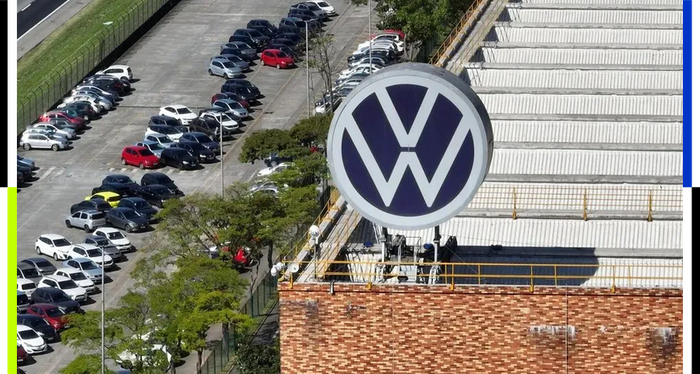
中年男人的「神车」,首次关闭本土工厂
36氪· 2025-12-19 13:19
Core Viewpoint - Volkswagen is facing significant challenges, including factory closures, declining sales, and financial losses, raising concerns about its future in the automotive industry, particularly in Germany, which may resemble the decline of Detroit [4][5][7]. Financial Performance - In Q3, Volkswagen reported revenues of €80.31 billion, a 2.3% increase year-on-year, but faced an operating loss of €1.30 billion compared to an operating profit of €2.83 billion in the same period last year, marking a decline of over €4.1 billion [9]. - The net loss for the quarter was €1.07 billion, a significant drop of approximately 168.8% from a net profit of €1.56 billion in the previous year, representing Volkswagen's first quarterly loss in five years [9]. - For the first three quarters of the year, net profit decreased by 61.5% to €3.4 billion compared to the same period last year [9]. Market Challenges - Volkswagen's sales in North America have been severely impacted by a 25% import tariff effective from April 2025, leading to a 9.8% year-on-year decline in Q3 sales to 246,900 units [15][16]. - The company anticipates a financial loss of up to €5 billion due to the U.S. tariff policy [17]. - In Europe, Volkswagen's sales have decreased by 2 million units over the past four years, compounded by high energy costs and labor disputes, which have increased production costs [17]. Strategic Adjustments - Volkswagen has revised its investment plan, reducing the total investment from €180 billion to €160 billion over the next five years due to anticipated near-zero net cash flow in its automotive division by 2025 [12]. - The company is struggling to adapt to the electric vehicle (EV) market, with a significant reliance on fuel vehicles in China, where EV sales are rapidly increasing [20][21]. Consumer Sentiment - Volkswagen's ID.3 electric vehicle has faced criticism for not meeting consumer expectations in China, where it lacks competitive pricing and features compared to local brands [21][22]. - The ID.3 has been associated with numerous complaints, including safety issues and performance failures, which have further eroded consumer confidence [24][26]. Future Outlook - Volkswagen plans to launch over 20 new electric vehicle models in China by 2027 and aims to offer around 30 pure electric models by 2030 [26]. - The closure of the Dresden factory symbolizes the challenges Volkswagen faces in adapting to a rapidly changing automotive landscape, necessitating a complete overhaul of its strategies and operations [26].