芯片开发

Search documents
大众集团首次关闭德国本土工厂
Cai Jing Wang· 2025-12-27 08:54
Core Viewpoint - Volkswagen is closing its factory in Dresden, Germany, marking the first closure of a domestic plant in its 88-year history, driven by economic pressures and a need for restructuring [1][3][5]. Group 1: Factory Closure Details - The last vehicle left the Dresden factory on December 16, 2025, and the site will be transformed into a research park focusing on AI, robotics, and chip development, while remaining open to the public as a tourist attraction [1][3]. - The Dresden factory, established in 2002, initially produced the luxury Phaeton but later shifted to electric vehicle assembly, including models like the e-Golf and ID.3 [4]. Group 2: Economic Context - The European automotive market is facing significant challenges, with increased competition and declining competitiveness of Germany as a manufacturing base, prompting Volkswagen to take decisive action [5]. - Volkswagen's management has decided to terminate its employment protection agreement, which has been in place since 1994, to facilitate necessary structural adjustments for improved competitiveness [9]. Group 3: Financial Performance - In Q3 2025, Volkswagen reported a revenue of €80.3 billion, a 2.3% increase year-on-year, but faced an operating loss of €1.3 billion compared to a profit of €2.8 billion in the same period last year [10][11]. - The company experienced a net loss of €1.07 billion in Q3 2025, a significant decline of 168.8% compared to a profit of €1.56 billion in the previous year [10][12]. - The decline in performance is attributed to increased production of low-margin electric vehicles and additional burdens totaling €7.5 billion, including U.S. import tariffs and strategic adjustments at Porsche [12][13]. Group 4: Porsche's Performance - Porsche also faced financial difficulties, reporting a 6% decline in revenue to €26.86 billion in the first three quarters of 2025, with a drastic drop in sales profit to €4 million, down 99% from €403.5 million year-on-year [13][15]. - The brand's sales in China fell by 26% in the first three quarters, impacted by competition from domestic electric vehicle brands and a lag in its own electrification efforts [15].

88年历史上首次! 大众关闭德国本土工厂
鑫椤锂电· 2025-12-18 08:40
Core Viewpoint - Volkswagen is set to close its Dresden factory, marking the first closure of a production base in Germany since its establishment 88 years ago, due to severe cash flow pressures and declining sales in China and Europe, compounded by U.S. tariff impacts [1][2]. Group 1 - The Dresden factory was initially a flagship site for Volkswagen's engineering prowess, primarily assembling the high-end Phaeton model [1]. - After the Phaeton's discontinuation in 2016, the factory transitioned to become a symbol of Volkswagen's electrification efforts, focusing on the production of the ID.3 electric vehicle [2]. - The factory's production has been significantly low, with fewer than 200,000 vehicles produced since its inception in 2002, which is less than half of the annual output of Volkswagen's Wolfsburg plant [2]. Group 2 - Following the closure, the site will be leased to Dresden University of Technology and will transform into a research park focused on artificial intelligence, robotics, and chip development, while also remaining open to the public as a tourist attraction [2]. - Last year, Volkswagen announced plans to cut 35,000 jobs in Germany by 2030 and reduce production capacity [2].

大众汽车,首次关闭德国本土工厂
DT新材料· 2025-12-16 14:05
Group 1 - Volkswagen will close its factory in Dresden, Germany, marking the first closure of a domestic plant in its 88-year history, with the last car to be produced on December 16, 2023 [2][3] - The site will be transformed into a research park focusing on AI, robotics, and chip development, while also remaining open to the public as a tourist attraction [2] - The closure is part of Volkswagen's broader restructuring efforts in response to severe competition from both traditional European rivals and Chinese manufacturers, aiming to save €10 billion by the end of 2026 and increase operating profit margin from 3.4% to 6.5% [3] Group 2 - In Q3 2023, Volkswagen reported revenue of €80.305 billion, a year-on-year increase of 2.3%, but faced an operating loss of €1.299 billion, a significant decline from an operating profit of €2.833 billion in the same period last year [4] - The net profit for the first three quarters of 2023 dropped by 61.5% year-on-year to €3.4 billion, with Porsche's operating profit plummeting 99% to €40 million [4] - Volkswagen's sales in China fell by 7.2% year-on-year in Q3, with 660,300 vehicles sold, while global deliveries increased by 1.0% to 2.199 million vehicles [3][4]
大众集团首次关停德国本土工厂
Zhong Guo Qi Che Bao Wang· 2025-12-16 06:04
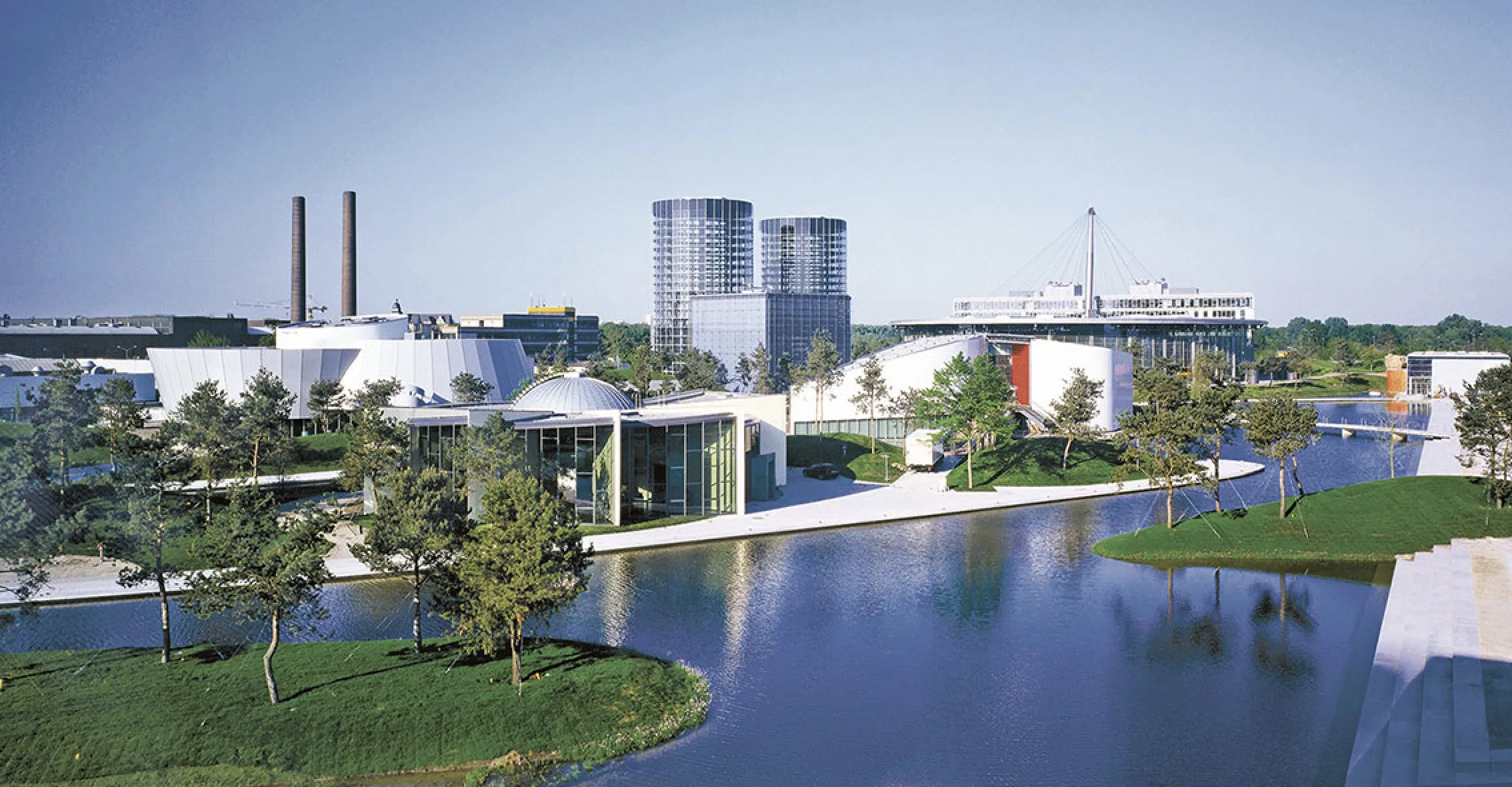
Core Viewpoint - Volkswagen Group has officially ceased vehicle production at its Dresden plant starting December 16, marking the first time in its 88-year history that it has shut down a factory in Germany due to declining demand in China and Europe, as well as the impact of U.S. tariffs [2] Group 1: Factory Overview - The Dresden plant, known as the "Transparent Factory," was established in 2002 and became a landmark for its visual production process, initially dedicated to the luxury Phaeton model [3] - The factory was built at a cost of €187 million and was designed without body manufacturing, painting, or stamping facilities, focusing solely on final assembly [3] - Despite its innovative design, the Phaeton model failed to meet sales expectations, leading to its discontinuation in 2016 after incurring losses of €2 billion for the company [5] Group 2: Transition and Production Changes - After the Phaeton's discontinuation, Volkswagen invested €20 million to modify the Dresden plant, which began producing the electric e-Golf in 2017 [6] - The plant transitioned to producing the ID.3 model, but its output remained low, with only 6,500 units produced in 2022, leading to plans to cease ID.3 production by 2023 [6] - The factory's cumulative production over 22 years was less than 200,000 vehicles, hindered by high operational costs in Germany [6] Group 3: Financial Pressures and Future Plans - The closure of the Dresden plant is part of a broader capacity reduction plan by Volkswagen, which aims to cut costs amid high manufacturing expenses and low productivity [8] - In December 2024, Volkswagen reached an agreement with labor unions to maintain operations in Germany while planning to reduce production capacity by over 70,000 units and cut 35,000 jobs by 2030 [8] - The Dresden site will be repurposed into a research park focusing on artificial intelligence, robotics, and chip development, while remaining open to the public as a tourist attraction [8][9] - Volkswagen reported a net loss of €1.072 billion in Q3 2025, marking its first quarterly loss in five years, and has lowered its profit expectations for 2025 due to pressures from declining sales in China and Europe, as well as U.S. tariffs [9]

万通智控:目前芯片开发设计已经基本完成
Zheng Quan Ri Bao· 2025-10-29 10:13
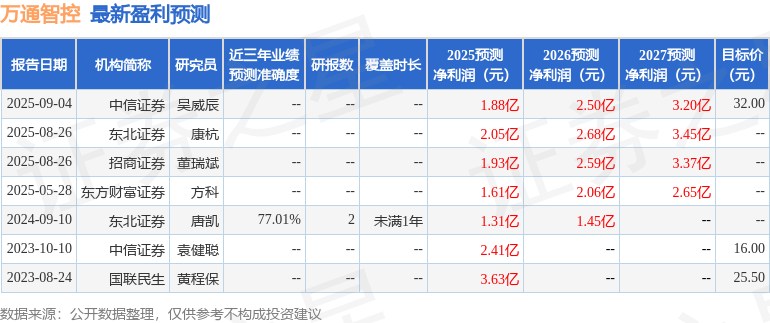
Core Viewpoint - The company WanTong ZhiKong has completed the chip development and design phase and is preparing for tape-out, with plans to engage in joint development for companion robots starting in November 2023 [2] Group 1: Chip Development and Production Plans - The company expects to begin sample delivery to main engine manufacturers in December 2023, aiming for mass production capabilities by May to June 2024 [2] - Target customers for the chips include vehicle manufacturers and robotics companies, with a goal to gradually enter the market by mid-2026 [2] Group 2: Investment and Strategic Partnerships - To strengthen its partnership with ShenMingAoSi, the company has invested 30 million RMB, acquiring a 5.66% stake in the firm [2]


万通智控:10月28日接受机构调研,太平养老保险、创金合信基金等多家机构参与
Sou Hu Cai Jing· 2025-10-29 09:20
Core Viewpoint - The company, Wantong Intelligent Control, reported strong financial performance for the first three quarters of 2025, with significant year-on-year growth in revenue and net profit, despite facing challenges in certain business segments due to the international economic environment [2][7]. Financial Performance - For the first nine months of 2025, the company achieved revenue of 897 million yuan, a year-on-year increase of 11.87%, and a net profit attributable to shareholders of 127 million yuan, up 50.05% [2][7]. - In the third quarter of 2025, the company recorded revenue of 302 million yuan, representing a year-on-year growth of 19.97%, and a net profit of 32.34 million yuan, which is a 33.65% increase compared to the same period last year [2][7]. - The company's gross profit margin stood at 34.18%, with a debt ratio of 17.72% [7]. Business Segments - The metal hose segment experienced a decline in both year-on-year and quarter-on-quarter performance due to negative impacts from the international economic environment [2]. - The sensor and digital information control system segments saw year-on-year growth, although the quarter-on-quarter growth rate slowed down [2]. - The tire valve business remained stable overall [2]. NLP Business Outlook - The company maintains an optimistic outlook for its NLP products, primarily driven by orders from commercial vehicle fleets in the U.S. [3]. - There are plans to explore the development of a fleet management system based on the new reasoning chip, which will enhance the capabilities of tire pressure monitoring systems [3]. Collaboration with DeepMind - The partnership with DeepMind is based on leveraging each other's strengths, with DeepMind focusing on chip design and development, while Wantong Intelligent Control will handle board manufacturing and sales [4][6]. - Wantong Intelligent Control has invested 30 million yuan in DeepMind, acquiring a 5.66% stake, to deepen the collaboration [6]. Future Development Plans - The chip development is nearing completion, with plans to begin sample development for main vehicle manufacturers by December 2025, aiming for mass production by mid-2026 [6]. - The company is also exploring a collaborative model involving Zhejiang University to create a closed industrial chain [6].
马斯克吹嘘自研智驾芯片:史诗般的芯片
半导体行业观察· 2025-09-08 01:01
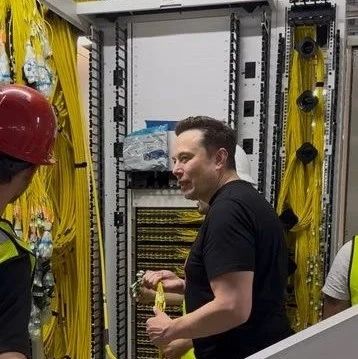
Core Viewpoint - Elon Musk revealed new details about Tesla's upcoming AI5 and AI6 chips, claiming they will set new benchmarks for automotive and broader AI computing performance [1][2]. Group 1: AI Chip Development - Tesla has consolidated its chip roadmap from two architectures to one, focusing all silicon talent on creating an incredible chip [1]. - The AI5 chip is expected to be the best inference chip for models with fewer than approximately 250 billion parameters, offering unmatched cost-effectiveness and performance per watt [2]. - The AI5 chip will be manufactured by TSMC, with production expected to start by the end of 2026 [4]. Group 2: Dojo Supercomputer Closure - Tesla officially abandoned its Dojo supercomputer platform, redirecting all chip resources to AI5 and AI6 [1][5]. - The Dojo project faced significant challenges and was ultimately deemed a "dead end" by Musk, leading to its closure and the dissolution of the team behind it [6][8]. - Analysts noted that losing key talent from the Dojo project could derail future initiatives, especially in highly specialized internal technology projects [8]. Group 3: Strategic Shift - The closure of Dojo is viewed by some as a strategic pivot from high-risk, self-sufficient hardware development to a streamlined approach relying on partnerships for chip development [7][8]. - Tesla has signed a $16.5 billion agreement with Samsung to produce the AI6 chip starting in 2026, indicating a shift in focus towards collaboration [4][8]. - Musk emphasized that Tesla is positioning itself as an AI company, not just an automotive manufacturer, aiming to leverage AI for various applications [8]. Group 4: Future Prospects - The AI6 chip is anticipated to power Tesla's Full Self-Driving (FSD) and Optimus humanoid robot, as well as provide high-performance AI training for data centers [8][15]. - Tesla's strategy includes developing its own chips to reduce reliance on Nvidia and other suppliers, which have become increasingly expensive [15][16]. - The potential for Tesla to generate new revenue streams through AI services and software is highlighted, with estimates suggesting a possible increase in market value by $500 billion [16].


埃隆·马斯克的xAI,计划自研芯片
半导体行业观察· 2025-07-19 03:21
Core Viewpoint - Elon Musk's generative AI company xAI is actively recruiting custom silicon developers to design next-generation AI systems, indicating a strategic focus on hardware innovation and efficiency in AI applications [4][6][10]. Group 1: Recruitment and Job Description - xAI is seeking employees to collaboratively design AI systems that encompass everything from silicon chips to software compilers and models [6]. - The job involves designing and improving new hardware architectures to enhance computational efficiency, utilizing AI in the hardware design process [7]. - Candidates are expected to be familiar with accelerator-friendly hardware design languages such as Chisel, VHDL, and Verilog, and should ideally have experience simulating training workloads on new AI hardware architectures [8][9]. Group 2: Team and Leadership - The xAI team, led by Sun Xiao, aims to achieve breakthroughs in efficiency and scalability for next-generation AI systems through innovative hardware, compilers, and models [10]. - Sun Xiao has a background in developing machine learning hardware and algorithms at IBM and has previously worked at Meta [10]. Group 3: Hardware Development Context - It remains unclear if xAI is collaborating with other companies for chip development, although similar companies like Google and OpenAI have partnered with Broadcom for their AI chip projects [11]. - Tesla, another Musk company, has developed its own chips focused on processing video data for semi-autonomous vehicles, but the future development of these chips is uncertain due to team changes [12]. Group 4: Infrastructure and Expansion Plans - xAI has deployed over 200,000 GPUs in its Colossus supercomputer located in Memphis, with plans to expand this number to 1 million [12]. - xAI has also purchased land for a second data center in Memphis, indicating a commitment to scaling its infrastructure [12].