
Model Y SUV

Search documents
Tesla delivery slide may stretch to third year, some fear, as cash burn looms
Reuters· 2026-03-11 16:36
Core Viewpoint - Tesla is facing a potential third consecutive year of declining electric vehicle deliveries, with analysts significantly reducing their growth forecasts due to increased competition, loss of tax credits, and weak demand for affordable models [1] Group 1: Delivery Estimates and Market Conditions - Analysts have halved their 2026 delivery growth forecast for Tesla to 3.8% from 8.2% in January, with some predicting outright declines [1] - Tesla's vehicle deliveries are expected to drop nearly 5% this year, as the company struggles with competition and regulatory challenges in key markets [1] - The recent launch of cheaper variants of Tesla's popular models has not met expectations, contributing to the decline in demand [1] Group 2: Financial Performance and Cash Flow - Tesla's capital expenditures are projected to double to over $20 billion, leading to expectations of negative cash flow for the first time in seven years [1] - Analysts now anticipate a negative free cash flow of about $5.19 billion on average for Tesla, a significant shift from previous expectations of generating $2.27 billion [1] - Revenue estimates from automotive sales for 2026 have been reduced to approximately $72 billion, down from nearly $138 billion two years ago [1] Group 3: Strategic Focus and Investor Sentiment - Despite declining vehicle sales, investors remain optimistic about Tesla's future due to potential advancements in self-driving software and robotics [1] - The company ended 2025 with $44.06 billion in cash and equivalents, providing some buffer against cash flow concerns [1] - Tesla's valuation, currently at $1.5 trillion, is heavily reliant on the successful rollout of autonomous driving technology and robotaxis [1]


Top Analyst Questions Tesla's Valuation Amid Declining Sales: 'Doesn't Make Mathematical Sense' - Tesla (NASDAQ:TSLA)
Benzinga· 2026-01-14 05:42
Core Viewpoint - Investor Gary Black questions Tesla Inc.'s valuation due to a decline in EV sales, suggesting that a forward P/E ratio of over 200x is not justifiable under these circumstances [1][2]. Group 1: Valuation Concerns - Black emphasizes that Tesla's valuation "doesn't make mathematical sense," particularly since over 72% of the company's profits come from EV sales, which are currently declining [3]. - He notes that both near-term 2026 and long-term 2030 adjusted EPS estimates for Tesla are also on a downward trend [3]. Group 2: Shift in Business Focus - Tesla's Master Plan IV indicates a strategic shift from its core EV business towards autonomous driving and robotics, with CEO Elon Musk predicting that the Optimus humanoid robot could represent 80% of Tesla's future value [4]. Group 3: Sales Performance - Despite Tesla's Model Y SUV being the best-selling EV in the U.S. market in 2025 with over 350,528 units sold, the company's cumulative sales fell to approximately 589,000 units, reflecting a 7% decline [5]. Group 4: Marketing Strategy - Black urges Tesla to enhance its marketing efforts, particularly as the take rate for its Full Self-Driving (FSD) technology is around 15%, warning that insufficient marketing could hinder Tesla's competitiveness in the Robotaxi and autonomous driving sectors [6]. Group 5: Market Performance - Tesla's stock experienced a slight decline, closing at $447.20, down 0.39%, and further dropping to $446.85 in after-hours trading [7].
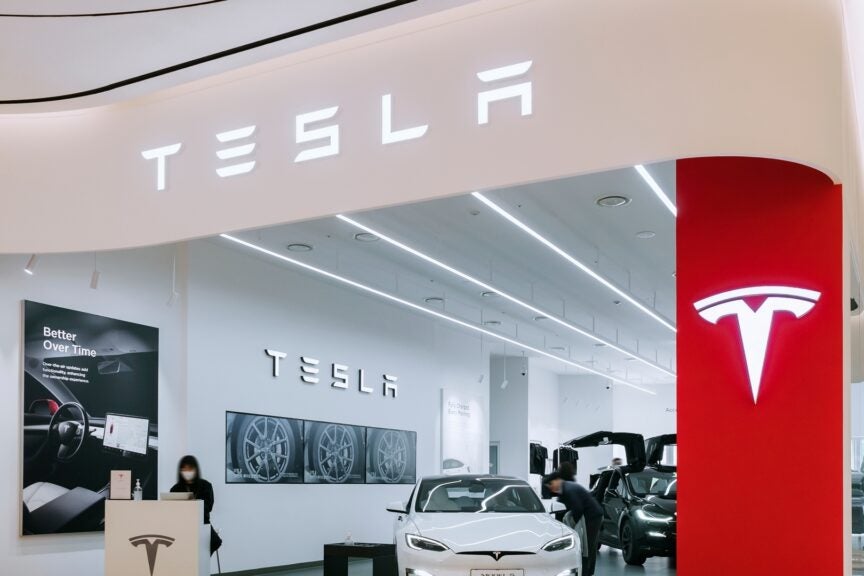
Tesla Recently Saw EV Deliveries Decline Nearly 16%. However, Investors Are Focusing Their Attention Elsewhere
The Motley Fool· 2026-01-07 03:00
Core Viewpoint - Tesla's electric vehicle business faced significant challenges in 2025, with declining deliveries and increased competition, but investors are optimistic about the company's future potential in robotaxis and humanoid robots [1][5][10]. EV Deliveries - Tesla reported 418,227 EV deliveries for Q4 2025, missing Wall Street's expectation of approximately 426,000, marking a nearly 16% decline year over year [3]. - For the entire year, Tesla delivered 1.64 million vehicles, a decrease of about 9% from 2024 [3]. - The majority of Q4 deliveries (97%) came from the Model 3 Sedan and Model Y SUV, with minimal deliveries from Model S, Model X, and Cybertrucks [4]. Market Conditions - The decline in deliveries is attributed to the elimination of the $7,500 federal EV tax credit under the Trump administration, which was a significant incentive for EV purchases [5]. - Tesla faces increased competition globally, notably from BYD, which has surpassed Tesla as the world's largest EV maker [5]. Future Prospects - Investors are focusing on Tesla's emerging robotaxi fleet and Optimus humanoid robots as potential growth drivers [2][5]. - Tesla soft-launched its self-driving robotaxis in Austin and San Francisco, with plans to expand to five new cities soon [5]. - Some robotaxis in Austin are reportedly operating without supervision, indicating progress towards full autonomy [6]. Financial Outlook - Analysts predict that Tesla's robotaxi operations could expand to 30 cities by the end of 2026, significantly impacting the stock's value [7]. - Cathie Wood of Ark Invest has set a price target of $2,600 for Tesla by 2029, suggesting substantial upside potential driven by the robotaxi business, which could account for 90% of the company's enterprise value and earnings by that time [8]. Current Market Data - Tesla's current market capitalization stands at $1.5 trillion, with a share price around $432.72, reflecting a high valuation of over 200 times forward earnings [9][10].

Tesla loses spot as world's top EV seller to Chinese rival after car deliveries plunge 9% in 2025
New York Post· 2026-01-02 15:54
Core Insights - Tesla's vehicle deliveries fell 9% in 2025, losing its position as the top EV seller globally to Chinese competitor BYD [1] - The company reported 418,227 deliveries in Q4 2025, a 16% decrease year-over-year [1][4] - Overall deliveries for 2025 totaled 1.64 million, down 8.6% from 1.79 million in 2024 [4] Delivery Performance - Analysts had anticipated a 15% drop to 422,850 vehicles, while Wall Street expected around 426,000 [2] - Tesla's Q4 deliveries were significantly lower than expected, contributing to a decline in investor confidence [2][5] Competitive Landscape - BYD's sales surged nearly 28% to 2.26 million units, highlighting the intense competition Tesla faces from other automakers like Kia, Hyundai, and Volkswagen [4][5] - Tesla's European registrations fell 39% in the first 11 months of 2025, while BYD's registrations in Europe increased by 240% [8] Brand and Market Challenges - Tesla's brand faced challenges due to Musk's political affiliations and controversial statements, leading to protests and vandalism of vehicles [6][7] - Despite these challenges, analysts expect a rebound in European sales once Tesla's Full Self-Driving technology gains regulatory approval [7] Financial Performance - Tesla shares experienced a slight decline of 0.4% to $447.77, but ended 2025 approximately 16% higher overall [4][10] - The company deployed 14.2 gigawatt hours of battery energy storage products in Q4, up from 12.5 gigawatt hours in the previous quarter [11] Future Outlook - A $1 trillion pay plan for Musk was approved, contingent on ambitious performance targets, including delivering 20 million vehicles and 1 million humanoid robots [12]
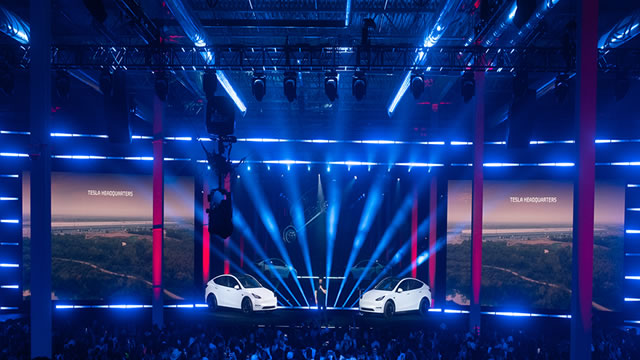
罕见举动!特斯拉官网破天荒公布预测:Q4交付量恐“大跳水”
美股IPO· 2025-12-30 16:23
Core Viewpoint - Tesla is expected to face a significant decline in delivery volumes, with a projected 15% year-over-year drop in Q4 and an estimated annual delivery range of 1.6 to 1.65 million vehicles for 2025, marking an 8% decrease compared to the previous year, indicating a second consecutive year of declining sales [1][3][5]. Group 1: Delivery Projections - Analysts predict Tesla's Q4 delivery volume to be around 422,850 vehicles, a 15% decrease year-over-year, which is more pessimistic than Bloomberg's previous estimate of 445,061 vehicles, reflecting a 10% decline [3][5]. - For the full year of 2025, Tesla's total deliveries are expected to be between 1.6 million and 1.65 million vehicles, representing an approximate 8% decline compared to 2024 [1][3]. - The anticipated decline in deliveries is attributed to the expiration of the $7,500 federal tax credit, increased global competition, and demand being pulled forward in Q3 as buyers rushed to purchase vehicles before the incentive expired [5][6]. Group 2: Market Conditions and Competition - The expiration of the federal tax credit has significantly impacted demand, leading to a soft market in North America and Europe, where traditional automakers like Chevrolet and Ford are expected to introduce affordable electric vehicles in the coming years [5][6]. - Despite the introduction of lower-priced models, such as the Model Y SUV and Model 3 compact sedan, demand remains under pressure due to the lack of tax incentives and intensified competition from both traditional and new electric vehicle manufacturers [5][6]. Group 3: Stock Performance and Investor Sentiment - Despite the slowdown in vehicle sales, Tesla's stock price has increased by over 14% year-to-date, although this performance lags behind the S&P 500 index's 17% gain [7]. - Investor enthusiasm is largely based on CEO Elon Musk's strategic focus on Robotaxi, humanoid robots, and improved autonomous driving technology, while electric vehicle sales continue to be the primary revenue source for the company [9]. - Recent developments, including a court ruling that reinstated Musk's previously revoked compensation plan and shareholder approval of a new compensation package tied to ambitious delivery targets, have contributed to positive investor sentiment [9].
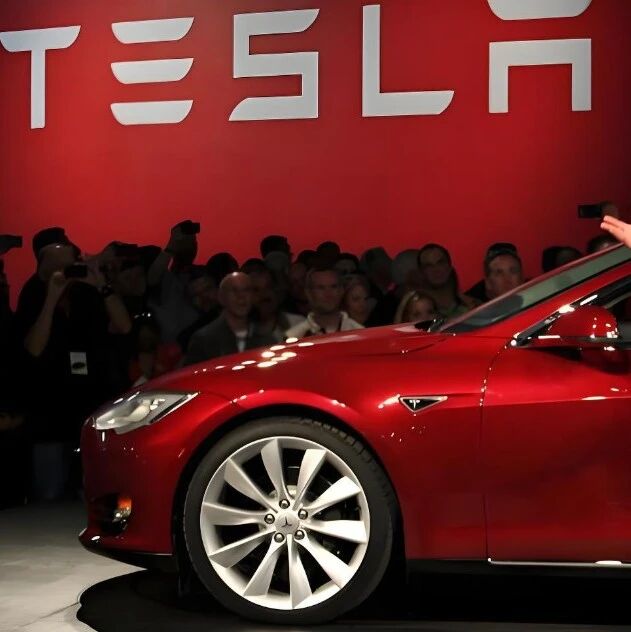
Cantor Fitzgerald Bullish On Tesla, Inc. (TSLA)
Yahoo Finance· 2025-12-18 13:23
Group 1 - Tesla, Inc. is highlighted as one of the 8 high growth EV stocks to consider for investment [1] - Analyst Andres Sheppard from Cantor Fitzgerald expresses optimism regarding Tesla due to potential support from President Trump's U.S. manufacturing program for affordable vehicles [2] - The proposed program includes vehicles priced between $8,000 and $13,000, which may benefit Tesla and other companies in the EV sector [3] Group 2 - Tesla's U.S. sales experienced a significant decline, dropping approximately 23% to 39,800 vehicles in November, marking the lowest sales since January 2022 [4] - The introduction of lower-cost models of the Model Y SUV and Model 3 compact sedan did not lead to an increase in overall sales, as demand for cheaper versions appeared to cannibalize premium model sales [5]
马斯克的“AI与机器人愿景”撞上车企报表现实 特斯拉(TSLA.US)Q3利润大降超30%
Zhi Tong Cai Jing· 2025-10-23 00:32
Core Insights - Tesla reported a 12% year-over-year revenue growth in Q3, reaching approximately $28.1 billion, exceeding Wall Street's expectations of around $26.3 billion [1] - However, Tesla's earnings per share of approximately $0.50 fell short of the expected $0.54, marking a significant year-over-year decline of 31% [1][2] - The company's free cash flow saw a notable increase, reaching nearly $4 billion, a 46% rise compared to the previous year, and significantly above the expected $1.25 billion [1] Revenue and Profitability - Tesla's automotive business revenue grew by about 6% year-over-year, from $20 billion to $21.2 billion in Q3 [2] - Operating expenses surged by 50% to $3.4 billion, influenced by rising costs in the U.S. automotive industry and the anticipated negative impact of U.S. tariff policies estimated at $400 million [2] - The net profit under GAAP decreased by 37% to $1.37 billion, with earnings per share at $0.39, down from $2.17 billion and $0.62 per share in the same period last year [2] Market Dynamics - Tesla's Q3 saw a record high in vehicle deliveries at 497,099 units, with total production at 447,450 units [4] - The company faced challenges in the European market due to declining sales and increased competition from manufacturers like Volkswagen and BYD [4] - The decline in regulatory credit revenue by 44% to $417 million also impacted overall revenue [4] Future Outlook and Strategic Initiatives - Tesla's energy business revenue surged by 44% to $3.42 billion, driven by large backup battery storage systems and solar products [5] - The company is focusing on the development of its full self-driving (FSD) system, with only 12% of its current fleet subscribed to FSD services [10] - Plans for mass production of the Cybercab and Megapack 3 are set for 2026, with expectations for significant advancements in AI and robotics [10][11] Analyst Perspectives - Analysts express concerns over Tesla's growth narrative and profitability trajectory, indicating a period of uncertainty for the company's near- and mid-term earnings growth [7][12] - Some analysts remain optimistic about Tesla's long-term potential, particularly in AI and robotics, with projections of significant market value contributions from these sectors [13][14]

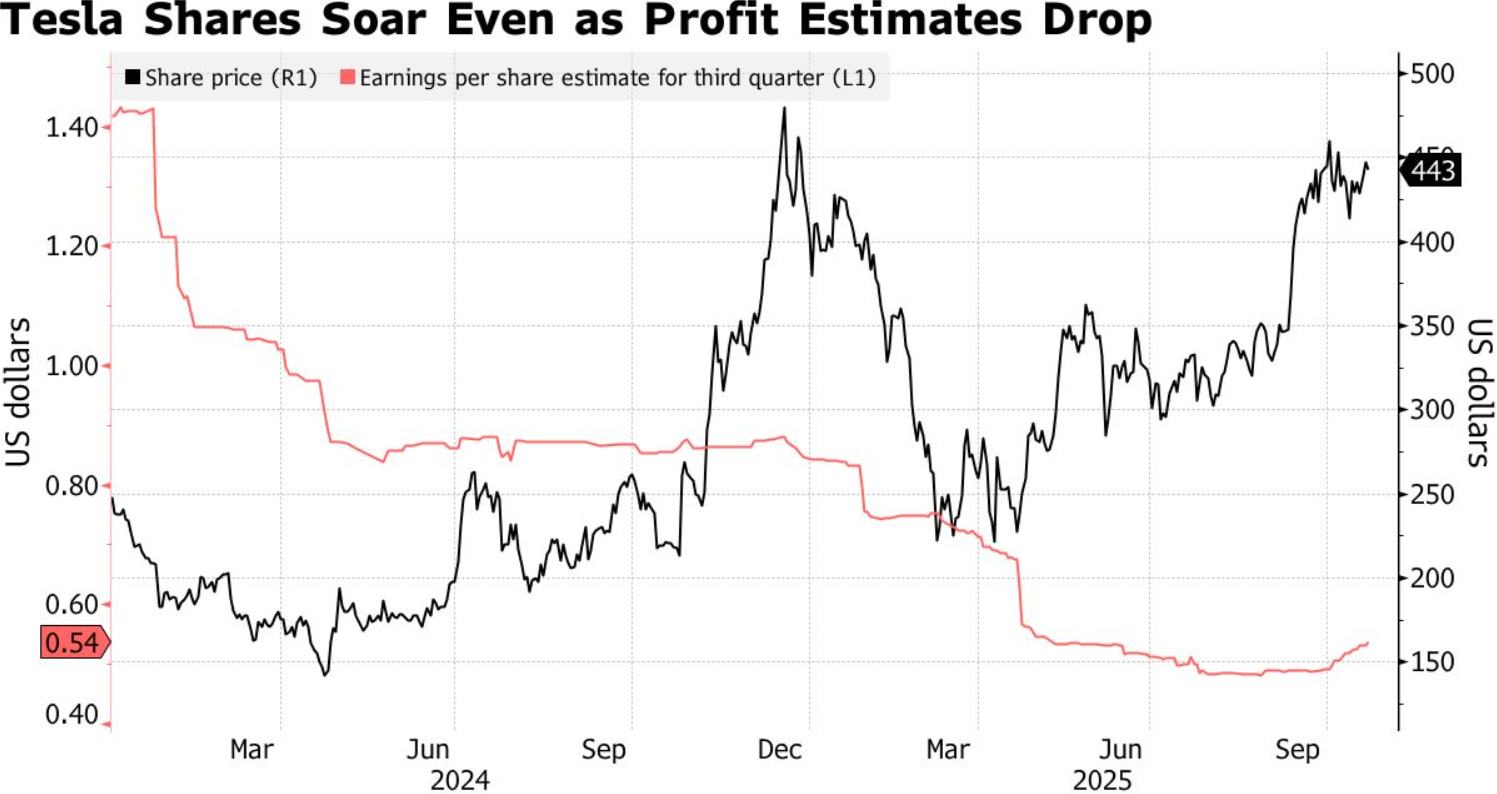
马斯克的“AI与机器人愿景”撞上车企报表现实 ?特斯拉(TSLA.US)Q3利润大降超30%
Zhi Tong Cai Jing· 2025-10-23 00:31
Core Insights - Tesla reported a 12% year-over-year revenue growth in Q3, reaching approximately $28.1 billion, exceeding Wall Street's expectations of around $26.3 billion [1] - However, the company's earnings per share of approximately $0.50 fell short of the expected $0.54, marking a significant 31% decline compared to the previous year [1][3] - Tesla's free cash flow saw a notable increase, reaching nearly $4 billion, a 46% rise year-over-year, significantly surpassing the average analyst expectation of about $1.25 billion [1] Revenue and Profitability - The automotive business revenue grew about 6% year-over-year, from $20 billion to $21.2 billion [3] - GAAP net profit decreased by 37% to $1.37 billion, with GAAP earnings per share at $0.39, down from $2.17 billion and $0.62 per share in the same quarter last year [3] - Operating expenses surged by 50% to $3.4 billion, influenced by rising costs in the U.S. automotive industry and an estimated $400 million impact from U.S. tariff policies [2] Market Dynamics - Tesla's automotive regulatory credits revenue unexpectedly dropped by 44%, from $739 million to $417 million [4] - The company achieved a record high in vehicle deliveries, with 497,099 cars delivered in Q3, although total deliveries for the first three quarters were approximately 1.2 million, down about 6% year-over-year [4] - The launch of more affordable versions of the Model Y SUV and Model 3 sedan aimed to make products more accessible following the expiration of federal EV tax credits [4] Future Outlook and Strategic Initiatives - Tesla's energy business revenue surged by 44% to $3.42 billion, driven by large backup battery storage systems and solar products [5] - The company is focusing on the development of its full self-driving (FSD) system, with only 12% of its current fleet subscribed to FSD services [7] - Plans for mass production of the Cybercab and Megapack 3 are set for 2026, with expectations for the first-generation Optimus robot to be showcased in Q1 [7][12] Investor Sentiment - Analysts express concerns over Tesla's growth narrative, particularly regarding the slow progress of its AI-driven FSD system [7][10] - Despite recent stock price fluctuations, some analysts maintain a bullish outlook, citing Tesla's potential in AI and robotics as key growth drivers [10][11] - The company is seen as a leading investment in the physical AI sector, with expectations for significant advancements in autonomous driving and robotics [11]

马斯克的“AI与机器人愿景”撞上车企报表现实 特斯拉(TSLA.US)Q3利润大降超30%
Zhi Tong Cai Jing· 2025-10-23 00:28
Core Insights - Tesla reported a 12% year-over-year revenue growth in Q3, reaching approximately $28.1 billion, exceeding Wall Street's expectations of around $26.3 billion [1] - However, Tesla's earnings per share of approximately $0.50 fell short of the expected $0.54, marking a significant year-over-year decline of 31% [1][2] - The company experienced a notable increase in free cash flow, reaching nearly $4 billion, a 46% increase compared to the previous year, significantly above the expected $1.25 billion [1] Revenue and Profitability - Tesla's automotive business revenue grew by about 6% year-over-year, from $20 billion to $21.2 billion [2] - Operating expenses surged by 50% to $3.4 billion, influenced by rising costs in the U.S. automotive industry and an estimated $400 million impact from U.S. tariff policies [2] - Net profit under GAAP decreased by 37% to $1.37 billion, with earnings per share at $0.39, down from $2.17 billion and $0.62 per share in the same period last year [2] Market Dynamics - Tesla's Q3 saw a record high in vehicle deliveries at 497,099 units, with total production at 447,450 units, although deliveries for the first three quarters were down about 6% year-over-year [4] - The decline in regulatory credit revenue by 44% to $417 million reflects ongoing challenges in the European market, exacerbated by competition from companies like Volkswagen and BYD [4] - The expiration of federal tax credits for electric vehicles led to a surge in consumer purchases, pulling some sales forward into Q3 [2] Future Outlook and Strategic Initiatives - Tesla's energy business revenue jumped 44% to $3.42 billion, driven by large-scale battery storage systems and solar products [5] - The company is focusing on the development of its full self-driving (FSD) system, with only 12% of its current fleet subscribed to FSD services [10] - Plans for mass production of the Optimus humanoid robot and Cybercab autonomous taxi service are set for 2026, with expectations for significant advancements in AI and robotics [10][16] Analyst Sentiment - Analysts express caution regarding Tesla's growth narrative, with concerns about profitability and market positioning amid rising operational costs and competitive pressures [7][13] - Some analysts maintain a bullish outlook, emphasizing the potential of Tesla's AI and robotics initiatives to drive future growth, with target prices significantly higher based on long-term projections [14][15]
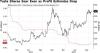
美国电动汽车大撤退,压力给到特斯拉
Feng Huang Wang· 2025-10-16 05:31
Core Insights - Tesla is facing a decline in market share and demand, with its share in the U.S. electric vehicle market dropping to 43.1% as of September, down from 49% at the end of last year [2] - Traditional automakers like General Motors and Ford are scaling back their electric vehicle ambitions due to policy changes, which may create opportunities for Tesla to regain market share [3][5] - Despite the challenges, Tesla's stock has rebounded over 7% this year, partly due to Elon Musk's significant stock purchases [3] Industry Challenges - The expiration of the federal tax credit for electric vehicles has led to a predicted 50% drop in demand for pure electric vehicles, according to Ford's CEO [1][2] - Major automakers are reporting significant financial impacts, with GM announcing a $1.6 billion write-down related to electric vehicle investments [1] - The overall market for electric vehicles is expected to face a downturn, with analysts predicting a revenue decline for Tesla in Q4 and a potential annual revenue drop for 2025 [4] Tesla's Strategic Focus - Elon Musk is shifting focus towards autonomous taxi services and humanoid robots, which he believes will be crucial for Tesla's future growth [7] - Tesla is attempting to mitigate the impact of subsidy cancellations by introducing simplified, lower-cost versions of its Model Y SUV and Model 3 sedan [2][4] - Despite the introduction of lower-priced models, there is skepticism about their ability to significantly revitalize demand in the current market [4][6]
