
RWA(现实世界资产)

Search documents
内地企业赴港RWA“急冻”,咨询量大跌超九成
Di Yi Cai Jing· 2025-12-11 10:07
Core Viewpoint - The recent regulatory ban on virtual currencies and Real World Asset (RWA) tokens has led to a significant cooling of the RWA market in China, with a drastic drop in business inquiries and a decline in stock prices of related companies [2][10]. Regulatory Actions - Seven major financial associations in China have jointly issued a risk warning prohibiting their members from participating in the issuance and trading of virtual currencies and RWA tokens within the country [3][4]. - This is the first time RWA has been explicitly mentioned and classified by official entities, signaling a strong regulatory stance against virtual currency-related illegal activities [4][5]. Market Impact - The number of business inquiries from mainland companies regarding RWA projects in Hong Kong has plummeted by over 90% in the past two months, with many ongoing projects being put on hold [2][12]. - Companies involved in RWA concepts, such as Longxin Group and Xiexin Energy Technology, have seen their stock prices drop significantly, with some experiencing a decline of nearly 50% from their peak [2][14]. Industry Response - Many companies that were previously exploring RWA projects are now shifting their focus to Real Data Assets (RDA), a new digital asset form proposed by the Shanghai Data Exchange [13]. - The overall sentiment in the market has shifted from optimism to caution, with companies now responding to inquiries about RWA with standardized statements indicating they are not currently engaged in such activities [14]. Risk Considerations - The regulatory warning highlights multiple risks associated with RWA tokenization, including false asset risks, operational failure risks, and speculative trading risks, with no RWA tokenization activities currently approved by Chinese financial authorities [5][9]. - The rise in fraudulent activities under the guise of RWA projects has prompted regulators to act swiftly, as there have been numerous reports of scams targeting the public [9].
【时代风口】中国RWA市场真正突破口在非金融资产
Zheng Quan Shi Bao· 2025-09-11 18:00
Core Insights - The discussion around Real World Assets (RWA) has become a central topic in the digital finance and blockchain industry, aiming to address liquidity and financing efficiency issues in the real economy [1] - The Chinese market has significant potential for RWA, particularly in non-financial assets, which face challenges such as unclear rights, difficult valuation, low liquidity, and high transaction costs [1] Group 1: Real Estate - China's real estate market is large, but traditional transaction and financing channels are rigid, leading to many quality assets being illiquid [2] - REITs reforms have shown potential for improving liquidity through structured tools, but blockchain technology can further enhance this by tokenizing real estate assets, lowering investment thresholds, and increasing transaction efficiency [2] Group 2: Commodities and Energy - As a major manufacturing and energy consumption country, China has a persistent demand for the financialization of commodities and energy assets [2] - Digitizing these assets through RWA can improve their circulation efficiency and support green transformation goals [2] Group 3: Data and Computing Power - Data and computing power are emerging as new production factors in the digital economy, with complex rights and circulation issues [2] - RWA can facilitate the tokenization of data assets, allowing for their rights to be clearly defined and traded, while computing power can be transformed into distributed resources for various users [2] Group 4: Art and Intangible Assets - The art market in China is large but suffers from transparency and valuation issues, making it difficult for investors to enter [3] - Tokenization can split ownership and usage rights of art, improving liquidity and expanding the market depth for art finance [3] - Intangible assets like intellectual property also face rights and circulation challenges, which RWA can address by providing transparent registration and trading mechanisms [3] Group 5: Market Innovation and Challenges - The innovation value of RWA in China lies in improving the liquidity of non-financial assets, allowing companies to convert various assets into digital rights for financing and trading [4] - Tokenization can lower investment barriers and promote inclusive finance, enabling more ordinary investors to participate [4] - RWA can enhance market transparency and transaction efficiency, reducing fraud risks and providing new investor protection methods [4] Group 6: Future Development and Recommendations - The development of non-financial assets on-chain faces challenges, particularly in rights clarification and valuation transparency [5] - To achieve healthy development in the RWA market, three breakthroughs are necessary: updating regulatory frameworks, accelerating standardization, and deepening scenario-based exploration [6] - RWA should align with national strategies for technological innovation, green transformation, and inclusive finance to address structural economic issues in China [6]
掘金Web3.0+蓝海市场,天机控股(01520)战略转型驱动价值重估
智通财经网· 2025-08-29 02:20
Core Viewpoint - Tianji Holdings (01520) has reported a significant increase in its stock price, driven by its strategic focus on stablecoin-related businesses and Web3.0 developments, reflecting strong market optimism for its future growth [1][2]. Financial Performance - In the first half of 2025, the company achieved a revenue of HKD 23.12 million and a gross profit of HKD 2.93 million [1]. Strategic Initiatives - The company is actively expanding its presence in the stablecoin and Web3.0 sectors through investments and acquisitions, which are expected to provide further upward momentum for its stock price [1][2]. - Tianji Holdings has formed a joint venture with Xizuchain Technology to operate Web3.0 sports IP consumption businesses, enhancing its strategic positioning in the "Web3.0+" sector [4]. Market Trends - The stablecoin market is poised for growth, supported by regulatory developments in multiple countries, including the U.S. and Hong Kong, which are establishing frameworks for stablecoin issuance [2][3]. - The rise of Real World Assets (RWA) is anticipated to create a massive market opportunity, potentially reaching trillions in value, as these assets are digitized and integrated into blockchain systems [2][5]. Partnerships and Collaborations - The company has established strategic partnerships with various well-known enterprises, including a collaboration with Xinqiao Capital to enhance its Web3.0 initiatives [3][4]. - Tianji Holdings has a strong track record of forming alliances with global gaming and entertainment companies, which may synergize with its stablecoin operations to unlock new growth avenues [5].
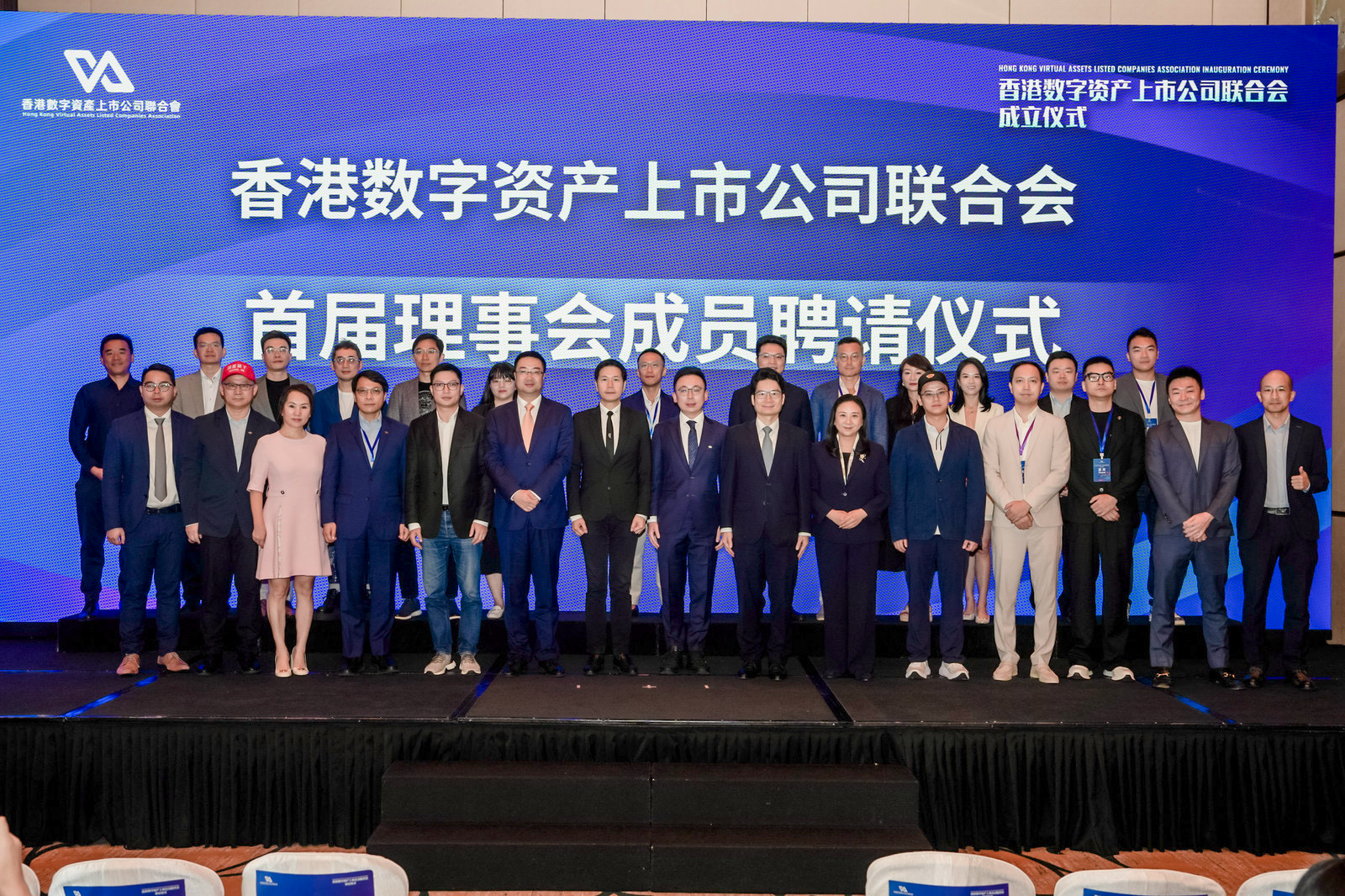
香港数字资产上市公司联合会成立 华兴资本控股董事会主席许彦清受聘名誉会长引领合规化进程
Cai Fu Zai Xian· 2025-08-28 02:08
Group 1 - The Hong Kong Virtual Asset Listed Companies Association (HKVALA) has been officially established, marking a new phase of "regulatory leadership and self-discipline" in the digital asset industry in Hong Kong [1][3] - The association was initiated by over 50 listed companies from Hong Kong, the US, and China, covering the entire industry chain including finance, technology, and real economy [3] - HKVALA aims to promote compliance innovation and large-scale application in frontier areas such as stablecoins and Real World Asset (RWA) tokenization, while establishing a long-term self-regulatory governance mechanism [3] Group 2 - Huaxing Capital is recognized for its expertise in the new economy and digital asset sectors, with its chairman, Xu Yanqing, appointed as the honorary president of HKVALA [1][3] - Huaxing Capital has announced a special budget of $100 million to fully enter the stablecoin and RWA sectors, and has formed a strategic partnership with YZi Labs to allocate $100 million in BNB [3] - Xu Yanqing emphasized that digital assets represent a historical opportunity for the restructuring of the global financial system, and Huaxing Capital will continue to uphold compliance and long-term value [3]

在香港稳定币的沸腾时刻,一些回归常识的冷思考
虎嗅APP· 2025-08-11 13:51
Core Viewpoint - The article discusses the cautious yet optimistic perspective on the recent surge in interest surrounding stablecoins and the regulatory framework in Hong Kong, emphasizing the need for a balanced understanding of the market dynamics and regulatory environment [4][5]. Regulatory Environment - The Hong Kong Stablecoin Regulation, effective from August 1, 2025, is the first regulatory framework globally to focus on fiat-backed stablecoins through a licensing system [4]. - There is a prevailing sentiment that the excitement around stablecoins may be overstated, with regulatory bodies in Hong Kong indicating a cautious approach to issuing licenses [6][7]. - The Hong Kong Monetary Authority (HKMA) is expected to be stringent in its licensing process, focusing on the applicants' backgrounds, particularly in financial risk management and anti-money laundering capabilities [7][8]. Market Dynamics - The article highlights a contrast between the public enthusiasm for stablecoins and the regulatory caution observed in Hong Kong, where the focus is on preventing potential money laundering risks associated with stablecoin issuance [9][10]. - The discussion points out that while there is significant interest in stablecoins, the actual number of licenses granted may be very limited due to strict regulatory scrutiny [7][9]. Future Outlook - The conversation suggests that the acceptance of stablecoins in mainland China may pave the way for broader acceptance of cryptocurrencies and blockchain technology, driven by the need to compete in the global monetary landscape [17][19]. - The potential for Real World Assets (RWA) to gain traction in the Chinese market is also discussed, with the expectation that RWA could support the real economy and thus be more readily accepted by regulators [21][22]. Technological and Financial Innovation - The article emphasizes that stablecoins are not merely payment solutions but serve as a pricing foundation for volatile crypto assets, highlighting their role in stabilizing transactions within the crypto market [45][46]. - The discussion on RWA indicates a multi-stage approach to asset tokenization, starting from fiat currency to financial assets, and eventually to physical assets, with the latter facing significant technological challenges [24][26]. Hong Kong's Position - Hong Kong is positioned as a potential global center for digital finance, leveraging its unique legal framework and the influx of capital from mainland China [52][53]. - The article notes that the recent optimism surrounding Chinese assets, particularly in AI and crypto, has led to a significant reevaluation of their market potential, contributing to Hong Kong's resurgence as a financial hub [50][52].
市场流言引股价异动 ,蚂蚁集团辟谣“共建稀土稳定币”
2 1 Shi Ji Jing Ji Bao Dao· 2025-08-11 13:17
Group 1 - Ant Group issued a statement denying rumors about collaborating with the People's Bank of China and China Rare Earth Group to create a rare earth RMB stablecoin, warning the public to be cautious of misleading information [1] - Following the denial, shares of China Rare Earth experienced a significant increase, rising over 4% shortly after the market opened, and closing with a gain of 1.68% [1] - The rise in interest around stablecoins has led to various rumors and fraudulent activities, prompting major fintech companies like Ant Group and JD.com to clarify their positions and warn investors [2][3] Group 2 - The Hong Kong government has implemented the Stablecoin Regulation, establishing a licensing framework for fiat-backed stablecoin issuance, which is expected to reduce compliance risks for financial institutions [5] - The first batch of stablecoin issuers includes five companies, with JD.com among them, while Ant Group has not yet entered the sandbox but plans to apply soon [6] - Regulatory requirements for stablecoin issuers in Hong Kong are stringent, aligning closely with those for electronic wallets and banks, including asset management and anti-money laundering regulations [6][7] Group 3 - The National Financial Regulatory Administration in mainland China has prohibited domestic institutions from issuing or participating in any form of stablecoin, aiming to mitigate risks associated with payment systems and consumer protection [7] - The industry is urged to accelerate the establishment of standardized governance frameworks to enhance regulatory compliance and ensure the safety of technology and business operations [7]
华兴资本控股再涨超20% 年内股价累计飙升1.4倍 公司进军数字货币领域
Zhi Tong Cai Jing· 2025-08-08 06:58
Core Viewpoint - Huaxing Capital Holdings has seen its stock price surge over 140% this year, driven by favorable regulatory developments in the cryptocurrency and stablecoin sectors [1][2] Group 1: Stock Performance - Huaxing Capital Holdings' stock price increased by 20.24%, reaching HKD 7.07, with a trading volume of HKD 86.177 million [1] - The company's stock has risen more than 140% year-to-date [1] Group 2: Regulatory Developments - The "Stablecoin Regulation Draft" officially took effect on August 1 in Hong Kong, establishing a licensing system for fiat-backed stablecoin issuers and enhancing the regulatory framework for virtual asset activities [1] - A global first RWA (Real World Asset) registration platform was launched on August 7 [1] - U.S. President Trump signed an executive order allowing 401(k) plans to invest in private equity funds, Bitcoin, and other alternative assets, providing further positive momentum for the cryptocurrency market [1] Group 3: Strategic Initiatives - In June, Huaxing Capital announced a board resolution to enter the Web 3.0 and cryptocurrency asset sectors, approving a budget of USD 100 million for development over the next two years [2] - The company plans to increase investments in stablecoins, RWAs, and the entire cryptocurrency ecosystem, while actively pursuing relevant business licenses [2] - Huaxing Capital has successfully invested in Circle Internet Group and provided listing and financing services for numerous leading cryptocurrency companies [2]
港股异动 | 华兴资本控股(01911)再涨超10% 年内股价已累涨1.1倍 公司进军数字货币领域
智通财经网· 2025-08-07 01:56
Group 1 - Hua Xing Capital Holdings (01911) has seen its stock price increase by over 10%, with a year-to-date rise of 1.1 times, currently trading at 6.21 HKD with a transaction volume of 18.79 million HKD [1] - In June, Hua Xing Capital announced a board resolution to enter the Web 3.0 and cryptocurrency asset sectors, approving a budget of 100 million USD for the development of Web 3.0 business and cryptocurrency investments over the next two years [1] - The company plans to enhance its investment in stablecoins, Real World Assets (RWA), and the entire cryptocurrency ecosystem, while actively seeking to apply for and upgrade relevant business licenses [1] Group 2 - On August 1, the Stablecoin Regulation Draft officially took effect in Hong Kong, establishing a licensing system for fiat-backed stablecoin issuers and improving the regulatory framework for virtual asset activities in Hong Kong [1] - The move towards compliance in the stablecoin sector is seen as a key opportunity for investment in stablecoins and RWA markets, according to Open Source Securities [1]
宜搜科技联手绿地金创深度布局资产数字化
Zheng Quan Ri Bao· 2025-07-29 13:40
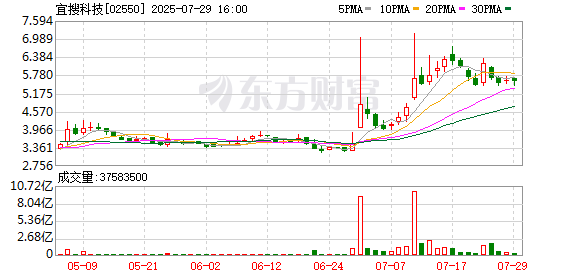
Group 1 - The core viewpoint is that Yisou Technology and Greenland Jinchuang have formed a strategic partnership to enter the trillion-level RWA (Real World Assets) market through the digitalization of cultural IP [3] - The partnership involves the establishment of the Novus Infusion platform, which will create a management channel for RWA issuance and will expand into diverse asset fields such as real estate and carbon credits in the future [1] - Greenland Jinchuang holds digital asset licenses from the Hong Kong Securities and Futures Commission, providing strong compliance backing and underlying asset support for the projects [3]
中国香港及美国稳定币法案后的虚拟资产行业趋势
2025-06-30 01:02
Summary of Key Points from Conference Call Records Industry Overview - The conference call discusses trends in the virtual asset industry following the introduction of stablecoin legislation in the United States and Hong Kong, highlighting the impact of geopolitical risks on decentralized finance adoption [1][2]. Core Insights and Arguments - **Geopolitical Influence**: The expulsion of Russia from the SWIFT system has accelerated the adoption of decentralized finance, with developing countries increasingly using crypto finance for value storage and transaction payments [2]. - **Correlation with Monetary Supply**: Bitcoin prices are highly correlated with global M2 money supply, suggesting that a loose monetary policy in the U.S. could drive up Bitcoin and other risk assets [1][3]. - **Stablecoin Legislation**: The U.S. aims to extend dollar hegemony into blockchain, while Hong Kong seeks to create a digital financial experimental zone to facilitate the internationalization of the Renminbi [1][5]. - **Market Growth Projections**: The stablecoin market is expected to grow rapidly, with Citigroup predicting it could reach $1.6 trillion by 2030, and U.S. Treasury Secretary suggesting it could hit $2 trillion within three years [1][8]. Additional Important Content - **Impact on Traditional Financial Institutions**: Stablecoin trading volumes have surpassed the combined market capitalization of Visa and Mastercard, indicating potential disruption to traditional financial revenue streams [3][9]. - **Stablecoin Market Dynamics**: The market is characterized by a concentration of major players, with Tether (USDT) holding over 60% market share and Circle (USDC) around 25%. Key competitive factors include customer acquisition, security, and liquidity [12]. - **Regulatory Landscape**: Both U.S. and Hong Kong stablecoin regulations emphasize compliance and risk prevention, with the U.S. prohibiting interest payments to users [7]. - **Real World Assets (RWA)**: RWA refers to the tokenization of physical assets on the blockchain, enhancing liquidity and efficiency in financial transactions. Examples include Blackrock's tokenized U.S. Treasury bonds [16][17]. Future Trends and Risks - **Institutional Participation**: Major financial institutions like Bank of America and JPMorgan Chase are beginning to apply for stablecoin licenses, indicating a shift towards institutional involvement in the stablecoin market [11]. - **Challenges for Circle**: Circle faces risks related to its revenue dependence on interest income from U.S. Treasury rates and its reliance on B2B channels without direct consumer engagement [15]. - **Market Competition**: The stablecoin market is expected to see increased competition as compliance and institutionalization progress, potentially squeezing out non-compliant players [8][12]. Conclusion - The virtual asset industry is undergoing significant transformation driven by regulatory changes, geopolitical factors, and evolving market dynamics. The growth of stablecoins and RWAs presents both opportunities and challenges for traditional financial institutions and new entrants alike.