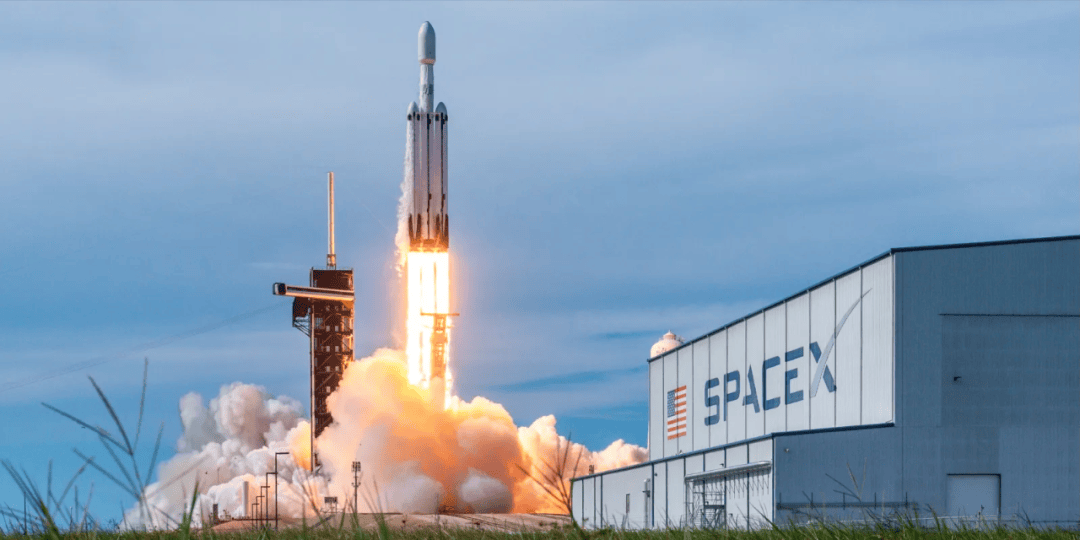
Starlink卫星互联网

Search documents
“公司终局是纯 AI、纯机器人!”马斯克酒后激进预言:让机器人造机器人,未来要靠AI留着人类智能
AI前线· 2026-02-07 05:33
Core Insights - The core argument presented is that relocating computational power to space is not primarily about cost savings on electricity, but rather about addressing the limitations of terrestrial energy production, which cannot keep pace with the exponential growth of chip computing power [2][5][6]. Group 1: Space Data Centers and Energy Challenges - Musk emphasizes that the main issue is energy supply, as global electricity generation outside of China is stagnating, while chip computing power is growing exponentially [6][10]. - He argues that building solar power plants on Earth faces significant regulatory hurdles, making space a more viable option for energy generation [8][10]. - In space, solar energy efficiency is projected to be five times greater than on Earth, eliminating the need for battery storage, thus making it a more cost-effective solution for AI deployment [8][9][16]. Group 2: AI Deployment and Future Predictions - Musk predicts that within five years, the amount of AI deployed and operational in space will exceed the cumulative total on Earth, with annual AI capacity in space potentially reaching hundreds of gigawatts [24][26]. - He asserts that the future of the strongest companies will be a closed loop of pure AI and robotics, minimizing human involvement in processes to enhance efficiency [3][24]. Group 3: Manufacturing and Supply Chain Bottlenecks - The discussion highlights that manufacturing capabilities, particularly for critical components like turbine blades, are significant bottlenecks in scaling energy production [12][13][20]. - Musk indicates that SpaceX and Tesla are working towards achieving a solar power capacity of 100 gigawatts, emphasizing the need for a complete supply chain from silicon to solar panels [14][15][16]. Group 4: SpaceX's Business Model and IPO Considerations - Musk discusses the potential for SpaceX to become a major supplier of computational power in space, likening it to a cloud service provider [25][29]. - He notes that the public market offers significantly more capital than private markets, which may necessitate an IPO to fund future expansions [31][32][36]. Group 5: AI and Human Interaction - Musk expresses concerns about the future relationship between humans and AI, suggesting that as AI intelligence surpasses human intelligence, the focus should be on ensuring AI values support the continuation of human civilization [54][55][61]. - He argues that the ultimate goal should be to maximize the range and longevity of consciousness and intelligence, which includes the preservation of human civilization [55][60].


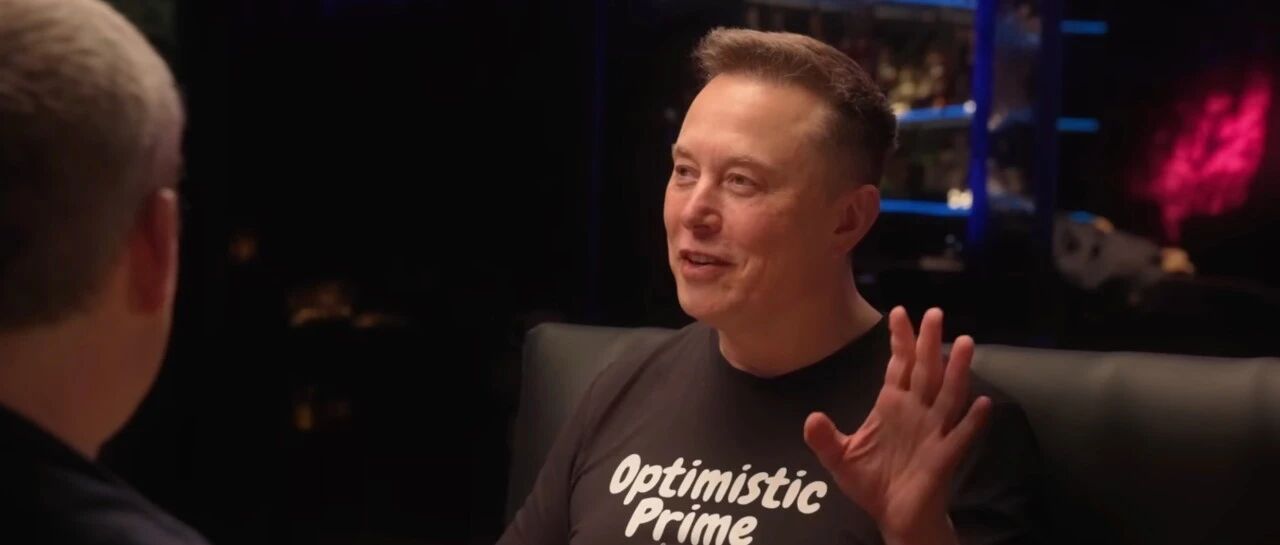
马斯克“世纪大合并”:一场对xAI的单方面输血
华尔街见闻· 2026-02-03 10:43
Core Viewpoint - The merger of SpaceX and xAI aims to create a "space data center," but immediate cash needs are a pressing concern for xAI, which has only been operational for three years [2][4]. Group 1: Financial Overview - SpaceX's valuation is set at $1.5 trillion, while xAI is valued at $250 billion following a completed registration on February 2 [3]. - xAI burned approximately $9.5 billion in cash over the first nine months of 2025, with revenues of only about $210 million, significantly lagging behind competitors like OpenAI and Anthropic [4][9]. - In contrast, SpaceX generated $1 to $2 billion in free cash flow last year, driven by the growth of its Starlink satellite internet business, with total revenues reaching around $16 billion [11]. Group 2: Investor Sentiment - Some SpaceX investors reacted negatively to the merger, with shares of EchoStar, a major shareholder, dropping nearly 5% since the announcement [6][7]. - Investors are seeking more clarity on the narrative surrounding the merger, as expressed by Michael Sobel from Scenic Management [8]. Group 3: Strategic Implications - The ambitious plan for a "space data center" is met with skepticism, as the feasibility and cost-effectiveness of generating AI computing power in space remain uncertain [13]. - The merger complicates SpaceX's IPO ambitions, as the financial strain from xAI's cash burn could overshadow its recent successes in the rocket launch sector [10][11]. Group 4: Regulatory Environment - The current regulatory landscape is favorable for Musk, with the Trump administration rolling back various regulations that could impact the merger [15]. - The Federal Trade Commission is now led by Andrew Ferguson, who is less likely to block large tech deals compared to previous leadership [15]. Group 5: Historical Context - Musk has a history of complex transactions, such as the acquisition of SolarCity and the leveraged buyout of Twitter, which have involved significant financial maneuvering [17]. - The interconnected nature of Musk's ventures creates a "Musk economy," where the success of one entity is crucial for the stability of others [18].
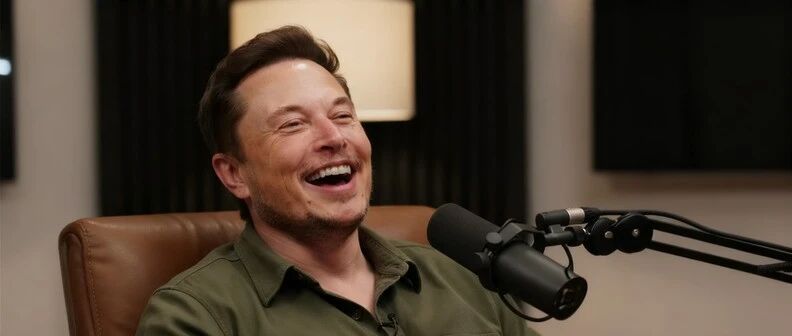
马斯克“世纪大合并”:一场对xAI的单方面输血
Hua Er Jie Jian Wen· 2026-02-03 08:34
Core Viewpoint - Elon Musk has merged SpaceX with AI startup xAI to build a "space data center," but this vision will take at least two to three years to realize, while xAI's immediate need is cash [1]. Group 1: Financial Overview - SpaceX has valued xAI at $250 billion and itself at $1.5 trillion, seeking to raise $50 billion at this valuation [1]. - xAI burned approximately $9.5 billion in cash over the first nine months of 2025, with revenues of only about $210 million, significantly lagging behind competitors like OpenAI and Anthropic [3]. - SpaceX generated $1 to $2 billion in free cash flow last year, with revenues reaching around $16 billion and EBITDA of about $8 billion [4]. Group 2: Investor Sentiment - Some SpaceX investors reacted negatively to the merger, with EchoStar's stock dropping nearly 5% since news of the transaction emerged [2]. - Investors are seeking more clarity on the narrative surrounding the merger and its implications for SpaceX [2]. Group 3: AI Development Challenges - xAI's financial situation highlights the rapid cash consumption in AI development, with monthly expenditures exceeding $1 billion for high-end chips and data center construction [3]. - Musk has expressed frustration over delays in the new Grok AI model, reflecting broader challenges faced by AI companies [4]. Group 4: Strategic Ambitions - Musk aims to establish a "space data center" within two to three years, believing that the lowest cost for generating AI computing power will be achieved in space [6]. - SpaceX has ambitious plans to launch up to 1 million satellites into orbit as part of this data center initiative, complicating its existing project commitments [7]. Group 5: Regulatory Environment - The current regulatory environment is favorable for Musk, with the Trump administration rolling back various regulations that could impact the merger [8]. - Musk's connections, including a former SpaceX investor now leading NASA, may facilitate the expansion of contracts with the agency [8]. Group 6: Historical Context of Mergers - Musk has a history of rapid mergers and acquisitions, such as Tesla's $2.6 billion acquisition of SolarCity, which he was heavily involved in [9]. - The interconnected nature of Musk's ventures creates a "Musk economy," where the success of one entity supports the others, fostering investor confidence [10].
马斯克离万亿富翁只差最后一跃,6770 亿身家背后的九股力量
Sou Hu Cai Jing· 2025-12-16 09:59
Core Insights - Elon Musk has reached a net worth of $677 billion, becoming the first person in history to surpass the $600 billion mark, with the potential to become a trillionaire soon [2][19] - This wealth surge is attributed to a synergistic explosion across Musk's technology empire, which spans space, automotive, and artificial intelligence sectors [2] Group 1: SpaceX - SpaceX's valuation has doubled to $800 billion in December from $400 billion in August, making it the largest unicorn globally [4] - Musk's 42% stake in SpaceX has contributed $168 billion to his wealth, serving as a core engine for this wealth increase [4] - The company is accelerating its IPO plans for 2026, with a potential valuation of $1 trillion, which could significantly boost Musk's net worth [4][5] Group 2: Tesla - Tesla's ambitious compensation plan aims to increase the company's market value to $8.5 trillion and achieve significant production and subscription targets by 2035 [6] - Despite a 39% year-on-year decline in EU sales, analysts remain optimistic about Tesla's growth potential, particularly in autonomous driving and robotics [6][7] - The rollout of fully autonomous driving (FSD) is seen as a key variable for Tesla's valuation, with plans for nationwide expansion of Robotaxi services [6][8] Group 3: xAI and Other Ventures - xAI has recently completed a $6 billion Series C funding round, with its valuation rising to $40-50 billion, supported by top-tier investors [10] - Musk's 53% stake in xAI is valued at $60 billion, with significant growth potential as AI technologies commercialize [10] - Starlink, SpaceX's satellite internet service, is projected to generate substantial revenue, contributing to the company's valuation and providing stable cash flow [11][13] Group 4: Future Growth and Market Position - Tesla's upcoming products, Cybercab and Optimus robots, are expected to launch in 2026, marking a shift from an automotive manufacturer to a technology platform [14][16] - The integration of X (formerly Twitter) and Neuralink into Musk's ecosystem is seen as a strategic advantage, despite their current lack of significant revenue [16] - Musk's wealth growth has outpaced that of other billionaires, with a staggering increase from $24.6 billion in March 2020 to $677 billion by December 2025 [19][17]
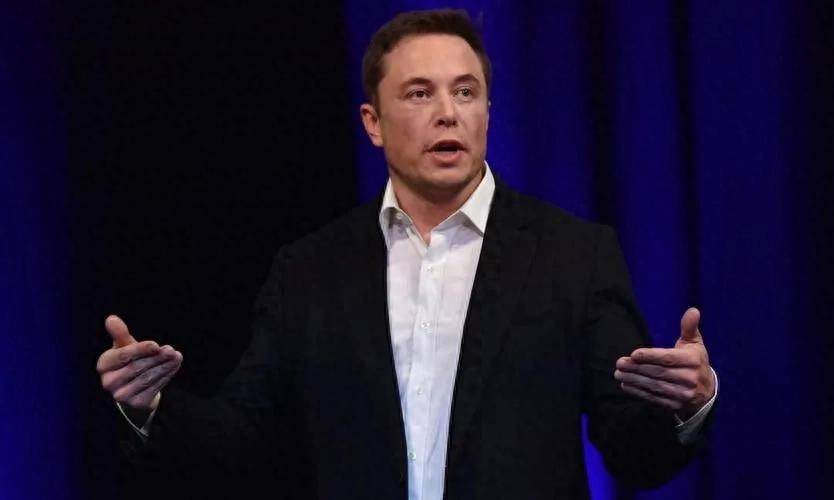
SpaceX估值冲击8000亿美元,计划2026年下半年上市
Sou Hu Cai Jing· 2025-12-09 04:57
Group 1 - SpaceX is negotiating a new round of internal share sales, aiming for a valuation of $800 billion, doubling from $400 billion in the summer of this year, and surpassing OpenAI's previous record of $500 billion [1][3] - The company's board recently met to discuss the details and price range of the share offering, with plans to go public in the second half of 2026 [3][8] - The CFO has communicated the internal share sale plan to investors, with potential share prices around $300, leading to an estimated valuation of approximately $560 billion [3][5] Group 2 - SpaceX's valuation surge is driven by its leading position in the aerospace and satellite communication sectors, dominating the global satellite launch market with the Falcon 9 series and advancing the Starship rocket for future missions [5][7] - The Starlink satellite internet service has become a key growth engine, with around 9,000 satellites deployed and over 8 million global users, significantly outpacing competitors like Amazon [5][7] - SpaceX's acquisition of EchoStar's spectrum assets, valued at over $20 billion, aims to enhance its satellite service offerings [5] Group 3 - The IPO plan has shifted from a potential spin-off of the Starlink business to a consolidated listing of both the rocket launch and satellite communication operations [8][10] - Analysts suggest that the profitability of the rocket launch business and improving cash flow eliminate the need for separate financing through business spin-offs, allowing investors to benefit from both sectors [10] - If the $800 billion valuation and IPO plans are successfully executed, SpaceX is poised to reclaim its title as the most valuable private startup and could become a significant player in the capital markets [10]