Surface设备

Search documents
苹果担心的事,还是发生了…
Xin Lang Cai Jing· 2025-12-08 01:33
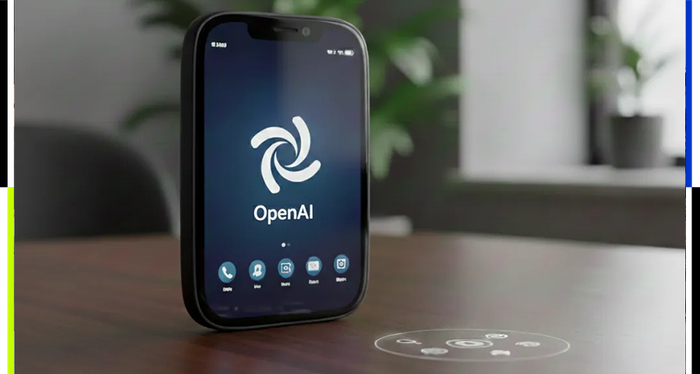
Core Insights - OpenAI is preparing to launch its own AI hardware, having recently acquired io Products for $6.5 billion and recruited dozens of hardware engineers from Apple [1][3][5] - The company aims to create an AI version of the iPhone, recognizing the need to establish a hardware ecosystem to compete with rivals like Google [5][41] - OpenAI's hardware team includes experts in various fields, indicating a significant investment in hardware design and development [3][39] Group 1: OpenAI's Hardware Strategy - OpenAI has been aggressively hiring from Apple, focusing on building a team that covers industrial design, hardware engineering, and supply chain management [3][39] - The acquisition of io Products allows OpenAI to leverage Jony Ive's design expertise, which has shaped Apple's product aesthetics for decades [1][37] - OpenAI's shift towards hardware is seen as a response to the increasing competition in the AI space, particularly from companies that have established hardware products [5][41] Group 2: Competitive Landscape - Other AI companies, particularly in China, are advancing faster in hardware integration, with ByteDance's AI Phone and Alibaba's AI initiatives already in the market [47][48] - ByteDance's AI Phone, developed in collaboration with ZTE, showcases the potential of AI in mobile technology, while Alibaba's strategy focuses on creating an AI operating layer across devices [48][54] - Baidu is positioning its AI products as central to smart home ecosystems, emphasizing a long-term strategy to integrate AI into everyday life [58][60] Group 3: Future of AI Hardware - The competition for AI hardware is intensifying, with major players like Google, Microsoft, and Meta also investing in their own AI ecosystems [71][72] - Google is leveraging its Android ecosystem and Pixel devices to create a unified AI experience, while Microsoft is integrating AI capabilities into its Windows operating system [61][64] - Meta is focusing on AI glasses as the next human-computer interaction interface, highlighting the diverse approaches companies are taking in the AI hardware space [68][70]


苹果最担心的事,还是发生了
3 6 Ke· 2025-12-06 14:33
Core Viewpoint - OpenAI is aggressively recruiting hardware engineers from Apple and acquiring companies to develop its own AI hardware, indicating a strategic shift towards creating a hardware ecosystem to complement its AI models [2][4][5] Group 1: OpenAI's Hardware Strategy - OpenAI has hired over twenty hardware and product engineers from Apple since early 2025, focusing on building a team that covers various aspects of hardware design and engineering [4] - The company aims to create an AI version of the iPhone, as it recognizes the need to establish a hardware presence to compete effectively against rivals like Google, which has a range of hardware products [5][8] - OpenAI's hardware ambitions include developing a new AI terminal that is smaller than traditional smartphones, designed to respond to voice commands and make autonomous decisions based on the user's environment [9][12] Group 2: Competitive Landscape in AI Hardware - Chinese AI companies like ByteDance, Alibaba, and Baidu are advancing faster in integrating AI into hardware, with products like AI phones and smart home devices already in the market [14][15][24] - ByteDance has launched an AI phone in collaboration with ZTE, which features a system-level AI assistant capable of cross-application control [15][18] - Alibaba's strategy involves creating an AI operating layer that spans multiple devices, while Baidu focuses on building a comprehensive AI ecosystem centered around its smart home devices [21][24] Group 3: Global AI Giants' Hardware Initiatives - Google is leveraging its Android ecosystem and Pixel devices to create a unified AI experience, integrating its Gemini model into its hardware [29][31] - Microsoft is enhancing its Windows operating system with AI capabilities, but faces challenges in maintaining its dominance in the evolving AI landscape [33][36] - Meta is betting on AI glasses as the next human-computer interaction interface, emphasizing low-interference, high-utility applications for everyday use [40][42]
苹果最担心的事,还是发生了
36氪· 2025-12-06 13:43
Core Viewpoint - The article discusses the increasing importance of hardware in the AI industry, emphasizing that companies must develop their own AI hardware to become true AI giants. OpenAI's recent moves to build a hardware team and potentially create an AI version of the iPhone are highlighted as part of this trend [4][8][47]. Group 1: OpenAI's Hardware Strategy - OpenAI is aggressively recruiting hardware engineers from Apple, indicating a significant shift towards developing its own AI hardware ecosystem [6][10]. - The acquisition of io Products for $6.5 billion and the involvement of Jony Ive suggest OpenAI's ambition to create high-quality AI hardware, potentially an "AI iPhone" [4][10]. - OpenAI's strategy appears to be a response to competitors like Google, which already has a robust hardware ecosystem, including the Pixel series and smart home devices [8][10]. Group 2: Chinese AI Companies' Hardware Initiatives - Chinese AI companies like ByteDance, Alibaba, and Baidu are advancing rapidly in integrating AI into hardware, with products like the AI Phone and AI assistants [17][25]. - ByteDance's AI Phone, developed in collaboration with ZTE, showcases the potential of AI to enhance user experience through cross-application capabilities [18][21]. - Alibaba's Qianwen aims to create a comprehensive AI operating layer across devices, while Baidu focuses on building a home AI ecosystem with its smart devices [25][29][31]. Group 3: Global Competitors in AI Hardware - Major global players like Google, Microsoft, and Meta are also investing in AI hardware, viewing it as essential for future growth [32][33]. - Google is leveraging its Android ecosystem and Pixel devices to create a unified AI experience, while Microsoft is integrating AI into its Windows operating system and Surface devices [35][39]. - Meta is betting on AI glasses as the next major human-computer interaction interface, emphasizing low interference and high usability [44][46]. Group 4: The Future of AI Hardware - The article concludes that hardware is no longer optional for AI companies; it is a necessary battlefield for achieving widespread adoption and transforming user habits [48]. - The evolution of AI from cloud-based solutions to tangible hardware products is seen as crucial for the industry's future [48].

突发!三大科技巨头,加速撤离中国
是说芯语· 2025-10-20 02:18
Group 1 - Major tech giants Microsoft, Amazon, and Google are intensifying efforts to relocate their product manufacturing and data centers outside of China [1] - Microsoft plans to fully transition production of Surface devices and data center servers outside of China by 2026, requiring suppliers to prepare for this shift [2][5] - Microsoft has been moving a significant portion of its server production overseas since last year, aiming for at least 80% of the bill of materials (BOM) to come from outside China [4] Group 2 - Amazon's AWS is also pursuing a strategy to produce servers and AI data center equipment outside of China, considering reducing reliance on long-term PCB supplier SYE [9][10] - Industry insiders note that completely eliminating Chinese suppliers from AWS's supply chain is unrealistic due to their significant role and advantages in technology, quality, and cost [11][12][16] Group 3 - Google is actively expanding its production base in Southeast Asia, specifically requesting suppliers to increase server production capacity in Thailand, where new facilities are being established [16] - Thailand is emerging as a major server assembly hub, with companies like Quanta and Inventec planning to build SMT production lines, including a $25 million investment by Quanta [19] - Vietnam is becoming a key server production base for Foxconn outside of China, while India is also experiencing significant opportunities with Apple's production expansion, which now accounts for about 20% of Apple's global iPhone output [20][22] Group 4 - Southeast Asian countries are enhancing infrastructure investments and offering tax incentives to attract global tech manufacturing shifts [23]




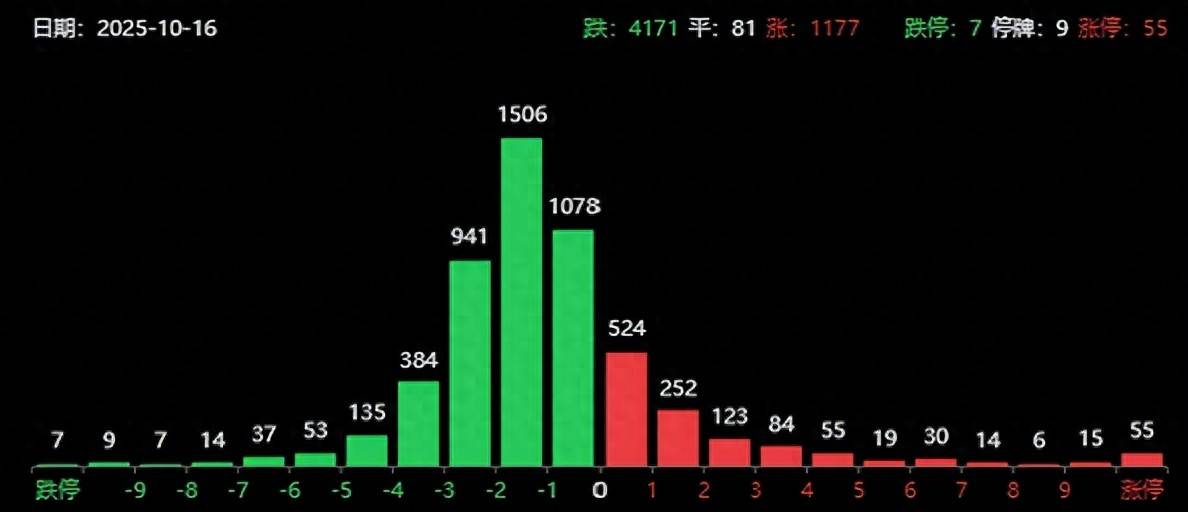
关税突发!A股超4000家下跌,量能跌破2万亿,外交部重磅回应
Sou Hu Cai Jing· 2025-10-16 09:53
Group 1 - The core viewpoint of the news highlights ongoing trade friction uncertainties, particularly regarding U.S. Treasury Secretary's comments on China's rare earth export controls, leading to increased market caution and a significant drop in trading volume [1][4][6] - U.S. Treasury Secretary emphasized the need for U.S. allies to reduce dependency on China and diversify supply chains, indicating a potential extension of tariff suspensions in exchange for China delaying its rare earth export controls [4][6] - Domestic semiconductor suppliers, such as Hengshuo Co., announced a 10% price increase for NOR Flash products due to rising raw material costs, while NAND and DRAM prices have also seen significant increases, with SSD prices rising by 10-20% [7] Group 2 - TSMC reported Q3 revenue of NT$989.92 billion, a 30.3% year-on-year increase, with net profit reaching NT$452.3 billion, marking a record high and a 39.1% increase year-on-year [13] - TSMC's Q4 revenue guidance is between $32.2 billion and $33.4 billion, exceeding market expectations, with a projected gross margin of 59% to 61% [13] - The semiconductor market is experiencing strong demand driven by artificial intelligence, with TSMC expressing increased confidence in this trend [13] Group 3 - Reports indicate that Microsoft is preparing to shift production of Surface devices and data center servers outside of China, which has led to a rise in related stocks, particularly in the Hongmeng ecosystem [9] - The defense sector saw a slight uptick following Indonesia's confirmation of purchasing Chinese J-10 fighter jets [10] - A rumor about the establishment of a polysilicon storage platform was reported, but industry insiders have deemed the information inaccurate [12]