Tailwind CSS

Search documents
AI“氛围编程”威胁开源,维护者面临危机
AI前线· 2026-03-08 05:49
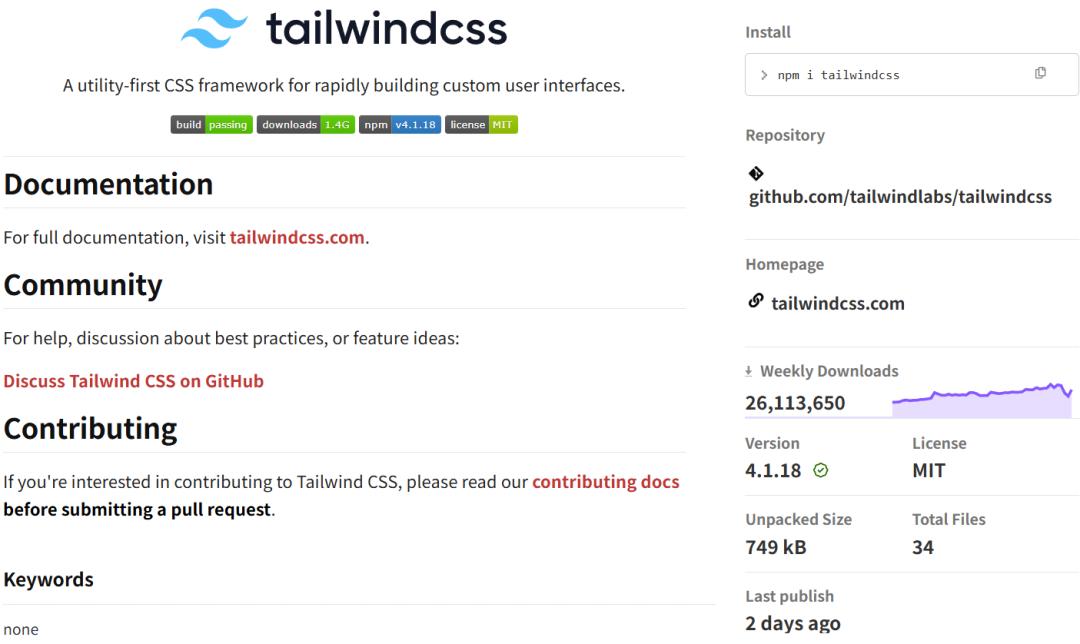
Core Insights - Open source maintainers are increasingly closing doors to external contributors due to the overwhelming volume and low quality of AI-generated contributions, leading to a crisis in the open source community [2][3] - A recent study indicates that the reliance on AI for coding is creating a negative feedback loop, diminishing the quality and availability of software as fewer developers engage with documentation and report issues [3][4] Group 1: Impact of AI on Open Source Contributions - The phenomenon termed "AI Slopageddon" reflects the challenges faced by maintainers as they struggle to manage the influx of low-quality AI-generated code [2] - Stack Overflow activity dropped by 25% within six months of ChatGPT's launch, while Tailwind CSS saw a 40% decrease in documentation traffic and an 80% drop in revenue [3] - By 2025, it is projected that 20% of code submissions will be AI-generated, with overall effectiveness declining to 5% [3] Group 2: Responses from Maintainers - Some maintainers, like Hashimoto, have adopted zero-tolerance policies against unapproved AI contributions, emphasizing the need for high-quality submissions regardless of their origin [5] - Ruiz has taken drastic measures by closing external contributions after encountering poorly generated issues from AI tools, questioning the need for external input if coding becomes too easy [6] - The platforms that host open source projects, such as GitHub, are criticized for not providing tools to filter AI submissions, exacerbating the problem for maintainers [6] Group 3: Structural Challenges and Future Outlook - Researchers propose a model where AI platforms could redistribute subscription revenue based on package usage, but the required contribution from AI users is deemed unrealistic at 84% of current direct user revenue [7] - The Linux Foundation and Apache have focused on licensing rather than quality, failing to address the flood of low-quality contributions [7] - The impact of this crisis is expected to be uneven, with popular libraries likely to find sponsors while smaller projects may struggle, raising concerns about the future of foundational projects like Linux [8]


Claude Code“隐形技术栈”被扒出来了,2430次测试揭秘工具偏好清单
3 6 Ke· 2026-02-27 09:27
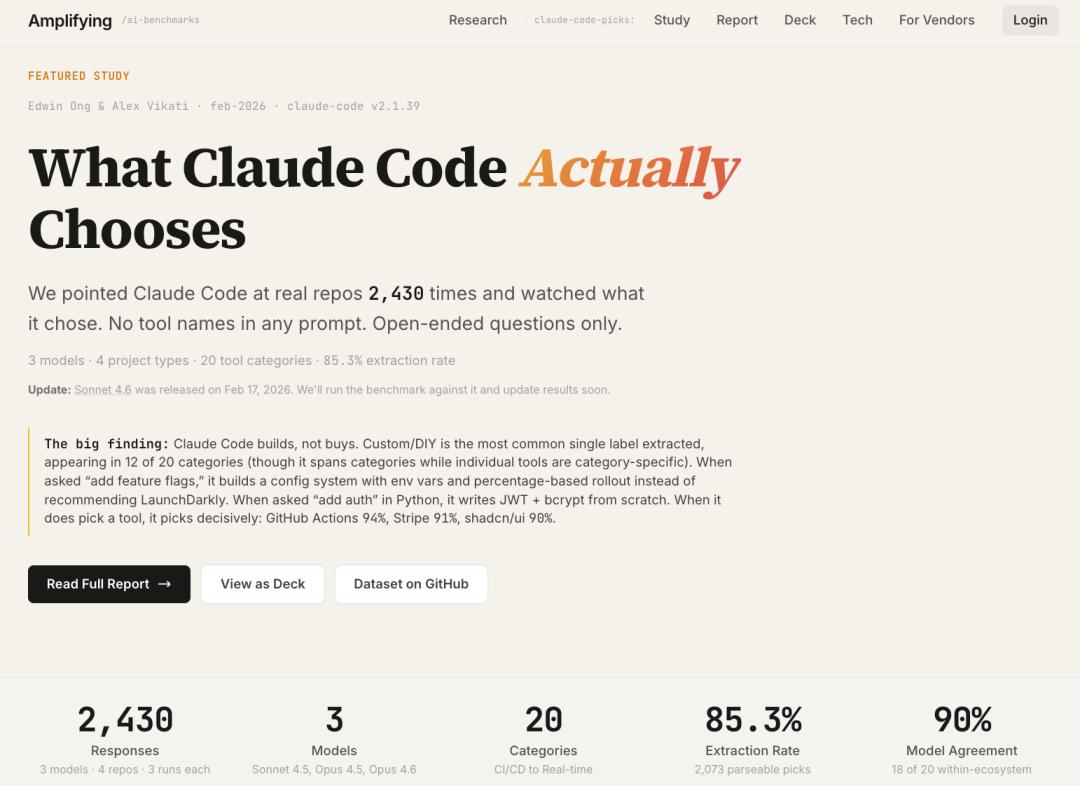
Core Insights - The study conducted by Amplifying.ai reveals Claude Code's preference for building custom solutions over recommending third-party tools, with 12% of all major selections being self-built solutions [5][27] - A default technology stack has emerged, with Claude Code favoring specific third-party tools such as Vercel, PostgreSQL, and Stripe [6][30] - Certain tool categories have become dominated by single tools, with GitHub Actions, Stripe, and shadcn/ui capturing 94%, 91%, and 90% of their respective categories [7][31] - Consistency in tool selection is high among different models within the same technology ecosystem, with 90% agreement on preferred tools across 20 categories [8][49] Experiment Setup - The research covered three models and involved 4 project types and 20 tool categories, analyzing a total of 2,430 tool selection behaviors [2][11] - Open-ended prompts were used throughout the experiment, ensuring no specific tool names were mentioned [4][13] - The study included a clean code environment for each test run to ensure unbiased results [11] Key Findings - Claude Code shows a strong inclination towards self-built solutions, particularly in feature flags and authentication, where it frequently opts for custom implementations [27][28] - The study identified a high extraction rate of 85.3%, indicating a strong ability to identify primary tool recommendations from responses [19] - The models demonstrated varying preferences, with Opus 4.6 showing a tendency to recommend newer tools and custom solutions compared to its predecessors [56] Tool Selection Preferences - GitHub Actions, Stripe, and shadcn/ui are the most frequently recommended tools, dominating their respective categories with high selection rates [30][31] - The study highlights that project context significantly influences tool selection, with different models showing consistent preferences within the same technology ecosystem [9][62] - The research indicates a trend towards custom solutions, particularly in areas like feature flags and authentication, where models prefer building from scratch rather than using established services [47][39] Model Comparison - The three models (Sonnet 4.5, Opus 4.5, Opus 4.6) showed high agreement on tool preferences, with only a few categories exhibiting real divergence [49][50] - The study emphasizes that the choice of tools is heavily influenced by the specific programming ecosystem, with distinct preferences emerging for JavaScript and Python projects [61][62] - The models' recommendations reflect a shift towards a new technology stack shaped by AI-assisted development, indicating a potential change in industry standards [62]
Claude一个插件吓哭华尔街,软件公司集体暴跌,2万亿元一日蒸发
猿大侠· 2026-02-09 04:11
Core Viewpoint - The emergence of AI, particularly through Anthropic's new features, is perceived as a significant threat to the Software as a Service (SaaS) industry, leading to a dramatic sell-off in software stocks and a prevailing sentiment of "SaaS is dead" among investors [1][8][30]. Group 1: Market Reaction - The introduction of Anthropic's "plugins" and "silicon-based employees" resulted in a loss of approximately $285 billion in market value for Nasdaq [3]. - Following the initial drop, software stocks continued to decline, with the iShares expanded technology software industry ETF falling an additional 2% [6]. - The overall sentiment on Wall Street shifted to a state of panic, with many investors eager to exit their positions in software companies regardless of current prices [9][30]. Group 2: AI's Impact on SaaS - Anthropic's Claude Cowork can perform tasks traditionally handled by software, such as document drafting and legal compliance, significantly reducing the need for expensive SaaS solutions [12][16]. - The legal plugin introduced by Anthropic threatens the core functionalities of many legal software companies, which previously charged around $50,000 annually for their services [14][16]. - The competitive landscape is intensifying as AI tools like Claude Cowork are expected to disrupt various sectors, including finance, sales, and marketing, leading to widespread concerns about the viability of SaaS companies [25][22]. Group 3: Industry Perspectives - Analysts from Morgan Stanley highlighted that the introduction of AI capabilities in the legal sector would significantly increase competition, exacerbating the challenges faced by existing software companies [22]. - The perception that SaaS companies are merely intermediaries is growing, as AI technologies provide direct access to capabilities that were once reliant on software [40][41]. - Despite the current turmoil, some industry leaders argue that software will remain essential as a backend infrastructure, even if user interfaces evolve due to AI advancements [48].

Claude一个插件吓哭华尔街,软件公司集体暴跌,2万亿元一日蒸发
3 6 Ke· 2026-02-05 12:01
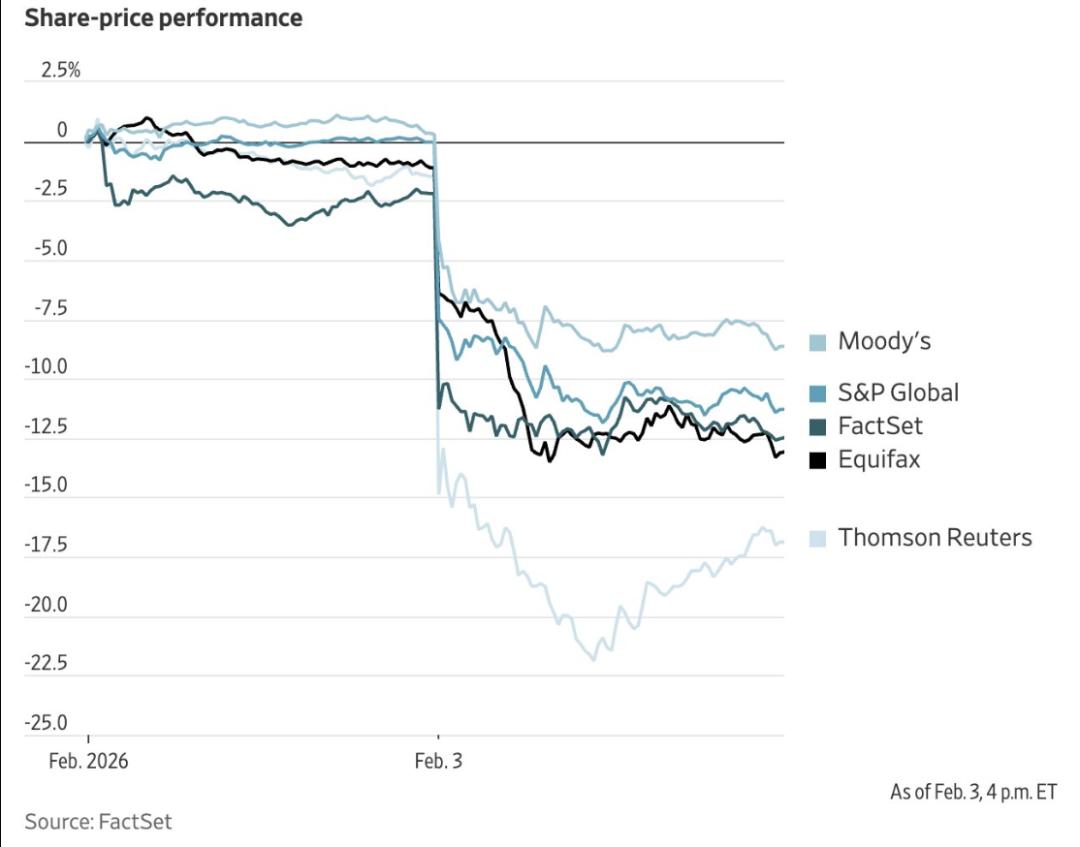
Core Viewpoint - The launch of Anthropic's "plugins" feature, which introduced 11 "silicon employees," has triggered a significant sell-off in the software sector, leading to a loss of approximately $285 billion in market value for Nasdaq stocks, with a notable 6% drop in Goldman Sachs' U.S. software stock portfolio, marking the largest single-day decline since April of the previous year [1][3][4]. Group 1: Market Reaction - The pessimistic sentiment on Wall Street has escalated into a doomsday narrative regarding SaaS companies, with traders expressing a desire to exit their positions regardless of current prices [3][4]. - Following the introduction of Anthropic's legal plugin, which automates tasks traditionally performed by legal software, the legal software sector experienced a sharp decline, with companies like Thomson Reuters and LegalZoom seeing drops of 16% and 20% respectively [5][6]. - The broader software sector faced a sell-off, with the Nasdaq 100 index dropping 1.6% and the iShares expanded technology software ETF declining nearly 20% over the past year, indicating a bear market [8][11]. Group 2: Anthropic's Impact - Anthropic's Claude Cowork, designed for non-technical users, can perform complex tasks such as document drafting and legal compliance checks, which were previously reliant on traditional software [4][5]. - The introduction of the legal plugin has raised concerns about increased competition in the legal software market, with analysts predicting significant disruptions to existing players [5][6]. - The perception that AI could replace software has led to a reevaluation of the SaaS business model, as AI becomes a more accessible infrastructure for users [11][21]. Group 3: Industry Dynamics - Historically, software companies viewed AI as a complementary tool, but Anthropic's direct approach to application development has challenged this notion, positioning AI as a competitor to traditional software [7][8]. - The software industry is facing a potential transformation, where the value of SaaS as an intermediary is being questioned, as users may prefer direct interaction with AI models [11][12]. - Despite the current turmoil, established software companies may still hold advantages due to proprietary data and robust engineering capabilities, suggesting that the transition may not be as straightforward as anticipated [13][14][21].
退学艺术生靠AI躺赢,硅谷明星公司却被AI干碎
3 6 Ke· 2026-01-28 04:12
Core Insights - The article discusses the contrasting fortunes of Three.js and Tailwind CSS in the AI era, highlighting how Three.js has experienced significant growth while Tailwind CSS faces severe challenges due to AI advancements. Group 1: Three.js - Three.js, a tool for creating 3D effects on the web, saw a dramatic increase in usage starting in 2022, coinciding with the rise of AI technologies [3][5] - The creator of Three.js, Mr.doob, developed the tool over 16 years without any venture capital funding, relying instead on community support and collaborations with Google [7] - The surge in demand for 3D models and digital content driven by AI has positioned Three.js as a critical player in displaying AI-generated content [5][9] Group 2: Tailwind CSS - Tailwind CSS, a tool for writing web styles, initially thrived in the AI boom but has recently faced a 40% drop in website traffic and a significant reduction in revenue due to changes in developer behavior [15][22] - The rise of AI tools that generate code has led developers to bypass Tailwind's documentation, which was a key revenue source for the company [15][22] - The founder of Tailwind CSS, Adam, expressed concerns about the company's survival, noting that despite the framework's widespread use, the business model is failing as AI makes the tool less monetizable [22][20]

全球爆火AI框架陷绝境,创始人深夜崩溃痛呼:已裁员75%,只剩6个月续命
3 6 Ke· 2026-01-12 10:43
Core Insights - Tailwind, a company known for its front-end infrastructure, has experienced an 80% drop in revenue due to the success of its AI programming tool, leading to a drastic reduction in its workforce by 75% [1][10][21] - The CEO, Adam Wathan, expressed despair over the situation, stating that if conditions do not improve in six months, the company will be unable to pay any employee salaries [1][3][22] Company Performance - Tailwind's AI tool has achieved a remarkable monthly download rate of 75 million [1][21] - Despite the high download numbers, the company's revenue has plummeted by 80%, resulting in a significant financial crisis [1][21] - The team size has been reduced from four engineers to just one, highlighting the severity of the situation [10][12] Industry Impact - Tailwind CSS has been a transformative force in front-end development, widely adopted by major companies and projects, yet the company behind it is struggling to survive [7][14] - The rise of AI tools has led to a decline in the usage of Tailwind's paid components, as developers increasingly rely on AI to generate user interfaces directly [16][19] - The traffic to Tailwind's documentation, which serves as a key customer acquisition channel, has decreased by 40%, further exacerbating the company's financial woes [19] Community Response - Following the news of Tailwind's struggles, Google AI Studio announced its sponsorship of the Tailwind CSS project, aiming to support the open-source community [23][24] - Vercel's CEO also pledged support, emphasizing the responsibility of the community to assist foundational projects like Tailwind [27] - The situation has sparked discussions about the sustainability of open-source projects in the age of AI, with concerns about the potential collapse of the tech ecosystem if foundational projects are not supported [31][32]

昔日开源明星被AI逼落斩杀线,收入暴跌80%,75%工程师被裁
3 6 Ke· 2026-01-12 09:21
Core Viewpoint - The company Tailwind CSS, once a prominent player in the open-source community, is facing a severe crisis due to the impact of AI, leading to a significant reduction in its workforce and revenue [1][4][11]. Group 1: Company Situation - Tailwind CSS has laid off 75% of its engineering team, leaving only three founders, one engineer, and one part-time employee [4][10]. - The company, which started in 2017, is known for its utility-first CSS framework that has gained immense popularity among developers [4][11]. - Despite its popularity, the company is struggling financially as its revenue from paid services has plummeted by 80% due to AI-generated code reducing the need for its documentation [4][11]. Group 2: Impact of AI - The introduction of AI has led to a 40% decrease in traffic to Tailwind's CSS documentation compared to early 2023, severely affecting the company's profit margins [11][22]. - The CEO, Adam Wathan, acknowledged that the decline in revenue due to AI has been ongoing for several years, and if the trend continues, the company could run out of cash within six months [11][12]. - The rise of AI has fundamentally changed the dynamics of how developers access information, bypassing traditional documentation and affecting the business model of companies reliant on traffic for revenue [21][22]. Group 3: Community Response and Future Prospects - Following the announcement of layoffs, 90% of the community users calmed down, but some felt deceived by the company's shift towards profitability at the expense of its open-source roots [18][19]. - Google has announced sponsorship for Tailwind, which may help the company maintain its open-source ecosystem and potentially rehire some of the laid-off engineers [22][25]. - The sponsorship from Google is seen as a positive signal for the open-source community, emphasizing the need for a sustainable funding model for open-source projects in the age of AI [25][26].

昔日开源明星被AI逼落斩杀线!收入暴跌80%,75%工程师被裁
量子位· 2026-01-12 04:13
Core Viewpoint - The article discusses the severe impact of AI on Tailwind CSS, a once-thriving startup, leading to significant layoffs and a drastic decline in revenue due to changes in user behavior and reliance on AI-generated content [2][12][50]. Group 1: Company Situation - Tailwind CSS, founded in 2017, is an open-source framework that has gained popularity for its utility-first approach, allowing developers to design UI directly in HTML [9][10][11]. - The company has faced a crisis, with 75% of its engineering team laid off, leaving only three founders, one engineer, and one part-time employee [5][21][22]. - The revenue from Tailwind's paid services, such as Tailwind UI and Catalyst, has plummeted by 80% due to reduced traffic to its documentation as users increasingly rely on AI for code generation [8][24][25]. Group 2: AI's Impact - AI has drastically changed user engagement, causing a 40% drop in traffic to Tailwind's CSS documentation since early 2023, which has directly affected the company's profitability [25][30]. - The CEO, Adam Wathan, acknowledged that the revenue decline had been ongoing for years, but the severity of the situation only became clear after analyzing the data [29][30]. - Wathan expressed that if the trend continues, the company's cash flow could run out within six months, indicating a critical financial situation [30][31]. Group 3: Community Response and Future Outlook - Following the announcement of layoffs, 90% of the community users calmed down, but some long-time users felt betrayed by the company's shift towards profitability at the expense of its open-source roots [42][43]. - Google announced sponsorship for Tailwind shortly after the layoffs, which could help stabilize the company and potentially rehire laid-off engineers [56][59]. - The article emphasizes the need for a sustainable payment mechanism for open-source contributors, as the current reliance on traffic-driven revenue models is becoming increasingly untenable in the AI era [66].

被迫裁员75%、只剩6个月续命!Tailwind创始人崩溃自白:全球爆火的CSS框架,竟养不起8个人
猿大侠· 2026-01-12 04:06
Core Viewpoint - Tailwind CSS, a utility-first CSS framework, is facing a severe survival crisis, with its CEO stating that the company has only six months left to operate if conditions do not improve [1][20]. Group 1: Company Challenges - The main challenges for Tailwind include competition from open-source alternatives and the increasing use of AI to generate UI, which reduces the demand for their paid components [2]. - The company has experienced a 40% decline in documentation traffic since early 2023, which is critical as documentation is the primary channel for customer acquisition [19]. - Tailwind's revenue has been steadily declining over the past two years, leading to a realization that the company is in a precarious financial situation [22]. Group 2: Workforce Reduction - Tailwind has laid off 75% of its engineering team, reducing the number of engineers from four to one, which translates to three engineers losing their jobs [24][25]. - The decision to downsize was described as a necessary structural change to ensure the company's survival and to provide severance for the laid-off employees [26]. Group 3: Community Response - The community has expressed disappointment, accusing Tailwind of sacrificing its open-source spirit for commercial interests [9][10]. - Developers have questioned the company's priorities, suggesting that focusing on user needs and integrating software into workflows is essential for attracting paying customers [12][14]. Group 4: Future Outlook - The CEO acknowledges that AI is both a significant challenge and a potential tool for maintaining operations, indicating a need to leverage AI for tasks like issue classification [29]. - Despite the challenges, there is a recognition that the popularity of Tailwind does not guarantee its financial sustainability, highlighting a broader issue faced by many open-source projects [35].

因为AI编程,Tailwind CSS差点死了
3 6 Ke· 2026-01-10 05:04
Core Insights - The rise of AI programming agents has significantly impacted the business model of Tailwind CSS, leading to a drastic reduction in team size despite the framework's popularity [2][10][31] Group 1: Business Impact - Tailwind CSS has experienced a 40% decrease in documentation traffic and an 80% drop in revenue compared to early 2023, despite its weekly downloads exceeding 26 million [3][10][22] - The company has laid off 75% of its team members due to financial difficulties caused by AI tools that reduce the need for human developers to access documentation [2][10][22] Group 2: Community Response - The decision to reject a Pull Request aimed at improving AI access to project documentation sparked controversy, with some developers criticizing the leadership for poor financial planning [11][12][13] - Discussions around the sustainability of open-source business models have intensified, highlighting the challenges posed by AI's ability to utilize open-source projects without generating revenue for their maintainers [11][14][31] Group 3: Support and Future Prospects - In response to the crisis, several companies, including Google and Shopify, have offered sponsorships to support Tailwind, with Google committing $5,000 annually [22][25][27] - Tailwind has introduced a new personal subscription service, "Tailwind Insider," priced at $120 per year, which has attracted new customers [26][27] - While the sponsorships provide temporary relief, the company must still explore new business models to ensure long-term sustainability [29][30]