ThinkPad笔记本电脑

Search documents
从过亿教训,拆解中企出海认知误区
Xin Lang Cai Jing· 2026-02-24 03:56
Core Insights - The interview with Lei Ling, author of "36 Rules for Going Global," highlights the lessons learned from over a decade of experience in international business expansion for Chinese companies [1][3][15] - Lei emphasizes the shift in perception of Chinese brands abroad, moving from being overlooked to being studied and emulated by foreign businesses [4][5] Group 1: Changes in Global Perception - The atmosphere surrounding the Chinese New Year in foreign countries has changed significantly, with a growing interest from foreigners in Chinese culture and business practices [3][4] - The transition from "Copy to China" to "Copy from China" indicates that successful Chinese business models are now being adopted by international markets [4][5] Group 2: Successful Case Studies - Lenovo's acquisition of IBM's PC business and Haier's acquisition of GE's appliance division are cited as successful examples of Chinese companies excelling in globalization [5][6] - SHEIN's innovative production model, which allows for rapid response and a high volume of new products, demonstrates a significant shift in the fashion industry and serves as a model for other sectors [6] Group 3: Challenges in International Expansion - Lei discusses the pitfalls of applying successful Chinese business strategies directly to foreign markets, highlighting a failed attempt in Europe where cultural differences were not adequately considered [7][8][9] - The importance of understanding local consumer behavior and planning is emphasized, as European consumers prioritize stability and order over rapid delivery [9][10] Group 4: Cultural Differences and Communication - Cultural misunderstandings can lead to conflicts in decision-making processes, as seen in interactions between Chinese and American teams [10] - Effective communication requires adapting to the cultural context of the target market, which may involve inviting local teams to participate in decision-making [10] Group 5: The Importance of Local Integration - Building trust with local consumers involves investing in local operations, such as hiring local staff and establishing warehouses, which may yield slow but sustainable results [11] - The focus should be on delivering real value to the local community rather than solely pursuing profit [11] Group 6: Increased Competition and Transparency - The current landscape for Chinese companies going global is characterized by high transparency and reduced information asymmetry, making it more challenging to maintain competitive advantages [12][13] - Companies must build strong barriers to entry and invest in long-term capabilities to succeed in a highly competitive global market [13]

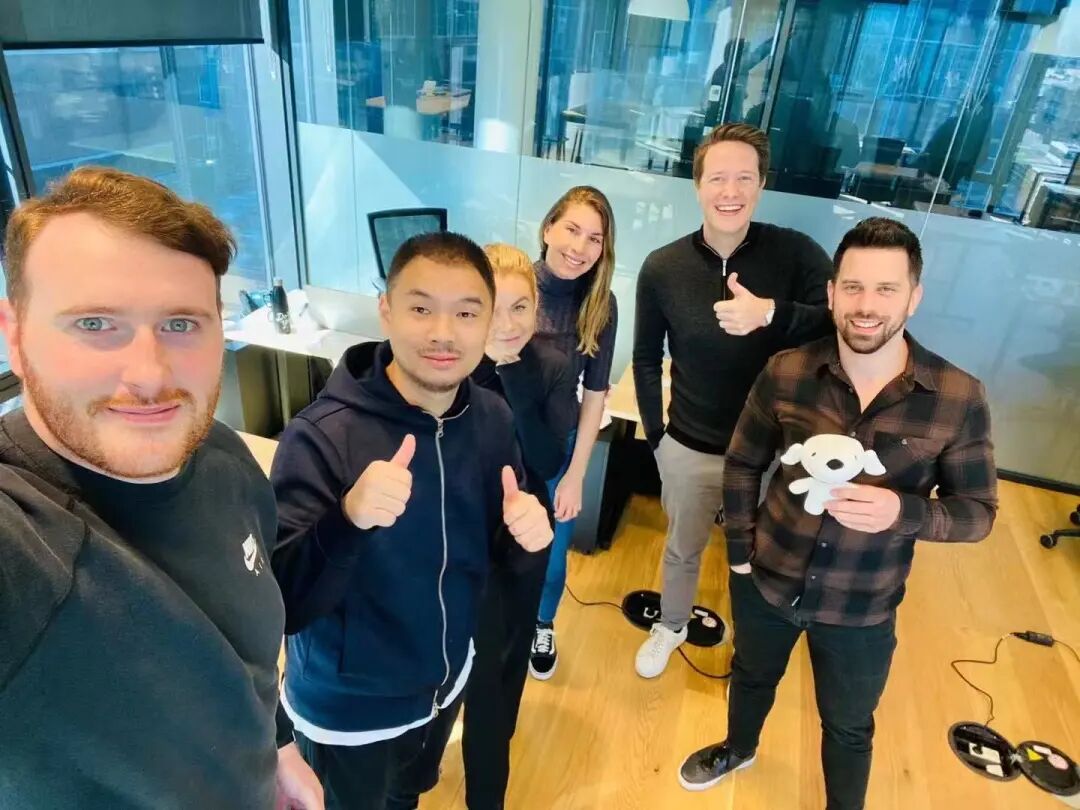
《出海36法则》作者雷凌接受《环球时报》专访:从过亿教训,拆解中企出海认知误区
Huan Qiu Wang· 2026-02-23 22:41
Core Insights - The article discusses the evolving landscape of Chinese companies expanding overseas, highlighting the shift from being overlooked to being studied and emulated by foreign markets [2][3] Group 1: Changes in Perception - The atmosphere surrounding "Chinese New Year" celebrations in foreign countries has significantly changed, with a growing interest from foreigners in Chinese culture and traditions [2] - In the past, there was a lack of understanding and even prejudice towards China, but now many foreign business leaders are eager to learn from successful Chinese business models [2] Group 2: Successful Chinese Business Cases - Lenovo's acquisition of IBM's PC business and Haier's acquisition of GE's appliance division are cited as successful examples of Chinese companies leveraging their strengths in global markets [3] - SHEIN is highlighted as a newer example, innovating in the fashion industry with a "small batch, rapid response" production model, significantly outpacing traditional competitors like ZARA [3][4] Group 3: Challenges in International Expansion - The experience of a Chinese company attempting to replicate its domestic success in Europe illustrates the pitfalls of assuming that strategies successful in China will work abroad [5][6] - Cultural differences, such as the European preference for planned consumption, can lead to misunderstandings and operational failures when Chinese companies impose their domestic practices [7] Group 4: Cultural Conflicts and Communication - Effective communication across cultures is crucial, with different countries having varying expectations regarding decision-making processes and collaboration [8] - Establishing consensus and understanding cultural nuances can help mitigate conflicts that arise from differing business practices [8] Group 5: Local Integration and Trust Building - Building trust in foreign markets requires tangible investments in local operations, such as hiring local staff and establishing warehouses, rather than relying solely on brand recognition [10] - These "simple" actions can create a strong foundation for long-term success and acceptance in the local market [10] Group 6: Increased Competition and Information Transparency - The current era of globalization presents unique challenges for Chinese companies, particularly due to the high level of information transparency that allows competitors to quickly replicate successful business models [11][12] - Companies must build strong barriers to entry and develop unique value propositions to maintain a competitive edge in this environment [12]
就在今晚!2026年FIFA世界杯分组抽签结果即将揭晓
Sou Hu Wang· 2025-12-05 03:10
Core Insights - The 2026 FIFA World Cup is approaching, with the draw ceremony scheduled for December 5, 2023, in Washington, D.C., marking a significant milestone in the preparations for the tournament [1] - Lenovo Group will provide advanced technology and infrastructure support for the World Cup, enhancing the experience for organizers, teams, and billions of fans worldwide through AI-driven solutions [1][2] - The tournament will feature an unprecedented scale, with 48 teams competing across 104 matches in 16 cities, highlighting the complexity of data processing and event management [1][2] Technology and Support - Lenovo will support the World Cup with a comprehensive range of AI innovations, including ThinkPad laptops, tablets, Motorola phones, and servers, aimed at improving event operations and fan engagement [2][3] - The company has already conducted a successful technology delivery rehearsal during the 2025 FIFA Club World Cup, achieving "zero-failure" delivery and validating its technical capabilities [4][5] - Lenovo's technology will facilitate real-time data collection, smart operations, and content production, ensuring a seamless experience for all stakeholders involved in the tournament [3][4] Future Innovations - Lenovo aims to make the 2026 FIFA World Cup the most intelligent and data-driven event in history, leveraging AI to enhance the overall experience for players, coaches, referees, and fans [6][7] - The company plans to showcase additional technological innovations at the 2026 Innovation Technology Conference in Las Vegas, further emphasizing its commitment to transforming the football experience through AI [7] - Lenovo's involvement signifies a shift from traditional manufacturing to becoming a core player in sports technology, focusing on system integration and user experience design [6][7]

首届AI世界杯门票正式开售!这或许是你离抢票成功最近的一次
Xin Lang Cai Jing· 2025-09-11 04:38
Group 1 - The 2026 FIFA World Cup is set to be the largest in history, with ticket sales already generating significant interest among fans [1][4] - FIFA is implementing a new ticketing system that combines a lottery and deposit model to combat scalping and improve accessibility for fans [4][10] - Lenovo has been named the first official technology partner of FIFA, providing end-to-end technical support for the upcoming World Cup and other major events [1][3][8] Group 2 - The integration of AI technology in the World Cup will enhance various aspects, including ticketing, real-time data analysis, and officiating, marking the event as the first "AI World Cup" [5][10][11] - Lenovo's AI solutions will play a crucial role in improving the speed and stability of FIFA's technical systems, thereby enhancing the overall fan experience [7][10] - The collaboration between FIFA and Lenovo aims to create a seamless integration of technology in sports, making the World Cup not just a sporting event but a showcase of technological innovation [10][11]
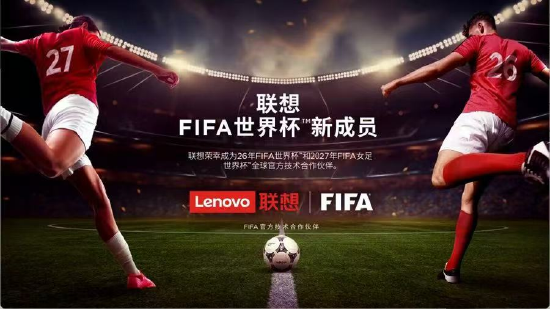
联想六足机器狗,亮相粤超足球场
2 1 Shi Ji Jing Ji Bao Dao· 2025-08-26 00:59
Core Insights - Lenovo is leveraging AI technology in sports, exemplified by the introduction of a six-legged robotic dog at the Guangdong Super League opening ceremony, enhancing the event experience [1] - The robotic dog serves multiple roles, including performance, security inspections, and participation in event activities, showcasing Lenovo's commitment to integrating AI into sports [1] - Lenovo has a long-standing presence in the sports technology sector, being a global technology partner for F1 and collaborating with FIFA for upcoming World Cup events [2][3] Group 1 - The six-legged robotic dog, developed by Lenovo, features autonomous environmental perception and decision-making capabilities, enhancing the immersive experience for fans and participants [1] - Lenovo aims to provide a full-chain intelligent solution for sports management, including fan engagement and team management, through AI technology [1] - The company has previously established a high-performance computing system for the Beijing Winter Olympics, significantly improving data update frequency for event services [2] Group 2 - Lenovo's partnership with FIFA will see its products and solutions utilized in the 2026 FIFA World Cup and the 2027 FIFA Women's World Cup, further solidifying its role in sports technology [3] - The strategic collaboration with the Chinese Football Association aims to enhance the operational efficiency of professional leagues through AI-driven initiatives [3] - The introduction of the robotic dog is expected to deepen Lenovo's connection with the sports industry and expand its intelligent technology applications [4]
人工智能能否成为IBM的新增长引擎?
财富FORTUNE· 2025-08-07 13:05
Core Viewpoint - IBM is undergoing a significant transformation under CEO Arvind Krishna, focusing on artificial intelligence, cloud computing, and quantum technology to regain its competitive edge and innovate in the tech industry [3][8][24]. Group 1: Company History and Transformation - IBM's revenue is currently about half of its peak in 2011, and it has faced challenges in the personal computer market, losing ground to competitors like Microsoft [3][9]. - The company has experienced a long and painful transformation over the past decade, reducing its workforce by approximately 100,000 employees since 2015 and divesting non-core business lines [9][10]. - Under Krishna's leadership, IBM's stock price has doubled, and the company has seen significant growth in its generative AI business, with bookings reaching $6 billion since June 2023 [10][21]. Group 2: Leadership and Culture - Arvind Krishna is the first CEO of IBM with an engineering background, bringing a more agile and flexible corporate culture to the company [2][8]. - Krishna emphasizes a shift from the traditional "IBM Way," which focuses on discipline and stability, to a more dynamic "Geek Way," promoting empowerment and rapid iteration [15][24]. - The leadership style under Krishna has fostered a more optimistic atmosphere among employees, with increased communication and engagement from the CEO [24]. Group 3: Strategic Focus Areas - IBM's strategic pivot is heavily invested in artificial intelligence, with a focus on developing foundational models and related infrastructure, rather than competing in the consumer AI space [9][10]. - The company is also committed to quantum computing, with plans to invest $150 billion over the next five years, including $30 billion specifically for quantum technology [18][19]. - IBM's flagship AI product, WatsonX, is tailored for specific business applications in finance, supply chain optimization, and IT operations, aiming to integrate AI into critical infrastructure for enterprise clients [9][10]. Group 4: Challenges and Market Position - Despite recent progress, IBM faces challenges in a competitive landscape dominated by larger tech companies, and it must navigate economic uncertainties and recent contract losses [23][24]. - The legacy of the Watson project, which failed to deliver on its initial promises in healthcare, still impacts IBM's reputation in the AI space, although it is recognized as a milestone in AI development [20][26]. - Analysts remain cautiously optimistic about IBM's cultural shift and strategic focus, believing that maintaining a customer-centric approach will be crucial for future success [24].