
Twingo

Search documents
Renault (OTCPK:RNLS.Y) 2026 Investor Day Transcript
2026-03-10 09:02
Renault Group Midterm Plan "futuREady" Conference Call Summary Company Overview - **Company**: Renault Group - **Plan**: "futuREady" - **Duration**: Midterm plan focusing on growth, profitability, and operational excellence Key Points and Arguments Industry Positioning - Renault aims to become the reference European OEM, focusing on growth and product innovation across three brands [2][5] - By 2030, Renault plans to launch **36 new models**, including **22 in Europe** and **14 in international markets** [10][18] Growth and Revenue Expectations - Total revenue is expected to grow at a **mid-single-digit rate** over the midterm [3] - Targeting a sustainable group operating margin of **5%-7%** of revenue from 2026 onwards [4] - Aiming for strong automotive free cash flow of **EUR 1.1 billion-1.5 billion** per year on average, more than twice historical performance [4] Product and Technology Development - Focus on developing and mastering technologies in electric vehicles and AI-driven cars [2] - Commitment to **50% electric and 50% full hybrid** sales for Renault Brand by 2030 [10] - Introduction of a new **EV platform** and **full hybrid powertrains** to enhance electrification [16][42] Operational Excellence - Quality improvement initiatives have reduced quality incidents by **50%** over the last five years, with a goal to reduce incidents by another **50%** in the next three years [3][54] - Plans to cut production hours per unit by **30%** and reduce variable costs by **EUR 400** per vehicle per year [51][56] Customer Experience and Engagement - Aiming for **80% customer loyalty** over a 10-year vehicle lifecycle, leveraging AI and digital solutions for personalized customer interactions [39][40] - Development of a digital twin for cars and customers to enhance service and maintenance [39] Sustainability and ESG Goals - Commitment to achieving **net zero** in Europe by **2040** and globally by **2050** [63] - Targeting **30% recycled content** per car and focusing on circular economy initiatives [63][64] Brand-Specific Strategies - **Renault Brand**: Focus on European leadership and electrification with 12 new models by 2030 [14] - **Dacia**: Emphasis on value for money, launching **4 electric vehicles** by 2030, and maintaining a strong market presence [26][27] - **Alpine**: Aiming to redefine the brand with a focus on high-performance electric sports cars, targeting **11,000 sales in 2025** [31] Additional Important Insights - Renault's strategy includes a **balanced geographical approach**, focusing on both European and international markets, particularly in fast-growing regions like India and South America [9][10] - The company is adopting a **de-risked business model** to mitigate exposure to challenges faced by competitors in the Chinese and U.S. markets [9] - The introduction of **AI and digital technologies** is central to enhancing operational efficiency and customer engagement [39][49] This summary encapsulates the key points from Renault Group's midterm plan conference call, highlighting the company's strategic direction, growth expectations, and commitment to innovation and sustainability.
跨国车企的「廉价」小车反攻
Di Yi Cai Jing· 2026-01-09 03:30
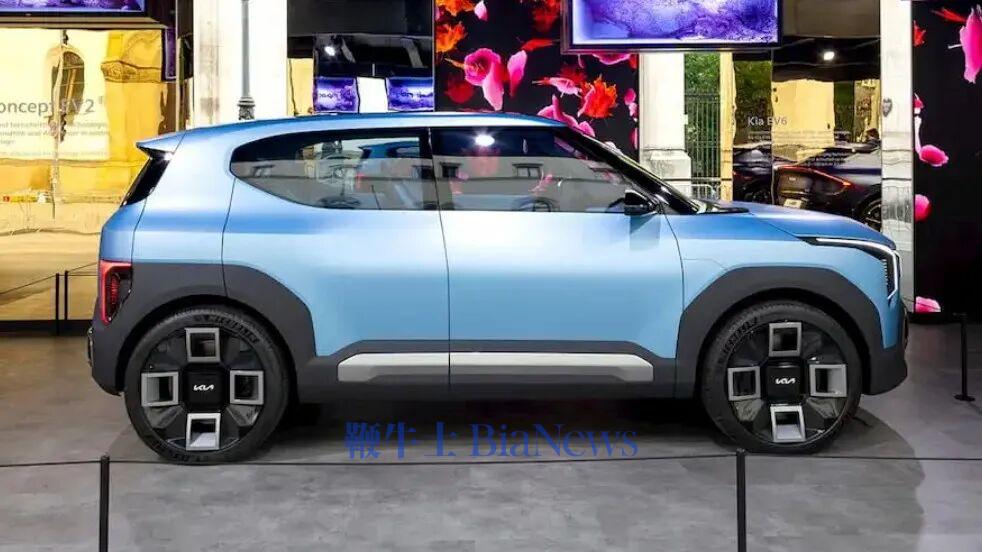
Group 1 - The core viewpoint is that multinational automakers are planning to launch more affordable electric vehicles in response to the growing presence of Chinese electric vehicle brands in the European market [2][5][8] Group 2 - Kia's new entry-level model, the EV2, will debut on January 9, 2026, at the Brussels Motor Show, positioned as the smallest and cheapest electric vehicle from Kia, with an expected price around €30,000 [3] - Volkswagen's classic small car, Polo, will return as an electric model named ID. Polo, built on the new MEB+ platform, with a planned launch in spring 2026 at a starting price of €25,000 [4] - Other automakers like Renault, Nissan, Hyundai, and Ford are also set to introduce more economical electric vehicle models in 2026 [6] Group 3 - Renault plans to launch a new electric Twingo in early 2026, incorporating elements from the classic 1990s model, with a price below €20,000, relying on Chinese market components for about 40% of its parts [7] Group 4 - Despite potential tariff increases, Chinese brands are expected to continue their strong performance in the European market, with total registrations in the broad European market reaching 12.099 million units from January to November 2025, a 1.9% increase year-on-year [8] - Electric vehicles are a major growth driver, with pure electric vehicle sales reaching 2.276 million units, a 27.4% year-on-year increase, and plug-in hybrid sales at 1.149 million units, up 33.1% [8] - Volkswagen Group remains the market leader with a 27% share, but two Chinese companies, SAIC (mainly MG) and BYD, have entered the top ten in sales, with SAIC selling 274,000 units (up 26.1%) and BYD selling 160,000 units (up 276%) [8][9] Group 5 - Smaller Chinese automakers have shown even more remarkable growth, with Leap Motor's electric vehicle sales in Europe surging over 4000% year-on-year, and Chery's Omoda brand experiencing an 1100% increase [10]


雷诺借中国供应链,在欧洲阻击中国车
晚点LatePost· 2025-12-09 10:42
Core Insights - Renault is leveraging Chinese supply chain efficiency to revive its Twingo model, which will be sold in Europe as an electric vehicle, despite having exited the Chinese market for passenger cars since 2020 [4][6][7] - The new electric Twingo has a starting price of under €20,000, comparable to BYD's Seagull in Europe, showcasing Renault's strategy to compete against Chinese EVs in the European market [4][6] - Renault's approach involves utilizing a significant portion (46%) of components sourced from Chinese suppliers, which has allowed for reduced development costs and faster production timelines [11][12] Group 1: Renault's Market Strategy - Renault has historically struggled in the Chinese market, with its joint ventures failing to gain significant traction, leading to a strategic withdrawal from the passenger vehicle segment [6][7] - The company has shifted focus to utilizing its Chinese supply chain to enhance competitiveness in Europe, indicating a strategic pivot towards leveraging cost advantages from China [8][12] - The decision to revive the Twingo model is based on its historical significance and brand recognition among European consumers, aiming to lower psychological barriers for new buyers [8][11] Group 2: Supply Chain and Development Efficiency - The development of the new Twingo was expedited by a collaborative effort between Renault's teams in France and China, achieving a prototype in just nine weeks and preparing for production in under 24 months [11][12] - Renault's procurement strategy emphasizes using mature modules and existing solutions from Chinese suppliers, resulting in significant cost savings (50% reduction in development costs and 40% in tooling costs) [11][12] - The collaboration with Chinese suppliers is seen as a model for other foreign automakers, allowing them to benefit from China's advanced manufacturing capabilities without the burdens of joint venture complexities [12][13] Group 3: Future Plans and Market Positioning - Renault plans to replicate the successful model of utilizing Chinese supply chains for other vehicle lines, including models from its Dacia brand and future Nissan vehicles [13] - The strategy reflects a broader trend among foreign automakers to tap into China's manufacturing prowess to enhance their global competitiveness, particularly in the EV sector [12][16] - The rise of Chinese suppliers in the global market is expected to elevate their profit margins and brand recognition, as they meet the stringent requirements of international automakers [14][15]

雷诺借中国供应链,在欧洲阻击中国车
晚点Auto· 2025-12-09 04:36
Core Viewpoint - Renault is leveraging Chinese supply chain efficiency to revive its Twingo model for the European market, despite having exited the Chinese passenger car market since 2020 [3][4][5]. Group 1: Market Strategy - The new electric Twingo is priced starting at under €20,000, competing directly with BYD's Seagull in Europe, showcasing Renault's reliance on Chinese components [4]. - Renault has ceased local production in China but continues to utilize Chinese suppliers for significant parts of its vehicles, with 46% of the Twingo's components sourced from China [3][4]. Group 2: Historical Context - Renault was one of the first foreign car manufacturers in China, establishing a joint venture in 1993, but faced challenges due to high costs and low competitiveness, leading to the closure of its joint ventures by 2020 [5][6]. - The company’s late entry into the mainstream passenger car market in China resulted in a rapid decline in sales, with East Wind Renault's sales dropping from a peak of 72,000 units in 2017 to under 20,000 units by 2019 [5][6]. Group 3: Development and Production - The Twingo project was developed with a focus on utilizing existing Chinese supply chains to reduce costs and development time, achieving a prototype in just nine weeks and preparing for mass production in under 24 months [11][12]. - The decision-making process for the Twingo project was expedited in China, allowing for daily progress rather than the typical weekly pace seen in Europe [11][12]. Group 4: Future Plans - Renault plans to replicate the successful model of utilizing Chinese supply chains for other vehicles, including the entire Twingo family and a new A-segment car under the Dacia brand [13]. - The company aims to maintain a competitive edge in the European market by leveraging the efficiency and cost advantages of Chinese manufacturing [12][13].

快被法规压垮了的小车
汽车商业评论· 2025-11-11 23:08
Core Viewpoint - Renault is urging the EU to pause new regulations for small electric vehicles under 4.2 meters for the next 10 to 15 years, emphasizing the need for stable rules to allow engineers to optimize pricing and technology [4][7][8]. Regulatory Challenges - The EU is preparing a regulatory framework for "affordable small electric vehicles," aiming to support the launch of cars priced between €15,000 and €20,000 [12][18]. - Current regulations are seen as disproportionately burdensome for small cars, with Renault's CEO stating that compliance work occupies about 25% of their engineers' time [7][9]. Market Dynamics - The market for small cars is shrinking, with a projected decline of over 10% in sales for A0 class vehicles by 2025 [12][14]. - The number of models priced below €15,000 in Europe has drastically decreased from 49 in 2019 to just one currently, highlighting the challenges in the entry-level segment [13]. Future of Small Electric Vehicles - Renault advocates for a stable regulatory environment to allow for the development of small electric vehicles, suggesting a clear limit on weight, battery capacity, and performance while delaying new mandatory features [17][18]. - The EU's upcoming proposal on December 10 will be crucial in determining the future of affordable small electric vehicles in Europe [19].
Renault revives Twingo with new affordable electric version to boost sales
Reuters· 2025-11-06 15:02
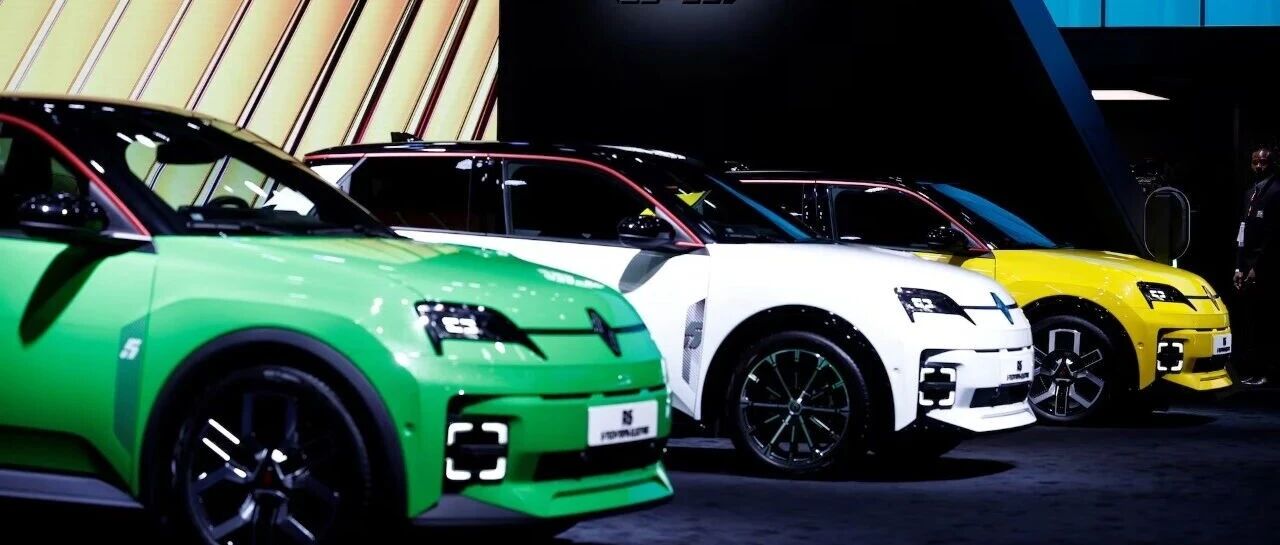
Core Insights - Renault has launched a new electric Twingo small car, aiming to capitalize on the popularity of its classic model name and a competitive price point of under 20,000 euros ($23,000) to enhance its electric vehicle offerings [1] Company Summary - The new electric Twingo is part of Renault's strategy to expand its electric vehicle lineup and attract more customers in the growing EV market [1] - The pricing strategy is designed to make electric vehicles more accessible to a broader audience, potentially increasing market share [1] Industry Summary - The introduction of the electric Twingo reflects the automotive industry's shift towards electrification, with manufacturers focusing on affordable electric options to meet consumer demand [1] - The competitive pricing under 20,000 euros positions Renault favorably against other electric vehicle offerings in the market, highlighting the importance of cost in consumer adoption of EVs [1]

除吉利外,雷诺正加强与奇瑞在内多家车企洽谈
Guan Cha Zhe Wang· 2025-11-05 00:26
Core Insights - Renault is exploring global cooperation models, particularly with Chinese automakers like Chery, to enhance production efficiency and competitiveness in overseas markets [3][4][6] - The collaboration with Geely in Brazil focuses on producing and selling electric vehicles and low-emission cars, indicating a strategic partnership aimed at market expansion [4][8] - Renault's reliance on the European market is significant, with 63% of its operations tied to this region, prompting the need for diversification and risk mitigation through international partnerships [6][7] Group 1 - Renault's Chief Growth Officer, Fabrice Cambolive, stated that the company is negotiating with various automakers, including Chery, to explore potential collaboration in production and sales [3][4] - The partnership with Geely is described as mutually beneficial, allowing both companies to leverage different platforms, industrial tools, engineering technologies, and distribution networks [3][4] - Renault's interest in Chery has increased following Chery's successful IPO in Hong Kong, with discussions reportedly focusing on plans in Colombia and Argentina [4][6] Group 2 - Renault's strategy includes reducing global production costs and exploring market opportunities through partnerships, a shift initiated during the tenure of former CEO Luca de Meo [6][7] - The company has manufacturing plants in several countries, including France, Spain, and India, but faces challenges with underutilization of capacity in overseas facilities [6][7] - Renault aims to enhance its electric vehicle development speed and reduce costs by utilizing the research capabilities of its Chinese partners, exemplified by the rapid development of the Twingo electric vehicle [7][8]

从中国“闯关”到全球掌舵:福兰能否让雷诺跑出“中国速度”?
Jing Ji Guan Cha Wang· 2025-08-04 04:18
Group 1: Leadership Change - Renault Group appointed Francois Provost as CEO, effective July 31, 2025, succeeding Luca de Meo, marking the beginning of the "Provost Era" [1] - Provost has extensive experience in the Chinese market, having served as COO for Renault's China and Asia-Pacific operations since 2016 [1] - His role in the partnership with Geely and the establishment of the joint venture Horse Power Technology highlights his strategic importance [1][9] Group 2: Financial Performance - In the first half of 2025, Renault reported revenues of €27.64 billion, a 2.5% increase year-on-year, with automotive revenue at €24.49 billion, up 0.5% [3] - Global sales reached 1.17 million units, a 1.3% increase, with electric vehicles accounting for 44% of sales [3] - However, operating profit fell to €1.653 billion, with a profit margin of 6.0%, down from 8.1% the previous year [3][6] Group 3: Market Challenges - The European automotive market faced a significant decline, with new car sales dropping 7.3% in June 2025 [4] - Renault's growth was primarily driven by hybrid and electric vehicles, as traditional fuel vehicle demand continued to decline [4] - High costs associated with the transition to electric vehicles pose a challenge, with the company needing substantial investment and time to see returns [4][5] Group 4: Strategic Initiatives - Renault aims to launch over 65% electric and electrified products by 2025, with a target of 90% by 2030 [5] - The establishment of the "Ampere China Development Center" in Shanghai is a key milestone for Renault's strategy in China, focusing on product development and innovation [8] - Collaboration with Geely and the introduction of Saudi Aramco as a strategic partner are part of Renault's efforts to enhance its global competitiveness [9][10] Group 5: Future Outlook - Provost's leadership is expected to leverage his experience in China to navigate market challenges and drive Renault's transformation [2][10] - The company plans to maintain a flexible business model to meet diverse market demands and aims to introduce several new models in the coming years [7] - Renault's focus on integrating Chinese innovations into its global strategy is seen as crucial for overcoming current growth bottlenecks [10]