
Vidu Q3

Search documents
腾讯研究院AI速递 20260316
腾讯研究院· 2026-03-15 16:01
Group 1 - Claude 4.6 model with 1 million context fully launched, eliminating long text premium, with Opus charging $5 and $25 per million tokens [1] - OpenClaw 2026.3.12 version released, entering daily update iteration mode, with a modular UI and new deployment solutions [2] - Google Maps undergoes its largest update in a decade, introducing immersive 3D navigation and natural language dialogue search capabilities [3] Group 2 - Perplexity abandons MCP protocol in favor of API and CLI, with significant support for CLI due to its advantages in usability and efficiency [4] - Vidu by Shengshu Technology releases the world's first dedicated AI comic solution, addressing industry pain points with tailored algorithms [5][6] - xAI experiences a leadership exodus, with significant departures raising concerns about its operational structure and future plans [7] Group 3 - Google AlphaEvolve sets new lower bounds for five Ramsey numbers, marking a significant milestone in AI mathematics [8] - Stanford and Princeton release LabClaw, an open-source research skill library that simplifies biomedical research processes [9] - LATENT method by Galaxy General Robotics achieves the first high-dynamic tennis rally with humanoid robots, showcasing advancements in robotics [10] Group 4 - Karpathy assesses AI replacement risk across 342 occupations, highlighting that screen-based jobs face the highest risk of automation [11]


从创作者视角分享AI视频能力
2026-03-04 14:17
Summary of AI Video Generation Conference Call Industry Overview - The conference discusses advancements in AI video generation, particularly focusing on models like CDA 2.0, 可灵 (Keling), and others, highlighting their applications in commercial advertising and short video production [1][2][3]. Key Points and Arguments AI Video Generation Models - **CDA 2.0** has entered a "production process update" phase, significantly lowering the barriers for novice users in modeling and prompt generation [1]. - **Keling** is noted for its high stability in commercial-grade video generation, while CDA 2.0 offers the best cost-performance ratio at approximately 4 RMB per 5 seconds [1]. - **V3.1**, an overseas model, is recognized for its capabilities but is less frequently used due to its high cost (50% more expensive) compared to domestic alternatives [1][6]. Market Dynamics - The penetration rate of AI in short dramas is 60%-70%, significantly higher than the 30%-40% in advertising, indicating a shift in industry acceptance [1][28]. - The pricing for short drama production has halved to 5,000-10,000 RMB per minute due to increased competition and technological advancements [1][29]. Technological Advancements - The introduction of audio-visual synchronization features has reduced human resource costs by 75% and improved overall efficiency by about 70% [1][20]. - Current technical bottlenecks remain in the usability and quality of long videos (>10 seconds), often requiring additional workflows to ensure film-level delivery [2][22]. Competitive Landscape - Keling is preferred for commercial ads due to its superior detail stability, while models like 奇梦 (Qimeng) and 微度 (Weidu) are used for short videos based on cost-effectiveness [3][4]. - The competition has intensified, leading to a significant drop in production costs and pricing pressures across the industry [29][31]. Future Outlook - 2026 is anticipated to be a breakout year for AI video generation, driven by models that cater to user needs more effectively, thus enhancing productivity for non-professional users [1][34]. - The industry is still in its early stages, with significant growth potential as AI technology becomes more accessible [33][40]. Additional Important Insights - The success rate of video generation is currently around 50%, improving due to better understanding of model characteristics and prompt optimization [23][24]. - The commercial viability of AI video production is evident, with revenue primarily generated from advertisements and custom projects, indicating a robust ROI [26]. - The industry is experiencing a shift towards more collaborative and less hierarchical production models, with a focus on quality and efficiency [39]. This summary encapsulates the key discussions and insights from the conference call, reflecting the current state and future potential of the AI video generation industry.
从Seedance 2.0到AI天团!海淀何以“生成”全球爆款
Xin Lang Cai Jing· 2026-02-15 09:14
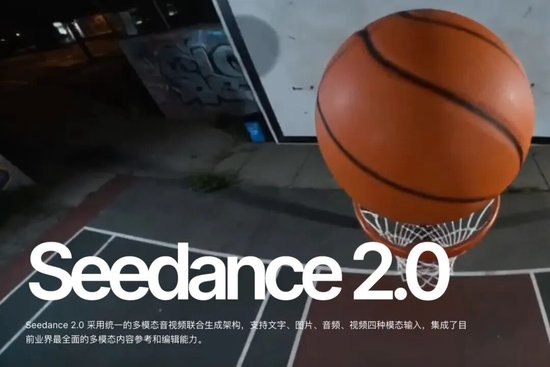
Core Insights - The article highlights the rapid advancements in AI video generation technology, particularly focusing on ByteDance's Seedance 2.0 model, which has gained significant popularity both domestically and internationally, being referred to as a "DeepSeek moment" [3][15] - The emergence of multiple AI models from various companies in Haidian district signifies a competitive landscape in the AI industry, particularly in the "AI + audiovisual" sector [4][19] Company Developments - ByteDance's Seedance 2.0 can generate multi-shot videos with complete original soundtracks in just 60 seconds using multi-modal inputs, enhancing the creative process for users [3][15] - The Seedance 2.0 model has been praised for its industry-leading performance in multi-modal reference generation and complex audio-video instruction adherence [4][16] - Other companies, such as Moonlight and Shengshu Technology, have also launched new AI models, including Kimi K2.5 and Vidu Q3, which offer advanced capabilities in video generation and narrative construction [5][17] Industry Trends - The Haidian AI sector is experiencing a surge in innovation, with over 128 generative AI services registered, covering various fields such as governance, education, and e-commerce [6][18] - The region is positioning itself as a global hub for AI innovation, supported by a robust ecosystem of AI scholars and enterprises, with a core industry scale nearing 360 billion yuan [11][23] - The AI models developed in Haidian are not only enhancing content creation but are also evolving towards generating comprehensive solutions, indicating a shift from content generation to solution-oriented applications [6][20] User Engagement - ByteDance's "Soda Music" has reached 140 million monthly active users, benefiting from the seasonal shift in user behavior during the Spring Festival [4][16] - The user-generated content and data accumulation are crucial for the continuous iteration and improvement of AI models, fostering a cycle of innovation and engagement [20][24]
中国AI视频双雄并起:Seedance 2.0与Vidu Q3组团席卷全球
36氪· 2026-02-13 13:34
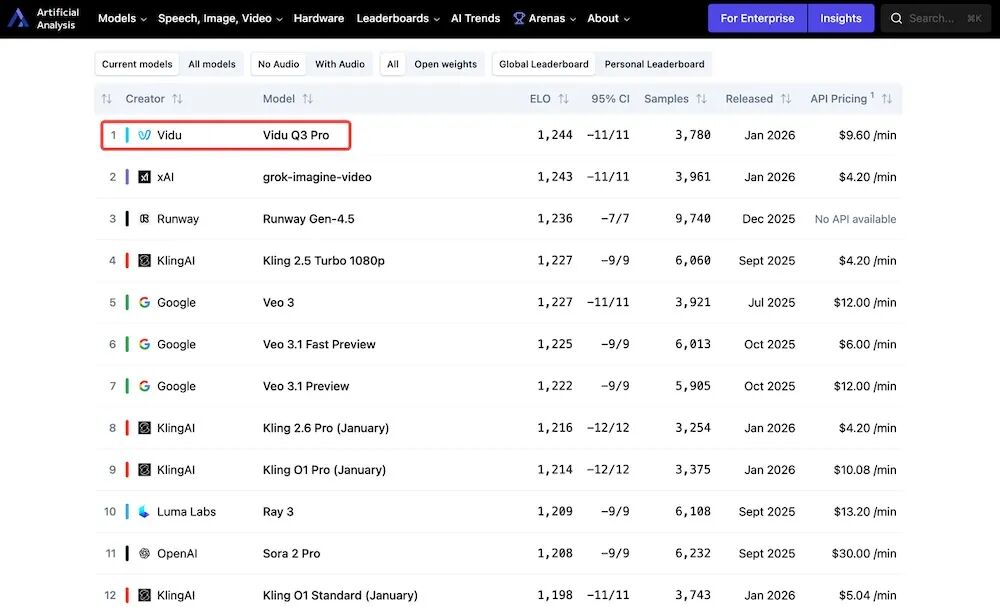
Core Viewpoint - The article discusses the significant advancements in AI video generation models, particularly focusing on the success of Seedance 2.0 and Vidu Q3, which have gained global recognition for their innovative features and capabilities in the AI video creation space [3][28]. Group 1: AI Video Models Overview - Seedance 2.0 has gained popularity due to its "director's thinking," emphasizing script-driven content, clear storyboarding, and precise pacing, which enhances the creative aspect of AI video production [4][5]. - Vidu Q3 has also emerged as a leading model, recently ranking first on the global AI evaluation platform Artificial Analysis, showcasing its strong performance in video generation [5][28]. - Both models represent a shift in the industry, with Vidu Q3 focusing on controllable content expression and high-quality output, while Seedance 2.0 emphasizes smooth rhythm and realism [7][28]. Group 2: Performance and Features - Vidu Q3 is designed to generate complete narrative segments of 16 seconds in one go, integrating visuals, sound, and multi-character dialogues, which enhances its "directorial feel" and performance tension [6][12]. - The emotional expression and character detail in Vidu Q3 are noted for their stability and naturalness, particularly in facial expressions during emotional transitions, which is a significant improvement over previous models [12][13]. - Both models excel in audio-visual consistency, with Vidu Q3 replicating the success of Seedance 2.0 in creating immersive content that requires no additional sound editing post-generation [15][17]. Group 3: Market Position and Competitive Edge - According to Artificial Analysis, Vidu Q3 is currently the fastest commercial content generation model, outperforming OpenAI's Sora 2 by a factor of 10 and showing a twofold advantage over Google’s Veo 3 [28][29]. - The advancements in these models indicate that Chinese AI video technology is surpassing international standards, marking a significant leap from technical catch-up to capability breakthrough [28][30]. - The collective success of models like Vidu Q3 and Seedance 2.0 highlights the potential for Chinese AI video models to lead in global markets, particularly in commercial applications and creative ecosystems [31][32].
【招银研究|行业点评】Seedance2.0:生成式视频的技术奇点与产业重构
招商银行研究· 2026-02-13 08:52
Core Viewpoint - The release of Seedance 2.0 by ByteDance marks a significant advancement in AI video generation technology, positioning it as a leader in the field and indicating a shift towards industrialization in generative AI [1][2]. Group 1: Technical Architecture - Seedance 2.0 features a dual-branch diffusion transformer architecture, integrating video and audio generation within a unified framework, which enhances audiovisual consistency and stability in long videos [3][4]. - The model employs a discrete diffusion approach to balance quality and speed, achieving a 30% improvement in 2K video generation speed compared to competitors [5]. - It introduces a global character anchoring mechanism to maintain consistency during scene transitions, allowing for detailed control over camera movements [5]. Group 2: Competitive Landscape - The AI video generation market in 2026 is characterized by a dual leadership from the US and China, with major players including OpenAI and Google, each with distinct strengths in physical simulation and high-resolution video production [6][7]. - In China, various companies like Kuaishou and Alibaba are competing with differentiated strategies, focusing on low-cost production, speed, and integration with e-commerce [8]. Group 3: Ecological Synergy - Seedance 2.0 is a core engine within ByteDance's content ecosystem, creating a closed-loop system that connects content creation, user feedback, and model iteration [11][12]. - The integration of various AI models and platforms allows for automated content production pipelines, enhancing efficiency and reducing costs for businesses [12]. Group 4: Future Trends - The architecture of Seedance 2.0 suggests a trend towards world modeling, where video generation could serve as a low-cost training simulator for robotics and scientific visualization [13]. - There is potential for 3D automation, where text inputs could generate corresponding interactive 3D assets alongside video content, reducing development costs in gaming and metaverse applications [14]. - The rise of interactive content is anticipated, enabling real-time viewer engagement and personalized storytelling through AI-generated video [15]. Group 5: Commercialization - Seedance 2.0 is expected to redefine production paradigms in short video and marketing sectors, significantly lowering production costs and increasing efficiency [18][19]. - The model allows for rapid generation of tailored video advertisements, enabling businesses to produce multiple creative variations at a fraction of traditional costs [19].

中国AI视频双雄并起:Seedance 2.0与Vidu Q3组团席卷全球
3 6 Ke· 2026-02-12 12:39
Core Insights - The rise of Seedance 2.0 in the AI video creation field is attributed to its "director's thinking," which emphasizes script-driven content, clear storyboarding, and precise pacing [1] - Vidu Q3, another domestic video generation model, has gained popularity in creator communities and has recently topped the global AI evaluation platform Artificial Analysis, becoming the number one video generation model worldwide [2][16] Group 1: Performance and Features - Vidu Q3 emphasizes "born for the script," integrating visuals, sound, and long-duration narratives into a single output, capable of generating a complete 16-second narrative segment with multi-character and multi-language dialogues [3][4] - Both Seedance 2.0 and Vidu Q3 exhibit strong emotional expression and pacing, enhancing the "watchability" of AI-generated videos, filling a significant gap in character portrayal in mainstream AI video models [7][19] - Vidu Q3 demonstrates high stability in character expression, particularly in key facial areas, and can present near-realistic emotional transitions, unlike traditional single-texture approaches [7] Group 2: Audio-Visual Integration - The audio-visual consistency is a critical factor in the quality of the final product, with Vidu Q3 showing high completion levels in sound and visual synchronization, making it suitable for short dramas, advertisements, and narrative videos [8][9] - Both models achieve strong immersion without noticeable audio-visual misalignment, allowing generated content to be immediately usable without additional sound processing [9] Group 3: Commercial Viability - The ability to capture attention in short content is often determined by the first and last few seconds, with both models excelling in visual impact and emotional closure at key narrative points [10][13] - Vidu Q3's opening frames create strong visual memory points, while Seedance 2.0 maintains stable pacing and visual quality, making both models suitable for commercial dissemination [13][14] Group 4: Creative Control and Differentiation - The controllability of AI video tools is crucial, with Seedance 2.0 focusing on rhythm and action, while Vidu Q3 offers more balanced stability and allows detailed adjustments in effects, pacing, and character stability [14][15] - The differentiation between the two models represents a choice between efficiency and stylistic control, catering to various creators' needs [15] Group 5: Global Positioning of Domestic Models - Chinese models are surpassing international standards in video generation, with Seedance 2.0 and Vidu Q3 representing significant advancements in creative scheduling and high-quality output [16][18] - Vidu Q3 ranks first globally in commercial content generation models, being ten times faster than OpenAI's Sora 2 and twice as fast as Google’s Veo 3 Fast and Grok-imagine-video [16][18] - The emergence of these domestic AI video models marks a collective breakthrough, indicating a shift in the global landscape of AI video technology [19]
Seedance 2.0,凭什么刷屏?
Sou Hu Cai Jing· 2026-02-12 02:38
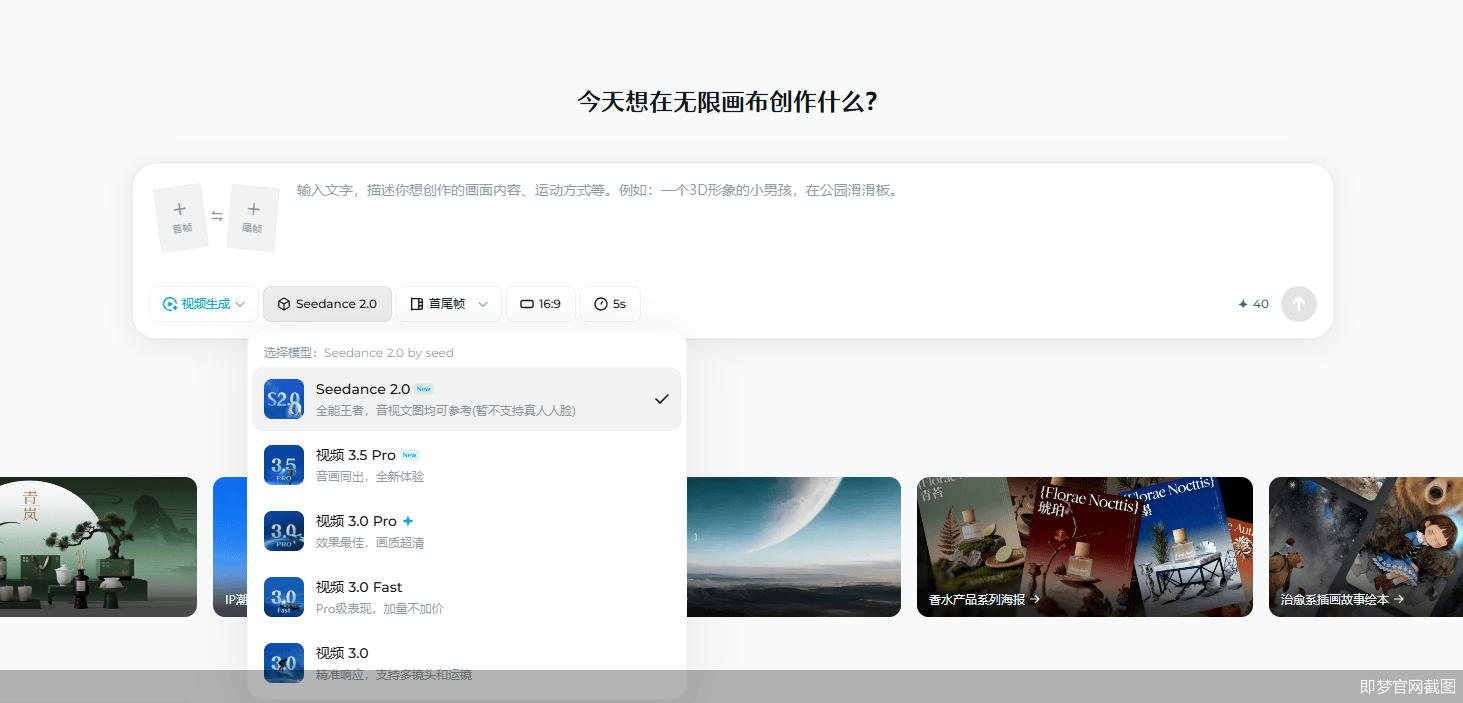
Core Insights - The launch of ByteDance's AI video generation model Seedance 2.0 has garnered significant attention in the tech and capital markets due to its advanced capabilities in video production, addressing long-standing issues of low usability and high costs in AI video generation [2][3][4] - The global AI-generated video market is projected to exceed $30 billion by 2026, with a compound annual growth rate of 40% [2] - Seedance 2.0's features, including automatic scene planning, character consistency across shots, and native audio-visual synchronization, represent a significant technological advancement in the industry [5][6] Industry Analysis - The average usability rate of AI video generation was previously around 20%, meaning creators often needed multiple attempts to obtain usable material, likened to a "gacha game" [4] - Seedance 2.0 has improved usability by allowing for the generation of multiple scenes at once, enhancing efficiency in video production [5][6] - The model's ability to maintain character consistency and dynamic stability across shots is a key competitive advantage, distinguishing it from other models [3][5] Competitive Landscape - The current leading AI video generation models in China include Seedance 2.0, Kuaishou's Keling 3.0, MiniMax's Hailuo 2.3, and Shengshu Technology's Vidu Q3, each with distinct technical paths and market strategies [9][10] - Seedance 2.0 is priced at 79 yuan per month, targeting both novice and professional creators, while Keling 3.0 has a wider pricing range aimed at professional users [10][11] - The introduction of Seedance 2.0 has intensified competition in the AI video generation sector, with a focus on enhancing product capabilities and marketing strategies [11][12] Future Outlook - The evolution of AI video generation models is expected to disrupt traditional content creation industries, particularly affecting video self-media, live-action short dramas, and the film industry [15][16][18] - The cost efficiency of AI-generated videos compared to traditional production methods is significant, with estimates suggesting that AI-generated content could cost as little as hundreds of yuan per minute compared to thousands for live-action productions [16] - The future competition in the AI video space will revolve around improving controllability of the generation process, transitioning from tools to intelligent agents, and developing a sustainable commercial ecosystem [21][22]

“导演级AI”出道:一场Seedance 2.0引发的产业冲击波
Sou Hu Cai Jing· 2026-02-10 13:59
Core Insights - The recent surge in stock prices for companies like Zhongwen Online and Yuedu is linked to the excitement surrounding ByteDance's AI video model Seedance 2.0, which has been described as a "director-level AI" capable of generating multi-shot, movie-quality videos from text inputs [3][5][8] Group 1: Seedance 2.0 Overview - Seedance 2.0 is a new AI video generation model launched by ByteDance, currently in limited testing since February 7, 2026, focusing on multi-modal references and efficient creation capabilities [5] - The model can replicate camera movements, action details, and musical ambiance, allowing users to modify unsatisfactory parts directly, marking a significant advancement in AI-generated content [5][6] - It supports the upload of up to 12 reference files (images, videos, audio) simultaneously, enabling the AI to learn and replicate visual composition, character traits, and action styles without complex prompts [5][6] Group 2: Market Reaction and Trends - Following the announcement of Seedance 2.0, the A-share media sector saw a notable increase, with the cultural media sector rising by 4.79% on February 9, 2026, leading all industry sectors [7][8] - Individual stocks such as Rongxin Culture and Zhongwen Online experienced significant gains, with Zhongwen Online's stock price reaching 42.34 yuan, a 20% increase from the previous day [3][9] Group 3: Competitive Landscape - The AI video generation space is becoming increasingly competitive, with other models like OpenAI's Sora and Runway's Gen-3 also making strides in the market [3][12] - Companies like Shengshu Technology and Kuaishou are actively developing their own models, with Kuaishou's Keling series and Shengshu's Vidu gaining recognition for their capabilities [12][13] - The rapid development of these models indicates a growing demand for AI-generated video content, with significant commercial potential as evidenced by Kuaishou's reported annual revenue run rate of $240 million [12] Group 4: Challenges and Considerations - Concerns regarding data compliance and copyright issues have emerged, particularly as Seedance 2.0 can generate realistic audio and visual content from minimal input, raising questions about the ethical use of such technology [10][11] - Experts emphasize the need for a balance between technological innovation and data compliance, highlighting the complexities of using personal and scene-specific data in AI training [11]
氪星晚报|OpenAI将ChatGPT集成至美国防部生成式AI平台;智利国家铜业公司今年投资预算达39亿美元
3 6 Ke· 2026-02-10 11:15
Group 1: French Wine and Spirits Exports - French wine and spirits exports are projected to decline by 8% to €14.3 billion in 2025, marking the third consecutive year of decline [1] - Since 2022, cumulative exports have decreased by 17%, causing the sector to drop from the second largest export category to the third, behind aerospace and cosmetics [1] Group 2: Kering Group Financial Performance - Kering Group reported a 3% year-on-year decline in fourth-quarter sales, reaching €3.9 billion (approximately $4.64 billion), which was better than the expected 5% drop [1] - The Gucci brand experienced a 10% decline in comparable sales for the fourth quarter, slightly better than the anticipated 12% decrease, marking the tenth consecutive quarter of sales decline for the brand [1] Group 3: Shenzhen Airport Passenger Traffic - Shenzhen Airport reported a 2.84% year-on-year increase in passenger throughput in January 2026, totaling 5.8795 million passengers [1] - Cargo and mail throughput increased by 1.98% year-on-year to 168,600 tons, while flight takeoffs and landings rose by 0.52% to 39,121 [1] Group 4: ING's Bad Debt Sale - ING is reportedly seeking to sell approximately €230 million (around $273 million) in bad debts from its Spanish subsidiary, with negotiations expected to conclude in April [2] Group 5: Taobao Flash Sale Growth - Taobao Flash Sale reported a 347% year-on-year increase in sales of New Year goods, with orders from third and fourth-tier cities growing over 580% [3] - The platform introduced a "Spring Festival Never Closes" service, with a 32.9% increase in the number of operating merchants compared to the previous year [3] Group 6: Semiconductor Industry Outlook - SMIC expects its first-quarter sales revenue to remain flat quarter-on-quarter, with a gross margin projected between 18% and 20% [4] - The company anticipates that its sales growth for 2026 will exceed the average of comparable peers, with capital expenditures expected to remain roughly the same as in 2025 [4] Group 7: Sony's Blu-ray Recorder Production Halt - Sony announced it will gradually cease shipments of Blu-ray recorders starting this month and will stop production of BD discs for recording purposes by February 2025 [6] Group 8: BP's Financial Strategy - BP reported a fourth-quarter adjusted net profit of $1.54 billion, a 32% increase year-on-year, and announced a structural cost reduction target of $5.5 billion to $6.5 billion by the end of 2027 [6] - The company has decided to suspend stock buybacks and will use all surplus cash to strengthen its balance sheet [6] Group 9: Alphabet's Bond Issuance - Alphabet has initiated its first issuance of Swiss franc bonds [7] - The company has also launched its first issuance of pound bonds, including a 100-year bond [11]
视频生成进入精准控制时代,创作平权带动B/C两端加速渗透
Orient Securities· 2026-02-08 14:19
Investment Rating - The industry investment rating is "Positive" and is maintained [4] Core Viewpoints - The multi-modal video generation sector is experiencing accelerated iteration of domestic models, significantly narrowing the technological gap with overseas counterparts. The most notable change is the introduction of intelligent storyboarding, which lowers the entry barrier for users. The unified multi-modal architecture supports more efficient and flexible expression of creative intent, leading to substantial progress in both B-end and C-end expansions in 2026. Model vendors are focusing on the AI penetration in the content sector while continuing to enhance their technologies [1][7] Summary by Sections Industry Overview - The video generation sector is entering a phase of precise control, with recent iterations of models such as Vidu Q3, Kuaishou 3.0, and Seedance 2.0 supporting multi-modal inputs, which enhances controllability and improves the success rate of generated content. The duration for single generation has increased to around 15 seconds, further lowering the creative threshold for both B-end and C-end users [7] Investment Recommendations and Targets - Emphasis should be placed on vertical multi-modal AI application opportunities, with expectations that technological breakthroughs and cost optimizations will accelerate industry trends, driving user growth, payment penetration, and commercialization. Companies with multi-modal AI applications expanding overseas are particularly noteworthy, as they may experience faster growth rates. Recommended targets include Kuaishou-W (01024, Buy) and Meitu Inc. (01357, Buy) [2]