
Zhong Guo Qing Nian Bao

Search documents
AI席卷而来,素质教育为何更重要
Zhong Guo Qing Nian Bao· 2026-02-26 23:18
Core Viewpoint - The rise of AI technology emphasizes the importance of quality education, which is essential for cultivating talents that cannot be replaced by machines [1][2]. Group 1: Importance of Quality Education - Quality education has been a focus in China since 1995, with the establishment of cultural quality education bases across numerous universities [1]. - The "Education Strong Nation Construction Plan (2024-2035)" highlights the need for comprehensive quality education, including moral, intellectual, physical, aesthetic, and labor education [1]. - Experts argue that quality education should enhance students' humanistic qualities and critical thinking, preparing them to navigate an AI-driven world [1][2]. Group 2: Challenges and Changes in Education - A survey indicated that 8% of students use AI-generated content as their own, raising concerns about the role of AI in learning [2]. - The demand for talents with digital literacy and value judgment skills is increasing, necessitating a shift in educational approaches [2]. - The integration of AI in education presents challenges, such as the need for collaboration between professional and quality education [4][5]. Group 3: Evolution of Quality Education - Quality education is evolving to address the challenges posed by AI, focusing on personalized learning and the development of innovative capabilities [4][7]. - Institutions are experimenting with interdisciplinary approaches, integrating arts and technology to foster creativity and innovation [7][8]. - The establishment of new curricula and programs aims to enhance students' cultural and artistic literacy, reflecting the changing educational landscape [8][9]. Group 4: Future Directions - Experts call for comprehensive reforms in talent cultivation models, curriculum systems, and teaching methods to align with the demands of the AI era [6]. - The ongoing evolution of quality education requires sustained commitment and innovative strategies to ensure its effectiveness [9].
代表委员履职故事|全国政协委员江浩然:盯住民企发展的关键问题持续发力
Zhong Guo Qing Nian Bao· 2026-02-26 09:00
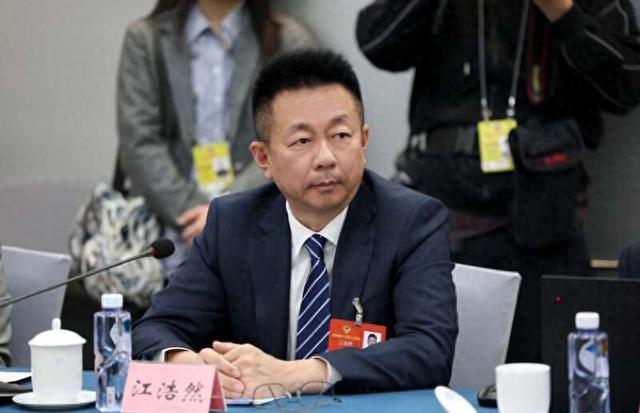
Core Viewpoint - Jiang Haoran, a member of the National Committee of the Chinese People's Political Consultative Conference and chairman of Hengyin Financial Technology Co., has successfully proposed numerous suggestions aimed at promoting the development of the private economy, many of which have been adopted by the government [1][3]. Group 1: Suggestions and Proposals - Jiang has submitted over 30 proposals focused on the development of the private economy, with some recognized as outstanding proposals by the National Committee [1]. - His suggestion to change the corporate R&D expense deduction policy from annual to quarterly or semi-annual prepayment was adopted within 18 days, benefiting 320,000 enterprises that year [3]. - In 2024, he proposed lowering social insurance rates to alleviate financial pressure on small and medium-sized enterprises, which received significant attention from multiple government departments [5]. Group 2: Engagement and Impact - Jiang actively engages in grassroots research and discussions, focusing on key issues in the economy, technology, and people's livelihoods, and often speaks at various national meetings [3][6]. - His proposals have led to direct communication with government agencies, including the National Development and Reform Commission and the Ministry of Industry and Information Technology, indicating a responsive government approach to his suggestions [1][6]. - Jiang has organized meetings with hundreds of private entrepreneurs to promote the integration of private enterprises into national strategies, emphasizing the importance of collaboration among government, finance, and industry [6]. Group 3: Focus on Innovation and Development - Jiang emphasizes the need to stimulate the internal motivation of private enterprises, encouraging them to be confident and proactive in their development [7]. - He has been involved in research on the development of new quality productivity, recognizing the unique advantages of private enterprises in innovation and market responsiveness [9]. - Jiang's proposals advocate for a balanced approach to economic growth, urging the government to support traditional industries' transformation while avoiding a simplistic dichotomy between new and traditional sectors [9][10].


超六成受访者期待具身智能等前沿技术更快走进日常生活
Zhong Guo Qing Nian Bao· 2026-02-26 02:15
Group 1 - The core viewpoint of the article emphasizes the public's anticipation for advanced technologies, such as embodied intelligence, to integrate more rapidly into daily life, with over 62.1% of respondents expressing this expectation [1][3] - The survey indicates that more than half (50.6%) of respondents believe that young people have better development prospects in the field of artificial intelligence [1][5] - The article highlights the significant role of technology in various sectors, including education, where AI tools are being utilized to enhance teaching efficiency and personalize learning experiences [3][4] Group 2 - Respondents foresee promising opportunities for young individuals in sectors such as artificial intelligence, new energy, and elderly care, with 50.6% favoring AI as the top choice for future careers [4][5] - The article notes that the "14th Five-Year Plan" emphasizes technological innovation, with 46 mentions of "technology" and 61 mentions of "innovation," positioning these as central to national strategy [4] - The survey reveals that 39.9% of respondents are interested in the new energy sector, while 36.7% are inclined towards elderly care services, indicating a diverse range of fields with growth potential [5]
两会前瞻:政协提案工作迎来哪些新变化
Zhong Guo Qing Nian Bao· 2026-02-26 01:33
两会前瞻:政协提案工作迎来哪些新变化 制度更健全 反馈全流程 导向更鲜明 在为出席2026年全国两会做准备之际,全国政协委员、广州市政协副主席王桂林向记者亮出了他前不久 收到的"提案办复证书"。 这张印着全国政协会徽、盖有全国政协提案委员会公章的证书载明,王桂林去年提出的多件提案已办 复,感谢他对提案工作的支持。 共计1800多个提案者——包括个人和集体,收到了这份书面的履职见证。王桂林告诉记者,提案办复证 书让他感到温暖,也感到自己的提案受到了尊重。 让所有提案者都感受到一种仪式感,增强履职的荣誉感和获得感,是全国政协此举的初衷。一件提案从 提交开始,直至办理完毕,每个环节都要向提案者反馈。据全国政协提案委员会办公室有关负责同志介 绍,全国政协去年修订提案工作条例,健全了提案工作机制,首次从制度上明确了提案工作"全流程反 馈机制"。 寄送提案办复证书,是流程的最后一步。2025年全国两会前,全国政协首次向上一年度提出提案的委员 个人寄送了提案办复证书。条例修改后,寄送范围进一步扩大至所有提案者,提出提案的各民主党派、 人民团体等也陆续收到了证书。 其依据是,2025年8月修订的提案工作条例,就"提案的办理" ...
广东:制造业与服务业协同发展白皮书发布
Zhong Guo Qing Nian Bao· 2026-02-26 01:27
Group 1 - The core theme of the Guangdong Provincial High-Quality Development Conference is the "coordinated development of manufacturing and services" to promote high-quality development and support the start of the 14th Five-Year Plan [1] - The "White Paper on Coordinated Development of Manufacturing and Services in Guangdong Province" was released, transforming top-level design into an actionable roadmap [1] - Guangdong's manufacturing sector accounts for approximately 1/8 of the national total, with industrial enterprise revenue consistently ranking first in the country [1] Group 2 - By 2025, Guangdong's GDP is projected to reach 14.58 trillion yuan, maintaining its position as the top province in China for 37 consecutive years [2] - The manufacturing value-added ratio is expected to reach one-third, while the service sector's value-added has been the highest in the country for 41 years, accounting for nearly 60% of GDP [2] - The coordinated development of manufacturing and services in Guangdong is transitioning from simple industrial support to deep integration and value co-creation, forming a new development pattern characterized by high-end leadership, model innovation, ecological prosperity, green empowerment, global layout, and organizational restructuring [2]
文化中国行 | 一座乡村老影院的文化“再生”
Zhong Guo Qing Nian Bao· 2026-02-25 22:38
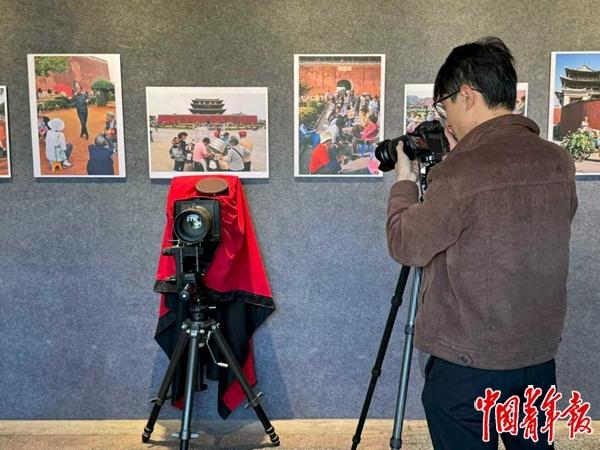
Core Viewpoint - The revival of the Ardi Cinema in Yunnan's Jianshui County through the "Famous Photographers' Lens: Impressions of Jianshui" photography exhibition highlights the importance of integrating local culture with art, enhancing community pride and attracting visitors [1][5][6]. Summary by Sections Exhibition and Audience Engagement - The photography exhibition opened on February 4, attracting numerous visitors to the previously forgotten Ardi Cinema, which has been restored to serve as a cultural venue [1][2]. - The exhibition features works from 41 renowned photographers, showcasing the stunning architecture and vibrant local life of Jianshui, a city recognized for its rich historical heritage [3][5]. Historical Context of the Cinema - The Ardi Cinema, built in the early 1980s, was once a hub for local entertainment before falling into disuse due to the rise of television [3][4]. - The cinema's restoration was initiated by photographer Wang Jianlin and his partners, aiming to revive its cultural significance [4][5]. Cultural Significance and Community Impact - The exhibition serves as a medium to share rural stories through art, enhancing the visibility and influence of the local community [5][6]. - The curator emphasizes the need for rural cultural development to create spaces that foster local pride and comfort, moving beyond traditional exhibition formats [5][6]. Future Aspirations - There is a vision to create a cultural experience chain in the village, linking the exhibition with local cafes and workshops, thereby fostering community interaction and attracting external artists [6]. - The aim is to transform the perception of rural areas from mere recipients of culture to active creators, showcasing the value of local life and heritage [6].
北京:走进“青创村”,看见青年发展的未来之城
Zhong Guo Qing Nian Bao· 2026-02-25 10:37
Core Insights - "Qingchuang Village" in Beijing Fengtai has transformed into a vibrant entrepreneurial community, housing over 24,000 enterprises and forming two trillion-level industrial clusters in rail transit and aerospace [1][4] - The area serves as a crucial starting point for the Beijing-Xiong'an talent and innovation corridor, aiming to build a future city for youth development [1][2] Group 1: Entrepreneurial Ecosystem - The "Qingchuang Village" provides essential support such as policies, funding, and space, enabling companies like Beijing Rongji Visual Technology Co., Ltd. to thrive and become national high-tech enterprises [1][2] - The "Fengxiong Talent Zero Boundary" project was initiated to promote integrated development in education, technology, and talent between Fengtai District and Xiong'an New Area [2][3] Group 2: Future Goals and Development Plans - By 2030, "Qingchuang Village" aims to attract 10,000 innovative talents, cultivate 1,000 quality enterprises, and generate 10 billion yuan in output [2][3] - The district is focused on creating a "one ecology, one belt, one area" functional loop to enhance talent cultivation, education collaboration, entrepreneurial incubation, and industrial implementation [3][4] Group 3: Industry Collaboration and Innovation - The "Qingchuang Belt" links various innovation resources and incubators along Beijing's Line 10, fostering a collaborative environment for youth entrepreneurship and innovation [3][4] - Fengtai District is leveraging its strengths in rail transit and aerospace industries to accelerate youth development and innovation [4][5] Group 4: Strategic Focus Areas - The district is concentrating on key sectors such as low-altitude technology, commercial aerospace, and artificial intelligence, aiming to create a dual collaborative zone for industry and technology [5][6] - Fengtai has established 455 technology companies with 759 subsidiaries in the Tianjin and Hebei regions, promoting cross-regional business development [6]
是“数字零工”还是“提前入场”
Zhong Guo Qing Nian Bao· 2026-02-25 02:32
Core Viewpoint - The rise of AI training platforms has created a micro digital labor market where university students engage in data labeling and quality assessment tasks, providing them with income and valuable experience in AI technology [1][3][7]. Group 1: Student Engagement in AI - Increasing numbers of university students are participating in AI training tasks during their spare time, earning compensation based on the number of tasks completed [1][3]. - Students like Li Ming and Zhang Yue express that these experiences not only provide financial benefits but also enhance their understanding of AI technology and its applications [2][3]. - The tasks available on AI platforms range from simple text classification to complex evaluations, with compensation varying from 0.1 yuan to 0.8 yuan per task, allowing students to earn between 1,000 to 2,500 yuan monthly [3][4]. Group 2: Skills Development and Career Insights - Students are increasingly aware of the importance of gaining experience in AI-related fields, with some intentionally selecting tasks in specialized areas like law, medicine, and finance to build domain knowledge [3][5]. - Participation in AI training has led some students to rethink their career paths, as they gain insights into the intersection of technology and humanities [2][5]. - The experience gained from these tasks is seen as a valuable addition to their resumes, enhancing their employability in the tech industry [3][4]. Group 3: Educational and Institutional Support - Educational institutions are beginning to integrate AI training tasks into their curricula, promoting systematic participation in AI practices among students [6][7]. - Experts emphasize the need for students to maintain a clear understanding of their goals when engaging in AI tasks, ensuring that they focus on skill development rather than merely completing tasks for pay [7][6]. - The evolving landscape of AI is prompting a rethinking of educational approaches, encouraging a shift towards interdisciplinary learning and practical problem-solving [6][7].
当“诸葛亮”开始直播带货:透视“AI魔改”如何收割流量
Zhong Guo Qing Nian Bao· 2026-02-25 01:38
Core Viewpoint - The rise of "AI magic modification" videos, which distort classic literary and historical figures, has raised concerns about their negative impact on youth, prompting the National Radio and Television Administration to initiate a month-long special governance campaign starting January 1, 2026, to address this issue [1][7]. Group 1: Concerns from Parents and Society - Parents express worries about the "AI magic modification" phenomenon, fearing it may mislead children regarding historical knowledge and cause emotional distress [2]. - Comments from viewers indicate a growing dissatisfaction with the lack of substance in these videos, describing them as "boring" and "unpleasant" after initial novelty wears off [2]. Group 2: Mechanisms of Content Creation and Distribution - The production and dissemination of "AI magic modification" videos have developed into a systematic operation, where creators utilize AI tools to generate content that contrasts sharply with original narratives, aiming to capture viewer attention [3][4]. - The core strategy for creators is to leverage trending topics and create content that features strong contrasts and novelty, which effectively attracts immediate online attention [3][5]. Group 3: Monetization Strategies - The ultimate goal driving the creation of "AI magic modification" content is monetization, with creators relying on view counts for platform subsidies and potential advertising deals as their follower base grows [4][5]. - A growing trend involves teaching others how to create such content, with established creators offering paid courses that cover the entire process from material acquisition to AI generation and editing [4]. Group 4: Regulatory Actions and Industry Response - The National Radio and Television Administration has initiated a special governance campaign to address the spread of "AI magic modification" videos, emphasizing the responsibility of online platforms to manage content safety and direction [6][7]. - As part of the governance efforts, platforms have reported significant actions taken, including the removal of 23,000 related videos and the handling of over 100 accounts for violations, with ongoing commitments to enhance content monitoring and user reporting mechanisms [7].
这些在校大学生成为AI训练师,是“数字零工”还是“提前入场”
Zhong Guo Qing Nian Bao· 2026-02-25 00:34
Core Viewpoint - The article discusses the increasing trend of university students participating in AI training tasks as a form of "micro digital labor," highlighting the dual role of these tasks as both a source of income and a means to gain practical experience in AI technology [1][2][3]. Group 1: AI Training Platforms and Student Participation - University students are increasingly engaging in AI training tasks through platforms provided by tech companies, performing data classification, annotation, and quality assessment for pay, which ranges from 0.1 to 0.8 yuan per task [1][3]. - Students can earn between 1,000 to 2,500 yuan monthly by completing these tasks, with many valuing the experience of participating in AI model training over immediate financial gain [3][4]. - The demand for data annotation and quality evaluation roles is growing as AI is recognized as a strategic emerging industry in China [1][2]. Group 2: Impact on Career Development - Participation in AI training tasks is reshaping students' career aspirations, with some shifting their focus from traditional roles to areas that intersect technology and humanities [2][3]. - Students are consciously selecting tasks in specific fields like law, healthcare, and finance to accumulate domain knowledge, which enhances their employability [3][4]. - The experience gained from these tasks is seen as a valuable addition to resumes, providing insights into AI's operational logic and contributing to their understanding of content generation in the digital age [2][3]. Group 3: Educational Implications and Future Directions - Educational institutions are beginning to integrate AI training tasks into their curricula, promoting a more systematic approach to student involvement in AI technology [6][7]. - Experts emphasize the importance of maintaining a human-centered approach in AI education, ensuring that students do not merely engage in labor but also develop critical thinking and comprehensive skills [6][7]. - The evolving landscape of AI is prompting a rethinking of educational strategies, advocating for interdisciplinary learning and practical problem-solving to prepare students for future challenges in the AI-driven job market [6][7].