Zhong Guo Qing Nian Bao

Search documents
西藏山南市藏医医院同济堂(中医科)揭牌
Zhong Guo Qing Nian Bao· 2025-10-25 07:54
Core Points - The establishment of the Tongji Hall at the Tibet Shannan City Tibetan Medicine Hospital aims to create a new regional medical service system characterized by Tibetan medicine and collaborative support from traditional Chinese medicine [2][3] - The initiative is a practical measure to promote ethnic unity and cooperation between Hunan and Tibet, providing a platform for mutual learning and development between traditional Chinese and Tibetan medicine [3] Group 1 - The Tongji Hall will feature three expert consultation rooms, two specialized treatment rooms for traditional Chinese and Tibetan medicine, and will offer services that comply with medical insurance policies [5] - During its trial operation, the predecessor of Tongji Hall, the Jiang Zhichao Studio, served over 6,000 patients, demonstrating the growing demand for integrated treatment approaches combining traditional Chinese and Tibetan medicine [5] - The project is expected to enhance collaboration in research, formulation development, and telemedicine between Hunan and Tibet, contributing to the health and well-being of the local population [5]


为年轻人打造“走心”的旅游精品|文化中国行
Zhong Guo Qing Nian Bao· 2025-10-25 07:46
Core Insights - The tourism industry is shifting from "eye-catching" experiences to "soulful" and meaningful engagements, reflecting a growing demand for emotional and spiritual fulfillment among young travelers [2][3] Group 1: Emerging Trends in Tourism - Young travelers are increasingly seeking deep personal connections and emotional resonance during their journeys, moving away from superficial sightseeing [2][3] - The concept of "slow travel" is gaining popularity, emphasizing a more relaxed pace that allows for genuine appreciation of cultural and historical contexts [3][4] Group 2: Successful Case Studies - The Kunming Railway Bureau and Jianshui County government have successfully implemented a "state-owned railway + local operation" model for the Jianshui Ancient Town small train project, creating a 12.82 km cultural corridor that enhances the tourist experience [3] - The immersive performance "Jiao Jiao Da Qin" in Xi'an has attracted a significant young audience, with 75% of attendees aged 20-40, showcasing the effectiveness of emotional storytelling and innovative staging [6] Group 3: Visitor Engagement and Experience - The Jianshui small train project is projected to receive 190,000 visitors in 2024, indicating a steady growth trend despite nearing capacity [4] - The "Jiao Jiao Da Qin" performance has achieved a 96% occupancy rate over 500 shows, highlighting its appeal and the successful integration of technology and narrative [6] Group 4: Emotional and Value-Based Marketing - The Red Mountain Forest Zoo in Nanjing has successfully connected with younger audiences by emphasizing animal welfare and environmental sustainability, resonating with their values [8][9] - The zoo's approach to marketing focuses on value-based strategies rather than just emotional marketing, fostering a deeper connection with visitors [9] Group 5: Consumer Behavior Insights - The Z generation is characterized by a desire for autonomy and meaningful experiences, leading to a shift in how "premium" products are defined and marketed [9][10] - The importance of community and emotional connections in consumer behavior is emphasized, suggesting that ongoing engagement is crucial for sustained growth in the tourism sector [9]

做好“四则运算” 解锁“黔”进青年与 企业双向奔赴的成长密码
Zhong Guo Qing Nian Bao· 2025-10-25 03:14
Core Viewpoint - The company emphasizes the importance of youth engagement and development, aligning with the directives of the Communist Party to strengthen connections with young people and enhance their role in the company's growth [1][10]. Group 1: Youth Leadership and Learning - The company has implemented a "Youth Learning +" matrix to promote the study of important speeches and directives from the General Secretary, conducting over 60 theoretical learning sessions and 16 lectures by youth leaders [2]. - Various activities, including visits to red education bases and themed speech competitions, have been organized to instill ideals and beliefs among the youth [2]. - The company has recognized and celebrated 21 exemplary youth individuals and groups, enhancing role models for the younger workforce [2]. Group 2: Supporting Youth Growth - A direct contact mechanism has been established for youth leaders to engage with young employees, facilitating their professional development and participation in key tasks [4]. - The company has conducted nine surveys to understand the needs of youth regarding career development and skills enhancement, ensuring targeted support [5]. - Initiatives like the "青马工程" and various training programs have been implemented to address the practical needs of young employees [5]. Group 3: Youth Contribution to Company Goals - The company has mobilized youth to participate in critical tasks such as safety production and energy supply, with over 130 young employees involved in safety inspections [7]. - A "Youth Innovation Action Plan" has been developed, leading to multiple awards for innovative contributions and the establishment of intelligent safety monitoring platforms [7]. - Volunteer activities have been organized to promote social responsibility, with 34 initiatives conducted to support community engagement [7]. Group 4: Youth Conduct and Discipline - The company has reinforced political standards in youth work, ensuring adherence to discipline and ethical conduct through educational initiatives [9]. - A self-inspection mechanism has been established to align with central regulations, promoting a culture of integrity among youth [9]. - The company has focused on practical training and experience sharing to cultivate a capable and responsible youth workforce [9]. Group 5: Future Directions - The company plans to continue enhancing the "four operations" approach to foster collaboration between youth and the enterprise, focusing on theoretical learning, key task engagement, and addressing youth development needs [10]. - Emphasis will be placed on building a strong organizational culture and improving youth capabilities to ensure sustainable growth and contribution to the company's high-quality development [10].


百度王海峰:通用大模型与场景大模型相辅相成 并非割裂
Zhong Guo Qing Nian Bao· 2025-10-25 01:37
Core Insights - The 22nd China Computer Conference (CNCC 2025) is being held in Harbin, focusing on the theme "Digital Intelligence Empowerment, Infinite Possibilities" and gathering top scholars, industry leaders, and representatives from international organizations in the computer field [1] Group 1: Development of AI Models - Baidu's Chief Technology Officer, Wang Haifeng, discussed the development paths of general models and scenario models, stating that they are complementary rather than separate [1][3] - General models serve as a foundation, with their robust data, computing power, and algorithm capabilities continuously raising the technological ceiling [3] - As general models become more powerful, their ability to solve scenario-specific problems will also improve, while scenario models focus on understanding industry and application contexts to meet constraints like time, resources, and environment [1][3] Group 2: Computing Power and Talent Development - Wang emphasized that computing power is fundamental, noting the rapid development of domestic computing power, with Baidu's Kunlun chip forming a self-developed cluster of 30,000 cards [3] - The growth of other domestic chip manufacturers is also highlighted, indicating a thriving ecosystem [3] - Regarding talent development in the AI era, Wang pointed out that talent is a key support for the development of large models, with young individuals quickly mastering core technologies [3] - He observed that talented individuals prioritize not only salary but also research platforms, computing support, and growth opportunities when choosing employers, suggesting that companies must provide comprehensive support to attract AI talent [3]

在关键时期争取更大主动
Zhong Guo Qing Nian Bao· 2025-10-24 23:19
Group 1: Economic Development Strategy - The core outcome of the 20th Central Committee's Fourth Plenary Session is the approval of the "Suggestions on Formulating the 15th Five-Year Plan for National Economic and Social Development" [1] - The "15th Five-Year" period is crucial for achieving socialist modernization, with a focus on solidifying foundations and breaking through bottlenecks [1][2] - The emphasis is on relying on the real economy for future growth, with a significant contribution from the "three new" economies, which accounted for over 18% of GDP in 2024 [2] Group 2: Industrial and Agricultural Modernization - The plan outlines 12 strategic tasks, with the first being the construction of a modern industrial system to strengthen the real economy [2][3] - Traditional industries, which account for about 80% of manufacturing value, will undergo quality upgrades, with an estimated market space increase of around 10 trillion yuan over the next five years [3] - Agricultural modernization is prioritized, with specific measures to enhance agricultural productivity and ensure rural revitalization [4][5] Group 3: Technological Innovation - Technological innovation is highlighted as a key driver for economic and social development, with R&D investment expected to exceed 3.6 trillion yuan in 2024, a 48% increase from 2020 [7][8] - The focus will be on integrating technology with industry to enhance productivity and foster new economic growth points, particularly in artificial intelligence and high-tech sectors [8] Group 4: Open Economy and Global Integration - The strategy aims to shift from a "follower" to a "leader" in global trade, with initiatives to expand autonomous openness and enhance trade innovation [10][11] - China aims to leverage its large market potential, with over 800 million people expected to join the middle-income group in the next decade, to boost consumption and attract foreign investment [11]
跑好属于我们这代人的接力棒
Zhong Guo Qing Nian Bao· 2025-10-24 22:55
Core Points - The Fourth Plenary Session of the 20th Central Committee concluded successfully, summarizing the extraordinary development journey during the 14th Five-Year Plan and providing strategic guidance for the 15th Five-Year Plan, which is significant for advancing national rejuvenation through Chinese-style modernization [1] - The session approved the "Suggestions on Formulating the 15th Five-Year Plan for National Economic and Social Development," which outlines a clear blueprint for the next five years, aiming to promote high-quality development [1] - The session emphasized that achieving socialist modernization is a progressive historical process requiring continuous effort and struggle, with a particular focus on the role of youth as both witnesses and participants in this historical journey [1] Youth Development - The session's proposals are closely related to the youth demographic, creating a favorable environment and broad platform for their growth and success [2] - The strategic tasks and major initiatives for the 15th Five-Year Plan provide clear directions and practical paths for youth, encouraging them to develop skills and contribute actively to society [2] - The importance of adhering to the Party's leadership is highlighted as essential for the success of Chinese-style modernization, with a call for youth to embrace ideals, take responsibility, and work hard [2] Long-term Planning - The implementation of medium- and long-term planning is a crucial method for governance and economic development, with a focus on promoting comprehensive youth development [3] - The current year marks the conclusion of the first national-level youth development plan, emphasizing the need for a new round of planning that aligns with contemporary youth characteristics and the new era [3] - Youth are encouraged to actively participate in various fields such as technological innovation, rural revitalization, and social services, embodying a spirit of confidence and resilience [3]
2026年国考招录年龄放宽 报名人数创新高
Zhong Guo Qing Nian Bao· 2025-10-24 13:29
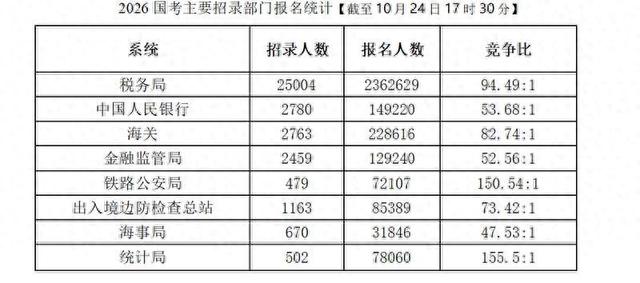
Core Points - The 2026 National Civil Service Examination (国考) has a total recruitment of 38,119 positions, with a record number of 3,515,251 applicants, an increase of nearly 260,000 compared to the previous year, marking a historical high [1][5] - The average competition ratio stands at 92:1, with 3,207,060 applicants passing the recruitment unit's review [1][6] - The age limit for applicants has been relaxed, allowing candidates aged 18 to 38, and for 2026 graduates with master's and doctoral degrees, the limit is extended to 43 [2][3] Recruitment Data - The recruitment numbers and competition ratios for various agencies are as follows: - Tax Bureau: 25,004 positions, 2,362,629 applicants, competition ratio of 94.49:1 - People's Bank of China: 2,780 positions, 149,220 applicants, competition ratio of 53.68:1 - Customs: 2,763 positions, 228,616 applicants, competition ratio of 82.74:1 - Financial Regulatory Bureau: 2,459 positions, 129,240 applicants, competition ratio of 52.56:1 - Railway Public Security Bureau: 479 positions, 72,107 applicants, competition ratio of 150.54:1 [2] Policy Implications - The relaxation of age limits is seen as a response to the delayed retirement policy, suggesting a need for adjustments in recruitment criteria [3][4] - The adjustment reflects a broader trend in various regions, with several local governments already implementing similar age relaxations for public service examinations [4][5] - Experts suggest that this move could create a "demonstration effect" in the job market, encouraging a more inclusive approach to age in recruitment [5] Trends and Observations - The recruitment plan from 2019 to 2025 shows a steady increase in the number of positions, although the growth rate has slowed down, with a slight decrease of about 1,600 positions for 2026 compared to the previous year [5] - The tax system is expected to account for approximately 65.6% of the total recruitment, driven by a wave of retirements and the need for skilled professionals in finance, accounting, and technology [6] - The "public service examination craze" reflects a strategic career adjustment by graduates in response to economic changes, highlighting the stability and social recognition associated with civil service roles [7]
加码招揽AI人才,吉利2026校招夯实“转型地基”
Zhong Guo Qing Nian Bao· 2025-10-24 06:41
Core Insights - The automotive industry is experiencing a significant shift towards intelligence and automation, prompting companies like Geely to intensify their recruitment efforts for AI talent [2][3] - Geely is constructing an integrated intelligent technology ecosystem, emphasizing the need for skilled professionals in AI, software algorithms, and new energy technologies [2][4] Recruitment Strategy - Geely's recruitment team, including high-ranking executives, is actively engaging with top universities to attract talent, highlighting the company's commitment to hiring in cutting-edge fields [3] - The global campus recruitment plan for Geely aims to recruit over 2,000 individuals across nine categories, with nearly 40% of positions related to digital intelligence [3] Talent Development Initiatives - Geely has launched the "G-TOP Special Program" targeting top global PhD and postdoctoral candidates, offering competitive salaries, mentorship from industry experts, and access to high-end research resources [3] - The emphasis on talent acquisition is seen as a foundational investment for Geely's transition into a global technology enterprise [4]

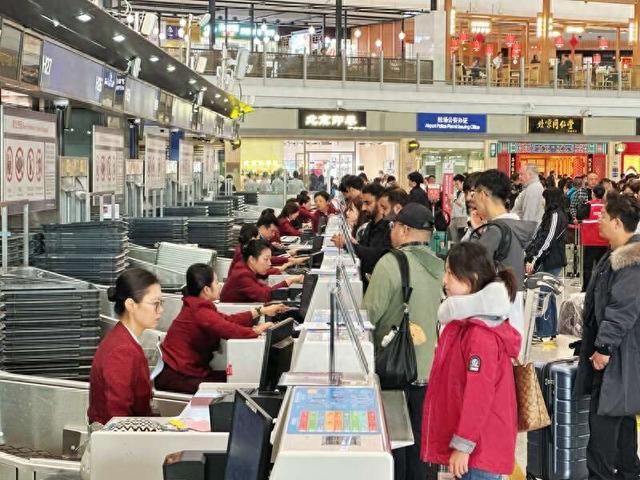
10月26日起,首都机场正式执行冬航季航班计划
Zhong Guo Qing Nian Bao· 2025-10-24 06:37
Group 1 - The new winter flight schedule at Beijing Capital International Airport will be in effect from October 26, 2023, to March 28, 2026, lasting a total of 154 days [2] - The airport plans to operate an average of 1,243 flights daily, with domestic flights (including Hong Kong, Macau, and Taiwan) averaging 1,023 flights and international flights expected to reach an average of 166 flights per day [2] - A total of 212 destinations will be served, with 207 being passenger destinations [2] Group 2 - Adjustments have been made to the terminal assignments for certain domestic flights operated by Air China, with 12 destinations moving from Terminal 2 to Terminal 3 and 9 destinations moving from Terminal 3 to Terminal 2 [2] - The airport will continuously optimize flight schedules based on market demand and operational capacity, and will assess peak period support capabilities in advance [3] - Collaborative efforts will be made to ensure safe and smooth flight operations and passenger services during adverse winter weather conditions [3]

2025当代小剧场戏曲邀请展演季启幕
Zhong Guo Qing Nian Bao· 2025-10-24 06:35
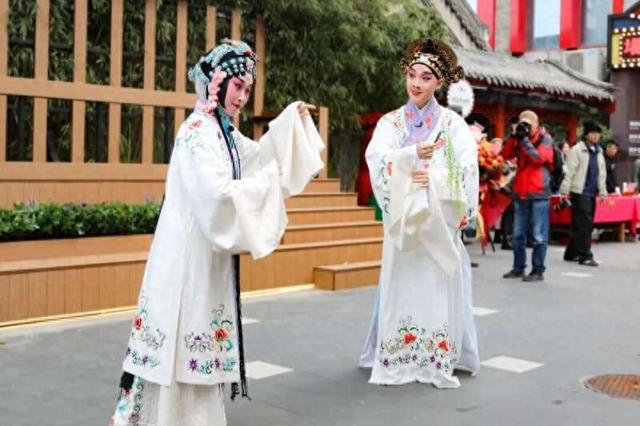
Core Points - The 2025 Contemporary Small Theater Opera Season has opened in Beijing, featuring 21 performances and over 60 shows from October 22 to December 31, showcasing various traditional Chinese opera forms [1][3] - The event has been successfully held for twelve sessions, with over 160 performances and 30 different opera genres, attracting 250,000 audience members and hosting more than 30 high-level academic seminars [3] - The theme of this year's season is "Harmony," promoting diversity in expression and the integration of different art forms, aiming to explore contemporary expressions of traditional Chinese opera [3] Summary by Categories Event Overview - The 2025 Contemporary Small Theater Opera Season will present 21 works and over 60 performances, including Hebei Bangzi, Peking Opera, Pingju, Liyuan Opera, Kunqu, Lüju, Qinqiang, Gaojia Opera, Peking Puppet, Yueju, Pugong Opera, and more [1] - The event will feature innovative forms such as experimental opera and children's Peking Opera [1] Historical Context - The event has been held for twelve years, with a cumulative total of over 160 performances and participation from more than 30 opera genres [3] - The audience engagement has reached 250,000, indicating a strong interest in small theater opera [3] Artistic Direction - The artistic executive director emphasized the collaboration of 18 top national troupes and creators to present high-quality performances [3] - The theme "Harmony" reflects the encouragement of diverse expressions and the integration of different artistic elements [3]