Zhong Guo Qing Nian Bao

Search documents
2025年北京市中关村街道体育嘉年华闭幕
Zhong Guo Qing Nian Bao· 2025-10-19 07:35
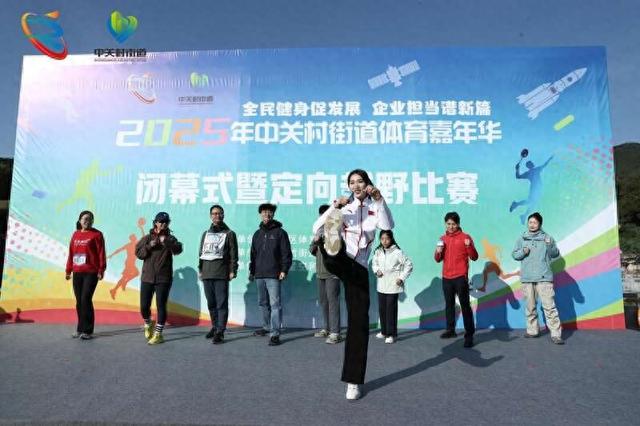
Core Points - The 2025 Beijing Zhongguancun Street Sports Carnival concluded with a successful orienteering competition, marking the end of a five-month community sports event [1][3] - The event attracted 100 teams and 500 orienteering enthusiasts, highlighting the popularity of the sport within the community [1][3] Group 1 - The sports carnival included five competitions: football, table tennis, badminton, basketball, and orienteering, engaging thousands of sports enthusiasts [3] - The event was guided by the Haidian District Sports Bureau and organized by Zhongguancun Street, with Huaao Xingkong as the contractor [3] - The participation of Olympic champions in the closing ceremony added vibrancy to the event and encouraged interaction with the athletes [3]


赋能青年发展的“中国路径”
Zhong Guo Qing Nian Bao· 2025-10-18 23:08
Core Insights - The article emphasizes the importance of youth development as a national strategy in China, highlighting the unique approach of integrating youth needs into economic and social development plans [1][2][3] - The "14th Five-Year Plan" aims to promote comprehensive youth development and create platforms for innovation and entrepreneurship [1][2] - The establishment of youth development pilot cities reflects a commitment to addressing youth concerns in various areas such as employment, housing, and cultural life [2][3] Group 1 - The Chinese government has elevated youth development to a strategic level, creating a multi-tiered planning system that incorporates youth needs into broader development goals [1][2] - The "Medium and Long-term Youth Development Plan (2016-2025)" marks the first national-level initiative focused on youth, emphasizing that the development of youth is crucial for national progress [1][3] - The implementation of youth development initiatives at local levels, including 9 provincial and 112 municipal plans, showcases a comprehensive approach to youth engagement [1][2] Group 2 - Youth are viewed as a vital force for social development and national rejuvenation, with their creativity and efforts contributing significantly to modernization [3][4] - The article highlights the active role of youth in various sectors, including technology, agriculture, and disaster response, showcasing their commitment and capabilities [3][4] - The leadership of the Communist Party emphasizes the need for a supportive environment for youth development, aiming to cultivate a generation that is idealistic, responsible, and hardworking [4]
联合国人口基金携手阿里健康呼吁社会关注女性全生命周期健康
Zhong Guo Qing Nian Bao· 2025-10-18 16:17
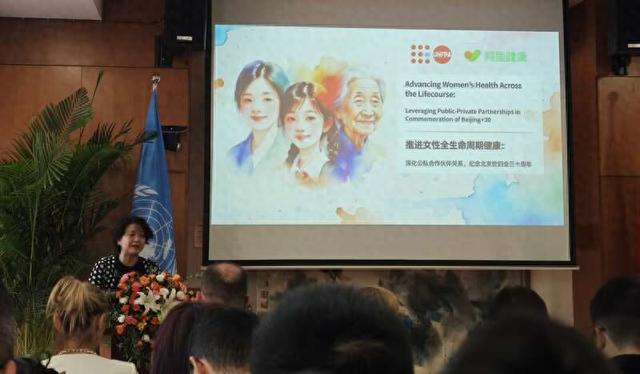
Group 1 - The United Nations Population Fund and Alibaba Health launched the "Guard Her Health, Please Be Assured at This Moment" initiative to promote women's health, coinciding with the 30th anniversary of the Fourth World Conference on Women held in Beijing [1][3] - The initiative emphasizes the importance of women's health for their full participation in social life, which in turn strengthens families, drives the economy, and shapes a more equal and prosperous future [1][3] - The National Health Commission of China highlighted significant achievements in women's health, including the inclusion of maternal transmission prevention of diseases like AIDS, syphilis, and hepatitis B in major public health service projects [3] Group 2 - From 2009 to 2024, China conducted free cervical cancer screenings for 342 million people and breast cancer screenings for 245 million people, with a central government investment of 3.01 billion yuan to assist women with health issues [3] - By June 2025, 18 provinces will provide free HPV vaccinations to approximately 5 million eligible girls annually, as part of government initiatives [3] - There is a growing awareness among mothers regarding their health, with an increase in online searches for health products related to postpartum recovery [3][4] Group 3 - The initiative calls for a focus on women's health throughout their life cycle and encourages public-private partnerships to combine the public sector's commitment to equity with the private sector's innovation and adaptability [4]

李宁品牌成为国际武术联合会全球合作伙伴
Zhong Guo Qing Nian Bao· 2025-10-18 06:13
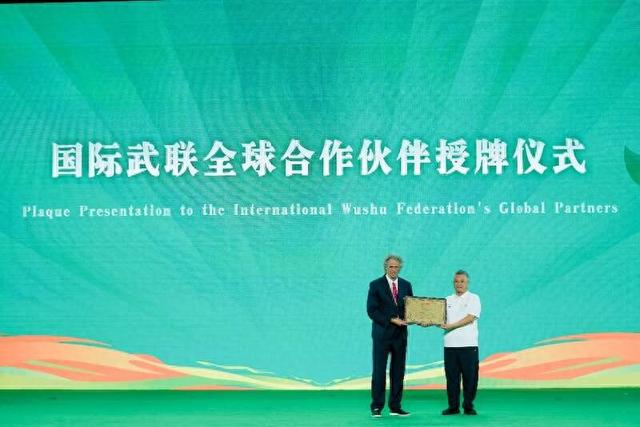
Core Viewpoint - The 10th World Traditional Wushu Championship has commenced in Emei Mountain, Sichuan, with Li Ning brand announced as the global partner of the International Wushu Federation for the period of 2025-2032 [2] Group 1: Event Overview - The championship is recognized as the largest, highest-standard, and most influential traditional martial arts event globally, attracting nearly 5,000 traditional martial arts practitioners from all five continents [2] - The event serves as a platform for martial artists to showcase their skills and promote martial ethics, while also facilitating the international dissemination and exchange of martial arts culture [2] Group 2: Company Involvement - As the global partner of the International Wushu Federation, Li Ning will provide comprehensive professional sports equipment support, including sports shoes, clothing, and accessories for officials and events [2] - The partnership aims to meet the diverse needs of various scenarios such as competitions and meetings [2]

“置顶”百姓关切 落实“投资于人”
Zhong Guo Qing Nian Bao· 2025-10-17 22:38
Core Perspective - The "14th Five-Year Plan" emphasizes the importance of people's livelihoods, with a clear focus on improving the well-being of citizens through various initiatives and projects [1][2]. Group 1: Financial Commitment to Livelihood - Over the "14th Five-Year" period, fiscal investment in the livelihood sector accounted for over 70% of the national general public budget expenditure, totaling nearly 10 trillion yuan [2]. - Specific allocations include 2.05 trillion yuan for education, 1.96 trillion yuan for social security and employment, 1.06 trillion yuan for health care, and 400 billion yuan for housing security [2]. Group 2: Social Policies and Support Systems - The plan includes the establishment of a layered and categorized social assistance system to enhance support for vulnerable groups, ensuring timely help for those in need [4]. - Policies aim to improve the low-income guarantee system and transition to a comprehensive assistance model that combines material support with services [4]. Group 3: Achievements in Livelihood Improvement - Significant progress has been made in areas such as cross-province medical settlement, education, and housing, with approximately 7.8 million affordable housing units under construction from 2021 to 2024 [3]. - Employment strategies have effectively targeted key groups like college graduates and migrant workers, helping them secure jobs [3]. Group 4: Addressing Urban-Rural Disparities - Initiatives have been implemented to bridge the urban-rural development gap, providing rural children with nutritional support and ensuring access to quality education [5]. - The tangible improvements in rural areas reflect a commitment to shared development and enhancing the quality of life for all citizens [5]. Group 5: Ongoing Challenges and Future Directions - Despite progress, there remain unresolved issues in the livelihood sector that require continuous attention and innovative solutions [6]. - The focus for the upcoming "15th Five-Year Plan" will be on maintaining a people-centered approach, ensuring that the needs and aspirations of the populace are prioritized [6].
争当中国品牌高端化新标杆,比亚迪汉长续航版上市
Zhong Guo Qing Nian Bao· 2025-10-17 13:52
Core Insights - The acceptance of pure electric vehicles is increasing due to improvements in range, fast charging infrastructure, and overall user experience [2][3] - Chinese brands are leveraging electrification and intelligence to accelerate their presence in the high-end market, reshaping the luxury car landscape [2] Company Highlights - BYD has launched the long-range version of its Han model, featuring a pure electric range of 245 kilometers and a fuel consumption of only 3.44L/100km when out of charge [2] - The Han EV long-range version has an impressive energy consumption rate of 10.6 kWh per 100 kilometers [2] - The Han family has achieved cumulative sales of over one million units, showcasing BYD's commitment to user-centric design and market responsiveness [2][3] Technological Advancements - The Han long-range version is equipped with the fifth-generation DM technology and a 7-in-1 power domain control system, addressing user concerns about range and energy consumption [2] - The vehicle features advanced driver assistance systems, including the "Tian Shen Zhi Yan" system, which supports over 300 parking scenarios [2] Market Trends - The new energy vehicle market in China is experiencing robust growth, driven by rapid advancements in battery, electronic control, and intelligent technologies [3] - Consumer anxiety regarding driving range has significantly decreased, attributed to increased investments and breakthroughs in technology by domestic manufacturers [3]


王筱雯:“新中国第一馆”的昨天、今天与明天 | 文化中国行
Zhong Guo Qing Nian Bao· 2025-10-17 12:30
Core Insights - The article highlights the impressive cultural and historical significance of the Liaoning Provincial Museum (Liaobo), emphasizing its ability to rival major national museums in China [1][3] - The museum has recently hosted significant exhibitions, including the "Strengthening the Awareness of the Chinese National Community" theme exhibition, showcasing over 600 artifacts [3][11] Group 1: Historical Significance - Liaobo is recognized as the first museum established in New China, opening on July 7, 1949, and has played a crucial role in the development of museum practices in China [4][6] - The museum's establishment was part of a broader effort to preserve and protect cultural heritage during the tumultuous period of the Chinese Civil War [4][6] Group 2: Unique Cultural Aspects - Liaoning's cultural heritage is characterized by its unique historical interactions, serving as a crossroads for various civilizations, including agricultural, nomadic, and fishing cultures [7][15] - The museum houses approximately 120,000 artifacts, with significant collections of ancient art, including notable works from the Song and Yuan dynasties [7][10] Group 3: Modern Utilization and Engagement - The museum is actively enhancing the utilization of its collections through innovative approaches, including collaborations with local cultural institutions and the integration of technology [10][9] - Liaobo aims to foster a sense of historical identity and community awareness among younger audiences through educational programs and interactive exhibits [18][11]
安徽铜陵:废弃矿坑“蝶变”文旅“金山”
Zhong Guo Qing Nian Bao· 2025-10-17 10:55
Core Insights - The article highlights the transformation of Yongquan Town in Tongling, Anhui Province, from a mining village to a thriving tourist destination, showcasing the balance between ecological restoration and economic development [1][3][5]. Group 1: Tourism Development - During the recent National Day and Mid-Autumn Festival holiday, Yongquan Town received 202,000 visitors, generating ticket revenue of 9.9 million yuan, with an expected annual visitor count of 2 million and revenue surpassing 200 million yuan [1]. - The town has become a popular "internet celebrity" destination, featuring a cultural street with over 150 local delicacies and interactive activities that enhance visitor engagement [7]. Group 2: Ecological Restoration - The initial challenge of transforming the area involved ecological restoration, with a commitment to prioritize ecology over cost, leading to the planting of over 20,000 trees and the creation of scenic spots from former mining sites [5][6]. - The largest abandoned mine pit was transformed into "Mandarin Duck Lake," and the area was developed into a scenic spot that integrates local history and culture [5]. Group 3: Community Impact - The development has positively impacted the local community, with the establishment of over 20 pollution-free farming bases, generating more than 20 million yuan in annual agricultural orders, directly benefiting local farmers [7]. - The initiative has created job opportunities for over 600 villagers and has positively influenced more than 2,000 households, with an average annual income increase of over 50,000 yuan per household [7].

美国苹果公司向清华大学提供新捐赠,助力中国环境教育发展
Zhong Guo Qing Nian Bao· 2025-10-17 08:33
Core Points - Apple Inc. has launched a new donation program to Tsinghua University aimed at enhancing environmental education and cultivating future climate action leaders [1] - The donation will support a comprehensive project that equips students with the knowledge and skills necessary for sustainable innovation in their future careers [1] - Apple CEO Tim Cook expressed excitement about empowering the next generation to use innovation and collaboration to improve the world [1] Group 1 - Apple has a long-standing partnership with Tsinghua University, focusing on nurturing talent with environmental awareness and knowledge over the past decade [2] - The recently initiated "Carbon Neutrality Capability Enhancement Project" provides interdisciplinary courses and practical research opportunities for students from over 40 departments [2] - Students have proposed several practical solutions and innovations that have been adopted by partner companies [2] Group 2 - Apple has supported Tsinghua's "China Green Innovation Summer Academy," training over 20,000 students in environmental management and low-carbon development [2] - Research topics covered by students include manufacturing energy efficiency technologies, rural carbon reduction strategies, and recycled aluminum carbon footprint tracking [2] - Apple achieved carbon neutrality in its global operations in 2020 and is working towards its goal of carbon neutrality across its entire supply chain and product lifecycle by 2030 [2] Group 3 - As part of its 2030 goal, Apple collaborates with local partners in China to enhance water resource management and increase the use of recycled materials and renewable energy [2] - The new Chief Operating Officer of Apple, Sabih Khan, recently visited China and toured renewable energy-focused supplier factories [2]

云南漾濞:40年守护“绿水青山” 铸就“金山银山”
Zhong Guo Qing Nian Bao· 2025-10-17 05:20
Core Insights - The transformation of Yangbi County from a poverty-stricken area to a "internet-famous village" is highlighted, showcasing the impact of technology and rural revitalization practices [1] - The county's GDP has significantly increased from 0.27 billion yuan in 1985 to 49.26 billion yuan in 2024, with per capita GDP rising from 316 yuan to 51,122 yuan [1][3] Economic Development - Yangbi County was established in 1985 as a poverty-stricken area with weak infrastructure and a single industrial structure [3] - The county has adopted an "ecological county" approach, focusing on ecological protection while developing its economy [3] - The walnut industry has become a crucial foundation for rural revitalization, with 94.5% of households engaged in walnut cultivation, covering an area of 1.07 million acres [4] Industry Growth - The walnut industry is projected to produce 132,900 tons annually by 2024, generating a comprehensive output value of 3.5 billion yuan [4] - The county has developed a modern industrial system integrating walnuts with cultural tourism, achieving a tourism revenue of 2.061 billion yuan from 1.7633 million visitors [4] - Yangbi has diversified its industrial development beyond traditional resource exploitation, expanding into highland specialty industries such as high-spicy peppers and medicinal herbs [4]