Zhong Yang Ji Wei Guo Jia Jian Wei Wang Zhan

Search documents
学有所悟丨困难是一道分水岭
Zhong Yang Ji Wei Guo Jia Jian Wei Wang Zhan· 2025-11-27 00:24
督促我们提升本领。平心而论,工作中之所以会遇到这样或是那样的困难阻碍,很多时候源于我们自身 短板和弱项,本质上是一种本领恐慌。于我们个人而言,在解决问题的过程中,不仅能够提高发现问 题、分析问题的能力,而且能够发现自身的短板和弱项,改进自我和克服困难往往是同步实现的。正如 《孟子》中所讲的"苦其心志,劳其筋骨,饿其体肤,空乏其身,行拂乱其所为",虽然困难有不同的表 现形式,但都要"动心忍性,曾益其所不能"。应对困难最有效的办法,是将之视作鞭策和激励,加强学 习、改进作风、淬炼本领,实打实地提升自身综合能力。如果停滞不前、抱怨逃避,而非下大气力自我 完善、自我提高,同样的困难还会反复出现,甚至在未来给事业造成更大被动。 激发攻坚克难斗志。经过新时代十余年的强力反腐,反腐败斗争取得历史性成就。当前,反腐败斗争形 势仍然严峻复杂,腐败存量尚未清除,增量还在持续发生,铲除腐败滋生土壤和条件任务仍然艰巨繁 重。同腐败作斗争是一个长期的历史过程,不能指望几场战役就彻底解决所有问题。腐败滋生的土壤和 条件尚未彻底铲除,新型腐败和隐性腐败隐形变异、翻新升级,不正之风和腐败问题互为表里、相互交 织等,这些都给遏制腐败增量、清除 ...
笔谈丨因地制宜加强廉洁文化建设
Zhong Yang Ji Wei Guo Jia Jian Wei Wang Zhan· 2025-11-27 00:24
Group 1 - The core viewpoint emphasizes the importance of strengthening the construction of a clean culture in the new era as a foundational project to promote a system that discourages corruption, prevents corruption, and fosters a desire not to be corrupt [1] - The article highlights the need to deeply explore local historical and cultural resources that embody clean governance, including stories of honest officials and local moral examples, to educate and guide party members and officials [1] - It stresses the significance of red resources as valuable spiritual wealth for the party, containing excellent conduct such as hard work and integrity, which should be utilized to inspire party members [1] Group 2 - The article discusses the necessity of uniting various forces to form a collaborative effort in building a clean culture, emphasizing that it is a comprehensive system project requiring joint management [2] - It calls for the establishment of a responsibility list for clean culture construction, ensuring that all levels of party committees take on the main responsibility and integrate it into anti-corruption work [2] - The need for collaboration with relevant functional departments to develop clean units in various sectors, such as government, enterprises, schools, and hospitals, is also highlighted [2] Group 3 - The article advocates for innovative forms and methods to enhance the attractiveness and dissemination of clean culture, including the development of engaging cultural products and activities [3] - It suggests expanding the channels for spreading clean culture by leveraging technology and social media to create a comprehensive communication matrix [3] - The use of immersive and interactive methods, such as digital museums and VR experiences, is recommended to increase participation and engagement among officials and the public [3]
笔谈丨健全协同机制 凝聚工作合力
Zhong Yang Ji Wei Guo Jia Jian Wei Wang Zhan· 2025-11-27 00:24
Group 1 - The core viewpoint emphasizes the need for a coordinated and efficient approach to building a clean culture, integrating various resources through innovative mechanisms [1] - The construction of a clean culture is described as a systematic project that requires breaking down departmental barriers and forming a collaborative governance structure involving party leadership, disciplinary committees, and social participation [1] - The responsibility for promoting clean culture must be clearly defined, with regular research and deployment to ensure accountability and prevent inefficiency [1] Group 2 - There is a current challenge of resource dispersion and insufficient strength in clean culture construction, necessitating efforts to optimize resource allocation and achieve shared advantages [2] - The integration of traditional Chinese culture, revolutionary culture, and socialist advanced culture is highlighted as a means to enhance clean culture education and promote exemplary figures [2] - Collaboration between educational institutions and local governments is encouraged to leverage academic resources and practical platforms for mutual development [2] Group 3 - Strengthening the construction of a clean culture relies on a robust system of regulations, creating a clear responsibility framework and effective supervision [3] - The establishment of joint meetings, information sharing, and feedback mechanisms is essential for addressing key issues and ensuring accountability [3] - The evaluation of clean culture initiatives will be integrated into the party's accountability system, with a focus on objective assessment and timely corrective actions for underperforming units [3]
实践与思考丨着力推动正风反腐一体深化
Zhong Yang Ji Wei Guo Jia Jian Wei Wang Zhan· 2025-11-27 00:24
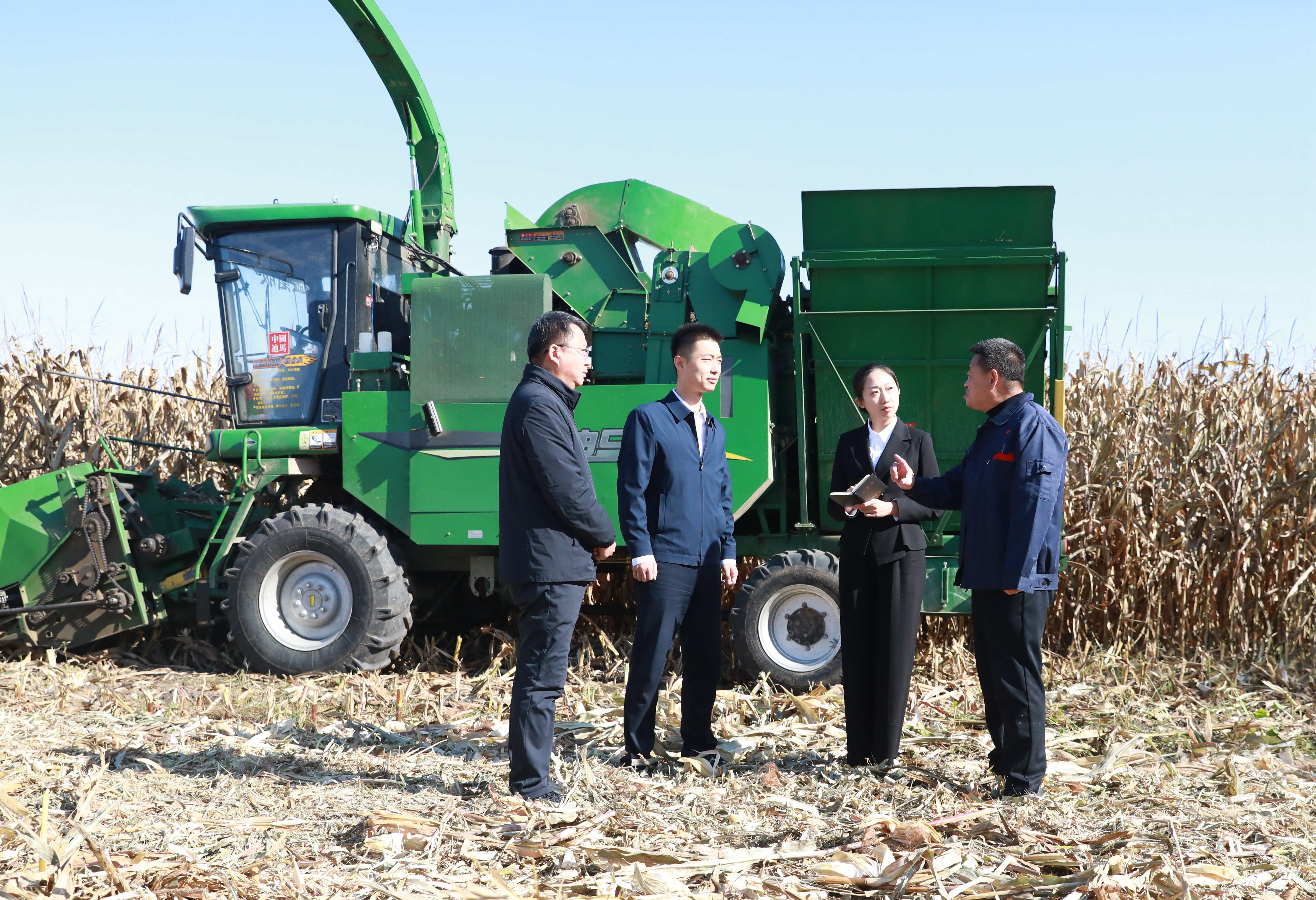
L n 15 t 2014 11 r pro A | Q. 40 ED WAL at AID 45 n : 37 First 3 11 11 Q and A 17 2 16 2 2 22 - 27 1/5 W 18 k 习近平总书记在二十届中央纪委四次全会上强调,坚持正风肃纪反腐相贯通,以"同查"严惩风腐交织问题,以"同治"铲除风腐共性根源。实践中,吉林省长 春市纪委监委深刻把握由风及腐、风腐一体、风腐交织的特点和规律,深刻把握"惩、治、防"的辩证统一关系,坚持由风查腐、由腐纠风,同向发力、双向 突破,坚决斩断风腐勾连链条、阻断风腐演变路径,着力铲除腐败滋生的土壤和条件,积极营造风清气正的政治生态和干事创业的发展环境。 在"查"上动真格,严惩风腐交织问题 风腐交织问题是现阶段党风廉政建设和反腐败斗争要着力解决的突出问题,不正之风滋生掩藏腐败,腐败行为助长加剧不正之风,甚至催生新的作风问题。 长春市纪委监委深刻把握不正之风和腐败问题互为表里、同根同源的内在联系,既"由风查腐",深挖不正之风背后暗藏的腐败问题;又"由腐纠风",细查腐 败背后的享乐奢靡等作风问题,着力斩断风腐勾连链条。 靶向整治形式主义、官僚主义。 ...

深化纪律教育 筑牢思想堤坝
Zhong Yang Ji Wei Guo Jia Jian Wei Wang Zhan· 2025-11-27 00:24
Group 1 - The core viewpoint emphasizes the importance of strengthening the Party's discipline construction as an ongoing task, guiding Party members and cadres to transform external regulations into self-discipline, and integrating discipline education throughout the entire growth cycle of cadres [1][2] - Discipline is described as the "yardstick" for governing the Party, essential for regulating the behavior of Party members and cadres, and is a fundamental, long-term task that must be prioritized to build a strong ideological barrier against corruption [2][3] Group 2 - The first task in strengthening discipline education is to unify thoughts and actions through the Party's innovative theories, particularly Xi Jinping's thoughts on socialism with Chinese characteristics for a new era [3][4] - Innovative methods are required to enhance the effectiveness of discipline education, combining positive guidance with negative warnings, and utilizing typical cases for educational purposes [4][5] Group 3 - Responsibilities must be tightened and a long-term mechanism for discipline education established, ensuring that it is not a temporary requirement but a continuous effort integrated into the overall Party building work [6]
业务丛谈丨管住基层小微权力
Zhong Yang Ji Wei Guo Jia Jian Wei Wang Zhan· 2025-11-27 00:24
Core Viewpoint - The article emphasizes the importance of grassroots supervision in optimizing the structure and capacity of grassroots disciplinary inspection and supervision institutions, aiming to enhance the quality and effectiveness of supervision in local governance [1] Group 1: Grassroots Supervision and Risk Management - The Beijing Shunyi District Commission for Discipline Inspection and Supervision has strengthened supervision over rural collective "three funds" management, addressing risks related to "small projects," "small seals," and "small allowances" through pilot initiatives [1] - A three-tiered supervision network has been established in the trial area of Lisu Town, integrating supervision forces from district, town, and village levels, and enhancing communication with auditing and inspection departments [1] - The implementation of a management approach for village-level "small micro-projects" has led to a significant reduction in issues such as non-compliance in project decision-making and contract management [1] Group 2: Technological Empowerment and Regulation - The introduction of a "smart seal" digital system in Mulin Town has improved the management of village seals, reducing misuse and enhancing transparency and efficiency in administrative processes [2] - The system allows for electronic applications and automatic locking of seals after use, which has led to a noticeable decrease in irregularities related to seal usage [2] Group 3: Comprehensive Measures Against Misappropriation - In Dazun Gezhuang Town, measures have been implemented to regulate the issuance of allowances to village committee members, ensuring strict compliance with standards and responsibilities [2] - The district has intensified the investigation of violations related to the misappropriation of allowances, employing various methods such as reminders and internal notifications to curb improper practices [2] Group 4: Innovative Supervision Mechanisms - The district's Commission for Discipline Inspection and Supervision is conducting follow-up evaluations of the pilot initiatives related to "small projects," "small seals," and "small allowances," focusing on experience sharing and promotion [3] - A three-in-one grassroots supervision system has been explored, integrating "village work groups," "integrity supervisors," and a "hotline + grid" approach to enhance supervision effectiveness [3][4] - The establishment of a "1+N" coordination mechanism among various departments aims to analyze and address issues comprehensively, fostering collaboration and precise supervision [4]
业务丛谈丨做实国有企业政治监督
Zhong Yang Ji Wei Guo Jia Jian Wei Wang Zhan· 2025-11-27 00:24
Group 1 - Political supervision is a crucial guarantee for implementing the party's political line and is a significant political responsibility of the disciplinary inspection and supervision organs [1] - The company focuses on specific, precise, and regular paths for political supervision, emphasizing the implementation of the Party Central Committee's decisions [1] - The company utilizes checklist management to enhance the specificity of supervision, aligning it with core tasks such as power supply assurance, service improvement, energy transition, and technological innovation [1] Group 2 - A systematic mechanism is established to enhance the precision of supervision, creating a "knowledge, supervision, promotion, evaluation" interactive work mechanism [2] - The company issues work guidelines and establishes supervision ledgers to monitor the conduct of leaders and the progress of major projects [2] - The company encourages its 19 affiliated units to conduct supervisory research on emerging fields like new power systems and smart photovoltaic management [2] Group 3 - The company promotes the normalization of supervision through a closed-loop approach, enhancing the transformation of supervisory results and the construction of long-term mechanisms [3] - The application of a smart supervision platform is deepened, optimizing data comparison rules to monitor and warn of abnormal behaviors in real-time [3] - A collaborative working mechanism is established between the disciplinary inspection department and other departments, promoting a closed-loop management system for problem discovery and resolution [3]
学习贯彻二十届中央纪委四次全会精神丨用心用情解决群众身边突出问题
Zhong Yang Ji Wei Guo Jia Jian Wei Wang Zhan· 2025-11-27 00:24
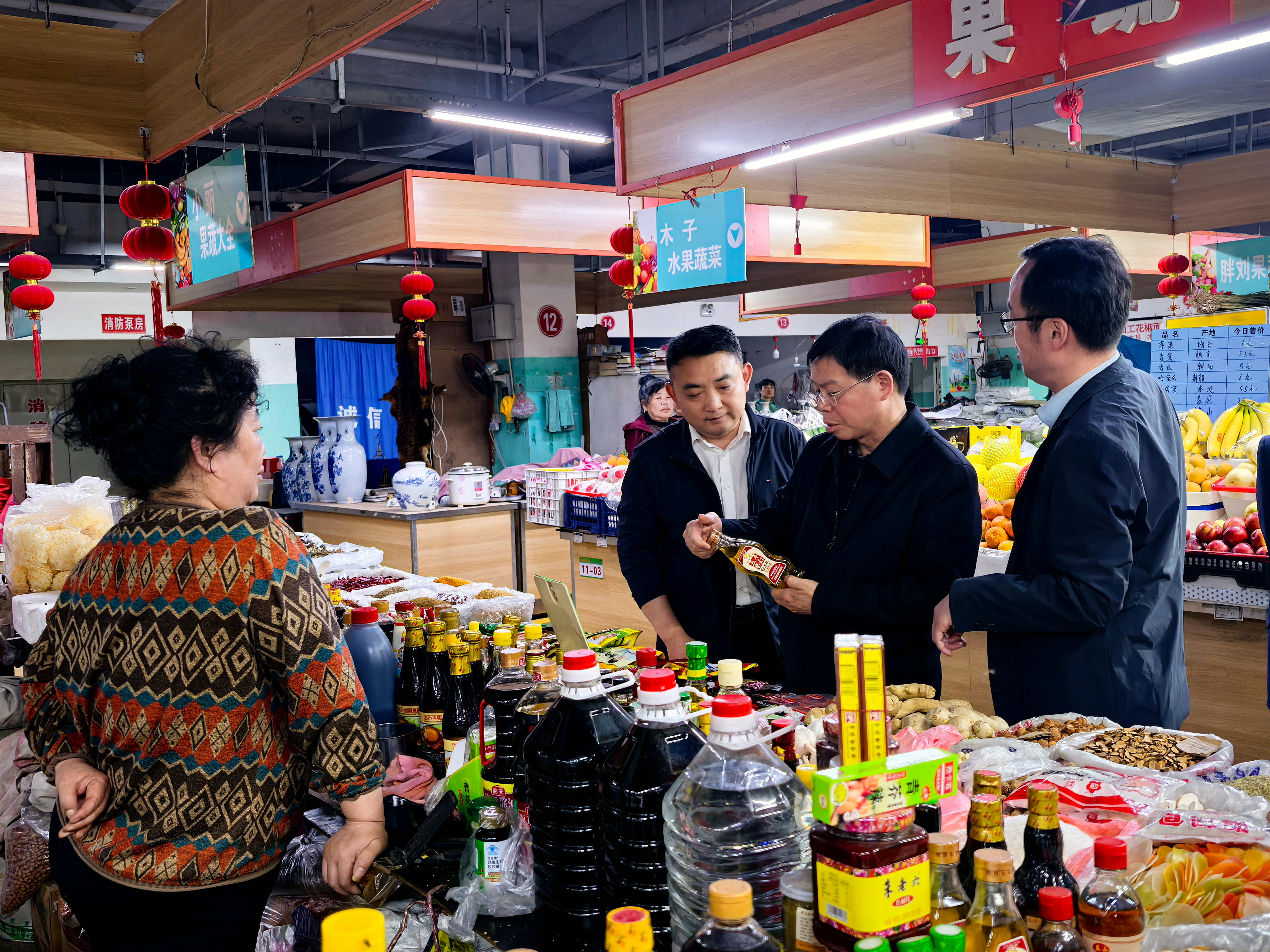
Core Points - The article emphasizes the importance of addressing corruption and misconduct at the grassroots level to enhance public trust and ensure effective governance [4][5][10] - It highlights the need for a collaborative approach among various regulatory bodies to tackle issues related to market supervision, food safety, and public welfare [6][7][8] Group 1: Governance and Oversight - The central government is committed to extending strict party governance to local levels, focusing on eradicating corruption and misconduct that directly affect the public [4][5] - The article discusses the integration of market regulation, intellectual property protection, and drug supervision as essential components for economic stability and public safety [5][8] Group 2: Collaborative Efforts - The article outlines the necessity of inter-departmental cooperation to address food safety issues in schools and rural areas, emphasizing the importance of shared information and coordinated actions [6][7] - It stresses the role of local market supervision departments in identifying and addressing specific issues raised by the public, thereby enhancing the effectiveness of regulatory measures [7][9] Group 3: Public Engagement and Feedback - The article advocates for a proactive approach in engaging with the public to identify problems and develop targeted solutions, ensuring that the voices of the citizens are heard [8][9] - It highlights the importance of maintaining a high level of public satisfaction as a measure of the effectiveness of governance and regulatory efforts [9][10]
理论视野丨把握好坚持依法治国和依规治党有机统一基本要求
Zhong Yang Ji Wei Guo Jia Jian Wei Wang Zhan· 2025-11-27 00:24
Core Viewpoint - Xi Jinping's rule of law thought is a significant innovation in the theory of socialist rule of law with Chinese characteristics, serving as the fundamental guideline for comprehensively governing the country according to the law in the new era [3][4][5] Group 1: Importance of Rule of Law - The rule of law is essential for the modernization of China, providing a foundation for stability and long-term benefits [5] - Comprehensive governance according to the law is a fundamental requirement and important guarantee of socialism with Chinese characteristics, representing a profound revolution in national governance [5][7] - The historical achievements of comprehensive governance according to the law highlight the practical power of Xi Jinping's rule of law thought [4][5] Group 2: Integration of Law and Party Regulations - The concept of "integrating governance according to the law and party regulations" is one of the twelve key principles of Xi Jinping's rule of law thought, emphasizing the political guarantee role of party regulations in national development [6][9] - The integration of governance according to the law and party regulations is crucial for the comprehensive advancement of both, relying on the connection between national laws and party regulations [7][9] - Achieving this integration requires a coordinated approach to improve both the legal system and the party's internal regulations, ensuring they complement and support each other [8][9] Group 3: Legislative and Regulatory Framework - There is a need to enhance the legal framework to provide comprehensive legal norms for governance according to the law, focusing on key areas and emerging fields [8] - The party's internal regulatory system has been significantly improved, aiming to establish a robust framework that supports party governance [8] - Efforts are being made to ensure the coordination and alignment of party regulations with national laws, fostering a mutually reinforcing relationship [9]

时代专论丨高质量发展是全面建设社会主义现代化国家的首要任务
Zhong Yang Ji Wei Guo Jia Jian Wei Wang Zhan· 2025-11-27 00:24
Core Viewpoint - The articles emphasize the importance of high-quality development as a fundamental requirement for China's economic and social progress, aligning with the strategic goals set by the Communist Party under Xi Jinping's leadership [3][9][12]. Group 1: High-Quality Development - High-quality development is highlighted as the central theme for the 14th Five-Year Plan, reflecting a shift from rapid growth to sustainable and quality-focused growth [9][10]. - The concept of high-quality development encompasses various aspects of economic and social development, including innovation, coordination, green practices, openness, and shared benefits [11][12]. Group 2: Systematic Approach - A systematic perspective is essential for promoting high-quality development, requiring forward-thinking, comprehensive planning, and strategic layout [5][6]. - The integration of Marxist methodology with Chinese cultural values is proposed to create innovative strategies for economic development [5][6]. Group 3: People-Centric Focus - The ultimate goal of high-quality development is to enhance the well-being of the people, addressing their needs and aspirations [6][16]. - Policies and economic strategies should prioritize the improvement of living standards and equitable distribution of resources [6][16]. Group 4: New Development Stage - China has entered a new development stage characterized by a transition from high-speed growth to high-quality development, necessitating adjustments in economic strategies [9][10]. - The new normal of economic development includes changes in growth speed, structural optimization, and a shift towards innovation-driven growth [10][11]. Group 5: Market Economy and Governance - The construction of a high-level socialist market economy is essential, emphasizing the balance between market forces and government intervention [19][20]. - Effective market mechanisms should be utilized to enhance resource allocation while ensuring government actions support high-quality development [19][20]. Group 6: Safety and Development Interaction - High-quality development must be coupled with high-level safety, ensuring that economic growth does not compromise national security [20][21]. - The interaction between development and safety is crucial for maintaining stability and promoting sustainable growth [20][21].