Guo Ji Jin Rong Bao

Search documents
上期所就铅期货合约规则修订征求意见
Guo Ji Jin Rong Bao· 2026-02-01 15:29
记者了解到,铅期货自上市以来,整体运行平稳,市场功能有效发挥,期现价格联动紧密,已成为国内 现货贸易定价的重要依据,并被产业链企业广泛应用于风险管理和贸易活动。近年来,再生铅已逐渐成 为全球铅市场重要组成部分,为顺应产业结构发展、响应产业呼吁,在中国有色金属工业协会和相关行 业企业支持下,上期所积极配合全国有色金属标准化技术委员会修订再生铅锭国家标准,新版国家标准 将于2026年3月1日正式实施。 当前有色金属行业正处于绿色低碳转型的关键时期,铅作为有色金属中再生产品占比最高的品种,行业 已基本形成"生产-消费-回收-再生"的闭环模式,实现了铅资源的高效循环利用。近年来,再生铅生产企 业和下游铅蓄电池企业积极利用上期所铅期货套期保值,并辅助自身开展原料采购、基差贸易。将再生 铅纳入期货替代交割,将有助于提升再生铅行业的风险管理能力,更好服务产业绿色低碳发展。 据介绍,本次规则修订,一是在《上海期货交易所铅期货合约》中增加替代品的交割品级规定;二是在 《上海期货交易所铅期货业务细则》中增加替代品重量相关规定。 1月30日,上海期货交易所(下称"上期所")发布公告,就铅期货合约规则修订事项公开征求市场意 见。本次 ...
三位复旦校友创业,现要IPO!
Guo Ji Jin Rong Bao· 2026-01-31 15:13
酷芯微早在2012年就进入无人机领域,目前的核心产品是具备融合了可见光及热成像能力的高性能 视觉处理AI SoC,以及先进的无线视频传输SoC,能够为智能飞行、远距离视频传输及边缘计算提供集 成解决方案,覆盖消费级及工业级全场景低空经济需求。 面对智能物联市场,酷芯微提供低功耗、高效能AI运算的小尺寸AI SoC、长通讯距离与低延迟的 业界领先无线视频传输SoC,业务布局涵盖扫地机器人、割草机器人、智能门铃、无线IP相机及门禁系 统,并正策略性拓展至拇指相机与手持云台相机等新兴消费领域。 合肥又将收获一家上市公司! 1月28日,合肥酷芯微电子股份有限公司(下称"酷芯微")正式递表港交所,拟主板上市,独家保 荐人为华泰国际。 IPO日报注意到,这家由三位复旦校友联合创立的公司获得兆易创新、合肥市国资委参股,最新估 值达33.4亿元。 五大客户贡献七成收入 酷芯微总部位于安徽合肥,历史可追溯到2011年7月,是一家视觉处理AI(人工智能)SoC供应 商,为无人机、智能物联(清洁机器人、智能门铃、门禁等)及智能可穿戴(AR/AI眼镜等)领域的客 户提供视觉处理解决方案(SoC是指系统级芯片,一种将计算机或电子系统的 ...

估值暴涨625倍!这家机器人龙头要IPO了!
Guo Ji Jin Rong Bao· 2026-01-31 15:13
工业机器人赛道迎来港股IPO热潮。 继精锋医疗-B、极智嘉登陆港交所,迦智科技、斯坦德机器人、乐动机器人、珞石机器人、优艾智 合机器人争先恐后递表,机器人公司申请港股上市的大军再添一员! 1月28日,天津阿童木机器人股份有限公司(下称"阿童木机器人")正式向港交所递交申请,独家 保荐人为华泰国际。 如同不少机器人公司一样,阿童木机器人也是拟以18C特专科技公司身份在主板上市。 作为并联机器人国内市占率连续多年第一,全球第二的龙头,阿童木机器人在2025年前三季度刚刚 扭亏为盈,近十年估值从400万元增长至25亿元,增长高达625倍。 高速工业机器人龙头 阿童木机器人成立于2013年,是一家高速工业机器人龙头企业。 按机械结构划分,工业机器人主要可分为多关节机器人、SCARA机器人、并联机器人及协作机器 人,其中,SCARA机器人拥有两个平行旋转关节以在水平面上实现精确定位,并通常配有一个用于Z轴 运动的垂直方向线性关节。并联机器人基于并联运动机制,其末端执行器由多条形成闭环结构的独立运 动链同时驱动。协作机器人是一种能够在共享工作空间内与人类近距离安全工作的工业机器人。 阿童木机器人的产品矩阵涵盖并联机器人、 ...

背靠中粮,粤十数智谋上市盛宴
Guo Ji Jin Rong Bao· 2026-01-31 15:13
1月26日,深圳粤十数智股份有限公司(下称"粤十数智")在港交所递交招股书,申万宏源香港为其独家保荐人。 IPO日报注意到,这家由中粮集团、中国供销集团有限公司参与投资的公司收入持续增长,经调整净利润转亏为盈,但经营活动净现金流仍连续为负。 张力制图 由于公司曾向投资者发行了附带优先权的股份,这些股份的公允价值被重新计量,其随着公司估值上升而产生大额账面亏损,被计入当期损益的金融负 债。粤十数智强调,这种公允价值亏损属于非现金性质,并非由公司的核心经营活动产生。 2023年、2024年及2025年前三季度,按公允价值计量且其变动计入损益的金融负债公允价值变动产生的亏损分别为0.22亿元、2.49亿元及18.06亿元。 经营净现金流连负 招股书显示,粤十数智的历史可追溯至2017年,当时主要附属公司之一粤十信息于中国成立。经过多年发展,粤十数智成为一家数智化驱动的企业,主 要从事冷链农产品销售,并由公司的自研数字化平台提供支持。 具体来说,透过在采购、仓储、物流及贸易各环节植入数智化能力,公司通过采用数据驱动模式,来提升整个冷链流通环节的效率、透明度及协同效 应。此经营模式使其有别于主要依赖人工经验及碎片化线下 ...


2025年国内变压器市场规模增长超20%
Guo Ji Jin Rong Bao· 2026-01-31 15:07
1月31日,国产电力心脏全球爆单的背后,是算力用电的大幅增长。当前,全球AI算力建设进入爆发 期,高功率、高稳定的供电成为算力集群的"生命线"。随着"东数西算"工程深入推进,全国多地算力园 区密集落地,2025年国内变压器市场规模同比增长超20%,其中AI算力、特高压相关高端产品订单占比 已突破35%,成为产业增长的核心引擎。 数据显示,我国变压器行业企业约3000家。2025年,我国变压器出口总值达646亿元,比2024年增长近 36%。 在广东、江苏等地,大量变压器工厂已经处于满产的状态,其中部分面向数据中心的业务订单都排到了 2027年。全球AI算力中心的爆发式增长,让变压器成为稀缺资源,美国市场交付周期已经从50周延长 至127周。 ...
估值550亿!超级独角兽京东产发重启IPO!
Guo Ji Jin Rong Bao· 2026-01-31 15:07
Core Viewpoint - JD Property Development Co., Ltd. (referred to as "JD Property") has officially submitted its application for listing on the Hong Kong Stock Exchange, marking its second attempt after a failed submission in March 2023. The company is backed by JD Group and, if successful, will become the seventh publicly listed company under the group [1]. Group 1: Company Overview - JD Property manages an asset scale of 121.5 billion yuan and has a total construction area of 27.1 million square meters, ranking among the top three new economic infrastructure providers in the Asia-Pacific region and second in China [1][6]. - The company began operations in 2007, initially focusing on building a logistics system for JD Group, and has since developed a modern infrastructure network covering 29 provincial-level administrative regions in mainland China and ten overseas countries and regions [2][3]. Group 2: Business Model and Operations - JD Property has adopted a unique logistics real estate model that goes beyond traditional methods of land acquisition, construction, and leasing. The company has established a large-scale, high-quality modern infrastructure network primarily consisting of high-standard warehouses [1][2]. - The average occupancy rate of JD Property's completed modern infrastructure assets is over 90%, which is approximately 10 percentage points higher than the average in the new economy sector [3][6]. Group 3: Financial Performance - For the years 2023 and 2024, JD Property reported revenues of 2.868 billion yuan and 3.417 billion yuan, respectively, reflecting a year-on-year growth of 19%. The company also reported losses of 1.829 billion yuan and 1.2 billion yuan for the same periods [7]. - The core infrastructure solutions business accounted for 91.8%, 92.6%, and 85.4% of total revenue in 2023, 2024, and the first three quarters of 2025, respectively [7]. Group 4: Future Plans and Funding - The proceeds from the IPO are intended to expand the infrastructure asset network in strategically important overseas logistics nodes, enhance the density and quality of the infrastructure network in China, and support general corporate purposes and working capital needs [9]. - JD Property has established five core funds, one development fund, and one acquisition fund, along with a publicly listed infrastructure securities investment fund on the Shanghai Stock Exchange [5][9].
这家公司连续三年净利下滑,控制权生变...
Guo Ji Jin Rong Bao· 2026-01-31 14:41
在融入中国光大集团体系八年后,央企旗下的医药商业上市公司嘉事堂(002462.SZ)可能即将迎 来又一次重大的所有权变革。 根据嘉事堂发布的《关于筹划控制权变更事项的停牌公告》,公司于2026年1月27日接到股东中国 光大实业(集团)有限责任公司(以下简称"光大实业")的书面通知。光大实业及其全资子公司中国光 大医疗健康产业有限公司(以下简称"光大医疗")正在筹划公司的股权转让事宜。该事项可能导致嘉事 堂的控股股东、实际控制人发生变更。 鉴于交易尚存在重大不确定性,为保障公平信息披露,经向深圳证券交易所申请,公司股票自2026 年1月28日(星期三)开市起停牌,预计停牌时间不超过2个交易日。公司表示,停牌期间将根据事项进 展履行信披义务,待确定后将及时公告并申请复牌。 公开资料显示,截至2025年第三季度末,光大医疗、光大实业分别为嘉事堂的第一、第二大股东, 直接持股比例分别为14.36%和14.12%。 据悉,嘉事堂于2010年在深交所上市,2018年进入光大集团体系,被定位为集团在大健康业务板块 的主要平台之一。其主营业务聚焦于医药商业流通领域,目前已构建了覆盖医药批发、零售、物流及医 疗器械供应链的完整 ...

东方智造:可能被实施退市风险警示
Guo Ji Jin Rong Bao· 2026-01-31 14:36
公司财务部门初步测算,预计2025年度经审计的利润总额、净利润、扣除非经常性损益后的净利润三者 孰低为负值,且扣除后的营业收入低于3亿元,根据相关规定,公司股票交易可能被深圳证券交易所实 施退市风险警示。 1月30日,东方智造(002175.SZ)发布公告称,预计公司2025年度利润总额为亏损2600万元至3900万元; 归属于上市公司股东的净利润为亏损2600万元至3900万元;扣除非经常性损益后的净利润为亏损2600万 元至3900万元;预计营业收入为3亿元至3.3亿元;扣除后的营业收入为2.8亿元至2.98亿元。 ...

证监会:明确战略投资者认购上市公司股份原则上不低于5%
Guo Ji Jin Rong Bao· 2026-01-31 12:13
1月30日,中国证监会对《〈上市公司证券发行注册管理办法〉第九条、第十条、第十一条、第十 三条、第四十条、第五十七条、第六十条有关规定的适用意见——证券期货法律适用意见第18 号》做 了修改。 三是明确资本投资者的基本要求。在长期、较大比例持股和提名董事参与公司治理基础上,要求资 本投资者应当深入了解上市公司产业发展,能够帮助上市公司引入战略性资源,或者显著改善上市公司 治理和内部控制,促进上市公司市场资源整合或者增强核心竞争力。 四是完善信息披露要求。要求上市公司在年报中披露战略资源导入和整合的落实情况和效果。 五是进一步强化监管要求。强调战略投资者不得通过任何方式规避最低持股比例、股份锁定期要 求,避免代持股份、绕道减持等违规行为,损害制度公信力。 六是完善相关文字表述。在总结实践经验基础上,对于上位规则已有明确要求的,简化相关表述, 进一步提升规则的通俗易懂。 一是扩大战略投资者类型。明确全国社保基金、基本养老保险基金、企业(职业)年金基金、商业 保险资金(保险公司运用保险资金自行投资或者委托关联保险资产管理机构以及作为单一投资人通过关 联保险资产管理机构发行的股权投资计划投资)、公募基金、银行理财等机 ...
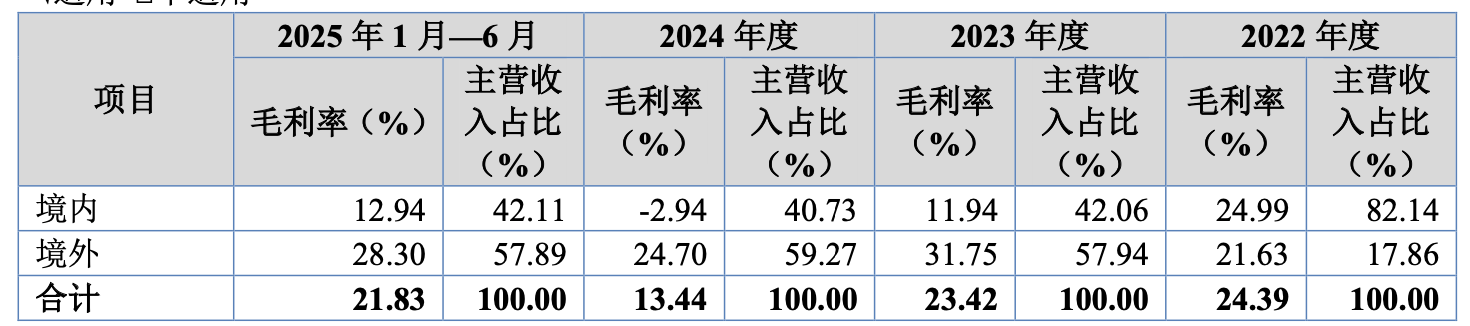
新富科技下周上会,患“大客户依赖症”,毛利率曾断崖式下滑
Guo Ji Jin Rong Bao· 2026-01-31 12:13
2月3日,安徽新富新能源科技股份有限公司(下称"新富科技")将在北交所上会,接受上市委审议。本次IPO,公司拟募集4.09亿元,用于新能源汽车 热管理系统核心部件扩产建设项目。 IPO日报发现,新富科技在报告期内毛利率存在大幅度波动,公司九成营收依赖前五大客户,六成收入来自第一大客户。 毛利率波动 资料显示,新富科技自成立以来一直专注于新能源汽车热管理零部件的研发、生产和销售,主要产品包括电池液冷管、电池液冷板。截至招股书申报稿 签署日,公司共获得了157项专利,其中发明专利24项,在相关领域已形成自主知识产权群。此外,公司参与制定国家标准一项:GB/T44509-2024点焊、缝焊 和凸焊的焊接工艺评定试验。 公司于2021年入选安徽省专精特新中小企业名单,并于2022年3月被认定为2022年度安徽省专精特新冠军企业。公司与T公司、宁德时代、零跑汽车、 欣旺达等国内外知名主机厂商、电池厂商保持紧密稳定的合作关系。同时,为更好响应客户全球化供应的需求,公司目前已在安庆、合肥以及墨西哥等地分 别建立了生产基地。 股权方面,创新壹号持有公司42.72%股份,为公司控股股东。潘一新通过担任公司股东创新壹号、创新贰号 ...