
Chang Jiang Shang Bao

Search documents
A股1.88万亿研发投入开启AI元年 340万技术人才锻造新质生产力
Chang Jiang Shang Bao· 2026-02-09 06:54
Core Insights - The article highlights the significant breakthroughs in general artificial intelligence (AGI) technology and its integration across various industries, marking a transformative shift in productivity globally [1] - A-share listed companies in China are prioritizing technological innovation, particularly in AI, as a central aspect of their development strategy [1] Group 1: R&D Investment Overview - In 2024, the total R&D investment by A-share listed companies reached 1.88 trillion yuan, accounting for 51.96% of the national R&D expenditure [1] - The number of R&D personnel in these companies totaled 3.42 million, representing 11.08% of the total workforce [1] - The Shanghai Stock Exchange companies' R&D investment exceeded 1 trillion yuan, making up nearly 40% of the national corporate R&D spending [2] Group 2: Sector-Specific R&D Insights - The computer, machinery, defense, automotive, pharmaceutical, and communication sectors showed high R&D intensity, with respective contributions of 14%, 6%, 5%, 5%, 4%, and 4% [2] - The Science and Technology Innovation Board (STAR Market) saw its R&D investment reach 168.08 billion yuan in 2025, which is 2.5 times its net profit, reflecting a 6.4% year-on-year growth [2] - The Shenzhen Stock Exchange companies' total R&D investment surpassed 760 billion yuan, with 410 companies having an R&D intensity exceeding 10% [3] Group 3: Leading Companies in R&D - BYD led the A-share market with R&D expenses of 53.195 billion yuan, focusing on advancements in blade battery technology and smart driving algorithms [3] - China State Construction maintained a strong position with R&D investment of 45.459 billion yuan, focusing on smart construction and low-carbon materials [4] - Companies like ZTE, iFlytek, and Hikvision are increasingly investing in AI infrastructure and applications, with a significant portion of their R&D resources directed towards AI-related fields [4]





全国“一盘棋”下活区域发展新篇章 多维布局聚力攻坚擘画时代新图景
Chang Jiang Shang Bao· 2026-02-09 06:44
京津冀、长三角、粤港澳大湾区三大增长极锚定高端、聚力领跑,持续释放高质量发展核心动能;长江 经济带横贯东西、串联南北,以生态与发展协同之姿筑牢区域协调发展主轴;各区域板块立足禀赋、互 补联动,协同发展的底色更浓、成色更足……刚刚过去的2025年,一个个协调发展的具体场景,诠释着 国家战略的民生温度。 以一域带全域,以发展促平衡。"十四五"期间,我国山海协同、陆海联动,以系统性思维下好区域协调 发展"一盘棋",让每一寸热土澎湃高质量发展动能。 党的二十届四中全会通过的《建议》,对"优化区域经济布局,促进区域协调发展"作出重要部署;2025 年中央经济工作会议明确要求"坚持协调发展,促进城乡融合和区域联动"……展望"十五五",一系列部 署立足新发展阶段、紧扣区域经济布局优化要求,为推动中国式现代化厚植区域协调发展根基,在优势 互补、协同共进中绘就高质量发展的区域经济新图景。 业相融、路相通、情相连。从城市群引领到轴带联动,从要素互补到产业协同,全国发展的平衡性、协 调性持续提升,"一盘棋"格局愈发坚实。不仅为高质量发展筑牢根基,更为中国式现代化持续汇聚起全 域协同、同向发力的磅礴动能。 协调发展迈上新台阶 202 ...
A股上市银行坚守服务实体经济本源 普惠贷款超21万亿深耕民生
Chang Jiang Shang Bao· 2026-02-09 06:42
其中,在科技金融领域,银行业金融机构持续加大对于高新技术企业、专精特新企业的信贷支持与综合 服务,创新知识产权质押、投贷联动等模式,助力破解科创企业融资难题,成为驱动创新发展的关键力 量。 截至2025年9月末,银行业金融机构本外币科技型中小企业贷款余额3.56万亿元,同比增长22.3%,增速 比各项贷款高15.8个百分点。 同时,银行业金融机构大力发展绿色金融,通过设立专项信贷额度、推出绿色债券、完善环境风险定价 机制等方式,引导资金加速流向清洁能源、节能环保、生态修复等绿色低碳领域,有力支持了经济社会 发展全面绿色转型。 长江商报消息近年来,我国银行业金融机构紧紧围绕服务实体经济这一根本宗旨,在多个维度扎实履行 社会责任。 根据央行发布数据,截至2025年三季度末,金融机构人民币各项贷款余额270.39万亿元,同比增长 6.6%,前三季度人民币贷款增加14.75万亿元。 截至2024年末,A股上市涉农贷款余额约为19.12万亿元。 在数字化转型方面,银行业以数字金融为抓手,全面推进数字化转型,在提升自身运营效率与风控水平 的同时,更致力于弥合数字鸿沟、改善客户体验、赋能实体经济数字化升级,构建更加安全、便 ...
14位慈善家年度捐赠额过亿 38.3亿善款“浇灌”教育优先
Chang Jiang Shang Bao· 2026-02-09 06:16
Core Insights - The article emphasizes the relationship between corporate development and social responsibility, highlighting that fulfilling responsibilities and serving society are essential aspects of exemplary entrepreneurial spirit [1] Group 1: Charitable Contributions - In the 2025 fiscal year (from September 1, 2024, to August 31, 2025), 14 Chinese philanthropists donated over 100 million yuan each, totaling 3.83 billion yuan [1] - The education sector remains the most popular area for donations, accounting for 60% of the total number of donors; social welfare is the second-largest sector with 20%, while both healthcare and rural revitalization account for 10% each [1] Group 2: Donor Demographics - 79% of the listed philanthropists donated in their personal or family capacity, an increase of 7% from the previous year; 21% donated in the name of their companies [1] - 64% of the listed philanthropists are from publicly listed companies, which is a 14% increase compared to the previous year; the average age of the philanthropists is 59, remaining consistent with the previous year [1]
中国上市公司社会责任披露率超46% 力促社会价值与资本向善同频共振
Chang Jiang Shang Bao· 2026-02-09 06:07
在政策引领下,上市公司对资本市场的责任担当有了更为切实的体现。2025年,A股上市公司分红总额 攀升至2.6万亿元,创历史新高;809家公司获得重要股东增持,最高增持金额超过千亿元。 长江商报消息 随着我国资本市场进入高质量发展新阶段,上市公司履行社会责任的深度与广度正成为 衡量企业可持续发展能力的关键标尺。 据长江商报资本战略研究院最新统计,2024年A股共有2481家上市公司通过可持续发展报告、ESG报告 等方式披露社会责任履行情况,整体披露率超过46%,较2022年的36.16%实现显著跃升。 这一变化不仅反映信息披露制度的完善,更揭示出企业治理理念从"财务绩效"向"综合价值"的深刻转 型。 分行业来看,金融业以91.94%的披露率位居榜首,电力、热力及水务行业(75.69%)与交通运输业 (72.32%)紧随其后。这些行业往往关系国计民生,其高频披露体现出更强的公共属性与监管期待。 值得注意的是,国有上市公司持续发挥带头作用。2024年国有上市公司社会责任报告披露率达 76.85%,较2022年提升15个百分点。民营上市公司披露率亦稳步增长至35.06%,显示出市场化主体正 加速融入责任治理主流。 报 ...
海昌智能应收账款4.5亿占营收56% 毛利率连降涉专利诉讼或赔1083万
Chang Jiang Shang Bao· 2026-02-09 05:28
长江商报消息 ●长江商报记者 张璐 近日,鹤壁海昌智能科技股份有限公司(下称"海昌智能")北交所IPO过会,但这家深耕高性能线束装 备三十余年的企业仍有多重挑战待解决。 2022年—2025年上半年(下称"报告期"),海昌智能的营业收入持续增长,归母净利润在波动中增长, 而公司综合毛利率一路下跌,从37.74%降至34.21%,下滑趋势未止。 毛利率持续下滑 公开资料显示,海昌智能成立于1994年,主营高性能线束装备研发、生产与销售,产品广泛应用于汽 车、信息通信、光伏储能等线束需求密集型行业。 近年来海昌智能营收规模持续扩张,展现出较强的业务增长能力。招股书显示,2022年—2025年上半 年,公司营业收入分别为5.20亿元、6.52亿元、8.00亿元、4.38亿元,保持稳健增长态势。其中,2023年 和2024年同比增速分别为25.37%、22.59%。 然而,与营收高增形成强烈反差的是,公司归母净利润并未同步增长,反而在2024年出现明显下滑,陷 入"增收不增利"。招股书显示,2022年—2024年,海昌智能归母净利润分别为1.08亿元、1.21亿元、 1.15亿元,2023年同比增长12.49%,20 ...
中国神华1336亿重组审核仅6天过关 打包收购12家公司
Chang Jiang Shang Bao· 2026-02-09 04:24
Core Viewpoint - China Shenhua's asset restructuring plan, valued at 1.33598 trillion yuan, has received approval from the Shanghai Stock Exchange in just six days, setting a new record for the speed of such approvals in the industry [1][4]. Group 1: Restructuring Details - The restructuring involves the acquisition of equity in 12 companies under the State Energy Group, covering sectors such as electricity, coal, chemicals, and logistics, with additional fundraising of up to 20 billion yuan [1][6]. - Upon completion, the restructuring will resolve significant competition issues between China Shenhua and its controlling shareholder, the State Energy Group, particularly in coal, transportation, and sales [4][6]. Group 2: Resource and Capacity Enhancement - After the transaction, China Shenhua's coal reserves will increase to 68.49 billion tons, representing a growth rate of 64.72%, while its recoverable coal reserves will rise to 34.5 billion tons, with a growth rate of 97.71% [7]. - The company's coal production is expected to reach 512 million tons, reflecting a growth rate of 56.57% [7]. Group 3: Financial Impact - Following the restructuring, China Shenhua's total assets will expand to 876.299 billion yuan, enhancing its leading position in the coal industry and significantly reducing intermediate costs in electricity, chemicals, and logistics [8]. - The 12 target companies are projected to generate revenues of 1137.86 billion yuan, 1139.74 billion yuan, and 532.7 billion yuan from 2023 to the first seven months of 2025, with corresponding net profits of 66.87 billion yuan, 94.28 billion yuan, and 45.93 billion yuan [8].

智己2025年卖车8.1万辆连续三年未达标
Chang Jiang Shang Bao· 2026-02-09 03:53
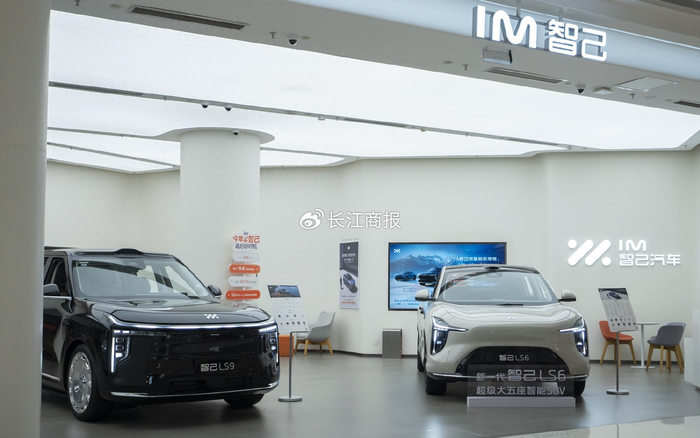
Core Viewpoint - Liu Tao, co-CEO of Zhiji Auto, publicly apologized to Tesla for previous comments regarding a traffic accident, which were later proven incorrect [2][3][6] Group 1: Company Image and Leadership - Liu Tao's repeated public apologies reflect negatively on the company's image and indicate issues with marketing strategy and product quality control [7] - The company has faced multiple incidents requiring public apologies from Liu Tao, including traffic violations during a promotional event and product quality issues [7] Group 2: Sales Performance - In 2025, Zhiji Auto's sales reached 81,000 units, a year-on-year increase of 23.68%, but only 81% of the sales target was achieved, marking the third consecutive year of underperformance [12] - In January 2026, the company sold 4,647 vehicles, a 65.96% year-on-year increase, but a significant month-on-month decline of approximately 61% compared to December 2025 [12] - The company aims for a sales target of 450,000 units in 2023, with a long-term goal of 200,000 to 300,000 units by 2025 [9][10] Group 3: Market Expansion - Zhiji Auto is expanding its market presence in the Middle East and North Africa, with plans to achieve comprehensive coverage of the entire Middle Eastern market by the end of 2026 [13]

中国经济坚韧奋进勇攀新高峰 2025年GDP跨越140万亿关口
Chang Jiang Shang Bao· 2026-02-09 01:58
Core Viewpoint - In 2025, China's GDP reached 140.19 trillion yuan, growing by 5% year-on-year, marking a significant milestone in the "14th Five-Year Plan" period, showcasing the resilience and strength of the Chinese economy amidst global challenges [1][2] Economic Performance - China's GDP crossed the 140 trillion yuan mark, achieving a four-step increase during the "14th Five-Year Plan" period [2] - The economy demonstrated stability and progress, with a focus on high-quality development and effective macroeconomic policies [2][8] Policy Measures - A comprehensive set of macroeconomic policies was implemented, including over 2.8 trillion yuan in tax reductions and targeted support for key sectors [2][3] - The reduction of the reserve requirement ratio and policy interest rates released over 2 trillion yuan in long-term liquidity, aiding businesses in securing loans [2] Consumer Demand and Innovation - The issuance of long-term special government bonds amounting to 1.3 trillion yuan supported consumer spending, leading to a retail sales growth of 3.7% [3][4] - China's innovation index entered the global top ten, with R&D expenditure intensity reaching 2.8%, surpassing the OECD average [4][6] Industrial Growth - The manufacturing sector saw significant growth, with high-tech manufacturing value added accounting for 17.1% of industrial output [6] - The production of drones and industrial robots increased by 37.3% and 28%, respectively, indicating a strong trend in advanced manufacturing [6][7] Digital Economy - The digital economy expanded, with a 9.3% increase in the value added by digital product manufacturing [7] - New consumption models and online retail grew by 8.6%, reflecting the increasing penetration of digital technologies [7] Future Outlook - The policies implemented in 2026 aim to stimulate economic growth and ensure a strong start for the "15th Five-Year Plan" [10][11] - International financial institutions remain optimistic about China's economic fundamentals and asset performance, indicating a positive long-term outlook [11]
长江经济带十年奔腾动能澎湃 撑起全国经济总量“半壁江山”
Chang Jiang Shang Bao· 2026-02-09 01:58
Core Viewpoint - The Yangtze River Economic Belt has become a crucial national development strategy, contributing nearly 50% of the national economic output and serving as a key ecological protection barrier in China [1][2][4]. Group 1: Economic Contribution - The Yangtze River Economic Belt covers about one-fifth of China's land area and contributes nearly 50% of the national economic total, solidifying its role as a vital economic corridor [2][4]. - By 2025, the economic output of the Yangtze River Economic Belt is projected to reach approximately 66.8 trillion yuan, more than doubling over the past decade with an average growth rate of 5.4%, surpassing the national average by 0.4 percentage points [4]. Group 2: Ecological and Environmental Initiatives - The concept of "grasping major protection without large-scale development" has taken root in the Yangtze River Economic Belt, leading to significant ecological improvements, including the enhancement of water quality from class V to class II along the main river [6][7]. - The region has implemented pollution control measures across various sectors, including industrial and agricultural pollution, resulting in the closure or transformation of nearly 10,000 chemical enterprises and the elimination of 1,361 illegal docks [6][7]. Group 3: Industrial Transformation and Innovation - The Yangtze River Economic Belt has fostered industrial transformation by nurturing 41 national-level advanced manufacturing clusters and 30 strategic emerging industry clusters, accounting for 51% and 45% of the national totals, respectively [6][7]. - The region is actively promoting the green transformation of traditional industries, establishing 24 national carbon peak pilot cities and parks, and supporting the scrapping and updating of approximately 10,000 old operating vessels [7]. Group 4: Future Development Plans - The next phase of development will focus on high-level ecological protection, enhancing innovation support systems, and strengthening regional collaboration, with an emphasis on building a "Five Great Yangtze" framework encompassing ecological, innovative, open, cultural, and happy aspects [8].