Qian Zhan Wang

Search documents
【投资视角】启示2025:中国数字营销行业投融资及兼并重组分析(附投融资事件和兼并重组等)
Qian Zhan Wang· 2025-05-24 07:10
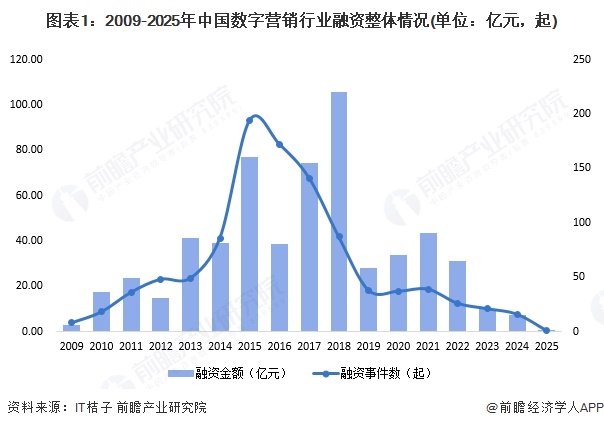
Group 1 - The digital marketing investment and financing heat in China is gradually declining, with only one investment event recorded by March 4, 2025, compared to a peak of 194 events in 2015 and a maximum investment amount of 10.565 billion yuan in 2018 [1][2] - The single financing amount in the digital marketing sector has shown a fluctuating trend, peaking at 121 million yuan in 2018, while it dropped to 4.5 million yuan in 2024 [3] - Investment events are primarily concentrated in Shanghai, which recorded 297 events from 2014 to 2025, followed by Beijing and Guangdong [7] Group 2 - The focus of investment in the digital marketing sector is on efficient platforms and quality solutions, particularly those utilizing AI technology [10] - The main investors in the digital marketing industry are primarily investment firms, with notable representatives including金沙江创投 and 南山战新投, while companies like 百度 and 美图 represent the industrial sector [13] - The digital marketing industry is characterized by midstream companies expanding their operational scale, as evidenced by several significant mergers and acquisitions since 2024 [15]


2025年中国铅酸蓄电池价值链分析:原材料铅是酸蓄电池最大的生产成本
Qian Zhan Wang· 2025-05-24 05:09
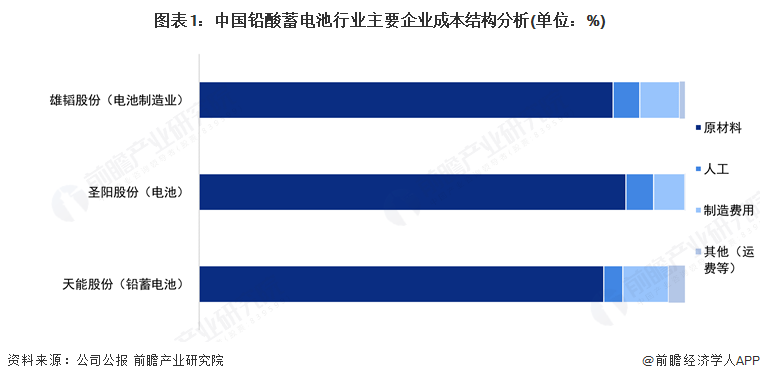
Group 1 - The core point of the article highlights that the cost structure of lead-acid battery production is heavily influenced by raw material costs, particularly lead, which constitutes a significant portion of the overall expenses [1][2][4] - In the lead-acid battery industry, the cost of raw materials accounts for over 80% of the total production costs for leading companies like Yongtao and Tianneng, while manufacturing and labor costs remain relatively low [1][2] - The price of lead-acid batteries is determined by a combination of supply-side factors, manufacturing costs, and consumer demand elasticity, with lead prices being particularly volatile and influential on market pricing [5][8] Group 2 - The lead-acid battery industry value chain exhibits a "low in the middle, high on both ends" trend, indicating that procurement and traditional manufacturing processes hold lower value compared to R&D and digital transformation efforts [10] - The production of lead-acid batteries relies on various raw materials, with lead accounting for approximately 70% of the raw material costs, followed by plastic at around 10% [4] - The competitive landscape of the lead-acid battery market is relatively concentrated, with leading firms like Tianneng and Chaowei holding significant market shares and pricing power, while smaller companies face greater price competition and sensitivity to raw material cost fluctuations [8]


【行业深度】洞察2025:中国干细胞医疗行业竞争格局及企业布局(附产品布局、上市企业业绩等)
Qian Zhan Wang· 2025-05-24 03:10
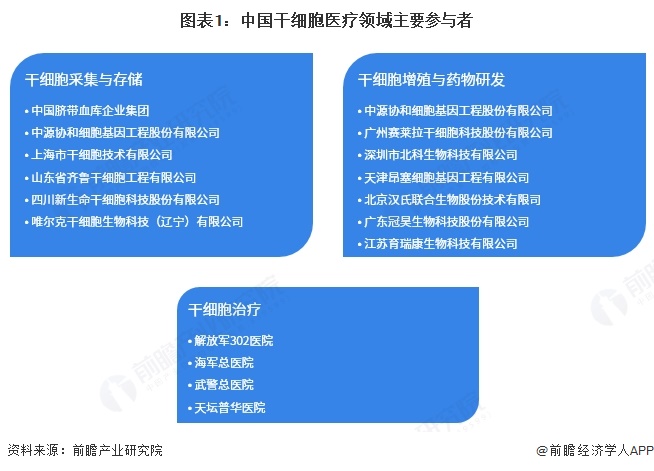
转自:前瞻产业研究院 行业主要上市公司:中源协和(600645);赛莱拉(831049);冠昊生物(300238)等 本文核心数据:代表企业业绩 1、中国干细胞医疗主要参与者及分布情况 干细胞产业属于典型的科研和资金密集型产业,其技术研究和产业化应用具有高投入的特征。目前整个 干细胞行业竞争最为激烈的是干细胞行业的上游产业,未来随着干细胞储存竞争愈发激烈导致利润率下 降以及干细胞药物开发的推进,整个干细胞行业的竞争重心将向行业中下游偏移。 从区域分布情况来看,中国干细胞医疗行业代表企业主要分布在北京及沿海地区。其中以北京、天津、 广东等地区为主,中部地区中四川等地也有所布局。 2、中国干细胞医疗企业竞争梯队情况 根据企业业务覆盖范围的差异,可将中国干细胞医疗企业分为三个梯队。位列第一梯队的中源协和、博 雅干细胞、北科生物、汉氏联合等具有品牌积累的老牌细胞存储机构先发优势显著,在干细胞市场上具 有更强号召力;第二梯队的四川新生命干细胞和齐鲁细胞等干细胞企业重点布局于某一区域,地方的区 域性业务优势显著;第三梯队则为小型、新进入市场者或跨界转型类企业,多拥有单一存储业务,质量参 差不齐。 3、中国干细胞医疗头部品 ...


预见2025:《2025年中国声呐行业全景图谱》(附市场规模、竞争格局和发展趋势等)
Qian Zhan Wang· 2025-05-24 01:09
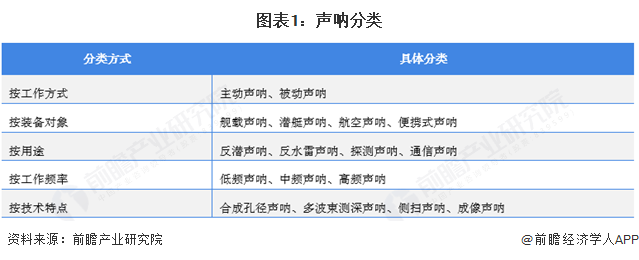
转自:前瞻产业研究院 行业主要上市公司:中科海讯(300810);中海达(300177);中国重工(维权)(601989);中国海防(600764);海兰信 (300065)等 本文核心数据:声呐市场规模;声呐竞争格局;声呐市场规模预测 行业概况 1、定义 声呐是英文缩写"SONAR"的音译,全称为"声音导航与测距"(Sound Navigation And Ranging),是一种利用声 波在水下的传播特性,通过发射和接收声波来对水下目标进行探测、定位、跟踪和识别,以及用于水下通信 和导航等的电子设备。 | 分类方式 | 其体分类 | | --- | --- | | 按工作方式 | 主动声呐、被动声呐 | | 按装备对象 | 親载声呐、潜艇声呐、航空声呐、便携式声呐 | | 按用途 | 反潜声呐、反水雷声呐、探测声呐、通信声呐, | | 按工作频率 | 低頻声呐、中颜声呐、高颜声呐 | | 按技术特点 | 合成孔径声呐、多波束测深声呐、侧扫声呐、成傻声呐 | 2、产业链剖析:下游为军民结合应用场景 声呐行业产业链涵盖了从上游原材料供应、制造,到中游声呐系统研发、生产与集成等制造环节,再到下游 应用的完整环节 ...


重磅!2025年中国及31省市电线电缆行业政策汇总及解读(全)“促进行业高质量发展 技术创新与行业规范并举”请写出15字小标题
Qian Zhan Wang· 2025-05-23 08:10
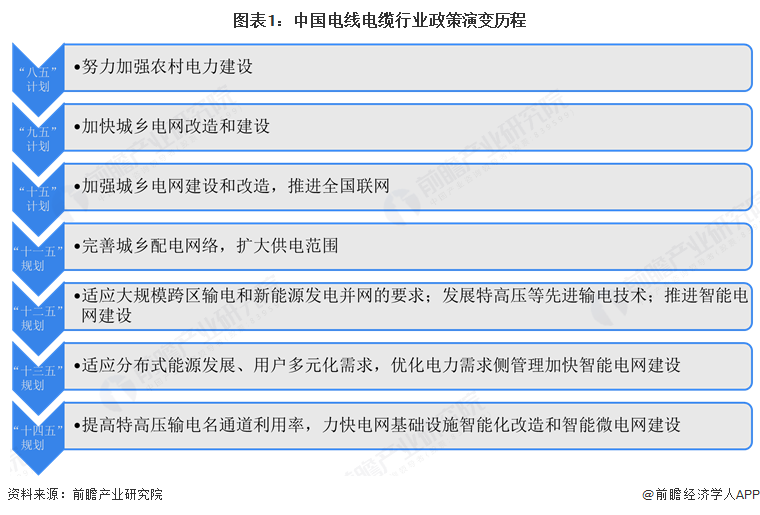
Core Viewpoint - The Chinese wire and cable industry is undergoing significant policy support and transformation, focusing on enhancing infrastructure, promoting renewable energy, and ensuring product quality standards to drive high-quality development [2][5][15]. Policy Evolution - The policy trajectory for the wire and cable industry has evolved from strengthening rural power construction to enhancing urban power grid construction and accelerating smart grid transformation [2][5]. - The "14th Five-Year Plan" emphasizes increasing the scale of wind and solar power generation and improving the utilization rate of ultra-high voltage transmission channels [2][15]. National Policy Summary and Interpretation - A series of government policies have been introduced to promote the healthy and rapid development of the wire and cable industry, including the "14th Five-Year Development Guidance for the Wire and Cable Industry," which focuses on high-end equipment development and quality supervision [5][15]. - The "Quality Strong Nation Construction Outline" aims to strengthen quality supervision of key building materials, including wire and cable products [5][15]. Provincial Policy Summary - Various provinces have developed local policies aligned with the national "14th Five-Year Plan," focusing on enhancing the quality and standards of wire and cable products [15][19]. - For instance, Beijing's policy emphasizes quality supervision of key building materials, while Shanghai plans significant upgrades to its distribution network [17][19]. Industry Standards and Regulations - The implementation of the "Mandatory Product Certification Implementation Rules" for wire and cable products aims to ensure compliance with safety and quality standards [11][13]. - The "Production License Implementation Rules for Wire and Cable Products" mandates that specific products must obtain production licenses to ensure quality control [13][14]. Future Development Goals - The wire and cable industry is expected to focus on digital transformation and high-end development, with provinces like Anhui promoting the use of advanced technologies [19][22]. - The industry is also set to enhance its capabilities in quality management and product certification to meet new market demands [19][22].
2025年中国硅钢行业需求现状 家电是硅钢行业主要应用领域【组图】
Qian Zhan Wang· 2025-05-23 07:49
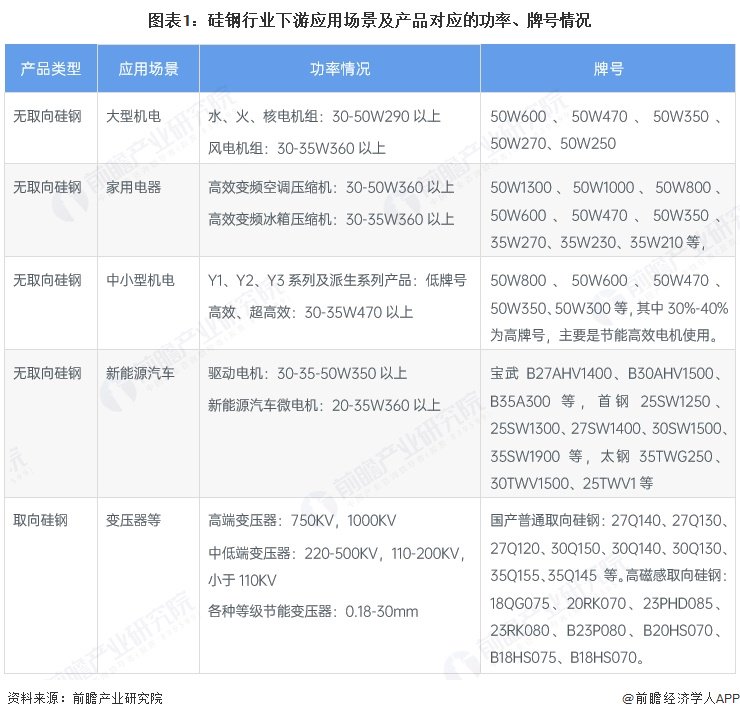
Core Insights - The Chinese silicon steel industry is experiencing a shift in application scenarios, with significant demand from home appliances, large and medium-sized electrical machinery, and new energy vehicles [5][10]. Application Scenarios - In large electrical machinery, silicon steel is essential for manufacturing generator cores in wind, thermal, and hydroelectric power generation, enhancing efficiency [2]. - Home appliances utilize non-oriented silicon steel, particularly in air conditioning compressors, with increasing demand for high-grade materials due to energy efficiency upgrades [2][11]. - New energy vehicles have a substantial demand for silicon steel in drive motors, requiring high-grade non-oriented silicon steel for optimal performance across various speeds [2][10]. - Medium-sized electrical machinery, such as cranes and rolling mills, also relies on silicon steel for high-load, high-power applications [2]. - Transformer cores predominantly use oriented silicon steel, with growing demand for high magnetic induction oriented silicon steel driven by power grid construction and energy efficiency needs [2][5]. Market Trends - The application structure of silicon steel is changing, with home appliances' share of non-oriented silicon steel demand projected to decline from 40% in 2019 to 25% by 2024, while the share from large electrical machinery is expected to rise to 21% [5]. - The total installed power generation capacity in China has increased significantly, from 1.525 billion kilowatts in 2015 to 3.35 billion kilowatts in 2024, reflecting strong growth in the power industry [7]. - The production of new energy vehicles in China reached 9.587 million units in 2023, with a projected increase to 12.88 million units in 2024, indicating robust demand in this sector [10]. Home Appliance Market - The home appliance market is facing challenges due to intense online competition and a slowdown in real estate demand, impacting overall sales [11]. - Despite these challenges, the production of major appliances like air conditioners, refrigerators, and washing machines has shown growth in 2023, with air conditioner production increasing by 13.5% [11].




2025年中国航空发动机行业发展概述 产品领域多,发展前景好【组图】
Qian Zhan Wang· 2025-05-23 06:58
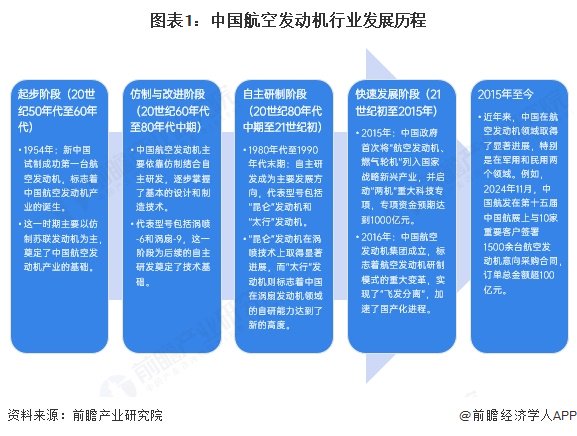
Core Viewpoint - The Chinese aviation engine industry has transitioned from imitation to independent research and development, demonstrating strong self-innovation capabilities and moving towards high-quality development supported by national policies [1]. Industry Overview - The aviation engine industry is a crucial segment of the national economy and security, with its comprehensive level reflecting a country's overall strength. Aviation engines can be categorized into various types based on thrust generation principles, oxidizer sources, and the presence of compressors [3]. Technical and Financial Barriers - The aviation engine industry is characterized by high technical and financial barriers, requiring expertise across multiple modern technology fields. The demanding operational conditions necessitate significant foundational research, engineering technology accumulation, and financial investment, making it challenging for new entrants to compete [5]. Engine Types and Applications - Different types of aviation engines serve distinct applications, with the turbofan engine being the most widely used due to its efficiency and low fuel consumption. A summary of various engine types and their applications includes: - Piston engines: Low cost and high fuel efficiency, primarily used in small low-speed aircraft and drones [9]. - Ramjet engines: Simple structure and high thrust, used in supersonic missiles and targets [9]. - Turbojet engines: High thrust but high fuel consumption, used in older fighter jets and ballistic missiles [9]. - Turbofan engines: High efficiency and low fuel consumption, used in modern military and civilian aircraft [9]. - Turboprop engines: High fuel economy at medium to low speeds, used in small transport and general aviation aircraft [9]. - Turboshaft engines: The only power source for helicopters [9]. - Propfan engines: Complex structure and high noise, with limited application [9]. Future Development Directions - The Chinese aviation engine manufacturing industry is expected to focus on independent innovation, improving quality and reliability, international cooperation, R&D investment, and sustainable development, positioning itself as a significant player in the global aviation sector [11].


【行业深度】洞察2025:中国矿用机器人行业竞争格局及竞争力评价(附市场集中度、企业竞争力分析等)
Qian Zhan Wang· 2025-05-23 03:54
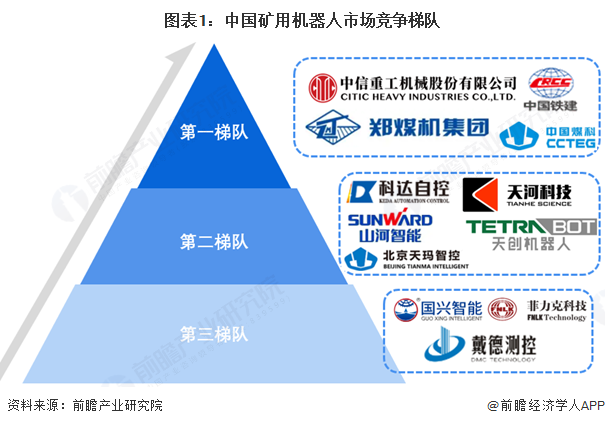
Core Insights - The Chinese mining robot market is characterized by a low concentration level, with a CR10 of approximately 20% [6] - The market is segmented into three tiers based on competitive strength, with leading companies including CITIC Heavy Industries, China Railway Heavy Industry, Zhengzhou Coal Mining Machinery, and China Coal Technology Engineering Group in the first tier [1][9] - The industry is experiencing a shift towards intelligent mining solutions, with companies like CITIC Heavy Industries and Shandong Hi-Speed Heavy Industry pursuing smart transformation [9] Market Structure - The first tier of the mining robot market includes CITIC Heavy Industries, China Railway Heavy Industry, Zhengzhou Coal Mining Machinery, and China Coal Technology Engineering Group, which possess strong market presence and product ecosystems [1] - The second tier consists of companies like Keda Control, Shanhe Intelligent, Tianma Intelligent, and Tianhe Technology, which have advantages in R&D investment and product manufacturing [1] - The third tier includes Guoxing Intelligent, Felik Technology, and Dade Measurement and Control, which focus on product manufacturing but have weaker competitive positions [1] Regional Analysis - The mining robot industry chain is well-developed in Guangdong, Shaanxi, Shandong, Jiangsu, and Shanxi provinces, with Guangdong and Jiangsu having a strong upstream component supply [3] - Shaanxi, Shandong, and Shanxi have a high demand for mining robots due to the presence of numerous mines [3] Competitive Landscape - The industry lacks a clear leader in terms of both revenue and growth, with most companies focusing on traditional mining equipment rather than intelligent mining robots [9] - Companies like Zhengzhou Coal Mining Machinery and Tianhe Technology are leading in revenue but have struggled with profit margins [9] - Notable companies with high profit margins exceeding 30% include Tianma Intelligent, Meian Technology, and Keda Control [9] Competitive Evaluation - A competitive analysis using six dimensions shows that CITIC Heavy Industries, China Coal Technology Engineering Group, China Railway Heavy Industry, and Zhengzhou Coal Mining Machinery lead in market revenue, product layout, and R&D investment [12] - Companies like Keda Control and Tianma Intelligent have lower revenue but a diverse product range, indicating potential for growth [12] Porter's Five Forces Analysis - The intensity of rivalry among existing competitors is moderate, with specialized manufacturers like Tianma Intelligent and Keda Control holding a technological edge [14] - The threat of new entrants is significant due to policy support for smart mining, although high R&D costs and technical barriers limit small enterprises [14] - Supplier bargaining power is strong, particularly for core components that are often imported [14] - Buyer bargaining power is also strong, especially among large state-owned mining enterprises [14]


预见2025:《2025年中国商用遥感卫星行业全景图谱》(附市场现状、竞争格局和发展趋势等)
Qian Zhan Wang· 2025-05-23 03:20
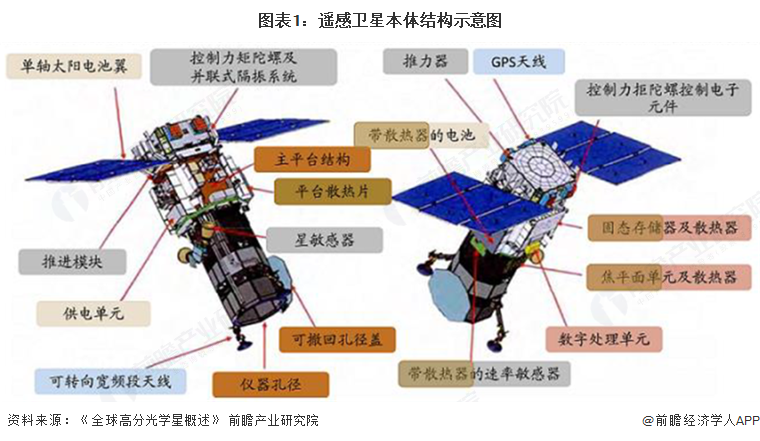
Industry Overview - Remote sensing satellites are defined as application satellites that utilize sensors onboard to detect the Earth's surface and lower atmosphere for information gathering. They can operate in orbit for several years and cover specified areas continuously when in geosynchronous orbit [1][2]. - The remote sensing satellite system consists of two main components: the satellite platform and the payload system, which includes various subsystems such as power units, antennas, and control electronics [1]. Industry Chain Analysis - The upstream of the commercial remote sensing satellite industry includes satellite manufacturing, launch services, and ground equipment manufacturing. Manufacturing involves materials, chips, and propulsion systems, while launch services cover rocket development and delivery [5][6]. - The midstream consists of commercial remote sensing satellite operations, primarily involving ground operators and data operators who sell data products and provide service solutions [6][8]. - The downstream application areas are divided into B-end (government and enterprises) and C-end (consumers), with various information products and services distributed to users [6][8]. Industry Development History - The Chinese commercial remote sensing satellite industry has evolved from non-existence to a significant presence, driven by policy support since 2014. The establishment of companies like Changguang Satellite Technology marked the beginning of commercial remote sensing in China [10][11]. - The period from 2015 to 2019 saw rapid development, with the emergence of private companies and significant projects like the "Beijing No. 2" satellite [11]. - Since 2020, the industry has entered a phase of large-scale commercialization, with numerous companies announcing satellite constellation and launch plans [11]. Industry Policy Background - The importance of satellite remote sensing has been emphasized in national strategies, with various supportive policies introduced to promote the industry and its applications [15][16]. Current Industry Status - China has seen a significant increase in remote sensing satellite launches, with 105 satellites launched in 2022, surpassing the US for the first time. In 2023, over 160 satellites were successfully launched [19][22]. - By the end of 2023, China had more than 323 commercial remote sensing satellites in orbit, with a diverse range of data types and enhanced capabilities [22][27]. Commercial Remote Sensing Satellite Market - The market for commercial remote sensing satellites in China has been steadily growing, driven by policy support, technological advancements, and diverse market demands. The industry scale exceeded 270 billion yuan in 2023, with direct benefits surpassing 50 billion yuan [26][27]. - The commercial operation models include self-owned satellite operators who develop and launch their satellites and those who purchase data for processing and resale [23][26]. Competitive Landscape - The commercial remote sensing satellite industry features a mix of cooperation and competition among companies. The competitive landscape is dynamic, influenced by manufacturing cycles, application demands, and market evaluations [28][29]. - The first tier of competition includes leading companies with comprehensive capabilities across the industry chain, while the second and third tiers focus on specific operational models and data services [28][29]. Future Industry Trends - The market for remote sensing satellites is expected to grow at around 10% annually, potentially exceeding 37.2 billion yuan by 2030, driven by increasing applications in various sectors [32][35]. - Future trends include technological innovations in satellite miniaturization, high-resolution imaging, and AI data processing, alongside expanding applications in agriculture, environmental monitoring, and disaster management [35].


前瞻全球产业早报:广东开展县域“跨境电商带”试点
Qian Zhan Wang· 2025-05-23 01:59
Group 1: Trade Agreements - China and ASEAN countries have completed negotiations for the China-ASEAN Free Trade Area 3.0, which began in November 2022 and lasted nearly two years with nine formal rounds of talks, set to conclude substantively in October 2024 [2] Group 2: Artificial Intelligence Market - NVIDIA CEO Jensen Huang predicts that the Chinese artificial intelligence market will reach a scale of $50 billion by 2026 [3] Group 3: E-commerce and Industry Development - Guangdong province is initiating pilot projects for "cross-border e-commerce belts" to enhance the development capabilities of cross-border e-commerce in cities like Guangzhou and Shenzhen [4] - Shanghai plans to accelerate the establishment of a green methanol self-sustaining economic industry chain, focusing on technological research and development for biomass fuel crops [4] Group 4: Investment Funds - A special mother fund for low-altitude economy in Suzhou has been established with a capital of 2 billion RMB, focusing on equity and venture capital investments [5] Group 5: Artificial Intelligence Initiatives - Longgang District has unveiled the first government-affiliated agency for artificial intelligence and robotics in China, launching a three-year action plan to develop "AI Longgang" [6] Group 6: Market Capitalization - The market capitalization of Mixue Group has surpassed 200 billion HKD, reaching 203.1 billion HKD, making it the second-largest listed company in Henan [7] Group 7: Renewable Energy Projects - The European Union has selected 15 renewable hydrogen production projects across five countries, providing nearly 1 billion euros in public funding, expected to produce around 2.2 million tons of renewable hydrogen over the next decade [8] Group 8: Steel Exports - South Korea's steel exports to the U.S. decreased by over 10% in the first four months of the year, influenced by a high base effect from the previous year [8] Group 9: Autonomous Vehicles - Tesla plans to launch its autonomous taxi service in June, starting with approximately 10 vehicles in Austin, with plans for rapid expansion if initial operations are successful [9] Group 10: Chip Manufacturing - Wolfspeed, a U.S. silicon carbide chip manufacturer, is preparing to file for bankruptcy due to unresolved debt issues, leading to a nearly 60% drop in its stock price [10] Group 11: AI Development - Apple is reportedly preparing to allow third-party developers to use its AI models to stimulate the creation of new applications [11] - SoftBank is leveraging a $15 billion syndicated loan to finance its investments in artificial intelligence [12] Group 12: IPOs - Contemporary Amperex Technology Co., Ltd. (CATL) has successfully listed on the Hong Kong Stock Exchange, achieving a market capitalization of 1.3 trillion HKD, marking the largest IPO globally this year [14]