起点锂电

Search documents
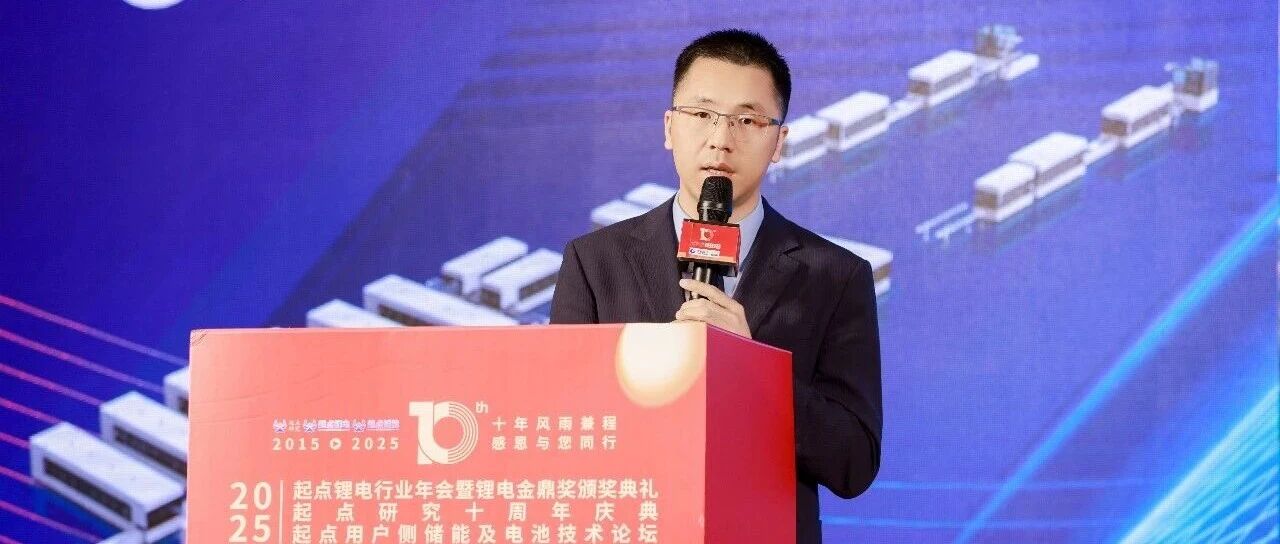
德马科技集团--乾纳智能装备 杜文龙博士:高速物流线在锂电池产业的应用与展望
起点锂电· 2025-12-18 11:24
| | | 一个 : | | | | | KI ES 親 | | | | | --- | --- | --- | --- | --- | --- | --- | --- | --- | --- | --- | | | | 2015 0 2025 | | | | ન્ 12 | 与您 | 同 行 | | | | | | | | | 起点锂电行业年会暨锂电金鼎奖颁奖典礼 | | | | | | | 2 | | H | | 10001 信 | 能及 | 日 | HD ਸਿੱ | | | | | | F Eile | | | 45 | | | | | e 能 | | | | | | | 中国 · 深圳 2025,12. | | | | | | | | 专场冠名 | C BYEN | | | | | | | | | | | 合影墙独 | XES | 密到墙轴 | 小 川盛理电 | 椅背贴种家冠 | | АНОЙВ | | | 25 - 能 耗 技 | | | | 新葡亰网生成书馆从事呼吸出 | CITITO | 人 最佳能版 | 2 透乐甲进 | NORDA | MSCAD天动 | 20 PEI 10 142 11/2 ...


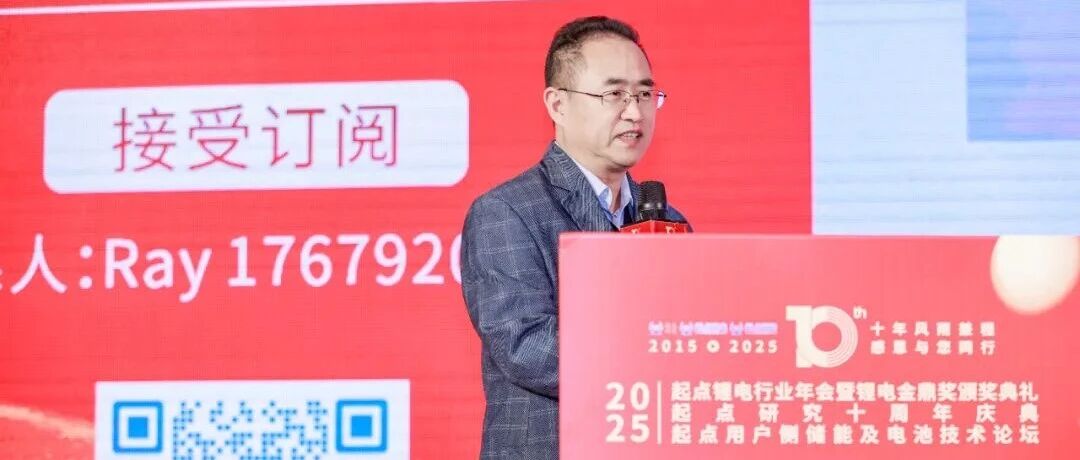
星恒电源 首席技术官 王正伟:迈向新“锰”标:新一代锰基电池材料前驱体创新与应用
起点锂电· 2025-12-18 11:24
Core Viewpoint - The article discusses advancements in manganese-based battery materials, particularly focusing on the innovations and applications of manganese-based precursors in small power lithium batteries, emphasizing their cost-effectiveness and performance improvements [3][4][6]. Group 1: Manganese-Based Battery Materials - The small power market is cost-sensitive, and the focus is on continuous cost reduction while improving performance through technological advancements [7]. - Manganese-based lithium batteries are preferred for small power applications due to their excellent low-temperature performance, high volumetric energy density, and precise state of charge (SOC) calibration capabilities [7][8]. - The challenges of manganese oxide lithium batteries, such as high-temperature cycling and storage issues, are being addressed through innovative composite systems and high-temperature solid-phase precursor technologies [8][9]. Group 2: Precursor Development and Innovations - Two typical precursors for manganese oxide lithium are electrolytic manganese dioxide and manganese trioxide, each with its own limitations affecting cost and performance [10]. - The company has developed a unique single-crystal manganese oxide synthesis route that significantly reduces production costs and improves performance metrics [11][12]. - The latest generation of materials, including single-crystal manganese oxide, has shown improved discharge capacity and cycle performance, achieving discharge capacities of 115-120 mAh/g [11][12]. Group 3: Safety and Market Compliance - The solid-phase single-crystal precursor technology enhances the intrinsic safety of materials, addressing increasing safety standards in the market [13]. - The company has filed numerous patents related to manganese-based materials, indicating a strong focus on innovation and market readiness [17]. - Future plans include expanding the product matrix to cover a range of cathode materials, including manganese oxide and phosphate-based materials, to meet diverse market needs [17].
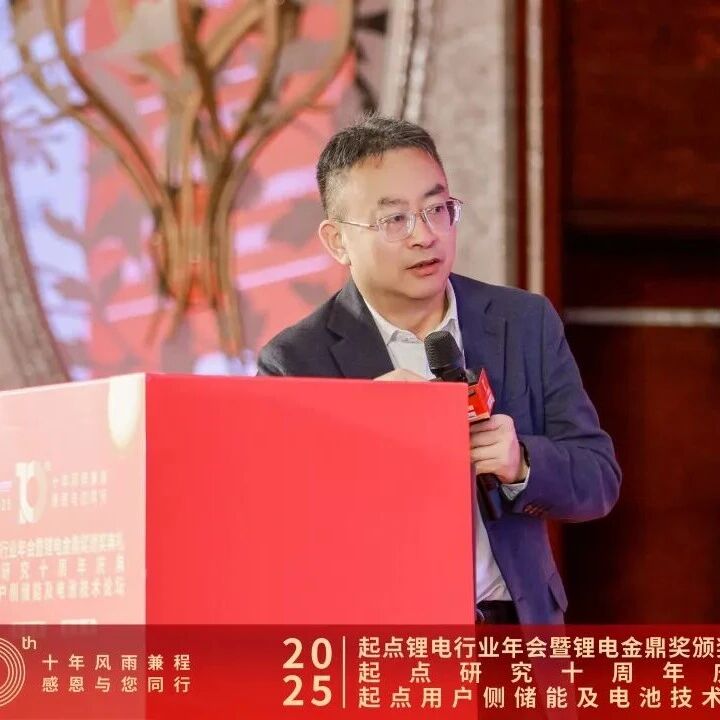
逸飞激光 市场总监 金朝昊:智能装备持续创新 赋能圆柱电池产业化推进
起点锂电· 2025-12-18 11:24
Core Viewpoint - The article discusses the advancements and innovations in the cylindrical battery industry, highlighting the transition to large-scale production and the competitive advantages of Chinese companies in the lithium battery supply chain [1][6]. Group 1: Industry Events and Trends - The 2025 (10th) Lithium Battery Industry Annual Conference and the Lithium Golden Tripod Award Ceremony were held in Shenzhen, focusing on core topics such as battery technology, materials, and equipment [1]. - The cylindrical battery has entered a phase of large-scale production, with applications expanding beyond traditional sectors to include light-duty power, engineering machinery, electric ships, and humanoid robots [4][6]. Group 2: Market Dynamics - The market has shifted from policy-driven to market-driven dynamics, which is seen as beneficial for industry development, bringing more vitality and advantages to end-users [4]. - Data indicates that cylindrical batteries are experiencing a long-term stable growth trend after overcoming a period of technological uncertainty [4]. Group 3: Technological Innovations - The company has been involved in the innovation of equipment and processes for cylindrical battery production since 2009, achieving breakthroughs in key processes such as full-tab ear forming and current collector welding [5]. - China has established a leading position in patent layouts across various advanced technology fields related to electric vehicles (EVs), solid-state batteries, and smart manufacturing, surpassing the US and Europe [5]. Group 4: Product Solutions and Customization - The company offers a range of solutions for cylindrical batteries, including different production line types such as linear, flexible turret, and magnetic levitation lines, catering to various production needs [9][10][11]. - The solutions are customized based on client requirements, covering different sizes and structures of cylindrical batteries, including full-tab ear designs that enhance performance and safety [7][8]. Group 5: Operational Efficiency and Sustainability - Innovations in production lines have led to a 16% reduction in overall footprint and a 30% decrease in the number of personnel required for line inspections, enhancing operational efficiency [14]. - The new generation of production lines has achieved a 20% reduction in energy consumption, supporting the transition to green factories and sustainable development [15]. Group 6: Research and Development Initiatives - The company has established a collaborative innovation platform to support continuous innovation in technology, processes, and equipment, involving upstream suppliers and downstream customers [17]. - The engineering technology research institute has invested in over 200 sets of equipment and has undertaken nearly 200 innovation projects, focusing on the development and testing of new products [18][21].
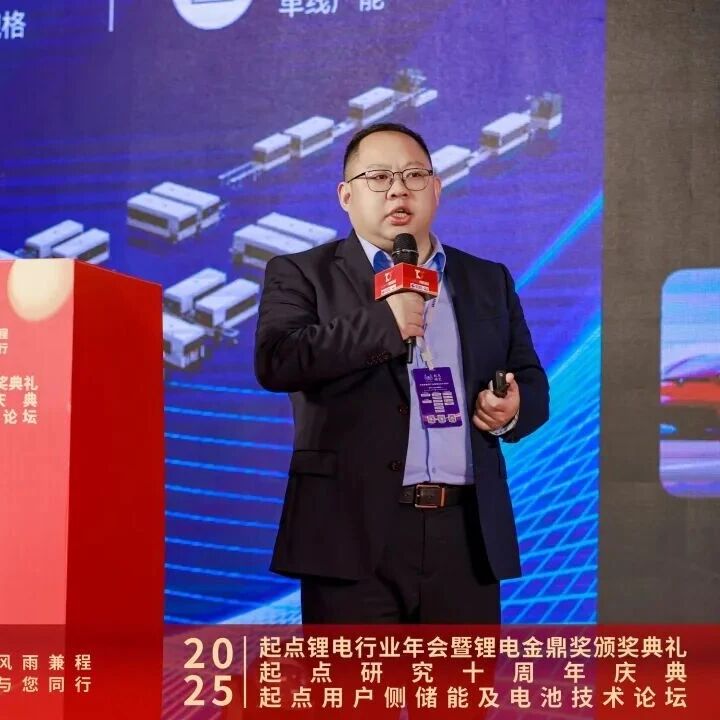
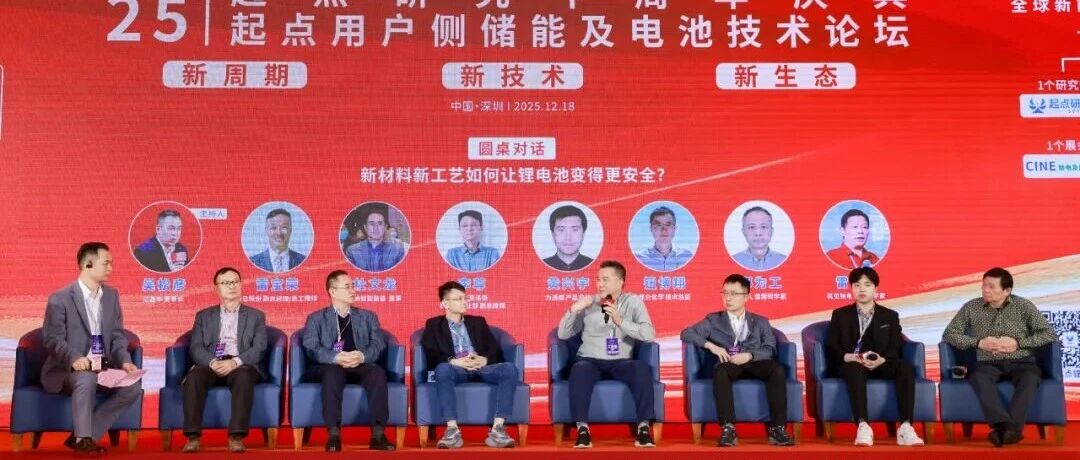
圆桌对话:新材料新工艺如何让锂电池变得更安全?
起点锂电· 2025-12-18 10:06
Core Viewpoint - The article discusses the advancements in lithium battery technology, focusing on safety improvements through new materials and processes, as well as the importance of collaboration in innovation within the industry [1][20]. Group 1: Event Overview - The 2025 Lithium Battery Industry Annual Conference and the Lithium Golden Ding Award Ceremony were held in Shenzhen, gathering over 800 attendees to discuss core issues in lithium batteries, materials, and equipment [1]. - The event included a forum on user-side energy storage and battery technology, emphasizing the need for breakthroughs in safety challenges and value chain restructuring [1]. Group 2: Safety Innovations - A roundtable discussion focused on how new materials and processes can enhance the safety of lithium batteries, with industry leaders sharing insights on the topic [2][4]. - Key participants included executives from various companies, discussing the importance of solid-state electrolytes and the need for improved safety measures in battery design [2][4][5]. Group 3: Material and Process Development - The discussion highlighted the significance of electrolyte materials, with a focus on solid-state electrolytes and their potential to improve safety while maintaining performance [5][6]. - The challenges of balancing intrinsic safety and processing characteristics of materials were emphasized, indicating a need for ongoing research and collaboration in the industry [5][6]. Group 4: Industry Challenges and Solutions - Experts pointed out that safety issues often arise from the battery pack design and usage conditions, particularly in consumer applications like electric bicycles [15][19]. - The necessity for a comprehensive approach to battery management systems (BMS) and charging systems was stressed, ensuring that products are matched to their intended use cases [19][20]. Group 5: Future Directions - The article concludes with a call for systematic innovation across materials, processes, and systems to address industry challenges and enhance safety [21]. - Collaboration among industry players is deemed essential for advancing battery technology and ensuring safety standards are met [21].
亮见钠电 首席科学家 雷洪钧:固态电池产业化技术成熟度与装车速度差异分析报告
起点锂电· 2025-12-18 09:49
Core Viewpoint - The article discusses the advancements and challenges in the solid-state battery industry, emphasizing the maturity of technology and the slow pace of vehicle integration due to economic factors and production challenges [4][6][8]. Group 1: Event Overview - The 2025 (10th) Lithium Battery Industry Annual Conference and the Lithium Golden Ding Award Ceremony were held on December 18, 2025, in Shenzhen, with over 800 attendees discussing key topics in lithium batteries, materials, and equipment [1]. - The event included a forum on user-side energy storage and battery technology, highlighting the importance of technological breakthroughs and safety challenges in the industry [1]. Group 2: Solid-State Battery Insights - The chief scientist of sodium batteries presented a report on the maturity of solid-state battery technology and its integration speed, indicating that the technology is ready for implementation [2]. - Solid-state batteries have undergone extensive research and development, with major manufacturers like Dongfeng and Changan already testing vehicles equipped with this technology [5]. - The article notes that while solid-state battery technology is mature, the speed of vehicle integration is influenced by economic considerations and the existing infrastructure for lithium iron phosphate and ternary batteries [6][7]. Group 3: Technical and Economic Challenges - The cost of solid-state batteries remains high due to the lack of large-scale production, which is necessary to drive down prices [7]. - The article highlights that achieving zero defects in production is crucial for solid-state batteries, but current production lines are still focused on achieving this for existing battery types [7]. - The integration of solid-state batteries into the market is expected to accelerate by 2030, but for now, lithium iron phosphate and ternary batteries will continue to dominate due to their established safety and cost advantages [6][8].

信宇人 应用技术研究院 谢尚辰:卤化物固态电解质的技术进展
起点锂电· 2025-12-18 09:42
Core Viewpoint - The article discusses the advancements in solid-state battery technology, particularly focusing on halide solid electrolytes, which are seen as a promising solution to the limitations of traditional liquid electrolyte batteries [1][10]. Group 1: Event Overview - The 2025 (10th) Lithium Battery Industry Annual Conference and the Lithium Golden Tripod Award Ceremony were held in Shenzhen, gathering over 800 attendees to discuss core topics in lithium batteries, materials, and equipment [1]. - The event included a forum on user-side energy storage and battery technology, emphasizing the exploration of technological breakthroughs and safety challenges [1]. Group 2: Technical Insights - Traditional liquid batteries face significant issues, including flammability, lithium dendrite growth, and limited temperature ranges, which hinder energy density improvements [5][6][7][8]. - Solid-state electrolytes are proposed as a key enabling technology for next-generation batteries, offering enhanced safety, longer cycle life, and higher energy density [10]. Group 3: Halide Solid Electrolytes - Halide solid electrolytes have gained attention due to their room temperature ionic conductivity reaching 10^-3 S/cm, making them competitive with liquid electrolytes [11]. - They exhibit better electrochemical compatibility with high-voltage cathodes and have unique potential in safety and cycling stability [11]. - The development history of halide solid electrolytes shows significant progress since 2018, marking the emergence of the second generation with improved ionic conductivity [12]. Group 4: Comparative Analysis - Halide solid electrolytes offer a balance of ionic conductivity, mechanical properties, and electrochemical stability compared to sulfide and oxide solid electrolytes [14][15]. - While sulfide electrolytes have the highest ionic conductivity, they are sensitive to air and humidity, whereas halides provide better oxidation stability and lower costs [14]. Group 5: Future Directions - The company plans to advance its first-generation halide products into pilot testing, focusing on performance validation in soft-pack batteries [19]. - The second-generation halide materials will continue to optimize electrochemical performance and expand the application range of solid electrolyte systems [20]. - The company, headquartered in Shenzhen, aims to integrate high-end equipment, new processes, and new materials into its product development strategy [20].
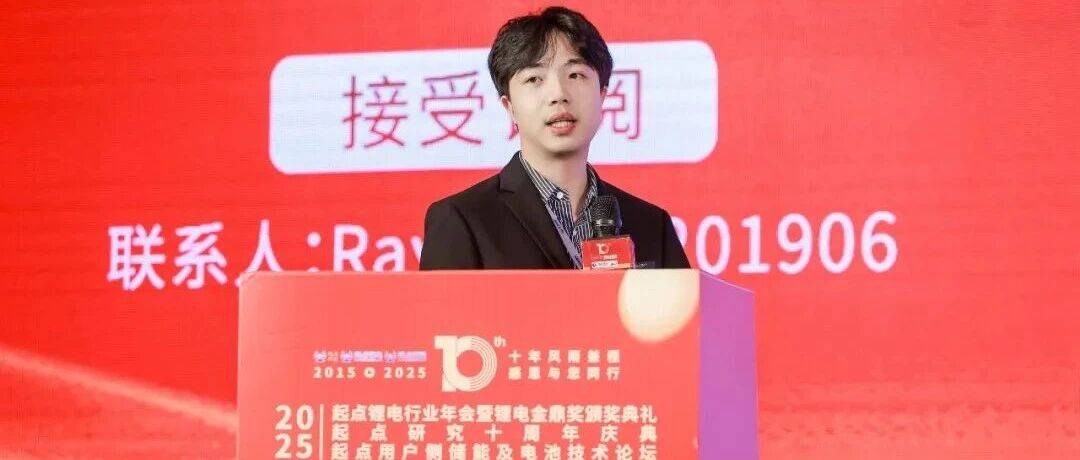
昆仑化学 技术总监 钮博翔:耐高电压新型溶剂添加剂电解液研究进展
起点锂电· 2025-12-18 09:38
Core Viewpoint - The article discusses advancements in lithium battery technology, particularly focusing on high-voltage electrolyte solutions and the innovations presented at the 2025 Lithium Battery Industry Conference held in Shenzhen, which gathered over 800 attendees to explore core issues in lithium batteries, materials, and equipment [1]. Group 1: Conference Overview - The 2025 Lithium Battery Industry Conference and the 10th Anniversary of the Starting Point Research Institute took place on December 18, 2025, in Shenzhen, featuring discussions on technological breakthroughs and safety challenges in the lithium battery sector [1]. - The conference included a special session on battery technology innovations, where Kunlun Chemical's Technical Director presented research on high-voltage electrolyte solutions [2]. Group 2: Research on Electrolyte Solutions - Kunlun New Materials' presentation covered three main areas: the structural model of electrolytes under high voltage, solutions involving new solvents/additives, and the company's development and industrial layout [4]. - High-voltage electrolytes face challenges such as oxidation decomposition at voltages above 4.2V, leading to adverse reactions that can damage battery components [4]. Group 3: Development Strategies - The company focuses on four design and research aspects: 1. Designing new molecules to improve interface properties [5]. 2. Introducing multifunctional additives to regulate SEI film composition [6]. 3. Expanding the electrochemical window of solvents to enhance high-voltage performance [7]. 4. Ensuring the intrinsic safety of electrolyte components [8]. Group 4: Additive and Solvent Innovations - Effective additives must have low HOMO energy levels to facilitate film formation on the positive electrode, ensuring stability and reducing oxidation decomposition [10][11]. - The use of fluorinated organic solvents enhances the oxidation resistance of electrolytes, allowing them to withstand high-voltage environments [12][14]. - The development of specific additives, such as RNC1015, aims to improve electrochemical stability and performance under high-temperature conditions [16]. Group 5: Company Profile - Kunlun New Materials, established in 2004, has developed significant capabilities in lithium-ion battery electrolyte research, with multiple R&D bases and centers, and holds 150 patents, including 45 invention patents [21]. - The company has expanded its operations to various locations, including Sichuan Yibin and Hungary, with ongoing projects aimed at enhancing its production capacity [22].
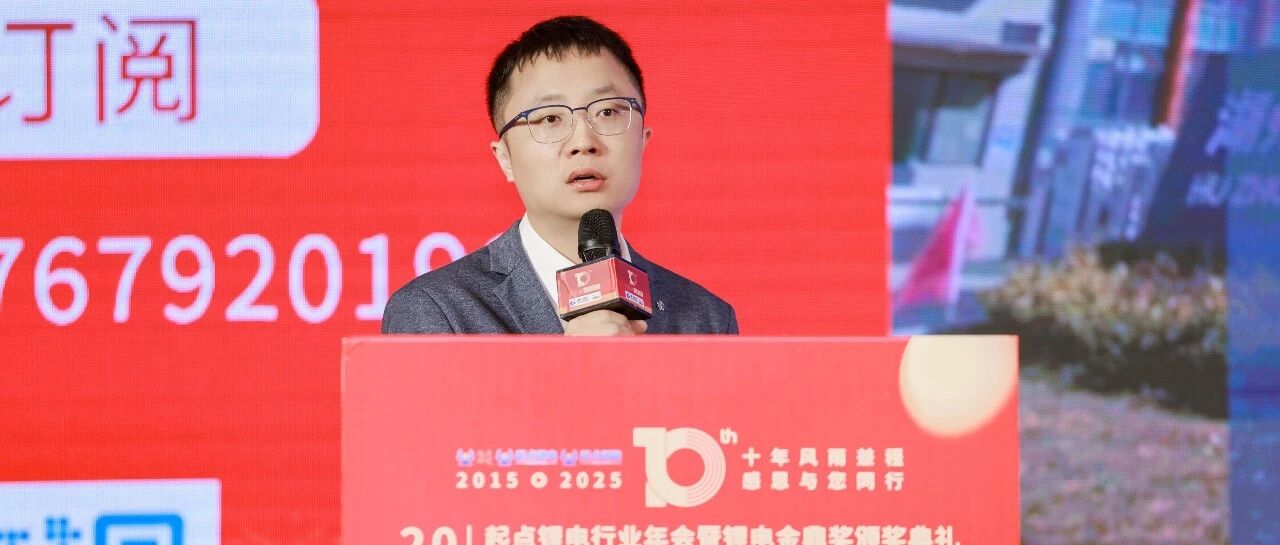
苏州莫洛奇 新能源事业部副总经理 李尊:莫洛奇磁悬浮驱动锂电未来
起点锂电· 2025-12-18 08:57
Core Viewpoint - The article discusses the advancements in lithium battery technology and the role of magnetic suspension systems in enhancing production efficiency and flexibility in the industry [1][6]. Group 1: Event Overview - The 2025 (10th) Lithium Battery Industry Annual Conference and the Lithium Battery Golden Ding Award Ceremony were held in Shenzhen, gathering over 800 guests to discuss core topics such as battery technology, materials, and equipment [1]. - The event also celebrated the 10th anniversary of the organizing research institute, highlighting the importance of technological breakthroughs and safety challenges in the lithium battery sector [1]. Group 2: Company Introduction - Morrochi Intelligent, established in 2019, focuses on developing direct drive systems and magnetic suspension technology, with a comprehensive approach to R&D, design, production, and sales [4]. - The company has a strong background in intelligent manufacturing, providing advanced solutions for various industries, including semiconductor, renewable energy, and automotive [4]. Group 3: Product Development Timeline - The R&D team for intelligent magnetic drive systems was established in 2018, leading to the launch of the V1.0 connection line prototype in 2021 and the V2.0 series achieving mass production in 2023 [5]. - Future plans include launching a flexible circular line in 2024 and expanding product offerings in 2025, targeting applications in energy storage and power batteries [5]. Group 4: Market Demand and Efficiency - The demand for power lithium batteries is entering the TWh era, necessitating higher flexibility, efficiency, and yield in production lines [6]. - Magnetic suspension technology offers significant energy savings, with electromagnetic drives being over 40% more energy-efficient than traditional motor drives, aiding companies in achieving high ESG ratings [6]. Group 5: Magnetic Suspension Technology Advantages - The technology enhances production speed and output, significantly reducing the transfer time of battery cells between processes, thus improving overall equipment effectiveness (OEE) [7]. - It also lowers costs by minimizing physical wear and contamination, ensuring higher yield rates and consistency in battery production [7]. - The system allows for dynamic path planning and real-time scheduling, enabling flexible production without physical modifications [7]. Group 6: Technical Specifications - The magnetic suspension logistics line can reach a maximum speed of 2 m/s, with a maximum load capacity of 1000 kg and a positioning accuracy of ±0.03 mm [14]. - The system features modular design, allowing for easy upgrades and integration with various logistics lines [12][14]. Group 7: Application Areas - The magnetic suspension technology is applied in various sectors, including smartphone assembly, battery production, and medical equipment manufacturing [25]. - Specific case studies demonstrate the technology's effectiveness in enhancing efficiency, such as a circular line for lithium battery production with a length of 12 meters and a speed of 2 m/s [27].

乾纳智能装备 董事 杜文龙博士:高速物流线在锂电池产业的应用与展望
起点锂电· 2025-12-18 08:22
Core Viewpoint - The article discusses the advancements and applications of high-speed logistics lines in the lithium battery industry, highlighting the technological innovations, industry competition, and the future growth potential of the sector [1][2]. Group 1: Event Overview - The 2025 (10th) Lithium Battery Industry Annual Conference and the Lithium Battery Golden Ding Award Ceremony were held on December 18, 2025, in Shenzhen, with over 800 attendees discussing core topics such as battery technology, materials, and equipment [1]. - The event also celebrated the 10th anniversary of the initiating research institute, focusing on technological breakthroughs and safety challenges in the lithium battery value chain [1]. Group 2: High-Speed Logistics Line Applications - Dr. Du Wenlong from QianNa Intelligent Equipment presented on the application and outlook of high-speed logistics lines in the lithium battery industry, covering technology origins, industry competition, and technical breakthroughs [2][4]. - The presentation outlined the evolution of logistics technologies from traditional belt-driven systems to roller and magnetic levitation systems, emphasizing customized applications in battery production [4]. Group 3: Key Differences in Logistics Lines - High-speed logistics lines differ from traditional ones in maximum speed, precision, and cost control, with current speeds exceeding 0.25 m/s but facing challenges in precision and application costs [5]. - The positioning accuracy of high-speed logistics lines ranges from 0.5 mm to 0.01 mm, showcasing significant advancements in precision [6]. Group 4: Industry Competition Landscape - The lithium battery sector is expected to grow significantly, with storage battery demand increasing as energy storage solutions evolve from smaller mobile batteries to larger systems measured in gigawatts [9]. - The market is segmented, with major players like Meidel and QianNa Intelligent Equipment, the latter being a second-tier competitor, indicating a competitive landscape with various strengths [9]. Group 5: Technical Challenges and Innovations - Existing technical challenges include vibration control in ultra-high-speed scenarios and stability issues in extreme cold conditions for battery transport [11]. - QianNa has four core technological advantages: high-cleanliness and wear-resistant roller transport, modular architecture for shorter production line transformation cycles, digital twin debugging for efficiency, and intelligent energy management for significant energy savings [12]. Group 6: Addressing Industry Pain Points - QianNa has made strides in overcoming efficiency bottlenecks, achieving a 5% increase in production rhythm, a 15% overall efficiency improvement, and a 60% to 200% increase in output within the same timeframe [14]. - The company has also tackled precision bottlenecks to meet high-precision process requirements and cost bottlenecks by reducing overall line costs by 15% and extending equipment depreciation periods from 5 to 8 years [15]. Group 7: Company Growth and Future Plans - QianNa Intelligent Equipment, established on December 26, 2022, has set ambitious growth targets, aiming for a 100% annual increase over five years, with significant order volumes already secured [16]. - The company has achieved substantial milestones, including a projected delivery of 1 billion in orders for the upcoming year, reflecting a strong growth trajectory since its acquisition by the DeMa Group [16].
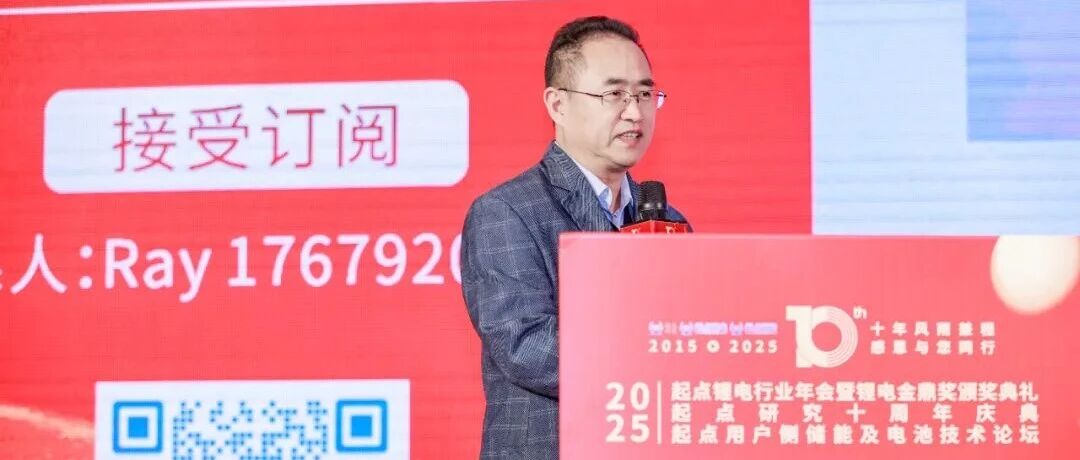
惠州潼湖生态智慧区管理委员会 招商财经办公室主任 黄乐全:惠州潼湖生态智慧区营商环境推介
起点锂电· 2025-12-18 07:42
Core Viewpoint - The article emphasizes the potential of the Tonghu Eco-intelligent Zone in Huizhou as a prime location for the development of the new energy battery industry, highlighting its advantages in terms of cost, infrastructure, and supportive policies for businesses [4][6][14]. Group 1: Industry Growth and Opportunities - The new energy battery industry is expected to experience a growth rate of three to four times over the next decade, with AIDC storage potentially seeing even higher growth [4]. - The Tonghu Eco-intelligent Zone is positioned as a strategic development platform backed by the national-level Zhongkai High-tech Zone, which has nurtured leading companies in the battery sector [6][12]. - The energy electronics industry in Zhongkai is projected to exceed 800 billion yuan this year, with a growth rate of over 30% in the first three quarters [8]. Group 2: Key Indicators for Business Location - **Energy Density**: The industrial concentration in the Tonghu Eco-intelligent Zone is significant, with a projected GDP of 107.1 billion yuan in 2024, surpassing that of Dongguan's Songshan Lake [7]. - **Cycle Life**: The cost competitiveness of the region is highlighted, with industrial land prices approximately one-third of those in Shenzhen, and factory rental prices similarly lower [9][10]. - **Charge and Discharge Speed**: The logistics efficiency and government support in Zhongkai are emphasized, with excellent transportation links and a proactive administrative service system [11]. Group 3: Additional Support and Infrastructure - The Tonghu Eco-intelligent Zone offers a "BMS system protection" that includes technological innovation support, leisure living, and future development space [12]. - The region is developing modern industrial parks and has plans to provide over 8 million square meters of industrial land in the next three years [13]. - The area is equipped with a comprehensive educational and healthcare system, ensuring a high quality of life for employees and their families [12].