思宇MedTech

Search documents
440亿!2025全球最大医械IPO,从幕后走到台前
思宇MedTech· 2025-12-18 03:19
Core Viewpoint - Medline, a company that has long operated behind the scenes in the healthcare system, made headlines with its IPO on December 17, 2025, raising $6.26 billion (approximately 44 billion RMB), marking it as one of the largest public offerings globally that year. The company's stock surged 41% on its first day, reflecting a newfound recognition of its essential role in the healthcare supply chain [2][4][8]. Group 1: Company Overview - Medline is often labeled as a "medical supplies distributor," but its true value lies in its comprehensive supply chain solutions, which include manufacturing, warehousing, distribution, and hospital support. The company offers over 330,000 products, including private label and third-party products, with a robust logistics system ensuring next-day delivery to most U.S. customers [4][5]. - The company's growth is not reliant on single innovations or policy changes, as it has maintained revenue growth across various economic cycles, including during the COVID-19 pandemic. This stability is appealing to capital markets, which favor understandable business models [5][8]. Group 2: Family Control and Development Path - Medline has been under family control since its founding in 1966 by Jon and Jim Mills, remaining 100% family-owned until 2021 when 79% of the shares were sold to a private equity consortium led by Blackstone, Carlyle, and Hellman & Friedman, valuing the company at over $30 billion [6][7]. - The Mills family retained about 21% of the shares before the IPO and expressed intentions to increase their holdings post-IPO, reflecting a consistent, low-profile operational style focused on growth and stability rather than aggressive market presence [7][15]. Group 3: IPO Insights - Medline's IPO is characterized as atypical, lacking the high-growth narrative common in recent medical device IPOs. The company had established stable profitability and clear cash flow structures prior to going public, with projected revenues of $25.5 billion in 2024 and nearly $1 billion in net profit for the first three quarters of 2025 [8][9]. - The management emphasized that the IPO would not alter the company's operational approach, focusing instead on reducing debt and enhancing financial flexibility rather than pursuing aggressive expansion [9][15]. Group 4: Tariff Considerations - Medline acknowledged the impact of tariffs, estimating a cost increase of approximately $325 million to $375 million for the fiscal year 2025, which would continue into 2026. The company has a diversified manufacturing and supply chain strategy, with over 30 production facilities globally, allowing for flexibility in response to policy and logistical challenges [12][13]. - The nature of Medline's products, which are low-cost, stable in demand, and easily substitutable, enables the company to absorb cost pressures through scale and pricing strategies, enhancing its resilience in uncertain environments [13]. Group 5: Market Context and Repricing - Medline's IPO occurred in a year marked by uncertainty in the U.S. IPO market, yet it was seen as a "bellwether transaction," indicating a shift in market preferences towards companies with established profitability and cash flow quality amidst rising uncertainty [14][16]. - The listing reflects a broader industry trend where the importance of supply chain and distribution capabilities is increasingly recognized as critical to overall efficiency in healthcare systems, moving beyond the focus on technological breakthroughs [16][18].


心通并购CRM落地后,再看微创医疗的投资价值
思宇MedTech· 2025-12-17 09:09
Core Viewpoint - The merger between Xintong Medical and CRM represents a significant strategic shift for MicroPort Medical, moving from a model of "splitting" to "integration," which aligns with the current macro environment of the Chinese innovative medical device industry [2][3] Group 1: Strategic Breakthrough - The merger signifies a transition from a strategy focused on "innovation incubation and split development" to "deep integration and platform operation," reflecting a response to the new normal of cost control in healthcare and cautious capital investment [3] - This integration aims to create a comprehensive platform with scale effects and strong cash generation capabilities, addressing the growth ceiling of single products and reshaping the long-term growth trajectory [3] Group 2: Business Synergy - The merger creates a unique solution capability covering the entire cycle of heart disease, transforming the business combination from "physical overlap" to "chemical reaction" [4] - Product and R&D synergy is evident as Xintong's expertise in passive interventional devices complements CRM's focus on active implantable devices, leading to a planned pipeline of nine new products targeting heart failure [4][5] - The global channel network of CRM facilitates the international expansion of Xintong's products, with significant growth observed in TAVI products [5] Group 3: Financial Improvement - Market concerns regarding MicroPort Medical's sustained losses, high debt, and R&D expenditures are being alleviated, creating a clear path for value re-evaluation [8] - The company has significantly reduced its net loss to approximately $36 million in the first half of 2025, a 66% year-on-year decrease, and has achieved profitability on a Non-GAAP basis [9] - A strategic debt optimization initiative has been implemented, including the replacement of high-interest convertible bonds with lower-rate loans, which will reduce future financial expenses [10] Group 4: Governance Upgrade and Value Re-evaluation - The strategic investment from a state-owned enterprise marks a new phase in the governance structure of MicroPort Medical, enhancing business expansion and creating potential for participation in major national projects [12] - The merger has streamlined asset management and clarified responsibilities across business units, boosting operational efficiency and investor confidence [12] - The market is shifting its perception of the company from a "turnaround" entity to a "quality growth" company, reflecting a transition in valuation logic [12][13]

重建,不止于形状:从“填入”到“融入”的医学理念演进
思宇MedTech· 2025-12-17 09:09
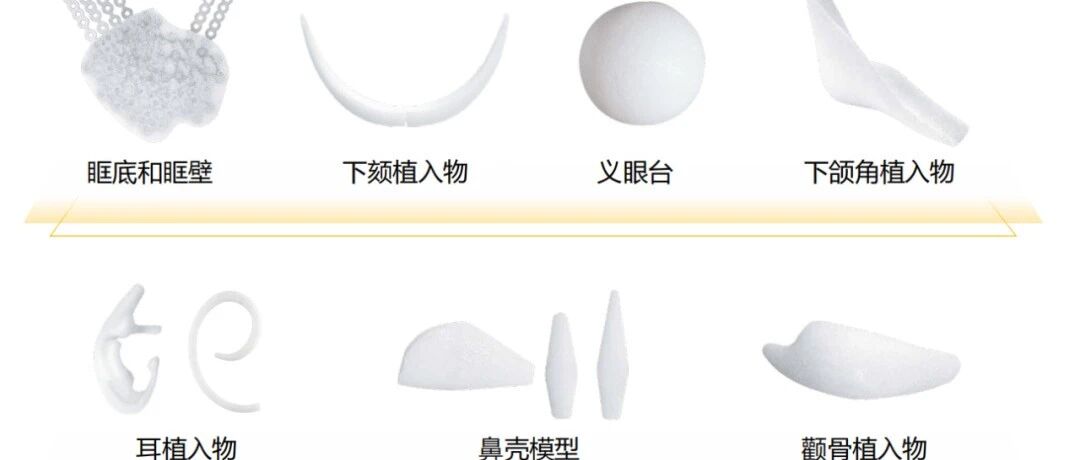
Core Viewpoint - The article discusses the evolution of material innovation in reconstructive surgery, emphasizing the transition from "structural repair" to "long-term symbiosis" with the body, highlighting the importance of material integration over time [2][14]. Group 1: Importance of Tissue Integration - In reconstructive surgery, especially in complex areas like the face and skull, the challenge is not just to repair defects but to ensure that materials can withstand movement and time [3][6]. - The consensus among surgeons is that true aesthetic outcomes are achieved not just through surgical shaping but through the body's acceptance and integration of the material over time [4][10]. Group 2: Role of Porous High-Density Polyethylene (PHDPE) - PHDPE has been widely used in cranial, orbital, and facial reconstruction for over 20 years, demonstrating stable performance and clinical predictability through systematic histological observations and long-term follow-ups [5][11]. - The material's three-dimensional interconnected microporous structure allows for tissue and vascular ingrowth, leading to stable biological anchoring, which reduces risks of displacement and infection while maintaining a natural feel [8][9]. Group 3: Long-Term Clinical Outcomes - The long-term performance of reconstructive materials is critical, with studies showing that PHDPE outperforms polypropylene and titanium in terms of recovery of ocular volume and patient satisfaction [12][13]. - Key evaluation dimensions for long-term outcomes include symmetry, safety, consistency across different cases, and the availability of long-term follow-up data [12]. Group 4: Conclusion on Reconstructive Surgery - The focus in reconstructive surgery is shifting from immediate results to long-term quality, emphasizing the importance of how well materials integrate with the body over time [16]. - The evolution of reconstructive surgery reflects a broader understanding that successful outcomes depend on the collaboration between surgical techniques and the body's adaptive processes [14][16].
近两亿元融资!IVD创新技术平台型企业
思宇MedTech· 2025-12-17 09:09
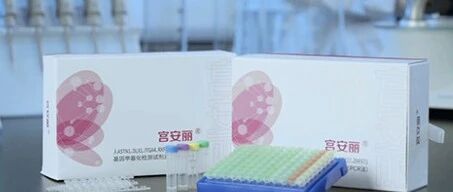
Core Viewpoint - Shanghai Jeno Biotech Co., Ltd. has completed a new round of financing, indicating market confidence in platform-type enterprises with sustainable technology industrialization capabilities amidst a slowing IVD industry and increasing homogenization competition [1] Group 1: Company Positioning - Unlike many IVD companies that rely on single blockbuster products, Shanghai Jeno positions itself as a technology industrialization platform, focusing on molecular diagnostics in infectious diseases and tumors [2] - The company emphasizes clinical real needs, compliance product capabilities, and replicable transformation mechanisms rather than pursuing short-term explosive growth [2] Group 2: Product System - Shanghai Jeno's representative product in tumor early screening is the cervical cancer gene methylation detection reagent, which is the first approved product of its kind in China, filling a critical gap in existing screening systems [3] - The product assesses cancer risk through gene methylation, aiding clinical decision-making on whether further intervention is needed, marking a shift in tumor molecular diagnostics from "is there an abnormality" to "is the abnormality progressing" [5] - The respiratory pathogen multiplex detection kit can test for 16 common pathogens simultaneously, providing comprehensive decision-making information in cases of acute respiratory infections [6] - The company has also received the first domestic registration certificate for a class III medical device for assisting in the diagnosis of encephalitis/meningitis, addressing the urgent need for speed and accuracy in testing [8] - In the field of sexually transmitted diseases, Shanghai Jeno launched the first domestic product for nucleic acid testing of syphilis, which combines testing for Treponema pallidum and HSV I/II [9] - The lung pneumocystis nucleic acid detection reagent significantly improves sensitivity and ease of use compared to traditional methods, aiding early diagnosis and guiding precise medication [11] - These products collectively aim to address clinical issues characterized by difficult diagnosis, high misdiagnosis rates, and severe consequences if delayed [12] Group 3: Commercialization Path - Shanghai Jeno's products have entered numerous top-tier hospitals and public health systems, benefiting from high market entry barriers due to the prevalence of class III products, which enhances customer stickiness once integrated [13] - The collaboration with the controlling shareholder provides a stable foundation for registration, channel development, and system access, leading to a "slow and steady" commercialization approach focused on long-term value rather than short-term sales [13] Group 4: Industry Outlook - As the IVD industry transitions from rapid expansion to structural adjustment, the market is reassessing which types of companies hold long-term value [14] - Shanghai Jeno's strategy of continuous technology transformation, a diverse product portfolio covering multiple clinical scenarios, and a robust commercialization path builds its "anti-cyclical capability" [14] - The completion of this financing round provides ample space for the company to explore mergers and acquisitions, technology upgrades, and international expansion [14][15] - In a rationalizing industry cycle, IVD companies that focus on clinical value and platform capabilities may be more worthy of long-term attention [15]
32亿!影像巨头超额完成IPO
思宇MedTech· 2025-12-16 10:10
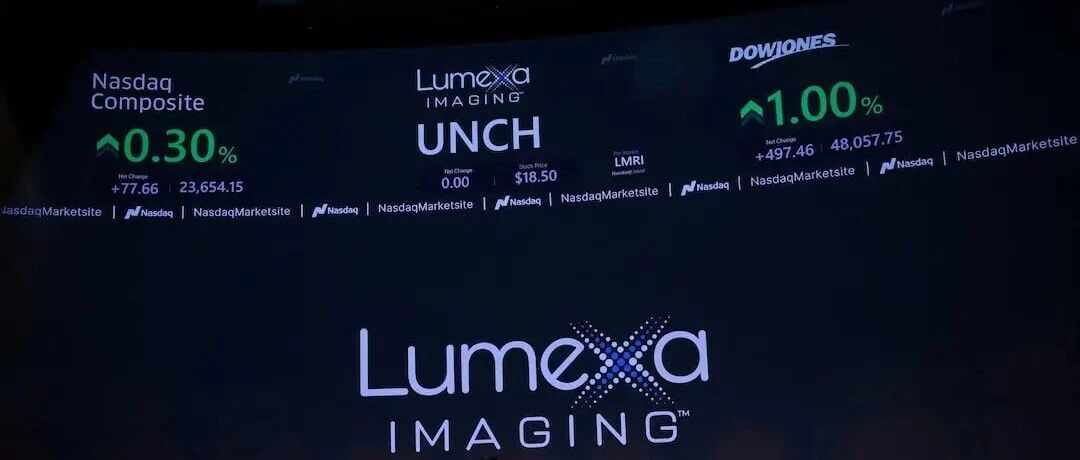
1 23 654 15 177 AA 近日,诊断影像服务运营商 Lumexa Imaging Holdings 在纳斯达克完成首次公开募股(IPO)。公司以每股 18.5 美元的价格发行 2500 万股普通股,合计募集资金约 4.63 亿美元(约合32.6亿人民币) ,规模显著高于最初约 2 亿美元的募资预期。IPO 完成后,公司市值约 17.5 亿美元 。 在当前医疗科技领域 IPO 叙事多围绕 AI、创新器械或突破性技术的背景下,Lumexa Imaging 的上市显得颇为"反常":它既不是影像设备制造商,也不是影像 AI 公司,而是一家 典型的医疗服务运营商 。正是这种"非技术叙事"的定位,使其 IPO 更值得从产业基本面角度重新审视。 Nasdag Composite Vasdaq Marketsite Nosdag NasdaqMarket # L u m e x a I m a g i n g 是谁 ? 从公司本质来看,Lumexa Imaging 并不生产设备、不研发核心算法,其核心业务是 在美国各地运营门诊影像诊断中心 ,向患者和医疗体系提供标准化影像检查服务。 公司前身为 US Radiol ...
又2款创新器械获批:质子治疗系统与脑深部刺激系统
思宇MedTech· 2025-12-16 10:10
Core Insights - The National Medical Products Administration (NMPA) has approved two innovative medical devices for market launch: a proton therapy system from Varian Medical Systems and a deep brain stimulation system from Jingyu Medical Technology [2][3]. Proton Therapy System - The proton therapy system consists of an accelerator subsystem and a treatment subsystem, designed for treating solid malignant tumors and specific benign diseases. It features a cantilevered design that saves space and improves treatment efficiency [4][6]. - Varian Medical Systems Particle Therapy Company, a subsidiary of Varian Medical Systems, focuses on the research, production, and application of proton therapy technology. Varian was acquired by Siemens Healthineers for $16.4 billion in 2021, becoming a significant part of Siemens' business [6]. Deep Brain Stimulation System - The approved products from Jingyu Medical include an implanted deep brain stimulator, an electrode lead, and an extension lead, which together form a deep brain stimulation system aimed at treating opioid addiction [7][16]. - This system targets the nucleus accumbens and the anterior limb of the internal capsule, providing auxiliary treatment for patients with severe opioid addiction, thus filling a technological gap in physical interventions for opioid addiction treatment [16][18]. - Jingyu Medical Technology, established in 2011, specializes in deep brain stimulation systems and has received regulatory approvals for devices used in treating Parkinson's disease, obsessive-compulsive disorder, depression, and drug addiction [18].
首轮逾亿元融资!国产核医疗装备进入加速期
思宇MedTech· 2025-12-16 10:10
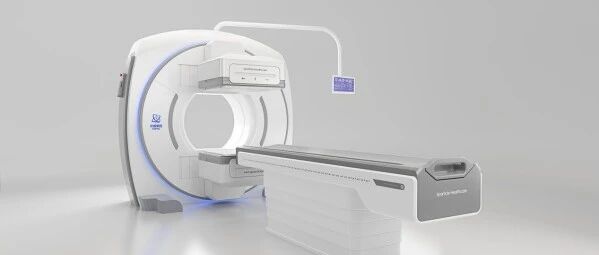
Core Viewpoint - Zhonghe Particle Medical Technology Co., Ltd. has completed its first round of over 100 million yuan equity financing, led by Zhonghe Industrial Fund Management Co., Ltd. This funding will primarily support the R&D breakthroughs, engineering advancement, registration, clinical trial layout, and market demonstration of the company's three major product lines, laying a solid foundation for future product launches [1][4]. Company Introduction - Zhonghe Particle was established in 2019 and is headquartered in Beijing. It is a self-research platform for nuclear medical equipment under the China National Nuclear Corporation. The company focuses on the value concepts of "responsibility, safety, innovation, and collaboration," aiming to become a leader in international nuclear medical equipment development [4]. Product Introduction - Zhonghe Particle's three product lines cover core aspects of nuclear medical equipment: BNCT treatment equipment, nuclear medicine imaging equipment (SPECT), and medical electron linear accelerators. All three products are currently in critical R&D and demonstration application stages, establishing a foundation for future registration, production, and large-scale implementation [5]. BNCT Equipment - Boron Neutron Capture Therapy (BNCT) is a cutting-edge radiotherapy technology aimed at difficult-to-treat tumors. It has gained global attention due to its precise energy focusing and strong adaptability to complex tumor structures. In 2024, Zhonghe Particle successfully won the bid for the BNCT equipment project at Shandong Cancer Hospital, marking the transition from R&D prototypes to deployment in demonstration hospitals [6][8]. SPECT Equipment - Zhonghe Particle's SPECT imaging device is set to receive its medical device registration certificate from the National Medical Products Administration (NMPA) in 2025, becoming the company's first officially approved high-end medical equipment product. This device features innovative SPECT/3D optical fusion imaging technology, which enhances imaging accuracy and reduces errors caused by patient positioning [9][11][12]. Medical Electron Linear Accelerator - The company is advancing the development of its medical electron linear accelerator, which integrates diagnostic CT and accelerator technologies. This design improves treatment precision and reduces patient treatment burden, aligning with global trends towards high-precision and efficient radiotherapy equipment. Collaborations with major hospitals are underway to validate the product across various clinical scenarios [13]. Conclusion - The completion of Zhonghe Particle's first round of financing represents a significant milestone in the self-sufficiency of China's nuclear medical equipment sector. The three business lines—BNCT, SPECT, and linear accelerators—cover critical areas in advanced radiotherapy, nuclear medicine diagnosis, and precision radiotherapy, reflecting the ongoing accumulation of capabilities in R&D, manufacturing processes, and hospital validation systems [14].
最新!又2款创新器械获批上市
思宇MedTech· 2025-12-15 08:59
Core Viewpoint - The article discusses the recent approval of innovative medical devices by the National Medical Products Administration (NMPA) in China, highlighting the advancements in the field of interventional cardiology and urology [2][3]. Group 1: TaurusTrio Transcatheter Aortic Valve System - The TaurusTrio system, developed by Peijia Medical Technology (Suzhou) Co., Ltd., addresses the challenges of aortic regurgitation (AR) in transcatheter aortic valve replacement (TAVR) procedures, particularly the difficulties in anchoring due to minimal calcification [7][12]. - The system features an integrated positioning key that allows for stable contact with the native valve leaflets, providing a structural solution to the anchoring issue faced by AR patients [12]. - TaurusTrio enhances operational controllability with adjustable bending and rotational capabilities, which significantly reduces the risk of complications and improves release accuracy during procedures [13]. - The design includes a large mesh outlet that preserves future coronary access for patients, reflecting a growing trend in clinical evaluations of TAVR systems [14]. - Peijia Medical, established in 2012, has positioned itself as a key player in the domestic structural heart disease intervention market, with the approval of TaurusTrio expanding its product offerings from stenosis to regurgitation treatments [16]. Group 2: Disposable Sterile Urinary Catheter - The disposable sterile urinary catheter, developed by Taizhou Dubomai Medical Devices Co., Ltd., includes single, double, and triple lumen models tailored for various clinical scenarios, with a core innovation being a polylysine coating that inhibits bacterial growth [18]. - This coating mechanism reduces bacterial adhesion and biofilm formation, representing a significant advancement over traditional sterile catheters that rely solely on standard sterilization methods [18]. - Taizhou Dubomai focuses on innovation in urinary and urological devices, and the approval of this catheter signifies a breakthrough in medical consumables, showcasing a shift towards functional improvements in domestic products [19].
58起交易!一文看懂中国医疗器械BD的秋季节奏




思宇MedTech· 2025-12-15 08:59
Core Insights - The article highlights the acceleration of business development (BD) activities in the medical device sector from September to November 2025, with a total of 58 transactions identified across various subfields, including cardiovascular, nuclear medicine, and AI-enabled devices [2][3][4]. Group 1: Mergers and Acquisitions - Mergers and acquisitions have become a prominent form of BD, with companies leveraging capital control and product integration for rapid market positioning [7][8]. - Notable acquisitions include HeartLink's $680 million all-stock acquisition of Micro-Invasive Cardiology, enhancing its structural heart disease and rhythm management capabilities [7]. - Hua'an Zhonghui's acquisition of Bangni Medical marks its entry into the absorbable suture market, indicating a shift in surgical instrument competition towards material innovation [7]. Group 2: Strategic Collaborations - Strategic partnerships have been formed during the China International Import Expo, with companies like Shanghai Pharmaceuticals collaborating with international giants such as Boston Scientific and Medtronic to enhance their supply chain and academic promotion systems [7][8]. - The collaboration between GuoYao Medical and BDI Medical aims to deepen market penetration in the biomedicine and medical device sectors, focusing on compliance and distribution channel construction [13]. Group 3: Cross-Border Cooperation - Cross-border transactions have become more active, with foreign companies establishing local R&D and production systems in China, while domestic firms are exporting their solutions globally [9][10]. - The partnership between Trasis SA and Beijing Pait Biotechnology to establish a joint venture reflects a trend towards localized production and phased integration in the Chinese market [12]. Group 4: Ecosystem Building and Channel Expansion - The integration of supply chains and ecosystem building is a key theme, with companies focusing on collaborative agreements to enhance their market presence [11][15]. - The collaboration between Baxter and Neusoft Medical aims to create a comprehensive surgical solution by integrating their respective technologies [12]. Group 5: AI and Smart Healthcare - AI and data-driven approaches are becoming central to BD collaborations, with companies increasingly focusing on smart healthcare solutions [16][17]. - The partnership between Kefu Medical and Tencent Cloud to develop AI-powered hearing aids exemplifies the trend of integrating technology into healthcare products [21]. Group 6: Research and Diagnostic Synergy - The frequency of research-oriented collaborations is rising, indicating a shift from manufacturing-driven to research-driven industry dynamics [18][19]. - The collaboration between BGI and Infinera to enhance clinical applications of sequencing technology highlights the growing importance of research in driving innovation in the medical device sector [21].

数千万融资!国产蛋白组学分析平台完成种子轮
思宇MedTech· 2025-12-15 08:59
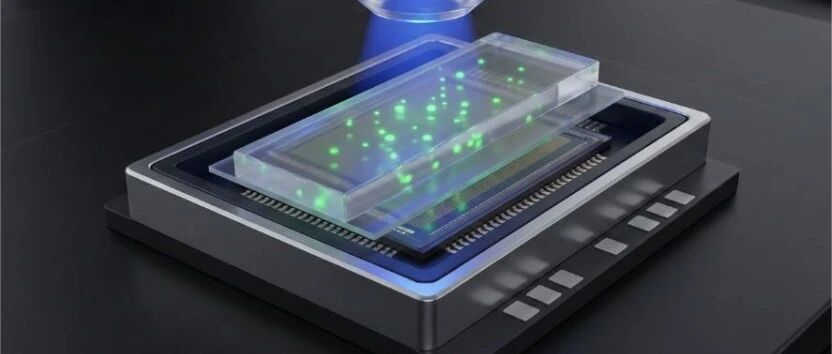
Core Viewpoint - Shenzhen Zhaojixin Biotech Co., Ltd. has completed a seed round financing of several tens of millions, led by Shenzhen Capital Group, to advance its AI-driven high-throughput, ultra-sensitive protein analysis platform [1] Company Positioning - Founded in 2023, Zhaojixin is established by experts from various fields including biochip materials, semiconductor processes, computational optics, and life science instrumentation [1] - The company aims to build a next-generation ultra-sensitive protein detection platform, with a focus on developing dozens of patents around its core technology [1] - The technology has been validated to detect femtogram-level protein markers in blood samples, showcasing clear advantages in cost, stability, integration, and intelligence [1] Technology Integration - The core of Zhaojixin's technology system is the Integrated Surface Array Sensor (ISAS), which combines microfluidic droplets, on-chip imaging, and AI computational optics for ultra-sensitive detection [4] - ISAS utilizes semiconductor processes to embed fluorescence detection pathways directly into chips, transitioning biological detection devices into a scalable digital imaging era [5] - Advantages of ISAS include: - Large field of view and high integration, allowing linear expansion of detection capabilities with chip area [7] - Significant reduction in equipment cost and size compared to traditional microscopy [8] - Enhanced automation and controllability of imaging processes [9] - The ISAS technology supports not only protein detection but also potential extensions into cell analysis and spatial molecular imaging [10] Application Prospects - Zhaojixin's platform has clear application pathways in drug development and clinical diagnostics [16] - In drug development, the platform addresses structural needs for high sensitivity and consistency, particularly in neurodegenerative diseases, autoimmune diseases, and tumor immunotherapy [17] - The platform's capabilities position it as an integral tool in the entire drug development process [18] - In clinical diagnostics, the platform targets high-value disease areas, offering femtogram-level sensitivity, large-scale data acquisition, and cross-batch consistency [19][20] - The company is exploring applications in diseases that require high sensitivity, stability, and consistency, leveraging the advantages of the semiconductor and AI approach [21][24] Conclusion - The recent financing will accelerate Zhaojixin's advancements in foundational technology, algorithm systems, and industrialization pathways [22] - The integration of ISAS, microfluidic droplets, and AI computational optics aims to create a digital biological analysis infrastructure for future life sciences [22]