思宇MedTech

Search documents
冲刺IPO!美敦力糖尿病子公司
思宇MedTech· 2025-12-22 09:10
Core Viewpoint - Medtronic's MiniMed Group has filed for an IPO with the SEC, marking a significant structural capital adjustment for the company. This carve-out IPO reflects a proactive restructuring around differing growth trajectories rather than a simple asset divestiture [1][2]. Timeline of the Carve-Out Event - The decision for MiniMed's independent listing was not made overnight but followed a gradual signaling and phased approach. This timeline helps to understand the background and pace of the IPO [2]. - Early 2024: Medtronic's management first indicated an evaluation of the long-term positioning of the diabetes business within the group structure, highlighting significant differences in business model, growth pace, and capital attributes compared to other high-value device segments [3]. - Mid-2024: Medtronic confirmed its intention to pursue a carve-out strategy for the diabetes business, positioning MiniMed for potential independent listing [4]. - Late 2024: MiniMed officially submitted its IPO registration statement to the SEC, marking the transition from strategic planning to actual execution [4]. MiniMed's Positioning - MiniMed is not a poorly performing segment; rather, it operates under a different growth logic compared to Medtronic's overall performance, which has shown a steady but slowing growth rate [5][8]. - The growth model for MiniMed is based on patient scale, usage duration, consumable repurchase, and system stickiness, which are typical characteristics of chronic disease management businesses [9]. Reasons for the Carve-Out - The financial presentation of MiniMed within Medtronic's consolidated statements posed challenges, as its stable but lower growth rate could dilute the overall growth elasticity of the group [10][12]. - The carve-out allows for clearer financial communication and enhances the capital market's ability to evaluate MiniMed based on its long-term patient value rather than annual revenue fluctuations [12][19]. Product and Technology Strategy - MiniMed is not just a single device company; it has developed a comprehensive solution around insulin delivery and glucose monitoring, including the automated insulin delivery system (AID) [13][15]. - The technology strategy focuses on reliability, stability, and long-term user experience rather than aggressive disruptive innovation, which is advantageous in chronic disease management [16]. Implications for Medtronic - The separation of MiniMed does not indicate Medtronic's exit from the diabetes sector but rather aims to reduce structural friction and clarify the growth narratives of different business segments [17]. - The carve-out is a rational choice for a mature medical device company entering a phase of stock competition, allowing for better alignment of business growth stages [17][20].



当微导管第一次“自己会转弯”,介入导航发生了什么变化?
思宇MedTech· 2025-12-22 09:10
Core Viewpoint - The article discusses the breakthrough of Bendit Technologies' steerable microcatheter, Bendit17, which has received FDA approval, marking a significant advancement in interventional procedures by providing active navigation capabilities rather than being a passive conduit [1][4]. Group 1: Technical Innovation - Bendit17 introduces the ability for active control, allowing interventional physicians to navigate the microcatheter actively, transforming the approach from "following" to "self-navigating" [2][4]. - The microcatheter features a snake-like flexible skeleton that enables it to navigate through narrow passages while maintaining stability, allowing for precise torque transmission from the handle [9][13]. - Key capabilities of Bendit17 include controllable bending and three-dimensional manipulation, locking functionality to maintain position, and integration of navigation and treatment [13][14]. Group 2: Clinical Need - Existing microcatheters face issues such as instability, uncontrollable tips, and difficulty in path alignment, with the lack of active tip control being a major contributor to extended surgery times and increased complication risks [6][7]. - Bendit17 addresses these challenges by allowing physicians to direct the microcatheter according to their intentions, adapting to complex vascular paths, which is essential in the evolving landscape of minimally invasive procedures [7][19]. Group 3: Commercialization and Impact - The FDA's 510(k) approval confirms Bendit17's safety and performance, enabling its entry into surgical settings, with plans for commercialization in the U.S. and other global markets [18]. - Bendit17 is positioned not just as a product but as a new capability in interventional surgery, enhancing the predictability of procedures without replacing existing tools like guidewires [18][20]. - The innovation emphasizes that true breakthroughs come from changes in capability rather than just performance metrics, highlighting the importance of addressing systemic issues over isolated improvements [19][20].

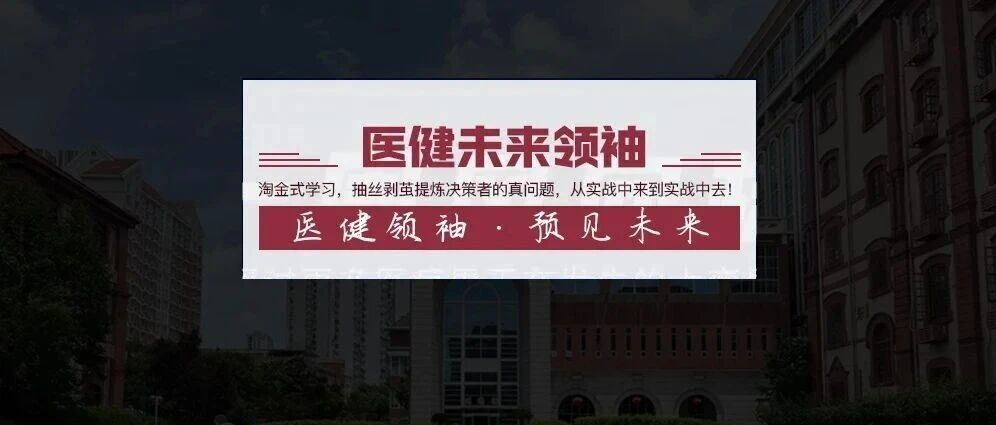
从"1"到"0",星辰大海,征途再启!医健未来领军人才班第十期开学典礼暨校友共创会盛大启幕
思宇MedTech· 2025-12-20 01:11
Core Insights - The article emphasizes the launch of the 10th cohort of the Medical and Health Future Leadership Class at Shanghai Jiao Tong University, marking a significant milestone in the program's journey and a commitment to innovation in the medical technology sector [4][8][40] - The concept of "From 1 to 0" is introduced, symbolizing a transformative mindset that encourages participants to embrace new beginnings and challenges in the evolving healthcare landscape [10][12][40] Group 1: Program Overview - The 10th cohort's opening ceremony is described as a moment of reflection and ambition, celebrating the program's growth from its inception to its current status [4][8] - The program has evolved into a robust ecosystem that connects various stakeholders in the medical industry, including clinical, capital, and regulatory entities [1][8] - The leadership class aims to cultivate top talent in the medical and health sectors, fostering innovation and collaboration among participants [12][20] Group 2: Key Themes and Messages - The "From 1 to 0" philosophy is highlighted as a call to action for participants to let go of past achievements and focus on future opportunities [10][12] - The importance of maintaining an "empty cup mindset" is stressed, encouraging continuous learning and adaptation in a rapidly changing industry [12][30] - Alumni and industry leaders emphasize the need for deep connections and collaboration to navigate the challenges and opportunities within the medical sector [16][18] Group 3: Alumni Engagement and Community Building - The program fosters a lifelong learning platform, allowing alumni to continuously engage and share knowledge within the medical community [16][20] - The establishment of the Alumni Ecosystem Declaration signifies a commitment to building an inclusive and collaborative medical ecosystem [20][21] - Alumni share insights on the importance of strategic investment and resource integration in driving innovation and addressing industry pain points [18][36]
活动报名!医疗器械.传播策略.闭门交流 | 北京站
思宇MedTech· 2025-12-20 01:11
Core Viewpoint - The article emphasizes the importance of communication strategies in the development of medical device startups, focusing on how to effectively convey messages to various stakeholders in the industry [2]. Group 1: Communication Strategies - Different types of companies should prioritize their communication focus differently, including startups, growth-stage clinical-driven companies, and publicly listed or pre-IPO companies [4]. - Public Relations (PR) should not be simplistically viewed as just "press releases and exposure"; when budgets are limited, companies should consider whether to reduce efforts or change strategies [5]. - Companies should transition from "scattered content output" to creating reusable cognitive assets that can be leveraged in key scenarios such as financing, market promotion, and hospital communication [5]. Group 2: Key Messaging and Timing - Companies need to determine when to initiate promotional activities and identify their target audience, including what to say and what to avoid [5]. - Communication should genuinely assist in physician decision-making rather than merely presenting product information [5]. - Clinical content must evolve from being "professionally correct" to being "useful for decision-making" [5]. Group 3: International Expansion and Consistency - The discussion will extend to companies looking to expand internationally, focusing on maintaining consistency and long-term narratives in external communications [6][8]. - Companies should identify which content is worth refining for communication with doctors, distributors, secondary markets, and partners [8]. - There is a need to understand which cognitive elements are prioritized in overseas markets and the content channels available for international communication [8].
一款AI内镜设备的转化路径长什么样?从临床需求到规模应用
思宇MedTech· 2025-12-20 01:11
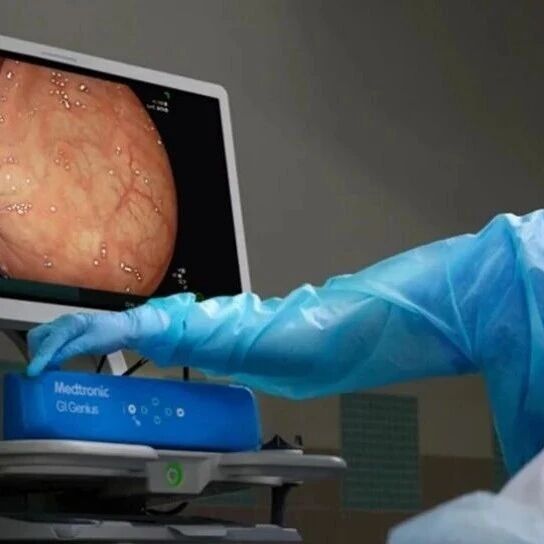
Core Viewpoint - The article discusses the significant advancement in gastrointestinal endoscopy technology with the introduction of a domestic high-definition endoscope system combined with AI-assisted diagnostic capabilities in Xinjiang, China. This innovation aims to enhance the accuracy and efficiency of gastrointestinal disease screening and treatment in county-level medical settings, reducing the need for patients to travel to larger hospitals for care [1]. Part 1: Clinical Demand Discovery - The emergence of the AI-assisted gastrointestinal endoscopy system is driven by unmet clinical needs, particularly the challenge of early detection of small lesions in gastrointestinal cancer patients, which often leads to late-stage diagnoses [3][4]. - The system enhances lesion recognition, operational standardization, and diagnostic reliability through a collaborative approach involving doctors, equipment, and AI [5]. Part 2: Technical Solution Selection - Various technical paths were considered for the AI-assisted gastrointestinal endoscopy system, including software enhancements to existing equipment, hardware upgrades for improved imaging, and a combination of both [6][7]. - Path A focuses on adding AI capabilities to existing endoscope systems, exemplified by the GI Genius system, which has shown a 14.4% increase in adenoma detection rates [8]. - Path B involves upgrading hardware for better imaging quality, while Path C emphasizes a gradual approach starting with quality control before expanding to lesion detection [10][11]. Part 3: Cross-Disciplinary Team Collaboration - The development phase involves a collaborative ecosystem where algorithm engineers, hardware engineers, and clinical doctors work together to refine the AI system based on real-world clinical practices [14]. - Iterative prototyping and preclinical validation are crucial, with multiple stages of testing to ensure safety and effectiveness before clinical trials [15][16]. Part 4: Clinical Trials and Regulatory Approval - Clinical trials are essential for validating the safety and effectiveness of the AI-assisted endoscopy system, with early studies indicating significant improvements in adenoma detection rates [20][21]. - Regulatory bodies like the FDA and NMPA play a critical role in the approval process, focusing on the system's effectiveness, safety, and compatibility with existing medical devices [23][24]. Part 5: Productization and Clinical Application - After regulatory approval, the AI endoscopy product enters the commercialization phase, requiring adaptation to various hospital systems and ensuring compliance with medical device standards [30]. - Key players in this phase include manufacturing, marketing, and clinical support teams, with a focus on demonstrating clinical efficacy to encourage adoption [31]. Challenges and Key Factors - The commercialization process faces challenges such as high initial costs, skepticism from experienced doctors, and the need for standardized protocols to ensure consistent performance across different products [34][35]. - Long-term success in the market will depend on continuous innovation, collaboration within the industry, and the ability to demonstrate tangible clinical benefits to both doctors and patients [36].
报名!未来产业创新研讨会| 医工交叉加速成果转化专场
思宇MedTech· 2025-12-19 04:40
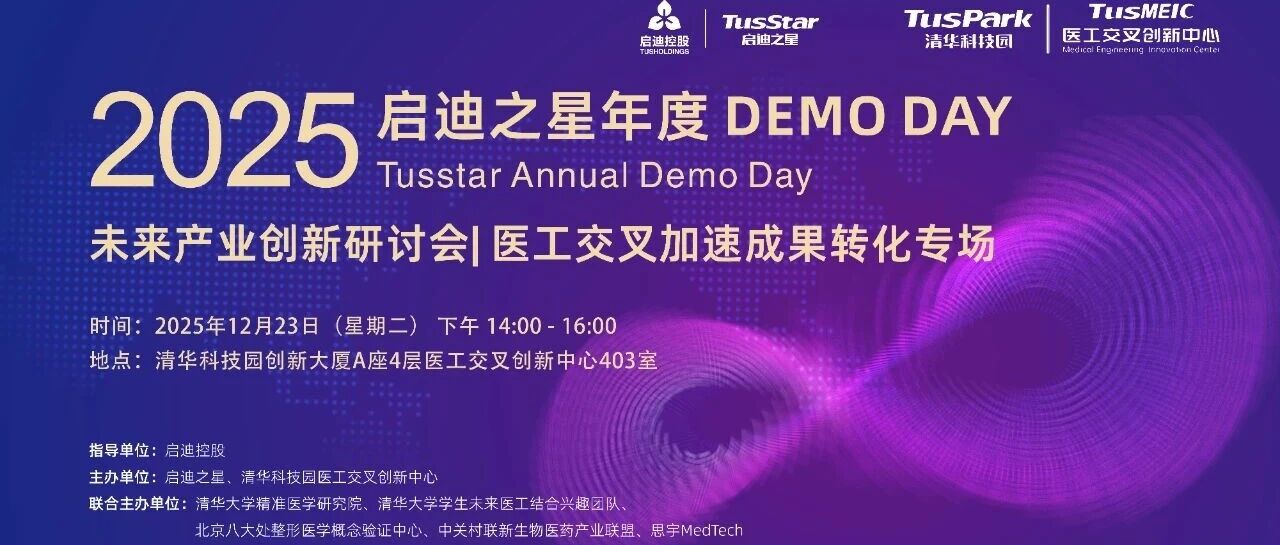
Core Viewpoint - The seminar aims to promote the integration of medical and engineering fields, focusing on technological innovation and the deep integration of the medical industry, while providing a platform for collaboration among clinical experts, investment institutions, industry associations, and innovative enterprises [2]. Group 1: Event Overview - The seminar will take place on December 23, 2025, at the Tsinghua Technology Park Medical-Engineering Innovation Center [1][3]. - It is part of the "2025 Yidian Star Annual DEMO DAY" series, emphasizing cutting-edge areas in medical-engineering intersections [2]. Group 2: Organizational Structure - The event is guided by Tsinghua Holdings and organized by Yidian Star and the Tsinghua Technology Park Medical-Engineering Innovation Center, with joint sponsorship from several prestigious institutions including Tsinghua University [3]. Group 3: Agenda Highlights - The agenda includes a series of presentations on topics such as the integration of medical engineering and the trends in the biopharmaceutical industry, featuring experts from Tsinghua University and investment firms [5]. - Key topics include the promotion of results transformation in knee replacement surgery, investment trends in China's biopharmaceutical industry, and the role of validation platforms in medical technology [5]. Group 4: Registration Information - Registration for the event is required and can be completed through a provided link or QR code [6]. Group 5: Notable Companies and Institutions - The event will feature notable medical technology companies such as Medtronic, Boston Scientific, and others, highlighting the innovation landscape in the medical technology sector [7].
超亿元融资!医美激光企业完成C轮
思宇MedTech· 2025-12-19 04:40
近日, 苏州佰福激光技术有限公司 (以下简称"佰福激光")宣布成功完成超亿元C轮融资 。本轮融资由 泰煜投资领投,光谷产投、恩然创投、苏州领军创投等多家机构跟投,北极光创投、幂方健康基金等老股 东继续加持。长海资本担任本轮财务顾问。 本轮融资的顺利落地,标志着资本市场对佰福激光技术实力、产品竞争力以及商业模式的高度认可。融资 资金将助力公司深化全球化战略、提升品牌价值,并加速核心技术的迭代升级,推动国产医美激光设备在 全球高端市场的进一步突破。 # 公 司介 绍 佰福激光自成立以来,始终致力于高端医美激光设备的研发、生产与销售,并以技术创新为核心驱动力,迅速 建立了深厚的技术壁垒和丰富的产品矩阵。公司专注于铒激光、翠绿宝石激光、铥激光、皮秒激光等核心技术 领域,已自主研发超过10款产品,其中技术指标稳居国内领先水平。凭借精准的能量控制、安全的临床体验 与稳定的性能表现,佰福激光赢得了全球市场的广泛青睐。 截至目前,佰福激光已拥有100余件知识产权,产品远销全球70多个国家和地区,广泛应用于医美机构、皮肤 科诊所等多个领域。公司近三年业绩实现连续翻倍增长,成为国产医美激光设备出海的标杆企业。 # 产品介绍 佰福 ...

300台CT大单!GE医疗拿下国家级影像项目
思宇MedTech· 2025-12-19 04:40
Core Viewpoint - The SIHREN project represents a significant advancement in Indonesia's healthcare infrastructure, focusing on the deployment of over 300 advanced CT scanners across 38 provinces, which is not merely a large equipment order but a comprehensive national diagnostic capability enhancement initiative [2][3][10] Group 1: Project Overview - The SIHREN project is one of the largest multilateral health initiatives globally, with a total financing scale of approximately €800 million, aimed at restructuring Indonesia's national referral system and improving non-communicable disease management, maternal health, and public health resilience [3] - The deployment of CT scanners is positioned as a foundational element in the national referral system, crucial for timely patient triage and treatment pathways, addressing the inequities in healthcare access across Indonesia's archipelago [3][7] Group 2: Importance of CT Scanners - CT scanners were chosen for this large-scale deployment due to their versatility, maturity, and cost-effectiveness, making them suitable for widespread use in various clinical scenarios [4] - The strategic placement of CT scanners aims to enhance diagnostic capabilities at the grassroots level, thereby improving overall healthcare system efficiency by facilitating earlier decision-making regarding patient referrals [7] Group 3: Implementation and Collaboration - The project was executed through a fully competitive international bidding process, emphasizing transparency and long-term delivery capabilities, requiring participants to demonstrate comprehensive operational and maintenance capabilities [5] - GE Healthcare is not only supplying equipment but is also focused on local capacity building, establishing production facilities in collaboration with local partners to enhance supply chain resilience and reduce long-term operational costs [8][9] Group 4: Long-term Partnership - GE Healthcare's collaboration with Indonesia's public and private healthcare sectors spans over 70 years, indicating a preference for long-term partnership models rather than one-off procurement [9] - The establishment of a regional innovation and training center in Jakarta aims to provide practical training for local healthcare professionals, ensuring that the diagnostic capabilities are effectively utilized [8] Group 5: Broader Implications - The SIHREN project signals a shift in how imaging devices are integrated into national healthcare capacity building, with diagnostic capabilities becoming a critical variable in patient outcomes [10] - The competitive landscape for the global medical device industry is evolving, with systemic delivery capabilities for national network construction becoming a new benchmark for success [10]


奖项申报+白皮书合作!2026全球眼科大会
思宇MedTech· 2025-12-18 03:19
Core Viewpoint - The Second Global Ophthalmology Conference 2026 will be held on March 19, 2026, in Beijing, focusing on the integration of medicine and engineering, technological innovation, and clinical value in the ophthalmology industry [1]. Event Overview - The conference will cover various trends in ophthalmology, including imaging, refractive and myopia treatment, innovative therapies, surgical techniques, and preclinical validation [1]. - The event will also open applications for the "2026 Global Ophthalmology Annual Awards" and invite teams to co-author the "Global Ophthalmology Innovation White Paper" [2]. Conference Highlights - The conference will feature the release of the "2026 Global Ophthalmology Innovation White Paper" and the awarding of the "Ophthalmology Innovation Series Awards" to establish industry benchmarks [7]. - There will be premium exhibition spaces for sponsors to engage with high-quality decision-makers, product demonstrations, and collaboration opportunities [7]. - An "Innovation Demo Hour" will allow selected innovative teams to present their projects in 5-10 minute high-density pitches, addressing investment and collaboration needs [14]. Thematic Focus Areas - **Next-Generation Ophthalmic Imaging and AI**: This section will explore the integration of imaging and algorithms, focusing on academic advancements and practical applications [11]. - **Refractive, Vision Care, and Glaucoma**: This segment will address the commercial aspects of refractive surgery and myopia prevention strategies, including optical, pharmaceutical, and behavioral interventions [13]. - **Surgical Innovations**: The conference will showcase next-generation surgical technologies, including robotics and real-time imaging for enhanced precision [13]. - **Device Development and Preclinical Validation**: This area will present the system of "industrial service chains" to assist research and innovation enterprises in resource matching [13]. Participation and Collaboration - The conference aims to attract a diverse audience, including academic teams with recent research outcomes, engineering teams with prototype products, and early-stage innovative companies [16]. - Collaboration opportunities are available for those interested in participating in the conference, with contact details provided for the organizing team [17].

数千万B+轮!医疗大模型企业一年完成三轮融资
思宇MedTech· 2025-12-18 03:19
Core Viewpoint - Hangzhou Quanzhen Medical Technology Co., Ltd. has completed a B+ round financing of several tens of millions, led by PwC Capital, with the funds aimed at deepening the research and development of its core product, the "Quanzhen Medical Large Model and Clinical Application," and expanding into overseas markets [1][13]. Company Overview - Quanzhen Medical, founded in Hangzhou, is one of the earliest innovative companies in China focusing on the post-training and clinical application of medical large models, with a mission to "enhance doctors' capabilities through AI" [2]. - The founder, Dr. Xue Chong, has a dual background as a clinical doctor and AI researcher, which provides a deep understanding of AI's value in healthcare, emphasizing that AI should assist rather than replace doctors [4]. Product and Technology - The flagship product, "Quanzhen Tong (Trizen AI)," is the first intelligent medical record and clinical assistance system for doctors in China, featuring automatic medical record generation, clinical decision support, and patient service [6]. - The system significantly improves medical record writing efficiency by over 65% and supports various types of medical documents, with accuracy and logical language superior to similar products in the industry [6][10]. - Quanzhen Medical is expanding its product from a single medical record tool to a comprehensive "AI Doctor Assistant" platform, covering the entire process from pre-diagnosis to follow-up [6]. Technical System - Since 2023, Quanzhen Medical has established a complete "foundation-model-application" technical system, focusing on post-training methods tailored for medical scenarios [7]. - The system utilizes localized large model deployment, compressing general models into medical-specific models with parameters ranging from 1 billion to 10 billion, enhancing response speed and reducing inference costs [10]. - The company has developed a multi-dimensional training system, including supervised fine-tuning, reinforcement learning, and generative adversarial networks, significantly reducing common issues like "hallucinations" and misjudgments in medical large models [10][11]. Industry Trends - The global medical AI sector continues to heat up, with companies like Abridge and Open Evidence seeing rising valuations, driven by the need for valuable medical large models to be deeply integrated into real "diagnostic processes" [12]. - Quanzhen Medical exemplifies this trend by focusing on the practical application of AI in clinical settings, aiming to provide world-class intelligent solutions [12].