思宇MedTech

Search documents
6亿!闭环胰岛素泵完成D轮
思宇MedTech· 2025-09-05 08:38
北京和上海活动报名: 第三届全球手术机器人大会 2025医疗器械研发创新论坛 这笔资金将用于三个方向的重点推进:制造扩能与 Kaleido 2 在欧洲的商业化加速;美国市场监管准入与布局;品牌与战略升级,实现产品向平台跃迁。 Innovation Industries 的合伙人 Caaj Greebe 评价:"ViCentra 正重新定义胰岛素泵疗法,将临床性能与设计简洁、可穿戴体验融于一体。"这不只是对医疗器械 的投资,更是对"用户体验"与"设计美学"方向的下注。 产品篇:从技术突破到"生活化设计" ViCentra 的创始故事始于 2013 年,两位工程师深受身边患糖者的启发,发现市面上的胰岛素泵"生硬、不灵活",由此萌生重新设计的念头。这成为 Kaleido 产 品哲学最核心的动力:"我们不为'患者'设计——我们为'人'设计"。 设计:小巧、轻盈、个性 体积为 50 × 35 × 12.5 mm,重量仅 19 克,堪称目前市面同类产品中最小、最轻的贴片泵。采用高强度铝合金壳体,提供 10 种配色选择,如"Candy Cane""Gatsby""Black Magic"等,强调个性表达而非医疗标签。 使用 ...


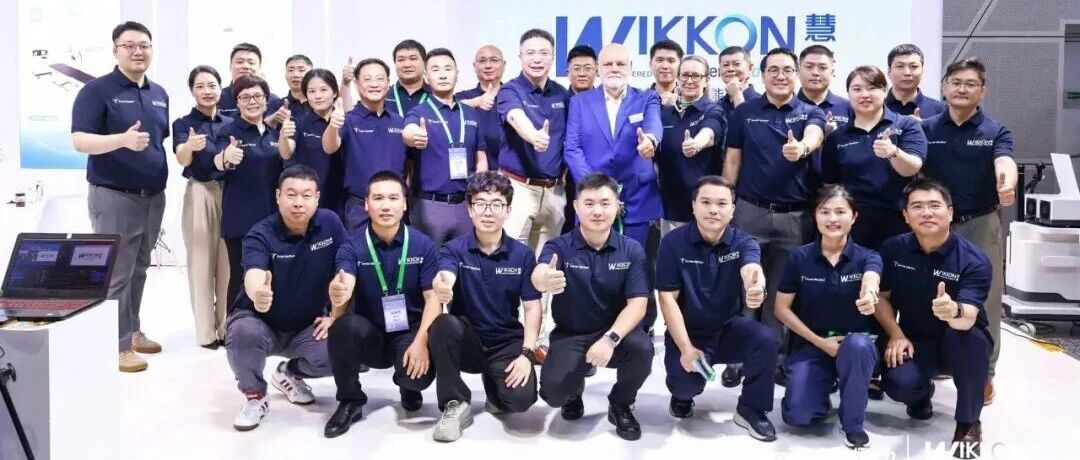
CUA大会现场:慧康发布新品牌标识,冲击波技术再受关注
思宇MedTech· 2025-09-05 08:38
Core Viewpoint - The article highlights the launch of the new brand identity for Huikang at the CUA2025 conference, emphasizing the theme "Empowering Health with Excellence and Wisdom," marking a significant step in Huikang's international market expansion [1][5][11]. Group 1: Brand Launch and Significance - The new brand identity reflects Huikang's commitment to patient service and collaboration with strategic partners like Dornier, showcasing a dedication to innovation and quality [6][11]. - The addition of "Powered by Dornier MedTech" in the new logo signifies Huikang's enhanced manufacturing capabilities and its aim for international growth through collaboration with Dornier [11][12]. - The brand refresh is part of Advanced MedTech Holdings' (AMTH) global development strategy, aiming to leverage Dornier's brand recognition to expand Huikang's market reach [11][12]. Group 2: Company Background and Achievements - Huikang, established in 1996, is a key player in China's shock wave treatment equipment sector, providing services to over 2,000 medical institutions and exporting products to more than 40 countries [13][18]. - The company specializes in extracorporeal shock wave lithotripsy (ESWL) and other shock wave therapies, maintaining a high operational efficiency rate of 98% [13][18]. - Huikang's partnership with Dornier has led to significant milestones, including the recent FDA approval for the U200 shock wave lithotripter, marking a pivotal moment in its internationalization efforts [14][17].
超7亿融资落地!脉冲电场创新疗法完成C轮
思宇MedTech· 2025-09-04 03:39
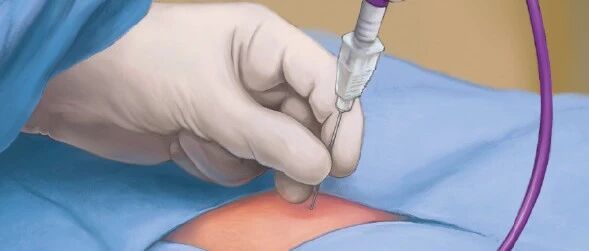
# 高管更替:国 际化 经验加持 公开信息显示, Doug Godshall 在医疗器械领域有着长达二十年的管理与资本运作经验。他曾领导心室辅助装置企业 HeartWare ,在2016年推动公司以11亿美元的 价格被美敦力收购。随后,他出任 Shockwave Medical 首席执行官,将这家血管内治疗创新企业带至全球化舞台,并最终在2024年完成以131亿美元被强生医疗科 技收购的里程碑式交易。 Godshall早年还在 Boston Scientific 担任过多个关键职位,包括血管外科部门总裁和运营委员会成员,对产品研发、市场拓展及国际并购均有深厚积累。近年来,他 担任 Saluda Medical 的董事会主席,见证了神经调控技术的商业化路径。 北京和上海活动报名: 第三届全球手术机器人大会 2025医疗器械研发创新论坛 2025年9月3日,专注于脉冲电场(Pulsed Electric Field, PEF)疗法的创新医疗器械企业 Galvanize Therapeutics 宣布完成1亿美元(约合人民币7.1亿)C轮融资,并 任命医疗器械行业资深高管 Doug Godshall 出任董事长兼首 ...
千万级融资!入耳式脑机接口完成天使轮
思宇MedTech· 2025-09-04 03:39
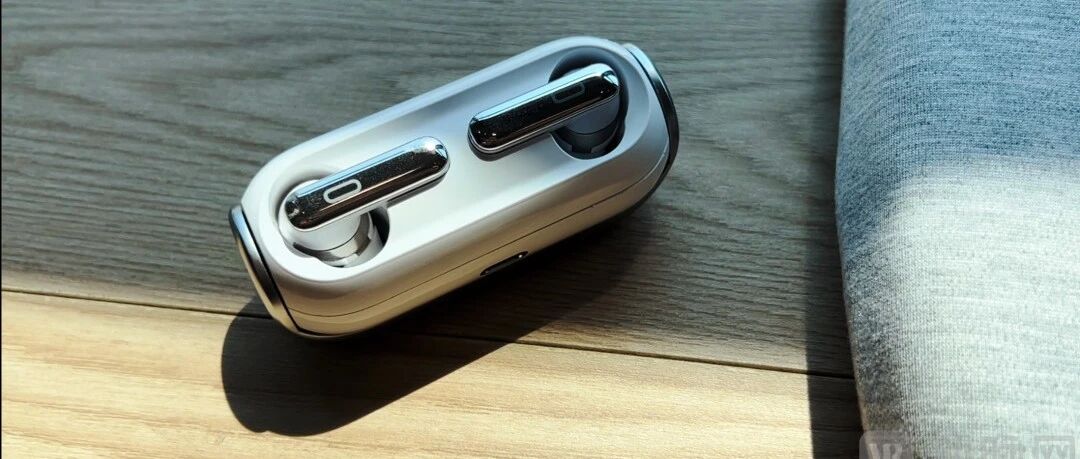
Core Viewpoint - The article highlights the rapid development of the brain-computer interface (BCI) industry, focusing on the innovative approach of Shanghai Brain Rhythm Technology Co., Ltd. with its non-invasive ear-wearable EEG device, aiming to make BCI technology more accessible and mainstream [2][10]. Company and Team Background - Brain Rhythm Technology was established in April 2024 and is headquartered in Shanghai, specializing in brain-computer interfaces and consumer electronics [4]. - The founder, Wang Zhaoyang, has a strong background in consumer electronics and smart hardware, having participated in the NASDAQ listing of Yunmi Technology [4]. Product and Technical Features - The company's ear-wearable EEG device weighs only 6 grams, making it the lightest consumer-grade EEG product globally [5]. - The device features a non-invasive design that reportedly matches the monitoring effectiveness of professional BCI equipment, addressing comfort and signal stability for long-term use [5]. Industry Background and Trends - The BCI industry is experiencing rapid growth, with international companies like Neuralink and Synchron advancing invasive products, while domestic startups explore non-invasive options [10]. - Brain Rhythm Technology's strategy focuses on consumer electronics to bring BCI technology to the mass market [10]. Policy Support - On July 30, 2025, several Chinese government agencies released implementation opinions to promote innovation and development in the BCI industry, aiming for breakthroughs in key technologies by 2027 [13][15]. - Local governments are also creating tailored policies to support BCI development, with cities like Beijing, Shanghai, Guangdong, and Sichuan focusing on different aspects of the industry [16][18][19][21].
292亿!医械巨头完成重磅收购
思宇MedTech· 2025-09-03 02:39
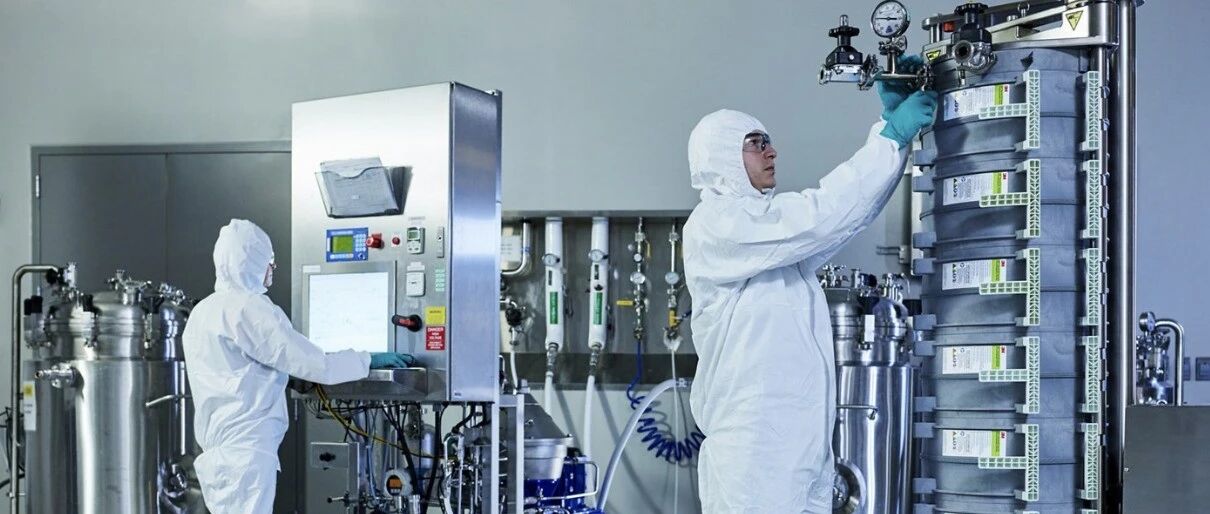
Group 1 - The core transaction involves Solventum selling its Purification & Filtration (P&F) business to Thermo Fisher Scientific for $4.1 billion, marking a significant strategic move for both companies [2][4] - The deal was initially agreed upon on February 25, 2025, received EU approval on July 15, and was completed on September 2, 2025, aligning with the expected timeline [4] - Solventum expects to net approximately $3.4 billion from the sale after customary adjustments, primarily using the funds to pay down debt and enhance financial flexibility [4][8] Group 2 - The P&F business, previously part of Solventum's 3M medical segment, is crucial in various industries, particularly in biopharmaceutical manufacturing, where its filtration and membrane technologies are essential for drug production efficiency and purity [5][7] - In 2024, the P&F business is projected to generate around $1 billion in revenue and employs approximately 2,500 people across multiple regions [7] - Thermo Fisher anticipates that the acquisition will yield about $125 million in revenue and cost synergies over the next five years, aiming for a double-digit internal rate of return in the long term [7][11] Group 3 - Following its spin-off from 3M in April 2024, Solventum's primary focus has been on optimizing its asset portfolio and enhancing capital efficiency, with the sale of the P&F business being a key part of its three-phase transformation plan [8] - The company has raised its adjusted earnings per share (EPS) guidance for 2025 to between $5.88 and $6.03, benefiting from reduced interest expenses [8] - Trian Fund Management, a significant shareholder, has been advocating for Solventum to reduce debt and concentrate on core operations, and the transaction aligns with these shareholder expectations [8] Group 4 - Thermo Fisher's acquisition strategy focuses on consolidating its market position and expanding its business depth, particularly in the bioprocessing market, where it competes with companies like Danaher and Repligen [11] - The acquisition is expected to slightly dilute Thermo Fisher's adjusted EPS in the short term but is projected to enhance earnings in the long run as synergies are realized [11] - The deal reflects broader trends in the healthcare and biotechnology sectors, including accelerated mergers and acquisitions, divestiture of non-core assets, and increased market recognition of focused strategies [12]


战场上,医疗设备应该设计成什么样?
思宇MedTech· 2025-09-03 02:39
Core Viewpoint - The article emphasizes that battlefield medicine serves as an extreme testing ground for medical device innovation, focusing on the essential requirements of portability, durability, speed, and ease of use in high-stress environments [2][34]. Group 1: Core Issues in Battlefield Medicine - Battlefield medicine is characterized by complex injuries and extreme environments, necessitating rapid triage and treatment to prevent shock and death [6]. - Delays in transport and limited resources hinder timely medical intervention, contrasting sharply with civilian emergency systems [7]. - Harsh environmental conditions challenge the functionality of medical devices, requiring them to operate reliably without stable power sources [8]. - The lack of specialized medical personnel necessitates simplified devices that can be used by non-professionals [9]. - The treatment logic prioritizes life-saving measures over definitive treatment, emphasizing the need for quick interventions [10]. Group 2: General Requirements for Battlefield Medical Devices - Devices must be extremely portable, lightweight, and easy to deploy, allowing for single-handed operation [12]. - High environmental durability is essential, with devices needing to withstand extreme temperatures, dust, and vibrations [13]. - Simplified operation is crucial, as non-professionals often perform initial treatments [14]. - Rapid startup and application are necessary, with devices ready for use within seconds [15]. - Modular and multifunctional designs are preferred to maximize utility in limited carrying space [16]. - Remote communication capabilities are important for real-time data sharing with command centers [17]. - Devices should require minimal maintenance and have low dependency on consumables [18]. Group 3: Typical Device Configurations in Different Scenarios - Frontline individual care focuses on self-rescue and rapid control of life-threatening conditions [20]. - Battlefield ambulances aim to stabilize vital signs and ensure safe transport [21]. - Forward aid stations provide initial surgical care and rapid resuscitation [22]. - Field hospitals operate at a level close to rear hospitals, offering comprehensive surgical and post-operative care [23]. Group 4: Unique or Rare Medical Devices in Battlefield Medicine - Tactical hemostatic agents and specialized bleeding control methods are developed for battlefield conditions [27]. - Portable blood warming devices and rapidly deployable surgical facilities are essential for immediate care [27]. - Remote medical and satellite communication devices enhance operational efficiency [27]. - Drones and robotic support are emerging technologies for medical supply delivery and casualty evacuation [27]. Group 5: Insights for Medical Device R&D - Battlefield medicine highlights the need for extreme portability and miniaturization in device design [32]. - Modular and multifunctional integration is crucial for maximizing device utility [32]. - Devices must be designed for harsh environments with low maintenance requirements [32]. - Simplified operation and rapid usability are essential for effective deployment in emergencies [33]. - The trend towards remote medical capabilities and satellite communication is becoming increasingly relevant [33]. - Innovations from battlefield medicine can inform civilian medical device development, particularly in emergency and disaster response scenarios [36].

营收8.43亿增两成,净利下滑近四成!万东医疗半年报解读
思宇MedTech· 2025-09-02 04:11
Core Viewpoint - The company is experiencing revenue growth of 20% but is facing a significant decline in profits, indicating a strategic choice to prioritize long-term technological advancements over short-term financial performance [3][19][22]. Financial Analysis - Revenue for the first half of the year reached 843.3 million, a year-on-year increase of 20.46%, primarily driven by sales growth in DR and CT products and market expansion due to domestic procurement policies [6][7]. - The net profit attributable to shareholders was 51.3 million, a decrease of 39.46%, while the net profit after deducting non-recurring gains fell by 56.07%, highlighting the pressure on core business profitability [6][7]. - Operating cash flow turned negative at -335 million, indicating cash flow pressure and issues with receivables [6][7]. - The increase in operating costs was notable, with total operating costs rising by 27.19%, outpacing revenue growth and compressing gross margins [6][7]. Business Progress - Domestic market growth is primarily driven by policy support and channel expansion, but ongoing price pressures from centralized procurement are limiting profitability [11][12]. - The international market is growing rapidly, but this comes with increased upfront costs and localization expenses, which exert short-term pressure on profits [12][13]. - The company maintains a leading market share in DR products and has made significant inroads in CT market share, with a 20% share in the less than 64-slice CT segment [13]. R&D and Investment - Despite declining profits, the company has increased R&D spending to 107 million, a 35.83% year-on-year increase, reflecting a commitment to long-term competitiveness [14][20]. - Key technological advancements include the development of a helium-free superconducting MR system and quantum-level imaging technology, which could significantly enhance operational efficiency and clinical applications [21][22]. Observations and Future Outlook - The financial report indicates a clear trend of "increasing revenue without increasing profit," suggesting that the company is trading short-term profitability for future growth potential [19][22]. - The dual strategy of domestic procurement and international localization is crucial for the company's transformation from a domestic player to a global competitor [22].

跳出医疗内卷圈!上海交大领军人才班 5 席试听抢报
思宇MedTech· 2025-09-02 04:11
上课时间: 9月6日: 上午9:00~12:00;下午13:30-16:30;9月7日:上午9:00~12:00;下午13:30-16:30 上课地点: 上海交通大学医学院校内(黄浦区重庆南路227号) 9月6日课程 9:00-12:00 《如何做一家有资本价值的公司》 夏旸:曾任联想创投总经理(君联资本前身),欣元智投创始合伙人 13:30-16:30 《新形势下医疗企业的战略抉择与成长新路径》 张丹:谱新生物联合创始人、联席董事长、俄罗斯工程院外籍院士 9月7日课程 9:00-12:00 《敏捷绩效管理OKR实战》 马龙:OKR教练、SPOT引导师。22年在Intel中国公司,具备软件开发,项目 管理,亚太和大中国市场营销,市场拓展和团队管理经验,作为中国团队的主 要成员,获得Intel全球最高的IAA 13:30-16:30 《私募股权投融资》 王怀方:上海国家会计学院副教授、金融学博士、硕士研究生导师,主要从事 公司财务、金融市场与衍生工具、企业并购重组等领域研究 报名请扫码填写信息 报名审核通过后通知具体上课地址 医健未来领军人才班课程第六模块 ...
5800万融资!无创神经调控技术
思宇MedTech· 2025-09-02 04:11
Core Insights - Neurovalens has completed a £6 million financing round (approximately 58 million RMB), led by the Invest Northern Ireland (IFNI), marking a significant step in the non-invasive neuromodulation sector [2][4] - The company has raised a total of approximately £20 million to date, with funds aimed at expanding into the U.S. market, accelerating regulatory approval processes, and commercializing existing products [4] - Neurovalens is transitioning from a reliance on R&D narratives to a focus on validating value through sales, indicating a maturation in its business model [4] Company and Sector Overview - Founded in 2013 and headquartered in Belfast, Neurovalens aims to find non-drug treatment solutions for common issues like insomnia and anxiety through advanced engineering and neuroscience [7] - The company specializes in non-invasive neuromodulation, which avoids the risks and costs associated with invasive procedures like deep brain stimulation [7][9] - Neurovalens has received FDA approval for two products, which signifies a shift from experimental concepts to practical medical applications [9] Product Focus: Modius Series - Modius Sleep is a notable product that uses vestibular nerve stimulation (VeNS) to treat chronic insomnia without chemical drugs, requiring only 30 minutes of use before sleep [10][11] - Clinical studies show that 95% of participants reported improved sleep after four weeks, with significant reductions in insomnia severity [13] - Modius Calm, approved for treating generalized anxiety disorder (GAD), offers a non-drug alternative that can be used at home, addressing a significant market need [14][15] Capital and Ecosystem - The financing structure of Neurovalens reflects a trend of local capital supporting innovation, with IFNI playing a crucial role in bridging funding gaps in Northern Ireland [18][19] - The company’s growth path illustrates a model of regional capital supporting global market entry, contrasting with the more common domestic-focused strategies seen in other markets [19][21] Observations and Implications - Neurovalens is transforming neuromodulation from a high-barrier surgical technology into accessible home devices, enhancing patient quality of life and expanding treatment accessibility [22][23] - The company is exploring additional conditions like obesity and PTSD, indicating a broad potential market if the technology platform proves transferable [24] - The case of Neurovalens highlights the importance of lightweight usage scenarios, broad applicability, and simplified treatment pathways in the medical device industry [25][26]

1.2亿IPO!全人工心脏第一股
思宇MedTech· 2025-09-01 03:39
北京和上海活动报名: 第三届全球手术机器人大会 2025医疗器械研发创新论坛 2025年8月28日,医疗科技公司 Picard Medical, Inc. 宣布完成首次公开发行(IPO),在纽约证券交易所美国版(NYSE American)挂牌,股票代码 PMI 。发行价 格为 4.00 美元/股 ,共发行 425 万股普通股 ,募集资金 1700 万美元 (约合人民币1.2亿,未计承销费用),并授予承销商 30 天内超额配售 63.75 万股的选择权。次 日开盘价 4.21 美元,盘中一度上涨超过 50%,显示出资本市场的阶段性关注。 在规模有限的 IPO 之下,这家公司所代表的临床赛道却异常特殊: 全人工心脏(Total Artificial Heart, TAH) 。 与常见的左心室辅助装置(LVAD)不同,TAH 不 是"辅助",而是 整体替代 ,属于心力衰竭终末期患者在移植等待期间的桥接手段。Picard Medical 旗下的 SynCardia Systems,目前仍是 全球唯一获得 FDA 与加拿 大卫生部批准 的商业化全人工心脏生产商,累计完成超过 2100 例植入,覆盖 27 个国家 。 ...