芯世相

Search documents
6份料单更新!出售TI、ST、村田等芯片
芯世相· 2026-01-20 06:25
Group 1 - The article discusses the challenges of managing excess inventory, highlighting that holding 100,000 units incurs at least 5,000 in monthly storage and capital costs, leading to a potential loss of 30,000 over six months [1] - The company "Chip Superman" has served a total of 22,000 users and offers discounts to clear inventory, with transactions completed in as little as half a day [8][9] - The article lists various electronic components available for sale, including significant quantities from brands like TI, ADI, and Murata, indicating a robust inventory management strategy [4][5] Group 2 - Chip Superman operates a 1,600 square meter smart warehouse with over 1,000 models and 50 million chips in stock, valued at over 100 million [7] - The company emphasizes quality control, with an independent laboratory in Shenzhen ensuring each component undergoes QC inspection [7] - There is a call for specific components, indicating ongoing demand in the market, with requests for parts from brands like Xilinx and Micron [6]


1600亿!北京存储芯片巨头登陆港交所,清华帮掌舵,开盘涨超45%
芯世相· 2026-01-19 07:14
Core Viewpoint - The article discusses the recent listing of Zhaoyi Innovation on the Hong Kong Stock Exchange, highlighting its market position, financial performance, and strategic investments in the semiconductor industry [5][8]. Company Overview - Zhaoyi Innovation, founded in 2005 by Tsinghua University alumni, specializes in storage chips and has a diverse product portfolio including Flash, DRAM, MCU, and sensor chips [8]. - The company is recognized as a market leader in several segments, being the only integrated circuit design company globally ranked in the top ten for NOR Flash, SLC NAND Flash, niche DRAM, and MCU [8][9]. Financial Performance - In 2024, Zhaoyi Innovation is projected to generate over 7.3 billion RMB in revenue, with a significant increase in net profit compared to previous years [13]. - The company's revenue and net profit for the years 2022 to 2025 are as follows: - 2022: Revenue 8.13 billion RMB, Net Profit 2.05 billion RMB - 2023: Revenue 5.76 billion RMB, Net Profit 0.16 billion RMB - 2024: Revenue 7.36 billion RMB, Net Profit 1.10 billion RMB - 2025 (H1): Revenue 4.15 billion RMB, Net Profit 0.59 billion RMB [14][17]. Market Position - Zhaoyi Innovation holds significant market shares in various segments: - NOR Flash: 2nd globally, 1st in China - SLC NAND Flash: 6th globally, 1st in China - Niche DRAM: 7th globally, 2nd in China - MCU: 8th globally, 1st in China [9][11]. Product Segments - The company’s product lines include: - **Specialized Storage Chips**: Contributing over 59% of total revenue, with NOR Flash being a key product [18]. - **MCU**: Focused on Arm and RISC-V architectures, with a growing product line [35]. - **Analog and Sensor Chips**: Including power management and fingerprint recognition chips, with strategic acquisitions to enhance capabilities [40][41]. Strategic Investments - Zhaoyi Innovation has made strategic investments in companies like Hefei Kuxin and Hangzhou Weina, focusing on edge chip design and integrated storage solutions [9][11]. - The company aims to expand its technological capabilities and market reach through these investments [34]. Sales and Distribution - In 2024, Zhaoyi Innovation sold approximately 4.36 billion chips, with major clients being distributors [41]. - The company has established a global sales network, distributing products across over 40 countries [42].
预计存储继续缺!美光买厂扩产DRAM
芯世相· 2026-01-19 07:14
Core Viewpoint - Micron Technology plans to acquire a wafer fab from Powerchip Semiconductor Manufacturing Corporation (PSMC) for $1.8 billion, aiming to enhance its DRAM wafer production capacity starting in the second half of 2027 [3][4]. Group 1: Acquisition Details - Micron will purchase the P5 wafer fab located in Miaoli County, Taiwan, which includes the building and facilities but excludes production equipment [3]. - The acquisition is expected to add approximately 300,000 square feet of cleanroom space, essential for chip production [3]. - The deal is subject to regulatory approval and is anticipated to close in the second quarter of 2026 [6]. Group 2: Strategic Implications - The partnership will establish a long-term foundry relationship between Micron and PSMC, focusing on advanced packaging for DRAM and improving PSMC's specialized DRAM process technology [3][4]. - PSMC aims to strengthen its financial position and optimize its product mix by focusing on high-value wafer foundry products related to AI applications, such as 3D AI DRAM and power management ICs [5]. - The collaboration is seen as mutually beneficial, leveraging the current high demand for DRAM driven by AI applications [4][5]. Group 3: Market Context - Micron's CEO anticipates that the tight supply situation in the memory chip market will persist beyond 2026, indicating a sustained demand for DRAM [4]. - The global storage demand is expected to continue exceeding supply, prompting Micron to phase in increased DRAM capacity [3].


9份料单更新!出售TI、三星、JOHANSON等芯片
芯世相· 2026-01-19 07:14
算笔账 一批十万的呆料压在库存 每月仓储费➕资金成本至少5k 放半年就亏3万 有料单不知道怎么推广? 芯片超人已经 累计服务2.2万用户 ,打折清库存,最快半天完成交易! 找不到,卖不掉,价格还想再好 点 ,都可以来找我们! | 优势物料,特价出售 | | --- | 求购以下料号 | 品牌 | 型号 | 数量 | 年份 | | --- | --- | --- | --- | | 三星 | K4F6E3S4HM-MGCJ | 10K | | | ADI | AD8552ARZ | 20K | | | ADI | AD7794CRUZ | 2K | | | 旺宏 | MX66L1G45GMI-08G | 30K | 25+ | | 安世 | 74HC541PW-Q100 | 30K | | 芯片超人现有 1600平米 芯片智能仓储基地,现货库存型号 1000+ ,品牌高达 100种 , 5000万颗 现 货库存芯片,总重量 10吨 ,库存价值高达 1亿+ 。同时,芯片超人在深圳设有独立实验室,每颗物料 均 安排QC质检 。 累计服务2.2万用户 | 品牌 | 型号 | 年份 | 数量 | | --- | --- ...

台积电这份最新财报,让我们对AI的2026有数了
芯世相· 2026-01-17 01:04
Core Viewpoint - TSMC's Q4 2025 financial report shows strong performance with revenue of NT$1.05 trillion, exceeding analyst expectations, and a gross margin of 62.3%, significantly higher than the forecasted 60.6% [5][10]. Financial Performance Summary - TSMC's revenue for Q4 2025 reached NT$1.05 trillion, surpassing the expected NT$1.02 trillion, with a net profit of NT$505.7 billion, also above the predicted NT$475.2 billion [5][10]. - The gross margin for Q4 2025 was 62.3%, up from 60.6% forecasted, indicating strong profitability [5][10]. - The average selling price for 12-inch equivalent wafers reached a record high of NT$264,100, reflecting a 9% quarter-over-quarter increase [16][18]. Product and Market Insights - TSMC's advanced process technology, particularly the 3nm process, continues to drive revenue growth, with 3nm products accounting for 28% of revenue in Q4 2025, up 5 percentage points from the previous quarter [10][16]. - The smartphone segment saw an 11% growth in Q4, while high-performance computing (HPC) grew by 4%, indicating a shift in demand dynamics [11][19]. - TSMC's capital expenditure for 2026 is projected to be between $52 billion and $56 billion, with 70%-80% allocated to advanced process capacity to support AI demand [24][26]. Cost Structure and Efficiency - TSMC's cost structure has improved, with a period expense ratio of 8.4%, the lowest in five years, and a depreciation rate significantly reduced to around 15% [30][32]. - The company has seen a decrease in accounts receivable turnover days by 26 days and inventory turnover days by 8 days, indicating enhanced operational efficiency [30][32]. Future Outlook - TSMC is optimistic about the AI market, with expectations of continued strong demand for advanced processes, potentially leading to a gross margin exceeding 65% by 2026 [12][15]. - The company is preparing for the introduction of 2nm products, which is expected to further solidify its market position and profitability [9][10].

涨价、暂停报价,被动元件现在咋样了?
芯世相· 2026-01-16 06:37
Core Viewpoint - The passive component market is experiencing a price increase and order suspension due to rising demand and material costs, particularly in resistors and capacitors, driven by AI and other technological advancements [4][20]. Group 1: Market Situation - Before the New Year, many passive component manufacturers issued price increase notices, leading to a suspension of quotes and orders in the market [4][6]. - Distributors reported that the main reason for suspending quotes was the uncertainty of price increases from manufacturers, which could render pre-holiday quotes ineffective [6][9]. - After the New Year, most channels resumed normal quoting, but some specific models remained in short supply, causing continued order suspensions [6][9]. Group 2: Price Changes - Resistors have seen significant price increases, with some models rising by 10-30%, while capacitors experienced more moderate increases, particularly in high-demand types like polymer tantalum capacitors [7][9]. - The price of magnetic beads and inductors has also risen significantly, reflecting broader trends in the passive component market [8][9]. Group 3: Causes of Price Increases - The current price surge is attributed to two main factors: rising raw material costs, particularly for precious metals like silver, and increased demand driven by AI technologies [15][16]. - Silver prices surged by 143% in 2025, significantly impacting the cost structure of passive components, especially inductors [16][17]. - The rapid growth in AI demand is pushing the need for high-end components, further driving prices up [18][19]. Group 4: Future Outlook - The demand for passive components is expected to remain stable in 2025, with significant increases in AI-related applications, particularly for MLCCs [9][20]. - The market is likely to see a structural differentiation where high-end products maintain stable growth while standard consumer-grade components may struggle [19][20].


国巨宣布电阻涨价!
芯世相· 2026-01-16 06:37
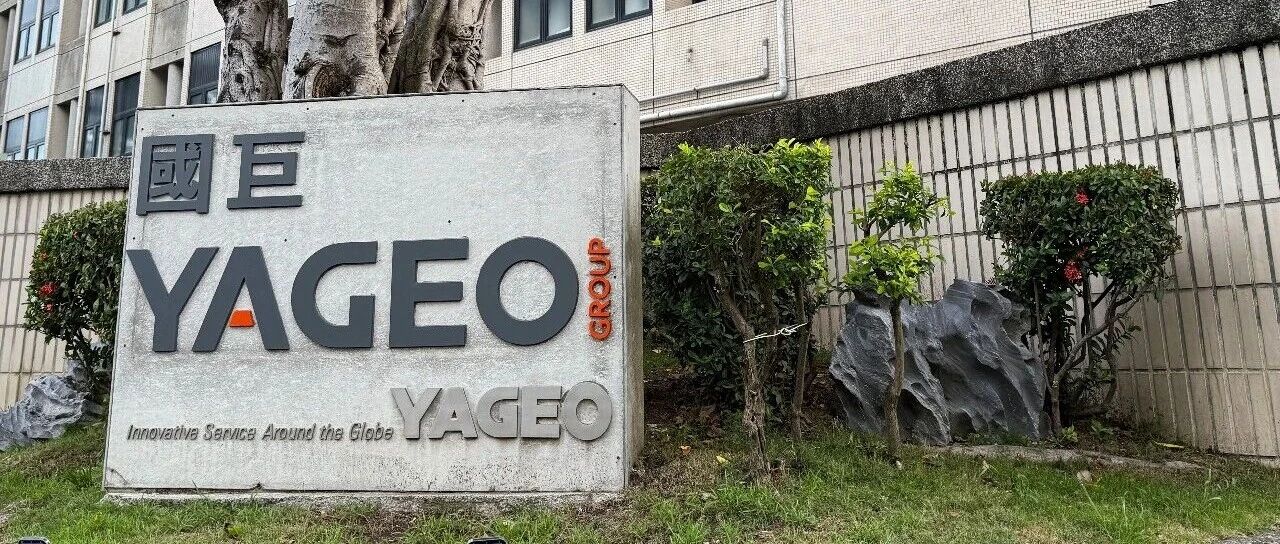
Core Viewpoint - The article discusses the recent price increases announced by Yageo Corporation (国巨) for certain passive components, particularly resistors, due to significant cost increases in chip product lines, especially precious metals like silver, ruthenium, and palladium [3]. Group 1: Price Adjustments - Yageo has decided to raise prices for some resistor products by approximately 15-20%, effective February 1 [3]. - Major passive component distributors in mainland China have also received notifications regarding price increases, with a 15% hike on products such as 0402 to 1206 thick film resistors starting January 26 [3]. - The company has previously adjusted prices for specific tantalum capacitors and magnetic beads, indicating a broader trend of price increases across its product lines [3]. Group 2: Market Context - The price adjustments are attributed to the significant rise in costs associated with chip production, particularly due to the soaring prices of precious metals [3]. - Yageo emphasizes its commitment to long-term partnerships with customers, ensuring reliable supply, excellent product quality, and competitive comprehensive solutions despite the price hikes [3].
8份料单更新!出售TI、安世、迈来芯等芯片
芯世相· 2026-01-16 06:37
Core Insights - The article discusses the challenges of managing excess inventory in the semiconductor industry, highlighting the financial burden of storage and capital costs associated with unsold materials [1] - It promotes a service called "Chip Superman," which has served 22,000 users and offers rapid inventory clearance solutions [8] Group 1: Inventory Management - A significant amount of excess inventory, specifically 100,000 units, incurs monthly storage and capital costs of at least 5,000, leading to a potential loss of 30,000 over six months [1] - The article emphasizes the difficulty in promoting and selling excess materials, suggesting that companies can utilize the "Chip Superman" service for better outcomes [1][9] Group 2: Inventory Offerings - The article lists various semiconductor components available for sale at discounted prices, including: - TI TPS54329DDAR (40,000 units) - 安世 PESD1LIN,115 (200,000 units) - 东芝 TB9051FTG (100,000+ units) - 安世 BC846B,215 (350,000 units) [4] - The total inventory value is reported to exceed 100 million, with 5 million chips available across 1,000+ models and 100 brands [7] Group 3: Purchase Requests - The article also includes a list of semiconductor components that are in demand, such as: - 旺宏 MX66L1G45GMI-08G (30,000 units) - ADI AD8552ARZ (20,000 units) [6] Group 4: Service Features - "Chip Superman" operates a 1,600 square meter smart storage facility, ensuring quality control for each component [7] - The service claims to facilitate transactions in as little as half a day, enhancing efficiency in inventory turnover [8]

2026年,半导体市场10大关注点
芯世相· 2026-01-15 04:23
Core Viewpoint - The global semiconductor market is expected to be dominated by AI, particularly in the data center sector, while demand for consumer electronics like PCs and smartphones remains stagnant [2][3]. Group 1: NVIDIA and AI - NVIDIA continues to emphasize its leadership in AI, with plans to launch the new product "Rubin" in 2026, potentially priced between $100,000 and $120,000 [4][6]. - The company is focusing on "physical AI" applications, which are essential for real-world implementations such as autonomous driving and robotics [6]. Group 2: TSMC's Market Position - TSMC's market share in the foundry business is projected to exceed 60% in 2024 and possibly 70% in 2025, maintaining its dominance in advanced process technologies [7]. - TSMC has begun mass production of 2nm technology, with Apple expected to be its first major customer [7]. Group 3: Intel's Manufacturing Challenges - Intel's manufacturing division is facing significant financial losses, with a reported $20 billion loss in the manufacturing sector for the fiscal year 2024, raising concerns about its long-term viability [8]. - Discussions about potential funding and management for Intel's manufacturing operations are ongoing, but no concrete plans have emerged [8]. Group 4: Semiconductor Market Growth - The global semiconductor market is forecasted to grow from $772.2 billion in 2025 to $975.5 billion in 2026, translating to approximately 151.2 trillion yen [11]. - Japan's semiconductor industry is at risk of declining market share, potentially falling below 5% due to rapid global market growth driven by AI [11]. Group 5: DRAM Market Dynamics - The DRAM market is experiencing volatility due to increased demand from AI applications, with contract prices rising sharply [16]. - There are concerns that aggressive investments in DRAM production could lead to a market downturn in the latter half of 2026 [16]. Group 6: Emerging Competitors - Chinese power device manufacturers are gaining competitiveness, with a significant portion of the market share in power devices expected to shift towards them [17]. - The potential for oversupply in the power device market is a risk that needs monitoring as demand dynamics evolve [17]. Group 7: Nexperia's Market Position - Nexperia holds a 20% market share in the small signal transistor market, with over 50% of its revenue coming from the automotive sector, indicating potential vulnerabilities [19]. Group 8: TSMC's Expansion in Japan - TSMC's expansion in Japan is becoming increasingly important, with plans to introduce advanced process nodes in its facilities, despite current underutilization of existing capacity [20].



11份料单更新!出售TI、南亚、佰维等芯片
芯世相· 2026-01-15 04:23
一批十万的呆料压在库存 每月仓储费➕资金成本至少5k 放半年就亏3万 有料单不知道怎么推广? 芯片超人已经 累计服务2.2万用户 ,打折清库存,最快半天完成交易! 找不到,卖不掉,价格还想再好 点 ,都可以来找我们! 算笔账 | 品牌 | 型号 | 数量 | | --- | --- | --- | | Zbit/恒烁 | ZB25Q256ASJG | 3K | | ADI | AD8552ARZ | 20K | | ADI | AD7794CRUZ | 2K | 优势呆料,特价出售 | 品牌 | 型号 | 年份 | 数量 | | --- | --- | --- | --- | | TI | ADS4225IRGCR | 22+ | 400 | | MICROCHIP/ | ATTINY1617-MFR | 22+ | 6000 | | 微芯 | | | | | DIODES/美台 | DMP6018LPSQ-13 | 23+ | 30000 | | TI/德州仪器 | TPS92662AQPHPRQ1 | 23+ | 10000 | | TI/德州仪器 | TPS7B6950QDCYRQ1 | 23+ | 1 ...