行家说储能

Search documents
拓展大储?又一工商储企业联手汇川
行家说储能· 2026-01-23 10:16
Core Viewpoint - The strategic partnership between Hongzheng Energy and Huichuan Technology marks a significant shift in the energy storage industry, aiming to address challenges in commercial energy storage and explore opportunities in large-scale independent energy storage [4][7]. Group 1: Strategic Collaboration - On January 20, Huichuan Technology and Hongzheng Energy signed a strategic cooperation agreement to enter the large independent energy storage sector, focusing on collaborative development in energy storage PCS (power conversion systems), market synergy, and innovative solutions [4]. - The partnership aims to create a symbiotic industrial ecosystem, providing a pathway for the energy storage industry to respond to volatility and move beyond price competition [4][7]. Group 2: Industry Challenges - The commercial energy storage market is experiencing a transformation period, with narrowing peak-valley price differences due to national pricing policy adjustments and deeper market reforms, leading to the obsolescence of traditional profit models [8]. - Intense homogenization competition has resulted in significant price declines, squeezing profit margins and forcing some companies to exit the market, while others seek new survival and growth paths [8]. Group 3: Market Outlook - Industry experts predict that 2026 will be a pivotal year for independent energy storage, prompting some commercial energy storage companies to pivot towards this sector for sustainable profit models and new growth opportunities [8]. - Transitioning to large-scale energy storage is complex, requiring comprehensive capabilities due to high investment costs, long construction periods, and stringent technical standards [8]. Group 4: Differentiation Strategies - Companies are increasingly adopting distinct strategies to navigate challenges, focusing on niche markets and aligning with local energy policies to develop tailored products and services [9]. - Another approach involves deep innovation in specific technical needs within the commercial energy storage market, such as AI scheduling and customized solutions, to establish competitive advantages [9]. Group 5: Business Model Innovation - A shift from equipment manufacturing to asset-light value operation is emerging, leveraging AI algorithms and digital platforms to create "virtual power plants" that facilitate intelligent scheduling and electricity trading [10]. - This model reduces capital investment barriers and relies on algorithmic capabilities and customer resource integration to carve out a niche in a competitive ecosystem [10].



超1GWh!天合、鹏辉等官宣储能订单
行家说储能· 2026-01-23 10:16
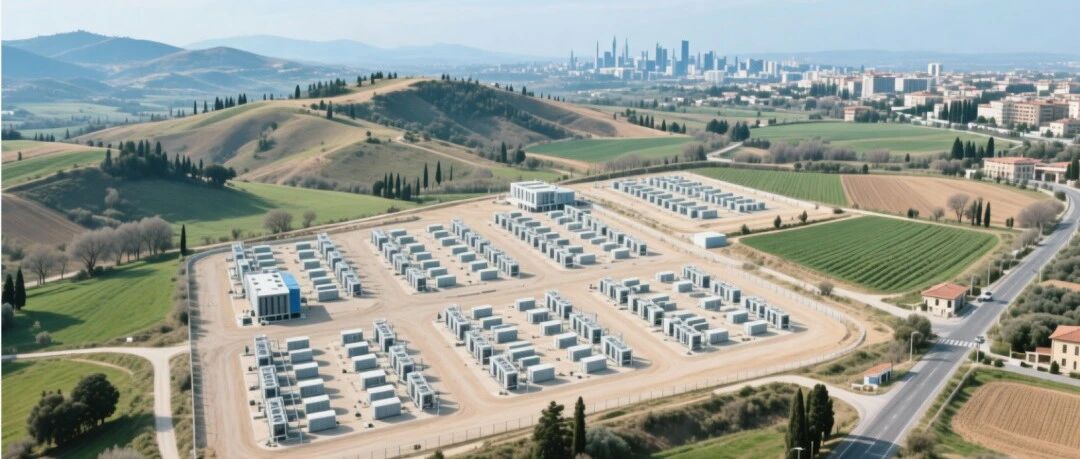
Group 1 - Penghui Energy has reported significant overseas large-scale storage orders, with part of the orders already delivered and high customer satisfaction, expecting substantial growth in 2026 [3][5] - The company plans to launch a new 587Ah large-capacity battery cell in 2026, with production facilities already established [3] - Penghui Energy forecasts a net profit of 170 million to 230 million yuan for 2025, indicating a turnaround due to increased sales orders and revenue growth [5] Group 2 - Trina Storage has signed its first large-scale battery storage project in Italy, a 250MW/1GWh facility, which is expected to enhance grid reliability and support renewable energy goals [6][8] - The project is part of Trina Storage's long-term investment in energy transition in the region, with cumulative shipments in Europe exceeding 4GWh [8] Group 3 - Astech has announced new overseas orders for its LABEL liquid-cooled commercial storage systems, achieving significant deployment in France and Finland [9] - The new products have a cumulative overseas deployment capacity exceeding 2.5MWh, with additional orders in negotiation [9][12] - Astech's products feature a 15% reduction in levelized cost of storage (LCOS) and are designed for high efficiency and long lifecycle [12] Group 4 - The small storage market is experiencing growth due to regional demand and supportive subsidy policies in Australia and Europe, while supply remains tight [10] - The large storage market is expected to continue growing, driven by demand from aging power grids and energy transition needs in various countries [10]

最高预增628.43%!储能企业扎堆发布业绩预告
行家说储能· 2026-01-22 10:01
Core Viewpoint - The performance forecasts for 2025 from eight listed companies in the energy storage sector show a clear divergence, with four companies expecting losses while four anticipate profits or significant profit growth. Despite overall performance pressure, advancements in energy storage business are highlighted as a common positive aspect among these companies [2][4]. Group 1: Companies Expecting Losses - Trina Solar expects a net loss of 6.5 billion to 7.5 billion yuan, an increase from a loss of 3.443 billion yuan in the same period last year, primarily due to rising costs of key raw materials [5][6]. - Longi Green Energy forecasts a net loss of 6 billion to 6.5 billion yuan, a decrease from a loss of 8.592 billion yuan last year, citing a challenging operating environment in the photovoltaic industry [9]. - JinkoSolar anticipates a net loss of 5.9 billion to 6.9 billion yuan, shifting from a profit of 98.9276 million yuan last year, due to intensified price fluctuations and trade protection policies [10]. - JA Solar predicts a net loss of 4.5 billion to 4.8 billion yuan, slightly widening from a loss of 4.656 billion yuan last year, impacted by increased competition and declining sales prices [12]. Group 2: Companies Expecting Profits - Kstar Science expects a net profit of 600 million to 660 million yuan, a year-on-year increase of 52.21% to 67.43%, driven by a recovery in the European energy storage market [14]. - Penghui Energy forecasts a net profit of 170 million to 230 million yuan, recovering from a loss of 252 million yuan last year, attributed to increased sales orders and revenue growth [16]. - Hekang New Energy anticipates a net profit of 50 million to 75 million yuan, a significant increase of 385.62% to 628.43% compared to last year, focusing on green energy solutions and expanding its household energy storage business [18]. - Tongfei Co. expects a net profit of 240 million to 268 million yuan, a growth of 56.43% to 74.68% year-on-year, with significant contributions from its energy storage temperature control business [19][20].





超1GWh订单!该地储能处于爆发前夕
行家说储能· 2026-01-22 10:01
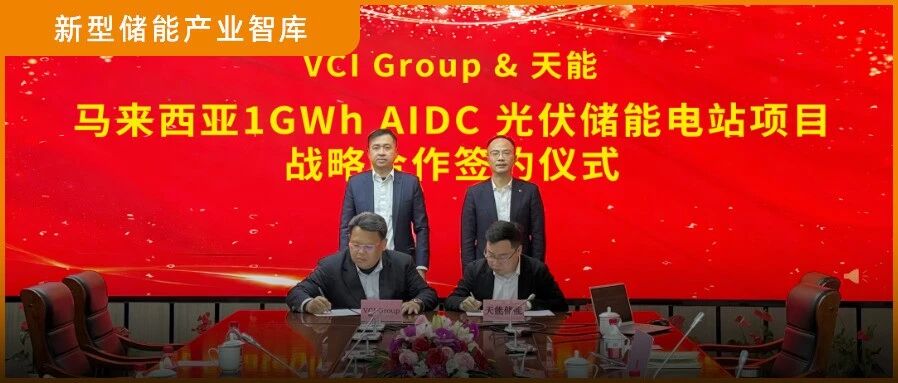
Core Viewpoint - Malaysia's energy storage market is on the brink of explosive growth, driven by the country's goal of achieving 70% renewable energy by 2050 and a series of significant events in the sector [2][11]. Group 1: Recent Developments - Teneng Energy has secured a 1GWh "solar-storage-computing" integrated project in Malacca, Malaysia, in collaboration with VCI Global Limited, aiming to establish a benchmark for green energy in Southeast Asia [4][6]. - Zhiguang Electric has signed a supply and service agreement to provide 150 fully liquid-cooled energy storage units to the Malaysian market, with delivery expected by 2026 [7][8]. Group 2: Market Growth and Projections - The Malaysian energy storage market is projected to reach $13 billion by 2032, with a compound annual growth rate (CAGR) of 17.45% [12]. - The largest grid-level energy storage tender in Malaysia, MyBEST, will involve a capacity of 400MW/1600MWh, with significant investments from various consortiums [12]. - The upcoming LSS6 solar tender is expected to add 2GW of solar capacity, likely requiring energy storage solutions, creating a market opportunity exceeding 6 billion ringgit (over 10 billion RMB) [12]. Group 3: Industry Trends - The rapid expansion of data centers in Malaysia is a key driver of energy storage demand, with 49 projects confirmed to require substantial power support [11][12]. - Companies like Tianeng and local firms are increasingly focusing on "solar + storage" solutions to meet the growing energy needs of data centers, indicating a clear trend towards integrated energy solutions [13]. - Chinese companies are establishing production bases in Malaysia to prepare for the anticipated surge in demand, with significant investments in energy storage battery projects [13][16].
15GWh!中创新航储能产能加速
行家说储能· 2026-01-21 11:25
温馨提示: 投稿/合作/找圈,请联系 行家说Cindy:13609002797(微信同号) 2026年以来,全球储能产能布局进入加速期,国内企业也正持续聚焦海外市场。 据外媒报道,1月20日,葡萄牙政府宣布与中创新航等6家公司签署投资协议,葡萄牙总理蒙特内格罗出席仪式。其中,中创新航的锂电池工厂项目正式获得3.5亿欧 元(约合人民币28.53亿)的政府补贴。 据了解,中创新航的葡萄牙项目位于葡萄牙的 锡尼什工业区 ,总投资额达20.67亿欧元(约合人民币168.52亿),占地面积45公顷,主要生产动力电池和储能电 池,用于电动汽车(EV)及储能系统(BESS)领域。而葡萄牙政府将提供3.5亿欧元(约合人民币28.53亿)补贴,或将有效降低项目初期的投入压力。 该项目早在2025年2月就已举行开工仪式,并被葡萄牙政府授予"国家利益项目"(PIN)地位,足见其在当地产业布局中的重要性。 按照规划,该项目将于2028年全面投运,投产后将形成15GWh的储能电池生产能力,直接创造1800个就业岗位。作为对比,这一产能规模与阳光电源的匈牙利基地 相当,不仅能覆盖欧洲本土日益增长的储能需求,还能借助葡萄牙锡尼什港的物流优 ...

工商业储能“有救”了?431家虚拟电厂完成注册
行家说储能· 2026-01-21 11:25
温馨提示: 投稿/合作/找圈,请联系 行家说Cindy:13609002797(微信同号) 2026年,业内关于行政分时电价取消与工商业储能收益逻辑重构的讨论持续升温。国家层面"虚拟电厂现货交易、容量电费优化、倒送电放开"等政策机制, 为工商业储能点亮了拓展全新收益版图的曙光。 虽然曙光在前,但当下的工商业储能收益模式仍面临"青黄不接"——传统的峰谷套利空间被压缩,新的收益机制待完善,行业正经历新旧模式转换的关键节 点,而虚拟电厂等新业态的出现,则为行业突破瓶颈、打开新增长空间提供了重要路径。 ▋ 工商业储能迈入多元盈利新赛道 行政分时电价的取消,本质上是让电价回归其真实的商品属性,让价格信号能够更及时、准确地反映电力系统的实际供需与时空价值。在行家说储能看来, 新政策下,时段与价格动态化,用户合同可能每年调整(如更换售电公司),导致项目收益模型需实时更新;短期内高度依赖目录价差的工商业储能项目 "裸泳",回本周期延长2-3年,部分项目面临亏损风险。 未来,工商业储能的收益模式 必然 要从单一走向多元,拓展至一个涵盖 光储协同、动态增容、需量管理、需求侧响应、电力现货市场交易、辅助服务、虚 拟电厂 等的高阶组 ...
2000亿巨头赴港!储能布局进度多少?
行家说储能· 2026-01-20 05:40
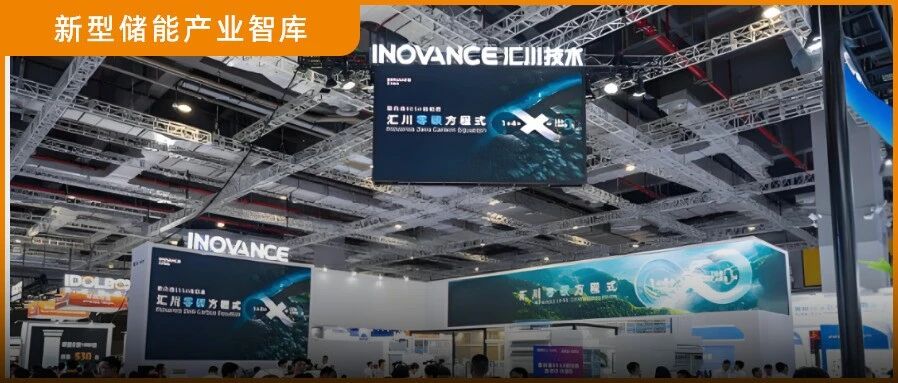
Core Viewpoint - The company, Huichuan Technology, plans to list in Hong Kong to enhance its international strategy and global competitiveness, aligning with its focus on expanding overseas energy business and digital energy layout by 2025 [2][12]. Group 1: Strategic Goals and Market Position - Huichuan Technology aims to achieve a market share of over 5% in high-value energy storage scenarios by 2026, with a long-term goal of becoming a top three global player in energy storage by 2028 [3]. - The company has established a differentiated strategy in energy storage, focusing on commercial and industrial sectors to avoid intense competition in residential and grid-side storage [7]. - By 2025, Huichuan Technology plans to deliver over 50GW of energy storage solutions annually from its new factory in Xi'an, significantly improving delivery efficiency [6]. Group 2: Technological Advancements - The company has developed advanced energy storage products, including a new generation of 3.5MW and 7MW storage inverters, and a 430kW string inverter compatible with larger capacity cells [3]. - Huichuan Technology has implemented grid-forming technology in various projects, achieving significant performance metrics such as voltage fault support response times under 10ms and frequency response times under 300ms [4][6]. - The company is also integrating AI and big data into its energy management solutions, aiming to create a fully automated energy system [8][10]. Group 3: Global Expansion Efforts - The company is leveraging partnerships with industry players and investors to expand its energy storage products globally, with notable projects in Australia, Indonesia, and India [12]. - Huichuan Technology has signed agreements for significant projects, including the Bundey storage station in Australia, which will be the largest in the Southern Hemisphere [12]. - The company is focused on building a comprehensive overseas marketing and service system to ensure rapid deployment of its energy solutions in international markets [12].
整机增收20万!又一工商业储能新品发布
行家说储能· 2026-01-20 05:40
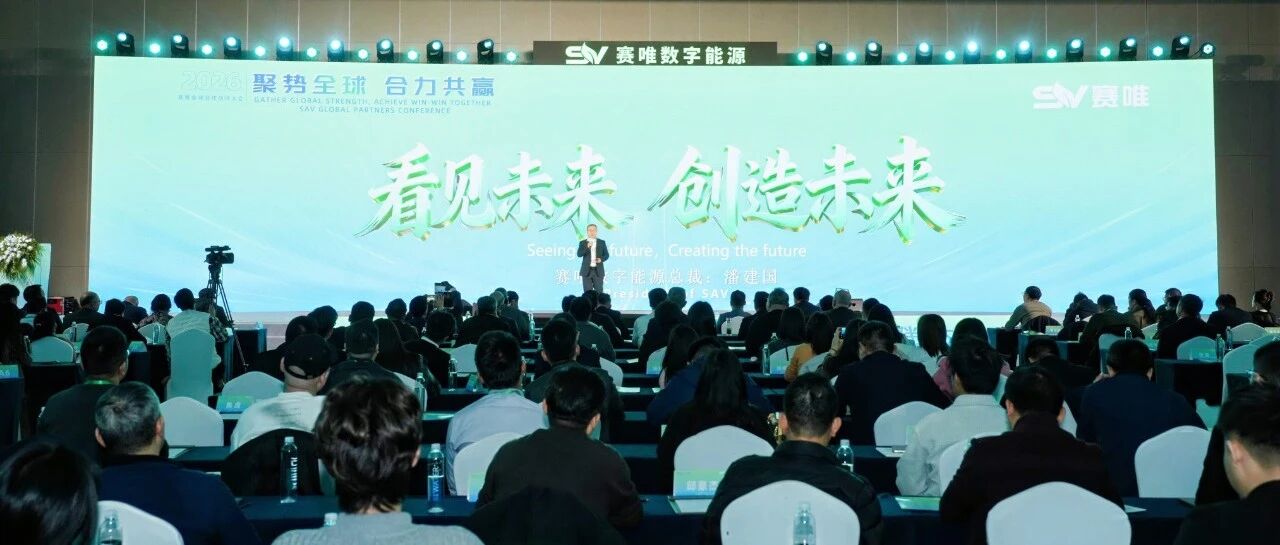
温馨提示: 投稿/合作/找圈,请联系 行家说Cindy:13609002797(微信同号) 图为:赛唯数字能源董事长阮婷婷女士在全球合作伙伴发展大会上致辞 正如 Fluence高级副总裁兼首席企业运营官Roman Loosen所说,"储能的灵活性比以往任何时候都更加重要"。面对储能市场对更大容量的持续需求 却受限 于场地、以及 出海运输的现实挑战,大容量、模块化、场景适应性强的一柜多用设计正成为行业发展的明确方向。 2026年,储能系统的结构革命进一步深化。 赛唯数字能源推出的储霸王 X3刷新行业纪录——其宽度仅0.98米,占地面积低至 2.3平方米 ,为同规格产品中 最小。储霸王X3采用擎天控阵系统,基于模块化分体设计,突破了大容量储能在运输和安装上的传统限制, 也 很好 规避了 欧洲等 海外 国家 道路 限 高 限 重的 痛点 。该系统可多台组合灵活扩容,部署周期可缩短30%以上。 2026年序幕初启,行业内围绕行政性分时电价取消与工商业储能收益逻辑重构的讨论持续升温。工商储投资领域寒意渐起,部分企业已选择提前退场;与此 同时,也有不少工商业储能企业正逆势布局,蓄力前行。 2026年1月20日,赛唯数字能 ...
超13GWh!多企储能订单新进展
行家说储能· 2026-01-19 05:18
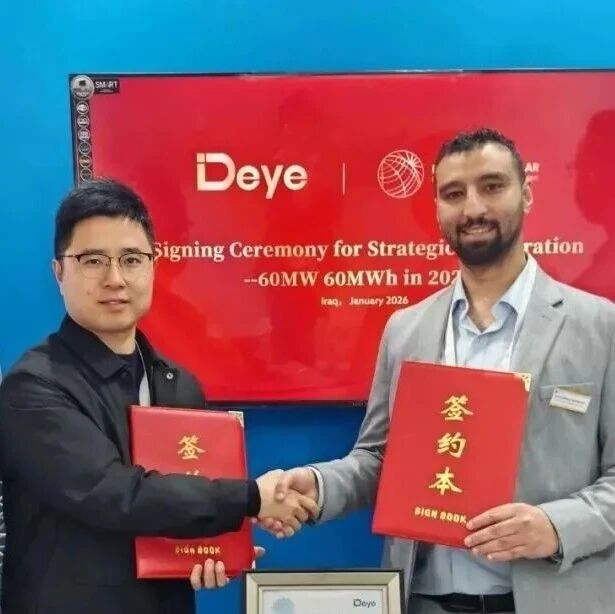
Core Insights - The energy storage industry continues to see a surge in orders as companies announce significant progress in their projects and partnerships, indicating a robust market outlook for 2026 [2] Group 1: Company Developments - Trina Solar has reported that its overseas orders have exceeded 12 GWh, with plans to ship 15-16 GWh in 2026, and expects over 60% of shipments to be international [3] - Kubo Energy signed a strategic cooperation agreement for 1.5 GWh with IBG Group in the Czech Republic, aiming to deliver within 18 months [4] - Kubo Energy has successfully delivered over 200 MWh of storage projects in the Czech Republic and is constructing a smart manufacturing base with an annual capacity of 15 GWh, set to be operational by mid-2026 [6] - DEYE signed a major cooperation agreement to supply 60 MWh of energy storage systems and inverters to Philadelphia Solar for projects in Jordan and Iraq [7][9] - Dongfang Electric signed a contract for a 300 MW solar and 75 MWh storage project in Uzbekistan, marking a significant expansion in Central Asia [10][12] - Risen Energy is collaborating with Eco Persona in Malaysia to develop commercial rooftop solar projects, focusing on high-efficiency integrated systems [13][15] - Samsung C&T has signed a development agreement for two battery energy storage systems (BESS) projects totaling 350 MW in Texas, aimed at enhancing grid stability and supporting renewable energy integration [16] Group 2: Market Trends - The energy storage market is experiencing a strong demand for integrated solar and storage solutions, with companies actively pursuing international partnerships to expand their reach [2][4][10] - The trend towards higher capacity and efficiency in energy storage systems is evident, with companies like Trina Solar and Kubo Energy increasing their production capabilities to meet growing demand [3][6] - The focus on sustainability and clean energy solutions is driving collaborations across various regions, particularly in emerging markets like the Middle East and Central Asia [9][12][13]

10家!1月储能相关企业资本动作密集
行家说储能· 2026-01-19 05:18
Core Viewpoint - The energy storage industry is experiencing a surge in capital activities, with multiple companies, including Haier New Energy and Deye, making significant progress in their IPO processes [2][4][6]. Group 1: Haier New Energy - Haier New Energy has secured over 1 billion yuan in financing and has initiated its IPO counseling process [4]. - The company focuses on "green energy + energy storage + smart energy controllers," providing comprehensive services for residential and commercial users globally [4]. - Haier New Energy has expanded its business to over 50 countries and regions, including Europe, Australia, Southeast Asia, South Asia, and Africa [4]. Group 2: Deye - Deye has made significant progress in its Hong Kong IPO, with its shareholders approving the proposal for issuing H-shares [6]. - The company aims to enhance its global strategy and market competitiveness while expanding its international financing channels [6]. - Financial data shows that Deye achieved a total revenue of 8.846 billion yuan in the first three quarters of 2025, a year-on-year increase of 10.36%, with a net profit of 2.347 billion yuan, up 4.79% [6]. Group 3: Industry Trends - As of January 19, 2026, a total of 10 energy storage-related companies have updated their IPO progress, indicating a strong desire among leading firms to leverage capital markets for expansion [3][9]. - These companies span key areas of the energy storage industry, including storage materials, batteries, and system integration, highlighting the robust growth potential in the sector [9]. - Notable companies involved include Gote Electronics, Penghui Energy, and others, each with significant revenue growth and strategic plans for IPOs [10].