行家说储能

Search documents
超11GWh!阳光电源、天合储能新动作
行家说储能· 2026-01-12 10:32
Group 1 - The core viewpoint of the article highlights the recent advancements in energy storage businesses of Sungrow Power and Trina Solar, with Sungrow planning to establish a 10GWh battery storage manufacturing plant in Egypt and Trina Solar securing a 1.2GWh storage order in Latin America [1][2][3]. Group 2 - Sungrow Power will build the first battery energy storage system (BESS) manufacturing plant in the SCZONE area of Egypt, covering an area of 50,000 square meters, with a target annual production capacity of 10GWh, expected to commence operations in April 2027 [2]. - In the first three quarters of 2025, Sungrow's energy storage shipments increased by 70% year-on-year, with overseas shipments rising from 63% to 83% of total shipments [2]. - Sungrow aims for a total energy storage shipment target of 40-50GWh by 2025, anticipating a global energy storage market growth rate of approximately 40-50% in 2026 due to increasing demand for renewable energy integration and user-side market policies [2]. Group 3 - Trina Storage has secured a 1.2GWh energy storage order in Latin America, with contracts signed for projects developed in collaboration with T-Power in Chile and YPF Luz in Argentina, utilizing Trina's Elementa 2 battery containers and related systems [3][5]. - Trina Storage's total known energy storage project orders in Latin America for 2025 exceed 2.4GWh, with over 24GWh of overseas storage orders and project collaborations reported [3][5]. - The Luz del Norte project in Chile will include a 722MWh battery storage system, while the Alma Sur project in Argentina will feature a 90MW/481MWh battery storage system, contributing to Trina's growing presence in the Latin American market [5][6].



营收翻6倍,远信储能IPO:又一波港股上市潮来了
行家说储能· 2026-01-12 10:32
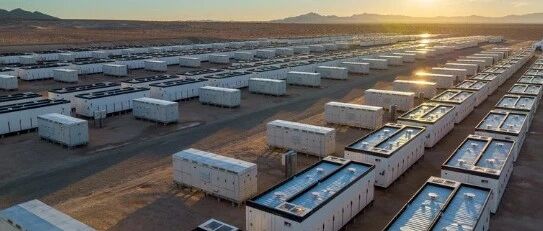
Core Viewpoint - Yuanxin Energy has submitted its IPO application to the Hong Kong Stock Exchange, marking a significant event in the energy storage sector for 2026. The funds raised will be used for technology enhancement, overseas expansion, capacity upgrades, and general operational purposes [2]. Financial Performance - Yuanxin Energy's revenue has shown a growth trajectory, with figures of 435 million RMB, 1.144 billion RMB, and 881 million RMB for the first nine months of 2023, 2024, and 2025 respectively [3]. - The company has maintained profitability during rapid expansion, with net profits of 40.74 million RMB, 96.27 million RMB, and 70.89 million RMB for the same periods. The net profit for 2024 is projected to grow by 136% compared to 2023 [6]. - Gross margins have remained stable despite increased competition, with gross margins of 21.6%, 17.8%, and 18.3% for the respective years [6]. Business Transformation - Yuanxin Energy is transitioning from a hardware supplier to a comprehensive system integrator, with a significant shift in revenue sources. By 2025, system-level energy storage solutions are expected to contribute over 90% of total revenue [7]. - The company offers a full lifecycle solution, including project development, engineering design, system integration, and operation maintenance, which enhances customer relationships and adds value [7][8]. International Expansion - The company aims for overseas revenue to exceed 30% by 2026, up from 1% in 2025, as it expands into markets like the U.S., Japan, and several European countries [10][12]. - Yuanxin Energy has established contracts in multiple countries and is actively involved in various projects, indicating a strategic move to diversify its customer base and reduce dependency on major clients [10][12]. Industry Trends - The energy storage sector is witnessing a wave of IPOs, with several companies planning to list in Hong Kong, driven by a favorable market environment and strong demand for energy storage solutions [14][16]. - The global demand for energy storage systems is increasing, particularly in mature markets and regions facing power shortages, creating opportunities for companies like Yuanxin Energy [12][17]. Financing Environment - The Hong Kong market is seen as a favorable platform for energy storage companies due to higher valuations from international investors for stable cash flow models [18]. - There is growing interest from international financial institutions in the renewable energy and storage sectors, providing a solid foundation for financing [18].
35GWh!比亚迪等5企再拓储能产能
行家说储能· 2026-01-09 12:10
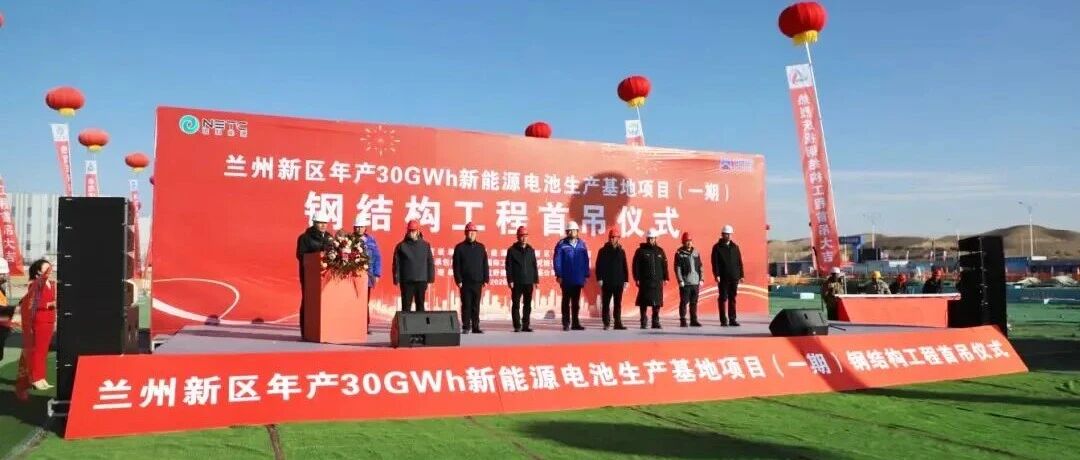
Core Viewpoint - The energy storage sector is experiencing significant capacity expansion, with multiple companies, including BYD, Guokai Energy, and Haopeng Technology, planning to increase their production capacity by a total of 35GWh in response to a surge in industry orders [1]. Group 1: BYD - BYD has initiated the construction of the third phase of its new energy power battery production base, planning a capacity of 15GWh for energy storage batteries, with a total investment of 5 billion yuan [2]. - The project timeline began in August 2021, with the agreement signed for investment in Shengzhou, and the total planned capacity is close to 100GW, with an investment amount reaching hundreds of billions [3]. - By the end of 2025, BYD's planned battery capacity is expected to reach 655GWh, with potential further increases to 810GWh in the next 1-2 years [3]. Group 2: Guokai Energy - Guokai Energy has launched the first phase of its 30GWh new energy battery production base in Gansu, focusing on a modern production base for 10GWh lithium iron phosphate energy storage cells, with an investment of 2.8 billion yuan [4]. - The company also has an intelligent manufacturing base in Anqing, Anhui, which is planned to achieve an annual output value exceeding 5 billion yuan [6]. Group 3: Haopeng Technology - Haopeng Technology plans to raise up to 800 million yuan for the construction of a 3GWh energy storage battery production line and a steel shell stacked lithium battery project [7]. - The total investment for the energy storage battery project is approximately 447.29 million yuan, with a focus on high-growth and high-value-added energy storage applications [8]. Group 4: Spring Sheng New Energy - Spring Sheng New Energy is set to establish a 4GWh energy storage battery production project in Shijiazhuang, with a total investment of 500 million yuan [11]. Group 5: SK On - SK On has officially launched a major capacity construction project in South Korea, aiming to establish a 3GWh battery production line specifically for energy storage systems, focusing on lithium iron phosphate (LFP) batteries [12]. - This project is the largest LFP battery production facility in South Korea and is part of the government's goal to expand energy storage system capacity to 138GWh by 2038 [13].

首批试点名单公示,7个储能项目入选
行家说储能· 2026-01-09 12:10
Core Viewpoint - The National Energy Administration has announced the first batch of pilot projects for enhancing the construction capacity of the new power system, including 43 pilot projects and 10 pilot cities, with a focus on energy storage and microgrid technologies [2][6]. Energy Storage Projects - Seven energy storage-related projects have been included, primarily focusing on grid-friendly technology applications, distributed across Inner Mongolia, Zhejiang, Anhui, Yunnan, Shanxi, and Gansu [2][3]. - The Baotou City grid-friendly energy storage project has a total planned capacity of 30MW, with a total scale of 10.2MW/40.8MWh, designed to provide voltage and frequency support to the grid [3][5]. - The Zhejiang Longyou shared energy storage project has a total scale of 80MW/160MWh, with a specific configuration of 10MW/20MWh grid-friendly units, improving equipment utilization by over 30% and reducing cost per kilowatt-hour to below 0.2 yuan [5]. - The Yunnan Wenshan Qiubei independent energy storage project leads with a scale of 200MW/400MWh, featuring a sodium-ion battery system, marking it as the first large-scale lithium-sodium hybrid energy storage station in the country [5]. - The Gansu Juhua New Energy project includes a planned capacity of 150MW/600MWh for its energy storage system, associated with a 1GW wind farm [5]. Microgrid Projects - The pilot list includes seven microgrid projects located in Jilin, Jiangsu, Henan, Hubei, Guangdong, and Xinjiang, involving major companies such as China National Petroleum, State Grid, and China Huadian [6][7]. - The projects aim to enhance the integration of renewable energy sources and improve energy management within industrial settings [6]. Virtual Power Plant Projects - Thirteen virtual power plant projects are distributed across Hebei, Jiangsu, Zhejiang, Anhui, Shandong, Hubei, Hunan, and Guangdong, involving companies like State Grid and China Power Investment [7][8]. - These projects focus on resource aggregation and market interaction to optimize energy supply and demand [8]. Pilot Cities - The ten pilot cities selected include Zhangjiakou, Baotou, Shenyang, Changzhou, Ningbo, Ningde, Qingdao, Xiangyang, Guangzhou, and Guiyang, indicating a broad geographical focus for the new power system initiatives [8].

退税率降3%!储能电池出口新变动
行家说储能· 2026-01-09 12:10
Core Viewpoint - The Ministry of Finance and the State Taxation Administration announced adjustments to the export tax rebate policy for photovoltaic and battery products, effective from April 1, 2026, which includes the cancellation of VAT export rebates for these products [1]. Group 1: Policy Changes - From April 1, 2026, the VAT export rebate for photovoltaic products will be canceled [1]. - The VAT export rebate rate for battery products will be reduced from 9% to 6% from April 1, 2026, until December 31, 2026, and will be completely canceled starting January 1, 2027 [1]. - The export consumption tax policy for products subject to consumption tax will remain unchanged, continuing to apply the consumption tax rebate (exemption) policy [1]. Group 2: Export Performance - In the first half of 2025, China's energy storage battery exports reached 45.6 GWh, a year-on-year increase of 174.6%, accounting for 35.9% of the total battery exports in the country [1]. - By October 2025, the export value of energy storage batteries and electric vehicle batteries exceeded $65 billion, with global shipments of lithium-ion battery cells expected to grow by 75% annually [1].
392GWh!2026年储能走向引热议
行家说储能· 2026-01-08 13:35
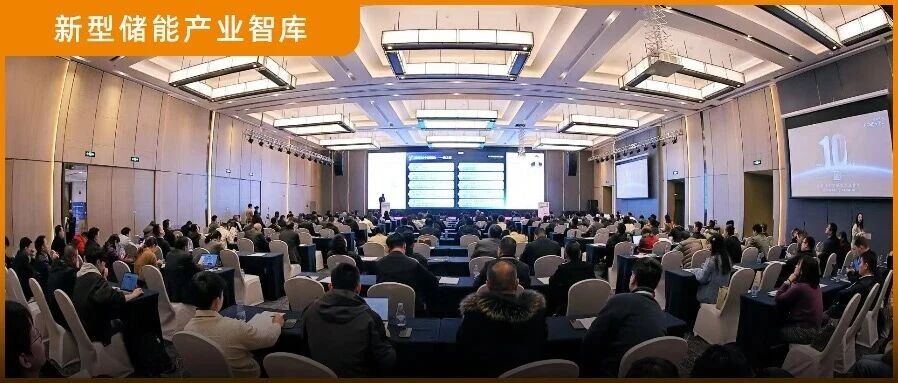
Core Viewpoint - The new energy storage industry is at a critical juncture, transitioning from a policy-driven model to a market-driven one, influenced by recent regulatory changes and technological advancements [5][7][41]. Group 1: Policy Changes and Market Dynamics - The 136 and 1502 documents signify a shift in energy pricing, impacting both generation and consumption sides, which will profoundly affect the new energy storage industry [2][41]. - The cancellation of mandatory time-of-use pricing for direct market participants aims to address how electricity pricing is connected to consumption, indicating a move towards more market-oriented pricing mechanisms [2][41]. - The acceleration of electricity market reforms is disrupting traditional business models, necessitating companies to redefine their roles within the energy ecosystem [6][41]. Group 2: Strategic Opportunities and Trends - The new energy storage sector is expected to experience significant growth, with global installed capacity projected to reach approximately 277 GWh in 2025 and 380 GWh to 392.76 GWh in 2026 [9]. - Key trends include the rise of large-capacity battery cells, grid-connected storage, long-duration storage, and the increasing importance of virtual power plants [3][10]. - The industry is moving towards a multi-scenario revenue model, shifting from simple arbitrage to comprehensive energy services, driven by the need for diversified revenue streams [16][41]. Group 3: Technological Innovations - The evolution of battery technology is evident, with a shift from 314 Ah cells to 500/600 Ah cells expected by 2026, enhancing efficiency and performance [13][15]. - Innovations such as the high-safety series-connected grid storage solutions are being developed to address challenges like low inertia and weak grid conditions [12][40]. - The introduction of AI and digital solutions is becoming crucial for optimizing energy management and operational efficiency in the storage sector [18][20]. Group 4: Commercialization and Application Scenarios - The commercial storage market is projected to grow significantly, with an expected increase in installed capacity from 7.54 GWh to 18.96 GWh from 2023 to 2025, reflecting a compound annual growth rate of 35.98% [30]. - The focus is shifting from price competition to comprehensive energy solutions, with companies like Haier introducing integrated storage systems that enhance safety and performance [31][33]. - The virtual power plant model is emerging as a key strategy for commercial storage, allowing for enhanced revenue generation through dynamic pricing and resource aggregation [19][25]. Group 5: Challenges and Industry Evolution - The cancellation of time-of-use pricing is leading to a reevaluation of revenue models for commercial storage, with companies needing to adapt to fluctuating market prices [41][44]. - The industry faces challenges in operational capabilities and safety, necessitating a transition towards multi-revenue models and enhanced operational strategies [37][46]. - As the market evolves, companies must focus on building differentiated advantages through integrated solutions and advanced technology to remain competitive [48][49].
储能行家极光奖11大奖项名单公布
行家说储能· 2026-01-08 13:35
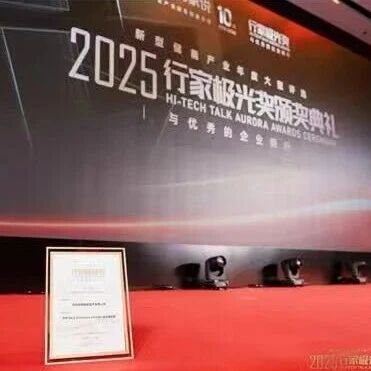
Core Viewpoint - In 2026, the Chinese energy storage industry is approaching a historic turning point, following a year of intense competition in 2025 characterized by rapid product technology iterations, evolving brand landscapes, and comprehensive safety standard upgrades [1] Group 1: Awards and Rankings - The "Aurora Awards" committee announced 11 award categories at the "2026 Energy Storage Innovation Summit" [3] - The annual top ten rankings are based on actual shipment volumes, integrating product performance metrics, market share, and customer reputation to identify leading companies in various segments [5] - The rankings include categories for "Top Ten Energy Storage Cell Shipments," "Top Ten User-Side Energy Storage System Integrators," and "Top Ten New Energy Storage System Integrators," aimed at recognizing industry leaders [5] Group 2: Specific Award Categories - The "Top Ten New Energy Storage System Integrators" focuses on companies that excel in system efficiency, intelligence, and project quality, driving high-quality industry development [7] - The "Top Ten User-Side Energy Storage System Integrators" evaluates companies based on adaptability, economic viability, and operational capabilities, emphasizing the commercial value of user-side storage [10] - The "Top Ten Energy Storage Cell Shipments" recognizes companies that establish industry benchmarks through large-scale production and technological advancements [13] Group 3: Influence and Innovation Awards - The "Influential New Energy Storage Enterprise Award" assesses companies based on technical strength, brand influence, operational capabilities, market share, safety standards, and digitalization levels [16] - The "Best Comprehensive Energy Operator" award evaluates companies on resource integration, project operation efficiency, and service quality, promoting high-value upgrades in the energy service market [23] - The "Growth Value Enterprise Award" focuses on companies' innovation potential and growth space, assessing revenue growth, market expansion, and technology conversion efficiency [25] Group 4: Safety and Product Awards - The "Energy Storage Industry Safety Pioneer Award" highlights companies that excel in key technology research, product stability, and safety applications in large-scale projects [27] - The "Influential Product Award" aims to showcase the technological ecosystem in the energy storage field, featuring sub-awards for "Innovative Product Award" and "Outstanding Product Award" [30] - The "Innovative Product Award" recognizes products that meet evolving industry needs through technological breakthroughs or differentiated solutions [31]
倒计时1天!最全储能参会攻略
行家说储能· 2026-01-07 04:56
Core Insights - The focus of the industry in 2026 will shift towards "operations," emphasizing how to transition energy storage projects from merely connecting to the grid to generating profits. Key discussions will revolve around calculating the revenue per kilowatt-hour, optimizing asset management, and navigating market dynamics [2]. Event Overview - The "2026 Energy Storage Industry Summit" will take place on January 8 in Shenzhen, featuring nearly 30 leading companies in the energy storage sector, including major players like Southern Power Grid Technology, Sungrow Power, and Trina Solar. The event aims to explore the trends and opportunities in energy storage development for 2025 [3]. Participation and Networking - The summit will gather representatives from around 200 companies across the energy storage supply chain, including investors, operators, and end-users, to discuss the future landscape of energy storage and identify new business opportunities [3]. Agenda Highlights - The agenda includes discussions on the transformation of energy storage value and technological innovations, with sessions covering topics such as the current state of distributed energy storage, digital empowerment in energy storage, and the integration of energy storage with virtual power plants [20][22]. Awards and Recognition - The event will also feature the "Aurora Awards," recognizing influential products and companies in the energy storage industry for the year 2025, with categories including the Annual Impact Product Award and the Top Ten Enterprises Award [25].

超3.2GWh!晶科、南都新签储能订单
行家说储能· 2026-01-07 04:56
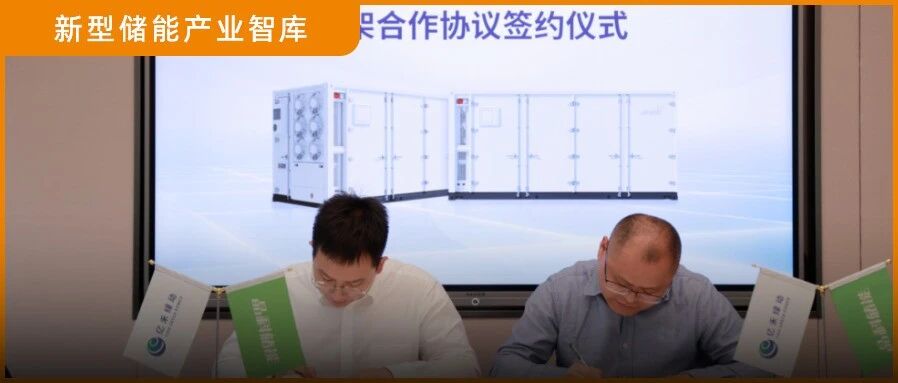
Group 1 - The core viewpoint of the article highlights a significant surge in energy storage orders, with projections indicating over 917 GWh of orders for 2025, continuing into 2026 with major companies securing substantial contracts [2][13]. Group 2 - Jinko Energy has signed a framework cooperation agreement with Shaanxi Yihe Green Energy Co., aiming for a collaboration scale of 3 GWh over the next two years, focusing on project development, equipment procurement, and technical collaboration [3][6]. - Jinko Energy will provide its new generation Blue Whale SunTera G3 6.25 MWh battery storage system, which boasts a 95% system cycle efficiency and a lifespan of up to 10,000 cycles, designed for high energy density and efficiency in various harsh environments [6]. Group 3 - Nandu Power has successfully won a bid for an independent energy storage project in Greece with a total installed capacity of 235 MWh, aimed at enhancing the local grid's renewable energy absorption capacity [7][8]. - The project will utilize Nandu's Center L Plus 5 MWh liquid-cooled storage system, which includes a complete set of energy storage system solutions, contributing to the optimization of energy resource allocation in Greece [12].


又一储能强运营相关企业赴港IPO
行家说储能· 2026-01-06 12:38
插播: 1月8日,南网科技、阳光电源、弘正储能、海辰储能、海尔新能源、融和元储、华储电气、天合光能、星星充电、星纪云能、汇能科技等超30家 企业出席【行家说储能开盛年会】,报名欢迎联系行家说储能辛迪 Cindy:15989092696 (微信同号) 继海尔新能源、亿纬锂能相继冲击港股后,国内数字能源领域又一独角兽正式进军资本市场。2026年1月4日,星星充电(母公司:万帮数字能源股份有限公 司)向港交所递交招股书,申请主板上市。 ▋ 涉储能业务营收占比提升至28.9% 具体来看,2024年星星充电微电网系统、大型储能业务的营收2024年的营收分别是5.16亿元、4.09亿元;2025年前9个月的营收为6.09亿元、2.81亿元。 | | | 截至12月31日止年度 | | | | 截至9月30日止九個月 | | | | --- | --- | --- | --- | --- | --- | --- | --- | --- | | | 2023年 | | 2024年 | | 2024年 | | 2025年 | | | | 人民幣千元 | | % 人民幣千元 | | % 人民幣千元 | 发 | 人民幣千元 | 家 ...