行家说储能

Search documents
超917GWh!2025储能订单“井喷”
行家说储能· 2026-01-06 12:38
Core Insights - The article highlights a significant surge in energy storage orders in China, particularly in the fourth quarter of 2025, with a total of 316 orders reported, amounting to a capacity of 917.617 GWh [2] - The fourth quarter alone saw 38 orders with a capacity of 511.698 GWh, surpassing the total capacity of the first three quarters combined, which was 405.919 GWh [3] - Major long-term contracts have been a driving force behind this increase, with notable agreements such as a 200 GWh strategic procurement deal between Haibo Technology and CATL [6] Order Volume and Capacity - November recorded the highest signing volume at 275.735 GWh, followed by December with 215.028 GWh, while May had over 40 orders but only totaled 27.396 GWh [4] - The increase in orders is attributed to the prevalence of large long-term contracts, which help stabilize supply chains and ensure project delivery [8] Geographic Distribution of Orders - The majority of orders originated from China, Australia, India, the United States, Japan, and Italy, with domestic orders totaling 80 and a capacity of 585.793 GWh [9] - Australia led in both order quantity and capacity with 26 contracts amounting to 54.311 GWh, while the U.S. saw a rise to 40.8 GWh, boosted by a significant order from Star Charge [9] Key Companies and Rankings - Nearly 90 Chinese energy storage-related companies were involved in the public orders, including CATL, Sungrow, BYD, and EVE Energy [12] - CATL topped the annual order capacity with over 300 GWh, followed by Haicheng Energy with over 150 GWh, and EVE Energy with approximately 70 GWh [12]



倒计时2天!储能将有大事发生
行家说储能· 2026-01-06 12:38
Key Points - The article discusses the upcoming "Energy Storage 2026 Opening Conference" scheduled for January 8, 2026, in Shenzhen, focusing on innovations in the energy storage industry and the participation of key industry leaders [2] - The conference will feature discussions on virtual power plants, intelligent computing technologies, and the evolving investment and operational practices in the energy storage sector [5][6] - A total of 14 system integration companies will explore the shift from capacity competition to customized scenario capabilities in energy storage systems [6][8] - Key topics include the development status and application exploration of network-type and distributed energy storage, as well as the impact of digitalization on energy storage value [8][9] - The event will also cover advancements in AIDC (Artificial Intelligence Data Center) and large-capacity battery cells, with discussions on safety innovations and market opportunities [11][12] Group 1: Highlights of the Conference - The conference will feature seven companies sharing their investment and operational experiences in the context of new energy storage practices [5] - Notable speakers include industry leaders discussing topics such as AI-driven energy storage operations and maximizing economic returns through resource optimization [5][6] - A roundtable discussion will focus on the core capabilities and key drivers necessary for companies to thrive in the future energy storage market [5][6] Group 2: System Integration and Scenario Applications - The focus of the conference will shift to scenario-based customization capabilities among 14 system integration firms [6][8] - Presentations will cover the current state of network-type and distributed energy storage technologies, emphasizing their core value and application scenarios [8][9] - Discussions will also address how digital technologies can enhance energy storage's multi-dimensional value across various applications [9] Group 3: Core Supply Chain Insights - The event will include discussions on core supply chain elements such as batteries, PCS, BMS, EMS, and temperature control [11][12] - Key representatives will share insights on the integration of energy storage with AIDC and the safety innovations associated with large-capacity battery cells [11][12] - A roundtable will explore how companies can build competitive advantages in the evolving market landscape [11][12]

80GWh!亿纬锂能、鹏程无限斩获储能大单
行家说储能· 2026-01-05 12:44
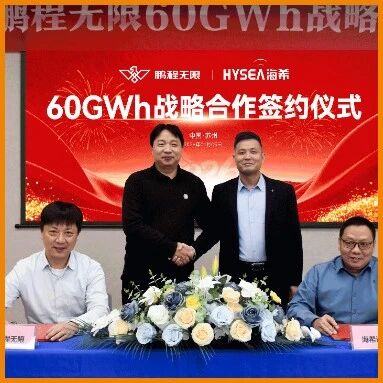
Group 1 - The core viewpoint of the article highlights significant strategic partnerships in the energy storage sector, particularly focusing on the collaborations between EVE Energy and 洛希能源, as well as 鹏程无限 and 海希通讯 [2][8] - EVE Energy has established a three-year cooperation plan with 洛希能源 for 20GWh of energy storage batteries, which includes 10GWh of large batteries and 10GWh of smaller cells [3] - EVE Energy is set to launch its 628Ah large energy storage battery named "Mr.Big" in January 2024, featuring a capacity of 2 kWh and a cycle life exceeding 12,000 times [5][7] Group 2 - 鹏程无限 has signed a strategic cooperation agreement with 海希通讯 for a scale of 60GWh, aiming to enhance industry chain efficiency and develop competitive energy storage system products [8][10] - The partnership between 鹏程无限 and 海希通讯 emphasizes a deeper, more integrated "ecological aggregation" relationship, focusing on mutual benefits and long-term cooperation [10]

南网、阳光电源……180+储能企业已确认
行家说储能· 2026-01-05 12:44
2026年1月8日, 『行家说储能2026开年盛会:电力市场与数智化储能企业创新实践峰会暨储能行业极光奖颁奖仪式 』 将在深圳正式举办,首批参会名单 如下(以下企业排名不分先后) : 南方电网电力科技股份有限公司 阳光电源股份有限公司 中车株洲电力机车研究所有限公司 厦门海辰储能科技股份有限公司 瑞浦兰钧能源股份有限公司 弘正储能(上海)能源科技有限公司 青岛海尔新能源科技有限公司 苏州华储电气科技有限公司 江苏天合光能股份有限公司 江苏为恒智能科技有限公司 上海融和元储能源有限公司 江西利星能科技有限公司 万帮数字能源股份有限公司(星星充电) 广东兆万能源有限公司 广州鹏辉能源科技股份有限公司 浙江卧龙储能系统有限公司 星纪云能(上海)科技有限公司 厦门量道能源发展股份有限公司 浙江天能储能科技发展有限公司 青岛海信网络能源股份有限公司 广东皇鼎储能投资有限公司 国能日新科技股份有限公司 深圳亿兰科电气有限公司 大连汇能科技股份有限公司 厦门国贸集团股份有限公司 江苏领储宇能科技有限公司 上海派能能源科技股份有限公司 广州智光储能科技有限公司 西安奇点能源股份有限公司 上海天炜能源科技有限公司 深圳拓邦股份 ...

储能怎么走?新年第一会将开启
行家说储能· 2026-01-04 12:56
Core Insights - The article discusses the upcoming "2026 Opening Year Summit on Power Market and Intelligent Storage Innovation Practices," scheduled for January 8 in Shenzhen, focusing on the evolution of storage and its integration with the power market [3][4]. Group 1: Industry Trends - The article highlights the need for a deep discussion on the evolution of storage mechanisms and the role of intelligent storage in the power market, emphasizing the importance of data and intelligence in shaping future strategies [4]. - It mentions the increasing asset scale in the storage sector, which necessitates refined operations to maximize revenue [5]. Group 2: Operational Insights - The article outlines the significance of "intelligent operation and maintenance" in uncovering the full lifecycle value of storage assets, addressing operational pain points and exploring business opportunities through innovative models [5][6]. - It emphasizes the integration of AI technology to enhance safety and optimize charging and discharging strategies, thereby improving project profitability [5]. Group 3: Research and Reports - A report titled "Electric Power Market and Intelligent Storage Research Report" will be released, focusing on the opportunities and challenges within the storage industry amid ongoing power market reforms [7]. - The report aims to explore the practical ecosystem for the implementation of intelligent storage solutions [7]. Group 4: Networking and Collaboration - The event will feature the "Aurora Award" dinner, designed for industry leaders and decision-makers to foster connections and collaborations within the storage sector [9][10]. - The gathering aims to facilitate genuine exchanges and real opportunities among key players in the industry [9].

超2亿!浙江等地储能重大利好
行家说储能· 2026-01-04 12:56
Core Insights - The article discusses the transition of China's energy market from local "capacity compensation" trials to a nationwide standardized "capacity pricing" mechanism, with recent policies promoting market-oriented revenue mechanisms for energy storage [2] Group 1: Capacity Compensation Policies - Zhejiang Province has announced capacity compensation for 17 new energy storage projects, totaling 1.164 GW, with a first-year compensation amount of 232.8 million yuan [3] - Hubei Province will implement a capacity compensation mechanism starting February 1, 2026, with an annual capacity price set at 165 yuan per kW per year [8] - Gansu Province has established a reliable capacity compensation mechanism with a standard of 330 yuan per kW per year, effective January 1, 2026 [9] Group 2: Project Details - The compensation projects in Zhejiang include various energy storage facilities, such as an 80 MW/160 MWh storage station in Hangzhou and a 200 MW/400 MWh grid-side storage project in Wuyi [6][7] - Yunnan Province has released a list of 8.955 GW/20.36 GWh of energy storage projects, aiming to enhance the integration of renewable energy and storage [11] Group 3: Market Mechanisms - The article highlights the establishment of a market price mechanism for energy storage, with a price range set between 0.04 yuan and 0.5 yuan per kWh, effective January 1, 2026 [10] - Yunnan's plan includes promoting energy storage to participate in the energy market and optimizing mechanisms for frequency regulation and auxiliary services [11]

2026年储能竞速,技术迭代与商业化新方向
行家说储能· 2025-12-31 11:14
Core Insights - The article emphasizes the transition of China's energy storage industry from policy-driven growth to a dual-driven model of market and technology, with projections indicating that by 2025, new energy storage installations in China will reach 103 million kilowatts, accounting for over 40% of the global market [2] - Key technological advancements include digital intelligence (5G + AI + digital twin) and long-duration energy storage, with various technologies like liquid-cooled storage systems and sodium batteries beginning to scale [2] - The industry is currently facing challenges such as high cost optimization pressure, difficulties in standardization, and insufficient functional expansion in niche application areas, necessitating a shift from price competition to value competition [2] Industry Developments - The article highlights the participation of over 30 companies in the "Expert Discussion on Energy Storage" event, indicating a collaborative effort within the industry to address current challenges and explore future opportunities [2] - Huashu Electric, a leader in special transformers, has focused on commercial energy storage since its establishment in 2022, completing a business loop from PCS (Power Conversion System) to EMS (Energy Management System) and system integration [5][6] - Huashu Electric is developing integrated energy storage solutions, aiming to differentiate its products in the competitive market by leveraging its expertise in special transformers [6] Technological Innovations - Huashu Electric is set to launch several new products by 2025, including a 125kW phase-controlled PCS and a 230kW liquid-cooled PCS, which are designed to adapt to strong grid conditions and provide rapid local response capabilities [6] - The company's EMS utilizes a layered decoupling and cloud-edge collaboration architecture, enhancing operational monitoring and decision-making capabilities [7] - The EMS is evolving into the intelligent decision-making core of energy storage stations, integrating power market interfaces and optimizing charging and discharging plans based on various predictive data [8] Business Model and Strategy - Huashu Electric's current business model focuses on driving core component development through system integration, aiming to establish its brand in the market before independently entering the supply chain [8] - The company is transitioning from being a "device supplier" to a "value enabler," emphasizing the importance of integrating hardware functionality, software performance, and innovative business models for future success in the energy storage market [8] - The article mentions Huashu Electric's participation in the latest white paper on energy storage, indicating its commitment to industry research and development [8]
2025储能十大热点出炉,它们将如何定义2026?
行家说储能· 2025-12-31 11:14
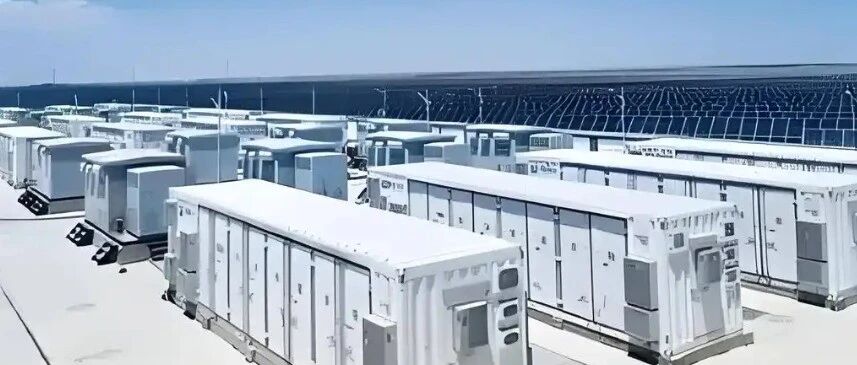
Core Insights - The article emphasizes that the energy storage industry is transitioning from a policy-driven model to a market-driven one, focusing on safety, cost, and economic viability as key factors for new participants [3][4][30] - It outlines ten core hotspots impacting the energy storage industry in 2025, aiming to provide a roadmap for 2026 and beyond [2] Policy Changes - The "136 Document" released on February 9, 2025, abolishes mandatory energy storage requirements for new energy projects, marking a shift towards market-driven growth [3] - The new policy is expected to lead to a surge in installations and reshape the industry's long-term growth logic [3] Industry Goals and Investments - The "New Energy Storage Scale Construction Action Plan (2025-2027)" sets a target of over 180 million kilowatts of new energy storage capacity by 2027, with an estimated direct investment of approximately 250 billion yuan [4][6] - The average annual growth rate for installed capacity is projected at 37% from 2025 to 2027 [6] Market Dynamics - The introduction of time-of-use pricing adjustments is expected to shift revenue models for energy storage, moving away from fixed peak-valley arbitrage to diversified market revenue streams [7] - The U.S. "OBBBA" Act has created uncertainties in the U.S.-China energy storage market, potentially increasing costs for U.S. projects by 30%-50% due to supply chain restrictions [8] European Market Developments - A significant power outage in Spain has highlighted the need for energy storage solutions, prompting European countries to propose policies to enhance grid stability and storage capacity [11] - The EU has set a clear target of achieving 500-780 GWh of storage capacity by 2030, indicating a long-term market opportunity for companies with technological and cost advantages [11] Emerging Opportunities - The rise of Artificial Intelligence Data Centers (AIDC) is expected to create a new market for energy storage, with projected lithium battery shipments reaching over 250 GWh by 2030, a nearly 20-fold increase from 2025 [12][14] - The focus will shift from basic power reliability to providing high availability and efficiency solutions, with technology standards and ecosystem collaboration becoming critical [14] Technological Advancements - The competition in large battery cells is intensifying, with a shift towards two mainstream specifications (587Ah and 684Ah) [17][18] - The industry is experiencing a shortage of battery cells and power conversion systems (PCS), with production capacities being stretched due to high demand [22][23] Safety Standards - Safety has become a focal point in the energy storage industry, with many leading companies conducting large-scale "burn chamber tests" to establish safety as a competitive advantage [26][27] - The upcoming 2026 NFPA 855 standard will make such testing a mandatory requirement, potentially changing industry practices [27] Conclusion - The energy storage industry is poised for a significant transformation in 2026, moving from a focus on scale to one centered on value, as highlighted by the upcoming summit in Shenzhen [30]
52个国家级零碳园区!远景、宁德、中车等已卡位
行家说储能· 2025-12-30 12:40
Core Viewpoint - The release of the first batch of national-level zero-carbon park lists aims to establish institutional models, with 52 park projects tasked with "pilot testing" new systems, clean energy frameworks, and business models, guiding future development in zero-carbon parks [5][6]. Group 1: Characteristics of Zero-Carbon Parks - The policy behind the zero-carbon parks features three main characteristics: nationwide coverage across eastern, central, and western regions; diverse park types including manufacturing, port bonded areas, and digital industry parks; and the coexistence of "park within a park" and "whole park" projects [6][12]. - The first batch of parks is expected to support a production value of up to 3.54 trillion yuan, highlighting the critical role of energy storage in the green industrial revolution [6][12]. Group 2: Energy Storage as a Standard Configuration - Energy storage is now a key component and prerequisite for the construction of zero-carbon parks, transitioning from "encouraged" to "standard configuration" due to clear policy guidance and the inherent logic of energy structure transformation [6][8]. - Various local policies have set rigid requirements for energy storage configurations, such as Shanghai's requirement for a storage system ratio of ≥15% to ≥30%, and Jiangsu's requirement for new energy storage capacity to be ≥10% of daily electricity consumption [8][9]. Group 3: Market Potential and Challenges - The existing provincial and above parks exceed 2,500, making them the main battlefield for industrial carbon reduction. The national-level zero-carbon parks alone could drive a billion-level demand for energy storage, with broader local park low-carbon transformations offering even greater market capacity [12][13]. - The transition of energy storage from a backup power source to a multi-value system hub is crucial for resolving the contradiction between the intermittent nature of wind and solar energy and the continuous stable electricity demand of parks [8][12]. Group 4: Key Players in Zero-Carbon Parks - Major companies like Envision, CRRC Zhuzhou, CATL, and Trina Solar are actively involved in the layout of zero-carbon parks, with numerous projects already in place [13][14]. - Envision has established a significant presence in the first batch of national-level zero-carbon parks, providing comprehensive solutions and leading in various challenging park types [14]. - CRRC Zhuzhou has successfully integrated photovoltaic technology and energy storage in its zero-carbon industrial park, achieving rapid delivery and significant carbon reduction [14][15]. - Huawei's project in Jiangsu has deployed over 8.6 MW of photovoltaic and more than 10 MWh of energy storage, achieving over 85% clean energy consumption [16]. - CATL is promoting dual-mode construction of "zero-carbon factories + lighthouse factories" in Yibin, focusing on energy-saving transformations in high-energy-consuming industries [17].
迎接拐点,如何把握户储红利?
行家说储能· 2025-12-30 12:40
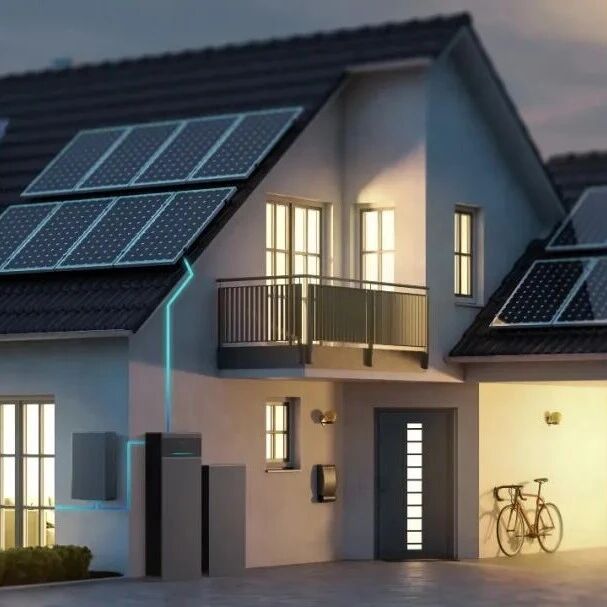
Core Viewpoint - The article discusses the trend of "home appliance-like" energy storage systems, highlighting the shift from complex industrial products to user-friendly consumer products, driven by companies like Haier in the energy storage sector [2][5]. Group 1: Market Trends - The global household energy storage market is expected to see a compound annual growth rate of 20% from 2025 to 2030, following a downturn in 2023 [2]. - The "home appliance-like" trend in energy storage is particularly strong in Europe, where high electricity prices and demand for energy independence are driving this transformation [2][3]. Group 2: Industry Pain Points - Traditional household energy storage systems face a core contradiction between powerful performance and complex user experience, with high initial costs and lengthy installation processes [3]. - The European market is paving the way for "home appliance-like" energy storage through policy changes that simplify the integration of small power systems [3]. Group 3: Innovations by Haier - Haier's E-Tower HV integrated energy storage system exemplifies the "home appliance-like" approach, featuring quick installation and modular design that breaks traditional installation limitations [4]. - The product incorporates advanced safety features and AI algorithms to optimize energy generation and usage, enhancing user experience [4]. Group 4: Strategic Advantages of Haier - Haier's deep understanding of consumer needs allows it to effectively integrate energy storage systems into the broader home ecosystem, optimizing energy management across various household devices [7]. - The company's extensive global network and manufacturing capabilities provide a competitive edge in the energy storage market, allowing for efficient production and supply chain management [8][9]. Group 5: Market Presence - Haier's annual production capacity for energy storage has reached 5 GWh, with cumulative shipments exceeding 2 GWh, and its products are sold in over 50 countries [9].