多元化供应链

Search documents
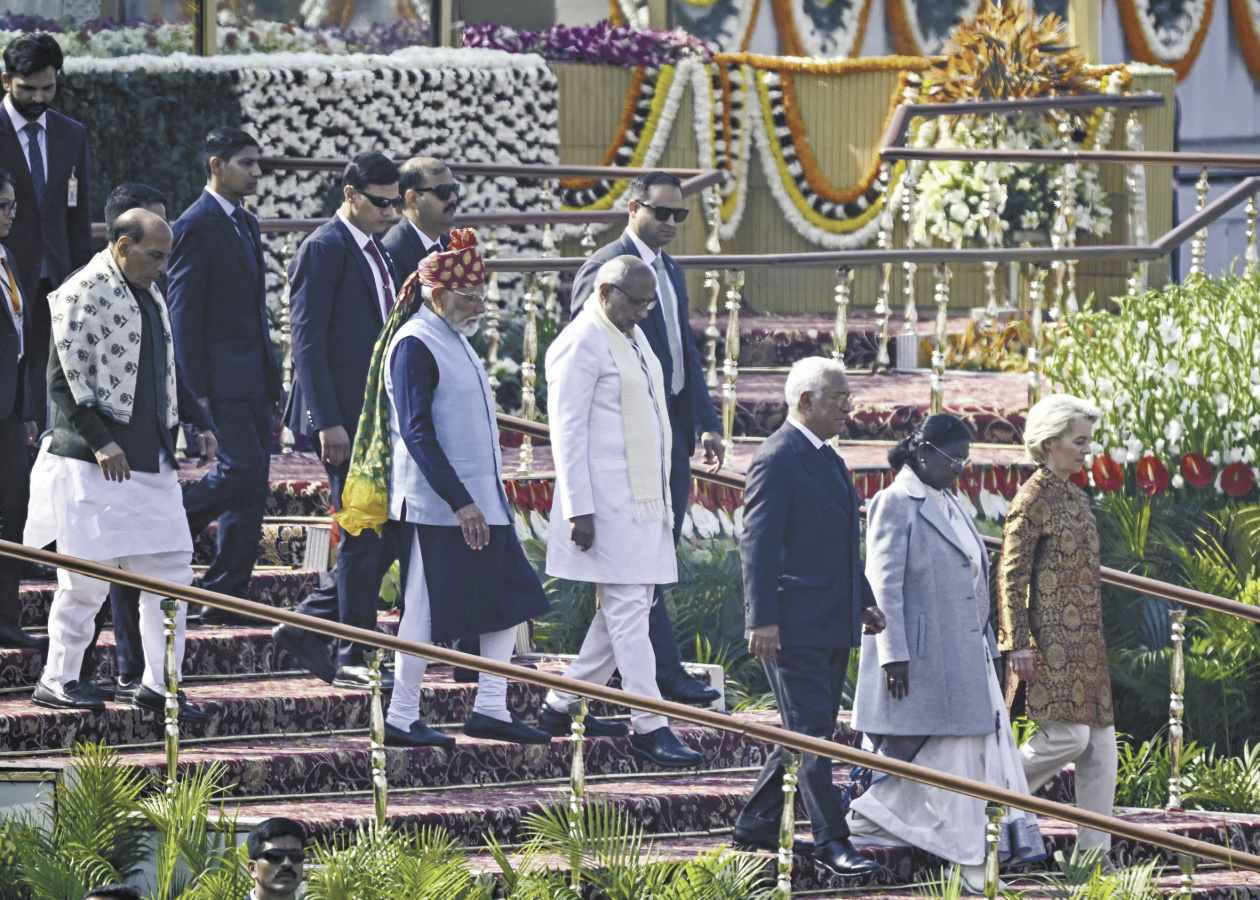
有意“抱团”应对美国,关键领域仍存分歧,印欧今天或敲定自贸协定
Huan Qiu Shi Bao· 2026-01-26 23:09
Core Points - The EU and India are set to announce the completion of nearly 20 years of negotiations for a free trade agreement (FTA) during a summit in New Delhi, creating the largest trade area covering 2 billion people [1][2] - India plans to significantly reduce tariffs on EU imported cars from a maximum of 110% to 40%, marking a major opening of its automotive market [1][2] - The FTA will also address tariff reductions in labor-intensive sectors such as textiles and footwear, as well as wine imports, which are crucial for Indian exporters facing U.S. tariffs [3][6] Group 1: Trade Agreement Details - The FTA is expected to provide the EU with the highest level of market access to India, traditionally a protected market [2] - The agreement will not include electric vehicles in the initial five years of tariff reductions to protect Indian manufacturers [2][3] - The negotiations are ongoing due to unresolved key issues, particularly concerning agriculture and steel, which are sensitive sectors for both parties [4] Group 2: Economic Impact - The FTA is anticipated to have a more significant impact on India, which is looking to mitigate the effects of U.S. tariffs, while the short-term effects on the EU may be limited due to the current weak economic relationship [6] - The EU is India's largest trading partner, with bilateral trade expected to account for 11.5% of India's total trade by 2024 [6] - The agreement aims to foster long-term economic cooperation and includes a new security and defense partnership, reflecting a higher level of trust between the two regions [6] Group 3: Geopolitical Context - The timing of the FTA is influenced by the geopolitical landscape, particularly concerns over U.S. policies and the stability that India offers as a growing market [7][8] - The negotiations have been facilitated by the perceived need for both the EU and India to diversify their economic relationships and reduce dependency on other powers [8]

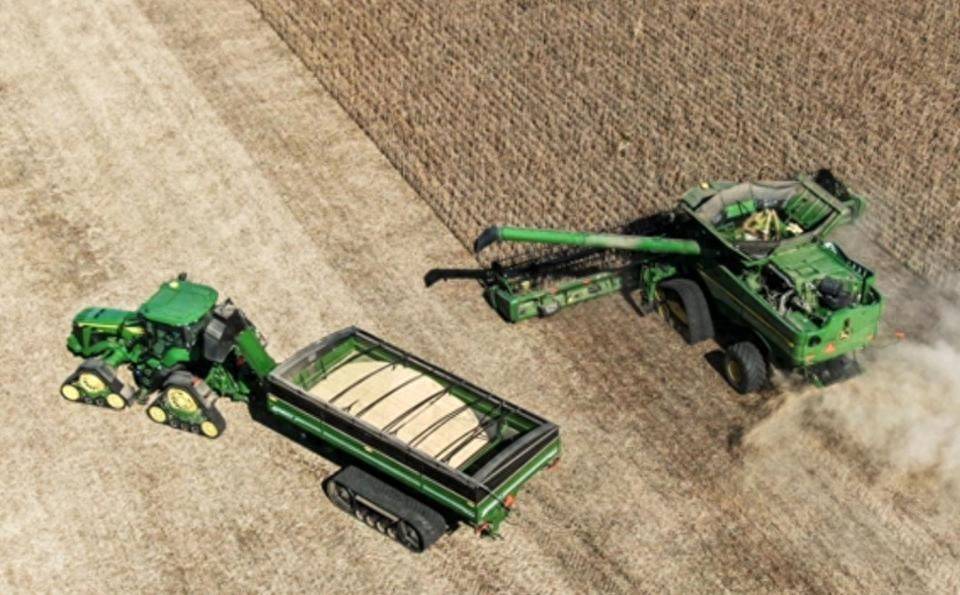
中国大豆订单掉头,货轮转向南美,美国豆农慌了神
Sou Hu Cai Jing· 2026-01-07 11:52
Group 1 - The core issue revolves around the shift in China's soybean procurement from the US to South America, particularly Brazil and Argentina, highlighting deeper political and supply chain conflicts [1][3][5] - China, historically the largest buyer of US soybeans, is diversifying its supply sources due to ongoing trade tensions, leading to a significant increase in imports from Brazil and Argentina [5][7] - The anticipated recovery of US soybean orders has not materialized, with many shipments delayed or unfulfilled, resulting in substantial economic pressure on US farmers [5][7][9] Group 2 - China's strategy to diversify its soybean procurement is aimed at ensuring food security and stabilizing domestic supply, which is crucial for oil extraction and animal feed production [7] - The shift in procurement patterns reflects a broader restructuring of global supply chains, influenced by political decisions and trade policies, rather than mere price competition [5][9] - The implications of this shift extend beyond soybean trade, revealing fundamental differences in supply chain security and trade priorities between the US and China [9]
日本稀土破局遇运输死结!哈国借道中国难如登天?
Sou Hu Cai Jing· 2025-12-25 15:36
Group 1 - Japan's reliance on China for rare earth imports is significant, with 60% of its rare earths sourced from China, and a 100% dependency on heavy rare earths like dysprosium and terbium for permanent magnet motors [3] - The recent agreement between Japan and Kazakhstan aims to diversify Japan's rare earth supply chain, as Kazakhstan holds the fourth-largest rare earth reserves globally, estimated at over 20 million tons [3][5] - The transportation of rare earths from Kazakhstan to Japan faces challenges, as the most efficient route requires transit through China, which complicates Japan's goal of reducing dependence on Chinese resources [5][9] Group 2 - The ideal transportation route involves using the China-Kazakhstan railway to reach the Horgos port, then shipping to Japan, but this route requires Chinese approval, which is complicated by new Chinese regulations on rare earth exports [5][9] - Alternative routes, such as the Caspian Corridor, are less viable due to increased costs, longer transit times, and geopolitical risks, including potential shipping disruptions in winter [7][9] - The geopolitical dynamics of the rare earth market highlight the complexities of resource cooperation, as both Japan and Kazakhstan must navigate the strategic interests of China, which maintains strict control over rare earth exports [9][11]
聚焦进博会|关税不确定重塑全球贸易,企业正在多元化供应链布局
Di Yi Cai Jing· 2025-11-08 08:02
Group 1 - The ongoing changes in China-US tariff policies are prompting trade-oriented companies to reshape their supply chain strategies and altering global cargo flows [1][4] - During the 8th China International Import Expo, a strategic cooperation memorandum was signed between Yunqihua and the Port Klang Free Trade Zone (PKFZ) to facilitate Chinese manufacturing companies, particularly in light industry, to expand into the PKFZ region [1] - The PKFZ is one of the top ten container ports globally, and since last year, more Chinese manufacturers have begun establishing factories in the PKFZ to export finished products to the US and other regions [1][3] Group 2 - The demand for overseas warehouses in North America has significantly increased, with instances of overcapacity reported, alongside similar trends for shipments from China to Southeast Asia and Latin America [3] - UPS's president confirmed that changes in tax and trade conditions, particularly the cancellation of small package exemptions in China and Hong Kong, have led many companies to pre-ship small packages to the US, resulting in a surge in overseas warehouse demand [4] - The global air cargo market has seen a 3.2% growth in the first three quarters of the year, with notable increases in cargo volumes between Europe and the Asia-Pacific regions [4] Group 3 - Chinese direct investment in ASEAN countries is primarily flowing to Indonesia, Thailand, and Vietnam, with bilateral trade between China and Vietnam expected to reach a record high of $205.2 billion in 2024 [5] - In the first nine months of the year, China's exports to the EU grew by 8.2%, with significant increases in sectors such as automotive parts, textiles, home appliances, and laptops [5] Group 4 - FedEx has increased its cargo flights between China and Vietnam, adding new routes and enhancing existing ones to improve logistics efficiency [6][10] - UPS has upgraded its routes to enhance cargo capacity and reduce delivery times, indicating a strategic shift to accommodate the changing trade landscape [6][10] - A recent survey by FedEx revealed that over 52% of surveyed companies are considering diversifying their supply chains in response to global trade uncertainties [10] Group 5 - The complexity of customs reviews and origin rules is becoming a challenge as companies diversify their supply chains, necessitating improved customs clearance efficiency [10] - FedEx and UPS are developing online declaration tools and intelligent customs management systems to streamline the customs process and enhance operational efficiency for export companies [10]
21亿美元!又一笔储能电池大单
行家说储能· 2025-11-04 07:59
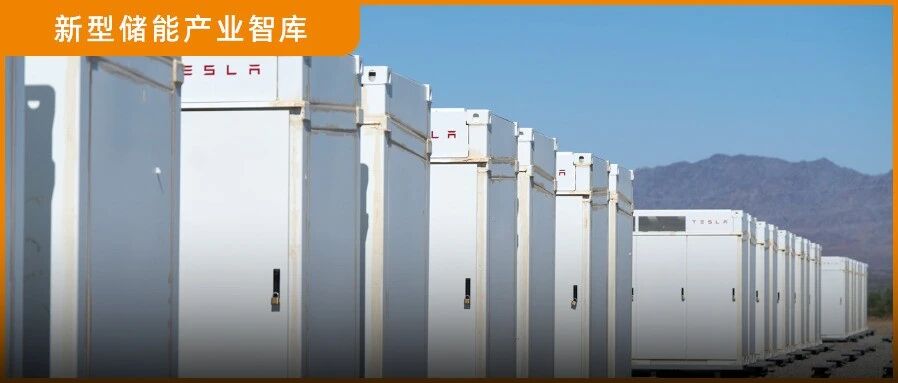
Core Viewpoint - Samsung SDI is in talks with Tesla for a potential supply agreement of energy storage system (ESS) batteries, involving an order of 30 GWh and a transaction value of at least 3 trillion KRW (approximately 21 billion USD or 148.5 billion CNY) [2][3] Group 1: Tesla's Supply Chain Strategy - The transaction aligns with Tesla's strategy to diversify its supply chain, as the company faces pressure in its energy storage business due to increased competition and rising tariffs [3] - Tesla's energy storage products have primarily relied on Chinese suppliers, but the company is actively seeking alternative solutions [3] - If the deal with Samsung SDI is finalized, it will add to Tesla's existing agreements, including a 4.3 billion USD contract with LG Energy Solution for lithium iron phosphate batteries [3] Group 2: Samsung SDI's Role and Production Plans - The potential deal would mark the first large-scale supply agreement between Samsung SDI and Tesla, focusing on fixed energy storage systems using lithium iron phosphate batteries [7] - Samsung SDI plans to supply 10 GWh of ESS batteries annually over three years, with production expected to take place at a joint battery factory with Stellantis in Indiana [7] - Samsung SDI aims to increase its energy storage battery production capacity in the U.S. to 30 GWh by the end of next year [7][8] Group 3: Market Context and Competitors - LG Energy Solution is also negotiating with Tesla to increase its supply by 50% to 30 GWh, following a previous contract to supply 20 GWh of lithium iron phosphate batteries [8] - As of the end of Q3, LG Energy Solution has approximately 120 GWh of energy storage battery orders pending delivery [8] - Tesla's energy division has shown strong performance, with Q3 revenue increasing by 44% year-over-year to 3.4 billion USD, and energy storage deployment reaching 12.5 GWh, a year-over-year increase of 81% [4]

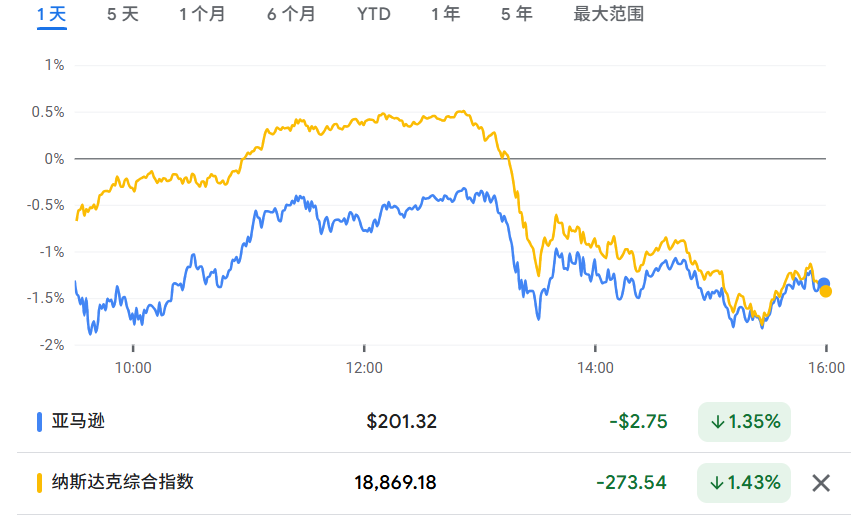
与沃尔玛形成鲜明对比!亚马逊CEO:关税并未影响消费者支出
Hua Er Jie Jian Wen· 2025-05-21 20:33
Core Insights - Amazon CEO Andy Jassy stated that there are currently no signs of consumers tightening their wallets due to tariffs imposed by the Trump administration [1] - Jassy emphasized that Amazon has not observed any weakening in demand or a trend of rising average sales prices [1] - Amazon's diversified supply chain and scale advantages may help mitigate some tariff pressures in the short term [1] Group 1: Company Strategy - Amazon is utilizing its large third-party seller ecosystem and proactive inventory strategies to buffer against tariff impacts [3] - The company has engaged in "strategic advance inventory purchases" to stock up on goods while focusing on maintaining low prices for consumers [3] - Jassy noted that the diversity of sellers on Amazon's platform provides greater flexibility in managing overall price levels under tariff pressure [3] Group 2: Competitive Landscape - In contrast to competitors like Walmart and Target, which have warned of potential price increases due to tariffs, Amazon has managed to avoid immediate price hikes [3] - Walmart has indicated that consumers may start seeing price increases later in the month, prompting a response from Trump urging the company to "absorb the tariffs" [3] - Target has also suggested that it may need to raise prices on certain items, while Home Depot plans to maintain current price levels [3] Group 3: Shareholder Meeting Insights - During the shareholder meeting, investors heard eight external proposals related to emissions reporting, warehouse working conditions, and the climate impact of data centers [4] - All resolutions recommended for opposition by Amazon were voted down, with specific voting results expected to be announced shortly after the meeting [4]