QYResearch

Search documents
行业聚焦:全球PTAC 空调机组行业市场份额及排名调查(附厂商名单)
QYResearch· 2025-11-04 09:43
Core Viewpoint - The global PTAC (Packaged Terminal Air Conditioner) market is projected to reach USD 980 million by 2031, with a compound annual growth rate (CAGR) of 5.3% in the coming years [2]. Market Overview - The PTAC air conditioning units integrate cooling, heating, ventilation, and air filtration functions into a compact, standalone system, making them suitable for both commercial and residential applications [2]. - The price of PTAC units varies significantly based on type and brand, with single cooling units priced between USD 500 and USD 900, while cooling and heating units range from USD 800 to USD 2900 depending on features and brand reputation [6]. Industry Chain Analysis - The upstream components of the PTAC industry include compressors, eco-friendly refrigerants, heat exchanger materials, motors, and controllers, all of which are critical for the efficiency and functionality of the units [8]. - The downstream applications of PTAC units are primarily in hotels, medical institutions, office buildings, and school dormitories, where they provide localized temperature control [9][10]. Policy Analysis - Policies such as the "Energy Efficiency Standards for Room Air Conditioners" mandate that PTAC units meet specific energy efficiency ratings, with a prohibition on the sale of products below a certain efficiency level starting in 2025 [12]. - The implementation of low GWP (Global Warming Potential) refrigerants is also emphasized in national policies to reduce environmental impact [12]. Industry Development Trends - The integration of smart technology and green solutions is a significant trend, with AI algorithms and IoT systems being utilized for real-time adjustments in temperature and air quality [13]. - Health-focused features such as air purification and self-cleaning capabilities are increasingly being incorporated into PTAC units to meet the demands of various environments [13]. - Government initiatives are pushing for higher energy efficiency standards, with incentives for upgrading to more efficient models [13].

全球与中国塑料材质IC JEDEC托盘市场现状及未来发展趋势
QYResearch· 2025-11-04 09:43
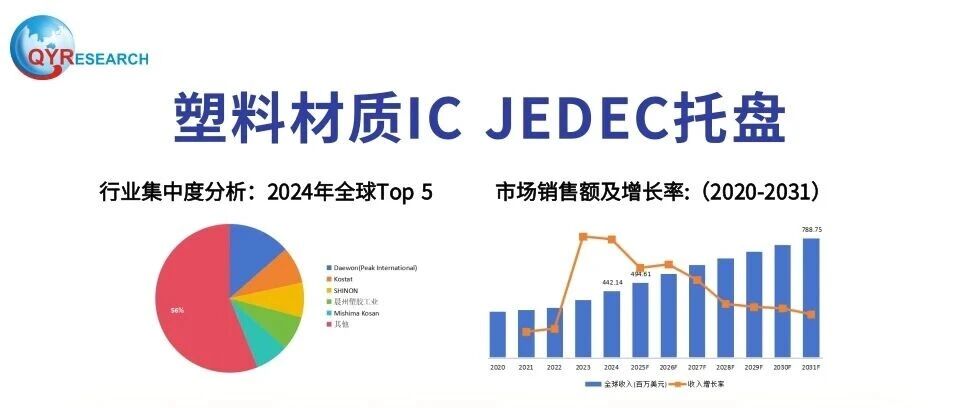
塑料材质 IC JEDEC 托盘 (又称 电子芯片托盘 、 芯片托盘 )是半导体封测试企业用于芯片( IC )封装、测试及运输的 专用包装容器。其核心功能包括:防静电保护 :通过抗静电材料或导电改性技术(如添加碳纤维)避免芯片静电损伤;耐高 温特性 :适应芯片封装前的高温烘烤环境(如 150℃ 以上),确保材料稳定性;机械防护 :通过凹槽矩阵结构固定芯片位 置,防止引脚弯曲或折断。 JEDEC 标准中定义了芯片尺寸为 3*3mm 至 22*22mm 的 IC 托盘上面盛放 IC 的凹槽的矩阵分布及数量。 01 全球塑料材质IC JEDEC托盘市场规模及趋势 2024 年,全球塑料材质 IC JEDEC 托盘市场规模达到了 442.14 百万美元,预计 2031 年将达到 788.75 百万美元,年复合增长 率( CAGR )为 8.09% 。 地区层面来看,中国市场在过去几年变化较快, 2024 年市场规模为 50.81 百万美元,约占全球的 11.49 % ,预计 2031 年将达 到 155.29 百万美元,届时全球占比将达到 19.69 % 。 塑料材质 IC JEDEC 托盘 行业集中度、竞争程度分析 ...
行业聚焦:全球AB测试工具行业Top 5生产商市场份额及排名调查
QYResearch· 2025-11-03 09:25
Core Viewpoint - A/B testing is a method for comparing two versions of a webpage or application to determine which one performs better, enabling data-driven decision-making and eliminating guesswork in website optimization [1] Group 1: A/B Testing Software Types - A/B testing software is categorized into web-based, mobile-based, and full-stack software, with web-based products being the most widely used, while mobile and full-stack products are growing at a faster rate [2] - Major suppliers of A/B testing software are located in developed regions like the US and EU, while developing countries have fewer suppliers, leading to higher market concentration [2] - Key global suppliers include Optimizely, Adobe, Oracle, AB Tasty, Unbounce, and Qubit, with varying functionalities catering to different user expertise levels [2] Group 2: Market Trends - Mobile technology significantly impacts A/B testing tools, enhancing productivity by allowing employees to access work orders and information easily [3] - The demand for cloud-based applications is increasing, enabling users to access A/B testing tools from any internet-connected device without substantial initial investment [3] - Improvements in analytics and reporting tools within A/B testing tools are crucial for management to access accurate data quickly, with business intelligence dashboards facilitating the analysis of key performance indicators (KPIs) [3] - According to QYResearch, the global A/B testing tools market is projected to reach $1.684 billion by 2031, with a compound annual growth rate (CAGR) of 7.8% in the coming years [3] Group 3: Market Share and Segmentation - The top five manufacturers in the global A/B testing tools market hold approximately 51.75% of the market share, primarily concentrated in the US [4] - Web-based A/B testing is the leading product type, expected to account for about 54.0% of the market share in 2024 [7] - Large enterprises represent the largest downstream market segment, projected to hold 75.7% of the market share by 2025 [9]

行业聚焦:全球AR/MR光波导玻璃晶片行业 Top 5生产商市场份额及排名调查
QYResearch· 2025-11-03 09:25
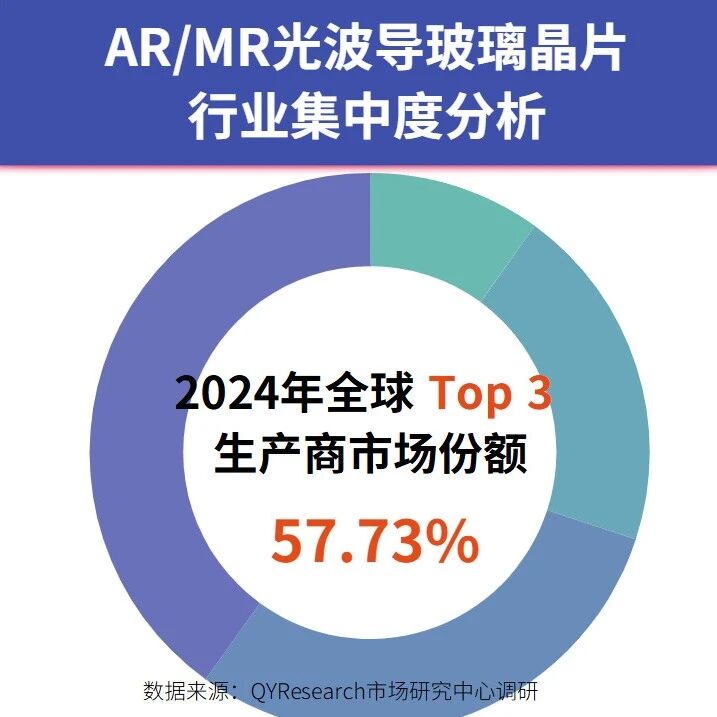
Core Viewpoint - The AR/MR waveguide glass chip market is projected to reach $426 million by 2031, with a compound annual growth rate (CAGR) of 5.1% in the coming years [2][10]. Market Overview - Major manufacturers in the global AR/MR waveguide glass chip market include Hoya, Corning, and Schott, with the top three companies holding approximately 57.73% of the market share in 2024 [7]. - The market is primarily driven by advancements in optical display and spatial computing technologies, as well as the acceleration of AR ecosystem development by global tech giants [10]. Industry Chain Analysis - The production of AR/MR waveguide glass chips involves multiple processes including precision cutting, ion exchange, polishing, coating, and optical testing [8]. - The upstream segment focuses on the production of high-purity optical glass materials, with leading companies like DISCO and Hoya excelling in material purity and flatness [8]. - The midstream segment is critical for determining product yield and optical performance, requiring high cleanliness and precision in manufacturing processes [8]. Applications - The downstream applications of AR/MR waveguide glass chips include head-mounted displays, spatial computing glasses, and mixed reality visualization systems, with key manufacturers like Apple and Microsoft leading the market [9]. - North America and Asia are the primary markets, with North America focusing on high-end immersive experiences and Asia rapidly expanding in consumer-grade AR glasses and industrial applications [9]. Industry Development Trends - Future trends indicate a shift towards high integration, lightweight, and low-energy consumption in AR/MR waveguide glass chips [12]. - The industry is moving towards automation and digitalization, with AI quality control and smart manufacturing becoming essential for efficiency and reliability [12]. - Green manufacturing and recyclable materials are expected to become competitive focal points in the new phase of industry development [12].
全球与中国微波消融治疗仪市场现状及未来发展趋势
QYResearch· 2025-11-03 09:25
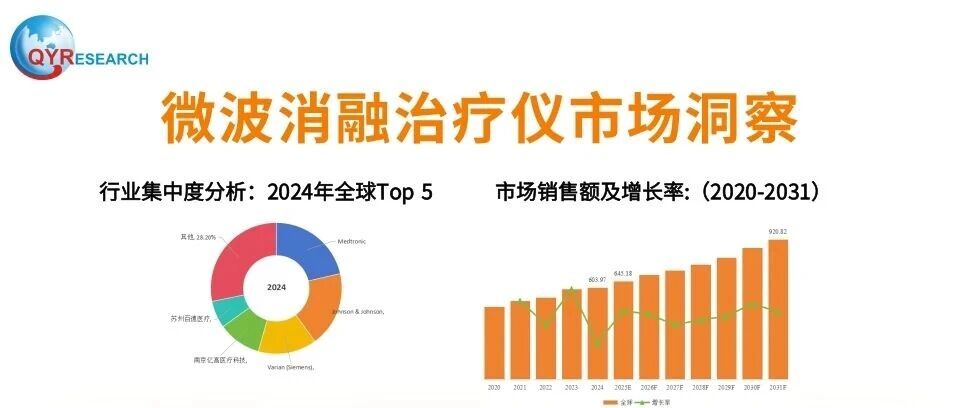
Core Viewpoint - The global microwave ablation therapy device market is projected to grow significantly, with a compound annual growth rate (CAGR) of 6.11% from 2025 to 2031, reaching approximately $920.82 million by 2031 [6][20]. Market Size Analysis - The global market for microwave ablation therapy devices is expected to reach $603.97 million in 2024, with China accounting for about 38.46% of the market at $232.30 million [6][8]. - By 2031, the Chinese market is anticipated to grow to $401.04 million, increasing its global market share to 43.55% [6]. Product Type and Application - Multi-channel ablation devices are expected to dominate the market, with a projected share of 77.66% by 2031 [8]. - Hospitals are the primary application area, expected to hold a market share of approximately 93.71% in 2024, with a CAGR of about 6.35% in the coming years [8]. Industry Concentration Analysis - The top five manufacturers are projected to hold over 65.07% of the market share in 2024, indicating a highly concentrated industry [11]. - Major players include Medtronic, Johnson & Johnson, Varian (Siemens), Nanjing Yigao Medical Technology, and Suzhou Baide Medical [11]. Current Industry Status - The industry is witnessing continuous improvements in device performance, including higher power output and better antenna design, which enhance the precision of ablation [12]. - The integration of multi-modal imaging and navigation technologies is improving surgical success rates by allowing for precise planning and real-time navigation of the ablation needle [12]. - The application of artificial intelligence (AI) is becoming more prevalent, aiding in tumor delineation and treatment efficacy assessment [12]. Development Trends - The future of microwave ablation devices is leaning towards increased automation and intelligence, with AI and robotics expected to play significant roles in surgical planning and execution [14]. - There is a trend towards expanding applications beyond traditional tumors to include conditions like epilepsy and arrhythmias, as well as combining microwave ablation with other therapies [14]. - The industry is moving towards specialization and diversification of devices to meet specific clinical needs, including portable and lightweight models for broader accessibility [14]. Policy Analysis - The regulatory landscape is becoming stricter, with policies like the Medical Device Supervision and Administration Regulations ensuring safety and efficacy in the development and production of microwave ablation devices [15]. - The emphasis on quality management systems and clinical trial regulations is pushing companies to enhance their R&D capabilities and product quality [15][17].
全球与中国液态硅胶注射成型机市场现状及未来发展趋势
QYResearch· 2025-10-31 10:48
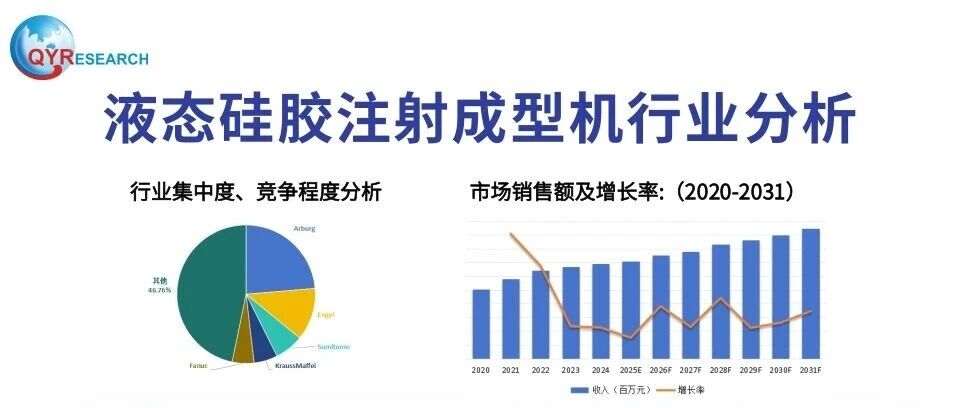
Core Viewpoint - The liquid silicone rubber (LSR) injection molding machine market is expected to grow at a compound annual growth rate (CAGR) of 5.02% from 2025 to 2031, driven by increasing demand in various sectors such as medical devices, automotive electrification, and consumer electronics [4][8]. Global Market Overview - The global market for LSR injection molding machines is projected to reach approximately 1,381.88 million in sales by 2024 and is expected to grow to 1,898.83 million by 2031 [8]. - China is anticipated to hold a significant market share, accounting for about 32.39% of the global market in 2024, with projections to increase to 35.09% by 2031 [8]. - The Chinese market is expected to grow at a CAGR of approximately 6.38% from 2025 to 2031, making it the fastest-growing region [8]. Product and Application Insights - Vertical injection molding machines are expected to dominate the market, with a projected share of 50.91% by 2031 [9]. - The medical sector is anticipated to account for around 32.99% of the market share in 2024, with a CAGR of 5.78% in the coming years [9]. Competitive Landscape - The LSR injection molding machine market features competition between traditional injection molding manufacturers (e.g., Engel, Arburg) and specialized rubber/silicone equipment manufacturers [11]. - The top five global manufacturers are expected to hold a combined market share of 53.24% in 2024 [11]. - China and Europe are key production regions, with market shares of 52.56% and 26.23% respectively in 2024, and China's share is projected to grow to 56.18% by 2031 [8]. Industry Drivers - **Policy Support**: National policies promoting local manufacturing and compliance with environmental standards are creating opportunities for LSR injection molding machine development [12]. - **Downstream Demand**: Continuous expansion in sectors such as medical, automotive, and consumer electronics is driving the growth of LSR machines [12]. - **Smart Transformation**: The integration of smart technologies and digitalization in manufacturing processes is enhancing efficiency and creating competitive advantages [12].
以数据见证专业:QYResearch行业数据引用案例精选( 2025年10月)
QYResearch· 2025-10-31 10:48
Core Insights - QYResearch has established a strong brand reputation due to frequent citations by renowned domestic and international companies, securities firms, and media outlets, ensuring the credibility and professionalism of its industry analyses and customized reports [1] Group 1: Market Predictions - The global sodium-ion battery market is projected to reach a sales figure of 152.13 billion yuan by 2031, with a compound annual growth rate (CAGR) of 88.9% [3] - The global medical device market is expected to reach 862.6 billion USD by 2030, driven by factors such as aging population, rising chronic disease prevalence, and advancements in medical technology [5][51] - The global eVTOL market is anticipated to grow from 14.8 billion USD in 2024 to 220 billion USD by 2031, with a CAGR of 45% [7] - The global automotive interior and exterior parts market is expected to reach 149 billion USD in 2024, 157.18 billion USD in 2025, and 224.23 billion USD by 2031, with a CAGR of 6% [9] - The global commercial cleaning robot market is projected to reach 1.71 billion USD by 2031, indicating significant growth potential [11] - The global MLCC release film market is estimated to grow from 3.678 billion USD in 2024 to 5.792 billion USD by 2031, with a CAGR of approximately 6.8% [21] - The global household NAS device market is expected to grow from 2.44 billion yuan in 2023 to 28.93 billion yuan by 2030 [25] Group 2: Company Performance - Shenzhen Mindray Bio-Medical Electronics Co., Ltd. is leveraging the AI wave in healthcare to tap into a 6 trillion yuan international market [5] - Zhejiang Tiancheng Self-Control Co., Ltd. reported a 158% increase in net profit in Q3, driven by the low-altitude economy [7] - Huaxi Biological Technology Co., Ltd. reported nearly 1 billion yuan in revenue for Q3, with a net profit increase of over 50% [17] - Jiangsu Double Star Plastic New Materials Co., Ltd. is breaking through technology monopolies in the MLCC release film and carrier copper foil sectors [21] Group 3: Industry Trends - The global market for sodium-ion batteries is expected to see rapid growth, reflecting a shift towards alternative energy storage solutions [3] - The medical device sector is experiencing robust growth due to demographic changes and technological advancements [5][51] - The eVTOL market is gaining traction as urban air mobility solutions become more viable [7] - The automotive parts market is evolving with increasing demand for innovative interior and exterior solutions [9] - The commercial cleaning robot market is expanding as automation in cleaning processes becomes more prevalent [11]

行业聚焦:全球过敏类疾病靶向药物市场头部企业份额调研(附Top 10 厂商名单)
QYResearch· 2025-10-31 10:48
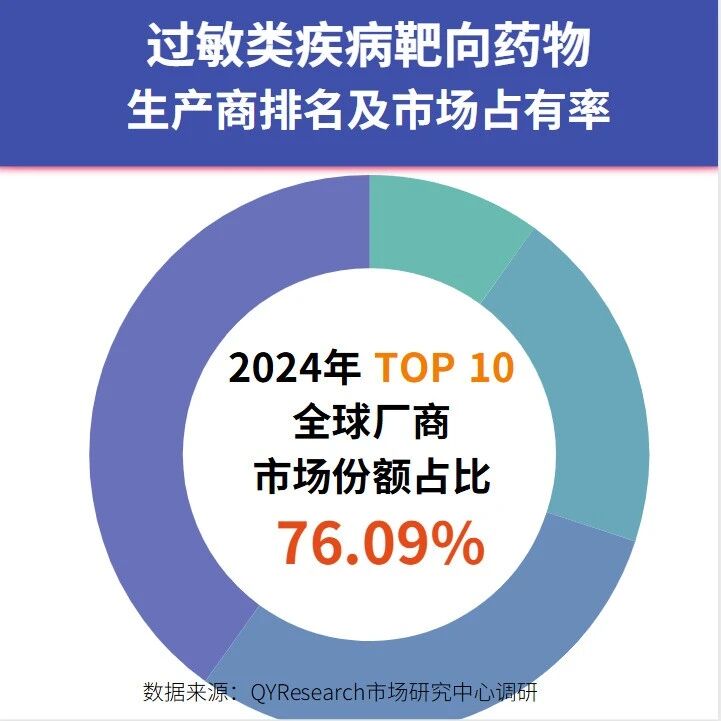
Core Viewpoint - The targeted drug market for allergic diseases is rapidly evolving due to increased understanding of immune pathways and the rising burden of allergic diseases globally, with a focus on precision medicine and innovative therapies [3][4]. Group 1: Definition and Overview - Allergic diseases affect approximately 25% of the global population, with type 2 immune pathway abnormalities being a significant factor in their development [2]. - Targeted drugs, including biologics and small molecule inhibitors, are becoming mainstream in the treatment of allergic diseases, showing better efficacy and safety compared to traditional therapies [2][3]. Group 2: Market Development - The market for targeted drugs is expanding from monoclonal antibodies to a diverse range of biologics and small molecule inhibitors, with several products already approved for conditions like asthma and atopic dermatitis [4]. - Major pharmaceutical companies and emerging biotech firms are actively participating in this market, driving innovation and expanding treatment indications [4]. Group 3: Future Trends - Future drug development will focus on new mediators related to allergic inflammation, such as IL-33, and will integrate precision medicine approaches to enhance treatment efficacy [5]. - The market is expected to see a rise in small molecule therapies and oral treatments, providing more convenient administration options [5]. Group 4: SWOT Analysis - Strengths include a solid scientific foundation based on advances in immunology and molecular biology, leading to effective targeted therapies [6]. - Opportunities arise from the increasing prevalence of allergic diseases and the potential for new targets and combination therapies [8]. Group 5: Market Size and Competition - The global market for targeted drugs for allergic diseases is projected to reach approximately $37.15 billion by 2024, with a compound annual growth rate (CAGR) of 16.07% [10]. - Major manufacturers like Sanofi, AbbVie, and Novartis hold about 76.09% of the market share, with IL-4R being the leading product type [12][14]. Group 6: Regional Market Insights - North America leads the market due to advanced healthcare systems and high patient awareness, while Europe shows strong growth supported by regulatory frameworks [20]. - Emerging markets, particularly in Asia, are experiencing rapid growth due to rising prevalence and expanding healthcare coverage [20].
行业聚焦:全球半导体用湿电子化学品市场头部企业份额调研(附Top 10 厂商名单)
QYResearch· 2025-10-30 02:40
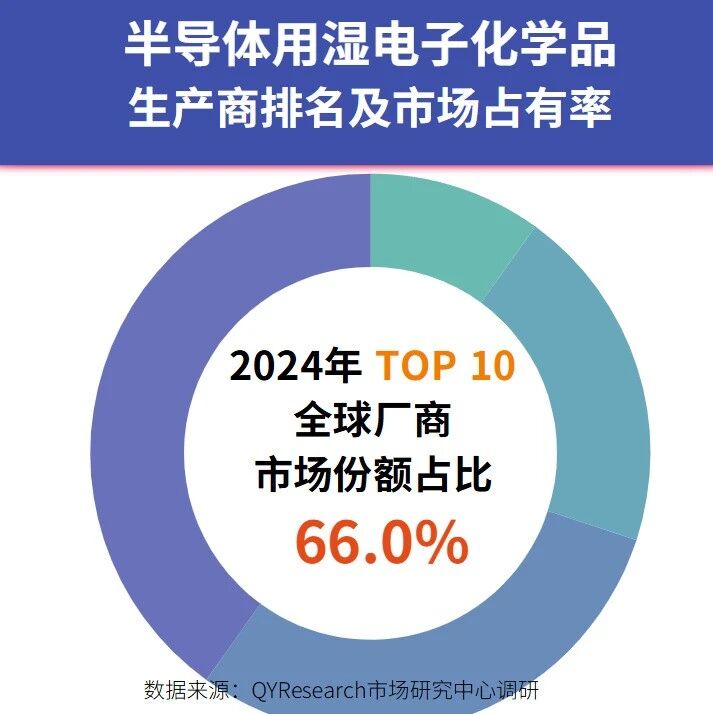
Core Viewpoint - The semiconductor wet electronic chemicals market is projected to reach $2.81 billion by 2031, with a compound annual growth rate (CAGR) of 7.4% in the coming years [2]. Market Overview - The global production of semiconductor wet electronic chemicals is expected to reach 1.2 million tons in 2024, with an average price of $1,300 per ton and a gross margin of approximately 30% [4]. - The top ten manufacturers are estimated to hold about 66.0% of the market share in 2024 [4]. Market Drivers and Opportunities - The rapid growth of the semiconductor industry is a key driver for the wet chemical market, fueled by the increasing demand for high-performance semiconductor chips due to the proliferation of electronic products like smartphones and computers [9]. - Technological advancements and innovations in semiconductor manufacturing processes are critical growth drivers, especially as device sizes shrink below 10 nanometers, necessitating ultra-pure chemicals and specialized formulations [9]. - Government policies supporting the domestic wet chemical industry, such as financial subsidies and tax incentives, positively impact market growth [9]. Market Trends - There is a rising demand for higher purity levels in wet chemicals as semiconductor nodes shrink to 7 nanometers and below, leading to the development of specialized formulations and purification processes [11]. - Approximately 70% of semiconductor manufacturers have adopted advanced cleaning steps using specialized wet chemicals like hydrogen peroxide to ensure the quality and performance of semiconductor chips [11]. - The use of AI-controlled quantitative feeding systems is increasing, with about 45% of semiconductor manufacturers implementing these systems to enhance accuracy and efficiency in chemical feeding [11].
行业聚焦:全球工业黑光灯市场头部企业份额调研(附Top 3 企业介绍)
QYResearch· 2025-10-30 02:40
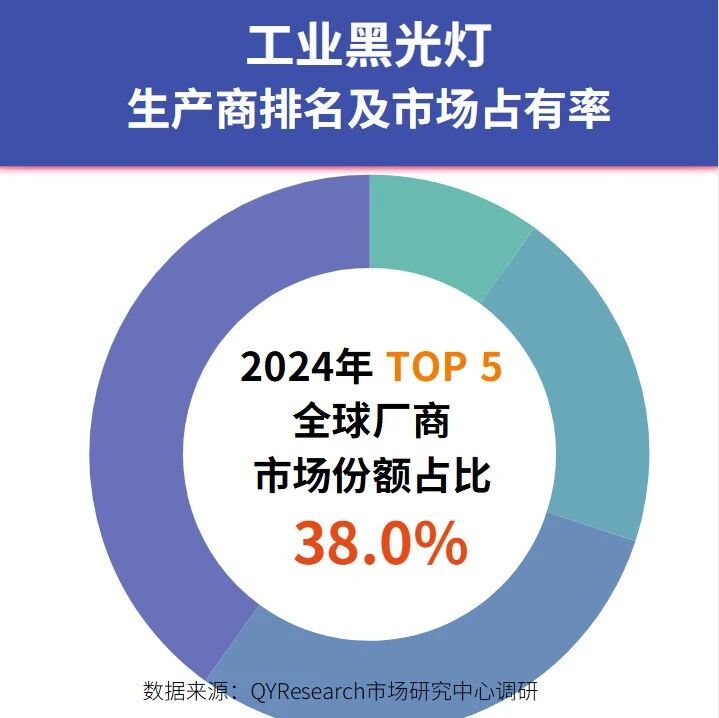
Market Overview - The industrial black light market is expected to reach USD 402 million by 2031, with a compound annual growth rate (CAGR) of 4.36% in the coming years [2][8]. Key Players - Major manufacturers in the global industrial black light market include Magnaflux, Osram, Spectro-UV, SST Lighting, and PROMAG NDT, with the top five companies holding approximately 38.0% market share in 2024 [7][9]. Market Structure Analysis - The market exhibits an oligopolistic competition structure, with the top two manufacturers, Magnaflux and Osram, accounting for about 20% of the market share, reflecting a strong brand and technology requirement in the non-destructive testing (NDT) industry [8]. - Specialized manufacturers form the backbone of the market, with companies like Spectro-UV, SST, and PROMAG leveraging their technical expertise to gain trust from professional clients [8]. - Regional and cost competition is evident, particularly from manufacturers in China and India, who utilize cost advantages and localized services to capture market segments [8]. Industry Chain Analysis - The industrial black light industry chain is divided into upstream, midstream, and downstream segments. Upstream includes suppliers of core components and raw materials, such as UV-LED chip manufacturers [17]. - Midstream involves the manufacturing and integration of industrial black lights, with companies like Magnaflux and Spectro-UV focusing on NDT solutions [17]. - Downstream applications primarily serve the NDT industry, with high precision and certification requirements, as well as the anti-counterfeiting and security sectors [18]. Market Development Trends - The market is transitioning from traditional mercury lamps to LED black lights, driven by LED technology's advantages such as instant start, lower energy consumption, and longer lifespan [19]. - Applications are diversifying beyond traditional industrial testing, expanding into semiconductor, electronics, and public safety sectors [20]. - New products are integrating with digital systems, enhancing their value as intelligent data nodes [21]. Market Opportunities - Upgrading policies and standards are creating mandatory replacement demands for compliant and stable detection equipment, particularly in emerging industrial countries [22]. - New industrial fields, such as renewable energy and semiconductor industries, are generating new application scenarios for black lights [23]. - The integration of IoT and AI technologies is transforming industrial black lights from mere tools to comprehensive solutions, enhancing product value and service offerings [24]. Market Challenges - High technical barriers and compliance costs are significant challenges, particularly for high-end products used in NDT, which must meet strict international standards [25]. - The initial costs of LED technology can deter price-sensitive customers, and existing users may be hesitant to change from familiar mercury lamps [26]. - Market fragmentation and intense price competition from numerous regional small manufacturers can pressure brand manufacturers and affect overall industry profitability [28].