QYResearch

Search documents
全球及中国eVTOL行业发展研究报告2025-2035年
QYResearch· 2025-11-07 08:55
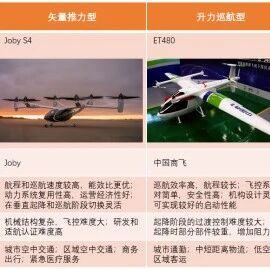
Core Viewpoint - The article discusses the development and potential of the low-altitude economy, particularly focusing on the eVTOL (electric Vertical Take-Off and Landing) industry, which is expected to grow significantly in the coming years due to technological advancements, economic factors, and supportive policies [2][10][19]. Industry Overview - The low-altitude economy refers to economic activities conducted below 1000 meters, utilizing various aircraft such as drones and eVTOLs for transportation, logistics, tourism, and more [2]. - The eVTOL industry is characterized by its innovative electric propulsion systems, low noise, zero emissions, and high flexibility, making it suitable for urban air mobility, logistics, emergency rescue, and tourism [4][10]. Market Size and Growth - According to QYResearch, the eVTOL market is projected to reach $14.8 billion in 2024, $31 billion in 2025, and $149.79 billion by 2031, with a compound annual growth rate (CAGR) of 43% from 2025 to 2031 [10]. - North America and the Asia-Pacific region are the primary production areas, accounting for nearly 80% of total output, with North America currently holding the largest market share at approximately 34% [10]. eVTOL Industry Chain - The eVTOL industry chain consists of upstream (raw materials and key components), midstream (aircraft design and manufacturing), and downstream (operational services and applications) segments [7][9]. - Key players in the upstream include companies like Toray and CATL, while midstream manufacturers include EHang and Joby Aviation, with EHang being one of the first to achieve commercial production [8][9]. Applications of eVTOL - eVTOLs have diverse applications, including urban air transportation, logistics delivery, public services, tourism, agriculture, and military operations [15]. - The technology is expected to evolve, with advancements in battery technology and materials leading to improved performance and cost-effectiveness [16][19]. Future Development Drivers - Technological advancements, particularly in battery technology and materials, are expected to enhance eVTOL performance, with solid-state batteries and lighter materials being key areas of focus [16][19]. - Economic factors, such as lower infrastructure costs compared to traditional airports, will make eVTOL a more attractive option for transportation [16][17]. - Supportive government policies and regulations are being established globally to facilitate the growth of the eVTOL industry, with China actively promoting low-altitude economic development [17][18]. Conclusion - The eVTOL market is anticipated to expand significantly over the next 5-10 years, driven by technological innovations, consumer acceptance, and strategic investments, despite facing challenges related to technology, costs, and competition [19].


全球通信和数据中心电涌保护装置(SPDs)市场生产商排名及市场占有率
QYResearch· 2025-11-06 02:18
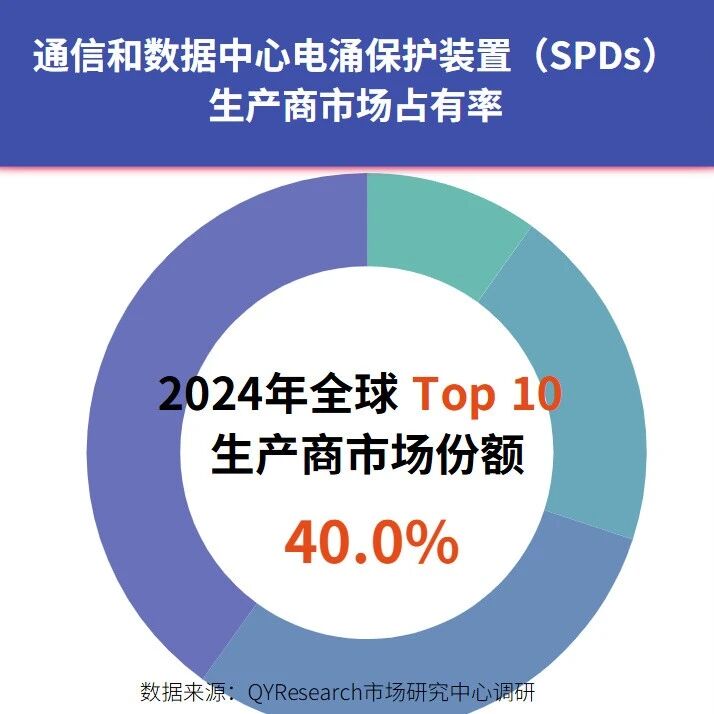
通信和数据中心领域的电涌保护装置( SPDs )是专门用于限制通信、数据传输及供电系统中,由雷击、设备启停、电网波动 等引发的瞬时过电压(电涌),并疏导过量瞬时电流,从而保护通信设备、服务器、网络设施等精密电子装置免受损坏的专用 防护设备。 据 QYResearch 调研团队最新报告"全球通信和数据中心电涌保护装置( SPDs )市场报告 2025-2031 "显示,预计 2031 年全球通 信和数据中心电涌保护装置( SPDs )市场规模将达到 5.4 亿美元,未来几年年复合增长率 CAGR 为 2.1% 。 通信和数据中心电涌保护装置( SPDs ) ,全球市场总体规模 全球 通信和数据中心电涌保护装置( SPDs ) 市场前 28 强生产商排名及市场占有率 (基于 2024 年调研数据;目前最新数据以 本公司最新调研数据为准) 根据 QYResearch 头部企业研究中心调研,全球范围内通信和数据中心电涌保护装置( SPDs )生产商主要包括 Phoenix 、 ABB 、 Emerson 、 DEHN SE 、 Eaton 、 Siemens 、 Citel 、 Obo Bettermann 、 Sc ...
行业聚焦:全球柔印机网纹辊行业Top 5生产商市场份额及排名调查
QYResearch· 2025-11-06 02:18
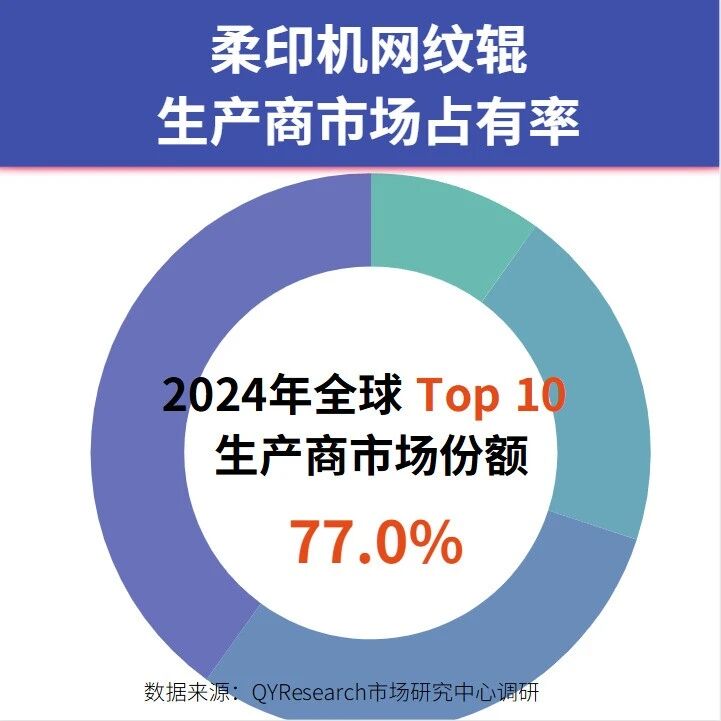
Core Viewpoint - The global anilox roller market for flexographic printing is projected to reach USD 130 million by 2031, with a compound annual growth rate (CAGR) of 6.5% in the coming years [4]. Market Overview - Anilox rollers are the core ink transfer components in flexographic printing, characterized by millions of precision micro-hole structures created through laser engraving [2]. - The market is primarily driven by flexible packaging, labels, and e-commerce small-batch diversified printing [12]. - The market has shown steady growth in recent years, influenced by raw material prices and precision processing capabilities [12][13]. Key Players - Major manufacturers in the global anilox roller market include Pamarco, Apex International, Simec Group, Harper Corporation, Zecher GmbH, Murata-Brg, Sandon Global, and Harris & Bruno International, among others [7]. - In 2024, the top ten manufacturers are expected to hold approximately 77% of the market share [7]. Product Segmentation - Ceramic anilox rollers dominate the market, accounting for about 90% of the share [9]. - These rollers are essential for flexographic printing and coating, featuring a high-hardness ceramic coating that ensures durability and high-quality printing results [9]. Application Areas - The planetary flexographic printing machine is the leading application market, holding around 67% of the market share [11]. - Narrow-web (below 1000mm) flexographic printing machines typically utilize shaft-type anilox rollers [11]. Market Dynamics - The primary growth driver is the strong demand from downstream sectors, particularly the packaging and label industries, which require high printing quality [15]. - The application of anilox rollers is expanding beyond traditional printing to emerging fields such as textile dyeing, coatings, and pharmaceuticals [15]. Challenges and Obstacles - The industry faces significant cost pressures due to the high-end equipment and precision manufacturing processes required for ceramic anilox rollers [16]. - A lack of unified industry product standards globally poses a challenge to market development [16]. - The increasing number of companies in the market has led to severe product homogeneity, intensifying competition in technology, branding, pricing, and service [16]. Development Trends - Technological advancements are focusing on higher line counts, more uniform sub-micron engraving, and durable ceramic or composite coatings [14]. - The integration of online monitoring, predictive maintenance, and digital ink mixing is expected to enhance stability and reduce downtime [14]. - Environmental considerations are driving the industry towards compatibility with UV/low VOC systems [14].
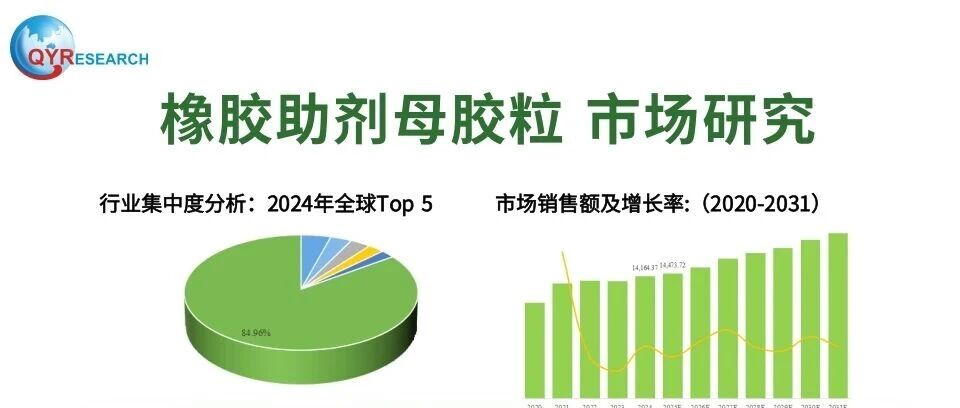
全球与中国橡胶助剂母胶粒市场现状及未来发展趋势
QYResearch· 2025-11-06 02:18
Core Viewpoint - The pre-dispersed rubber additive masterbatch industry is rapidly developing, driven by the demand for environmentally friendly and efficient production processes, with significant growth potential in various applications, particularly in the automotive sector [4][5][10]. Group 1: Product Definition and Market Overview - Pre-dispersed rubber additive masterbatch refers to granulated products where rubber processing additives are pre-dispersed in a rubber matrix, enhancing processing performance and product quality [3]. - The industry has seen a low market concentration, with over 80,000 tons of production from more than a dozen member units of the China Rubber Industry Association, while the number of production enterprises exceeds several dozen [4]. Group 2: Market Growth and Trends - The market for rubber additives is experiencing rapid growth, aligning with the trends of green chemistry and the increasing demand for high-performance rubber products [5][9]. - The global market for rubber additive masterbatch is projected to reach 14.164 billion yuan in 2024, with an expected CAGR of 4.77% from 2025 to 2031 [17]. Group 3: Industry Challenges - The penetration of pre-dispersed rubber additive masterbatch in the tire sector is limited due to the complexity of tire formulations, which involve over 200 variables, making it difficult for companies to adopt these additives [6]. - The confidentiality of tire formulations serves as a competitive barrier, hindering the widespread use of pre-dispersed masterbatch in the industry [6]. Group 4: Technological Innovations - The application of nanotechnology in rubber additives, such as nano zinc oxide and nano silica, is expected to enhance the mechanical properties and durability of rubber products [10]. - The integration of AI, IoT, and big data in production processes is anticipated to improve automation, quality control, and overall production efficiency [10]. Group 5: Policy and Regulatory Environment - China's policies are focused on encouraging technological innovation, promoting green development, and enhancing industry regulation, particularly for high-performance and environmentally friendly rubber additives [22][23]. - The government is actively pushing for the elimination of low-end, high-pollution additives, steering the industry towards more efficient and sustainable practices [22].
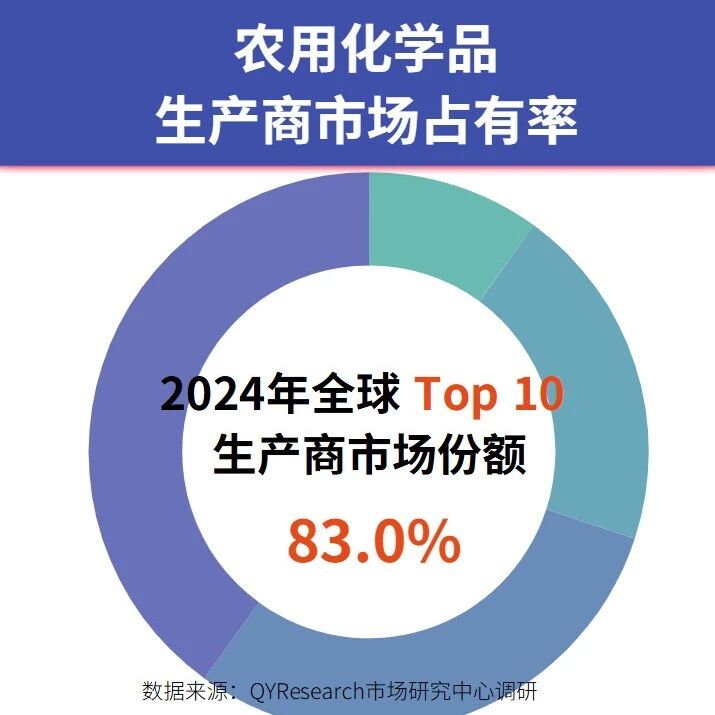
行业聚焦:全球农用化学品行业Top 5生产商市场份额及排名调查
QYResearch· 2025-11-06 02:18
Overview of Agricultural Chemicals Market - Agricultural chemicals are substances used to enhance agricultural productivity by controlling pests, weeds, and improving soil fertility. This includes pesticides, herbicides, fungicides, and fertilizers. In 2024, global pesticide consumption is expected to exceed 2 million tons, playing a crucial role in food security and sustainable agricultural development amid population growth and climate change pressures. Major multinational companies like Syngenta, Bayer Crop Science, BASF, Corteva Agriscience, and others dominate the industry, investing heavily in sustainable formulation innovations [3][4]. Supply Chain Dynamics - The upstream supply chain for agricultural chemicals involves petrochemical and specialty chemical manufacturers providing raw materials such as intermediates, solvents, surfactants, and catalysts. Agricultural product manufacturers process these into technical-grade active ingredients for marketable products. The downstream user base is diverse, including large agricultural firms like Cargill and ADM, which focus on cost-effectiveness and crop-specific performance, while small farmers prioritize flexible packaging and affordability [4]. Market Trends and Growth Drivers - The global agricultural market is undergoing a transformation driven by sustainability, digitalization, and regulatory scrutiny. Increasing pesticide resistance is accelerating the demand for new mechanisms, biobased crop protection products, and Integrated Pest Management (IPM) strategies. Governments in Europe and North America are tightening regulations on chemical residues and environmental impacts, leading to higher R&D costs and a shift towards safer, low-toxicity formulations. The Asia-Pacific and Latin America regions remain the fastest-growing markets due to their large agricultural bases and the adoption of modern agricultural technologies [5][16]. Market Size and Projections - According to QYResearch, the global agricultural chemicals market is projected to reach USD 78.18 billion by 2031, with a compound annual growth rate (CAGR) of 4.2% over the coming years [5]. Leading Manufacturers and Market Share - The top ten agricultural chemical manufacturers, including Syngenta, Bayer Crop Science, BASF, and others, are expected to hold approximately 83.0% of the market share in 2024 [10]. Product Segmentation - Herbicides currently dominate the market, accounting for about 45.7% of the total share. In terms of application, grains represent the largest demand source, making up approximately 43.2% of the market [12][14]. Challenges and Opportunities - The agricultural chemicals market faces challenges from stricter regulations in Europe, which have led to a decline in pesticide usage despite ongoing agronomic demand. Additionally, rising input costs and weather impacts may limit farmers' ability to pay for high-priced products. However, the increasing focus on food safety is driving the growth of biopesticides, which are becoming more widely used in various agricultural sectors [18][19]. Regulatory Environment - In the EU, all active ingredients must undergo renewal under Regulation 1107/2009, with some facing bans or restrictions. The ongoing loss of active ingredients due to regulatory pressures and the high costs associated with developing new active ingredients pose significant challenges for the industry [19]. Conclusion - The agricultural chemicals industry is poised for growth driven by innovation, compliance, and sustainable practices, despite facing regulatory challenges and market dynamics that may impact traditional chemical usage [5][18].
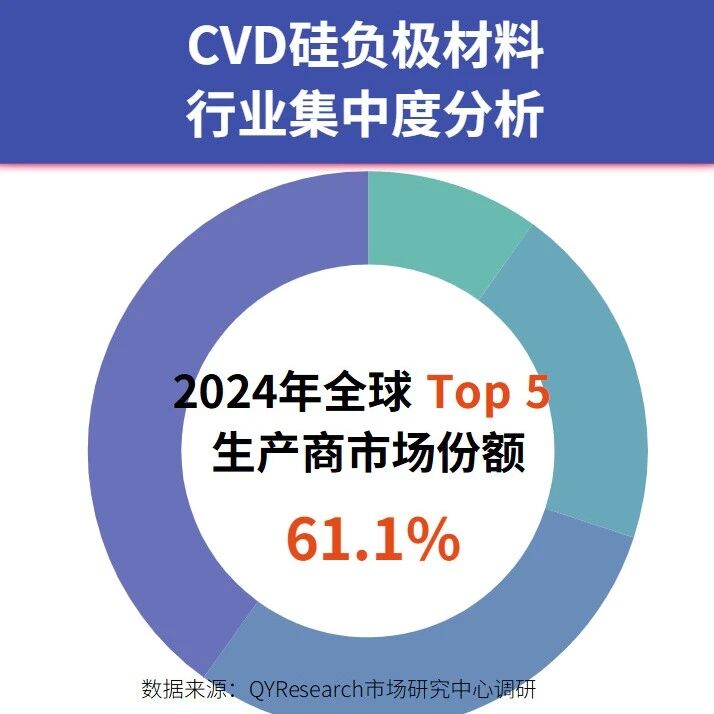
行业聚焦:全球CVD硅负极材料行业Top 5生产商市场份额及排名调查
QYResearch· 2025-11-05 02:11
Core Viewpoint - CVD silicon anode materials, utilizing chemical vapor deposition technology, are identified as high-performance lithium battery anode materials, with silicon being the core active substance, offering a theoretical specific capacity of 4200 mAh/g, approximately ten times that of traditional graphite anodes [1][2]. Market Overview - The global CVD silicon anode materials market is projected to reach USD 160 million by 2030, with a compound annual growth rate (CAGR) of 14.7% in the coming years [2]. - The top five manufacturers are expected to hold approximately 61.1% of the market share by 2024 [3]. Product Segmentation - Polymer resin materials currently dominate the product types, accounting for about 42% of the market share [6]. - In terms of application, power batteries are the primary demand source, representing approximately 68.2% of the market [7]. Leading Companies - Group 14, founded in 2015, focuses on developing and producing next-generation lithium-ion battery anode materials, utilizing carbon nanomaterial technology to enhance energy density and charging speed [10]. - The main drivers for the development of CVD silicon anode materials include the urgent demand for high-energy-density power batteries in the electric vehicle market and the continuous pursuit of longer battery life in consumer electronics [10]. Challenges and Opportunities - Key challenges include the significant volume expansion of silicon materials during charge and discharge cycles, leading to rapid degradation of cycle life, high manufacturing costs, and compatibility issues with existing electrolytes [10]. - Opportunities lie in technological innovations such as nanostructuring and composite materials to mitigate volume expansion, the development of low-cost scalable manufacturing processes, and the potential fit with solid-state battery technologies [10].
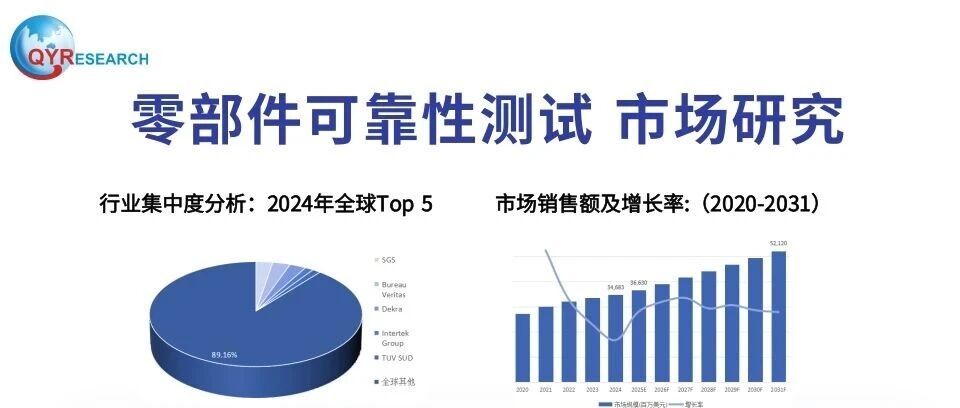
全球与中国零部件可靠性测试市场现状及未来发展趋势
QYResearch· 2025-11-05 02:11
Overview of Component Reliability Testing Market - Component reliability testing evaluates the ability of components to maintain functionality, structural integrity, and performance stability throughout their lifecycle under various stress conditions [2] - The testing identifies potential failure modes during long-term use and is crucial for product design, material selection, production validation, and quality improvement [2] Application Areas - Reliability testing is widely used across multiple industries, including electronics, automotive, industrial equipment, medical devices, military, aerospace, home appliances, and rail transportation, each requiring customized testing methods and standards [3] Global Market Size and Growth Trends - The global component reliability testing market is projected to reach $34.7 billion in 2024 and $52.1 billion by 2031, with a compound annual growth rate (CAGR) of 6.05% from 2025 to 2031 [6] - In China, the market size is expected to grow from $8.07 billion in 2024 to $15.565 billion by 2031, with a CAGR of 9.92% [7] Regional Market Insights - North America is currently the largest market, holding a 30.60% share in 2024, followed by Europe at 27.88% and China at 23.27% [10] - The automotive sector is projected to account for approximately 21.86% of the market in 2024, with a CAGR of 9.05% in the coming years [10] Industry Drivers and Opportunities - The increasing complexity of product technologies drives the demand for reliability testing, especially in sectors like automotive and electronics [14] - Stricter regulatory standards and rising customer quality awareness are pushing manufacturers to integrate reliability testing into their R&D processes [14] - Advancements in digital and automated testing technologies enhance testing efficiency and analysis depth, leading to more comprehensive reliability solutions [14] Key Players in the Market - Major companies in the global component reliability testing market include SGS, Bureau Veritas, TUV SUD, Dekra, and Intertek Group, which collectively hold a market share of 10.84% in 2024 [10][18] Industry Challenges - The industry faces challenges such as high testing costs, long testing cycles, and the complexity of standards across different regions [15] - There is a trend of large manufacturers establishing in-house testing facilities, which may impact the demand for independent testing services [15]
行业聚焦:全球OBC+DC/DC 二合一车载充电机行业Top 5生产商市场份额及排名调查
QYResearch· 2025-11-05 02:11
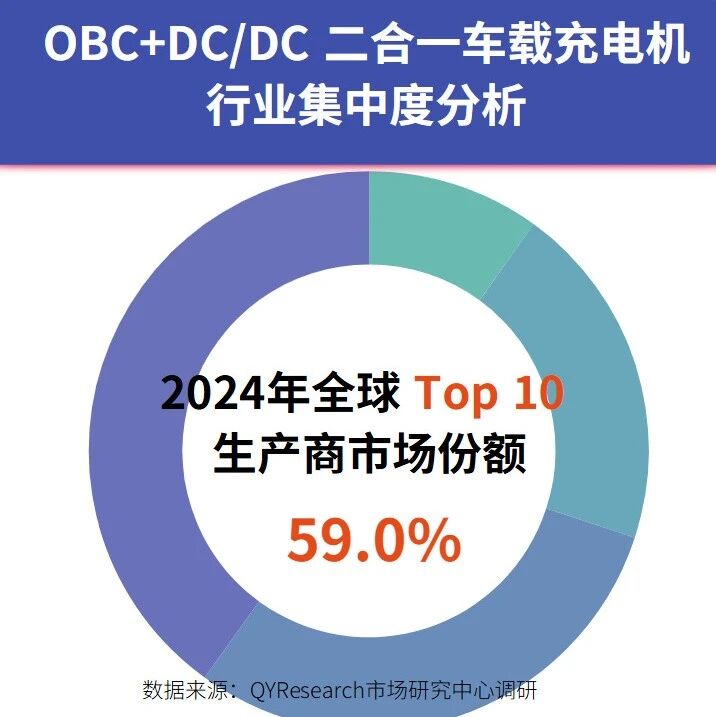
Core Viewpoint - The OBC+DC/DC integrated on-board charger is a crucial component in electric vehicles, converting AC to high-voltage DC and further supplying low-voltage DC to auxiliary systems, thereby optimizing space, reducing costs, and enhancing system integration [1][10]. Market Overview - The global market for OBC+DC/DC integrated on-board chargers is projected to reach $2.83 billion by 2030, with a compound annual growth rate (CAGR) of 7.4% in the coming years [2]. - The top ten manufacturers are expected to hold approximately 59.0% of the market share by 2024 [3]. Product Segmentation - The most significant product type currently is the 3.3KW rated power charger, which accounts for about 63.5% of the market share [5]. - In terms of application, passenger vehicles represent the largest downstream market, holding a 74.2% share [7]. Leading Companies - Key manufacturers in the global OBC+DC/DC integrated on-board charger market include Valeo, Bosch, Fudi Power, Tesla, Huawei, Weimais, Inbol, Zhejiang Fute Technology, Huichuan Technology, and Shenzhen Xinrui Technology [3][10]. Industry Drivers and Challenges - Major drivers for the OBC+DC/DC integrated on-board charger market include the rapid growth of new energy vehicle ownership, the demand for vehicle lightweighting and high power density, increased requirements for charging and energy conversion efficiency, and the trend towards integration that offers cost and space optimization advantages [10]. - Challenges include increased design complexity due to high integration, high costs of SiC power devices, long verification cycles for system reliability and safety, and the lack of standardization across different vehicle platforms [10]. Future Opportunities - The maturation of new power devices like SiC and GaN is expected to enhance power density and efficiency further. Additionally, bidirectional OBC technology will create new scenarios for vehicle-grid interconnection, while policy support and unified charging standards will accelerate the penetration of integrated chargers in both passenger and commercial vehicle sectors [11].
行业聚焦:全球电动飞机加油机行业Top 5生产商市场份额及排名调查
QYResearch· 2025-11-05 02:11
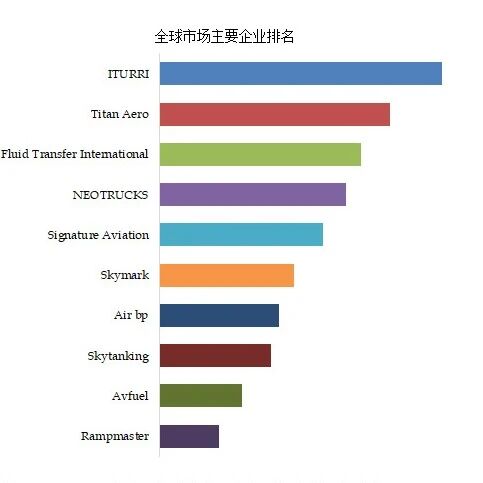
Core Viewpoint - The electric aircraft refueler market is in an early growth stage, driven by the global emphasis on sustainable aviation and airport decarbonization, with a projected market size increase from $17.6 million in 2024 to $46.1 million by 2031, reflecting a compound annual growth rate (CAGR) of 7.6% from 2025 to 2031 [3][9]. Market Overview - Electric aircraft refuelers are ground support vehicles equipped with electric power systems to provide aviation fuel or electric charging services, replacing traditional diesel-powered refuelers [1]. - The application of electric refuelers is primarily concentrated in developed regions such as North America and Europe, where governments and airport authorities are offering electrification incentives [3]. Industry Development Trends - **Electrification and Zero Emissions**: Transitioning from traditional fuel-driven models to pure electric (battery or hybrid) systems to meet global carbon reduction policies and green airport operations [6]. - **Intelligent Upgrades**: Integration of technologies such as automated navigation, precise positioning, and remote monitoring to achieve semi-automated or fully automated refueling, enhancing operational efficiency and safety [7]. - **High Energy Density Battery Applications**: Adoption of advanced batteries (e.g., solid-state batteries) to improve range and extend single-charge duration [8]. Opportunities in the Industry - **Global Carbon Neutral Policies**: Stringent environmental regulations are driving airports to replace fossil fuel equipment, leading to strong demand for low-carbon refueling solutions [9]. - **Expansion of Civil Aviation and New Air Mobility**: Growth in commercial aviation fleets and the emerging eVTOL (electric vertical takeoff and landing) market is broadening the application scope for specialized refueling equipment [10]. - **Airport Infrastructure Upgrades**: Modern airport investments in intelligent and green facilities create favorable conditions for the deployment of electric aircraft refuelers [11]. Challenges in the Industry - **Battery Technology Limitations**: Current battery energy density and endurance are insufficient for long-duration, high-intensity refueling tasks, and longer charging times can impact operational efficiency [12]. - **High R&D and Manufacturing Costs**: Developing electric refuelers requires investment in specialized power systems, safety controls, and intelligent technologies, resulting in high initial costs [13]. - **Insufficient Supporting Infrastructure**: A lack of airport charging stations, particularly fast-charging facilities, and inconsistent charging standards hinder large-scale adoption [14]. Industry Chain Analysis - **Upstream**: Core component suppliers provide electric drive systems (motors, batteries, controllers), chassis, hydraulic systems, fuel pumps, and electronic control modules [15]. - **Midstream**: Product R&D focuses on customized development based on airport and aircraft needs, emphasizing electrification, intelligence, and safety compliance [16]. - **Downstream**: End users include civil airports, military air bases, and general aviation operators for daily aircraft refueling operations [17]. Ground service companies undertake outsourced refueling services for airports and airlines [18].
GNSS INS 接收器行业洞察:市场规模增长趋势、产业链分析(行业龙头企业)
QYResearch· 2025-11-04 09:43
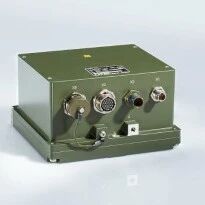
发展趋势、发展机会、阻碍因素/挑战 ( 1 ) 发展趋势 GNSS/INS 接收器是一种通过深层次耦合全球导航卫星系统与惯性导航系统所构成的高精度、高可靠性导航定位单元。其核心在于利用 GNSS 提供的绝对位置与时间基准,与 INS 输出的高频连续运动参数(包括角速度与特定力),通过多源融合滤波算法(如卡尔曼滤波)实 现传感器误差的实时估计与补偿。该设备通过 GNSS 的长期稳定性抑制 INS 惯性传感器(陀螺仪与加速度计)的漂移,同时借助 INS 的短期 高精度及抗干扰能力,在 GNSS 信号中断期间提供无缝的位置、速度及姿态解算。系统能够在动态环境下维持厘米至毫米级定位精度,并实 现全姿态参数(横滚、俯仰、航向)的稳定输出,其本质是构建一个具备时空一致性的自主导航坐标系,解决了单一系统在复杂电磁环境、 信号遮挡及高动态场景下的局限性。 市场规模及增长趋势 2024年全球GNSS/INS接收器市场销售额达到了6.80亿美元,预计2031年将达到10.09亿美元,年复合增长率(CAGR)为5.8%(2025- 2031)。 GNSS/INS 接收器的发展趋势正向紧耦合( Tightly Coupled )与深 ...