QYResearch

Search documents
行业聚焦:全球负离子高速吹风机市场头部企业份额调研(附Top 10 厂商名单)
QYResearch· 2025-10-22 08:34
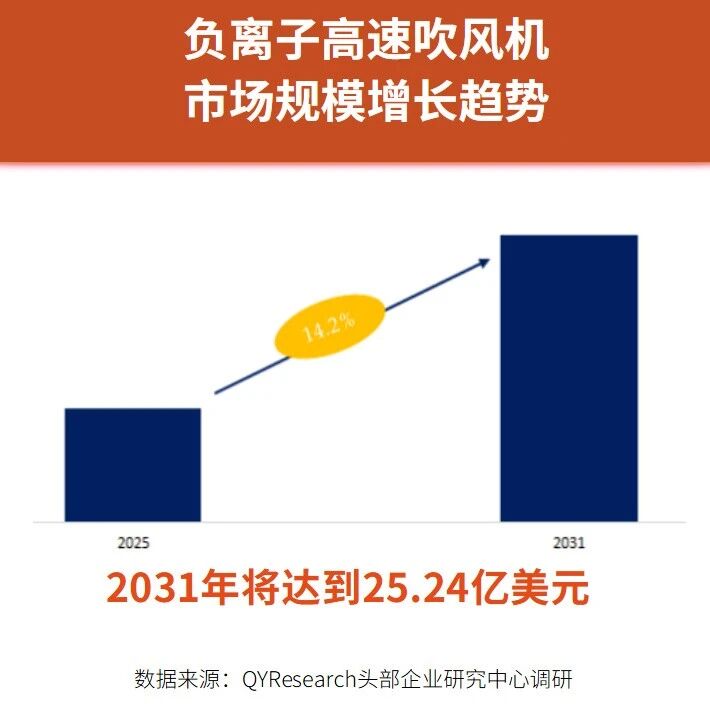
Core Viewpoint - The negative ion high-speed hair dryer market is experiencing robust growth driven by technological advancements and changing consumer preferences, transitioning from a luxury item to a mass-market product [2][10]. Market Overview - The global market size for negative ion high-speed hair dryers is projected to reach $996 million in 2024 and $2.524 billion by 2031, with a compound annual growth rate (CAGR) of 14.2% from 2025 to 2031 [3]. Industry Trends - **Smart Function Integration**: The industry is moving towards smarter products with features like humidity detection and automatic adjustment of temperature and airflow, enhancing user experience beyond basic drying functions [7]. - **Multifunctional and Personalized Design**: Manufacturers are integrating various additional features to meet comprehensive care needs, such as combining negative ion technology with fragrance release and antibacterial coatings [8]. - **Sustainability and High-Performance Upgrades**: There is a focus on sustainable development, with the use of recyclable materials and energy-efficient motor designs, alongside continuous performance enhancements [9]. Market Opportunities - **Emerging Market Expansion**: Regions like Southeast Asia, Latin America, and the Middle East present significant growth potential due to rising disposable incomes and increased awareness of hair health [10]. - **Cross-Industry Collaboration**: Partnerships with beauty salons, hair care brands, and tech companies can open new growth channels and enhance product offerings [11]. - **Diversified Application Expansion**: Beyond household use, there is strong growth in commercial and niche markets, such as hotels upgrading to high-end products and customized solutions for medical institutions [12]. Industry Challenges - **Intense Market Competition**: The presence of numerous participants, from international brands to local low-cost manufacturers, leads to fierce price competition, making product differentiation increasingly difficult [13]. - **Supply Chain Volatility Risks**: Dependence on key components makes the industry vulnerable to supply chain disruptions and raw material price fluctuations [14]. - **Regulatory and Compliance Burdens**: Meeting various safety and environmental standards increases the market entry barriers for smaller manufacturers and raises compliance costs [15]. Future Outlook - The market will be driven by deeper technological integration and more precise user segmentation, with advancements in core motor technology and smart features expected to enhance the overall user experience [18].

全球与中国旋转变压器市场现状及未来发展趋势
QYResearch· 2025-10-22 08:34
Core Viewpoint - The article discusses the current state and future trends of the resolver market, highlighting its applications in various industries, particularly in automotive and industrial automation, while addressing competitive dynamics and technological advancements. Group 1: Product Definition and Market Overview - The resolver is an angle sensor based on electromagnetic induction, converting mechanical rotation into electrical signals, making it suitable for harsh environments [2] - The market demand for resolvers is stable, primarily driven by automotive electric drive systems and industrial automation, with a notable increase in demand from the electric vehicle sector [3] Group 2: Technological Maturity and Competition - Resolver technology is mature, with core manufacturing techniques focusing on precision winding, soft magnetic materials, and decoding algorithms [4] - The global resolver industry exhibits a polarized competition landscape, with Western companies dominating the high-end market while local manufacturers in Japan and China are gaining traction in the mid to low-end segments [5] Group 3: Supply Chain and Pricing Dynamics - The resolver industry faces supply chain dependencies on high-performance materials and manufacturing processes, with a significant reliance on imports for high-end components [6] - Price competition is intense in the mid to low-end market, but the overall profitability is expected to improve as domestic high-end replacements progress [8] Group 4: Development Trends - The resolver market is moving towards high-speed and high-precision applications, driven by the increasing demands of electric motors and advanced manufacturing technologies [9][10] - The market concentration is expected to rise, with automotive applications projected to account for 70.21% of market share by 2031 [11] Group 5: Emerging Applications and Policy Support - New applications for resolvers are expanding into sectors like electric vehicles, rail transportation, and medical devices, driven by their reliability and durability [15] - Government policies promoting electric vehicles and smart manufacturing are significant growth drivers for the resolver industry [25][26][27][28] Group 6: Market Size and Growth Projections - The global resolver market is projected to grow from $473 million in 2024 to $804 million by 2031, with a CAGR of 7.71% [19] - China is expected to maintain a leading position in both consumption and production, with market shares of 33.29% and 39.33% respectively in 2024 [19][20] Group 7: Competitive Landscape and Future Outlook - The competitive landscape is characterized by high-end concentration and low-end dispersion, with domestic brands increasingly penetrating the mid to high-end market [21] - The integration of resolvers with control systems and the development of digital output solutions are anticipated to be key trends in the future [21]

行业聚焦:全球便携式辐射巡测仪市场头部企业份额调研(附Top 10 厂商名单)
QYResearch· 2025-10-21 09:22
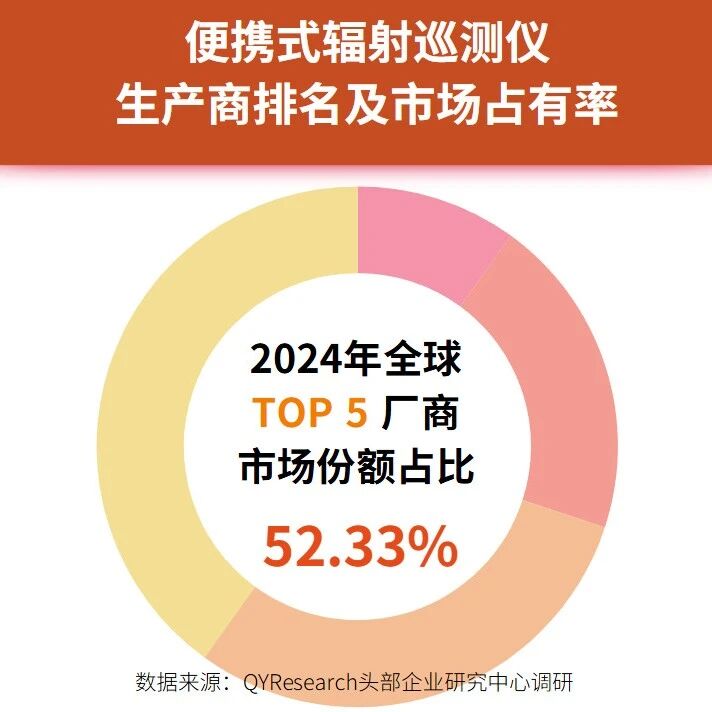
Core Viewpoint - The portable radiation survey instrument market is projected to reach $87.9 million by 2031, with a compound annual growth rate (CAGR) of 4.12% in the coming years [1]. Market Overview - The global market for portable radiation survey instruments is expanding, driven by increasing applications in nuclear energy, healthcare, and environmental monitoring [7]. - The top 12 manufacturers in the global market hold approximately 52.33% of the market share, with key players including Thermo Fisher Scientific, Mirion Technologies, and Fluke Corporation [6]. Key Drivers - Expansion of nuclear energy and radiation source applications, particularly in Asia and the Middle East, is increasing the demand for portable radiation detection equipment [7]. - Heightened awareness of nuclear safety and public health, influenced by historical incidents like Fukushima and Chernobyl, is leading to stricter regulations and increased demand for monitoring equipment [7]. - Government regulations and standards are mandating the use of portable radiation survey instruments in various sectors, including nuclear facilities and emergency response [7]. - Rising concerns over potential radiological threats, such as dirty bomb attacks and nuclear leaks, are driving emergency services to equip themselves with portable survey instruments [7]. Major Challenges - High costs of advanced equipment limit accessibility for small and medium enterprises, with some devices priced in the thousands to tens of thousands of dollars [8]. - Lack of awareness among non-professional users regarding radiation risks can lead to passive demand for monitoring devices [8]. - Issues with false alarms and environmental interference can undermine trust in the devices, particularly in complex electromagnetic environments [8]. - Inconsistent enforcement of regulations in smaller cities or non-priority industries results in low equipment penetration rates [9]. Industry Opportunities - Accelerated domestic substitution is occurring as the government encourages the development of high-end instruments, with local manufacturers gaining advantages in cost and service [10]. - Export opportunities are emerging in countries along the Belt and Road Initiative, as well as in regions like Africa and Southeast Asia where emergency response systems are underdeveloped [10]. - There is a trend towards multi-functional integrated devices that combine gas, radiation, and meteorological monitoring capabilities, enhancing comprehensive environmental monitoring [10].
行业聚焦:全球不锈钢冷轧轧制油市场头部企业份额调研(附Top 10 厂商名单)
QYResearch· 2025-10-21 09:22
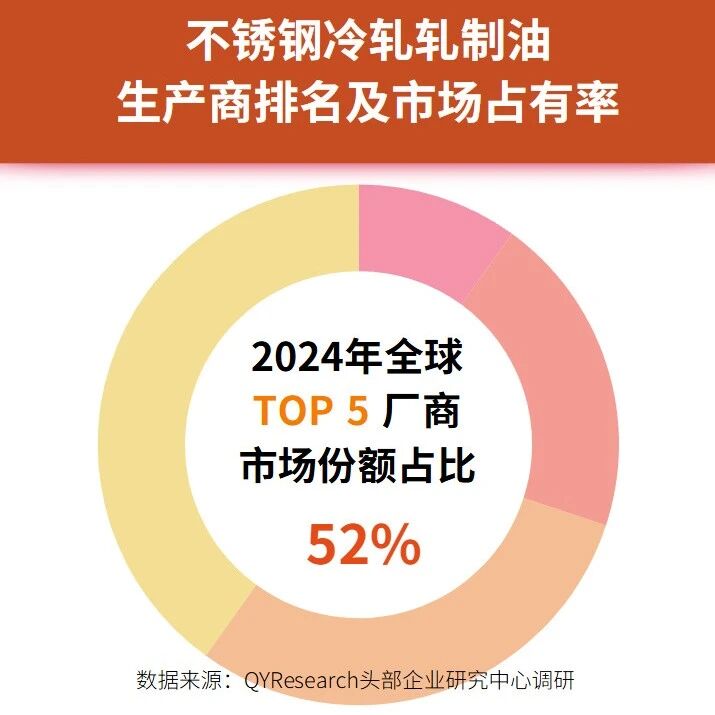
Core Insights - The global stainless steel cold rolling oil market is evolving towards high performance and environmental sustainability, driven by the continuous expansion of stainless steel production capacity in the Asia-Pacific region, particularly in China and India [3][4] - The market is characterized by a highly concentrated oligopoly, with major players like Quaker Houghton and FUCHS leading the industry, creating significant technical and service barriers for new entrants [3][8] Market Trends and Drivers - The primary growth driver for the stainless steel cold rolling oil market is the ongoing expansion and product upgrade demands from downstream stainless steel industries, including appliances, automotive, and construction [9] - Increasing requirements for surface quality and mechanical properties in stainless steel products are pushing the demand for high-performance, eco-friendly rolling oils [9] Regulatory Environment - The industry faces challenges from increasingly stringent global environmental, health, and safety regulations, which raise compliance costs for traditional formulations containing harmful substances [4][10] - Opportunities arise from policies promoting manufacturing upgrades and carbon reduction goals, particularly in China, which stimulate high-end stainless steel demand and create new market space for performance-enhancing rolling oils [4] Market Size and Growth Projections - According to QYResearch, the global stainless steel cold rolling oil market is projected to reach USD 514 million by 2031, with a compound annual growth rate (CAGR) of 4.1% in the coming years [4] Competitive Landscape - The top five manufacturers, including Quaker Houghton and FUCHS, hold approximately 52% of the market share, indicating a concentrated competitive environment [8] Industry Opportunities - The greatest opportunity in the industry lies in the innovation and widespread adoption of eco-friendly and high-performance specialty rolling oils, which can help steel mills reduce operational costs while meeting regulatory requirements [11] - Customized oil formulations to meet specific processes and surface quality demands in high-end stainless steel applications are expected to become a key growth point for leading companies [11]
行业聚焦:全球大气水收集器市场头部企业份额调研(附Top 10 厂商名单)
QYResearch· 2025-10-21 09:22
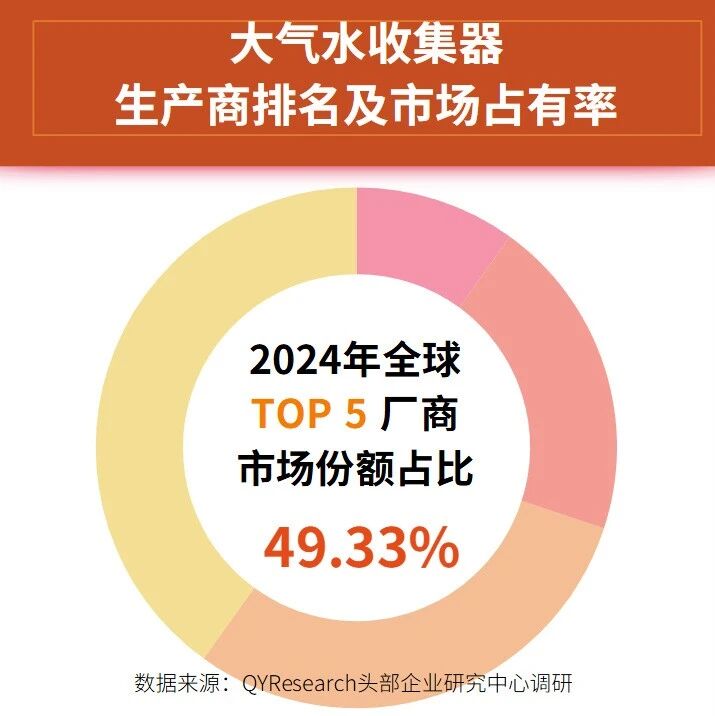
大气水收集器 (AWC) 是一种通过将大气水分(湿度)冷凝成液态水,直接从空气中提取水分的装置或系统。它提供了一种分散且可再生的 淡水来源,尤其适用于地下水资源匮乏或市政供水不稳定的地区。 大气水收集器 ,全球市场情况 大气水收集器全球市场正稳步增长,主要驱动力来自淡水短缺、气候变化以及可持续水资源需求的增加。该设备通过从空气湿度中直接生成 可饮用水,正在逐步应用于缺水地区、干旱气候带及缺乏可靠供水基础设施的区域。其应用场景包括居民饮用水、军事与救灾、偏远工业设 施及农业灌溉。随着冷凝效率、可再生能源结合及模块化设计等技术不断进步,成本逐渐下降、规模化能力增强。在各国政府和机构对替代 水资源加大投入的背景下,大气水收集器市场预计将在未来几年快速增长。 据 QYResearch 调研团队最新报告"全球大气水收集器市场报告 2025-2031 "显示, 预计 2031 年全球大气水收集器市场规模将达到 4.2 亿美元 ,未来几年年复合增长率 CAGR 为 4.8% 。 大气水收集器 ,全球市场总体规模 大气水收集器的全球分布主要集中在水资源严重短缺、对可持续供水需求旺盛的地区。中东和北非由于气候干旱和淡水资源有限 ...
全球与中国电池撕碎机市场现状及未来发展趋势
QYResearch· 2025-10-21 09:22
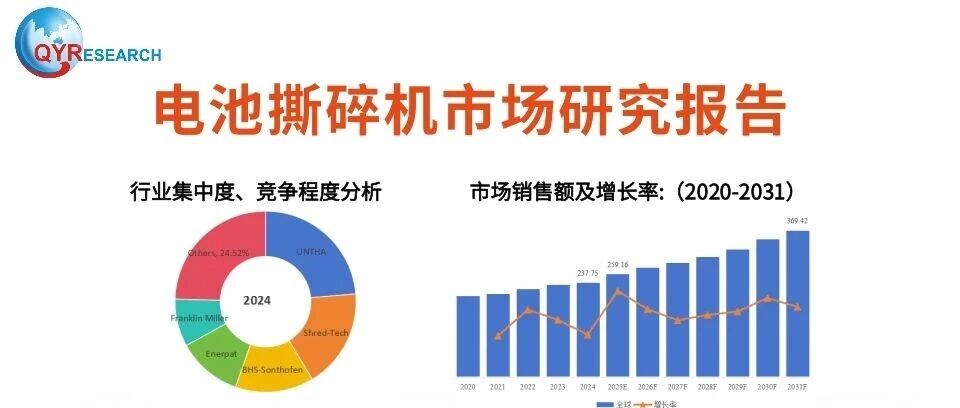
Core Viewpoint - The battery shredder industry is experiencing significant growth driven by the increasing demand for battery recycling due to the rise of electric vehicles and the rapid turnover of consumer electronics. This growth is supported by stringent environmental regulations and technological innovations aimed at improving processing efficiency and safety [3][4][5]. Market Demand and Regulatory Environment - Global demand for battery shredders is steadily increasing, primarily due to the retirement of power batteries from electric vehicles and the generation of waste batteries from consumer electronics. These batteries pose environmental risks but also hold substantial resource recovery value, leading to strong demand for efficient recycling equipment [3]. - Governments worldwide are enhancing environmental regulations and supporting the development of the battery recycling industry. Many countries have implemented policies mandating the standardized recycling of waste batteries, providing a solid policy foundation and broad market space for the battery shredder industry [3]. Technological Innovations - The technology of battery shredders is continuously evolving to safely and efficiently process various types of waste batteries. Innovations include the use of inert gas protection systems to prevent fires during lithium-ion battery processing, as well as intelligent control systems and modular designs that enhance operational efficiency and reduce energy consumption [4][8]. - Future developments will focus on integrating IoT and AI technologies to create a comprehensive digital monitoring system, enabling real-time data collection and optimization of operational parameters [7]. Competitive Landscape and Industry Integration - The global battery shredder market features numerous participants, including well-known international manufacturers and emerging local companies in China. Competition extends beyond equipment performance and pricing to include the ability to provide complete recycling solutions [5][17]. - There is a noticeable trend of mergers and acquisitions within the industry to enhance overall strength, with manufacturers increasingly collaborating with battery producers and recycling facilities to optimize the recycling process [5]. Industry Trends and Future Directions - The battery shredder industry is expected to see advancements in processing efficiency and adaptability, with a focus on developing new materials for cutting tools and innovative shredding structures to handle diverse battery types [8]. - A systematic approach to safety and environmental standards is being established, emphasizing the development of comprehensive safety and environmental protection systems to manage risks and emissions during processing [10]. Market Size and Growth Projections - According to QYR statistics, the global battery shredder market is projected to reach a sales volume of $237.75 million by 2024, with an expected growth to $369.42 million by 2031, reflecting a compound annual growth rate (CAGR) of 6.09% from 2025 to 2031 [15]. - The Chinese market is anticipated to grow rapidly, with a projected market size of $48.23 million in 2024, accounting for approximately 20.29% of the global market, and expected to reach $67.76 million by 2031 [16]. Policy Analysis - Various policies are being implemented to enhance the battery recycling ecosystem, such as the "Action Plan for Improving the Recycling System of New Energy Vehicle Power Batteries," which aims to establish a safe and efficient recycling system and emphasizes the use of digital technology for monitoring the entire lifecycle of batteries [22].
声控 LED 腕带产业化机遇:2025-2031年全球市场格局
QYResearch· 2025-10-20 09:23
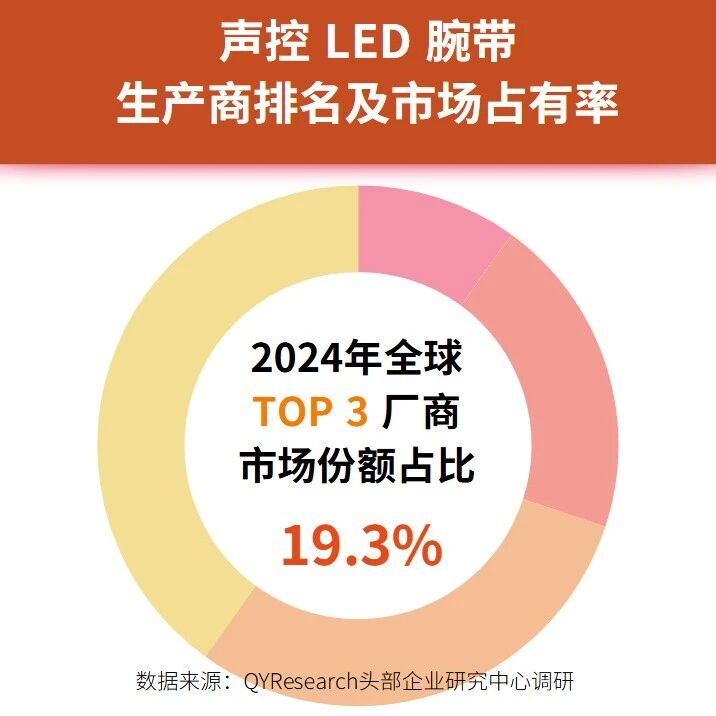
Core Insights - The article discusses the sound-activated LED wristband market, highlighting its expected growth and key players in the industry. The market is projected to reach $13.28 million by 2031, with a compound annual growth rate (CAGR) of 4.5% from 2025 to 2031 [1]. Market Overview - The global sound-activated LED wristband market is experiencing growth, driven by demand in entertainment and fitness sectors [2]. - The top three manufacturers, Nordic wristbands, synometrix, and GFLAI, hold approximately 19.3% of the market share as of 2024 [6]. Industry Chain Analysis - The industry chain includes upstream suppliers of electronic components, materials, and manufacturing equipment, as well as downstream distributors and retail channels [7]. Policy Analysis - Key policies affecting the industry include product safety certifications (CE, FCC, CCC), environmental regulations (RoHS), and incentives for innovation and R&D [8]. Development Trends - The industry is witnessing trends such as integration with IoT, sustainability initiatives, advancements in sensor and LED technology, and increasing demand for personalized services [9]. Opportunities for Growth - Opportunities in the market include the recovery of the entertainment industry post-pandemic, integration with smart wearable devices, B2B customization, and a focus on sustainability [10]. Challenges and Barriers - The industry faces challenges such as intense market competition, technological and standardization issues, supply chain disruptions, and regulatory pressures [11][12].
升降滑动门行业产业链:市场最新动态及核心企业介绍
QYResearch· 2025-10-20 09:23
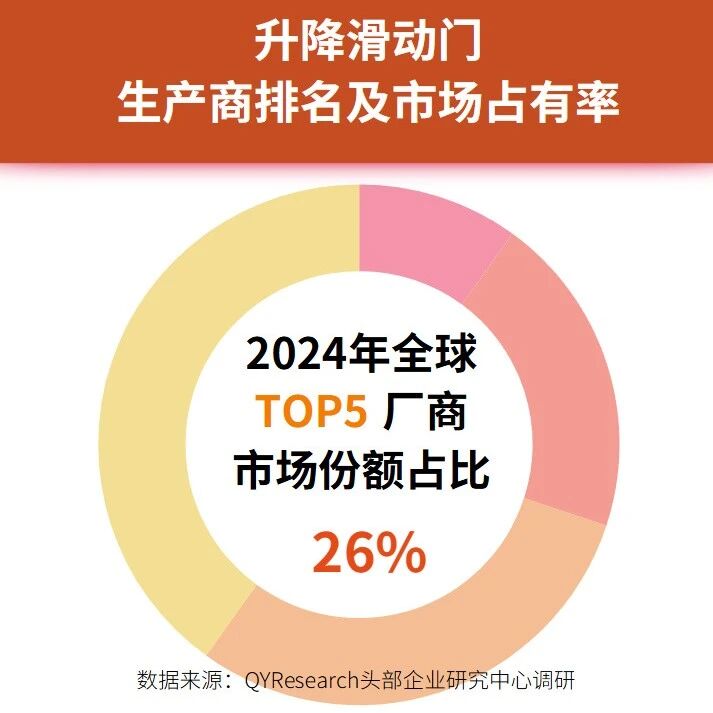
Core Insights - The article discusses the global market for lift sliding doors, highlighting its unique operational mechanism and projected growth trends [1][2]. Group 1: Market Overview - The global production capacity of lift sliding doors is expected to reach approximately 460,000 units by 2024, with an estimated output of 240,000 units and an average market price of $10,000 per unit, resulting in an industry gross margin of about 22% [2]. - The global market size for lift sliding doors is projected to reach $3.4 billion by 2031, with a compound annual growth rate (CAGR) of 5.1% over the coming years [2]. Group 2: Key Manufacturers - Major manufacturers in the global lift sliding door market include Solar Innovations, Marvin Windows and Doors, Panda Windows & Doors, and Arcadia Customs, with the top five companies holding approximately 26% of the market share in 2024 [4][5]. Group 3: Industry Chain Analysis - The upstream segment consists of suppliers of raw materials and core components, including aluminum profiles, steel, glass, motors, guide rails, pulleys, control systems, and safety sensors, which are essential for the quality and performance of the entire industry chain [9]. - The midstream segment involves the manufacturing and system integration of lift sliding doors, transforming raw materials into finished products that can perform vertical lifting and horizontal sliding [9]. - The downstream segment focuses on the sales and application of lift sliding door products in various industrial and commercial settings, such as warehouses, logistics centers, and high-end commercial spaces [9]. Group 4: Development Trends - The industry is witnessing a shift towards smart and automated upgrades, integrating IoT, AI, and sensor technologies into lift sliding doors for enhanced functionality, such as contactless operation and obstacle detection [10]. - Innovations in materials and lightweight designs are being adopted, with new materials like carbon fiber composites and high-strength aluminum alloys reducing weight by over 40%, thereby lowering energy consumption and improving operational precision [10]. Group 5: Opportunities and Challenges - There are significant opportunities for product innovation and functional upgrades through the use of new materials and structures, particularly in the rapidly growing Asia-Pacific market, where China is expected to see growth rates surpassing the global average [11]. - Challenges include fluctuations in raw material prices, which account for 50% of production costs, and competition from alternative products such as folding and sliding doors [12][13].
全球与中国PCIe芯片市场现状及未来发展趋势
QYResearch· 2025-10-20 09:23
Core Viewpoint - The PCIe chip market is experiencing rapid evolution and expansion, driven by the increasing demand for high-speed interconnect technologies in AI, big data, and high-performance computing applications. The market is projected to grow significantly, with a compound annual growth rate (CAGR) of 16.38% from 2025 to 2031, reaching $4.998 billion by 2031 [6][11]. Product Definition and Statistical Scope - PCI Express (PCIe) is a crucial computer bus standard that supports high-speed serial communication and offers features like active power management and error reporting. The report categorizes PCIe chips into PCIe switch chips and PCIe signal enhancement chips [2]. Current Development Status of PCIe Chip Industry - **AI and High-Performance Computing Driving Demand**: The emergence of AI training, inference, and cloud computing has led to exponential growth in system bandwidth and I/O capabilities, particularly in data centers and AI servers [3]. - **Accelerated Technological Iteration**: The PCIe standard has rapidly evolved from Gen3 to Gen6, with each generation doubling the speed and increasing design complexity [3]. - **Deepening Industry Chain Collaboration**: The PCIe chip ecosystem is becoming more open and standardized, with established design norms and testing processes enhancing collaboration among chip manufacturers, motherboard makers, and system vendors [3]. Development Trends of PCIe Chip Industry - **Expansion from Motherboard to System Level**: Future trends indicate that PCIe interconnects will evolve from motherboard-level to system-level integration, driven by AI clustering and modular server architectures [4]. - **Advancement Towards Gen6**: The PCIe 6.0 standard, released in 2022, significantly increases data rates and imposes higher requirements on signal processing and error correction capabilities [4]. - **Intense Manufacturer Competition**: The core competitiveness of PCIe chip manufacturers will increasingly depend on their ability to collaborate with CPU/GPU/DPU manufacturers and system integrators, moving towards system-level solutions [4]. Market Overview - The global PCIe chip market is projected to reach $1.427 billion in sales by 2024 and grow to $4.998 billion by 2031, with China expected to account for a significant share of the market [6][7]. - The top five manufacturers (Broadcom, Astera Labs, Microchip, Texas Instruments, ASMedia) hold over 91% of the market share, with Broadcom leading in technology and market presence [7]. Product Technology Pathways - PCIe chips are categorized into switch chips and signal enhancement chips, with the market size for switch chips expected to reach $1.040 billion in 2024 and $2.515 billion by 2031, while signal enhancement chips are projected to grow from $384 million to $2.483 billion in the same period [8]. Application Segments - Servers remain the primary application for PCIe chips, accounting for 65.46% of demand in 2024, with expectations to rise to 75.83% by 2031 [9]. The increasing use of PCIe technology in AI training and real-time computing tasks highlights its critical role in modern data architectures [9]. Standard Evolution - The PCIe standards have matured, with PCIe 3.0 dominating the market at $532 million in 2024, while PCIe 4.0 and 5.0 are also gaining traction. By 2031, PCIe 4.0 and 5.0 are expected to grow to $871 million and $403 million, respectively [10]. Policy Analysis - The Chinese government has introduced several strategic policies, such as "Made in China 2025" and the "14th Five-Year Plan," aimed at enhancing the semiconductor industry, which includes support for PCIe chip development [11][13].



三指夹持器行业产业链:市场最新动态及核心企业介绍
QYResearch· 2025-10-20 09:23
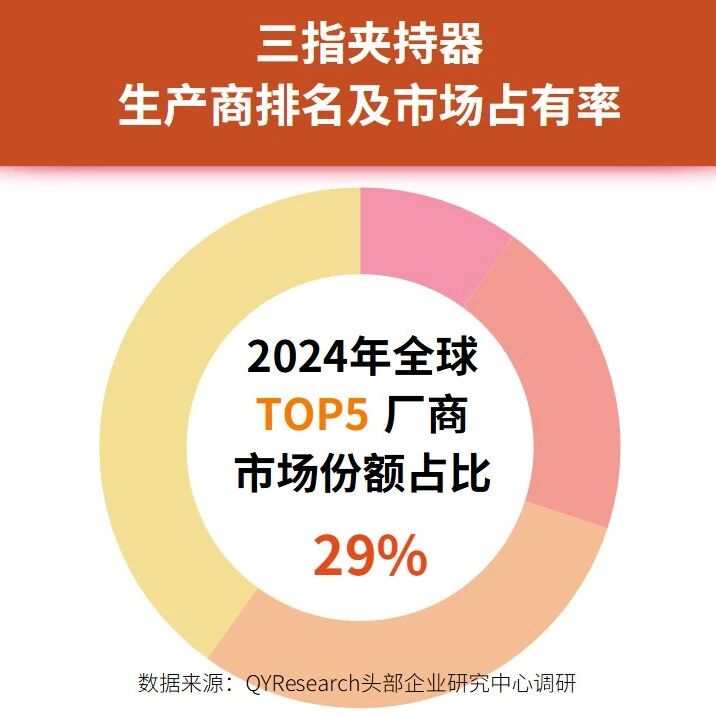
产品定义及研究范围:三指夹持器是一种模仿人手功能的机器人末端执行器,它通过三个独立或联动的指状结构,在驱动系统和控制器的精 确指挥下,实现对物体进行抓取、搬运或精细操作的自动化设备,其独特的三点支撑结构能提供稳定且自适应包络式抓取,尤其适用于处理 形状不规则、易碎或需要精准定位的工件。 一、 三指夹持器 全球市场总体规模 根据 QYResearch 最新调研报告显示,到 2024 年,全球三指夹持器产能约 911 万个 ,产量约 531 万个 ,全球市场平均价格约为每个 100 美 元,行业毛利率约 62% 。市场规模方面,预计 2031 年全球三指夹持器市场规模将达到 656 百万美元,未来几年年复合增长率 CAGR 为 3.1% 。 三指夹持器 ,全球市场收入增长率 二、三指夹持器主要厂商介绍 | 序号 | 企业 | | --- | --- | | 1 | Robotiq | | 2 | OnRobot | | 3 | Universal Robots | | 4 | SoftGripper | | 5 | SMC USA | | 6 | DH-Robotics | | 7 | Tesollo | | 8 ...