QYResearch

Search documents
行业聚焦:全球窄线宽DFB激光器市场头部企业份额调研(附Top 10 厂商名单)
QYResearch· 2025-10-17 09:57
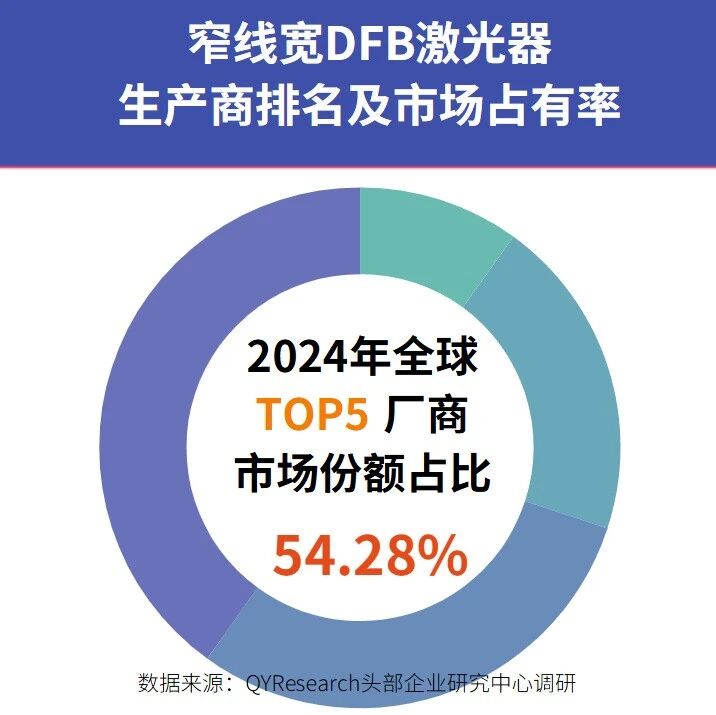
Core Viewpoint - The narrow linewidth DFB laser is a specialized semiconductor laser with significantly reduced frequency linewidth, making it essential for high-coherence applications such as high-speed optical communication, precision fiber sensing, and laser radar [1][2]. Market Overview - The global market for narrow linewidth DFB lasers is projected to reach $381.15 million by 2030, with a compound annual growth rate (CAGR) of 15.06% over the coming years [2]. - The dominant product type in the market is the 50-150mW narrow linewidth DFB laser, which holds approximately 46.65% of the market share [4][6]. Application Segmentation - The primary downstream market for narrow linewidth DFB lasers is optical communication, expected to account for about 29.87% of the market share in 2024 [8]. Key Manufacturers - Major manufacturers in the global narrow linewidth DFB laser market include Coherent, Lumentum, Anritsu, Thorlabs, and Macom, with the top five companies holding around 54.28% of the market share [11]. Market Drivers - The explosive growth of global data traffic driven by internet video, cloud computing, AI, and IoT applications is directly linked to the demand for DFB lasers [12]. - The evolution of large data centers from 100G/400G to 800G and higher speeds necessitates high-performance DFB lasers, making them critical for internal interconnects [12]. - The full deployment of 5G/6G networks requires extensive fiber optic upgrades, creating concentrated demand for DFB lasers due to their superior single-mode performance [13]. - Emerging technologies such as laser radar, silicon photonics, and quantum communication are expanding the application scenarios for DFB lasers, providing diverse growth drivers [13]. Challenges and Risks - The industry faces risks related to technological development and competition, requiring companies to make strategic decisions on various technology paths [14]. - Performance reliability and supply chain security are critical, as any inconsistencies can severely impact product quality and brand reputation [14]. - Cost pressures and cyclical fluctuations in the industry pose significant challenges, especially in large-scale markets like fiber-to-the-home and data centers [15].

全球及中国重水行业研究及十五五规划分析报告
QYResearch· 2025-10-17 09:57
Overview of Heavy Water Industry - Heavy water, also known as deuterium oxide, is a crucial raw material for deuterium gas production and deuterated solvents, widely used in various industries including pharmaceuticals, semiconductors, and nuclear reactors [1][3] - The report focuses on the global heavy water consumption market, covering both nuclear and non-nuclear applications, with a specific emphasis on the maintenance needs of pressurized heavy water reactors [1][3] Market Size and Growth - The global heavy water market was valued at approximately 119.42 million USD in 2020 and is projected to reach 278.37 million USD by 2024, reflecting a compound annual growth rate (CAGR) of 23.56% from 2020 to 2024 [7] - By 2031, the market is expected to grow to 449.60 million USD, with a CAGR of 6.93% from 2024 to 2031 [7] Regional Analysis - North America and Europe have historically dominated heavy water production due to early nuclear power initiatives and substantial infrastructure investments [9] - The Asia-Pacific region, particularly India, has emerged as a significant player, with the Heavy Water Board operating a large network of production facilities [9] Industry Characteristics - The heavy water industry is characterized by high strategic importance and technological intensity, with complex production processes that require advanced separation and purification technologies [11] - The industry is highly regulated, with production and trade subject to strict oversight by the International Atomic Energy Agency (IAEA) and national nuclear safety regulations [11] Favorable Factors for Development - The ongoing development of the nuclear energy sector, particularly the expansion of CANDU reactors, ensures stable and long-term demand for high-purity heavy water [12][13] - Rapid growth in non-nuclear high-end applications, such as pharmaceuticals and biotechnology, is driving increased demand for heavy water [12][13] Challenges and Barriers - High technical barriers and significant capital investment requirements pose challenges for new entrants in the heavy water market [15][18] - Strict international regulations and policies regarding nuclear materials can lead to supply chain disruptions and limit market expansion [15][18] Policy Analysis - Recent policies in China and other countries emphasize the development of medical isotopes and nuclear medicine, which may positively impact the heavy water market [20][21]

行业聚焦:全球移载式自主移动机器人市场头部企业份额调研(附Top 10 厂商名单)
QYResearch· 2025-10-17 09:57
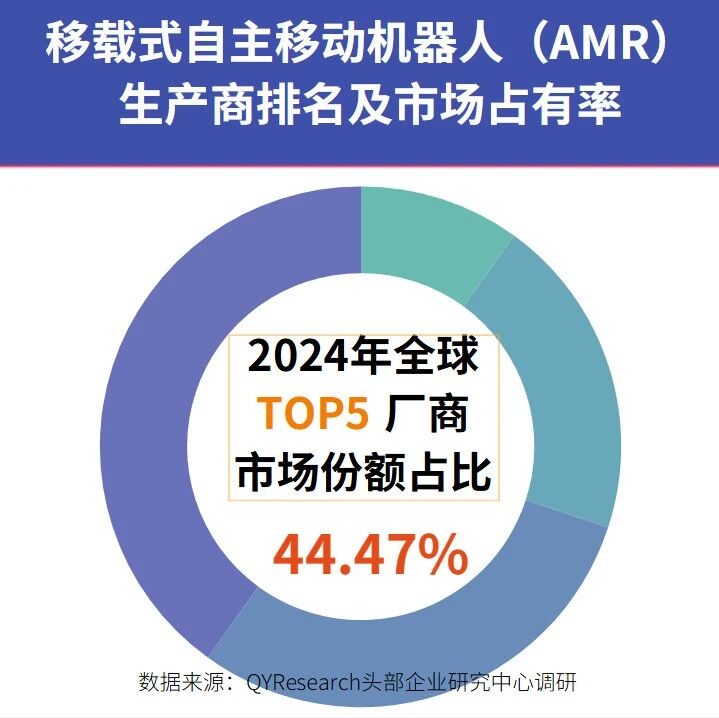
Core Viewpoint - The article discusses the growth and potential of the Autonomous Mobile Robot (AMR) market, highlighting its applications in various industries and the technological advancements driving its adoption. Market Overview - The global AMR market is projected to reach USD 3.958 billion by 2030, with a compound annual growth rate (CAGR) of 4.07% in the coming years [2][5]. - The dominant product type in the AMR market is the mobile robot, which accounts for approximately 47.9% of the market share [2][4]. Application Segments - Industrial manufacturing remains the largest downstream market for AMRs, expected to account for about 47.94% of market demand in 2024 [5][10]. Key Players - Major global AMR manufacturers include Hikvision Robotics, Geek+, Siasun, Youai Zhihui, and Mobile Industrial Robots, with the top five companies holding around 44.47% of the market share [6][20]. Technological Drivers - The demand for industrial automation is increasing due to the rise of Industry 4.0 and smart manufacturing, positioning AMRs as essential logistics equipment in smart factories [10]. - The maturity and widespread adoption of 5G technology enhance AMR capabilities, enabling real-time high-precision navigation and cloud-based collaborative scheduling [10][11]. Cost Efficiency - Advances in AMR technology and the domestic production of key components have significantly reduced hardware costs, making AMRs more competitive in terms of cost-effectiveness [11]. - For instance, JD Logistics has deployed over 10,000 AMRs, reducing the cost of using a single robot by more than 40% compared to traditional manual methods [11]. Flexibility and Collaboration - AMRs exhibit strong adaptability and flexibility, allowing for efficient operation in human-machine collaborative environments [12]. - The integration of 5G technology enables AMRs to perform multi-machine collaborative tasks, enhancing efficiency in warehousing and logistics operations [12]. Labor Market Challenges - The manufacturing sector faces a labor shortage, particularly in China, where the gap in manufacturing employment reached 22 million in 2023 [13]. - The adoption of AMRs can alleviate labor pressure by replacing repetitive manual tasks, with a return on investment (ROI) period shortened to 1-2 years [13]. Development Opportunities - The industrial logistics sector continues to be a primary battlefield for AMR applications, driven by the rapid growth of e-commerce and cold chain logistics [14]. - AMRs are increasingly utilized in sectors like automotive and semiconductor manufacturing, showcasing their potential to enhance production efficiency [14][15]. Emerging Applications - The scope of AMR applications is expanding with the upgrade of smart manufacturing, supporting flexible production lines and optimizing workflows [15][16]. Challenges to Development - AMRs face technical challenges related to stability, high-precision navigation, and obstacle avoidance in dynamic environments [17]. - The initial investment costs for AMRs can be high, posing a barrier for small and medium-sized enterprises [17]. - The lack of regulations and safety standards for AMRs may hinder their development and adoption [18]. Market Acceptance - The acceptance of new technologies and the education of enterprises regarding AMRs are crucial for their promotion and widespread adoption [18].
行业聚焦:全球长工作距离消色差物镜市场头部企业份额调研(附Top 10 厂商名单)
QYResearch· 2025-10-17 09:57
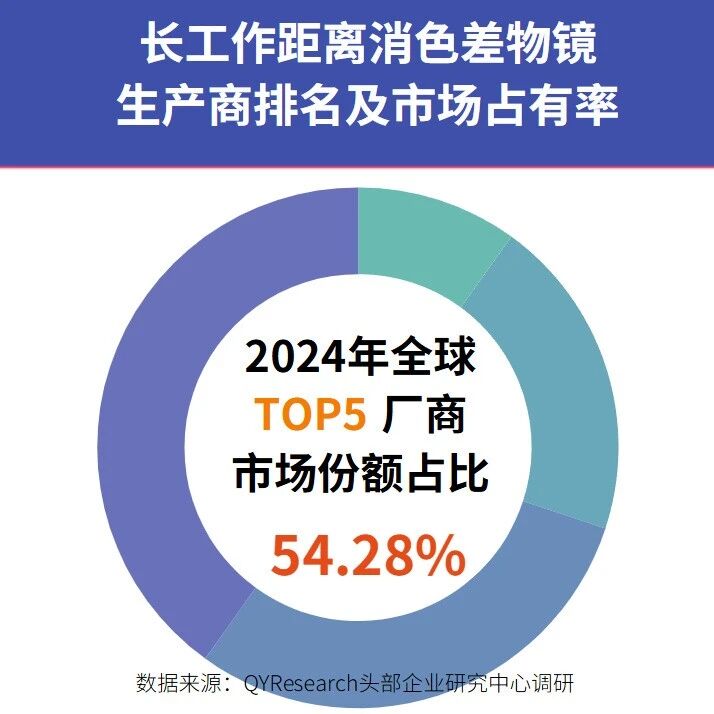
Core Insights - The long working distance achromatic objective lens is a specialized optical component designed to minimize chromatic aberration and spherical aberration while increasing the physical distance between the lens and the sample, making it suitable for complex applications such as semiconductor inspection and live cell observation in life sciences [2][12]. Market Overview - According to QYResearch, the global market for long working distance achromatic objective lenses is expected to reach $143.95 million by 2030, with a compound annual growth rate (CAGR) of 5.73% over the coming years [3][5]. - The 50x long working distance achromatic objective lens currently dominates the market, accounting for approximately 25.6% of the market share [5][9]. Application Segmentation - The semiconductor industry remains the largest downstream market for long working distance achromatic objective lenses, projected to account for about 28.6% of market demand in 2024 [9][12]. Competitive Landscape - Key manufacturers in the global long working distance achromatic objective lens market include Olympus, Leica Microsystems (Danaher), Zeiss, Suzhou Toto Technology Co., Ltd., and Nikon, with the top five companies holding approximately 54.28% of the market share [11][18]. Market Drivers - The demand for long working distance achromatic objective lenses is driven by advancements in life sciences research and live imaging, as well as the precision inspection needs of the semiconductor and electronics manufacturing industries [12][13]. - The integration of these lenses into machine vision systems for non-destructive testing and quality control in industrial automation is also contributing to market growth [13]. Challenges and Risks - The development and manufacturing of long working distance achromatic objective lenses face technical challenges, including the inherent contradictions in optical design that require significant R&D investment and advanced manufacturing processes [14][15]. - Market demand is highly dependent on capital expenditures in downstream high-end scientific instruments and semiconductor equipment, making it vulnerable to economic cycles and industry-specific downturns [15].
行业聚焦:全球非晶和纳米晶软磁材料市场头部企业份额调研(附Top 10 厂商名单)
QYResearch· 2025-10-16 02:18
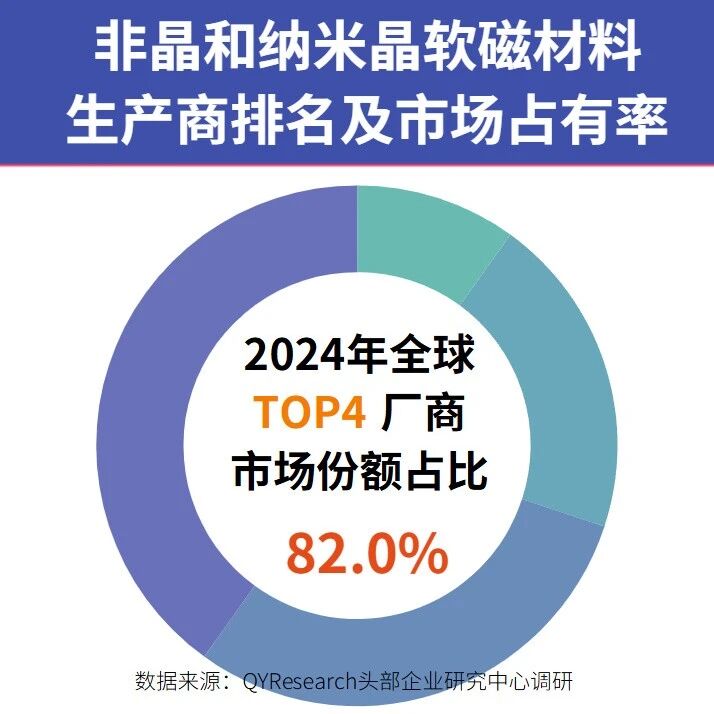
Core Viewpoint - The global market for amorphous and nanocrystalline soft magnetic materials is projected to reach $1.53 billion by 2031, with a compound annual growth rate (CAGR) of 8.9% in the coming years [2][3]. Market Overview - Amorphous soft magnetic materials are characterized by their disordered atomic structure, leading to low coercivity, high magnetic permeability, and low iron loss, making them suitable for applications in power electronic transformers, inductors, motors, and energy-saving devices [1]. - Nanocrystalline soft magnetic materials are produced through heat treatment of amorphous alloys, resulting in a composite structure that combines the benefits of both amorphous and crystalline materials, offering lower magnetic losses and superior frequency characteristics [1]. Market Size and Growth - The amorphous soft magnetic materials segment currently dominates the market, accounting for approximately 52.8% of the total market share, with an estimated market size of around $420 million in 2024 [11]. - The demand for high-performance, low-loss magnetic materials is increasing due to the rapid development of renewable energy generation, electric vehicles, charging infrastructure, and smart grids [11]. Key Drivers - The shift towards more efficient soft magnetic materials is driven by stricter global energy-saving standards and the trend towards green manufacturing, which encourages manufacturers of transformers, inductors, and motors to adopt higher efficiency materials [11]. - Technological advancements, such as precision alloy melting, rapid quenching of strips, and improvements in heat treatment processes, have significantly enhanced product performance and consistency while reducing production costs [11]. Major Players - The leading manufacturers in the global market for amorphous and nanocrystalline soft magnetic materials include Bomatec, Qingdao Yunlu, AnTai Technology, Jiangsu Guoneng, and VACUUMSCHMELZE, with the top four companies holding approximately 82.0% of the market share in 2024 [8].
行业聚焦:全球半导体底部填充胶市场头部企业份额调研(附Top 10 厂商名单)
QYResearch· 2025-10-16 02:18
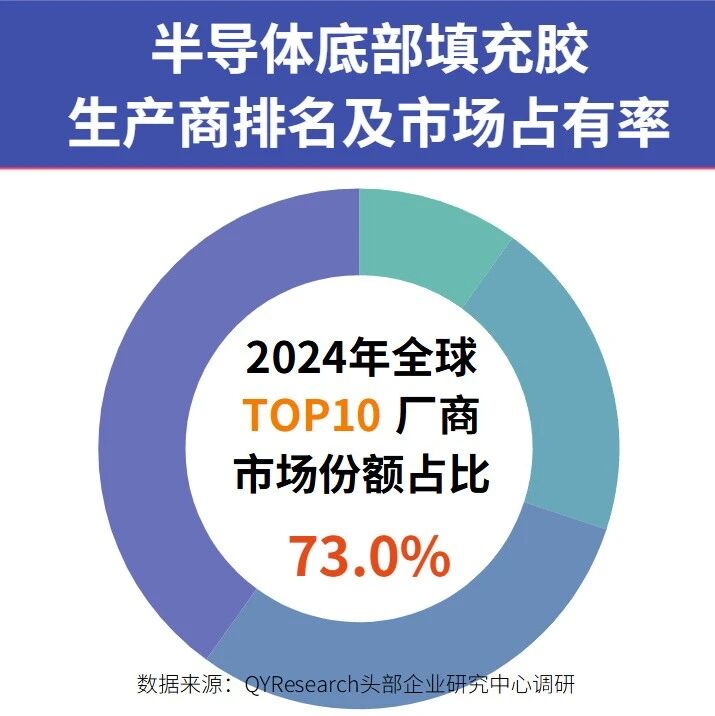
Core Viewpoint - The semiconductor underfill market is expected to grow significantly, driven by the increasing demand for high-performance and reliable chips in modern electronic products, with a projected market size of $1.44 billion by 2031 and a CAGR of 11.2% from 2025 to 2031 [2][13]. Market Overview - Semiconductor underfill is a material used in semiconductor packaging to fill the gaps between chips and substrates, enhancing mechanical strength, thermal conductivity, and thermal cycling stability [1]. - The demand for underfill materials is increasing due to the miniaturization of electronic devices and the need for advanced packaging technologies such as 3D packaging and system-in-package (SiP) [1]. Market Size and Growth - The global semiconductor underfill market is projected to reach $1.44 billion by 2031, with a compound annual growth rate (CAGR) of 11.2% [2]. - The wafer/panel-level underfill is the dominant product type, accounting for approximately 65.2% of the market share [10]. Key Players - Major manufacturers in the global semiconductor underfill market include NAMICS Corporation, Henkel, Panasonic, Resonac, Shin-Etsu Chemical, and others, with the top ten companies holding about 73.0% of the market share in 2024 [7]. Application Segmentation - Consumer electronics represent the largest demand source for underfill materials, holding approximately 46.6% of the market share [12]. Market Drivers - The growth of the semiconductor underfill market is primarily driven by the increasing demand for high-performance and reliable chips due to advancements in technologies such as 5G, artificial intelligence, and the Internet of Things (IoT) [13]. - The development of advanced packaging technologies, including 3D packaging and flip-chip packaging, further increases the demand for underfill materials [13]. Challenges and Risks - The production process of underfill materials is complex, requiring continuous innovation in material selection, formulation, and manufacturing processes to ensure high quality and stability [14]. - Fluctuations in raw material prices and global supply chain disruptions may impact market dynamics, especially in uncertain economic conditions [14]. Downstream Demand Trends - The demand for semiconductor underfill materials is growing in various sectors, including consumer electronics, communication devices, and automotive electronics, driven by the increasing need for miniaturized and high-performance chips [15]. - The automotive electronics sector is particularly influenced by the rapid development of autonomous driving technologies, which significantly boosts the demand for high-performance semiconductors [15].
全球及中国热管理集成模块行业研究及十五五规划分析报告
QYResearch· 2025-10-16 02:18
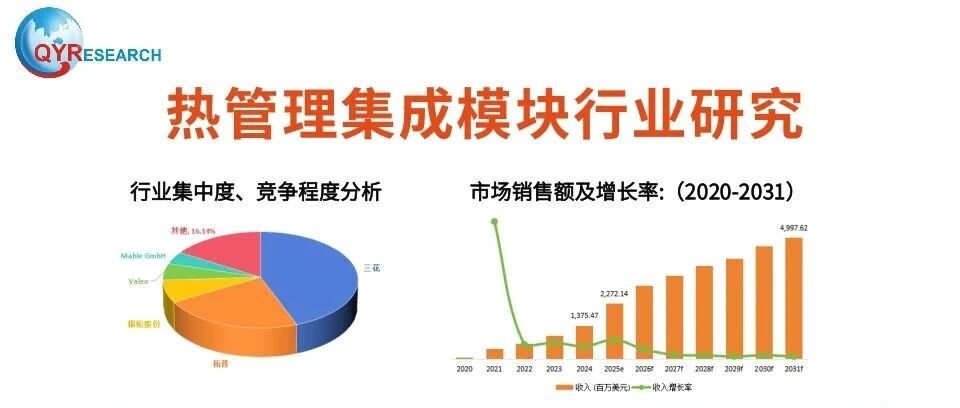
Group 1 - The core viewpoint of the article emphasizes the increasing importance of thermal management systems in electric vehicles, particularly in enhancing range, safety, and passenger comfort [2][4] - The thermal management integrated module combines various components like condensers and electronic expansion valves to optimize space and reduce costs, addressing the growing demand for efficient energy management in electric vehicles [2][6] Group 2 - The global market for thermal management integrated modules was valued at approximately 72.81 million USD in 2020 and is projected to reach 1,375.47 million USD by 2024, reflecting a compound annual growth rate (CAGR) of 108.48% from 2020 to 2025 [6] - By 2031, the global market size is expected to reach 4,997.62 million USD, with a CAGR of 14.04% from 2025 to 2031, indicating strong growth potential [6] - China is anticipated to hold a significant market share of 59.83% in 2024, with a projected CAGR of 14.53% in the following six years [6] Group 3 - The industry is characterized by rapid technological iteration, with significant advancements occurring almost annually, driven by the urgent need for improved vehicle range and efficiency [10] - The shift from traditional fuel vehicles to electric vehicles necessitates a transition from independent thermal management systems to integrated solutions, enhancing efficiency and reducing component count [4][12] - The competitive landscape is evolving, with both established players and new entrants vying for market share, leading to a more complex and dynamic market environment [9][12] Group 4 - Favorable factors for the industry include the continuous growth of the electric vehicle market, which drives demand for thermal management modules as essential components for battery safety and range optimization [14] - Technological innovations are facilitating the transition to integrated designs, reducing system complexity and costs while expanding application scenarios across various vehicle types [14] - Increased capital and capacity investments are propelling rapid industry growth, with a focus on local production to lower procurement costs [14] Group 5 - Challenges include the complexity of supply chains and the difficulty of integrating various components, which can impact the reliability of thermal management modules [15] - Cost pressures from automakers and the potential for overcapacity in the market may lead to price competition and quality inconsistencies [15] - The lack of standardized solutions in the industry hampers the ability to achieve economies of scale, increasing development and production costs for suppliers [15]
行业聚焦:全球洗涤产品市场头部企业份额调研(附Top 10 厂商名单)
QYResearch· 2025-10-16 02:18
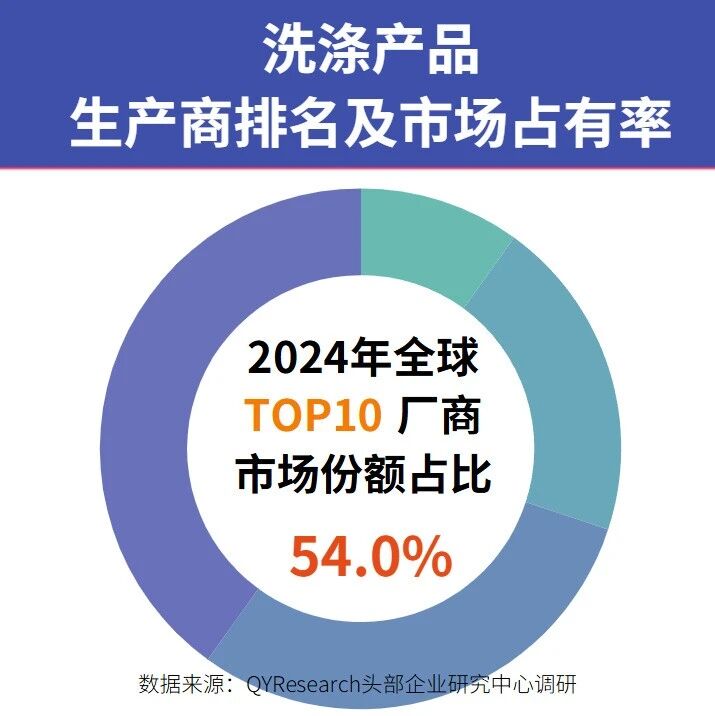
Core Insights - The global laundry products market is projected to reach a volume of 33,845.5 thousand tons in 2024, with an average price of $2.26 per kilogram [1] - The market is expected to grow at a compound annual growth rate (CAGR) of 2.5%, reaching a size of $89.44 billion by 2031 [1] Market Overview - The main drivers of the laundry products market include increased consumer awareness of hygiene, convenience, and garment care, along with rising disposable incomes and accelerated urbanization [1] - The demand for premium detergents, eco-friendly formulations, and innovative product forms (such as laundry pods, liquid detergents, and concentrated powders) is on the rise [1] Market Segmentation - Detergents currently dominate the market, accounting for approximately 69.0% of the total market share [9] - Home use is the primary application segment, representing about 60.3% of the demand [12] Key Players - Major manufacturers in the global laundry products market include P&G, Unilever, Henkel, Kao, Liby, Nice Group, Church & Dwight, Blue Moon, Colgate, and Clorox [7] - The top ten manufacturers hold around 54.0% of the market share in 2024 [7] Driving Factors - Urbanization and the expansion of the middle class in emerging economies are driving demand for modern household products, including laundry detergents [15] - The increasing penetration of washing machines, particularly in developing countries, is a significant factor driving the need for compatible detergents [15] - Modern consumers prefer convenient and premium detergents, with liquid detergents and pods gaining popularity over traditional powders [16]
行业聚焦:全球汽车印刷油墨市场头部企业份额调研(附Top 5 厂商名单)
QYResearch· 2025-10-15 02:20
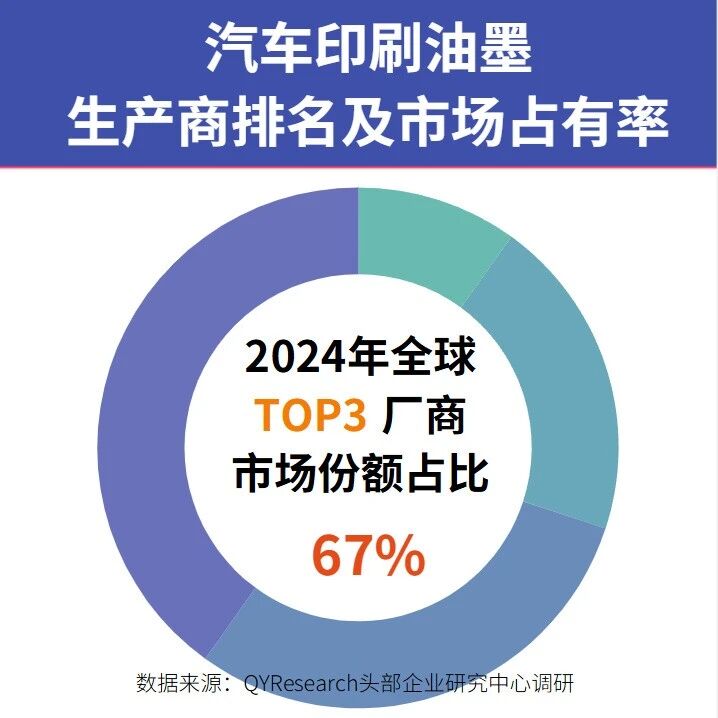
Core Insights - The automotive printing ink market is experiencing stable growth driven by the upgrading of the automotive industry and changing consumer demands, with a projected market size of $692 million by 2030 and a CAGR of 6.2% [4][5]. Market Overview - Automotive printing inks are specialized inks used for marking, decorating, and protecting automotive components, featuring strong weather resistance, high adhesion, excellent abrasion resistance, and chemical resistance [1]. - The market is primarily driven by the trends of electrification, intelligence, and lightweighting in the automotive sector, leading to increased demand for high-performance inks, particularly in terms of weather resistance, adhesion, and environmental performance [2][3]. Key Drivers - The aesthetic upgrade and personalization trends in automotive interior and exterior design are the primary drivers, with modern vehicles treating interiors as a "third living space," necessitating inks that can adhere to complex surfaces and provide diverse visual effects [2]. - The shift towards lightweight materials such as engineering plastics and carbon fiber composites is pushing ink technology innovation, as these new materials present challenges for ink adhesion [3]. - The integration of functional requirements beyond decoration, such as conductivity and durability, is becoming a significant growth engine for automotive inks [3]. Environmental Regulations - Global environmental regulations are increasingly stringent, pushing the ink industry to transition from traditional solvent-based inks to more eco-friendly options like water-based and UV-cured inks [4]. Competitive Landscape - The automotive printing ink market is characterized by a few leading international companies dominating the high-end market, while regional players focus on cost-effective specialized inks [10][12]. - Emerging innovative companies are focusing on 3D printing inks and environmentally friendly solvent inks, aligning with trends in electric vehicles and in-car displays [11]. Industry Chain - The industry chain is divided into upstream (raw materials), midstream (ink formulation and production), and downstream (application and integration in automotive manufacturing) [6][7][8][9]. - Upstream suppliers provide essential chemical raw materials, while midstream focuses on developing formulations that meet stringent automotive standards, and downstream involves the application of inks in various automotive components [6][7][8][9].
行业聚焦:全球巧克力加工设备市场头部企业份额调研(附Top 10 厂商名单)
QYResearch· 2025-10-15 02:20
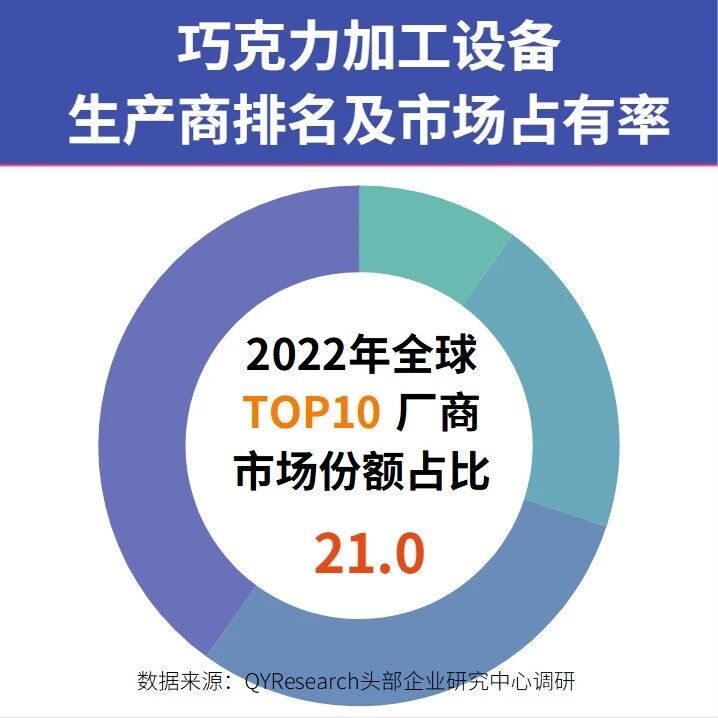
巧克力加工设备是指用于巧克力生产(从生可可豆到成品)的专用机械。这些设备涵盖烘焙、风选、研磨、精炼、调温、成型和包衣等关键工序,每个工 序都旨在改善质地、提升风味,并达到巧克力所需的品质。设备包括烘焙机、精炼机、精炼机、调温装置、冷却隧道和包装系统等机器,可实现高效、大 规模和卫生的生产。总而言之,巧克力加工设备对于将原材料转化为面向商业和手工市场的高品质巧克力产品至关重要。 据 QYResearch 调研团队最新报告"全球巧克力加工设备市场报告 2024-2030 "显示,预计 2030 年全球巧克力加工设备市场规模将达到 16.3 亿美元,未来 几年年复合增长率 CAGR 为 5.8% 。 巧克力加工设备 ,全球市场总体规模 全球 巧克力加工设备 市场前 21 强生产商排名及市场占有率 根据 QYResearch 头部企业研究中心调研,全球范围内巧克力加工设备生产商主要包括 Buhler Group 、 Aasted 、 Royal Duyvis Wiener (PROBAT) 、 Selmi Group 、 Sollich 、 WDS 、 Sacmi 、 Hacos 、 NETZSCH Grinding ...