QYResearch

Search documents
行业聚焦:全球平板式砂磨机市场头部企业份额调研(附Top10 厂商名单)
QYResearch· 2025-09-28 04:23
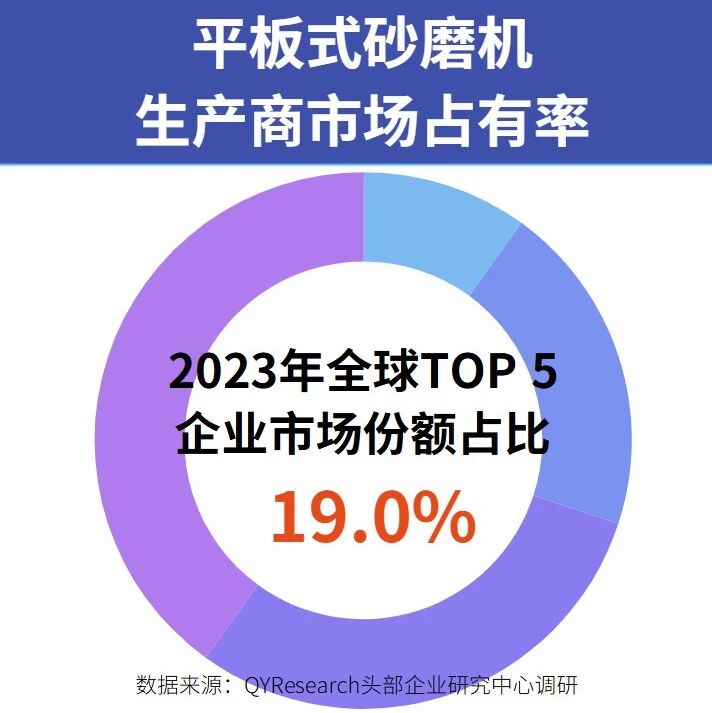
Core Insights - The global market for flat sanders is projected to reach $530 million by 2030, with a compound annual growth rate (CAGR) of 7.8% in the coming years [1]. Market Overview - The flat sander market is primarily driven by electric sanders, which hold approximately 60.6% of the market share [6]. - Online sales dominate the sales channels, accounting for 74.4% of the market [6]. Key Players - Major manufacturers in the global flat sander market include Bosch, Stanley, Makita, Dewalt, and Mirka, with the top five companies holding about 19.0% of the market share in 2023 [6][12][14]. Industry Trends - The flat sander industry benefits from national policies promoting high-quality manufacturing and industrial upgrades, including tax incentives and special funding [9]. - The industry is moving towards smart technology (integrating IoT and remote monitoring), automation (reducing labor costs), and green initiatives (energy-saving designs and pollution reduction) [9]. Challenges - The industry faces challenges such as intense homogenization competition, ongoing pressure for technological innovation, and technical bottlenecks related to grinding media optimization and cooling system efficiency [9]. - Barriers to entry include the need for technological research and development, significant capital investment for high-end equipment manufacturing, brand reputation, and compliance with stringent environmental and technical standards [9].

行业聚焦:全球摩托车蓝牙通讯设备市场头部企业份额调研(附Top10 厂商名单)
QYResearch· 2025-09-28 04:23
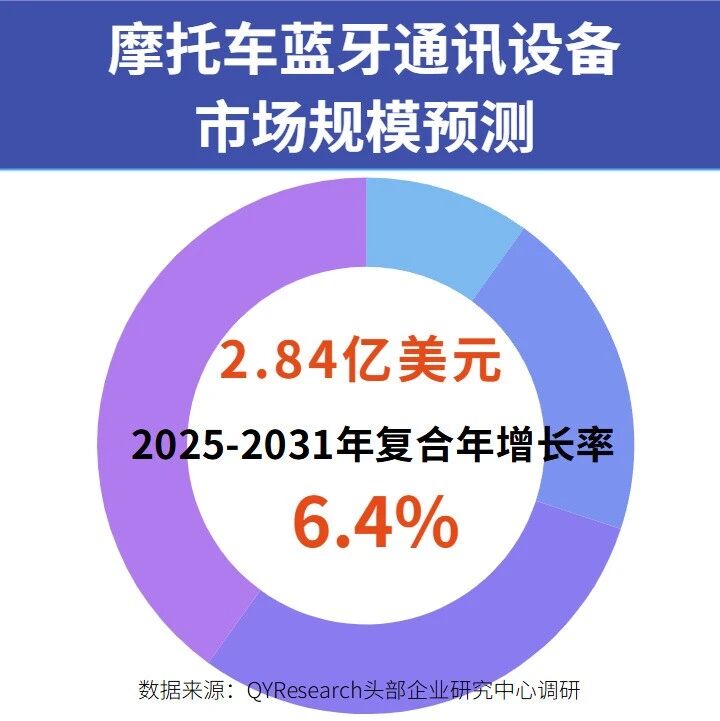
摩托车蓝牙通讯设备 全球市场总体规模 摩托车蓝牙通讯设备是一种电子系统,旨在实现摩托车驾驶员之间以及驾驶员与智能手机、 GPS 或音乐播放器等外部设备之间的无线通 信。这些设备通常安装在头盔上或集成到头盔中,以便在骑行时实现免提操作。它们通过蓝牙连接实现与其他驾驶员的对讲、电话通话、逐 向导航音频以及流媒体音乐或广播等功能。许多现代设备都集成了降噪、语音激活、远距离对讲以及兼容多人骑行等高级功能。摩托车蓝牙 通讯设备兼具安全性、便利性和连接性,可增强态势感知能力,减少干扰,并提升整体骑行体验,使其成为休闲和专业骑行者的必备配件。 摩托车蓝牙通讯设备 产品图片 目前,摩托车蓝牙通信设备市场正经历强劲增长,这得益于休闲骑手和专业摩托车手不断增长的需求,他们重视道路安全、便利和连接性。 这些设备通常集成在头盔中或作为配件安装,使骑手可以与乘客或其他骑手通信、拨打免提电话、播放音乐和访问 GPS 导航,同时最大限 度地减少干扰。目前,市场由知名品牌主导,它们提供具有降噪、长电池寿命、防水和多骑手对讲功能等功能的产品。 QYResearch 调研显示, 2024 年全球摩托车蓝牙通讯设备市场规模为 1.83 亿美元,预 ...
行业聚焦:全球耐辐射LED灯市场头部企业份额调研(附Top10 厂商名单)
QYResearch· 2025-09-28 04:23
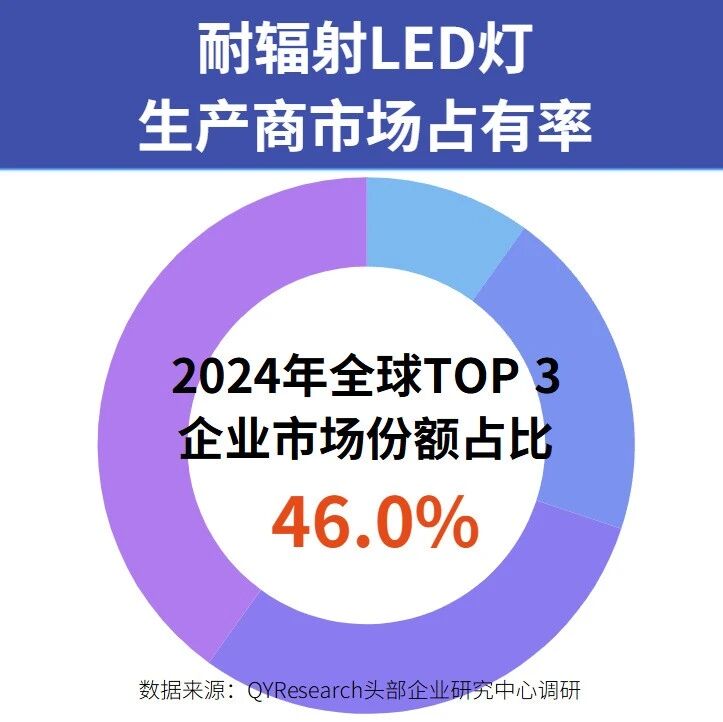
耐辐射 L ED 灯市场概述 耐辐射 LED 灯是一种特殊类型的照明设备,旨在承受高辐射环境且性能不会显著下降。在核电站、太空探索和某些医疗应用等环境中,普 通 LED 灯可能会受到辐射损坏,导致亮度降低、颜色偏移甚至完全失效。耐辐射 LED 灯采用先进的材料和制造技术,包括抗辐射半导体材 料、保护涂层和坚固的封装方法。即使暴露于电离辐射,它们也能保持稳定的照度水平、准确的显色性和较长的使用寿命。这使得它们成为 即使在恶劣辐射条件下也需要一致高质量照明的关键场合中可靠的照明解决方案。 据 QYResearch 调研团队最新报告"全球耐辐射 LED 灯市场报告 2024-2030 "显示,预计 2030 年全球耐辐射 LED 灯市场规模将达到 381.7 万 美元,未来几年年复合增长率 CAGR 为 6.0% 。 耐辐射 LED 灯 ,全球市场总体规模 全球 耐辐射 LED 灯 市场前 8 强生产商排名及市场占有率(基于 2 024 年调研数据;目前最新数据以本公司最新调研数据为准) 全球耐辐射 LED 灯市场前 8 强生产商排名及市场份额 | | | | 1 | BIRNS | | --- | --- | | ...
QYResearch天津研究中心正式成立,聚焦泛半导体产业链研究
QYResearch· 2025-09-27 00:02
Core Viewpoint - QYResearch has officially opened its Tianjin Research Center, marking a significant strategic expansion in the Chinese market, focusing on the semiconductor industry chain and enhancing its professional advantages in high-tech research [3][7]. Group 1: Global Layout - Since its establishment in 2007, QYResearch has developed a global research network with over 30 offices across major countries, including the USA, Japan, Germany, and India, providing services in multiple languages [4]. - The company has adopted a steady expansion strategy in China, establishing offices in various cities, including Guangzhou, Chengdu, and Nanning, to enhance regional coverage [4]. Group 2: Specialized Research - QYResearch specializes in detailed market research across various sectors, having provided services to over 70,000 leading enterprises globally by 2025 [5]. - The company offers a range of services, including market research reports, feasibility studies, and IPO consulting, across industries such as electronics, chemicals, energy, and healthcare [5][6]. Group 3: Tianjin Center Focus - The Tianjin Research Center will concentrate on various segments of the semiconductor industry chain, including equipment, components, materials, design, manufacturing, and testing [7]. - Tianjin is recognized as a key economic center in Northern China with a complete semiconductor industry ecosystem, making it an ideal location for QYResearch's new center [7][8]. Group 4: Future Outlook - QYResearch anticipates significant growth in the global semiconductor market, projected to reach $856 billion by 2030, providing ample opportunities for research and consulting services [11]. - The company aims to enhance its research capabilities and service quality, continuing to focus on detailed market analysis and client-centric strategies [12].

中国电动汽车充电插座市场现状研究分析与发展前景预测报告
QYResearch· 2025-09-26 04:21
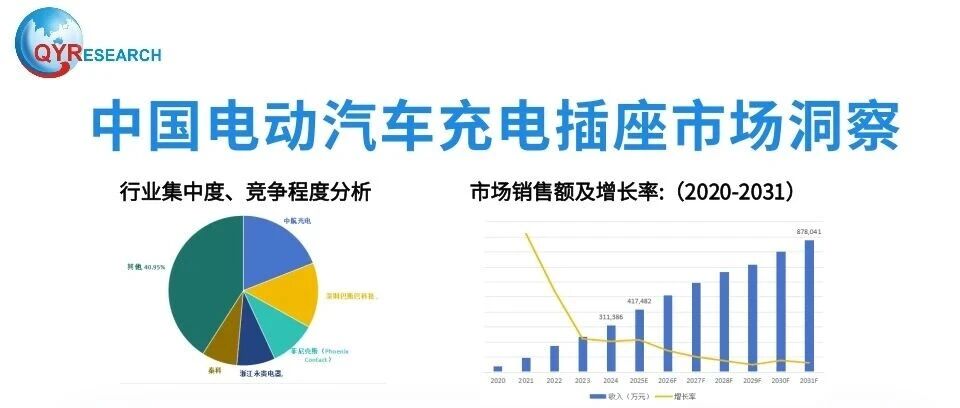
电动汽车充电插座,也称为充电接口,是电动汽车( EV )与充电设备之间进行电能传输的关键组件。随着电动汽车市场的增长和技术的发展, 充电插座的标准和类型也在不断演进。 中国电动汽车广泛采用国家标准 GB/T 20234 。按产品类型划分,充电插座市场主要包括交流充电插座、直流充电插座以及交直流一体式插座三大类。 2024 年,直流充电插座占据最大的收入份额,在中国市场占比达到 46% 。一般国产电动汽车会同时安装交流充电插座和直流充电插座。此外,交直流一体式插 座作为适应多场景充电需求的解决方案,正在逐步获得市场关注,未来有望实现更大规模的应用。 从应用领域来看,纯电动汽车仍是充电插座的核心市场。与混合动力汽车相比,纯电动汽车在日常运营中完全依赖电力补能,对充电插座的性能、安全性、 耐久性及兼容性提出了更高要求。 2024 年,纯电动汽车占据中国充电插座市场 65% 的收入份额,显示出该细分市场的主导地位。 在行业竞争格局方面,中国充电插座市场已经形成了一批具有核心技术实力和系统集成能力的领先企业。中航光电、深圳巴斯巴科技、菲尼克斯( Phoenix Contact )、浙江永贵电器、泰科( TE Conne ...
行业聚焦:全球琥珀酸呋罗曲坦片市场头部企业份额调研(附Top10 厂商名单)
QYResearch· 2025-09-26 04:21
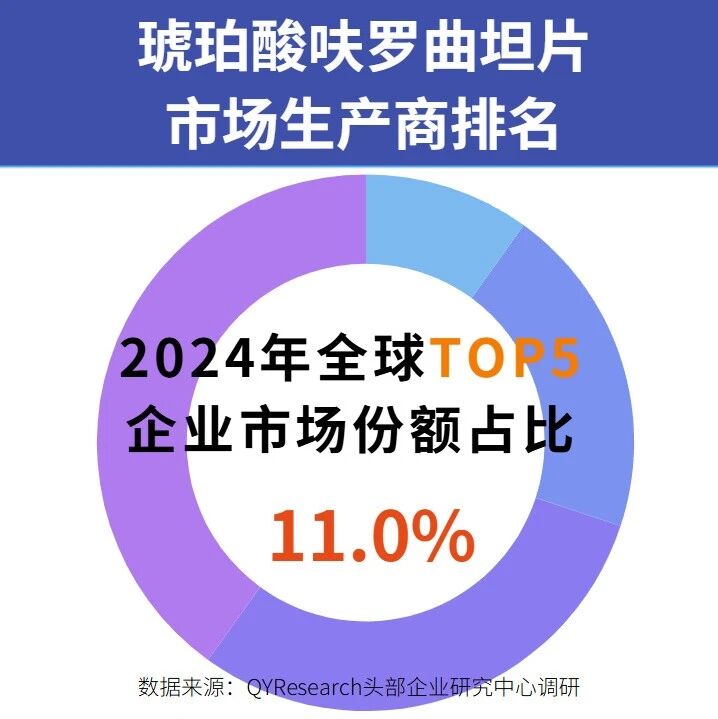
Core Insights - The core viewpoint of the article emphasizes the growth potential of the global market for Succinic Acid Furoate Tablets, which is projected to increase from $31.15 million in 2024 to $38.43 million by 2031, reflecting a CAGR of 3.47% from 2024 to 2031 [1]. Market Overview - The global market for Succinic Acid Furoate Tablets is characterized by a dual structure of original research drugs and generics, with a mature segment in the triptan class of migraine treatments [1]. - In developed regions like the US and Europe, the product maintains stable demand due to guideline recommendations and extensive insurance coverage [1]. - In the Asia-Pacific region, particularly in China and India, the entry of local generic manufacturers is driving rapid market penetration, significantly enhancing drug affordability and accessibility [1]. - Overall market competition is primarily driven by pricing strategies and channel expansion [1]. Production and Quality Control - The production process for Succinic Acid Furoate Tablets requires high standards, utilizing excipients such as lactose monohydrate, microcrystalline cellulose, colloidal silicon dioxide, sodium carboxymethyl starch, magnesium stearate, and specialized film coating premixes [2]. - These excipients play a crucial role in stability, bioavailability, and patient compliance, highlighting the importance of quality control and CGMP compliance [2]. - Major manufacturers include Endo Pharmaceuticals, Menarini, Ingenus Pharmaceutical, and Glenmark, which rely on advanced production facilities and strict quality management systems to ensure stable supply and compliance with global regulatory standards [2]. Market Dynamics - Epidemiological data indicates that the global prevalence of migraines is still rising, with increasing diagnosis and treatment rates in emerging markets [2]. - The introduction and application of new therapies such as CGRP monoclonal antibodies and oral CGRP antagonists pose a substitution pressure on traditional triptan drugs [2]. - In mature markets, the market share of Succinic Acid Furoate Tablets may gradually decline, but they are expected to maintain a solid position in regions with limited insurance coverage and price sensitivity [2]. Competitive Landscape - The top 11 manufacturers in the global Succinic Acid Furoate Tablets market and their market shares are based on 2024 survey data, with the leading companies including Endo International, Menarini, Ingenus Pharmaceuticals, and Glenmark [3]. - In 2024, the top five manufacturers are expected to hold approximately 11.0% of the market share [5].
行业聚焦:全球脊柱手术机器人市场头部企业份额调研(附Top10 厂商名单)
QYResearch· 2025-09-26 04:21
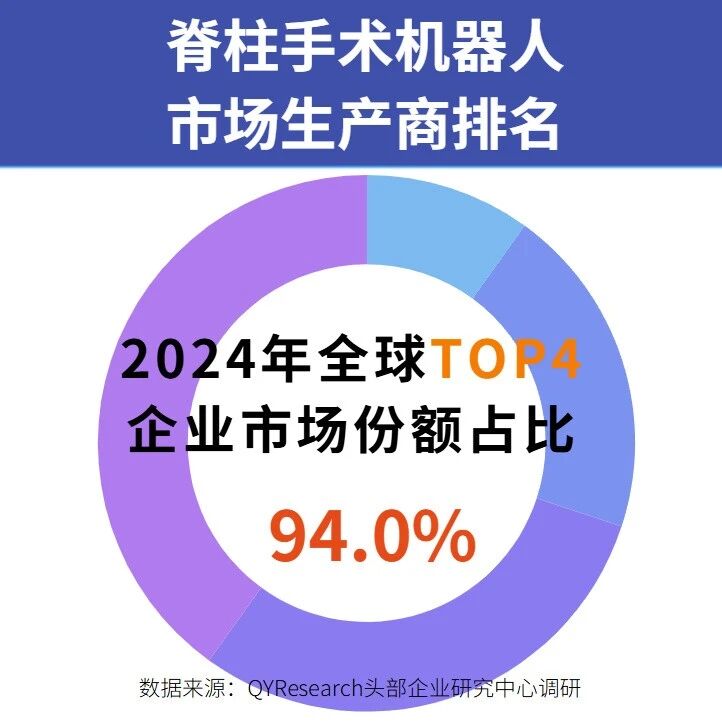
Core Insights - The article discusses the advancements and market potential of spinal surgery robots, highlighting their role in enhancing surgical precision and safety through integrated technologies [1][16]. Market Overview - The global spinal surgery robot market is projected to reach $900 million by 2031, with a compound annual growth rate (CAGR) of 19.6% in the coming years [1]. - The leading manufacturers in the spinal surgery robot market include Medtronic, Globus Medical, Zimmer Biomet, Tianzhihang, and Brainlab, with the top four companies holding approximately 94.0% of the market share in 2024 [5]. Product Segmentation - Guided surgical robots dominate the market, accounting for about 99.0% of the total market share [8]. - Minimally invasive surgery is the largest application segment, representing approximately 80.7% of the demand [10]. Market Drivers - Key drivers for the spinal surgery robot market include technological innovation, increasing clinical demand, and the ongoing digital transformation in the healthcare sector [16]. - The aging global population and the rise in spinal degenerative diseases are contributing to the growing need for precise and minimally invasive surgical solutions [16]. Challenges - The market faces challenges such as high equipment procurement and maintenance costs, which create economic pressure on smaller hospitals [17]. - There is a need for extensive training and integration with existing imaging and navigation systems, which can hinder adoption in underdeveloped regions [17]. Future Trends - The spinal surgery robot industry is expected to accelerate towards greater intelligence, integration, and minimally invasive techniques [18]. - Future robots will likely incorporate advanced technologies such as AI, big data, and machine vision for improved decision-making and surgical planning [18].




行业聚焦:全球空心电瓷绝缘子市场头部企业份额调研(附Top10 厂商名单)
QYResearch· 2025-09-26 04:21
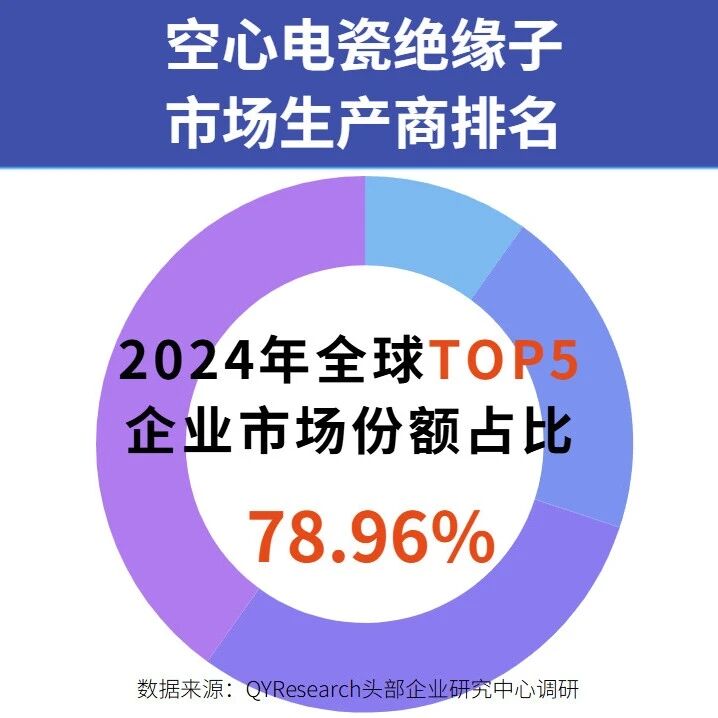
Core Insights - The hollow porcelain insulator is a crucial component in power systems, primarily used for supporting and insulating wires to prevent electrical leakage and faults. Its hollow design reduces weight and material costs while enhancing mechanical stability and heat dissipation [1][4][11]. Market Overview - The global market for hollow porcelain insulators is projected to reach USD 735.18 million by 2030, with a compound annual growth rate (CAGR) of 9.01% in the coming years [1][2]. - High voltage and extra high voltage hollow porcelain insulators dominate the market, accounting for approximately 65.03% of the market share [4][10]. - The power generation sector is the largest downstream market, expected to contribute around 46.37% of the demand in 2024 [6][11]. Market Drivers - Industrialization and urbanization in emerging economies like China, India, and Southeast Asia are driving demand for hollow porcelain insulators as new infrastructure projects require robust power grids [11]. - The global energy transition towards renewable sources is increasing the need for high-end hollow porcelain insulators, especially for long-distance transmission of electricity from remote renewable energy sites [11]. - Modernization of the European power grid, which is aging and requires upgrades to accommodate renewable energy integration, presents significant opportunities for manufacturers of high-quality hollow porcelain insulators [11]. Technological Trends - The shift towards smart grids necessitates insulators with superior electrical and mechanical properties, potentially integrating sensors for real-time monitoring, creating new high-value growth opportunities in the industry [12]. Competitive Landscape - Major manufacturers in the hollow porcelain insulator market include NGK Insulators, Liling Huaxin Electric Porcelain Technology Co., Modern Insulators, and PPC Insulators Austria, with the top five companies holding approximately 78.96% of the market share [10][15]. Challenges - The industry faces challenges related to technological innovation, requiring significant investment in R&D for higher voltage ratings and improved mechanical performance, which carries risks of failure due to long development cycles [13]. - Product quality and brand reputation are critical, as any failure in insulator performance can lead to severe consequences for power grid stability, necessitating a "zero tolerance" approach to quality defects [13]. - The market is sensitive to macroeconomic conditions and policy changes, with demand closely tied to national power investment levels, making it essential for companies to stay attuned to policy shifts [14].
行业聚焦:全球干眼护目镜市场头部企业份额调研(附Top10 厂商名单)
QYResearch· 2025-09-25 03:50
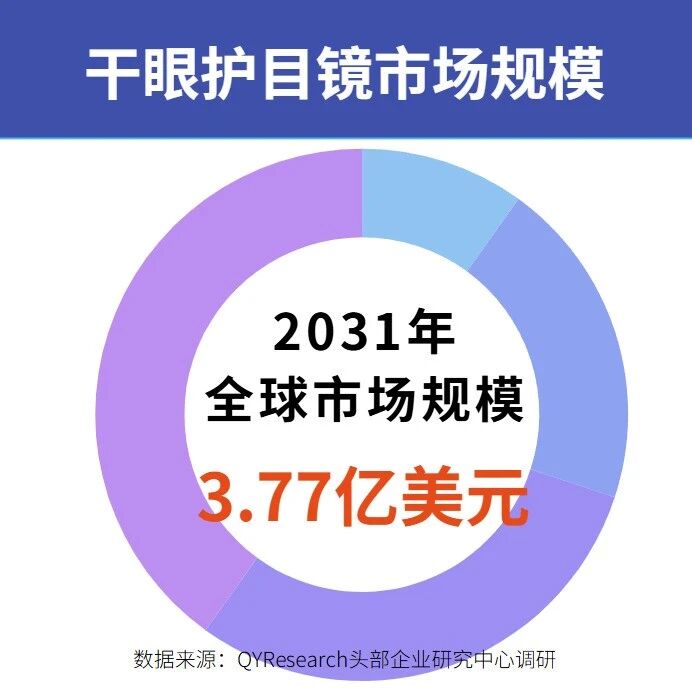
干眼护目镜 概述 干眼护目镜是一种专为缓解干眼症症状设计的智能眼部防护设备,集成滤光、保湿、屏障三大核心功能。其通过光学镜片设计均匀分布泪液,结合温热功能促 进睑板腺脂质分泌,形成稳定泪膜;部分高端产品还搭载微型加湿模块或智能传感系统,可实时监测眼表湿度并调节环境温湿度。 根据 QYResearch 最新调研报告显示,预计 2031 年全球 干眼护目镜 市场规模将达到 3.77 亿美元,未来几年年复合增长率 CAGR 为 7.82% 。 干眼护目镜 ,全球市场总体规模 | | 政策 | 描述 | | --- | --- | --- | | 1 | GB 《眼面防护具通用技术规范》( 14866-2023 ) | 规定了眼面部防护产品的分类、一般要求、几何光学性能要求、物理光学性能要求、机械性能要求、标识、制 造商应提供的信息等。 | | 2 | 《医疗器械分类目录》 | 干眼护目镜被归入医疗器械类别,国家食品药品监督管理局( NMPA )对其实施严格的审批流程,以确保产品 | | | | 符合国家标准,这有助于规范干眼护目镜的生产、销售和使用。 | | 3 | 《关于促进健康服务业发展的若干 | 国务院发布的 ...
行业聚焦:全球二氧化碳培养箱市场头部企业份额调研(附Top10 厂商名单)
QYResearch· 2025-09-25 03:50
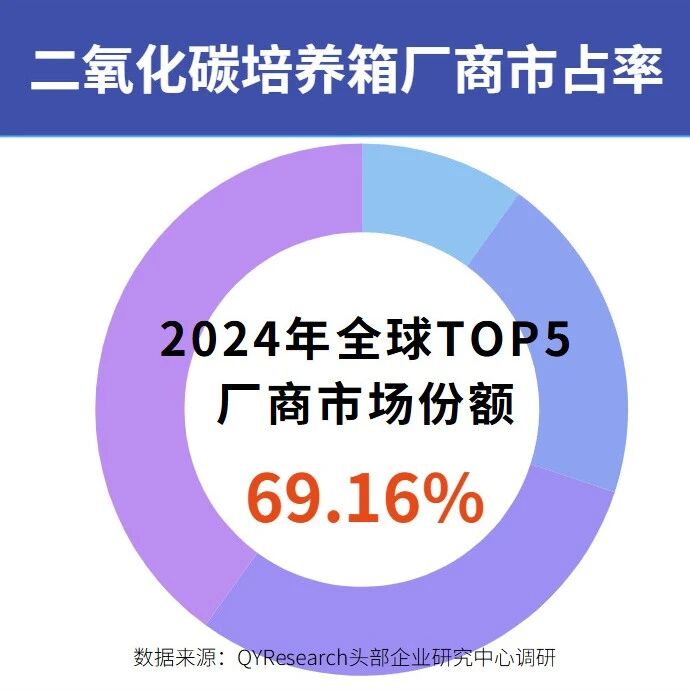
Core Viewpoint - The article discusses the CO2 incubator market, highlighting its growth potential, key players, and market dynamics, with a projected compound annual growth rate (CAGR) of 6.7% from 2025 to 2031, increasing the market size from $631.17 million to $932.19 million [5][8]. Group 1: Product Overview - CO2 incubators are designed to simulate natural cell environments with a relative humidity of about 95%, a temperature of 37°C, and a pH range of 7.2 to 7.5, commonly used in biological laboratories for cell culture [2]. Group 2: Production and Consumption - The CO2 incubator industry is highly concentrated, primarily located in the US, Europe, and China, with major companies like Thermo Fisher Scientific and Eppendorf leading the market [3]. - The industry is maturing, with a stable consumption growth rate expected [3]. Group 3: Marketing Channels - Different companies have unique marketing strategies; leading international firms often establish their own sales departments, while others rely on distributors [4]. - Chinese companies tend to focus on price advantages but may lack the quality and brand influence of leading firms [4]. Group 4: Pricing Dynamics - The market is influenced by both price and product performance, with leading companies capturing a significant share of the high-end market due to superior product quality and service [4]. - Prices are expected to rise slowly in the coming years, with increasing competition narrowing the price gap between brands [4]. Group 5: Market Outlook - The demand for CO2 incubators is anticipated to grow, particularly in developing regions with rapid economic growth [5]. - The global market size is projected to reach $932.19 million by 2031, with a CAGR of 6.7% from 2025 to 2031 [5]. Group 6: Market Share and Key Players - The top five manufacturers in the CO2 incubator market hold approximately 69.16% of the market share, with major players including Thermo Scientific, Eppendorf, and Panasonic Healthcare [8]. - The most significant product segment is the 100L to 200L range, expected to account for about 63.2% of the market share by 2025 [10]. Group 7: Application Segmentation - Biotechnology is identified as the largest downstream market for CO2 incubators, projected to hold a 47.2% share by 2025 [12].