中关村储能产业技术联盟

Search documents
官方德国展团首次亮相ESIE 2026储能展
中关村储能产业技术联盟· 2025-12-12 09:14
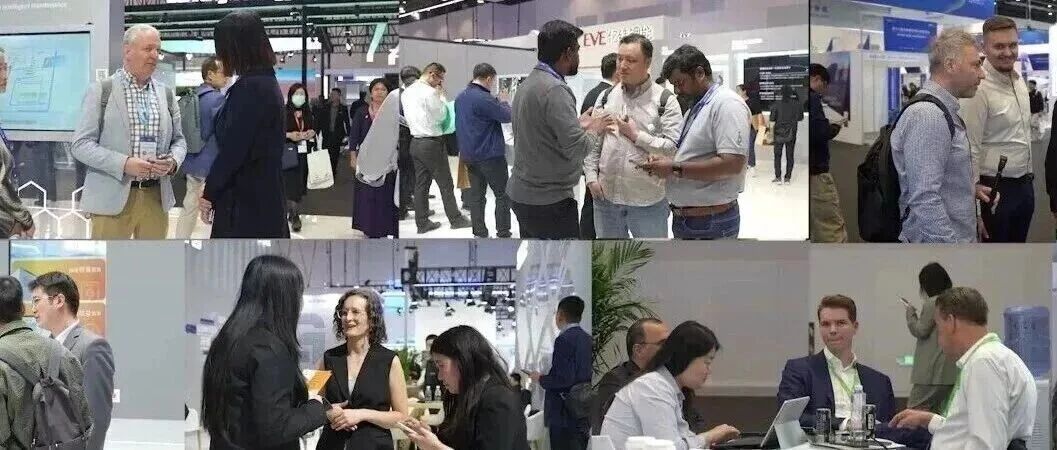
Group 1 - The core viewpoint of the article emphasizes the deepening cooperation between German and Chinese enterprises in the energy storage sector, marked by the collaboration of the 14th Energy Storage International Summit and Exhibition (ESIE 2026) with the German Chamber of Commerce in Greater China (AHK) [1][2] - The establishment of the "German Exhibition Group" at ESIE 2026 signifies a milestone in the bilateral cooperation of the energy storage industry, showcasing Germany's strategic engagement in China's vibrant energy storage market [2][4] Group 2 - The German Exhibition Group will present a comprehensive cooperation plan designed around the dialogue needs of German and Chinese enterprises, including technology showcases, professional discussions, and industry dialogues [4][5][6] - Over ten leading German companies will display mature products and system solutions related to energy storage systems, integration solutions, key components, operation, and safety at the exhibition [4] - The event will feature technical sharing and compliance policy sessions from a German perspective, providing authoritative references for enterprises assessing product compatibility and market entry conditions [5] Group 3 - The article highlights the increasing importance of energy storage in Germany, with renewable energy expected to account for 55% of the energy mix by 2024, and a significant year-on-year growth of 159% in large-scale energy storage [8] - Chinese companies like CATL, Huaneng, and JinkoSolar have already secured major contracts in the German energy storage market, demonstrating the global competitiveness of Chinese energy storage technology [8] Group 4 - ESIE has become a crucial platform for global energy storage technology, projects, policies, and capital, attracting buyers from over 50 countries and various international organizations [9] - The event will facilitate international business matchmaking and discussions, enhancing cross-border cooperation opportunities in the energy storage sector [9][13]

2025年终观察|陈海生:我国新型储能装机破亿,如何从“规模化”迈向“高质量”?
中关村储能产业技术联盟· 2025-12-12 02:58
Core Viewpoint - The new energy storage market in China is experiencing significant growth driven by increasing demand, technological advancements, and strong policy support [3][5]. Group 1: Market Demand and Growth - The installed capacity of new energy storage in China has exceeded 100 million kilowatts, which is over 30 times that at the end of the 13th Five-Year Plan [2]. - The demand for energy storage is expected to continue increasing as the installed capacity of renewable energy sources like wind and solar power rises [5]. - By 2027, the new energy storage installed capacity is projected to reach over 180 million kilowatts, with direct investment in projects estimated at around 250 billion yuan [5]. Group 2: Technological Advancements - Significant breakthroughs in energy storage technology have occurred over the past five years, particularly in lithium-ion battery technology, leading to improved performance and reduced costs [3]. - The commercialization of alternative technologies such as compressed air and flow batteries is establishing a solid foundation for large-scale applications [3]. Group 3: Policy Support - A series of robust policies have been introduced at the national level to support the development of the energy storage industry, including guidelines from the National Development and Reform Commission and the National Energy Administration [3]. - Local governments are also implementing specific market and pricing policies that have greatly stimulated market participation [3]. Group 4: Future Outlook - The energy storage market is expected to see accelerated growth in the next 3-5 years, driven by ongoing increases in renewable energy installations and sustained policy support [4][5]. - By 2027-2028, the new energy storage capacity is anticipated to reach 200 million kilowatts, and by around 2030, it could reach 300 million kilowatts [6]. Group 5: Transition to High-Quality Operations - To transition from "scale installation" to "high-quality operation," breakthroughs are needed in market mechanisms, technology optimization, safety prevention, and lifecycle management [7]. - The development of a comprehensive safety standard and monitoring system is essential for ensuring the safety of energy storage systems [7][8]. Group 6: Industry Collaboration and Policy Recommendations - Enhancing the self-sufficiency of key materials and promoting collaborative innovation in the industry are crucial for sustainable development [8]. - Recommendations include refining market-based revenue policies, strengthening safety regulations, conducting cost research on various storage technologies, and promoting industry self-regulation [8].
【储能百家讲堂】98期 | 储能设计实战:储能系统与PCS设计创新
中关村储能产业技术联盟· 2025-12-12 02:58
ESIE 2026 第十四届储能国际峰会暨展览会 THE 14TH ENERGY STORAGE INTERNATIONAL CONFERENCE AND EXPO 智慧能源,驱动零碳未来 Smart Energy. Powering a Net-Zero Future |中关村储能产业技术联盟 CNESA 中关村储能产业技术联盟 ChinaEnergy Storage Alliance 储能百家讲堂 第98期 协同仿真与模型验证 赋能储能系统与PCS设计创新 2025年12月18日 14:00 储能系统设计和开发中广泛采用MATLAB/Simulink作为设计平台,该 平台提供电池系统、并网PCS和电网场景建模与仿真能力,让您在虚拟 环境中探索不同方案,完成最优化的方案,在产品化时可以无缝将您的 模型转化成您产品中的软件,节约开发成本。 本次在线技术讲座将聚焦储能系统与PCS设计的前沿创新,深入探讨 MATLAB/Simulink多物理场协同仿真在电池系统安全设计中的应用,以 及基于模型的储能PCS并网分析与自动代码牛成。 周前程 MathWorks中国高级应用工程师 主要负责物理建模与仿真、实时控制和基于 ...

充电桩获准接入奥地利电网辅助服务市场!
中关村储能产业技术联盟· 2025-12-12 02:58
Core Insights - The article discusses the successful integration of ADS-TEC Energy's fast charging technology into Austria's grid balancing services market, highlighting its potential for replication in other regions [1][4] - The ChargePost charging stations are designed to provide multiple revenue streams, including electric vehicle charging services, ancillary service income, and advertising revenue [2][4] Group 1: Project and Technology Overview - ADS-TEC Energy's ChargePost fast charging stations have been approved to participate in the grid balancing services market in Austria, specifically through Salzburg AG's virtual power plant [1] - The charging stations will work alongside other assets, such as small hydropower systems, to provide both upward and downward reserve capacity [1] - The site selection for the charging stations is determined through AI-based retrospective analysis to assess potential investment returns [1] Group 2: Business Developments and Financial Performance - ADS-TEC Energy has secured electric vehicle supercharging orders in Germany and Belgium, and has entered the Austrian market, with plans for a 1GW/2GWh fixed storage project in southern Germany expected to generate over €230 million (approximately $268 million) annually [4] - The company reported revenues of €14.6 million for the first half of 2025, with service revenue reaching €4.6 million, nearly doubling from €1.6 million in the same period of 2024 [4][5] - Despite a gross loss of €6.7 million in the reporting period, the company has shown significant improvement compared to a loss of €15.7 million in the first half of 2024 [5]

定调2026!中央经济工作会议:加快新型能源体系建设,扩大绿电应用
中关村储能产业技术联盟· 2025-12-11 15:26
文 | 央视新闻 中央经济工作会议在北京举行 习近平发表重要讲话 李强作总结讲话 赵乐际王沪宁蔡奇丁薛祥李希出席会议 中央经济工作会议12月10日至11日在北京举行。中共中央总书记、国家主席、中央军委主席习近 平出席会议并发表重要讲话。中共中央政治局常委李强、赵乐际、王沪宁、蔡奇、丁薛祥、李希出 席会议。 习近平在重要讲话中总结2025年经济工作,分析当前经济形势,部署2026年经济工作。李强作总 结讲话,对贯彻落实习近平总书记重要讲话精神、做好明年经济工作提出要求。 会议指出,今年是很不平凡的一年。以习近平同志为核心的党中央团结带领全党全国各族人民迎难 而上、奋力拼搏,坚定不移贯彻新发展理念、推动高质量发展,统筹国内国际两个大局,实施更加 积极有为的宏观政策,经济社会发展主要目标将顺利完成。我国经济顶压前行、向新向优发展,现 代化产业体系建设持续推进,改革开放迈出新步伐,重点领域风险化解取得积极进展,民生保障更 加有力。过去5年,我们有效应对各种冲击挑战,推动党和国家事业取得新的重大成就,"十四 五"即将圆满收官,第二个百年奋斗目标新征程实现良好开局。 会议认为,通过实践,我们对做好新形势下经济工作又有了新 ...

334MW/500MWh!中亚最大电化学储能项目并网
中关村储能产业技术联盟· 2025-12-11 08:54
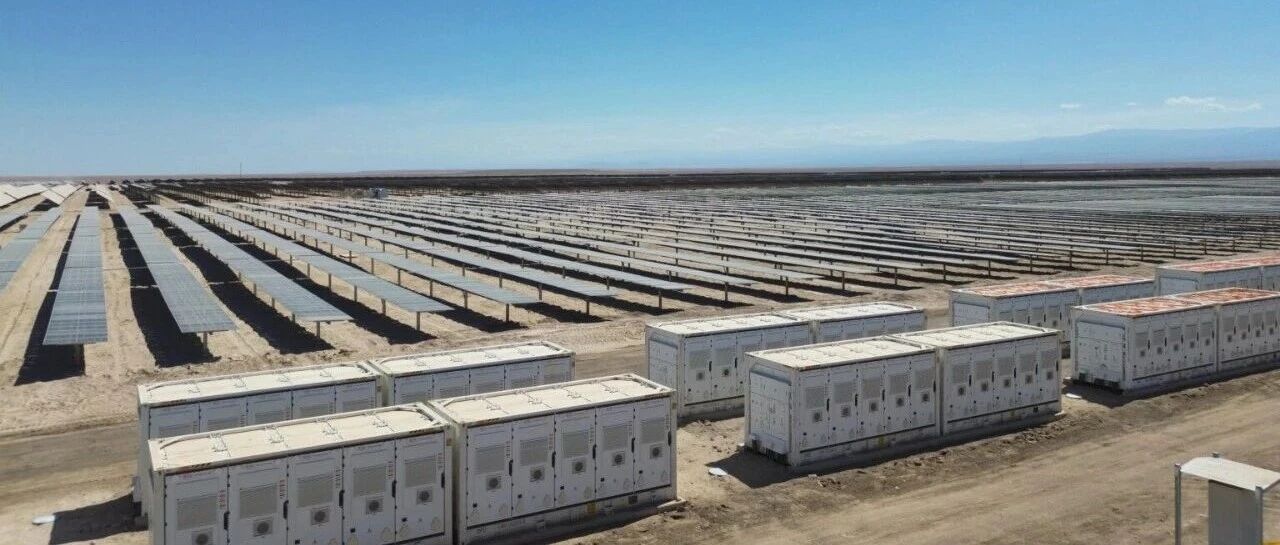
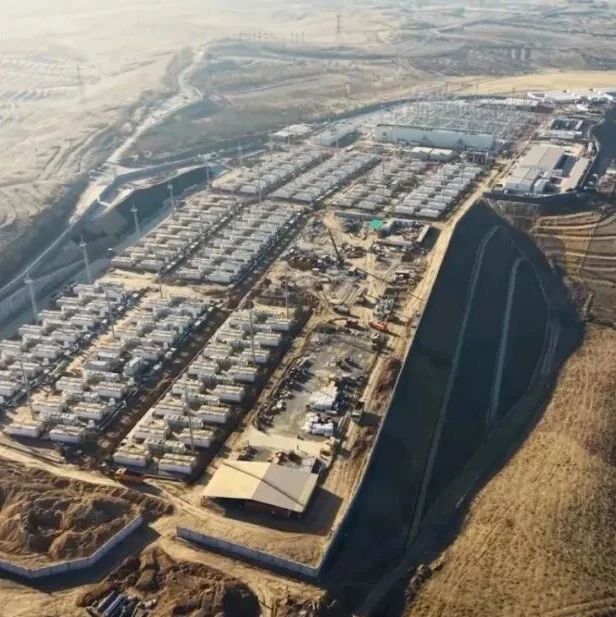
文 | 中国能建 中国储能产业发展的风向标 第十四届储能国际峰会暨展览会 当地时间12月5日 中国能建国际集团、浙江火电、安徽院 联营体总承包建设的 中亚最大电化学储能项目 乌兹别克斯坦塔什干光储项目储能站 首次并网成功 开始服务乌兹别克斯坦电网 项目是由ACWA Power与乌兹别克斯坦能源部开发的IPP项目,位于乌兹别克斯坦首都塔 什干东北郊区30公里处, 新建一座334兆瓦/500兆瓦时储能电站 以及配套建设220千伏 升压站、220千伏电缆出线及对侧站(部分二次通信改造)。 作为中国能建践行共建"一带一路"倡议和深化国际产能合作的标志性成果, 项目 建成后, 单次充电最大可存储77万度绿电,按照85%充放电效率考虑,在电力供应紧张时期,一次 放电可释放65.45万度电,满足近10万个家庭1天的用电量,每年增加消纳4.1亿度绿电, 相当于减排二氧化碳约34.7万吨,节约标煤约13.9万吨,降低碳排放与环境污染,助力乌 兹别克斯坦实现气候承诺,改善生态环境与居民生活质量,推动能源结构绿色转型。 ESIE 2026 时间: 202 6年4月1 - 3日 地点: 北京·首都国际会展中心 相关阅读 2025中国 ...

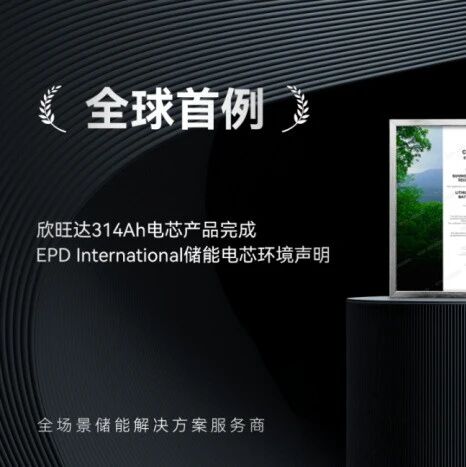
全球首例!欣旺达314Ah储能电芯通过EPD International环境产品声明认证
中关村储能产业技术联盟· 2025-12-11 08:54
Core Viewpoint - XINWANDA's 314Ah energy storage cell has become the first product in the battery industry to receive EPD International environmental product declaration certification, showcasing its leadership in lifecycle management and green low-carbon manufacturing [2][5]. Group 1: Product and Certification - The 314Ah energy storage cell is a core product in XINWANDA's energy storage cell family, recognized for its safety, high energy density, and long cycle life, aiming to rank among the top ten global shipments of energy storage cells in China by 2025 [4]. - The successful EPD certification confirms XINWANDA's comprehensive competitiveness in technology and green manufacturing, covering the entire lifecycle environmental impact from raw material acquisition to end-of-life [5]. Group 2: ESG Commitment and Future Plans - The certification is not only a recognition of the 314Ah product's strength but also a significant achievement in XINWANDA's commitment to ESG principles, supported by a family of energy storage cells including 102Ah, 280Ah, 314Ah, 588Ah, and 684Ah [5]. - XINWANDA plans to expand the coverage of the EPD system across its energy storage cell product matrix and promote the standardized application of environmental declarations in the industry, contributing to global energy transition and clean energy development [6].

11月储能系统中标规模同比翻倍,均价持续探底!GWh级园区项目成转型样本
中关村储能产业技术联盟· 2025-12-11 08:54
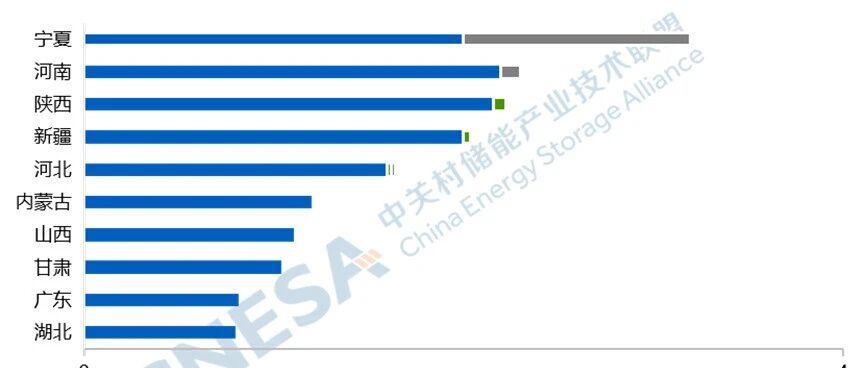
Core Insights - The energy storage bidding market in November 2025 shows a pattern of "stabilized scale and price differentiation," with the bidding scale for energy storage systems doubling year-on-year, while average prices continue to decline [1][4]. Group 1: Bidding Scale - The bidding scale for energy storage systems reached 3.3GW/10.0GWh, representing a year-on-year increase of 106.5%/99.7% and a month-on-month increase of 2.1%/-21.0% [2][4]. - The EPC (including PC) bidding scale was 6.5GW/18.6GWh, showing a year-on-year decrease of 10.2%/+4.6% and a month-on-month decrease of 0.1%/+9.2% [2][4]. - The energy storage system bidding scale's decline trend has slowed compared to October, while the EPC bidding scale has rebounded [4][5]. Group 2: Regional Distribution - In November, the EPC bidding scale in Ningxia led the nation at 3.2GWh, despite a 7.5% decrease from October. Notably, user-side energy storage projects accounted for 37.5% of the total, with GWh-level projects highlighted [8][6]. Group 3: Bidding Prices - The average bidding price for 2h energy storage systems was 527.9 yuan/kWh, down 12.5% year-on-year and 8.5% month-on-month, with a price range of 443.9 yuan/kWh to 572.0 yuan/kWh [3][10]. - The average bidding price for 4h energy storage systems was 510.7 yuan/kWh, up 14.7% year-on-year but down 15.1% month-on-month, with a price range of 481.4 yuan/kWh to 540.0 yuan/kWh [10]. - The average bidding price for 2h EPC projects was 1127.4 yuan/kWh, down 0.6% year-on-year but up 6.2% month-on-month, with a price range of 755.3 yuan/kWh to 1909.8 yuan/kWh [12][10].
大连化物所开发出100kWh级磷酸盐基钠离子电池储能系统并实现并网运行
中关村储能产业技术联盟· 2025-12-11 08:54
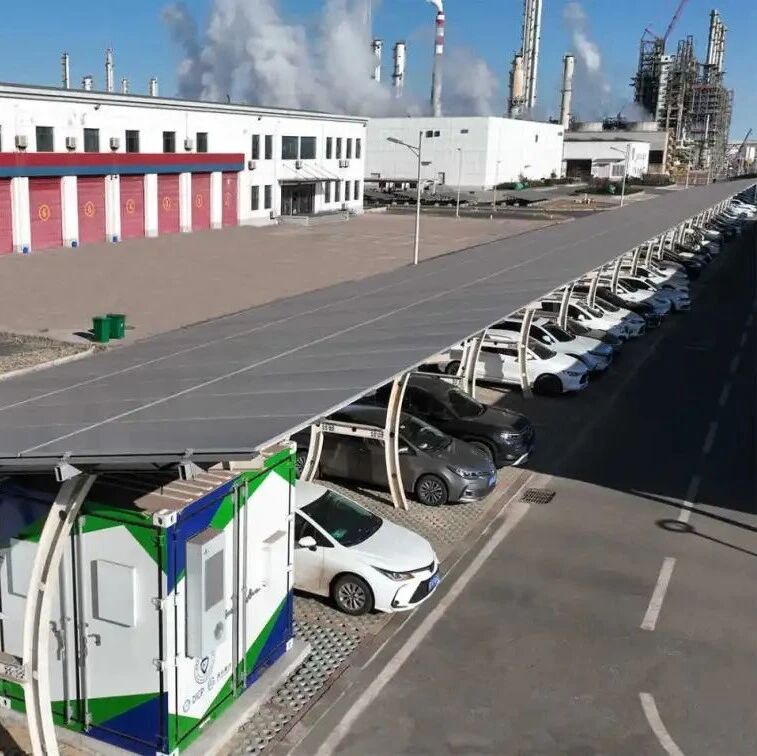
近日,大连化物所储能技术研究部(DNL17)李先锋研究员、郑琼研究员团队开发出 100 kWh 级磷酸盐基钠离子电池储能系统 ,并在山东滨州临港化工产业园区实现并网运行。 该系统由1000余只36 Ah方壳电芯集成的28个模组,以及配套的电力控制模块组成。经现场测 试,在290 A恒流条件下,该系统放电能量为120.6 kWh, 直流侧能量转化效率超过95%。 该系统部署在滨化集团碳三碳四综合利用项目中,与充电桩共同构成了"光-储-充"体系,在白 天光伏大发时段可将余电储存,晚间用电高峰时段释放,避免因电网消纳能力不足导致的弃光, 实现削峰填谷,降低用电成本。 钠离子电池具有资源丰富、自主可控、成本低廉等优势,可有力支撑储能技术可持续发展,保障 我国能源安全。 磷酸盐基钠离子电池具有高功率、高稳定和安全性优势,是适用于储能应用的 优选体系之一。 但是其产业化还面临着比能量偏低、稳定性较差等挑战。 文 | 中国科学院大连化物所 针对此,团队聚焦磷酸盐基钠离子电池存在的关键科学与技术问题开展系统研究,开发出具有高 电 荷 传 导 能 力 的 磷 酸 盐 正 极 晶 胞 结 构 基 元 和 电 极 结 构 设 计 ...
巴西立法确立储能独立地位,并实施储能进口零关税
中关村储能产业技术联盟· 2025-12-11 01:30
文 | 中关村储能产业技术联盟 尽管全球储能电池成本持续走低,但巴西较高的进口税负曾显著推高国内储能系统价格,成为制 约市场发展的关键瓶颈。 在此背景下,巴西于11月25日颁布了 《第15.269号法律》 ,出台了一系列针对电池储能系统 的法规与激励措施。 该法律将电能存储确立为一个 独立实体 , 与发电、输电、配电和电力交易等业务并列,由巴西 电力监管机构Aneel进行统一监管。 《第15.269号法律》所推动的更广泛改革,系统性地构建了巴西自由电力市场的开放框架,并 制定了未来数年的分阶段实施时间表。 自2027年11月起 ,商业和工业用户将获准转入自由市 场,且不受其接入电压等级的限制;而包括居民用户在内的所有其他消费者,则 可从2028年11 月(即该法律颁布36个月后)开始 自主选择电力供应商。 巴西能源转型正迎来关键节点, 《第15.269号法律》的出台, 为市场提供了明确的规则和强劲 的经济激励, 市场潜力备受瞩目, 中国企业正积极布局。 东方日升 近日宣布与巴西工业巨头WEG公司正式签署一项总容量达3GWh的储能系统战略合作 协议。而在今年初, 东方日升还曾与巴西MTR Solar公司成功签署 ...