中国有色金属工业协会硅业分会

Search documents
分布式光伏新政73问全解析
中国有色金属工业协会硅业分会· 2025-06-16 08:45
Core Viewpoint - The article discusses the implementation of the "Distributed Photovoltaic Power Generation Development and Construction Management Measures" issued by the National Energy Administration, emphasizing the need for high-quality development in the distributed photovoltaic industry and the opportunities presented by new policies [3]. Group 1: Definition and Classification - Photovoltaic power generation is the method of converting solar radiation energy directly into electrical energy using solar cells. It is classified into centralized photovoltaic power stations and distributed photovoltaic power generation [5]. - Distributed photovoltaic power generation is developed on the user side, connected to the distribution network, and is generally balanced near the distribution network system [5]. - There are four types of distributed photovoltaic power generation: household use by natural persons, household use by non-natural persons, general commercial and industrial, and large commercial and industrial [6]. Group 2: Types of Distributed Photovoltaic Power Generation - Natural person household use refers to distributed photovoltaic systems built by individuals on their own residential properties, with a connection voltage not exceeding 380 volts. Non-natural person household use involves entities investing in similar systems with a connection voltage not exceeding 10 kV (20 kV) and a total installed capacity not exceeding 6 MW [7]. - General commercial and industrial distributed photovoltaic systems are built on public institutions and commercial buildings, with a connection voltage not exceeding 10 kV (20 kV) and a total installed capacity generally not exceeding 6 MW. Large commercial and industrial systems can connect at 35 kV or 110 kV (66 kV) with higher capacity limits [9]. Group 3: Connection and Capacity Regulations - A project with a connection voltage of 10 kV and an installed capacity of 8 MW does not qualify as general commercial distributed photovoltaic power generation due to exceeding the capacity limit [10]. - A project with a connection voltage of 35 kV and an installed capacity of 5 MW cannot be classified as general commercial distributed photovoltaic power generation [11]. Group 4: Grid Connection Modes - Distributed photovoltaic power generation can adopt three grid connection modes: full grid connection, all self-consumption, and self-consumption with surplus electricity fed into the grid [13]. - Both natural person and non-natural person household uses can choose from the same grid connection modes [14]. - General commercial distributed photovoltaic systems can choose all self-consumption or self-consumption with surplus electricity fed into the grid, while large commercial systems generally must choose all self-consumption [15][16]. Group 5: Project Management and Land Use - Distributed photovoltaic projects must be located within the same land red line as the user’s substation. Large commercial systems can cross land red lines when engaging in dedicated supply [22]. - Projects built on agricultural facilities, such as greenhouses, are classified as agricultural-light complementary projects and fall under centralized photovoltaic management [25]. - Photovoltaic projects built on roads or slopes adjacent to buildings can be managed as commercial distributed photovoltaic systems if they are within the same land red line [26].

嘉宾风采 |2025年中国(乐山)硅产业链发展大会
中国有色金属工业协会硅业分会· 2025-06-16 08:45
Group 1 - The article discusses the demand and development prospects of the photovoltaic construction market in China, highlighting the significance of the silicon industry chain by 2025 [1] - The event is organized by the China Nonferrous Metals Industry Association, indicating a strong industry backing and collaboration [1] - The event is set to take place in Leshan, Sichuan, in June 2025, suggesting a strategic location for industry stakeholders [1] Group 2 - The article introduces key speakers, including Shi Chunhua, a senior engineer with extensive experience in power system planning and renewable energy project design [2] - Another speaker, Qian Kun, is the strategic research director at GCL Technology, with a strong background in investment research and strategic planning in the renewable energy sector [4] - Qian Kun has held various significant positions in the industry, indicating a wealth of knowledge and insights into photovoltaic, lithium battery, and semiconductor sectors [4]
工业硅盘面触底反弹 现货止跌 但需求支撑有限
中国有色金属工业协会硅业分会· 2025-06-13 08:30
Core Viewpoint - The industrial silicon market shows signs of recovery with a slight rebound in prices, although downstream purchasing remains cautious and primarily based on demand [1][2] Supply Side - Major northern manufacturers are steadily advancing their resumption plans, and with the onset of the flood season, some silicon plants in the southwest are also resuming operations, leading to an overall increase in production [1] - New domestic production capacity is gradually being released, contributing to increased supply [1] Demand Side - The operating load of organic silicon monomer plants has increased, but there is some inventory pressure, leading downstream to primarily engage in small-scale replenishment [1] - There are no large-scale resumption plans from polysilicon companies, resulting in minimal changes in demand for industrial silicon [1] - Aluminum alloy companies are maintaining stable production and purchasing industrial silicon based on demand, leading to a slight overall increase in demand [1] Cost Analysis - With the arrival of the flood season, electricity prices in the southwest have decreased, further weakening cost support [1] - Industrial silicon inventory remains high (over 900,000 tons), exerting significant pressure on industrial silicon prices [1] Price Outlook - Although costs in the south are decreasing and lower cost support is weakening, current prices are already below cost, limiting further downside potential [2] - While demand is increasing, supply is also rising, which limits the price support from demand increases; prices are expected to remain in a bottom range of fluctuation in the short term [2]
嘉宾风采 |2025年中国(乐山)硅产业链发展大会
中国有色金属工业协会硅业分会· 2025-06-13 08:30
Group 1 - The article discusses the development outlook of the silicone industry during the "14th Five-Year Plan" period in China, highlighting the importance of sustainable growth and innovation in this sector [1] - The event is organized by the China Nonferrous Metals Industry Association, indicating a strong institutional support for the industry [1] - The article features prominent guests with extensive backgrounds in silicone and new materials, emphasizing the expertise and research focus within the industry [5][8] Group 2 - Bai Hongqiang, a key guest, has been involved in silicone and chemical new materials policy and market research since 2005, showcasing the depth of experience in the field [5] - Wei Kuixian, another guest, is recognized for his contributions to silicon metallurgy and materials research, reflecting the academic and practical advancements in the industry [8] - The presence of these experts suggests a collaborative effort towards enhancing the technological standards and innovation in the silicone sector [5][8]
硅产业链新闻动态
中国有色金属工业协会硅业分会· 2025-06-12 08:59
Group 1 - The National Development and Reform Commission and the National Energy Administration are promoting the application of green electricity and the coordinated development of distribution networks and distributed renewable energy [1] - Provincial energy authorities are tasked with organizing assessments of the capacity for distributed photovoltaic integration into the grid and developing targeted measures to enhance this capacity [1] - Power supply companies are encouraged to establish long-term service mechanisms to promote green electricity consumption among key energy users [1] Group 2 - Anhui Huasheng New Materials Co., Ltd. is undertaking a technical transformation project to increase its production capacity of monocrystalline silicon wafers from 2.7GW to 6GW, with an investment of approximately 42 million yuan [2] - The project will add 3.3GW of new monocrystalline silicon wafer capacity through equipment upgrades and process optimizations [2] Group 3 - Changzhou Yamaton Co., Ltd. is investing approximately 24 million USD to establish a 500,000-ton photovoltaic glass production line in the UAE, enhancing its overseas strategic layout [3] - The project includes the construction of a glass melting furnace and supporting deep processing production lines [3] Group 4 - Waaree Solar, a subsidiary of Indian company Waaree Energies, has signed a supply agreement worth 176 million USD for 586MW of solar photovoltaic modules with a US independent power producer [4] - The modules will be produced in Texas and delivered in phases between the 2026-2027 fiscal years [4] - Waaree Energies is the second-largest solar module manufacturer in India, holding a 10.7% market share according to Mercom's latest report [5]


嘉宾风采 | 2025年中国(乐山)硅产业链发展大会
中国有色金属工业协会硅业分会· 2025-06-12 08:59
Group 1 - The article discusses the current status and investment trends in the overseas industrial silicon sector, highlighting the importance of this industry for future developments [1] - It emphasizes the role of key players and stakeholders, including the China Nonferrous Metals Industry Association and Sichuan Yongxiang Co., Ltd., in promoting industrial silicon advancements [1] - The article indicates a growing interest in industrial silicon due to its applications in various industries, particularly in renewable energy and technology sectors [1] Group 2 - The guest speaker, Lai Jia, has extensive experience in the metal silicon smelting industry and has contributed to several patents and publications related to refractory materials [3] - Another guest speaker, Lu Shiyuan, has a strong background in petrochemical products and is currently leading the new energy project department at Zhejiang Merchants Futures Co., Ltd., focusing on market research and client development [6]
【安泰科】单晶硅片周评-电池端压价采买 硅片价格承压运行(2025年6月12日)
中国有色金属工业协会硅业分会· 2025-06-12 08:59
Core Viewpoint - The recent decline in silicon wafer prices is primarily driven by weak downstream demand, relaxed upstream supply, and falling raw material prices [2] Group 1: Price Trends - The average transaction price for N-type G10L monocrystalline silicon wafers (182*183.75mm/130 μm) is 0.93 yuan/piece, down 2.11% week-on-week [1] - The average transaction price for N-type G12R monocrystalline silicon wafers (182*210mm/130 μm) is 1.06 yuan/piece, down 3.64% week-on-week [1] - The average transaction price for N-type G12 monocrystalline silicon wafers (210*210mm/130 μm) is 1.26 yuan/piece, down 3.08% week-on-week [1] Group 2: Demand and Supply Dynamics - Downstream demand has weakened significantly due to the marketization of electricity prices for new energy, leading to a shift from supply shortages to small-batch low-price purchases [2] - Despite the decline in silicon wafer prices, manufacturers have maintained relatively high operating rates to preserve market share, with the overall industry operating rate slightly decreasing to around 52% [2] - Some manufacturers are using a higher proportion of lower-quality silicon materials to reduce production costs [2] Group 3: Market Outlook - The overall sentiment in the market is bearish, with most silicon wafer companies currently facing cash flow losses and some planning production cuts [2] - The main prices for downstream components remain stable at 0.66-0.67 yuan/W, while battery prices have slightly decreased to 0.24-0.25 yuan/W, down 0.01 yuan/W week-on-week [2] - Given the potential for reduced supply and cost support, the likelihood of a significant further decline in silicon wafer prices is low [2]
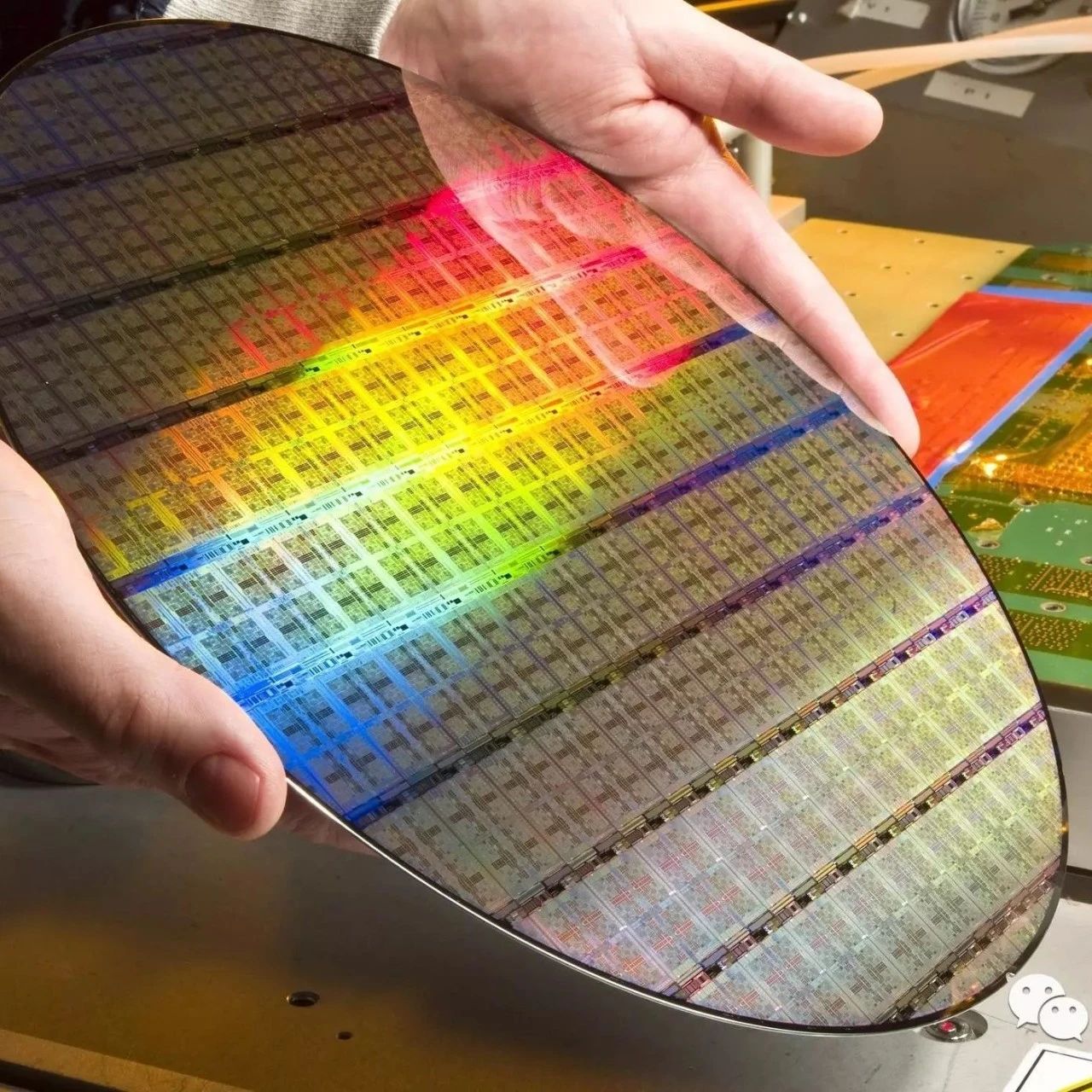
【安泰科】多晶硅周评—价格小幅下调 观望后续减产力度(2025年6月11日)
中国有色金属工业协会硅业分会· 2025-06-11 12:16
Group 1 - The core viewpoint of the articles indicates a decline in the prices of polysilicon due to shrinking demand, with specific price ranges for n-type and p-type polysilicon showing a downward trend [1][2] - The average transaction price for n-type polysilicon is reported at 36,700 RMB/ton, down 2.13% week-on-week, while p-type polysilicon averages 30,700 RMB/ton, down 1.92% [1] - The industry is currently facing significant sales pressure, with non-leading enterprises having nearly sold out their low-priced inventory, indicating a cautious procurement approach from downstream companies [1] Group 2 - As of now, there are 11 polysilicon production companies operating, all of which are running at reduced capacity [2] - Despite rumors of increased operating rates in June, the actual output remained stable without adding supply pressure, and two additional companies are planning maintenance in July, which will lead to a noticeable reduction in polysilicon output [2] - The continuous cost inversion pressure in the industry for over a year has brought polysilicon prices close to their bottom limit, suggesting a low likelihood of significant further declines in the short term [2]
硅产业链新闻动态
中国有色金属工业协会硅业分会· 2025-06-11 12:16
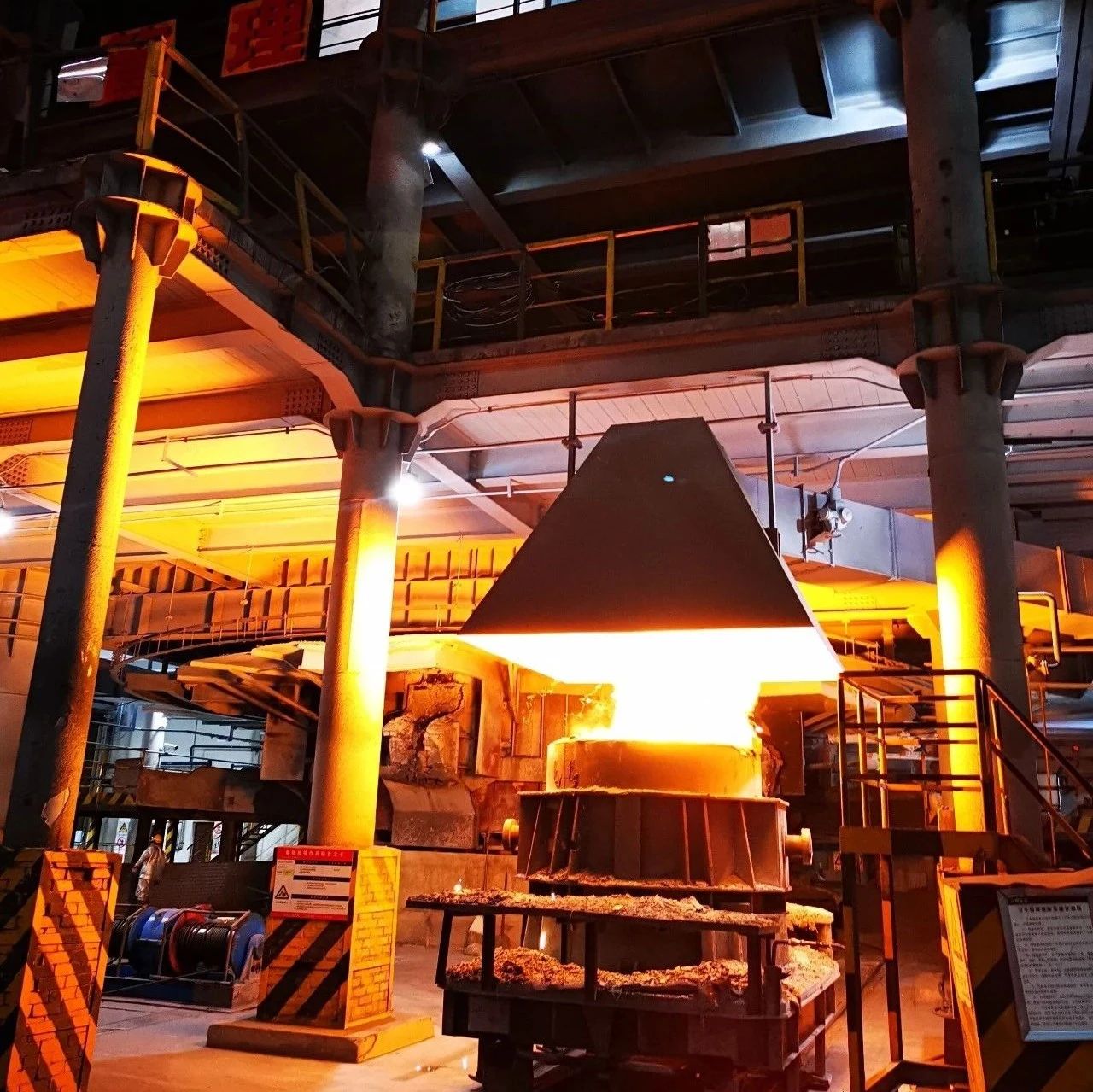
Group 1 - Inner Mongolia Xingfa Industrial Silicon Project's first steel structure hoisting completed, marking the entry into the main structure construction phase with a total investment of nearly 1.5 billion yuan [1] - The steel structure of the first smelting workshop stands at 39.45 meters, making it the largest single steel structure on site, which boosts confidence for subsequent work [1] Group 2 - Jiangsu Langsheng New Materials Technology Co., Ltd. announced a project to produce 115,800 tons of specialty organic silicon and its products, with a total construction area of approximately 40,998.5 square meters [2] - The project will include multiple production lines for silicone oil, methyl vinyl silicone rubber, liquid silicone rubber, and organic silicone resin, with a total annual production capacity of 115,800 tons upon completion [2] Group 3 - Tongwei's TNC components achieved the best performance in all reliability tests conducted by PVEL, confirming their reliability under extreme conditions and earning the title of "Best Module Manufacturer" for the second consecutive year [3] - Tongwei is one of only two manufacturers in the top 10 to pass all seven rigorous tests, showcasing its competitive edge in the photovoltaic industry [3] Group 4 - The photovoltaic industry is undergoing significant changes, as highlighted by GCL Group's Chairman Zhu Gongshan, who noted a shift from policy-driven growth to a market-oriented model with floating returns [5] - The evolution of the industry is characterized by a spiral growth pattern rather than linear cycles, with an expanded role for photovoltaics as a hub connecting energy production, storage, and consumption [5]

嘉宾风采 | 中国(乐山)硅产业链发展大会
中国有色金属工业协会硅业分会· 2025-06-11 12:16
Core Viewpoint - The article emphasizes the development of the silicon industry chain in China, particularly focusing on the high-quality green electricity silicon brand in Sichuan, highlighting the strategic importance of local enterprises in the industry [1][2]. Group 1: Industry Development - The silicon industry chain in China is projected to experience significant growth by 2025, with a focus on sustainable and high-quality production methods [2]. - Sichuan is positioned as a key player in the "China Green Silicon Valley," aiming to enhance its role in the crystalline silicon photovoltaic industry [4]. Group 2: Company Achievements - Under the leadership of Zhang Yonggang, Dongyue Xinhai Silicon-based has achieved remarkable growth, establishing itself as a benchmark in the industry and reinforcing its status in the local market [4]. - The company has strengthened its supply chain position, ensuring a stable supply of high-quality industrial silicon raw materials, which has enhanced its bargaining power in the organic silicon sector [4]. - Operational excellence has been a focus, with significant reductions in production consumption and the achievement of historical production levels for its subsidiaries [5]. - Organizational restructuring and human resource optimization have led to a reduction of over 300 employees, resulting in a direct cost reduction of approximately 26 million yuan, laying a solid foundation for the company's turnaround [5]. - The company promotes a culture of excellence and social responsibility, aiming to create long-term value for customers, employees, and partners [5].