国家能源局

Search documents
国家能源局关于印发《核电工程定额管理暂行办法》的通知
国家能源局· 2025-05-22 06:30
Core Viewpoint - The article outlines the interim measures for the management of nuclear power engineering quotas, aiming to strengthen quota management, standardize the construction market, and ensure the quality and safety of nuclear power projects [3][4]. Group 1: Purpose and Scope - The measures are designed to enhance the management of nuclear power engineering quotas, regulate the construction market, reasonably determine project costs, and promote the healthy development of the nuclear power industry [3]. - The scope of these measures includes nuclear island engineering, conventional island engineering, and related auxiliary works [3]. Group 2: Responsibilities and Structure - The National Energy Administration (NEA) is responsible for the administrative management and supervision of nuclear power engineering quotas, including the formulation of management systems and policies [4]. - An expert committee will be established to provide technical reviews and consultation for quota management [4]. Group 3: Quota Compilation Process - The quota compilation process involves several steps: preparation, initial draft compilation, soliciting opinions, technical review, and approval for publication [6]. - The quotas will be dynamically managed to adapt to new technologies and materials in nuclear power construction [9]. Group 4: Adjustment and Publication - The quota adjustment for labor, materials, and machinery will be proposed based on market changes, with a principle of annual adjustments [7]. - Once approved, the quotas will be published by a designated national publishing unit [8].

国家能源局发布2025年1-4月份全国电力工业统计数据
国家能源局· 2025-05-22 03:26
Core Viewpoint - The article highlights the growth in China's power generation capacity and investment in the energy sector during the first four months of 2023, indicating a strong trend towards renewable energy sources such as solar and wind power [1]. Group 1: Power Generation Capacity - As of the end of April, the total installed power generation capacity in the country reached 3,490 million kilowatts, representing a year-on-year increase of 15.9% [1]. - The installed capacity for solar power reached 990 million kilowatts, showing a significant year-on-year growth of 47.7% [1]. - Wind power installed capacity stood at 540 million kilowatts, with a year-on-year increase of 18.2% [1]. Group 2: Utilization and Investment - The average utilization of power generation equipment across the country was 1,008 hours, which is a decrease of 103 hours compared to the same period last year [1]. - Major power generation companies completed investments in power source projects amounting to 193.3 billion yuan, reflecting a year-on-year growth of 1.6% [1]. - Investment in grid projects reached 140.8 billion yuan, marking a year-on-year increase of 14.6% [1].
“十五五”规划编制工作开展网络征求意见活动
国家能源局· 2025-05-21 08:09
习近平总书记近日对"十五五"规划编制工作作出重要指示强调,要坚持科学决策、民主决策、依 法决策,高质量完成规划编制工作。为贯彻落实习近平总书记重要指示精神, 自5月20日起 就"十五五"规划编制工作开展网络征求意见活动。 据介绍,这次网络征求意见活动分别在人民日报、新华社、中央广播电视总台所属官网、新闻客 户端以及"学习强国"学习平台开设"十五五"规划建言专栏,广大网民可进入相关页面建言献策。 网络征求意见活动为期1个月,有关意见建议将汇总整理后提供给中央决策参考。 "十五五"时期在我国基本实现社会主义现代化进程中承前启后、意义重大,必须科学谋划好"十 五五"时期经济社会发展。目前,党中央正在组织制定"十五五"时期经济社会发展规划建议。 欢迎广大人民群众和社会各界通过人民日报客户端、人民网网页端、"人民网+"客户端、人民 网"领导留言板"、人民网" 人民建议"等积极提交建言。 下载人民网+客户端 给领导留言 (来源: 新华社) ...

新华社丨4月份全社会用电量同比增长4.7%
国家能源局· 2025-05-21 07:03
(来源:新华社) 前4月,全社会用电量累计31566亿千瓦时,同比增长3.1%,其中规模以上工业发电量为29840亿 千瓦时。分产业用电看,第一产业用电量424亿千瓦时,同比增长10%;第二产业用电量20497亿 千瓦时,同比增长2.3%;第三产业用电量5856亿千瓦时,同比增长6%。城乡居民生活用电量 4789亿千瓦时,同比增长2.5%。( 戴小河) 国家能源局20日发布的信息显示,4月份全社会用电量7721亿千瓦时,同比增长4.7%。 4月份,分产业用电看,第一产业用电量110亿千瓦时,同比增长13.8%;第二产业用电量5285亿 千瓦时,同比增长3%;第三产业用电量1390亿千瓦时,同比增长9%。城乡居民生活用电量936亿 千瓦时,同比增长7%。 ...
央视网丨国家能源局:4月份全社会用电量7721亿千瓦时,同比增长4.7%
国家能源局· 2025-05-21 07:03
(来源: 央视网) 据国家能源局微信公众号消息,4月份,全社会用电量7721亿千瓦时,同比增长4.7%。从分产业 用电看,第一产业用电量110亿千瓦时,同比增长13.8%;第二产业用电量5285亿千瓦时,同比增 长3.0%;第三产业用电量1390亿千瓦时,同比增长9.0%;城乡居民生活用电量936亿千瓦时,同 比增长7.0%。 1~4月,全社会用电量累计31566亿千瓦时,同比增长3.1%,其中规模以上工业发电量为29840 亿千瓦时。从分产业用电看,第一产业用电量424亿千瓦时,同比增长10.0%;第二产业用电量 20497亿千瓦时,同比增长2.3%;第三产业用电量5856亿千瓦时,同比增长6.0%;城乡居民生活 用电量4789亿千瓦时,同比增长2.5%。 ...
国家能源局负责人出席第十届金砖国家能源部长会
国家能源局· 2025-05-21 03:13
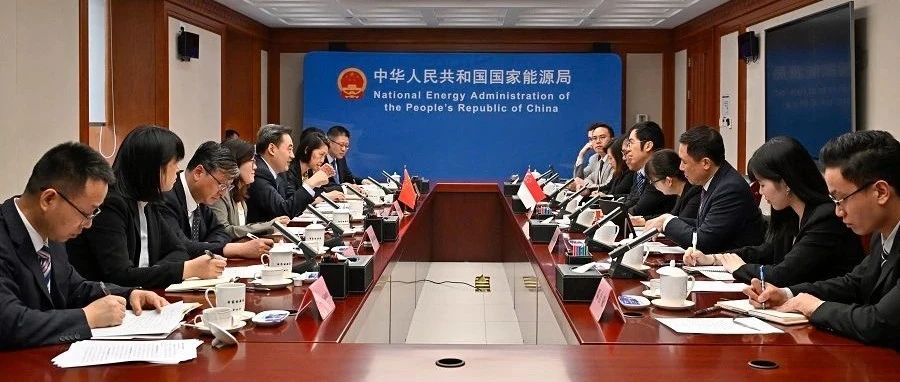
5月19日,第十届金砖国家能源部长会在巴西首都巴西利亚举行。会议由巴西矿业和能源部主持, 主要围绕能源安全、能源转型、能源可及等议题开展讨论。中国国家能源局副局长任京东出席会议 并发言。 中方指出, 中国高度重视在金砖国家框架下与各成员国的能源合作,致力于通过金砖能源合作平台 与相关国家加强政策对接、技术交流和项目合作。近年来,中国与金砖国家在能源领域的合作取得 了显著进展,石油、天然气、煤炭等传统能源领域日益巩固,可再生能源、氢能、储能、碳市场等 新兴领域不断拓展。 当前全球能源格局正经历深刻变革,能源转型、能源安全等议题的重要性日益凸显。中方愿在金砖 国家能源合作机制下,与各成员国加强沟通交流,共同为构建公平公正清洁高效的国际能源治理体 系做出积极贡献。 会议通过了部长联合声明。 ...

国家能源局主要负责人会见新加坡能源市场管理局局长
国家能源局· 2025-05-21 02:54
Core Viewpoint - The meeting between the heads of China's National Energy Administration and Singapore's Energy Market Authority highlights the importance of energy cooperation between China and Singapore, focusing on renewable energy and carbon neutrality initiatives [1]. Group 1: Energy Cooperation - Energy is a significant area for practical cooperation between China and Singapore, with extensive collaboration in electricity, oil and gas, energy storage, and renewable energy [1]. - There is a strong willingness from both sides to enhance dialogue and communication to elevate energy cooperation to new levels [1]. Group 2: Future Prospects - The future cooperation space between China and Singapore in the energy sector is vast, with promising prospects for joint initiatives [1]. - Singapore is actively promoting carbon neutrality and aims to enhance efforts in renewable energy, energy storage, and electricity interconnection [1].
2025年4月份全社会用电量同比增长4.7%
国家能源局· 2025-05-20 10:06
4 月份,全社会用电量 7721 亿千瓦时,同比增长 4. 7 %。从分产业用电看,第一产业用电量1 10 亿千瓦时,同比增长 13.8 %;第二产业用电量5 285 亿千瓦时,同比增长 3. 0 %;第三产业 用电量1 390 亿千瓦时,同比增长 9.0 %;城乡居民生活用电量 936 亿千瓦时,同比增长 7 .0%。 1~ 4 月,全社会用电量累计 31566 亿千瓦时,同比增长 3.1 %,其中规模以上工业发电量为 29840 亿千瓦时。从分产业用电看,第一产业用电量 424 亿千瓦时,同比增长 10.0 %;第二产 业用电量 20497 亿千瓦时,同比增长 2.3 %;第三产业用电量 5856 亿千瓦时,同比增长 6.0 %;城乡居民生活用电量 4789 亿千瓦时,同比增长 2 .5%。 5 月 20 日,国家能源局发布 4 月份全社会用电量等数据。 ...
国家能源局关于进一步加强电力应急体系和能力建设的指导意见
国家能源局· 2025-05-20 09:05
国家能源局关于进一步加强电力应急体系和能力建设的指导意见 各省(自治区、直辖市)能源局,有关省(自治区、直辖市)及新疆生产建设兵团发展改革委 、工 业和信息化主管部门,北京市城市管理委,各派出机构,全国电力安委会各企业成员单位: 为深入贯彻党的二十大和二十届二中、三中全会精神,认真落实习近平总书记关于应急管理和国家 能源安全的重要论述,提升电力设施设备抢修恢复和电力应急保障能力,保障电力系统稳定运行和 电力安全可靠供应,现就进一步加强电力应急体系和能力建设提出以下意见。 一、进一步健全电力应急组织指挥体系 (三)强化协同配合。国家能源局负责国家层面电力应急工作的总体协调,推动建立电力应急部际 协作机制和跨区域协同机制,健全京津冀、长三角、粤港澳大湾区等区域应急救援资源共享及联合 处置机制。国家能源局有关区域派出机构根据授权,负责跨省(自治区、直辖市)电力应急工作的 具体协调。 二、进一步完善电力应急政策标准体系 (四)推进电力应急政策文件制修订。国家能源局完善电力应急预案管理、应急队伍调用、重要用 户自备应急电源配置等电力应急制度规范,加强相关文件宣贯落实,为灾害事故预防、应急事件处 置和电力应急保障等提供政 ...
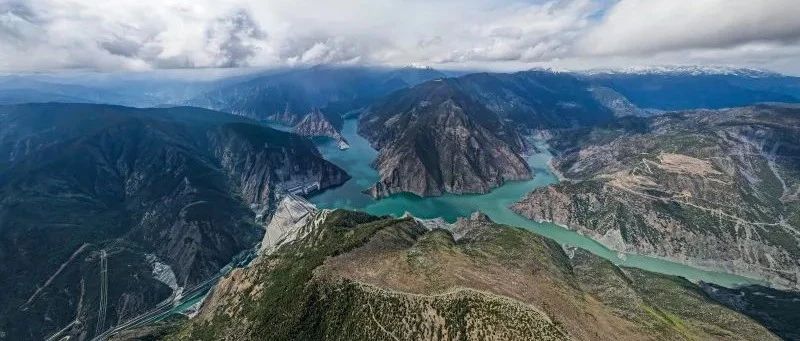
媒体报道丨院士专家建议加快雅砻江流域水风光一体化基地开发运营 为全世界绿色低碳转型做示范
国家能源局· 2025-05-20 06:32
Core Viewpoint - The Yalong River Basin's integrated development of hydropower, wind, and solar energy is a key initiative in China's "14th Five-Year Plan," aiming to serve as a model for global green and low-carbon transformation [3][8]. Group 1: Project Overview - The Yalong River Basin is recognized as China's first integrated hydropower and renewable energy demonstration base, with a planned installed capacity of 78 million kilowatts [3][8]. - Currently, the base has completed 7 large hydropower stations and 3 major reservoirs, contributing nearly 21 million kilowatts of clean energy capacity and an annual power generation of approximately 100 billion kilowatt-hours [8][9]. Group 2: Economic Impact - The development of the Yalong River Basin is expected to generate static investments of about 350 billion yuan and drive a trillion-level industrial development, significantly benefiting the economy of Sichuan Province [8][9]. - The project is projected to create over 150,000 direct jobs and 160,000 indirect jobs during peak construction, with an annual tax contribution exceeding 10 billion yuan once operational [9]. Group 3: Technological Advancements - The Yalong River Basin has made significant strides in digitalization and intelligent applications, with projects like the Two Rivers Hydropower Station utilizing intelligent construction technologies [5][7]. - The integration of AI technology in the Kela Solar Power Station has led to innovative smart operation and maintenance practices [5]. Group 4: Strategic Importance - The Yalong River is noted for its excellent regulation capabilities, making it a crucial asset for large-scale development of wind and solar energy [11]. - The integrated development model is seen as vital for ensuring national energy security and promoting high-quality development of renewable energy [11][13]. Group 5: Recommendations for Development - Experts suggest a collaborative approach to accelerate the integrated development and operation of the Yalong River Basin, emphasizing the need for a "5+1" model that includes resource integration and national policy support [14][15]. - The focus on digitalization and smart technologies is recommended to enhance the efficiency and effectiveness of resource utilization in the basin [15][16].