生物世界

Search documents
David Baker创立的AI制药公司扔出重磅炸弹:最大规模单细胞扰动测序数据集,支持虚拟细胞研究
生物世界· 2025-06-18 04:09
Core Viewpoint - Xaira Therapeutics, an AI drug discovery company, has raised $1 billion in seed funding and aims to revolutionize drug discovery through advanced AI technologies [2] Group 1: Company Overview - Xaira Therapeutics was founded in April 2024 and has a distinguished leadership team, including Nobel laureates and former executives from major pharmaceutical companies [2] - The company has released the largest publicly available Perturb-seq dataset, named X-Atlas/Orion, which supports virtual cell research and enhances drug discovery predictions [3][4] Group 2: Dataset Details - The X-Atlas/Orion dataset includes 8 million cells and covers all protein-coding genes in humans, with over 16,000 unique molecular identifiers from single-cell deep sequencing [4][8] - Perturb-seq technology used in this dataset allows for the simultaneous reading of CRISPR sgRNA genetic perturbations and transcriptomes, revealing dose-dependent genetic effects [4][9] Group 3: Technological Innovations - The FiCS Perturb-seq platform developed by Xaira Therapeutics enables scalable production of perturbation sequencing data, overcoming previous limitations in data generation [8][11] - The platform demonstrates high sensitivity and minimal batch effects, accurately capturing transcriptional changes due to genetic perturbations [8] Group 4: Research Implications - The release of X-Atlas/Orion addresses the challenges of data generation scalability and standardization, facilitating the development of next-generation foundational models in life sciences [11] - The dataset will be shared under a non-commercial license to promote open collaboration in the biotechnology sector, with potential commercial partnerships available [12] Group 5: Future Directions - Xaira Therapeutics plans to expand data generation to include induced pluripotent stem cells and in vivo animal models, aiming for broader applications in AI-driven virtual cell development [20]


复旦大学发表最新Nature论文
生物世界· 2025-06-17 23:39
Core Viewpoint - The article discusses the significant findings of a research study on long non-coding RNA (lncRNA), specifically the structure of natural RNA nanocages formed by the ROOL RNA, which may have implications for research and therapeutic applications [2][3][11]. Group 1: Research Findings - The study identified two types of natural RNA nanocages formed by the long non-coding RNA ROOL found in bacterial and phage genomes [5]. - The cryo-EM structure revealed that the ROOL RNA forms an octameric nanocage with a diameter of 28 nanometers and an axial length of 20 nanometers, featuring a disordered region in its internal cavity [7]. - The assembly of the nanocage involves a chain exchange mechanism, leading to the formation of a quaternary kissing loop [7]. Group 2: Structural Characteristics - The octameric structure is stabilized by numerous tertiary and quaternary interactions, including the proposed "A-minor staple" [7]. - The isolated ROOL monomer structure was observed at a resolution of approximately 3.2 Å, indicating the complexity of the nanocage assembly [7]. Group 3: Potential Applications - The research suggests that ROOL RNA, when fused with RNA aptamers, tRNA, or microRNA, can maintain its structure and form a nanocage capable of radially displaying cargo [9]. - These findings may lead to the design of novel RNA nanocages for use as RNA carriers in research and therapeutic applications [11].

Nature专访饶毅教授:中国如何能够成为生物科技超级大国?
生物世界· 2025-06-17 08:54
编译丨王聪 编辑丨王多鱼 排版丨水成文 饶毅 教授是中国科学和教育领域的杰出改革者。1980 年代,饶毅在美国开启职业生涯,2007 年,他辞去美国西北大学终身教职,全职回国,出任北京大学生命 科学学院院长,他引入了多项举措,使中国生命科学研究重焕生机,其中包括采用终身教职制度和同行评审来评估学者的学术成就。如今, 饶毅 卸任了首都医学 大学校长职务,在北京大学负责一个前沿脑科学研究实验室,并担任其他领导职务。 饶毅 一向以直言不讳著称。2008 年,他放弃美国护照,以抗议前总统乔治·W·布什在 9·11 事件后推行的政策。他还在新冠疫情期间批评了美国的政策,并强 烈反对实验室泄漏论。此外,他还是中国人才引进计划的积极倡导者。 2025 年 6 月 17 日,国际顶尖学术期刊 Nature 发布了一篇对 饶毅 教授的专访 , Nature 向饶毅询问了他如何看待中国在生命科学领域的作用,以及中国怎样 才能成为生物科技超级大国。 饶毅 教授 中国如何能成为生物科技超级大国? Nature :根据《自然》指数,中国在生命科学领域的实力不如在物理科学领域。这是为什么呢? 只要中国没有类似于美国 NIH 这样的机构, ...

Nature头条:华人学者利用类器官技术,让小鼠体内长出人类细胞
生物世界· 2025-06-17 07:11
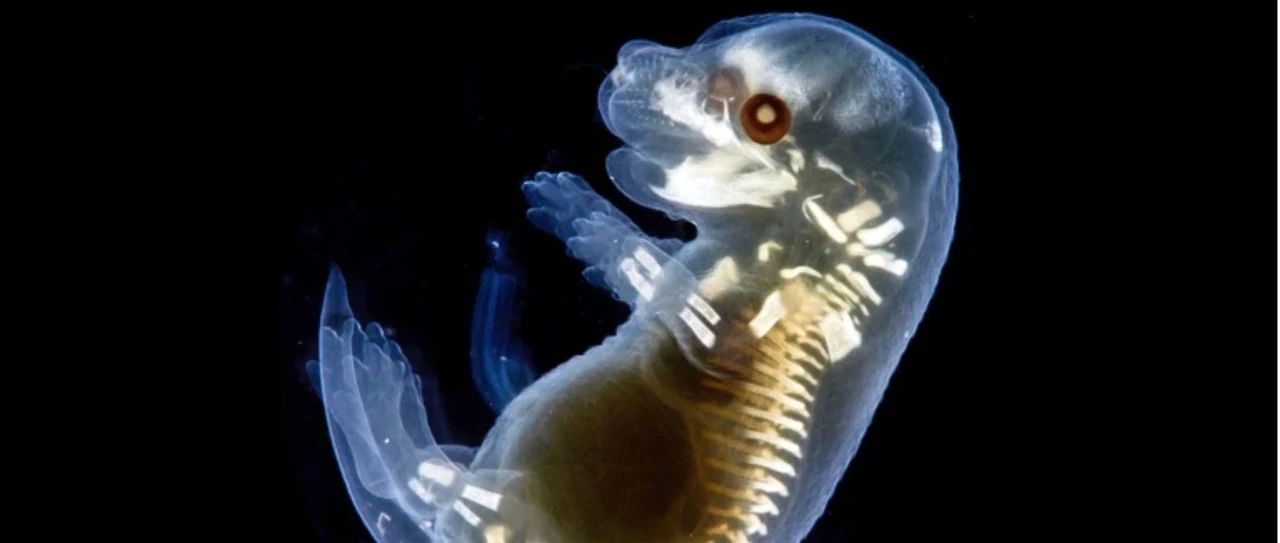
Core Viewpoint - The article discusses groundbreaking research by Professor Shen Xiling from MD Anderson Cancer Center, which successfully injected human organoids into the amniotic fluid of pregnant mice, resulting in the presence of human cells in the offspring's intestines, liver, and brain, indicating a potential breakthrough in the field of human-animal chimeras [1][10][12]. Group 1: Research Methodology - The research utilized a novel approach by injecting human cells in the form of organoids directly into the amniotic fluid of pregnant mice, allowing these cells to integrate into their respective organs during development [1][10]. - The study demonstrated that human organoid cells could proliferate and localize to specific organs, such as intestinal organoids in the intestines and liver organoids in the liver [12][14]. Group 2: Research Findings - Approximately 10% of the intestines of the newborn mice contained human cells, with human cells making up about 1% of the total intestinal cell population, while the proportions in the liver and brain were even lower [13]. - The human cells in the mice's organs appeared to function normally, as evidenced by the production of human serum albumin by the human liver cells, indicating their stability and functionality [14]. Group 3: Implications and Future Directions - The method of injecting human organoids into amniotic fluid is seen as a convenient and potentially revolutionary approach for creating human-animal chimeras, which could significantly advance research in organ transplantation [15]. - Ethical concerns have been raised regarding the introduction of human cells into animal brains, particularly regarding the potential for enhanced cognitive abilities; however, current findings show that the proportion of human cells in the mouse brain remains very low [16].
曹雪涛院士团队发表最新Nature Immunology论文
生物世界· 2025-06-17 07:11
Core Viewpoint - The research highlights the role of MKRN2, an RNA-binding E3 ubiquitin ligase, in selectively inhibiting IL-6 translation, thereby restraining inflammation and autoimmune diseases [3][5][9]. Group 1: Mechanism of Action - MKRN2 binds to IL-6 mRNA and promotes K29 polyubiquitination of the translation initiation coactivator PAIP1 at lysine 179, which blocks PAIP1's interaction with the critical translation regulatory protein eIF4A, thus inhibiting IL-6 mRNA translation [6]. - The study indicates that E3-RBP's role in regulating specific pro-inflammatory cytokines remains unclear, necessitating further investigation [5]. Group 2: Clinical Implications - In clinical samples from patients with ulcerative colitis and rheumatoid arthritis, MKRN2 expression was found to be negatively correlated with IL-6 expression, suggesting its involvement in the progression of inflammatory diseases [8]. - The findings provide new insights into the mechanisms of inflammatory autoimmune diseases and suggest potential therapeutic strategies by interfering with the translation processes of specific pro-inflammatory cytokines [9].

Immunity:上海交大王宏林团队发现白癜风治疗新靶点,并成功进行了人体试验
生物世界· 2025-06-17 03:15
Core Viewpoint - Vitiligo is an autoimmune disease affecting approximately 0.5%-2% of the global population, characterized by white patches on the skin due to the attack of autoreactive CD8+ T cells on melanocytes. Recent research has identified a novel mechanism involving sensory neurons and CGRP that enhances CD8+ T cell responses, suggesting new therapeutic strategies for treatment [1][6][11]. Group 1: Disease Mechanism - The study reveals a new pathogenic mechanism in vitiligo involving a "sensory neuron-CGRP-cDC1-CD8 T cell" axis, where CGRP enhances the function of dermal type I conventional dendritic cells (cDC1) to drive autoreactive CD8 T cell responses [3][7][12]. - CD8+ T cells kill melanocytes in vitiligo, but the specific immune pathogenesis and ideal drug targets remain unclear [6]. Group 2: Therapeutic Development - Ruxolitinib cream, a selective JAK1/2 inhibitor, is the first approved treatment for non-segmental vitiligo, but it has a clinical response rate of about 30% and is associated with adverse events [1]. - The CGRP receptor antagonist Rimegepant has shown significant disease progression inhibition in mouse models and promising results in a clinical trial involving 57 vitiligo patients, indicating a new treatment strategy [3][8][11]. Group 3: Clinical Trial Insights - A clinical trial divided 57 vitiligo patients into three groups to assess the efficacy of Rimegepant cream combined with phototherapy, showing that the cream significantly improved skin repigmentation rates [8][11]. - The study utilized single-cell sequencing and spatial transcriptomics to analyze skin lesions, providing insights into the immune interactions involved in vitiligo [3][7].

同济大学发表最新Cell子刊论文
生物世界· 2025-06-17 03:15
Core Viewpoint - The study reveals that Itaconate, contrary to its traditional anti-inflammatory perception, promotes inflammatory responses in tissue-resident alveolar macrophages, exacerbating acute lung injury [2][9]. Group 1: Effects of Itaconate - Itaconate enhances the production of pro-inflammatory cytokines and activates the NLRP3 inflammasome in alveolar macrophages [4][7]. - Pre-treatment with Itaconate worsens LPS-induced lung tissue damage, while knocking out ACOD1 significantly improves survival rates in acute lung injury mouse models [2][6]. Group 2: Comparison with Bone Marrow-Derived Macrophages - The response of bone marrow-derived macrophages (BMDM) to Itaconate is opposite to that of tissue-resident alveolar macrophages, indicating the critical role of the pulmonary microenvironment in shaping macrophage immune metabolism [5][10]. Group 3: Itaconate Derivatives - Unlike natural Itaconate, its derivatives, dimethyl itaconate (DI) and 4-octyl itaconate (4OI), can inhibit the inflammatory response in alveolar macrophages [4][7]. Group 4: Implications for Clinical Treatment - The findings suggest that further research is necessary before considering Itaconate for clinical applications in treating inflammatory diseases, given its unexpected pro-inflammatory role in tissue-resident alveolar macrophages [9][10].

Nature:哈佛华人学者造出“赛博蝌蚪”,让脑机接口融入大脑,全程直播大脑发育
生物世界· 2025-06-17 03:15
撰文丨王聪 编辑丨王多鱼 排版丨水成文 想象一下,给胚胎中的大脑植入电子设备,让它随着大脑一起生长、折叠,全程无干扰地监测脑细胞的"一举一 动"……这听起来像科幻小说?哈佛大学的科学家做到了,他们创造出了神奇的"半机械蝌蚪"。 人类的大脑,是整个宇宙中最复杂的结构 (之一) ,它是如何从一个简单的胚胎细胞层一步步发育而来 的?尤其是早期胚胎阶段,大脑形态发生剧烈变化,就像一张平整的纸被精巧地折叠、塑造成一个三维立 体器官。这个过程中神经活动如何萌芽、同步、演化?一直是科学界的巨大谜团。 2025 年 6 月 11 日,哈佛大学 刘嘉 团队在国际顶尖学术期刊 Nature 上发表了题为: Brain implantation of soft bioelectronics via embryonic development 的研究论文。 该研究开发了一种超柔性、超薄、可拉伸的 脑机接口 设备,可利用 胚胎自然发育过程将该设备植入大 脑,能够无缝融合到 大脑发育过程中,对整个大脑的发育过程进行 无创、稳定、持续、高时空分辨率 (毫秒级精度、精确到单个神经元) 的神经电活动记录,而且不会对大脑发育和行为产生影响。 为 ...

浙江大学/华大合作发表最新Cell论文
生物世界· 2025-06-16 23:37
Core Viewpoint - The article discusses a significant global research study that reveals the genetic basis of adaptive radiation and social evolution in ants, highlighting their complex social structures and evolutionary history [2][12]. Group 1: Research Findings - The study, involving a collaboration of multiple institutions, analyzed the whole genome data of 163 different ant species, reconstructing the phylogenetic tree of the Formicidae family, tracing their common ancestor back to approximately 157 million years ago during the late Jurassic period [2][4]. - Significant gene family expansions related to olfactory perception were found in the genome of the common ancestor of ants, indicating the presence of key molecular mechanisms for social communication [4][8]. - The research identified a high rate of chromosomal rearrangements in ants, particularly in species with rich diversity, showing a significant positive correlation between chromosomal rearrangement rates and species diversity [6][7]. Group 2: Evolutionary Mechanisms - The evolution of ant social traits is regulated by a set of highly conserved signaling pathways, including juvenile hormone, MAPK, and insulin pathways, which play crucial roles in determining individual identities such as the differentiation between queens and workers [8][9]. - Different ant species exhibit variations in the mechanisms of these signaling pathways, reflecting adaptive evolution under natural selection, particularly in social complexity [9][12]. - The study emphasizes that the evolution of ant social structures is influenced by the interaction between various phenotypic traits and life history characteristics, with key factors being colony size and the degree of differentiation between queens and workers [9][12]. Group 3: Implications and Future Research - The research provides insights into the genetic mechanisms underlying the evolution of social traits in ants, establishing functional links between candidate genes and social characteristics [12][13]. - The findings open avenues for further exploration of intriguing questions regarding ant biology, such as the longevity of queens and the rapid evolution of ant karyotypes [13][16]. - The study highlights the correlation between genomic evolution and the radiation of ant species, suggesting a co-evolution of gene networks and social traits that drive the diversity of ant species and their social behaviors [13][14].

浙江大学发表最新Cell子刊论文
生物世界· 2025-06-16 08:49
Core Viewpoint - The research identifies a class of micropeptides related to hepatocellular carcinoma (HCC) and reveals their regulatory mechanisms on mitochondrial RNA processing, providing new insights for cancer diagnosis and treatment [3][8]. Group 1: Research Findings - A new study published in Molecular Cell describes micropeptides associated with HCC and their role in modulating mitochondrial RNA processing machinery [3]. - The research team utilized a novel ultrafiltration tandem mass spectrometry method to identify a significant number of micropeptides in clinical HCC samples [4]. - One specific micropeptide, mitochondrial RNase P inhibitory peptide (MRPIP), derived from long non-coding RNA (lncRNA), inhibits the progression of HCC by regulating mitochondrial RNA processing [4][5]. Group 2: Mechanism of Action - MRPIP interacts with the R25 residue of HSD17B10, preventing the assembly of the mitochondrial RNase P (mtRNase P) complex, which disrupts HSD17B10 oligomerization and subsequent formation of the HSD17B10-TRMT10C subcomplex [5]. - This disruption leads to disturbances in post-transcriptional RNA processing, translation, and energy generation in mitochondria, thereby inhibiting cancer progression [5]. Group 3: Implications for Treatment - The research generated a functional peptide of 20 amino acids from the MRPIP sequence, which significantly inhibits the progression of HCC both in vitro and in vivo [6].