GLP1减重宝典

Search documents
限时进食真的能改善脂肪肝?权威新研究揭示科学结论
GLP1减重宝典· 2025-11-17 13:25
Core Insights - The article discusses the rising prevalence of metabolic dysfunction-associated steatotic liver disease (MASLD), which now affects one-third of adults globally, emphasizing the importance of lifestyle interventions like diet and exercise in its management [6][9]. - A recent randomized controlled trial presented at the AASLD 2025 conference indicates that time-restricted eating (TRE) may significantly improve liver fat degeneration in overweight or obese MASLD patients, showing a reduction of 25.8% compared to a 0.7% increase in the standard intervention group [7][9]. Summary by Sections Prevalence and Management of MASLD - MASLD is becoming a major chronic liver disease affecting a significant portion of the adult population worldwide, necessitating effective management strategies [6]. - Lifestyle interventions, particularly dietary management, are highlighted as core components in the comprehensive management of MASLD [6]. Research Findings on Time-Restricted Eating - A 16-week randomized controlled trial included 337 overweight or obese MASLD patients, divided into three groups: standard intervention, calorie restriction, and time-restricted eating [9]. - The primary endpoint was the improvement of liver fat degeneration assessed by MRI-PDFF, with TRE showing a significant reduction in liver fat compared to the standard intervention group [9]. - TRE also demonstrated comparable effects to calorie restriction in terms of weight, waist circumference, and body fat improvements, while no significant differences were observed in liver stiffness, glucose homeostasis, or sleep quality among the groups [9].


速递|博瑞医药新型长效Amylin减重新药,获批临床!
GLP1减重宝典· 2025-11-17 13:25
Core Viewpoint - The article discusses the recent approval of BGM1812 injection by the National Medical Products Administration for clinical trials in overweight or obese populations, highlighting its potential in the weight loss market [2][3]. Group 1: Company Developments - Borui Biopharma (Suzhou) Co., Ltd. announced that its subsidiary Borui Pharmaceutical has received approval for BGM1812 injection to conduct clinical research on weight loss [2]. - BGM1812 is a long-acting novel Amylin analog designed to activate central satiety pathways, suppress appetite, delay gastric emptying, and inhibit glucagon secretion, contributing to weight loss [2]. Group 2: Regulatory Approvals - As of the announcement date, BGM1812 has also received FDA approval for clinical trials in the United States, with the first subject already enrolled [3]. - Currently, there are no other formulations targeting the same mechanism approved for weight loss on the global market [3]. Group 3: Industry Insights - The article emphasizes the growing interest in GLP-1 drugs, which are known for their role in glucose regulation and weight management, indicating a significant market potential for new entrants like BGM1812 [10].


美国心脏病学会重磅发布:这两款药物成减肥"黄金标准"!
GLP1减重宝典· 2025-11-16 11:07
Core Viewpoint - The American College of Cardiology (ACC) has officially recognized semaglutide and tirzepatide as preferred medications for obesity treatment, marking a significant shift in the management of obesity and its associated cardiovascular risks [7][10]. Summary by Sections Breakthrough Therapies - Innovative drugs like semaglutide and tirzepatide not only significantly reduce weight but also provide additional cardiovascular protection for high-risk patients, particularly those with type 2 diabetes or existing cardiovascular diseases [10]. Obesity as a Health Threat - Obesity is highlighted as a serious health risk, leading to metabolic disorders, respiratory issues, and various heart diseases. It is recognized as an independent risk factor for cardiovascular diseases [11]. Weight Loss Thresholds - Different weight loss percentages yield varying cardiovascular benefits: a 10%-15% weight loss can reduce general cardiovascular risks, while heart failure patients may need to lose over 15% for significant improvement [12]. Treatment Options - The treatment landscape includes lifestyle interventions, weight loss surgery, and pharmacotherapy. The ACC suggests a reevaluation of the traditional approach of prioritizing lifestyle changes before medication [15]. Third-Generation Weight Loss Drugs - Semaglutide and tirzepatide represent a revolutionary choice in obesity management, with long-term efficacy and safety data supporting their use for weight loss [16]. Weight Loss Effectiveness - Comparative data shows that semaglutide leads to an average weight loss of 14.9%, while tirzepatide achieves an average of 20.9%, making it the most effective option currently available [18][20]. Long-Term Treatment Importance - Long-term treatment is crucial as stopping medication can lead to weight regain. Continuous use combined with lifestyle adjustments is essential for maintaining weight loss [21]. Accessibility and Economic Burden - The main challenges for semaglutide and tirzepatide include limited supply and high costs, which may affect patient access to these therapies [22]. Cardiovascular Benefits Beyond Weight Loss - The NuSH therapy not only aids in weight loss but also reduces the risk of heart attacks and strokes in obese patients without diabetes, and improves outcomes for heart failure patients [23]. Approved Weight Loss Medications in China - The 2024 guidelines in China have approved five medications for adult weight loss, emphasizing a multidisciplinary approach to obesity treatment [24].
速递|肥胖者,或遭美国拒签拒绝入境?!
GLP1减重宝典· 2025-11-16 11:07
据美国《政治报》11月13日报道,美国国务卿鲁比奥已要求美国外交官将肥胖与多类慢性疾病一并纳入审查范围,作为拒绝外国人签 证申请的潜在依据。 整理 | GLP1减重宝典内容团队 电报同时要求签证官在评估中纳入心血管疾病、癌症与糖尿病等相关因素。 这一做法是对联邦政府"公共负担"规则的更严格解读。该规则规定,若潜在移民被认为未来可能依赖公共援助(如补充保障收入或贫 困家庭临时援助计划),则可被拒绝入境。 电报文件于11月6日发出,其中强调:"自给自足长期以来一直是美国移民政策的重要原则,而'公共负担'作为不予准入的理由,已在 美国移民法律体系中存在逾百年。" 鲁比奥发布新指令后,肥胖人士可能面临更严签证审查。 文件指出,成年肥胖会提升患高血压、呼吸困难、胆结石及胆囊疾病等风险。电报引用美国疾病控制与预防中心的数据称,"这些疾病 往往需要长期且成本高昂的治疗。" 国务院发言人汤米·皮戈特表示:"政府坚持把美国人民的利益置于优先位置,这一点毋庸置疑。执行相关政策,是为了确保移民体系 不会成为纳税人的额外负担。" 白宫发言人安娜·凯利表示,这项指导方针属于政府将联邦资源优先用于本国公民的总体方向之一。 她指出:"过去 ...

一文读懂!司美格鲁肽和替尔泊肽使用前体检指南(建议转发+收藏)
GLP1减重宝典· 2025-11-16 11:07
Core Viewpoint - The article discusses the increasing popularity and sales of Semaglutide in the Chinese market among obesity patients, highlighting the rapid development of domestic generic versions of the drug. Semaglutide is a novel weight loss and blood sugar regulation medication that mimics the natural hormone GLP-1, but it also has contraindications and side effects that require health assessments before use [4]. Group 1: Health Assessments Before Using Semaglutide - Patients with a family history of thyroid disease or a history of pancreatitis are generally advised against using Semaglutide. Thyroid function tests, including thyroid ultrasound, are recommended to assess the risk of thyroid C-cell tumors [4]. - Individuals with a history of Medullary Thyroid Carcinoma (MTC) or Multiple Endocrine Neoplasia Syndrome Type 2 (MEN 2) should inform their healthcare provider, as these conditions may contraindicate the use of Semaglutide [5]. - Continuous monitoring for acute pancreatitis is essential, including abdominal ultrasounds or CT scans and blood lipid tests to assess triglyceride levels, as high triglycerides are a significant risk factor for pancreatitis [7]. Group 2: Additional Health Checks - Kidney function tests are necessary before starting Semaglutide treatment, as the drug is primarily excreted through the kidneys. Regular monitoring of kidney function is also required during treatment [7]. - Cardiac function assessments are crucial before initiating Semaglutide therapy to ensure patient suitability and monitor potential cardiovascular risks. This may include ECGs, biochemical blood tests, echocardiograms, and Holter monitoring if necessary [8]. Group 3: Overview of GLP-1 Drugs - GLP-1 (Glucagon-Like Peptide-1) is a hormone produced by intestinal L-cells and is classified as an incretin. GLP-1 receptor agonists are a new class of hypoglycemic drugs that enhance insulin secretion in a glucose-dependent manner, suppress glucagon secretion, and delay gastric emptying, thereby reducing food intake and achieving blood sugar reduction and weight loss [19].
怎样实现减重逆转糖尿病?《柳叶刀》子刊揭示最新代谢修复突破
GLP1减重宝典· 2025-11-16 11:07
Core Insights - The article discusses the significant impact of scientific weight loss on reversing type 2 diabetes, highlighting that nearly half of the patients can achieve complete remission through effective weight management strategies [6][7]. Group 1: Key Research Findings - A 2023 meta-analysis indicates that greater weight loss correlates with more significant diabetes remission, with a 5% weight loss reducing diabetes risk by 58% and a 10% weight loss improving insulin sensitivity by up to 70% [7]. - The DiRECT study revealed that a low-calorie meal replacement plan (800-1000 kcal/day) for 12 weeks led to a 46% remission rate after one year, with 10% maintaining remission after five years despite some weight regain [9]. - A ten-year follow-up on gastric bypass surgery showed that over 50% of patients with a weight loss of 15% or more achieved complete remission, with 83% of patients experiencing remission after one year [10][11]. Group 2: Weight Loss Strategies - The recommended weight loss formula suggests losing 10% of body weight in three months and 15% in one year, emphasizing a daily caloric deficit of 500 kcal [13]. - A four-step dietary approach includes time-restricted eating, low-carb high-fiber meals, adequate protein intake, and choosing low-glycemic carbohydrates to stabilize blood sugar levels [14]. - An effective exercise regimen consists of 150 minutes of aerobic activity weekly and strength training twice a week to enhance glucose utilization [15]. Group 3: Common Weight Loss Pitfalls - The article identifies common misconceptions, such as the pursuit of rapid weight loss leading to muscle loss and increased rebound risk, recommending a controlled weight loss of 0.5-1 kg per week [16]. - It warns against following trendy diets like ketogenic diets, which may elevate LDL cholesterol levels, and emphasizes the importance of long-term weight management to prevent rebound [17][18]. Group 4: Successful Weight Loss Candidates - Individuals diagnosed with diabetes for less than five years and those with good adherence to dietary and exercise plans have higher success rates in weight loss and diabetes remission [19][20].
一天中最易长胖的4个关键时段,坚持挺过就能变瘦
GLP1减重宝典· 2025-11-15 11:22
Core Insights - The article emphasizes the importance of managing eating habits during specific high-risk time periods throughout the day to prevent weight gain and promote healthier lifestyles [6][10][12]. Morning Insights - During the breakfast period (8-9 AM), many individuals skip breakfast or opt for quick, unhealthy options, leading to rapid blood sugar spikes. A suggestion is made to consume a boiled egg and unsweetened soy milk to stabilize metabolism and prevent overeating later in the day [6]. Afternoon Insights - In the afternoon (3-4 PM), work stress and declining blood sugar levels often trigger unhealthy snacking. The article advises drinking warm water or taking a short break to alleviate feelings of hunger, which may actually be thirst or fatigue. Additionally, it recommends consuming fruits before 4 PM to allow the body time to metabolize the sugars before bedtime [7]. Evening Insights - The evening (8-9 PM) is characterized by mindless snacking while watching TV. The article suggests engaging in other activities to distract from eating, as these extra calories are likely to be stored as fat due to inactivity [9]. Late Night Insights - Late-night eating (11 PM-12 AM) is driven by increased hunger hormones, leading to cravings for high-calorie snacks. If hunger is unavoidable, consuming a small amount of warm milk or unsweetened yogurt is recommended to satisfy hunger without adding excessive calories [10]. General Strategies - The article concludes that navigating these high-risk eating times does not require extreme self-control. Simple strategies such as preparing healthy alternatives, drinking water before deciding to eat, and keeping busy can help manage cravings effectively [12][13].

速递|刚刚,派格生物长效GLP-1新药维培那肽获批上市
GLP1减重宝典· 2025-11-15 11:22
Core Viewpoint - The article discusses the approval of Pegbio's innovative drug, Weipenaide injection, for improving blood glucose control in adults with type 2 diabetes, highlighting its efficacy, safety, and convenience in administration [4][6]. Drug Approval and Details - The National Medical Products Administration (NMPA) approved 129 applications, including Weipenaide injection, on November 12, 2025 [5]. - Weipenaide is a first-class innovative drug developed by Pegbio, utilizing polyethylene glycol modification of GLP-1 peptides to enhance bioactivity while reducing dosage [4]. Clinical Efficacy - Clinical trials show that after 24 weeks of treatment, HbA1c levels decreased by 1.37%, significantly outperforming the placebo group, with a cumulative reduction of 1.39% at 52 weeks [4]. - The drug demonstrated a rapid onset of action, with HbA1c dropping by 0.82% by the fourth week of treatment [6]. Weight Management and Additional Benefits - In patients with a BMI greater than 32 kg/m², the average weight loss after 52 weeks was 4.77 kg [6]. - Weipenaide also positively impacted cardiovascular risk factors, including blood pressure and lipid levels [6]. Safety Profile - The incidence of confirmed hypoglycemia was 0% over 26 weeks, with gastrointestinal adverse events being relatively low: nausea (8%), vomiting (5.1%), abdominal distension (5.1%), and diarrhea (7.3%) [6].

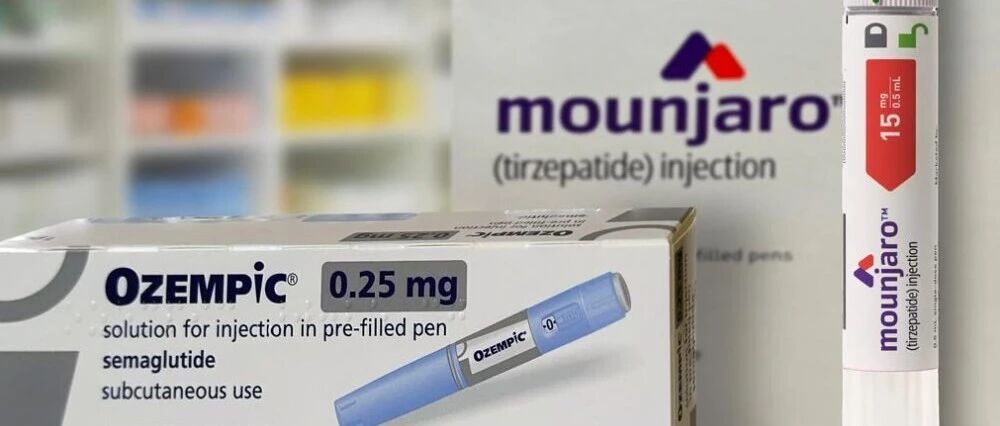
第一波用上司美格鲁肽的人,已经开始用上了第二代的替尔泊肽了
GLP1减重宝典· 2025-11-15 11:22
Core Insights - The article highlights the successful launch of Eli Lilly's GLP-1 drug, Tirzepatide (brand name: Mounjaro), in China, which sold out within three seconds, indicating high demand and market anticipation [4] - Eli Lilly's Q3 2025 revenue reached $17.601 billion, a 54% year-over-year increase, with total revenue for the first nine months of 2025 at $45.887 billion, up 46% [4][6] - The article discusses the competitive landscape of GLP-1 drugs, noting that Tirzepatide is gaining market share over Semaglutide, with different patient responses to these medications [6][10] Group 1: Market Performance - Tirzepatide's sales in Q3 totaled $10.1 billion, with a projected annual revenue exceeding $35 billion [6] - In the U.S. market, Eli Lilly's GLP-1 market share has surpassed that of Novo Nordisk [6] - The article mentions that the drug's popularity is bolstered by endorsements from high-profile individuals like Elon Musk, who switched from Semaglutide to Tirzepatide [7][10] Group 2: Clinical Efficacy - Clinical trials, such as SURMOUNT-1 and SURMOUNT-2, demonstrate that patients using Tirzepatide can lose significant weight, with reductions of 15.4% to 22.9% compared to a mere 2.1% in the placebo group [11][13] - The SURMOUNT-3 trial showed a weight loss of up to 26.6% after 72 weeks of treatment [15] - In head-to-head trials, Tirzepatide outperformed Semaglutide, with participants losing an average of 50.3 pounds (approximately 22.8 kg) compared to 33.1 pounds (approximately 15.0 kg) for the control group [15] Group 3: Safety Profile - Approximately 80% of Tirzepatide users reported at least one side effect, primarily gastrointestinal issues, similar to those experienced with Semaglutide [16] - The incidence of nausea was reported at 33% for Tirzepatide users, compared to 44% for Semaglutide users, indicating a potentially lower side effect profile for Tirzepatide [16][18]


减脂潮流席卷而来——跳出体重焦虑,迈向健康生活新纪元!中国肥胖问题正面临严峻警报
GLP1减重宝典· 2025-11-15 11:22
Core Viewpoint - The article emphasizes the urgent need for a comprehensive approach to weight management in China, highlighting the alarming obesity rates and the associated health risks, while advocating for a shift from traditional weight loss methods to a holistic health ecosystem that integrates technology, policy, and individual responsibility [5][7][30]. Group 1: Obesity Crisis and Health Risks - By 2025, the overweight rate among Chinese adults is projected to reach 34.3%, with obesity rates at 16.4%, and a 12-fold increase in youth obesity over the past 15 years [5]. - If no effective measures are taken, by 2030, adult overweight and obesity rates could soar to 70.5%, with youth rates reaching 31.8% [5]. - Obesity is linked to over 200 diseases, leading to annual medical expenses exceeding 240 billion yuan, with chronic diseases like diabetes and cardiovascular issues on the rise [7]. Group 2: Comprehensive Health Ecosystem Development - The National Health Commission's "National Fitness Plan" promotes a dual focus on muscle gain and fat loss, moving away from the sole reliance on BMI for health assessments [8]. - Innovative products, such as a patented CLA + whey protein complex, have shown promising results in trials, with users averaging a muscle gain of 2.3 kg and fat loss of 4.7 kg over three months [9]. - The "smart fat-burning machine" initiative utilizes wearable devices to monitor metabolic health, with a specific formula enhancing basal metabolic rate by 12%-15% [10]. Group 3: New Frontiers in Weight Management - Community health initiatives in regions like Guangdong and Zhejiang are incorporating gut microbiome testing into routine health checks, offering personalized prebiotic prescriptions for obesity linked to microbiome imbalances [11]. - The integration of skin and fat management post-weight loss is emphasized, with guidelines recommending the inclusion of collagen and elastin in weight loss products [12]. - Advanced technologies, such as microencapsulated hyaluronic acid, are being developed to maintain skin elasticity during weight loss [13]. Group 4: Policy, Technology, and Community Engagement - The establishment of the "Metabolic Cloud Brain" platform aims to provide personalized recommendations for muscle gain, fat loss, and microbiome regulation through a simple scan [14]. - The "15-minute scientific weight loss circle" initiative in Beijing promotes community engagement by providing access to fitness resources and health monitoring [15]. Group 5: Avoiding Weight Loss Pitfalls - The weight loss market is plagued by misinformation, with 40% of products exaggerating their effectiveness, leading to consumer confusion and potential health risks [17]. - There is a significant gap in obesity treatment resources, with less than 15% of primary hospitals offering obesity management services, and a shortage of qualified weight loss surgeons [18]. Group 6: Future Outlook on Weight Management - The future of weight management is expected to leverage technologies like AR body fat scanning and AI-driven personalized plans, fostering a collaborative environment among government, businesses, and communities [22]. - The narrative of weight loss is shifting from mere calorie restriction to a more nuanced approach that balances muscle and fat management, gut health, and hormonal regulation [23].