GLP1减重宝典

Search documents
靠司美格鲁肽就能“躺瘦”?医生:用药也需调整饮食
GLP1减重宝典· 2026-02-15 04:08
Core Viewpoint - The article emphasizes the importance of a comprehensive approach to weight loss, highlighting that medication alone, such as semaglutide, is insufficient without lifestyle changes and professional guidance [4]. Group 1: Medication and Professional Guidance - The introduction of semaglutide in medical institutions has led to an increase in consultations at weight loss and endocrinology clinics [4] - It is recommended that patients seeking weight loss consult qualified medical professionals for proper assessment and diagnosis to create a scientific weight loss plan [4] - The use of weight loss medications requires standardized management, and reliance solely on medication is unlikely to yield effective results [4] Group 2: Dietary Recommendations During Medication - Maintaining a balanced diet is crucial while taking semaglutide, with recommendations to reduce refined carbohydrates and sugary drinks, and to limit salt intake to 5 grams per day [6] - During dinner, it is advised to avoid greasy and sweet foods, opting for light and easily digestible options to prevent gastrointestinal discomfort [6] Group 3: Foods to Avoid - High-fat foods, such as fried items and heavily cooked dishes, should be avoided as they can cause gastrointestinal discomfort, especially when taking semaglutide [7] - Foods high in trans fats and saturated fats, including full-fat dairy products and red meats, can exacerbate gastrointestinal issues and affect medication efficacy [7] - High-sugar foods, including sauces, baked goods, and sugary drinks, should be strictly controlled to prevent blood sugar fluctuations, particularly for diabetic patients [7] - High-sodium foods, such as chips and pickled products, can increase blood pressure and pose risks for heart disease, especially in type 2 diabetes patients [9] - Refined carbohydrates and high-sugar starchy vegetables should be minimized, with a preference for whole grains and low-sugar vegetables to better align with semaglutide's effects [9] - Alcohol should be reduced or avoided as it can aggravate digestive issues and increase the risk of hypoglycemia while on semaglutide [10]


速递|45年2174篇研究给出答案:GLP-1时代,青少年减重手术不再只是动刀
GLP1减重宝典· 2026-02-15 04:08
Core Viewpoint - The article discusses the evolution of adolescent weight loss surgery from a controversial procedure to a recognized treatment for metabolic diseases, emphasizing the need for a systematic approach to obesity management in youth [5][10]. Group 1: Background and Current Trends - The global prevalence of overweight adolescents has surpassed 390 million, with obesity rates rising, particularly in high-income countries [5]. - Severe obesity in adolescence is linked to long-term health issues such as type 2 diabetes, cardiovascular risks, and increased healthcare costs [5]. - Traditional lifestyle interventions have limited effectiveness for severely obese adolescents, necessitating the consideration of metabolic and weight loss surgeries [6]. Group 2: Research Findings - A bibliometric study covering 45 years and 2,174 articles shows a significant increase in research output post-2005, with 62% of studies published after 2016 [6][7]. - The U.S. leads in publication volume and citation impact, with a concentration of research in high-capacity children's hospitals [7]. - The focus of research has shifted from basic surgical outcomes to comprehensive metabolic management, integrating drug therapies and addressing health inequalities [8][9]. Group 3: Clinical Implications and Ethical Considerations - Long-term follow-up studies indicate that adolescents undergoing weight loss surgery can achieve sustained BMI reductions and improvements in metabolic conditions [8]. - Risks have transitioned from surgical complications to long-term management challenges, including micronutrient deficiencies and psychological impacts [8]. - Ethical discussions are evolving towards the timing and criteria for surgery, emphasizing the need for multidisciplinary assessments in high-capacity centers [8][10]. Group 4: Future Directions - The integration of GLP-1 medications is changing the landscape of obesity treatment, providing alternatives to surgery while raising new concerns about long-term adherence and rebound weight gain [9]. - The article identifies gaps in long-term outcome data, comparative studies of surgical and pharmacological strategies, and the need for policy interventions to address health disparities [10].
速递|默沙东杀入口服GLP-1:1.12亿美元买来MK-4082,120人一期开跑
GLP1减重宝典· 2026-02-15 04:08
Core Viewpoint - Merck's initiation of global Phase I clinical trials for the small molecule oral GLP-1 candidate MK-4082 represents a strategic move to regain market share in metabolic diseases post-DPP-4 era, focusing on broader health issues beyond glucose control [4][7]. Group 1: Merck's Strategy and Market Position - The collaboration between Merck and domestic company Haosen Pharmaceutical involves a clear financial structure, with Haosen receiving an upfront payment of $112 million and potential milestone payments up to $1.9 billion, along with revenue-sharing arrangements [6]. - Merck's choice to pursue small molecules instead of injectable large molecules is driven by the competitive landscape, where established players have set high clinical data standards and built extensive supply chains [7]. - The oral GLP-1 approach is seen as more scalable and suitable for large-scale commercialization, aligning with Merck's capabilities in managing broad indications [7]. Group 2: Industry Trends and Competitor Strategies - Major competitors like Novo Nordisk and Eli Lilly are fully engaged in the market with a comprehensive approach, including injectables and oral formulations, while focusing on supply capabilities and pricing strategies [8]. - Other companies, such as Roche and AstraZeneca, are diversifying their strategies, with Roche acquiring assets to enhance its portfolio and AstraZeneca pursuing both small molecule oral GLP-1 and multi-target approaches [9][10]. - Pfizer's strategy involves acquiring new generation long-acting assets and small molecule projects to mitigate risks associated with single project failures [9]. Group 3: Implications for Chinese Pharmaceutical Companies - The significance of MK-4082 extends to Chinese innovative drug companies, as the focus shifts from single-target me-too drugs to those with platform value, emphasizing small molecules, dual or multi-targets, and ultra-long-acting formulations [11]. - The market will closely monitor MK-4082's Phase I results for pharmacokinetics and tolerability, as well as Merck's potential to expand its asset portfolio with complementary mechanisms [11].


重磅:Cell发表哥大最新突破,精准锁定代谢障碍治疗关键靶点
GLP1减重宝典· 2026-02-15 04:08
Core Viewpoint - The research identifies the bed nucleus of the stria terminalis (BNST) as a central hub in the brain that regulates feeding behavior by integrating sensory inputs and internal states, providing a unified control mechanism for appetite and weight management [17]. Group 1: Mechanisms of Taste and Feeding Behavior - The taste system acts as the primary sensory gateway for regulating eating behavior, with specialized taste receptor cells (TRC) responsible for detecting basic tastes [7]. - The study highlights that the brain's conversion of sweet taste signals into actual feeding behavior is not fully understood, despite advancements in sensory biology [7]. - Hunger significantly enhances the preference for sweet tastes, indicating that internal states can influence sensory perception and feeding behavior [7]. Group 2: Role of BNST in Feeding Regulation - The BNST is confirmed as a key brain region that integrates internal states and sensory signals, playing a crucial role in the unified regulation of feeding behavior [8][11]. - Activation of specific neurons in the central amygdala (CEA) that respond to sweet tastes is shown to influence feeding behavior through projections to the BNST [9]. - The study demonstrates that BNST is essential for mediating the feeding response to sweet stimuli, with evidence showing that inhibiting BNST activity blocks sweet-induced feeding [9][10]. Group 3: Impact of Hunger and Sodium Deficiency - Hunger increases the amount of food consumed in response to sweet tastes by 2.5 times, with this effect dependent on normal taste pathways [10]. - The BNST's response to sweet tastes is enhanced by hunger, while sodium deficiency significantly increases the response to salty tastes [11]. - BNST integrates signals from both sweet taste and hunger, allowing for precise control over specific feeding behaviors [11]. Group 4: Behavioral Experiments and Findings - Activation of BNST leads to increased feeding impulses, even for normally avoided substances, demonstrating its broad regulatory capacity over feeding behavior [14]. - Inhibition of BNST results in reduced food intake regardless of the animal's hunger state, indicating its critical role in feeding regulation [14]. - The research introduces a neural decoding system that can accurately identify combinations of stimuli and physiological states based on BNST neuron activation patterns [14]. Group 5: Implications for Weight Management - The study reveals that BNST can be targeted for weight management, showing that selective activation can delay weight loss in cachexia models and that inhibition can reduce weight in obesity models [15][16]. - The findings suggest that BNST may be a key brain region for the action of GLP1 receptor agonists, which are used in clinical weight management [16]. - Overall, the research provides new insights into the mechanisms of appetite regulation and potential therapeutic targets for obesity and cachexia [17].

体重大幅下降,糖友人生重启!《柳叶刀》重磅公布最新Meta分析:减重幅度与2型糖尿病缓解率呈正相关
GLP1减重宝典· 2026-02-14 14:58
Core Insights - A groundbreaking meta-analysis published in *The Lancet Diabetes & Endocrinology* reveals a strong dose-response relationship between weight loss and diabetes remission in overweight or obese patients with type 2 diabetes [6][9] Summary by Sections Weight Loss and Diabetes Remission - The study found that weight loss is a critical factor in controlling type 2 diabetes and reducing the risk of related complications, providing clear treatment goals and expected outcomes for clinicians and patients [9] Research Methodology - The research team conducted a systematic review of all relevant randomized controlled trials up to July 30, 2024, selecting 22 high-quality studies that included 29 complete remission and 33 partial remission assessment metrics [7] - Complete remission was defined as having a hemoglobin A1c level below 6.0% or fasting blood glucose below 5.6 mmol/L without any antidiabetic medications after one year of intervention [7] Results of Weight Loss Interventions - Dramatic differences in complete remission rates were observed based on weight loss: only 0.7% of patients with less than 10% weight loss achieved complete remission, while nearly half (49.6%) of those losing 20%-29% achieved it, and an impressive 79.1% of those losing over 30% achieved complete remission [7][8] - Partial remission rates also showed a clear stepwise increase: 5.4% for less than 10% weight loss, 48.4% for 10%-19%, 69.3% for 20%-29%, and 89.5% for over 30% [7][8] Statistical Analysis - The precise calculations indicated that for every 1% weight loss, the probability of complete remission increased by 2.17%, and the probability of partial remission increased by 2.74% [8] - Notably, no significant associations were found between remission outcomes and factors such as age, sex, race, disease duration, baseline body mass index, hemoglobin A1c levels, insulin use, or weight loss intervention methods [8]
速递|扩建海外供应链,诺和诺德要把爱尔兰打造成口服司美格鲁肽供应中心
GLP1减重宝典· 2026-02-14 14:58
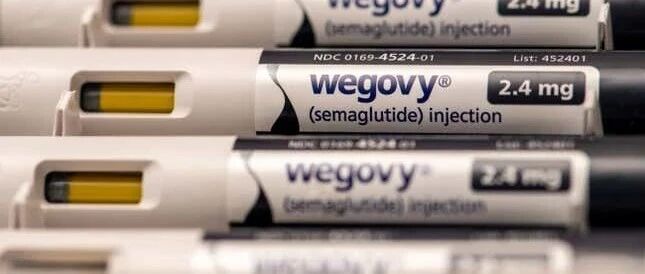
Core Viewpoint - Novo Nordisk is strategically restructuring its global supply chain for oral weight loss drug Wegovy, focusing on managing production capacity, tariffs, and market timing simultaneously [4][6]. Group 1: Supply Chain Strategy - Novo Nordisk is investing in the Athlone facility in Ireland, acquiring it for approximately $91 million, to serve as a global supply center for non-US markets, allowing for quicker ramp-up of production [4][6]. - The Athlone facility is not a greenfield project but an existing industrial asset, which significantly reduces the time and cost associated with building new production lines [4][6]. - The company is also expanding its Clayton facility in North Carolina with an investment of $4.1 billion, which will double its sterile filling and finished product capacity, creating around 1,000 new jobs [7]. Group 2: Market Demand and Competition - The demand for oral Wegovy is rapidly increasing, with prescriptions climbing from approximately 3,071 in the first four days post-launch to over 240,000 by early February [6]. - Eli Lilly is also ramping up its production capabilities for its oral GLP-1 drug, orforglipron, with a pre-launch inventory of about $1.5 billion and multiple manufacturing sites planned across the U.S. [8][10]. - The competition in the oral weight loss drug market is intensifying, with production capacity becoming a critical factor in determining market share and pricing strategies [10]. Group 3: Trade and Tariff Considerations - Ireland's selection as a manufacturing hub is influenced by the uncertainties surrounding trade and tariffs, prompting companies to stock inventory in target markets to mitigate risks from potential policy changes [9][10]. - In May 2025, Ireland's pharmaceutical exports reached approximately €13.7 billion, a 73.9% increase year-on-year, highlighting the country's growing importance in the global pharmaceutical supply chain [9][10].



速递|14.2亿元甩卖口服胰岛素梦:华润踩雷十年止损
GLP1减重宝典· 2026-02-14 14:58
Core Viewpoint - The article discusses the divestment of a 17.87% stake in Tianmai Biotechnology by China Resources Pharmaceutical, marking a significant shift in strategy after a decade of investment in oral insulin, which has faced multiple setbacks and challenges in commercialization [5][9]. Group 1: Company Background and Investment History - China Resources Pharmaceutical began its investment in Tianmai Biotechnology in 2016, focusing on the development and commercialization of insulin and its analogs, particularly oral insulin [5]. - The initial optimism surrounding oral insulin was based on its potential to improve patient compliance by replacing injections with oral administration, thus expanding the user base [5][6]. Group 2: Challenges Faced - The development of oral insulin has proven to be extremely challenging due to the instability of insulin in the gastrointestinal tract and the difficulty in achieving stable bioavailability [6]. - Tianmai faced delays in obtaining necessary approvals for injectable insulin, and the introduction of centralized procurement in China significantly altered the market dynamics, leading to price reductions and increased competition from larger players [6][7]. Group 3: Recent Developments and Strategic Shift - In 2023, Oramed's failure to meet primary and secondary endpoints in Phase III trials for ORM-0801 posed a significant setback for the oral insulin narrative, leading to diminished investor confidence and uncertainty regarding future funding [9]. - Following these developments, China Resources Pharmaceutical opted to divest its stake in Tianmai, indicating a strategic pivot towards more certain and commercially viable products, such as a partnership with Borui Pharmaceutical for BGM0504 [10]. Group 4: Market Context and Future Outlook - The divestment reflects a broader trend in the pharmaceutical industry where large companies are increasingly focused on maximizing returns on capital and minimizing exposure to high-risk projects [11]. - Despite the withdrawal from oral insulin, the article suggests that there may still be potential for value in Tianmai, as the company explores new avenues such as GLP-1 analogs, although the competitive landscape has become significantly more challenging [10][11].


司美格鲁肽真能包治百病?抗炎机制是关键
GLP1减重宝典· 2026-02-14 14:58
Core Viewpoint - Semaglutide, marketed as Ozempic, is emerging as a revolutionary drug with the potential to treat multiple diseases beyond diabetes, including obesity, cardiovascular issues, and even neurodegenerative diseases like Alzheimer's [3][4][9]. Group 1: Drug Efficacy and Benefits - Semaglutide has shown the ability to reduce the risk of heart attacks and strokes by nearly 20% in patients [3]. - The drug has been linked to improvements in mental health, including reductions in depression and anxiety [3]. - In a three-year trial, semaglutide was found to lower the risk of kidney failure and death in diabetic patients [3]. - Research indicates that liraglutide, another GLP-1 drug, can reduce brain atrophy in Alzheimer's patients and slow cognitive decline [3][12]. Group 2: Mechanisms of Action - The exact mechanisms by which semaglutide treats various diseases remain unclear, but it is believed to influence brain reward pathways and inflammation [4][11]. - Semaglutide mimics the natural hormone GLP-1, which helps lower blood sugar levels and affects appetite regulation by signaling the pancreas to release insulin and slowing gastric emptying [7][19]. - The drug has anti-inflammatory properties, which may contribute to its effectiveness in treating conditions like cardiovascular diseases and other inflammation-related disorders [9][11]. Group 3: Market Impact and Usage - Semaglutide is marketed at a high price point, approximately $1,300 per month, yet it has gained significant traction, with around 25,000 new users in the U.S. each week [7]. - The drug's weight loss effects are substantial, with patients typically losing about 15% of their body weight after one year of treatment [7]. - The potential for semaglutide to improve fertility and overall health outcomes is being recognized, particularly in patients with high body mass index [8][9].
速递|礼来eloralintide中国获批临床:瞄准肥胖+膝骨关节炎疼痛,减重药转向卷适应症
GLP1减重宝典· 2026-02-13 05:28
Core Viewpoint - The article discusses the recent approval of Eli Lilly's new drug eloralintide for clinical trials in China, aimed at treating obesity and related conditions, highlighting the competitive landscape in the GLP-1 drug market [4][6]. Group 1: Drug Approval and Clinical Trials - Eli Lilly's eloralintide injection has received clinical trial approval from China's National Medical Products Administration (NMPA) for treating obesity or overweight individuals with knee osteoarthritis pain [4]. - The company is advancing multiple Phase III clinical studies for eloralintide, targeting obesity, obstructive sleep apnea, and knee osteoarthritis, indicating a significant step in local research [6]. Group 2: Market Competition and Differentiation Strategies - The competition in the domestic semaglutide market is intensifying, with several biosimilars for type 2 diabetes and obesity either in Phase III trials or having received IND approval [6]. - In response to increasing "homogenization" pressure, companies are accelerating the search for differentiation strategies, including the development of oral formulations, extending half-lives, multi-target approaches to enhance efficacy, and exploring new sales and service models [8].
速递|口服GLP-1再传捷报:诚益生物Elecoglipron中国Ib期报喜
GLP1减重宝典· 2026-02-13 05:28
Core Viewpoint - The article discusses the positive results of the oral weight loss drug Elecoglipron from Chengyi Biotechnology in its Phase Ib clinical trial for overweight or obese adults in China, indicating early safety, tolerability, and preliminary efficacy signals, which support further clinical development [4]. Group 1: Clinical Trial Results - Elecoglipron demonstrated overall safety and tolerability consistent with typical GLP-1 receptor agonists, suggesting its adverse reaction profile is likely within expected ranges [4]. - Exploratory pharmacodynamic results showed clinically meaningful weight loss in obese/overweight participants, with significant improvements in blood glucose-related indicators among those with type 2 diabetes, indicating potential comprehensive benefits beyond weight management [4]. - The company emphasized the potential inclusion of Elecoglipron in global Phase III clinical projects in China, signaling a commitment to integrating China into the core development pathway [4]. Group 2: Competitive Landscape - The competition logic in the weight loss sector is shifting, with injectable "blockbuster" drugs raising efficacy ceilings, leading to a focus on more convenient administration methods and scalable treatment scenarios [6]. - The oral formulation offers better adherence, higher penetration, and broader reach for weight management and chronic disease management populations, particularly where obesity and type 2 diabetes overlap [6]. - Challenges for oral GLP-1 drugs include gastrointestinal tolerability, effective dosage windows, long-term safety, and comparative efficacy against strong injectable products [6]. Group 3: Implications for Future Development - If the Chinese region can enter the global Phase III system, it would enhance clinical resources and participant enrollment, potentially accelerating development timelines [7]. - Early alignment of Chinese population data with global registration studies could reduce subsequent time costs associated with bridging studies [7]. - The ability to complete key validations quickly and establish replicable commercialization pathways will be crucial for gaining a competitive edge in the saturated GLP-1 market [7].