GLP1减重宝典

Search documents
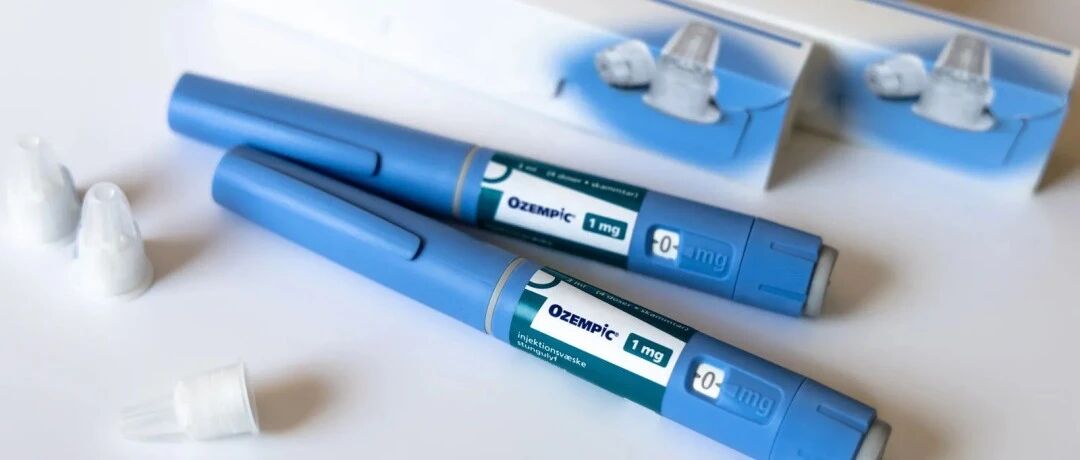
腾讯看上了减肥药!又投公司又申请专利,意图何在?
GLP1减重宝典· 2026-02-13 05:28
Core Viewpoint - The article discusses Tencent's strategic investments in the GLP-1 weight loss drug sector, emphasizing a long-term vision that integrates health management, data processing, and service connectivity rather than focusing solely on individual drug performance [4][11]. Investment Strategy - Tencent's investment approach is structured in three phases: 1. Initial investments in near-commercial GLP-1 assets to secure stable cash flow from chronic disease management [6]. 2. Betting on next-generation technologies targeting multiple metabolic pathways to enhance weight loss effectiveness [6]. 3. Diversifying into various technological approaches to mitigate risks associated with GLP-1 competition [8]. Market Dynamics - The weight loss drug market is characterized by a large and growing user base, with significant potential for ongoing service engagement across multiple health management areas [9]. - There is a strong willingness to pay for weight loss solutions, transitioning from high-cost, niche markets to broader accessibility through various payment structures [10]. - Weight management is interconnected with chronic diseases, allowing for an expanded service offering that includes diagnostics, medication, and follow-up care [10]. Infrastructure Development - Tencent is not only investing in equity but also building foundational infrastructure through health-related patents, focusing on improving measurement accuracy and data integration for chronic disease management [12]. - Recent patent applications include innovations in GLP-1 receptor activation, aiming to create more effective and cost-efficient treatments [13][15]. Risk and Opportunity Assessment - Tencent's investments in companies like Xianweida and Minwei Biotech reflect a balanced risk preference, combining stable assets with high-potential, flexible opportunities in the next-generation drug space [16]. - The strategy aims to create a sustainable business model in weight management, leveraging technology and service integration to enhance commercial efficiency [17].


聚焦罕见遗传性肥胖综合征,双重激动剂替尔泊肽有望成为破局利器
GLP1减重宝典· 2026-02-13 05:28
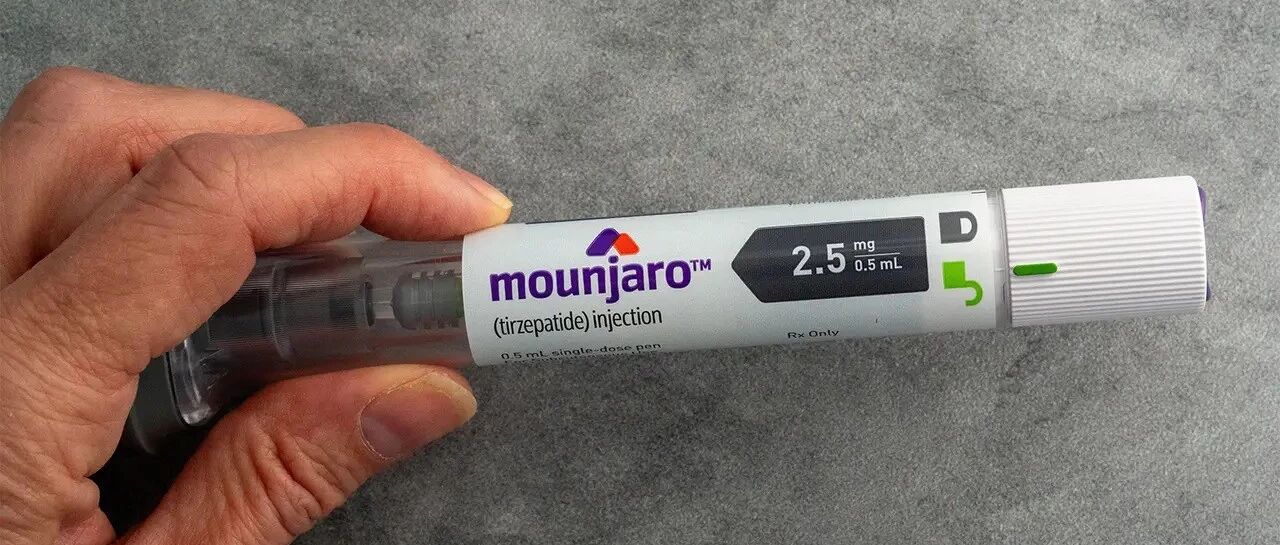
Core Viewpoint - The article discusses the effectiveness of the dual GIP/GLP-1 agonist Tirzepatide in treating two cases of Alström syndrome, a rare obesity syndrome, highlighting its potential to provide significant metabolic benefits where previous GLP-1 receptor agonists had limited success [6][7][16]. Summary by Sections Introduction to Alström Syndrome - Alström syndrome is a rare genetic disorder caused by mutations in the ALMS1 gene, characterized by early-onset obesity, type 2 diabetes, significant insulin resistance, and uncontrollable appetite [9]. Case Reports - Two young male patients diagnosed with Alström syndrome previously showed limited response to GLP-1 receptor agonists and experienced weight regain after initial weight loss [10][11]. - Patient A (21 years old) had a baseline BMI of 42.2 kg/m² and was diagnosed with type 2 diabetes, fatty liver, and multiple endocrine deficiencies [11]. - Patient B (20 years old) had a baseline BMI of 46.3 kg/m², along with severe complications such as fatty liver and portal hypertension [12]. Treatment with Tirzepatide - Both patients switched from GLP-1 RA to Tirzepatide, with a gradual dosage adjustment to a stable dose of 15 mg per week, while continuing their hormone replacement therapy [14]. Metabolic Outcomes - Significant improvements were observed in key metabolic indicators: - Patient A lost 26.9% of body weight (from 113.6 kg to 83 kg) and reduced BMI to 30.9 kg/m² after 18 months [15]. - Patient B lost 7.2% of body weight (from 132 kg to 122.5 kg) and reduced BMI to 42.9 kg/m² after 9 months [15]. - Patient A's daily insulin dosage decreased by 83% (from 116 IU to 20 IU), with HbA1c levels maintained at ideal levels [15]. - MRI assessments indicated that Patient A's liver fat content decreased from 20% to <5%, while Patient B's liver fat content dropped from 21% to 11% [15]. Appetite Control and Safety - Both patients reported a significant reduction in previously uncontrollable appetite, and no severe drug-related adverse events were observed, indicating good tolerability [15]. Conclusion and Future Directions - The case report suggests that Tirzepatide may offer superior metabolic benefits for Alström syndrome patients who previously did not respond well to GLP-1 RA, including greater weight loss, improved insulin resistance, and reduced liver fat accumulation [16]. - Although the findings are based on only two cases, they open a promising avenue for treatment in this difficult-to-manage rare disease, warranting further research with larger sample sizes and longer follow-up [16].
速递|替尔泊肽在华获批单药一线!2型糖尿病用药顺序被改写
GLP1减重宝典· 2026-02-12 15:11
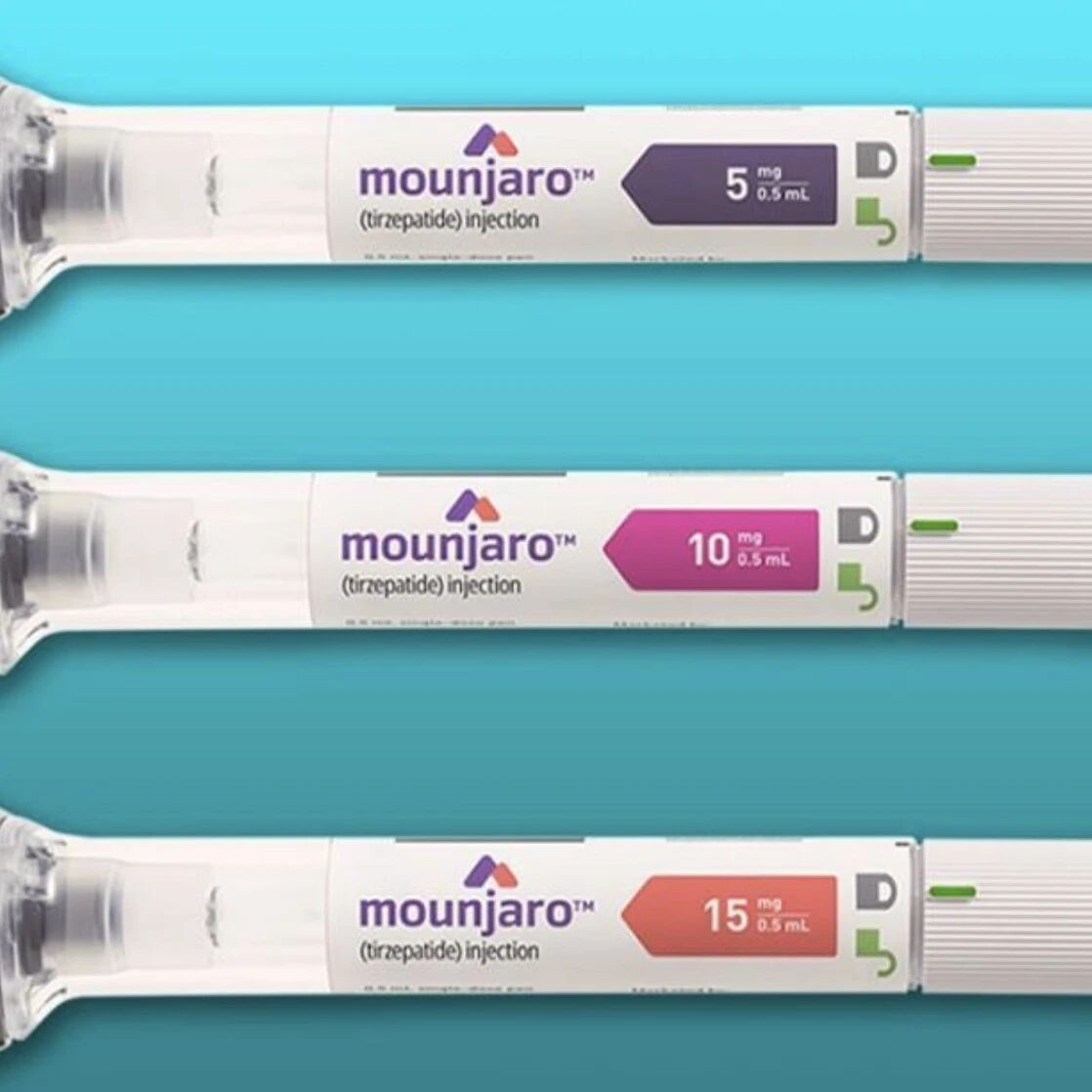
Core Viewpoint - The approval of tirzepatide for monotherapy in adult type 2 diabetes in China marks a significant shift in treatment protocols, allowing for earlier intervention and potentially better patient outcomes [4][5]. Group 1: Approval and Clinical Impact - Tirzepatide has received approval for use as a monotherapy for adult type 2 diabetes, simplifying treatment pathways for both physicians and patients [4]. - The SURPASS-CN-MONO study demonstrated significant reductions in HbA1c levels, with the 5 mg group showing a decrease of 2.19% compared to a 0.77% decrease in the placebo group, indicating strong efficacy in blood sugar control [5]. - Approximately 90.38% of patients in the 5 mg group achieved HbA1c levels below 7.0%, highlighting the drug's effectiveness in early-stage treatment [5]. Group 2: Market and Treatment Paradigm Shift - The approval of tirzepatide as a monotherapy disrupts traditional treatment pathways, which typically start with metformin, potentially leading to faster blood sugar control and earlier management of complications [6]. - The market may see a bifurcation based on patient access and adherence, with economic factors influencing the uptake of this new treatment option [6]. - The expansion of tirzepatide's indications is part of a broader strategy to position the drug as a long-term platform medication for metabolic diseases, enhancing its lifecycle value [8]. Group 3: Competitive Landscape - The competition in the diabetes medication market is intensifying, shifting from mere efficacy comparisons to a comprehensive evaluation of clinical evidence, long-term safety, and patient management strategies [8]. - The focus is now on creating smoother, earlier, and more sustainable treatment pathways rather than just achieving lower HbA1c levels [8].

减重神药不再“一家独大”?清华团队一针见效新技术问世,改造免疫细胞带来持久控糖瘦身双效
GLP1减重宝典· 2026-02-12 15:11
Core Viewpoint - The article discusses a groundbreaking research study that introduces a long-lasting CAR-T cell platform for the delivery of biologics, specifically targeting chronic diseases like obesity and diabetes, offering a potential single-dose treatment solution [7][8][20]. Group 1: Research Breakthroughs - The research team from Tsinghua University developed a revolutionary long-lived CAR-T cell, named GD2TIF, which can deliver GLP-1 for obesity and diabetes treatment with a single injection, maintaining long-term effects [8][18]. - The study published in *Nature Communications* on August 29, 2025, highlights the potential of GD2TIF cells to provide a "one-time treatment, long-term effectiveness" solution for chronic diseases [9][20]. - Previous methods, such as using AAV vectors for gene delivery, have limitations in providing long-term therapeutic effects due to their transient nature [9][10]. Group 2: Mechanism and Efficacy - GD2TIF cells can secrete GLP-1, achieving sustained weight maintenance and normal blood sugar levels in obesity mouse models, thus meeting clinical "cure" standards [18][20]. - The research emphasizes the importance of selecting GD2 as a target, as it is highly expressed in certain tumors but minimally in normal tissues, reducing the risk of off-target effects [16][17]. - The innovative approach of using CAR-T cells as "living factories" for therapeutic proteins aims to address the challenges of traditional biologic treatments that require frequent injections [10][11]. Group 3: Future Implications - The successful development of GD2TIF cells as a reliable platform for biologic delivery could revolutionize treatment for various chronic diseases, potentially reducing the burden of continuous medication and frequent medical visits for patients [20]. - The article notes that while the cost of CAR-T cell therapy remains high, advancements in cell therapy technology and scalable production could make this long-term delivery method more cost-effective compared to traditional repeated injections [20].

速递|诺和诺德再押三靶点:UBT251全球二期启动,333人入组到2027
GLP1减重宝典· 2026-02-12 15:11
Core Viewpoint - Novo Nordisk is advancing its weight loss pipeline with the addition of UBT251, a GLP-1/GIP/GCG tri-receptor agonist, which aims to enhance weight loss efficacy and metabolic improvements while addressing safety and tolerability concerns [6][8][11] Group 1: UBT251 Development - A global Phase II study for UBT251 has been registered, targeting 333 participants, with completion expected by January 2027 [6] - UBT251's long half-life of approximately 136 to 170 hours supports a once-weekly dosing regimen, showing superior weight loss compared to placebo in early trials [8] - The drug's tri-receptor approach aims to suppress appetite, improve glucose metabolism, and enhance energy expenditure for greater weight loss [6][8] Group 2: Competitive Landscape - The initiation of UBT251's Phase II trial coincides with heightened industry interest following Eli Lilly's Retatrutide Phase III results, which demonstrated significant weight loss and functional benefits [11] - Novo Nordisk's strategy includes leveraging its established GLP-1 system and commercial capabilities while responding to new competitive benchmarks set by emerging therapies [11] - The key focus for UBT251 in Phase II will be to achieve substantial weight loss while maintaining acceptable safety and tolerability profiles [11] Group 3: Financial and Strategic Considerations - In March 2025, Novo Nordisk entered a licensing agreement with a $200 million upfront payment and potential milestone payments up to $1.8 billion, reflecting a strategic investment in UBT251's potential [9] - This deal structure allows Novo Nordisk to manage initial cash outflows while betting on the drug's future clinical success to justify further investments [9]


腾讯看上了减肥药!又投公司又申请专利,意图何在?
GLP1减重宝典· 2026-02-12 15:11
Core Viewpoint - The article discusses Tencent's strategic investments in the GLP-1 weight loss drug sector, highlighting a comprehensive approach that integrates drug development with health management and data services, aiming for a long-term operational model in chronic disease management [5][10]. Investment Strategy - Tencent's investment strategy involves a phased approach, starting with near-commercial GLP-1 assets to secure stable cash flow from chronic disease management, particularly in diabetes and obesity, which have high repurchase rates and long management cycles [6][7]. - The second phase focuses on investing in next-generation technologies targeting multiple metabolic pathways, which could enhance weight loss effectiveness and improve long-term health outcomes [7][8]. - The third phase aims to diversify the technological pathways in weight loss solutions to mitigate risks associated with GLP-1 competition, ensuring a broader range of commercial opportunities [8][9]. Market Dynamics - The weight loss drug market presents significant opportunities due to its large and growing user base, which allows for long-term customer acquisition and service engagement across various health management aspects [9]. - There is a strong willingness to pay for weight loss solutions, transitioning from high-cost self-pay models to more diverse payment structures, including insurance and employer benefits, which enhances the market's accessibility [9]. - Weight management is interconnected with various chronic conditions, creating a comprehensive market for metabolic disease management, thus expanding the potential service offerings beyond just weight loss [9]. Infrastructure Development - Tencent's patent applications in health management and data processing indicate a focus on building a foundational infrastructure that connects drug efficacy with user engagement, enhancing long-term adherence and service delivery [10]. - The integration of detection, data, and service pathways is crucial for addressing the challenges of long-term adherence and monitoring in weight loss treatments, positioning Tencent to leverage its platform capabilities effectively [10]. Risk Preferences - Tencent's involvement with companies like Xianweida and Minwei Bio illustrates its risk appetite, balancing investments in more certain GLP-1 assets with those in innovative, multi-target approaches that offer greater potential for differentiation and market expansion [11][12]. - This dual strategy reflects a typical internet approach, combining stable assets with high-risk, high-reward opportunities while utilizing its technological and infrastructural advantages to enhance commercialization efficiency [12].

速递|司美格鲁肽专利松动进入关键月:组合物专利被部分无效,3月到期节点把竞争拉到台前
GLP1减重宝典· 2026-02-11 13:28
Core Viewpoint - The article discusses the transition of the patent landscape for semaglutide from a focus on core compound patents to the implications of expiring peripheral formulation/device patents, indicating an impending competitive market environment [5][9]. Patent Status and Implications - A composition patent related to semaglutide was partially invalidated, leading to a narrower scope of protection, specifically reducing the concentration range from "0.5–10 mg/mL" to "0.5–5 mg/mL" and specifying the administration route as "subcutaneous" [6][8]. - The narrowing of the patent scope suggests that competitors will have clearer paths to market entry, shifting the focus from whether they can produce a product to how they can navigate around existing patents [8][10]. Competitive Landscape - March 2026 is highlighted as a critical turning point, where the expiration of core compound patents will lead to increased competition, with companies needing to quickly adapt their products and supply chains within the constraints of remaining peripheral patents [9][10]. - The competition will not be a simple win-lose scenario but will involve multiple dimensions such as pricing strategies, channel management, and brand positioning, which will determine market share distribution [10]. Regulatory and Compliance Challenges - In international markets, as supply shortages ease, original manufacturers are tightening compliance and legal boundaries around alternative supply options, indicating that even with patent windows, risks remain due to regulatory challenges [11]. - The article emphasizes the need for follow-up companies to design their products to avoid infringing on narrowed patent claims while meeting registration and commercialization requirements [11].
速递|生产司美格鲁肽每年产生超1.23 亿磅有毒溶剂废弃物,污染问题堪忧
GLP1减重宝典· 2026-02-11 13:28
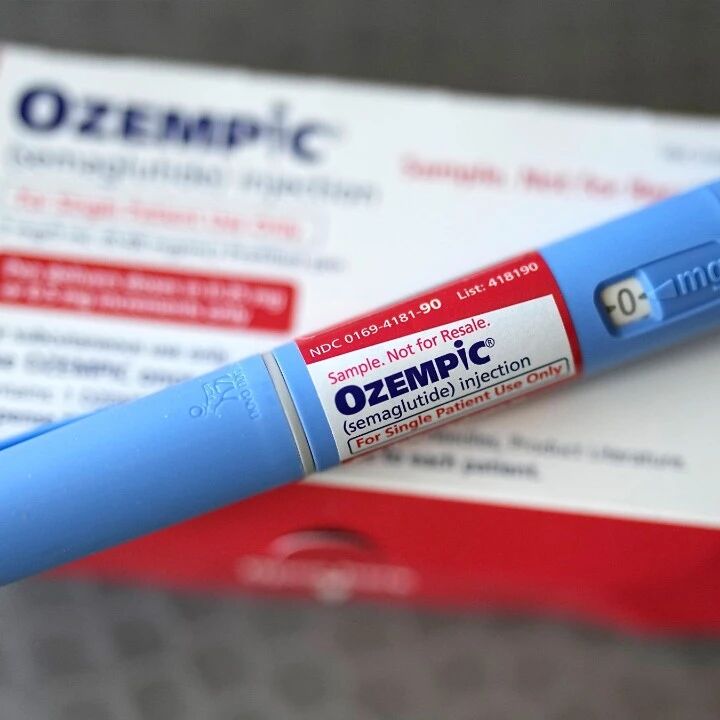
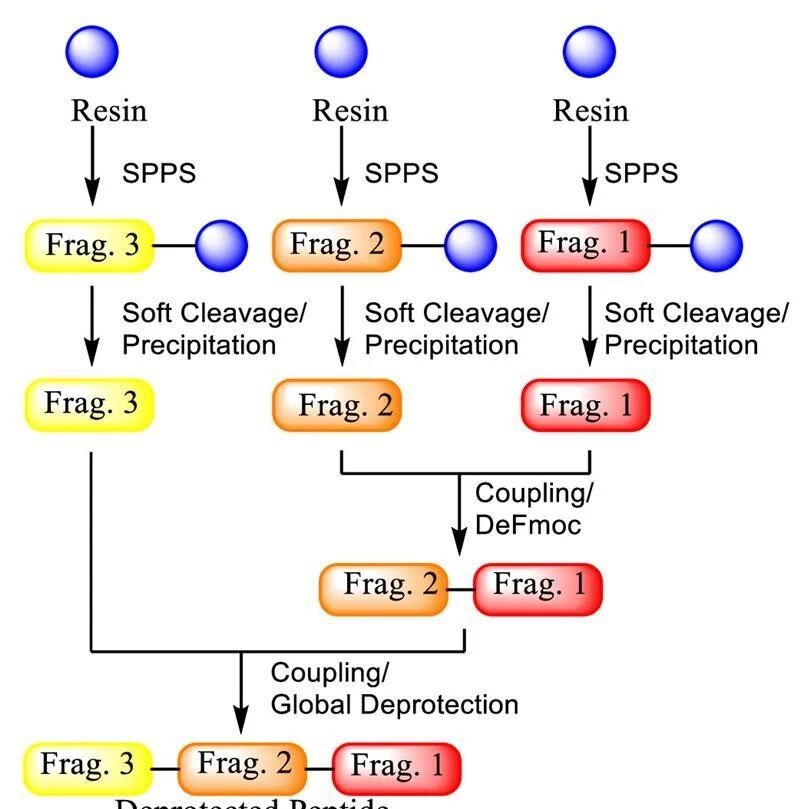
Core Viewpoint - The article discusses the significant environmental and manufacturing challenges posed by GLP-1 peptide drugs, particularly focusing on the solvent consumption and waste generation associated with the mainstream solid-phase peptide synthesis (SPPS) process, which could lead to increased costs and regulatory pressures in the industry [5][7][9]. Group 1: Manufacturing Process Issues - The industrial synthesis of peptide drugs has long relied on SPPS, which, while mature and suitable for commercialization, has high solvent consumption and waste generation [7]. - The SPPS process requires extensive washing steps to remove unreacted materials and by-products, leading to substantial solvent usage and hazardous waste production [7]. - The environmental concerns surrounding GLP-1 drugs stem from the inherent high waste generation of the mainstream manufacturing process rather than the drugs themselves [7]. Group 2: Impact of Increased Demand - GLP-1 drugs are unique in that they have reached unprecedented scales of demand, which amplifies the manufacturing externalities that were previously manageable [8]. - The solvent intensity per kilogram of GLP-1 API is significantly higher than that of typical small-molecule drugs, leading to increased costs for solvent procurement, recovery systems, and hazardous waste disposal [8]. - The scale of waste generated, potentially reaching "tens of millions of kilograms," elevates the issue from a technical detail to an industry-wide concern, affecting new capacity approvals and supply chain logistics [8]. Group 3: Regulatory and Cost Implications - The tightening of regulations around solvents like DMF is leading to increased long-term costs for companies, including higher disposal costs and the need for ongoing capital expenditures for waste management facilities [9][10]. - Compliance risks are also rising, as any incidents related to emissions or waste management can result in significant penalties and operational disruptions [10]. - The differences in manufacturing costs across regions are increasingly driven by regulatory environments rather than labor costs, highlighting the importance of compliance in the overall cost structure [10].
震撼医学圈!《柳叶刀》曝出:一旦达到这个“理想体重”,80%糖友有望完全停用药物!
GLP1减重宝典· 2026-02-11 13:28
Core Insights - The article emphasizes the alarming global diabetes situation, with approximately 537 million adults aged 20-79 affected in 2021, projected to rise to 783 million by 2045, predominantly suffering from type 2 diabetes and often accompanied by overweight or obesity [7] - A significant study published in The Lancet Diabetes & Endocrinology reveals a precise relationship between weight loss and diabetes remission, providing revolutionary guidance for clinical practice [7][10] Research Methodology - The research team adhered to Cochrane and PRISMA guidelines, systematically reviewing relevant randomized controlled trials from databases like PubMed and Embase, focusing on interventions after one year [8] - Out of 3602 articles, 22 high-quality trials were included, ensuring low bias risk and reliable results [8] Key Findings - A significant dose-response relationship was found: for every 1% weight loss, the probability of complete remission increases by 2.17%, and partial remission by 2.74% [10] - Specific data shows that weight loss of less than 10% results in a complete remission rate of only 0.7%, while a weight loss of 20-29% leads to a complete remission rate of 49.6%, and ≥30% weight loss results in a remarkable 79.1% complete remission rate [11] Implications for Diabetes Management - The study positions weight management as a core pillar in treating type 2 diabetes, significantly enhancing remission rates and reducing complication risks [13] - The precise dose-response relationship indicates that even moderate weight loss can yield substantial health benefits, highlighting the potential of various weight loss interventions [13] Future Directions - Future research should explore the long-term effects of weight loss on diabetes remission, particularly the efficacy and safety of new weight loss medications [15] - The ongoing development and application of weight loss drugs could significantly reduce the incidence of type 2 diabetes and improve remission rates, making it a reachable global health goal [15]

不知道以下几点,真心劝你不要用司美格鲁肽减重!!!
GLP1减重宝典· 2026-02-11 13:28
Core Viewpoint - The effectiveness of semaglutide and other GLP-1 drugs for weight loss varies among individuals, largely influenced by genetic factors [4][6]. Group 1: Genetic Factors and Weight Loss - A study presented at the 2024 Digestive Disease Week investigated 84 individuals with obesity or weight management issues, focusing on how genetic factors affect the efficacy of weight loss medications [6]. - Researchers developed a machine learning genetic risk score to predict genetic phenotypes, identifying "hunger gut positive" individuals who experience faster gastric emptying and earlier feelings of hunger [6]. - Those classified as "hunger gut positive" lost 14% of their body weight after 9 months on the same dose of semaglutide, compared to a 10% loss in "hunger gut negative" individuals. After 12 months, the weight loss for "hunger gut positive" individuals reached 19%, while "hunger gut negative" individuals remained around 10% [6]. Group 2: Lifestyle and Weight Management - Patients responding to semaglutide should not expect to lose weight without maintaining a healthy diet and regular exercise, as emphasized by Dr. Kudsi [7]. - Regular exercise is crucial for a healthy lifestyle, aiding in calorie burning, metabolism, and overall health. Dr. Kudsi recommends at least 150 minutes of aerobic exercise weekly and strength training at least twice a week [9]. Group 3: Weight Regain After Stopping Medication - Research indicates that semaglutide effectively aids in weight loss, but like other chronic conditions, weight regain is common after discontinuation of treatment [10]. - However, individuals who exercised while using GLP-1 medications did not exhibit the same tendency to regain weight after stopping the medication, suggesting that continued effort in diet and exercise can help maintain weight loss [12]. Group 4: Broader Applications of Semaglutide - Semaglutide and other GLP-1 drugs have been shown to effectively regulate blood sugar and promote weight loss, with ongoing research exploring their potential in treating various other conditions, including alcohol use disorder, polycystic ovary syndrome, non-alcoholic liver disease, heart disease, obstructive sleep apnea, and chronic kidney disease [13]. - Notably, a phase 3 trial indicated that tirzepatide could reduce the severity of obstructive sleep apnea in adults with obesity by nearly two-thirds [14].