GLP1减重宝典

Search documents
减肥太猛月经会消失?医生证实:是真的!
GLP1减重宝典· 2025-11-19 15:40
Core Insights - The article discusses the health risks associated with rapid weight loss, particularly its impact on menstrual cycles and hormonal balance [6][7][8]. Group 1: Health Risks of Rapid Weight Loss - Rapid weight loss can lead to hormonal imbalances, particularly affecting estrogen production, which disrupts normal menstrual cycles [7]. - Severe dietary restrictions can result in nutrient deficiencies, including protein, iron, and essential fatty acids, negatively impacting bodily functions and menstrual regularity [8]. - Increased stress from extreme dieting can elevate cortisol levels, interfering with the hypothalamic-pituitary-gonadal axis, leading to irregular menstruation [8]. Group 2: Recommendations for Healthy Weight Loss - It is advised to control the pace of weight loss, aiming for a reduction of no more than 0.5 to 1 kilogram per week to avoid unhealthy methods [10]. - Maintaining a balanced diet that includes adequate high-quality protein, healthy fats, and complex carbohydrates is essential for overall nutritional support [11]. - Managing mental and physical stress through reasonable weight loss plans and practices like yoga and mindfulness can help alleviate pressure [12]. - Incorporating regular exercise gradually enhances cardiovascular health and muscle strength, which aids in metabolic health and menstrual cycle regulation [13]. - Regular gynecological check-ups during weight loss are recommended to monitor health status and prevent potential issues [14].


速递|针对青少年肥胖!信达生物玛仕度肽启动第8项Ⅲ期临床
GLP1减重宝典· 2025-11-19 15:40
Core Viewpoint - The article discusses the ongoing clinical trials of IBI362 (Mastrutide), a dual receptor agonist for GLP-1 and GCG, aimed at treating overweight and obesity in adolescents, highlighting its potential efficacy and safety in this demographic [2][3]. Group 1: Clinical Trials Overview - A Phase III clinical trial (GLORY-YOUNG) is being conducted to evaluate the efficacy and safety of IBI362 in overweight or obese adolescents aged 12 to 18, with a target enrollment of 180 participants across 25 medical institutions [3]. - IBI362 is administered weekly at a dosage of 2 mg (0.5 ml) for a treatment period of 4 weeks [3]. - The drug has already received approval for two indications in adults: long-term weight management for overweight or obese individuals and blood glucose control for adults with type 2 diabetes [3]. Group 2: Ongoing and Completed Studies - IBI362 has completed or is currently involved in eight Phase III clinical studies, including trials for overweight or obese populations and comparisons with other treatments for type 2 diabetes [4][8]. - Notable completed studies include GLORY-1 and DREAMS-3, which have met their primary endpoints, while other studies are still ongoing [6]. - Additional research is being conducted on various conditions, including metabolic-associated fatty liver disease (MAFLD) and heart failure with preserved ejection fraction (HFpEF) [6]. Group 3: Industry Context - The article emphasizes the growing interest in GLP-1 receptor agonists as a new class of diabetes medications that enhance insulin secretion and suppress appetite, thereby aiding in weight loss and blood sugar control [16]. - The GLP-1 industry is supported by a network of professionals and experts, indicating a collaborative effort to advance research and development in this field [12][13].

口服GLP-1减重药问世四年后,司美格鲁肽片仍在领跑口服减重药赛道
GLP1减重宝典· 2025-11-19 15:40
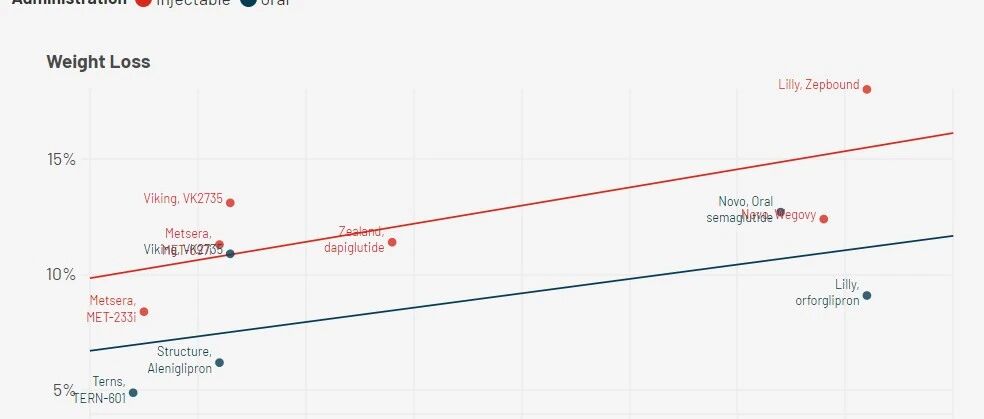
Core Insights - Recent clinical results have led to a reevaluation of the market potential for oral weight loss medications, particularly after disappointing outcomes from Eli Lilly's orforglipron and Viking Therapeutics' VK2735, which did not meet investor expectations for weight loss efficacy [4][5] - Analysts suggest that while oral therapies may struggle to replace injectable formulations in the U.S. market, they could have greater utility in low- and middle-income countries due to easier distribution and administration [4][6] Injectable Drugs Remain Dominant - By 2030, oral therapies are projected to capture about 25% of the global anti-obesity drug market, but injectable peptide drugs are expected to maintain dominance in the U.S. market [5] - Patients and doctors in the U.S. prefer options that provide the most significant weight loss, leading to a forecast that 80-90% of Viking's VK2735 revenue will come from its injectable version [5] Clinical Results and Benchmark Discrepancies - The market benchmark for weight loss is set by Novo Nordisk's Wegovy, which achieves a 12-13% placebo-adjusted weight loss. In contrast, orforglipron only achieved 9.1% over 72 weeks, resulting in a 14% stock drop for Eli Lilly [7][10] - VK2735 showed a 10.9% placebo-adjusted weight loss in 13 weeks, but high patient dropout rates raise concerns about its tolerability [10] Small Molecules vs. Peptides: Different Models in Competition - Key candidates include Novo Nordisk's high-dose oral semaglutide, Eli Lilly's orforglipron, and Viking's oral VK2735, with the first two being peptides and orforglipron a small molecule [11] - Small molecules theoretically have lower production costs, but market performance will ultimately depend on efficacy and clinical outcomes [11] - Novo Nordisk's high-dose oral semaglutide shows an average weight loss of 16.6%, maintaining a strong market position [11] Data Interpretation and Trial Duration Differences - Analysts caution against direct comparisons between trials due to differing durations; VK2735's data covers only 13 weeks, while orforglipron and oral semaglutide have longer spans [12] - Early data may not reflect long-term efficacy, as weight loss effects often stabilize after 30 weeks [12] Market Dynamics and Future Competition - The industry is closely monitoring whether oral therapies can significantly alter market dynamics, with Novo Nordisk submitting a high-dose oral semaglutide application to the FDA and Eli Lilly planning to submit orforglipron's application [14] - Novo Nordisk appears to lead in the oral segment, with superior efficacy and established supply capabilities, while Eli Lilly's oral candidate has underperformed [14] - Viking's oral product shows potential in short-term data, but long-term efficacy and tolerability remain to be validated [14] Conclusion - The emergence of oral weight loss medications adds a new dimension to the anti-obesity market, but injectable formulations remain the core choice in developed markets like the U.S. [15] - In resource-limited regions, the convenience of oral small molecules may provide a competitive edge [15] - Ultimately, market dynamics will be determined by efficacy, tolerability, and patient adherence as clinical developments progress [15]


AI医疗十年蜕变:超90%患者深度拥抱,中国正引领诊疗范式大变革
GLP1减重宝典· 2025-11-19 15:40
Core Insights - The article emphasizes that the true potential of AI in healthcare can only be realized by deeply integrating it into clinical workflows and gaining the trust of both patients and healthcare providers [4][9][18] - A recent report indicates that nearly 90% of Chinese patients believe AI can enhance healthcare quality, significantly higher than the global average of 59% [6][9] - China is rapidly emerging as a global leader in healthcare AI innovation, driven by urgent needs such as an aging population and uneven resource distribution [9][11] Group 1: AI Integration in Healthcare - The integration of AI into clinical settings is essential for transforming diagnostic pathways and improving patient experiences [4][9] - A roundtable forum hosted by Philips and "Medical Trends" discussed the core capabilities needed for healthcare systems as AI transitions from concept to reality [4][9] - The report highlights that 33% of Chinese healthcare professionals feel AI has allowed them to spend more time on patient care, a figure notably higher than in many developed countries [11] Group 2: Challenges and Opportunities - Despite the promising outlook, challenges such as standardization, data quality, and cross-scenario connectivity need to be addressed for AI in healthcare to reach its full potential [11][14] - Experts anticipate that overcoming these bottlenecks could lead to a "transformational" new landscape for AI in healthcare within the next three years [11][14] - The article outlines three core expectations for AI in clinical workflows: enhancing patient flow efficiency before examinations, standardizing image and data generation during examinations, and automating report generation post-examination [11][14] Group 3: Future Directions - The future of AI in healthcare is expected to evolve from isolated applications to comprehensive, system-level solutions that integrate various aspects of patient care [15][16] - Hospitals are seen as key "connectors" that can facilitate the integration of AI into clinical practice by collaborating with technology providers and academic institutions [16][18] - Philips' strategic framework for advancing AI in healthcare focuses on four dimensions: image quality, predictive accuracy, operational efficiency, and clinical practice [22][23] Group 4: Industry Leadership - China is positioned to lead the global application of AI in healthcare due to its high acceptance rates, user trust, and supportive policies [18][19] - The article suggests that collaborative efforts among industry players will be crucial for achieving successful AI integration in healthcare [19][25] - The next three years are critical for identifying industry pioneers who can effectively implement AI solutions in clinical settings [25]


怎样有效减少内脏脂肪?科学减重要从“内部”着手!
GLP1减重宝典· 2025-11-18 05:33
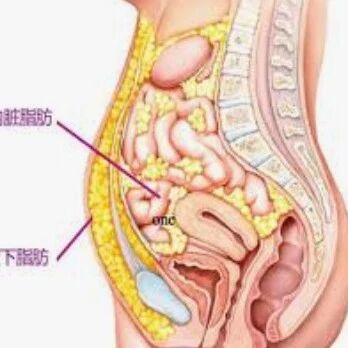
Core Viewpoint - The article emphasizes the hidden dangers of visceral fat, which can lead to significant health risks even in individuals with normal body weight. It highlights the importance of awareness regarding visceral fat accumulation and its implications for metabolic health [5][6]. Group 1: Visceral Fat as a Health Threat - Visceral fat is described as fat that surrounds internal organs, which is not visible externally but poses serious health risks such as metabolic disorders and inflammation [6]. - The World Health Organization (WHO) suggests that a waist circumference of ≥90cm for men and ≥85cm for women significantly increases the risk of visceral fat-related health issues [7]. - Research published in The Lancet indicates that a 10% increase in visceral fat raises the risk of cardiovascular diseases by 13% and doubles the risk of diabetes [7]. Group 2: Causes of Excess Visceral Fat - High-sugar and high-fat dietary habits are identified as primary contributors to excess visceral fat. Consuming refined carbohydrates and trans fats leads to increased triglyceride synthesis in the liver, resulting in fat accumulation around internal organs. A study from Harvard University found that drinking one sugary beverage daily can increase visceral fat by 15% annually [9]. - Sedentary behavior and lack of exercise are also significant factors. Data from the Journal of Sports Medicine shows that sitting for two consecutive hours can reduce fat breakdown enzyme activity by 90%, making it easier for fat to accumulate in the abdominal area [10]. - Chronic stress and lack of sleep contribute to visceral fat accumulation. Elevated cortisol levels, a stress hormone, promote muscle breakdown and fat storage in the abdomen. Individuals sleeping less than five hours per night experience a 30% faster accumulation of visceral fat compared to those with adequate sleep [11].
速递|Nature头条:贺建奎前妻创办新公司,公开表示“CRISPR婴儿”时代或已来临
GLP1减重宝典· 2025-11-18 05:33
Core Insights - The article discusses the controversial topic of "CRISPR babies" and highlights the emergence of Cathy Tie, a biotech entrepreneur, who advocates for the consideration of gene editing in human embryos to prevent genetic diseases [2][8]. Company and Industry Summary - Cathy Tie, a Canadian entrepreneur, has founded multiple biotech companies over the past 11 years, including Locke Bio in 2020, which focuses on telemedicine and medical data mining services [4]. - Tie's latest venture, Manhattan Genomics, co-founded with Eriona Hysolli, aims to explore human embryo gene editing to prevent hereditary diseases [7][8]. - On the same day, another company, Preventive, announced nearly $30 million in funding to explore human embryo gene editing, indicating a growing interest in this controversial field [8]. - The scientific community generally views the commercialization of embryo gene editing as premature, citing significant safety and ethical concerns compared to existing CRISPR therapies approved for treating specific genetic disorders [8][9]. - CRISPR technology, awarded the Nobel Prize in Chemistry in 2020, is recognized as a revolutionary biotechnological advancement, yet the push for embryo editing has faced global condemnation and regulatory restrictions [9]. - Recent advancements in non-reproductive cell gene editing have been significant, with the first CRISPR-Cas9 therapy approved for hereditary blood disorders in 2023, showcasing the potential of gene editing while emphasizing the ethical divide between editing somatic and germline cells [9].

速递|多肽龙头翰宇药业高层换血,前恒瑞副总裁空降补位!
GLP1减重宝典· 2025-11-18 05:33
Group 1 - The core viewpoint of the article highlights the recent management restructuring at Hanyu Pharmaceutical, indicating a shift towards a dual CEO structure with both external and internal leadership to enhance operational efficiency [2][4][6] Group 2 - The management changes began in August 2025 with the resignation of the Vice President responsible for overseas marketing, followed by further adjustments in October and November, indicating a trend of personnel turnover across key operational areas [4][6] - The adjustments cover critical management aspects including market expansion, capital market communication, and overall company operations, suggesting a comprehensive overhaul of the management structure within a short timeframe [6]

使用司美格鲁肽替尔泊肽,不想反弹?掌握这些关键点很重要!
GLP1减重宝典· 2025-11-18 05:33
Core Viewpoint - Obesity is a health condition associated with excess fat accumulation, leading to various complications and comorbidities. GLP-1 receptor agonists have been approved for treating obesity and type 2 diabetes, demonstrating effectiveness in appetite reduction and food intake decrease [2][3]. Group 1: Efficacy of GLP-1 Receptor Agonists - GLP-1 receptor agonists like semaglutide and tirzepatide have shown weight loss of 15%-20% compared to placebo over 68 to 72 weeks [3]. - Despite their effectiveness, about half of the patients discontinue treatment within the first year due to gastrointestinal side effects and high costs [3]. - Weight regain is common after stopping GLP-1 receptor agonists, emphasizing the need for continued use for sustained benefits [5][6]. Group 2: Weight Maintenance Challenges - A clinical trial indicated that participants who switched from semaglutide to placebo regained an average of 6.9% of their body weight, while those who continued treatment lost an additional 7.9% [6]. - After one year of stopping semaglutide, 18% of patients regained their lost weight, and 26% regained more than 25% of their weight [6]. Group 3: Treatment Duration and Guidelines - Patients should not stop medication before it takes effect and should continue for at least 12 weeks to see significant results. If effective, continuation for 9 months to 1 year is recommended [7]. - After three months of semaglutide use, patients typically experience a weight loss of 5.9%, increasing to 10.9% after six months [7]. Group 4: Strategies for Weight Management Post-Treatment - To prevent weight regain after stopping medication, patients should monitor appetite and weight closely, maintaining healthy eating habits and regular exercise [14]. - Dietary changes, such as reducing high-calorie foods and increasing protein and fiber intake, are crucial for weight maintenance [15]. - Incorporating strength training alongside aerobic exercise can enhance metabolic rate and support long-term weight loss [17]. Group 5: Importance of Sleep - Insufficient sleep can disrupt metabolic regulation, increasing hunger hormone levels and decreasing satiety hormone levels, leading to increased calorie intake [18]. - Adults are recommended to aim for 7-9 hours of sleep per night for optimal health and weight management [18].

减肥药销售乱象:头部电商平台均公然违反监管条例,靠促销给消费者处方药?
GLP1减重宝典· 2025-11-17 13:25
整理 | GLP1减重宝典内容团队 2025年"双十一"期间,消费结构出现明显变化:医药健康类产品取代电子产品成为最受关注的板块,其中减肥药品的销售额飙升,整体 增幅达到5.7倍,远超iPhone 17大约150%的增速。以替尔泊肽、司美格鲁肽为代表的GLP-1受体激动剂减肥处方药,在"百亿补贴""疗效 兜底"等电商玩法推动下,被包装成全民追捧的"瘦身神器"。这场看似火热的消费浪潮背后,是处方药违规促销、处方审核形同虚设、用 药安全风险急剧上升等一系列问题,已经多次踩中监管红线,把医药电商的合规性和医疗安全推到台前。 ▍ 双11处方药促销热潮,减肥处方药变身平台"增长发动机" ▍ 处方药全面套用电商促销模板 在营销方式上,京东、阿里健康、美团等平台几乎照搬普通消费品的促销逻辑:一端是"百亿补贴""跨店满减""限时秒杀",另一端是"下 单抽免单""叠加券后立减"等组合玩法。部分页面显示,替尔泊肽在叠加平台补贴、店铺优惠和支付减免后,终端成交价较不少省级挂网 价低出四成以上,远远跌破线下医疗机构和零售药店的价格带。 更具争议的是,"买药送针头""参与计划不瘦可获赔付"等活动,将高度依赖专业判断的用药行为,转化为带 ...




限时进食真的能改善脂肪肝?权威新研究揭示科学结论
GLP1减重宝典· 2025-11-17 13:25
Core Insights - The article discusses the rising prevalence of metabolic dysfunction-associated steatotic liver disease (MASLD), which now affects one-third of adults globally, emphasizing the importance of lifestyle interventions like diet and exercise in its management [6][9]. - A recent randomized controlled trial presented at the AASLD 2025 conference indicates that time-restricted eating (TRE) may significantly improve liver fat degeneration in overweight or obese MASLD patients, showing a reduction of 25.8% compared to a 0.7% increase in the standard intervention group [7][9]. Summary by Sections Prevalence and Management of MASLD - MASLD is becoming a major chronic liver disease affecting a significant portion of the adult population worldwide, necessitating effective management strategies [6]. - Lifestyle interventions, particularly dietary management, are highlighted as core components in the comprehensive management of MASLD [6]. Research Findings on Time-Restricted Eating - A 16-week randomized controlled trial included 337 overweight or obese MASLD patients, divided into three groups: standard intervention, calorie restriction, and time-restricted eating [9]. - The primary endpoint was the improvement of liver fat degeneration assessed by MRI-PDFF, with TRE showing a significant reduction in liver fat compared to the standard intervention group [9]. - TRE also demonstrated comparable effects to calorie restriction in terms of weight, waist circumference, and body fat improvements, while no significant differences were observed in liver stiffness, glucose homeostasis, or sleep quality among the groups [9].