GLP1减重宝典

Search documents
医疗新风口!国家积极推动“减重门诊”究竟如何实现?
GLP1减重宝典· 2025-06-23 08:47
Core Viewpoint - The article emphasizes the importance of establishing weight management clinics in response to the national "Healthy China 2030" strategy, highlighting the rising rates of overweight and obesity among adults in China, which necessitates effective weight management solutions [4][5]. Group 1: Rationale for Establishing Weight Management Clinics - There is a significant increase in patient demand, with over 600 million individuals in China classified as overweight or obese, which is closely linked to chronic diseases like diabetes and hypertension [5]. - The government has introduced favorable policies, mandating that by June 2025, all tertiary hospitals must have weight management clinics, providing an opportunity for clinics to capture market share early [6]. - The service model for weight management is sustainable, as it requires long-term follow-up, enhancing patient retention and word-of-mouth referrals [7]. Group 2: Clinic Setup and Operations - The assessment area should be equipped with tools for measuring height, weight, BMI, body fat, and blood pressure, along with educational materials like calorie reference charts [8]. - The intervention area should include dedicated consultation rooms with traditional Chinese medicine (TCM) diagnostic tools and facilities for acupuncture [9]. - A collaborative team approach is essential, involving general practitioners, nurses, TCM practitioners, and pharmacists, each with specific training and responsibilities [10]. Group 3: Core Services and Interventions - A "three-tier intervention" system is proposed, which includes precise assessments, graded interventions, and lifestyle management strategies [11][12]. - Medical checks should include fasting blood sugar and lipid profiles, while lifestyle management can involve dietary tracking through mobile photography [13]. - Psychological assessments and dietary guidance are crucial, promoting methods like the "111 plate method" for balanced meals [13]. Group 4: Referral Mechanisms - Clear referral guidelines are established based on BMI and the presence of metabolic diseases, ensuring safe and effective patient management [14]. Group 5: Case Studies and Success Stories - Several successful case studies from various community health centers illustrate effective weight management practices and patient engagement strategies [15][16]. - Innovative practices, such as integrating AI with TCM services, have led to increased patient satisfaction and significant revenue growth for clinics [18]. Group 6: Long-term Operations and Community Engagement - Data-driven approaches, including electronic health records, are recommended to track patient progress and ensure follow-up [19]. - Community engagement through social media and local health events can enhance patient interaction and adherence to weight management programs [20]. - The article concludes that weight management clinics can become vital community resources, promoting health and wellness through targeted services and patient-centered care [21].


速递|美国传统减肥公司主动破产,拥抱GLP-1药物:制药业正在主宰减肥市场
GLP1减重宝典· 2025-06-22 07:21
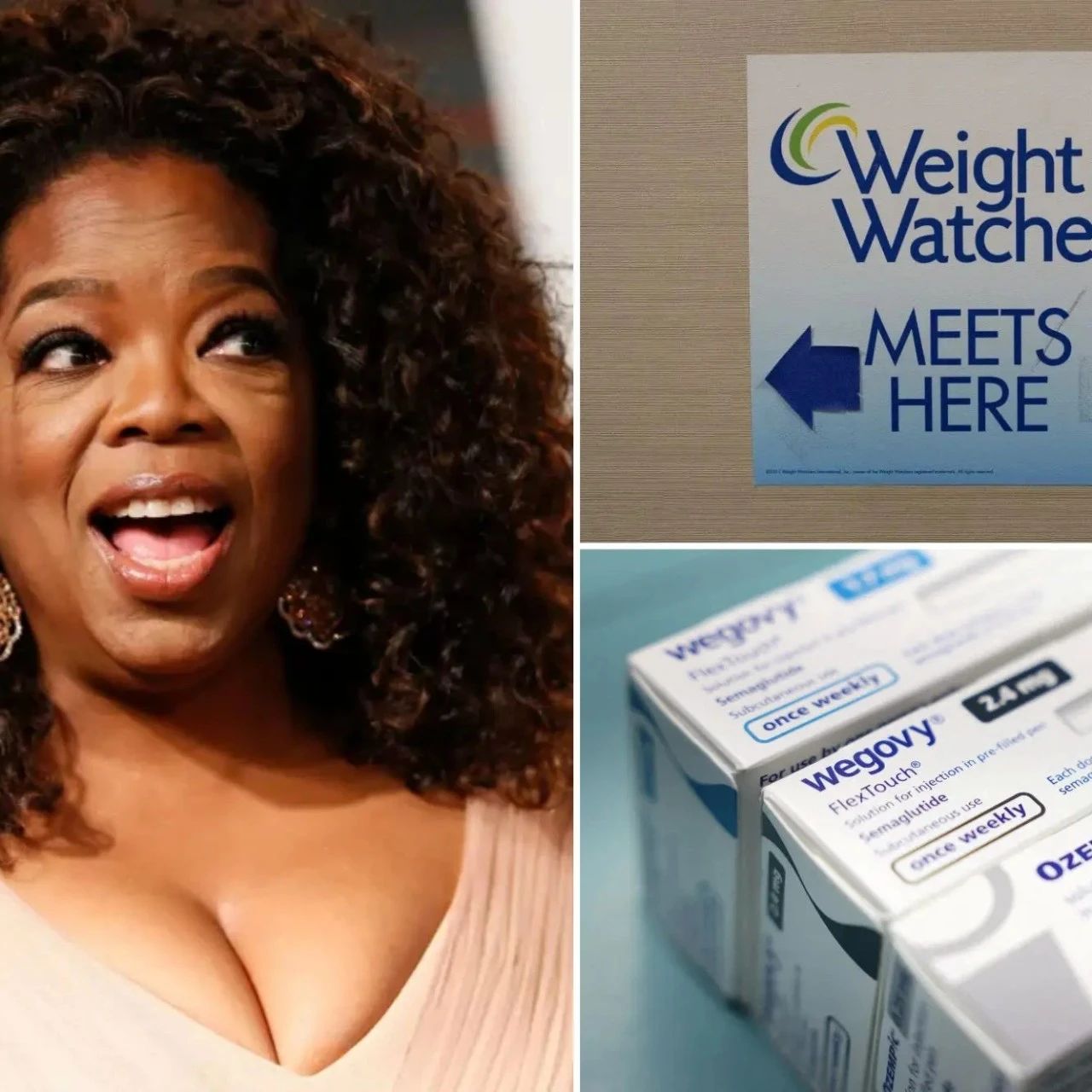
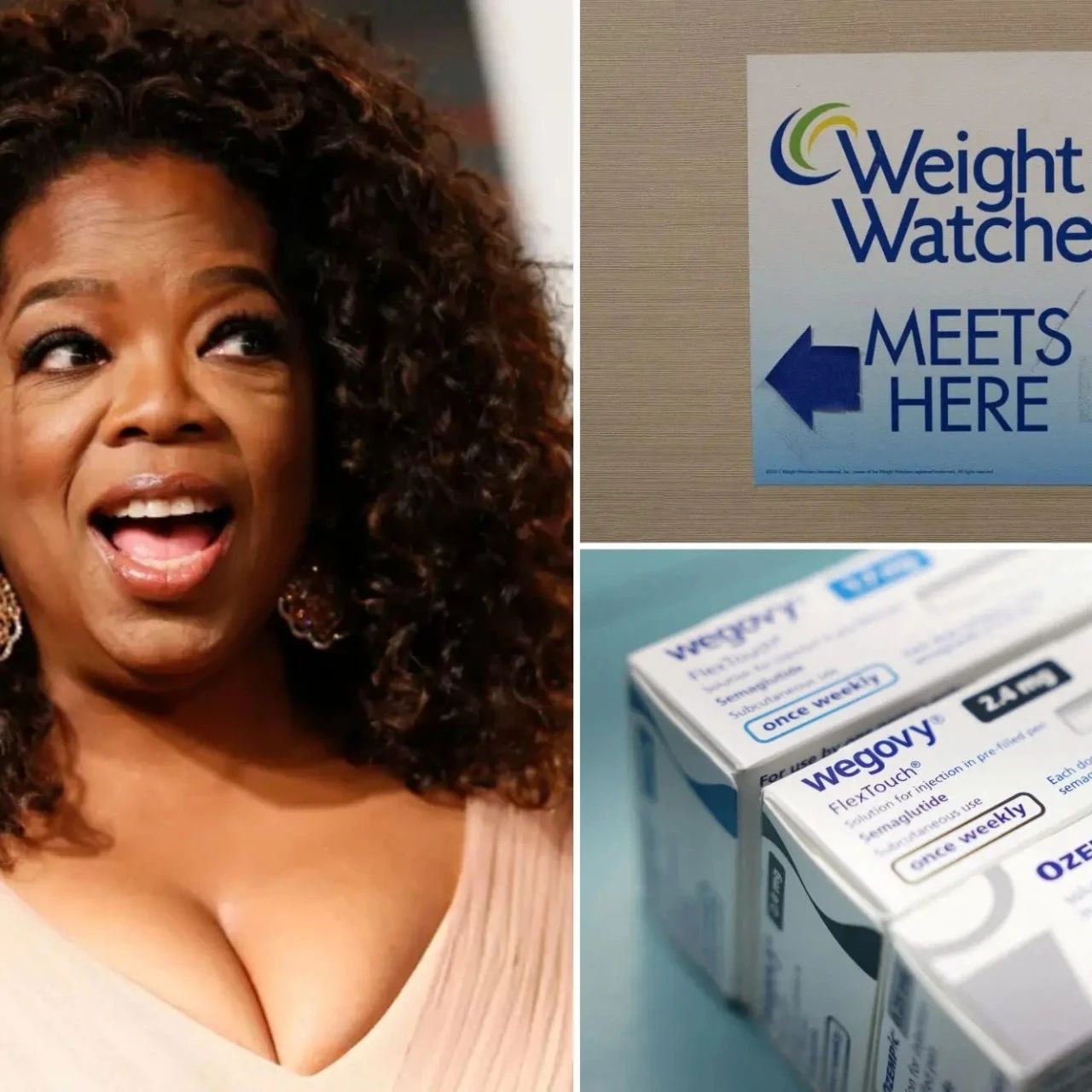
Core Viewpoint - WeightWatchers has filed for a "pre-packaged" restructuring under Chapter 11 of the U.S. Bankruptcy Code, aiming to reduce debt by up to $1.15 billion, marking a significant shift towards medical weight loss solutions centered around GLP-1 drugs [1][2]. Financial Restructuring Framework - The restructuring plan is designed to alleviate debt pressure and provide strategic flexibility, reducing the company's net leverage ratio from over 8 times to approximately 2.5 times EBITDA [1]. - The plan includes annual interest savings of about $50 million, significantly improving profit margins [1]. - The company will issue $465 million in secured debt maturing in 2030 to extend repayment timelines [1]. - Existing debt will be converted into new securities, with creditors holding 91% of the restructured company, while original shareholders may retain about 9% equity, facing potential dilution [1]. Clinical Shift: Focus on GLP-1 Weight Loss Drugs - The strategic pivot emphasizes an increase in telehealth services, with a reported 57% year-over-year growth in this segment for Q1 2025, driven by the acquisition of telehealth startup Sequence for $106 million [2][3]. - WeightWatchers aims to become a "behavioral guidance layer" within the GLP-1 ecosystem, involving drugs like Wegovy, Ozempic, and Mounjaro [3]. Business Continuity During Restructuring - WeightWatchers assures that its services will remain uninterrupted during the restructuring process, continuing to serve over 3 million members globally [6]. - All in-person activities and online platforms will operate as usual, with clinical service users maintaining access to telehealth [7]. Future Projections - Analysts outline three potential future scenarios for the company post-restructuring: - **Optimistic Scenario**: Clinical users reach 1 million, stable traditional services, projected revenue of $1.3 billion by 2028, EBITDA margin of 18%, and a market value nearing $4 billion [10]. - **Neutral Scenario**: Clinical users grow to 600,000, traditional business declines by 5% annually, resulting in $900 million revenue, 14% margin, and an estimated valuation of $1.8 billion [11]. - **Pessimistic Scenario**: Clinical users stagnate at 300,000, traditional business continues to deteriorate, leading to $600 million revenue, 10% margin, and a significant drop in enterprise value [12]. Strategic Variables for Future Development - Future growth may depend on partnerships with pharmaceutical companies, insurance coverage for GLP-1 drugs, transformation of physical locations into health centers, development of AI-guided tools, and integration of dietary products aligned with GLP-1 medication [12]. Investment Opportunities Perspective - For investors, WeightWatchers presents multiple strategic windows: - **Short-term (0-6 months)**: Common stock may offer speculative value, while bond trading provides defensive characteristics and potential returns [14]. - **Mid-term (6-24 months)**: Monitoring clinical user growth with a target of exceeding 500,000 users by the end of 2026 [14]. - **Long-term (2+ years)**: The company's ability to achieve sustainable profitability through a drug-supported platform will determine its ultimate valuation [14].
央视重磅发布:体重管理年正式启动 三年行动全面推进
GLP1减重宝典· 2025-06-22 07:21
Core Viewpoint - The article emphasizes the importance of weight management as a national health strategy, highlighting the rising obesity rates in China and the associated health risks, urging individuals to take proactive steps towards maintaining a healthy weight [3][10][11]. Group 1: National Health Strategy - The "Weight Management Year" initiative is part of the "Healthy China 2030" strategy, aiming to combat the obesity crisis and promote public health [3][10]. - By 2030, it is projected that the overweight and obesity rates among adults and children in China will reach 70.5% and 31.8% respectively if no action is taken [10][11]. Group 2: Health Risks Associated with Obesity - Chronic diseases such as hypertension, diabetes, cardiovascular diseases, and even cancer are linked to uncontrolled weight, making obesity a significant health threat [3][7]. - The article warns that the increase in weight is associated with various health issues, including fatty liver, metabolic disorders, and joint damage [7]. Group 3: Recommended Actions for Individuals - Individuals are encouraged to make small dietary adjustments, such as reducing oil and salt intake and increasing physical activity by walking an extra 1,000 steps daily [7]. - The article suggests practical dietary changes, including substituting white rice with whole grains, ensuring a nutritious breakfast, and avoiding high-energy foods [11]. Group 4: Community and Professional Support - The initiative calls for community participation in weight management and offers resources such as professional nutritionists and health coaches to help individuals create personalized dietary plans [7][10].

更适合中国人使用的司美格鲁肽口服片14mg
GLP1减重宝典· 2025-06-22 07:21
Core Viewpoint - The PIONEER 11 and PIONEER 12 studies provide significant clinical data supporting the approval of semaglutide tablets (brand name: Ozempic) for type 2 diabetes (T2DM) treatment in the Chinese population, demonstrating its efficacy and safety compared to active controls and placebo [2][3][14]. Group 1: PIONEER 11 Study - The PIONEER 11 study evaluated the efficacy and safety of semaglutide as monotherapy in Chinese T2DM patients with inadequate diet and exercise control, highlighting differences in clinical profiles compared to Western populations [4][9]. - This study was a 26-week, randomized, double-blind, placebo-controlled, multi-center Phase 3 trial involving 521 T2DM patients, with approximately 75% being Chinese. The primary endpoint was the change in HbA1c levels from baseline at week 26, and the confirmatory secondary endpoint was weight change [5]. - Results showed that all doses of semaglutide (3mg, 7mg, 14mg) significantly reduced HbA1c compared to placebo, with the 14mg group achieving a reduction of 1.6%. Additionally, the 7mg and 14mg groups experienced significant weight loss, with the 14mg group losing 3.0kg overall and 2.6kg in the Chinese subgroup [5][11]. Group 2: Safety and Tolerability - The study indicated that gastrointestinal adverse events were the most common, mostly mild and transient, with no reports of severe hypoglycemia and a low incidence of serious adverse events across all groups [7][13]. Group 3: PIONEER 12 Study - The PIONEER 12 study assessed the combined effect of semaglutide with sitagliptin in T2DM patients on stable doses of metformin, revealing potential differences in clinical profiles and drug responses in the Chinese population compared to Western groups [9][10]. - This was also a 26-week, randomized, double-blind, active-controlled, multi-center Phase 3 trial involving 1441 patients, with around 75% being Chinese. The primary and secondary endpoints were consistent with PIONEER 11, focusing on HbA1c and safety [10]. - Results indicated that all doses of semaglutide significantly outperformed sitagliptin in reducing HbA1c, with the 14mg group achieving a reduction of 1.6%. Weight loss was also significantly greater in the semaglutide groups compared to sitagliptin, with the 14mg group losing 3.8kg overall and 3.4kg in the Chinese subgroup [11][14]. Group 4: Conclusion - The 14mg dose of oral semaglutide demonstrated significant weight loss and glycemic control in the Chinese population, suggesting it is well-suited for use in this demographic despite lower baseline weights, indicating a promising application outlook [14].

速递|美国传统减肥公司主动破产,拥抱GLP-1药物:制药业正在主宰减肥市场
GLP1减重宝典· 2025-06-21 08:37
Core Viewpoint - WW International, formerly known as WeightWatchers, is expected to complete its financial restructuring next week, aiming to reduce $1.15 billion in debt as part of its Chapter 11 bankruptcy process [2][3]. Group 1: Company Overview - The company filed for Chapter 11 bankruptcy last month to significantly reduce its debt, which was impacted by the rise of weight loss drugs that disrupted its core business model [3][5]. - WW primarily offers nutrition management and behavior change programs for weight control, and in 2023, it acquired the subscription-based telehealth platform Sequence to enter the prescription service for obesity treatment [3][5]. Group 2: Financial Restructuring - WW's total debt is approximately $1.6 billion, with the approved restructuring plan set to eliminate $1.15 billion from its balance sheet [5]. - Throughout the restructuring process, WW emphasizes that its operations will continue without interruption, serving over 3 million members [5]. Group 3: Strategic Transformation - The company's strategic transformation focuses on its telehealth business, which reported a year-over-year growth of 57% as of Q1 2025 [6]. - The acquisition of Sequence for approximately $106 million has integrated prescription weight loss drug services into WW's offerings, evolving into a core pillar for the company's survival [6]. - WW aims to position itself as a behavioral intervention layer above GLP-1 drugs, which include Wegovy, Ozempic, and Mounjaro [6]. Group 4: Market Potential - Analysts indicate that WW's future hinges on expanding its clinical user base from 135,000 to around 800,000 by 2028, as achieving this scale is crucial for offsetting revenue pressures from its traditional business and reaching breakeven [7].
国家减肥号角吹响:中国跻身超重大国,肥胖危机不容忽视
GLP1减重宝典· 2025-06-21 08:37
Core Viewpoint - The article emphasizes the urgent need for a national initiative to combat obesity in China, highlighting the alarming statistics and the government's commitment to implement a three-year action plan for weight management as part of the "Healthy China 2030" strategy [3][5][7]. Group 1: Obesity Statistics and Projections - By 2030, it is projected that the adult overweight and obesity rate in China will rise to 70.5%, with childhood obesity reaching 31.8% [3]. - As of 2021, the population of overweight and obese individuals aged 25 and above in China reached 402 million, and without intervention, this number could soar to 627 million by 2050 [5]. - The number of obese children is expected to reach 35.2 million, indicating a significant future burden of chronic diseases [5]. Group 2: Causes of Obesity - The rise in obesity rates is attributed to factors such as the prevalence of high-sugar and high-fat takeout food, sedentary lifestyles, lack of exercise resources, and increased stress and sleep deprivation [5]. - The article points out that obesity is not just an individual issue but a public health emergency that requires systemic changes in diet and exercise [5][6]. Group 3: Health Implications of Obesity - Obesity is linked to over 200 diseases, including type 2 diabetes, hypertension, coronary heart disease, and various cancers, significantly increasing health risks even for individuals with normal BMI but high waist circumference [5]. - The economic impact of obesity is profound, with rising healthcare costs and a potential decrease in workforce productivity due to chronic diseases [5]. Group 4: Government Initiatives and Community Involvement - The "Weight Management Year" initiative aims to promote scientific weight loss, improve healthy dining options, and upgrade sports facilities and medical services [5][6]. - The government is working alongside businesses and communities to create a supportive environment for weight management, making healthy food and exercise options more accessible [6]. Group 5: Call to Action - The article concludes with a strong call for collective action against obesity, urging individuals to take proactive steps in measuring their BMI and waist circumference and adopting healthier lifestyles [6][7].

内分泌专家共识:司美格鲁肽可有效降低胰岛素抵抗,改善代谢紊乱!
GLP1减重宝典· 2025-06-21 08:37
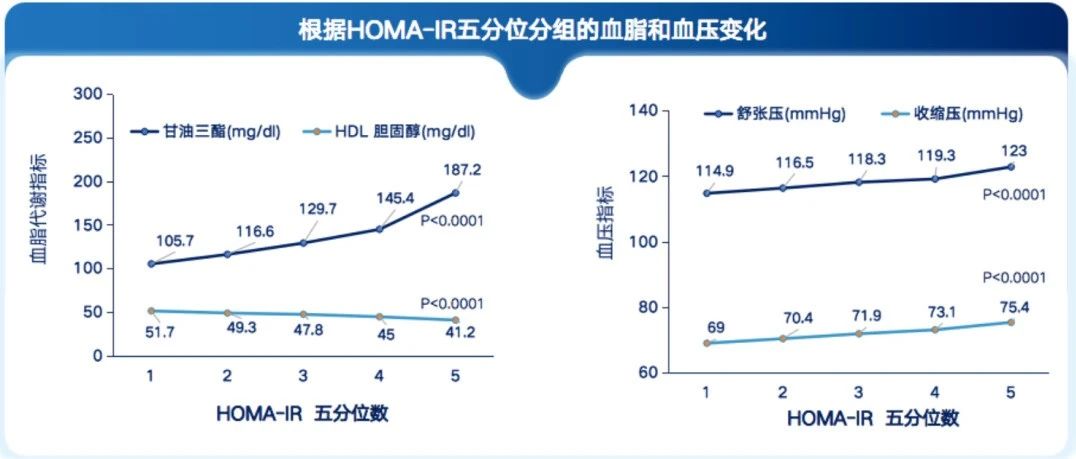
Core Viewpoint - Insulin resistance (IR) is a critical mechanism in the development of type 2 diabetes mellitus (T2DM) and is associated with various metabolic disorders and cardiovascular diseases. Improving IR is essential for diabetes prevention and management [2][23]. Summary by Sections Definition and Metabolic Hazards of Insulin Resistance - Insulin resistance is defined as the inability of insulin to effectively stimulate glucose uptake in peripheral tissues and suppress hepatic glucose output. It is significantly negatively correlated with metabolic health indicators such as triglycerides and blood pressure [2]. - A study involving 1,326 T2DM patients found that for every 1 unit increase in HOMA-IR, the risk of cardiovascular events increased by 56%. Additionally, improving insulin resistance can reduce the risk of myocardial infarction by 42% [4]. Mechanisms of Insulin Resistance - Insulin resistance is primarily driven by energy surplus and includes mechanisms such as: - Adipocyte hypertrophy and overflow leading to elevated free fatty acid (FFA) levels [5]. - Chronic low-grade inflammation due to lipid overload, damaging insulin signaling pathways [6]. - Interference in signaling pathways by FFA and cytokines, particularly affecting GLUT4 transport systems [7]. - Decreased adiponectin levels, which diminishes insulin responsiveness [8]. Multi-Mechanism Action of Semaglutide in Improving Insulin Resistance - Semaglutide, a GLP-1 receptor agonist, improves insulin resistance through several mechanisms: - Appetite suppression and reduced energy intake, as shown in a study with 30 obese adults [9]. - Reduction of fat mass and improvement in lipid metabolism, with clinical studies indicating a 3.5 kg reduction in fat tissue and up to 17% reduction in visceral fat in diabetic patients [10]. - Increased adiponectin levels and suppression of inflammatory factors, demonstrating significant anti-inflammatory effects [11]. - Activation of GLUT-4 expression, enhancing glucose uptake and utilization [12]. - Significant reduction in HOMA-IR, with a 1.35% decrease in the GLP-1RA treatment group compared to an increase in the control group [13]. Inclusion of Semaglutide in Guidelines and Consensus - Semaglutide is recommended in various expert consensus documents for its ability to significantly improve insulin resistance, particularly in elderly diabetic patients [14]. - Additional recommendations highlight its use in cold climates where insulin resistance may be exacerbated [16]. - The ADA guidelines also list GLP-1RA as a preferred treatment for overweight/obese diabetic patients [18]. Clinical Treatment Recommendations and Individualized Management - Treatment strategies to improve insulin resistance include prioritizing GLP-1RA and SGLT2 inhibitors for their dual benefits on heart and kidney protection [19]. - Nutritional and exercise interventions are advised to control caloric intake and enhance muscle mass [20]. - Risk management for medications like insulin or thiazolidinediones is crucial to avoid complications [21]. - A multidimensional assessment of insulin resistance should be conducted using HOMA-IR, biochemical indicators, BMI, and waist-to-hip ratio [22]. Conclusion - Insulin resistance is a core pathological mechanism in T2DM and various metabolic disorders. Semaglutide, as a representative GLP-1RA, significantly improves insulin resistance through multiple pathways, making it a vital treatment option for T2DM patients, especially those with obesity and cardiovascular risks [23].
使用司美格鲁肽减肥,多久能看到疗效?
GLP1减重宝典· 2025-06-19 14:59
Core Viewpoint - The article discusses the effectiveness and timeline of the weight loss drug Semaglutide (Ozempic, Wegovy), highlighting that users can expect to see significant weight loss results within a few months of starting the treatment [2][4]. Summary by Sections Effectiveness of Semaglutide - Users of Semaglutide can expect to lose between 5% to 20% of their body weight within a year, depending on their initial weight [4]. - A study published in 2022 indicated that overweight or obese individuals lost an average of 5.9% of their weight after three months and 10.9% after six months of using Semaglutide [4]. Timeline of Effects - Initial absorption of Semaglutide occurs within 1-2 hours after subcutaneous injection [10]. - Peak concentration in the bloodstream is reached within 24-48 hours, where the drug actively binds to GLP-1 receptors [11]. - Noticeable effects, such as reduced appetite and improved blood sugar regulation, may begin within 1-2 weeks [12]. - Steady-state levels of the drug are achieved after 4-5 weeks, leading to more pronounced appetite suppression and accelerated weight loss [13]. Factors Influencing Effectiveness - **Metabolism**: Conditions like fatty liver, diabetes, and high blood sugar can complicate weight loss efforts and may delay the initial effects of Semaglutide [14]. - **Age**: Metabolism slows with age, potentially affecting the drug's efficacy, especially in individuals over 60 [15]. - **Gender**: Research suggests that women may experience better weight loss results with Semaglutide compared to men, possibly due to differences in body fat composition and insulin resistance [17]. - **Concurrent Medications**: Certain medications, such as chemotherapy drugs and steroids, can lead to weight gain, potentially diminishing the effectiveness of Semaglutide [18]. - **Treatment Plan and Dosage**: Higher doses of Semaglutide may lead to more noticeable effects and side effects, but the optimal dosage should be determined in consultation with a healthcare provider [19]. - **Genetics**: Individual genetic factors can influence the response to Semaglutide, leading to variability in effectiveness among users [20]. - **Lifestyle Factors**: Combining Semaglutide with lifestyle changes, such as exercise and a balanced diet, enhances weight loss outcomes [21].
速递 | 24周减重10.3%!德睿智药首款「AI设计」小分子GLP-1 IIb期临床取得成功
GLP1减重宝典· 2025-06-19 14:59
Core Viewpoint - The oral small molecule GLP-1RA drug MDR-001 developed by Derui Zhiya has successfully met clinical endpoints in a multi-center 24-week Phase IIb clinical trial for overweight or obese subjects, demonstrating significant weight loss and excellent safety and tolerability [2][3]. Group 1: Clinical Trial Overview - The Phase IIb clinical trial was a multi-center, randomized, double-blind, placebo-controlled study involving 317 adult participants with obesity or overweight and at least one weight-related comorbidity [3]. - Participants had a baseline average weight of 90.1 kg and a BMI of 32.3 kg/m², with 53.5% being female [3]. - Subjects were randomly assigned to receive either MDR-001 at doses of 90mg, 120mg, 150mg, or 180mg, or a placebo for 24 weeks, with the primary endpoint being the percentage change in weight from baseline [3]. Group 2: Safety and Tolerability - MDR-001 demonstrated good safety and tolerability, with no serious adverse events related to the drug during the trial [4]. - The main adverse events were gastrointestinal reactions, such as nausea, vomiting, and diarrhea, which were mostly mild to moderate and occurred primarily in the first 6 weeks of the titration period [4]. - Only 0.8% of participants discontinued treatment due to adverse events, significantly lower than the 15%-50% discontinuation rate seen in other GLP-1 clinical trials [4]. Group 3: Weight Loss Results - Participants receiving MDR-001 experienced weight loss ranging from -8.2% to -10.3%, equating to absolute weight reductions of 7.4 kg to 9.2 kg, compared to a 2.4 kg loss in the placebo group [5]. - Between 70.9% and 85.4% of participants achieved a weight loss of at least 5%, while 34.5% to 48.1% lost at least 10% of their body weight [5]. - MDR-001 also showed promising results in improving various metabolic and cardiovascular parameters, including waist circumference, blood lipids, and blood pressure, indicating potential comprehensive clinical benefits for patients [5].

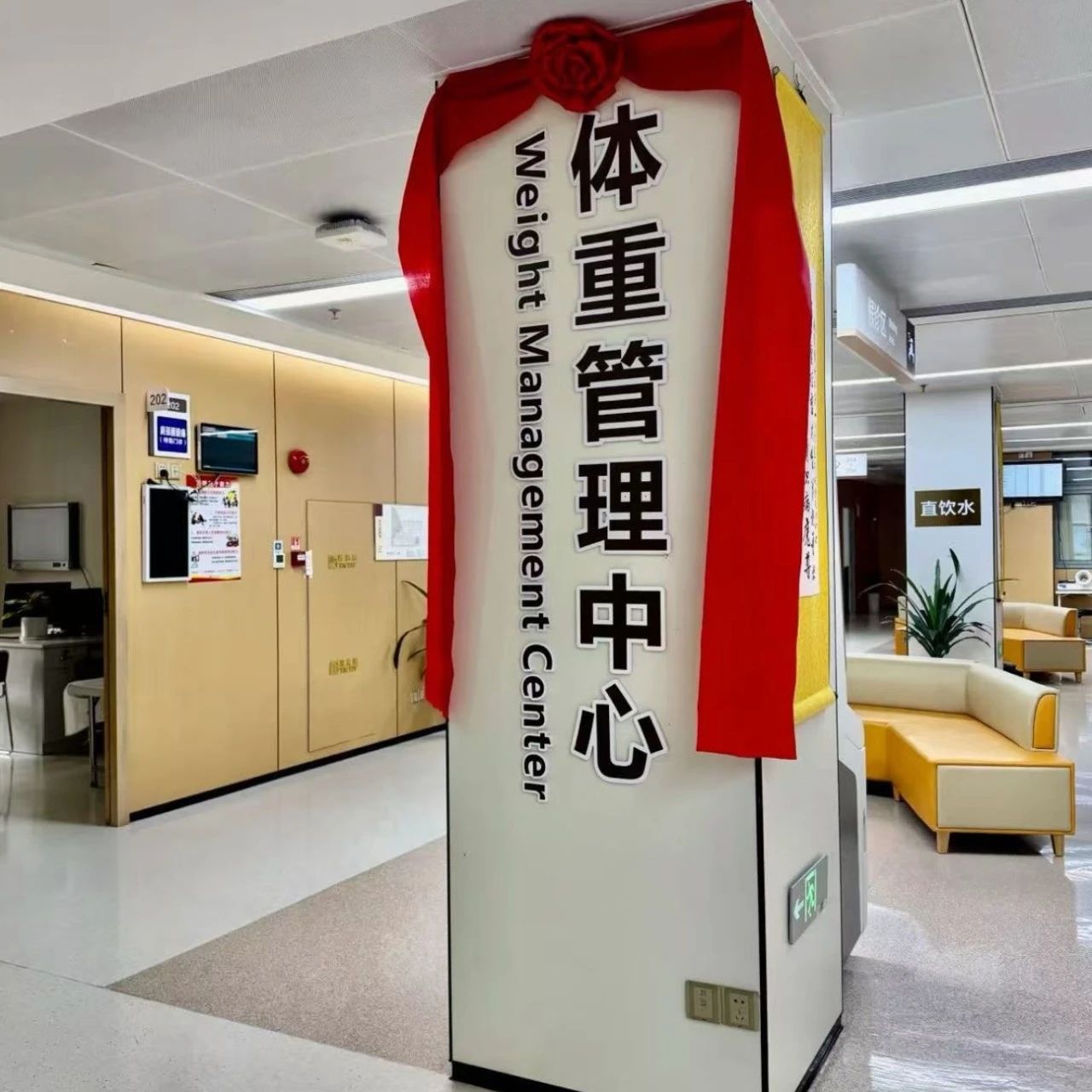
国家卫健委发声:这些医院6月底前要全面开设体重管理门诊!
GLP1减重宝典· 2025-06-19 14:59
Core Viewpoint - Obesity has become a significant global health issue, with projections indicating that by 2050, the number of overweight and obese individuals aged 25 and above will reach 3.8 billion globally, with China, India, and the United States being the top three countries affected [4]. Group 1: Policy Initiatives - The National Health Commission (NHC) has issued a notification encouraging the establishment of weight management outpatient services in various hospitals, aiming for basic nationwide coverage by June 2025 [4][5]. - The "Healthy Weight Management Year" initiative was launched in 2024, promoting the establishment of health weight management outpatient services or obesity prevention centers in medical institutions [5][6]. Group 2: Implementation and Response - Following the policy announcement, hospitals across the country have actively set up weight management outpatient services, including major hospitals and community health centers [5][6]. - Notable examples include Peking Union Medical College Hospital and Xiangya Hospital, which have established multidisciplinary teams to provide comprehensive weight management services [5][6]. Group 3: Service Features - Weight management outpatient services are designed to offer personalized management plans, integrating various medical disciplines such as endocrinology, nutrition, and traditional Chinese medicine [6][7]. - Hospitals like Xiamen University First Affiliated Hospital and Shanghai Huashan Hospital are utilizing advanced technologies like genetic testing and body composition analysis to tailor treatment plans for patients [6][7]. Group 4: Future Directions - The NHC has outlined specific requirements for hospitals to enhance weight management services, including the establishment of multidisciplinary teams and the promotion of digital management tools [8][9][10]. - The initiative emphasizes the importance of public awareness and education regarding weight management, aiming to create a supportive environment for individuals seeking to manage their weight [12].