GLP1减重宝典

Search documents
《自然》:身体存有“记忆”!肥胖后的脂肪表观极难逆转
GLP1减重宝典· 2026-01-21 10:51
Core Viewpoint - The article discusses the phenomenon of "fat memory," highlighting that the body retains cellular changes from obesity even after significant weight loss, making it easier to regain weight [8][12][18]. Group 1: Research Findings - A study from the Swiss Federal Institute of Technology analyzed fat tissue from successful weight loss participants, revealing that transcriptional changes induced by obesity persist even two years post-weight loss [8][9]. - In mouse experiments, previously obese mice showed a heightened ability to absorb sugars and fats, leading to faster weight regain when reintroduced to a high-fat diet compared to never-obese mice [19][20]. - The study found that 57-62% of downregulated and 68-75% of upregulated differentially expressed genes (DEGs) post-weight loss could be explained by epigenetic mechanisms [18]. Group 2: Implications of "Fat Memory" - The presence of "fat memory" suggests that individuals who have been obese may face increased difficulty in maintaining weight loss, as their bodies are predisposed to regain weight more rapidly [20][21]. - The research indicates that the duration of obesity and the time taken to lose weight significantly influence the persistence of fat memory, with longer obesity periods leading to more pronounced effects [16][18].


速递|31亿美元收购的新药III期临床启动,罗氏正式加入GLP-1/GIP双靶点终局之战
GLP1减重宝典· 2026-01-21 10:51
Core Viewpoint - The article highlights the significant progress in the global weight loss and metabolic drug sector, particularly focusing on Roche's initiation of the Phase III clinical trial for its dual agonist RO7795068, marking a critical phase in the competitive landscape of GLP-1/GIP dual-target therapies [6][10]. Group 1: Clinical Development - Roche has officially launched the first Phase III clinical trial for RO7795068, a dual GLP-1R/GIPR agonist, involving approximately 1,600 participants, indicating a decisive step in the GLP-1 compound target field [6]. - The trial aims to validate the early efficacy observed in previous studies, with a primary endpoint of percentage change in body weight from baseline at 72 weeks, while also assessing long-term safety and tolerability [8]. Group 2: Efficacy and Competitive Landscape - Early clinical data for RO7795068 shows promising results, with a 24-week treatment leading to an average weight loss of 18.8% in non-diabetic obese or overweight participants, and a 100% response rate for weight loss exceeding 5% [8]. - In the diabetic obese or overweight population, RO7795068 demonstrated a 3.0 percentage point reduction in HbA1c and an 8.6% weight loss after 12 weeks, indicating its potential to compete with existing products in both weight management and glycemic control [8]. Group 3: Market Positioning - The competitive landscape for Phase III candidates includes various companies, such as Hengrui Medicine and Eli Lilly, indicating a shift from exploratory phases to a race for market leadership in the GLP-1/GIP dual-target space [9]. - Roche's entry into this market is significant due to its established capabilities in clinical development and long-term safety management, which may provide an advantage in balancing efficacy, tolerability, and adherence in a market projected to be worth trillions [9][10].
速递|替尔泊肽拟纳入突破性疗法通道,GLP-1赛道首次逼近脂肪性肝病核心战场
GLP1减重宝典· 2026-01-21 10:51
Core Viewpoint - The article discusses the advancement of GLP-1 class drugs, particularly the dual receptor agonist Tirzepatide, which is being recognized for its significant clinical potential in treating metabolic-associated fatty liver disease (MAFLD) in China, following its inclusion in the breakthrough therapy program by the National Medical Products Administration [6][9]. Group 1: Breakthrough Therapy Application - Tirzepatide has been proposed for inclusion in the breakthrough therapy program for treating MAFLD, indicating its recognized clinical potential [6]. - The application is based on the II phase SYNERGY-NASH study, which included 190 patients diagnosed with MAFLD, highlighting the drug's efficacy in a high-risk patient population [6][9]. - The study results showed that after 52 weeks of treatment, 51.85%, 62.8%, and 73.3% of patients in the 5mg, 10mg, and 15mg dose groups achieved complete resolution of MAFLD, compared to only 13.2% in the placebo group [7][8]. Group 2: Clinical and Regulatory Implications - The drug demonstrated systemic advantages in secondary endpoints, with 59.1%, 53.3%, and 54.2% of patients in the respective dose groups showing improvement in liver fibrosis stages, while the placebo group had only 32.8% [8]. - Tirzepatide also showed significant improvements in various metabolic and liver-related indicators, including weight loss and reductions in liver injury biomarkers [8]. - Inclusion in the breakthrough therapy program allows for more frequent communication with regulatory authorities and prioritization during the review process, which is crucial for the historically challenging MAFLD drug development landscape [8][9]. Group 3: Market Position and Future Prospects - In the Chinese market, Tirzepatide has already been approved for four indications, including type 2 diabetes and weight loss, establishing a solid clinical and commercial foundation [9]. - The drug's potential breakthrough in MAFLD could position it as a comprehensive metabolic intervention tool, addressing multiple metabolic conditions simultaneously [9]. - The regulatory shift and robust histological evidence are prompting a reevaluation of the therapeutic potential of GLP-1 class drugs in the treatment of MAFLD, a field that has long lacked effective medications [9].


平均减重超20%!替尔泊肽:降糖、减重“双管齐下”
GLP1减重宝典· 2026-01-21 10:51
Core Viewpoint - The article discusses the efficacy of Tirzepatide, a dual GIP and GLP-1 receptor agonist, in weight loss and glycemic control, highlighting its clinical trial results and potential advantages over existing treatments [5][7]. Weight Loss - Tirzepatide has shown significant weight loss results in clinical trials, with the SURMOUNT-1 study indicating an average weight reduction of 15.4% (5mg), 19.9% (10mg), and 22.9% (15mg) compared to a mere 2.1% in the placebo group after 176 weeks [8] - The SURMOUNT-2 study confirmed that higher doses of Tirzepatide led to an average weight loss of 15.7% (15.6kg) in obese patients with type 2 diabetes, with 81.6% and 86.4% of patients in the 10mg and 15mg groups losing over 5% of their body weight, respectively [10] - In the SURMOUNT-3 trial, patients experienced a weight loss of up to 26.6% after 12 weeks of lifestyle intervention and 72 weeks of Tirzepatide treatment [12] - The SURMOUNT-4 trial reported an average weight loss of 21.1% during the initial 36 weeks, followed by an additional 6.7% during the subsequent 52 weeks, totaling a 26.0% weight loss over 88 weeks [12] - The SURMOUNT-5 trial demonstrated that Tirzepatide outperformed an active comparator, with participants losing an average of 50.3 pounds (22.8kg) compared to 33.1 pounds (15.0kg) in the control group, indicating a 47% greater weight loss [12] Glycemic Control - Type 2 diabetes (T2DM) is a rapidly increasing global health issue, with approximately 463 million adults affected, primarily by T2DM [13] - Traditional diabetes medications often lead to weight gain and have limitations, prompting the need for new treatments like GLP-1 receptor agonists [15] - Tirzepatide has been shown to significantly improve insulin sensitivity and beta-cell function in T2DM patients, with HbA1c levels decreasing by an average of 2.0%-2.5% [16] - In head-to-head studies, Tirzepatide demonstrated superior HbA1c reduction compared to Semaglutide, with a reduction of 2.46% in the 15mg group versus 1.86% in the Semaglutide group [16] Dual Mechanism Benefits - Tirzepatide's dual action on GIP and GLP-1 receptors provides enhanced weight loss and glycemic control compared to single receptor agonists like Semaglutide [17] - GIP plays a crucial role in insulin secretion, and restoring its function is vital for diabetes treatment [17] - Research indicates that GIP receptor agonists can synergistically enhance the effects of GLP-1, improving both weight loss and glycemic control [20]
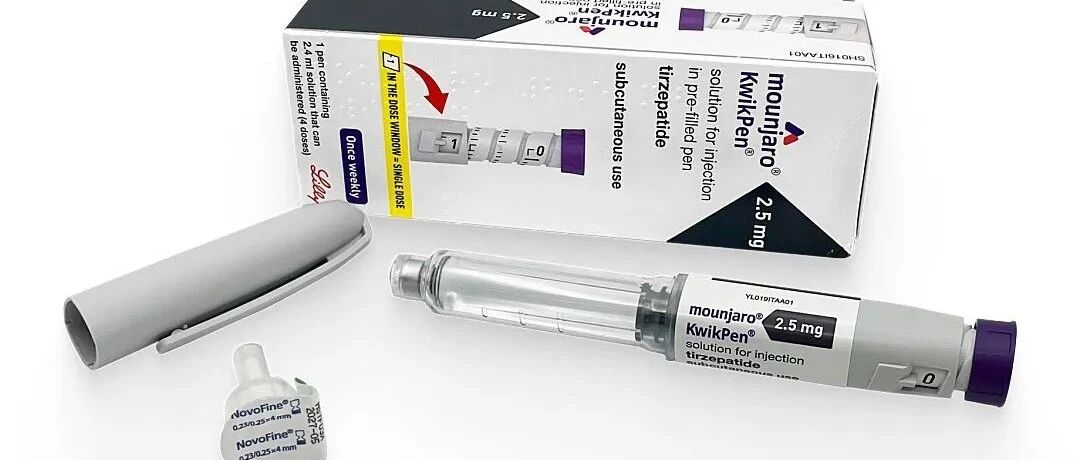
速递|诺和诺德,将GLP-1新药战线推进至儿童青少年人群
GLP1减重宝典· 2026-01-20 09:12
Core Viewpoint - The approval of Novo Nordisk's CagriSema injection for long-term weight management in children and adolescents aged 8 to 18 marks a strategic expansion of GLP-1 drugs from adult obesity to a more controversial and potentially valuable youth demographic [6][9]. Industry Analysis - The rise in childhood obesity is not just a weight issue but a precursor to type 2 diabetes, cardiovascular diseases, and metabolic syndrome, indicating the importance of early intervention [6]. - Establishing a long-term, standardized drug intervention pathway for this demographic could yield greater clinical value and lifecycle benefits compared to short-term weight loss applications [6]. - The demand for safety, tolerability, and long-term follow-up data in this age group is significantly higher than in adults, which presents a challenge for companies willing to advance clinical trials [6]. Competitive Landscape - The GLP-1 market is becoming increasingly crowded, with the focus shifting from adult weight loss to establishing clinical and institutional advantages in earlier populations and longer-term management [9]. - The emphasis on lifestyle intervention alongside medication in the new indication for CagriSema allows for regulatory and reimbursement flexibility, positioning it as a complementary tool within chronic disease management systems [7][9].

速递|信达生物玛仕度肽新适应症临床获批,押注减重+降压协同价值
GLP1减重宝典· 2026-01-20 09:12
Core Viewpoint - The article discusses the approval of a new clinical study for the drug Mashtudipeptide by Innovent Biologics, targeting blood pressure control in overweight or obese patients with hypertension, indicating a strategic upgrade in disease combination management within the crowded GLP-1 market [4][5]. Group 1: Clinical Development - Innovent Biologics has received approval for Mashtudipeptide injection to conduct a clinical study focused on hypertension combined with overweight or obesity [4]. - This clinical design signals a shift from viewing GLP-1 drugs solely as weight loss tools to recognizing them as platforms for managing metabolic diseases [5]. Group 2: Market Dynamics - The competition in the GLP-1 sector has evolved from focusing on weight loss efficacy to emphasizing safety and tolerability, and now to demonstrating clinical value in managing multiple comorbidities [6]. - Conditions such as hypertension, cardiovascular risks, fatty liver, and sleep apnea are emerging as new battlegrounds for GLP-1 drugs [6]. Group 3: Future Implications - As more indications are pursued, the competition will shift from merely comparing weight loss outcomes to a comprehensive evaluation of real-world disease burden and long-term outcomes [8]. - Innovent's focus on hypertension in obese populations exemplifies this trend towards a more integrated approach in the GLP-1 competitive landscape [8].

FDA局长在JPM放话:效率与国家优先!美国药物监管正在急速转向
GLP1减重宝典· 2026-01-20 09:12
Core Viewpoint - The article discusses the recent changes in FDA's drug approval processes under the leadership of Marty Makary, emphasizing the need for modernization and efficiency in the pharmaceutical industry, particularly in the context of competition with China [3][5][8]. Group 1: FDA's New Drug Approval Processes - The FDA is revising its drug approval logic, allowing a single pivotal clinical trial to suffice for registration if the statistical design is robust, moving away from the previous requirement of two trials [5]. - Makary opposes traditional animal testing, advocating for the use of computational models and organ-on-chip technologies instead, as many drugs that pass animal tests fail in humans [7]. - The FDA is breaking down the traditional phase I, II, III trial structure, allowing for continuous trials and Bayesian statistical methods, enabling real-time data assessment [7]. Group 2: Competition and Efficiency - The U.S. is facing competition in biomedicine from China, with Makary highlighting that the lag is not in technology but in institutional efficiency, particularly in the speed of early clinical trials [8]. - Makary is pushing for centralized IRB and standardized contract mechanisms to reduce bureaucratic delays in trial initiation [8][10]. Group 3: Drug Pricing and AI Regulation - Makary views GLP-1 drugs as important tools for managing metabolic diseases, advocating for lower drug prices in the U.S. compared to Europe, and promoting negotiations for better pricing [11]. - The FDA is working to expedite the approval of biosimilars and convert some prescription drugs to over-the-counter status to foster market competition [13]. - In the realm of AI in healthcare, Makary believes that traditional drug regulation methods should not apply, as this could stifle innovation; instead, a more flexible regulatory framework is needed [13]. Group 4: Vaccine Strategy - Makary is taking a measured approach to vaccines, aiming to restore public trust by prioritizing a core vaccine list rather than expanding recommendations indefinitely [16]. - He questions the one-size-fits-all policy for newborn hepatitis B vaccinations, advocating for a more nuanced approach based on risk assessment [16].

替尔泊肽、司美格鲁肽,减肥、护心最佳选择!
GLP1减重宝典· 2026-01-20 09:12
Core Viewpoint - The article discusses the effectiveness and safety of various FDA and EMA approved weight loss medications, emphasizing the superiority of tirzepatide and semaglutide in managing obesity and related health risks [4][5][6]. Research Methodology - A systematic review and meta-analysis were conducted, including randomized controlled trials from databases like Web of Science, PubMed, and Cochrane, focusing on weight loss medications approved for treating overweight or obesity [7]. Research Results - A total of 154 randomized controlled trials involving 112,515 participants were included. Tirzepatide showed the best weight loss results, followed by semaglutide. Tirzepatide also demonstrated the strongest antihypertensive effects and improved metabolic markers [9]. - Semaglutide and liraglutide were noted to reduce the risk of major adverse cardiovascular events (MACE), while naltrexone/bupropion increased blood pressure risk [9]. Tirzepatide Efficacy - In the SURMOUNT-1 study, tirzepatide led to significant weight loss in prediabetic patients, with reductions of 15.4% (5mg), 19.9% (10mg), and 22.9% (15mg) compared to a 2.1% reduction in the placebo group. It also reduced the risk of diabetes progression by 88% [11][14]. - The SURMOUNT-2 study confirmed that higher doses of tirzepatide resulted in an average weight loss of 15.7% (15.6kg) in type 2 diabetic patients [13]. Semaglutide Efficacy - The STEP series of studies indicated that semaglutide achieved an average weight loss of 15% in obese patients, significantly outperforming previous medications [17][19]. - In the STEP 1 study, semaglutide led to a 14.9% weight reduction, with over one-third of participants losing more than 20% of their weight [19]. - The STEP 4 study showed that continuous use of semaglutide resulted in an 18.2% weight loss, averaging 17.8kg [22]. Conclusion - The findings from these studies provide valuable insights into personalized weight management strategies, highlighting the effectiveness of GLP-1 receptor agonists like tirzepatide and semaglutide in treating obesity and improving metabolic health [6][9].
速递|FDA确认:GLP-1类药物不存在自杀风险!要求删除相关警示标签
GLP1减重宝典· 2026-01-19 12:14
Core Viewpoint - The FDA has concluded that there is no increased risk of suicidal thoughts or behaviors associated with GLP-1 receptor agonists, leading to the removal of related warnings from drug labels, which is significant for weight loss and diabetes treatment [5][6][7]. Group 1: FDA Findings - The FDA's decision is based on a comprehensive evaluation of evidence, including a meta-analysis of 91 placebo-controlled clinical trials with a total sample size of 107,910 participants, showing no risk differences in suicidal thoughts or behaviors between GLP-1 treatment and placebo groups [5][6]. - Real-world data from the FDA Sentinel system, involving over 2.24 million type 2 diabetes patients, also indicated that GLP-1 usage is not associated with an increased risk of intentional self-harm [6]. Group 2: Regulatory Implications - The FDA has requested the removal of suicide-related risk statements from the labels of several GLP-1 drugs, including Wegovy, Zepbound, and Saxenda, while emphasizing that healthcare professionals should remain vigilant in assessing patients for mental health issues [7]. - This regulatory decision is expected to have a profound impact on the long-term use of GLP-1 drugs, alleviating concerns for patients and healthcare providers, and supporting broader adoption and insurance negotiations for these medications [7].
每天一粒司美格鲁肽口服片替代注射,效果与依从性的完美结合!
GLP1减重宝典· 2026-01-19 12:14
Core Viewpoint - GLP-1 (Glucagon-like peptide-1) plays a crucial role in regulating blood sugar and controlling weight, with significant advancements in the development of GLP-1 drugs globally, particularly focusing on Semaglutide and Tirzepatide [2][4]. Group 1: GLP-1 Drug Overview - GLP-1 is secreted by intestinal L cells and is important for slowing gastric motility, prolonging gastric emptying, and effectively suppressing appetite [2]. - Notable GLP-1 drugs include Semaglutide from Novo Nordisk, with its formulations being Ozempic (for diabetes), Wegovy (for weight loss), and Rybelsus (oral version) [2][9]. - Tirzepatide from Eli Lilly, marketed as Mounjaro, is also gaining attention for its dual action in glucose control and weight loss [2]. Group 2: Oral Semaglutide (Rybelsus) Advantages - Rybelsus is the first and only oral GLP-1 receptor agonist available globally, offering convenience such as no refrigeration and ease of transport, which enhances patient adherence [4][6]. - The formulation includes Semaglutide and an absorption enhancer, SNAC, which increases the drug's bioavailability by approximately 100 times [6]. Group 3: Clinical Research and Efficacy - The global Phase III clinical study PIONEER involved 11,505 patients and confirmed the efficacy and safety of oral Semaglutide, showing significant reductions in blood sugar and weight [8]. - In China, newly diagnosed type 2 diabetes patients achieved a HbA1c target rate of 92.3% with Rybelsus monotherapy [8]. - The STEP studies demonstrated that weekly injections of 2.4 mg Semaglutide resulted in an average weight loss of 15% in obese patients, showcasing its effectiveness compared to other weight loss medications [11]. Group 4: Comparison of Different Formulations - Ozempic is an injectable diabetes medication, Wegovy is an injectable weight loss drug, and Rybelsus is an oral diabetes medication [9][10]. - Oral Semaglutide can potentially replace injectable forms without dosage adjustments, providing a "pain-free" weight loss option [13]. - However, achieving similar weight loss effects with oral Semaglutide may require higher doses, which are currently limited to 14 mg per day [15]. Group 5: Safety and Tolerability - Clinical trials indicate that oral Semaglutide maintains good safety and tolerability, although higher doses may lead to adverse effects not seen with injectable forms [15][18]. - The latest OASIS 4 study showed that patients on 25 mg oral Semaglutide lost an average of 13.6% of their body weight over 64 weeks, with potential for even greater loss if all participants completed the treatment [17]. Group 6: Patient Considerations - Oral Semaglutide offers advantages in convenience and patient acceptance, but patients should consult healthcare providers to consider personal needs and tolerability [18].